The Honorables
They’re the ones who never asked for applause and never got it. The second names in reports, the forgotten mascots, the faithful co-workers of the extraordinary. You won’t find shrines for them, just paw prints in mud and faded tags on lab doors. But they held the line between chaos and care, between orders and instinct, and that deserves to be said out loud.
They came from kennels, tanks, temples, circuses, and alleys: therapy llamas in nursing homes, cloned cosmonauts circling in silence, orcas that worked eight shows a day, dogs who found the living long after the cameras left. Some were conscripted, others volunteered in the only way animals can—by showing up and doing the thing again tomorrow.
They did their jobs. They carried the wounded, fetched the lost, calmed the frightened, made people laugh, made them believe. Their stories aren’t miracles, just endurance measured in quiet gestures: one more dive, one more bark, one more mile. Most ended in a shrug, a pat, a single line in an after-action log.
The Saints got legends. The Honorables get thanks—late, brief, but real. This section is for them: the background heroes, the middle ranks of creation, the working souls who made the world slightly kinder and were almost remembered for it.
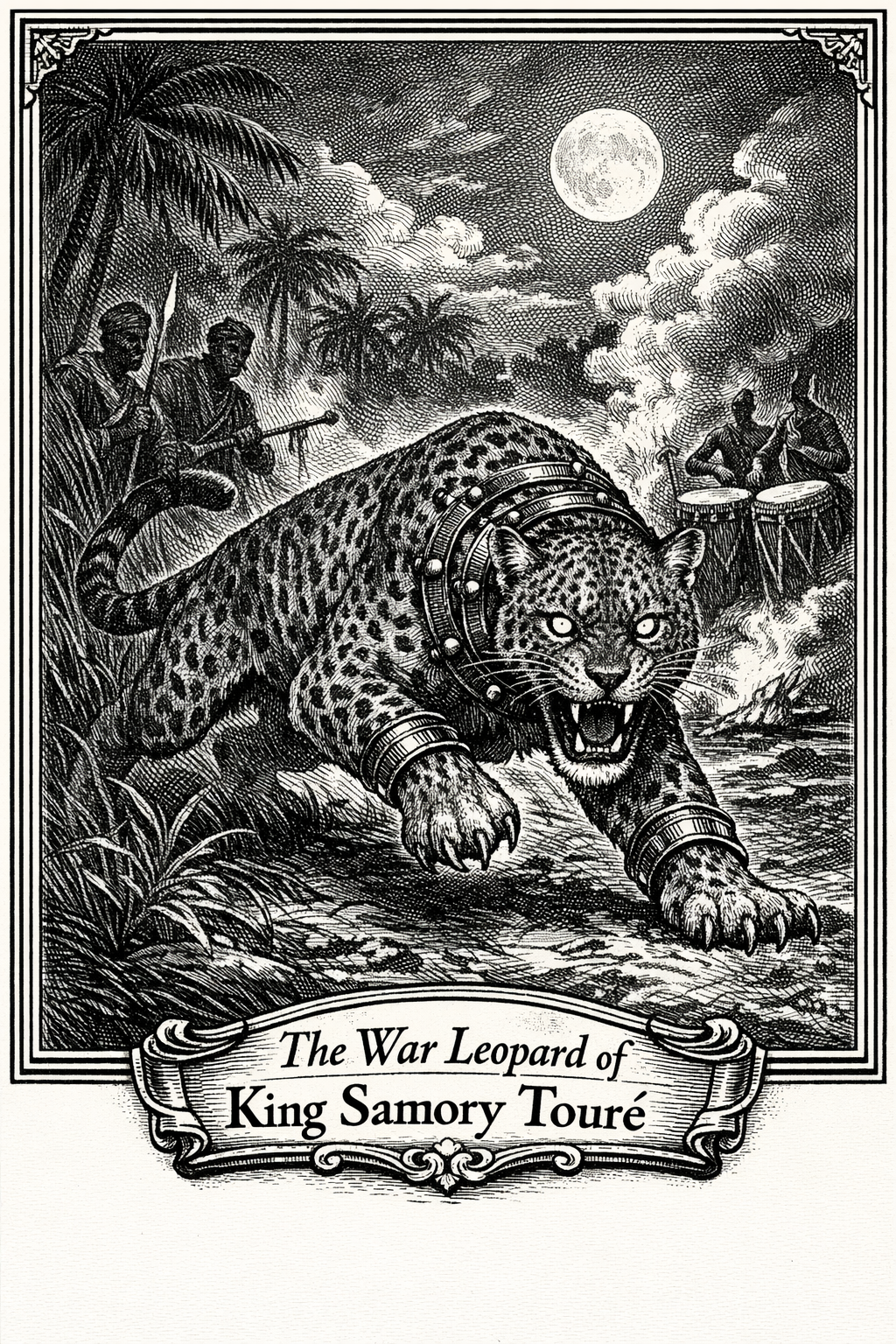
A leopard, collar-bound in bronze, was said to move ahead of Samory Touré’s scouts like a living omen, trained to spring at those who did not carry the scent of home. Whether beast or battlefield rumor, it prowled the edge between history and legend, remembered as justice with claws beneath the West African moon.
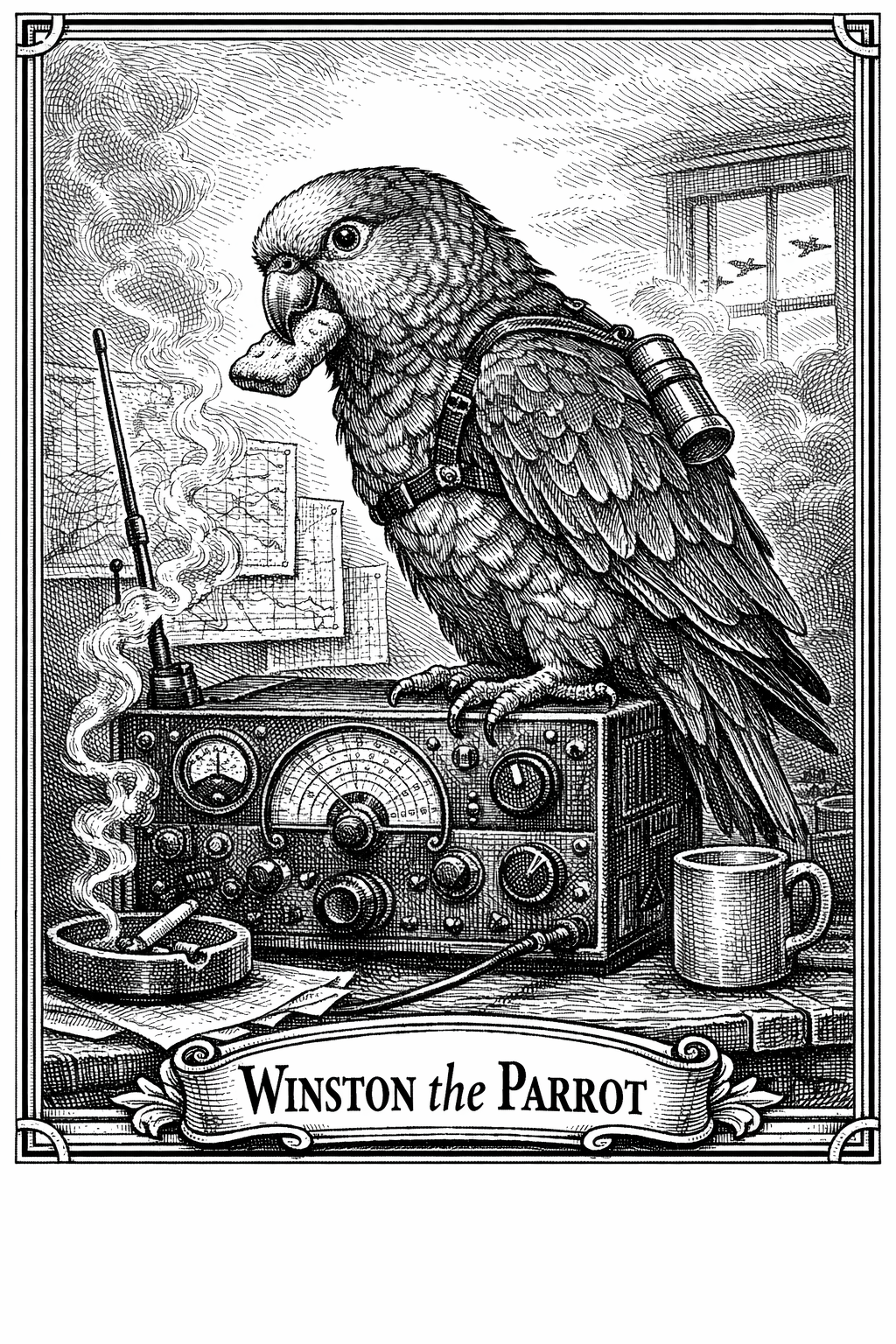
Winston was a green Amazon parrot who carried coded messages between posts in Kent during the Blitz, working for crumbs and later, more serious compensation. By war’s end he had outlasted radios and handlers alike, retiring not as a hero of silence, but as a veteran who refused to fly without a biscuit.
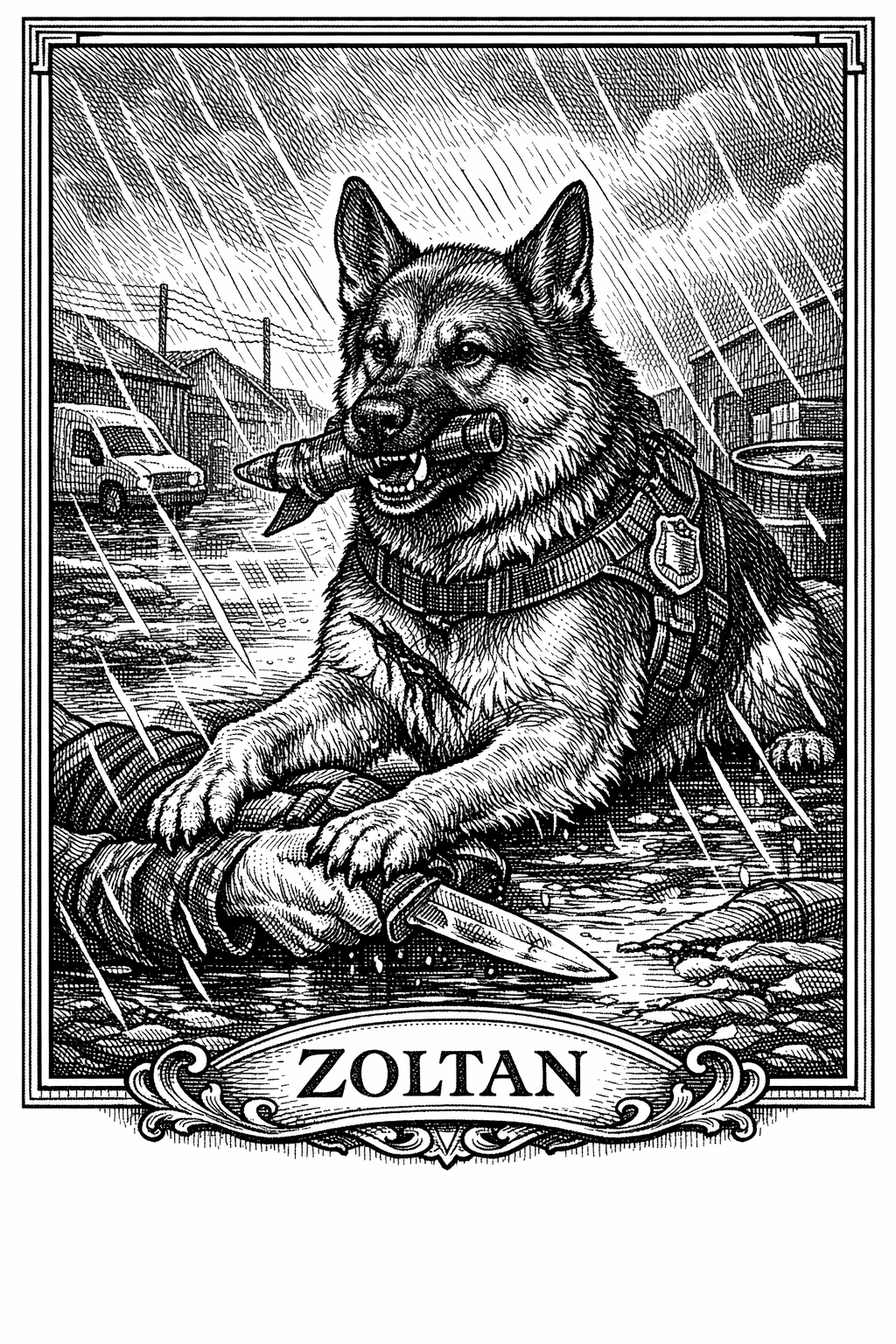
Zoltan was a police dog in the West Midlands who charged a knife-wielding suspect in 2006, taking a serious chest wound while holding the man until officers could make the arrest. For his courage under fire and refusal to release his grip, he was awarded the PDSA Gold Medal before quietly returning to duty.
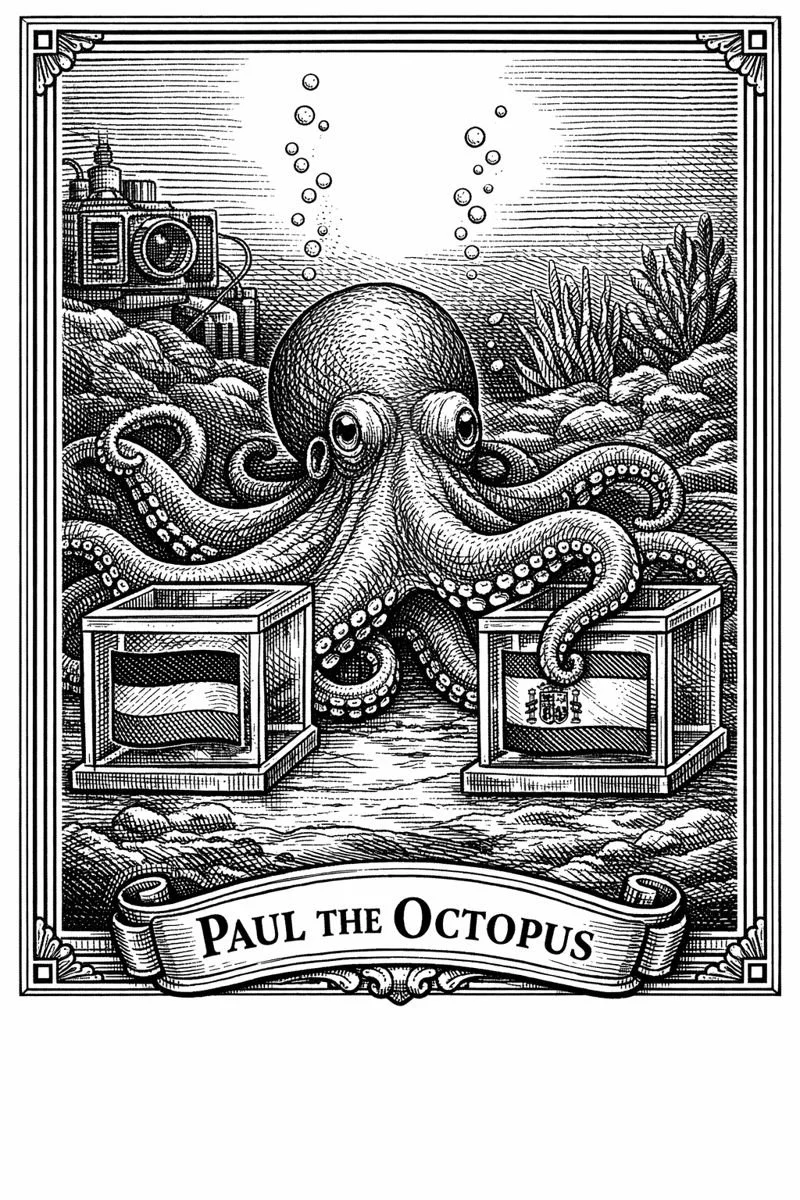
Paul the Octopus was a common octopus who rose to global fame during the 2010 FIFA World Cup after correctly predicting the outcomes of multiple matches, including the final. Though trained for a simple enrichment task, his uncanny accuracy turned him into a cultural phenomenon blending science, superstition, and media spectacle
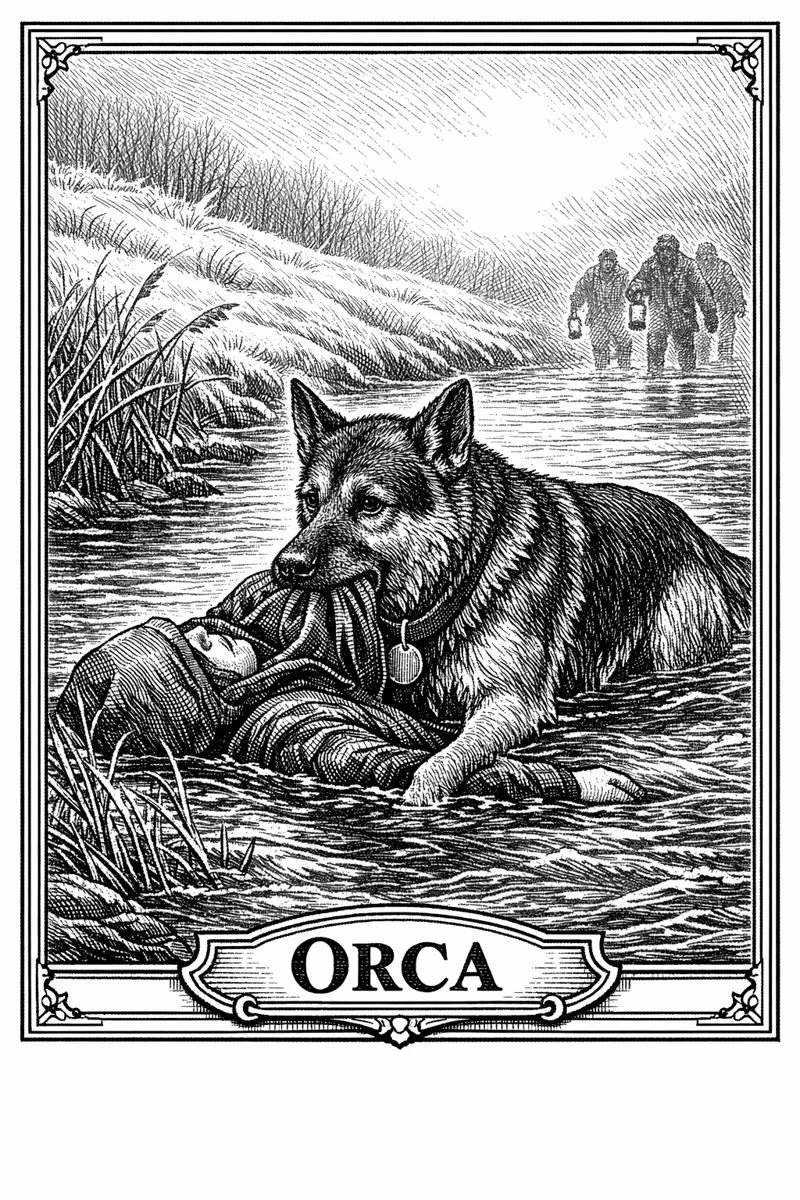
Orca was a devoted companion dog in Cardiff, Wales, whose instinct and strength saved his owner after she fell into a swollen river during a late frost in April 2006. He held her above the current until rescuers arrived, refusing to release her even as both were pulled under by the water’s weight.
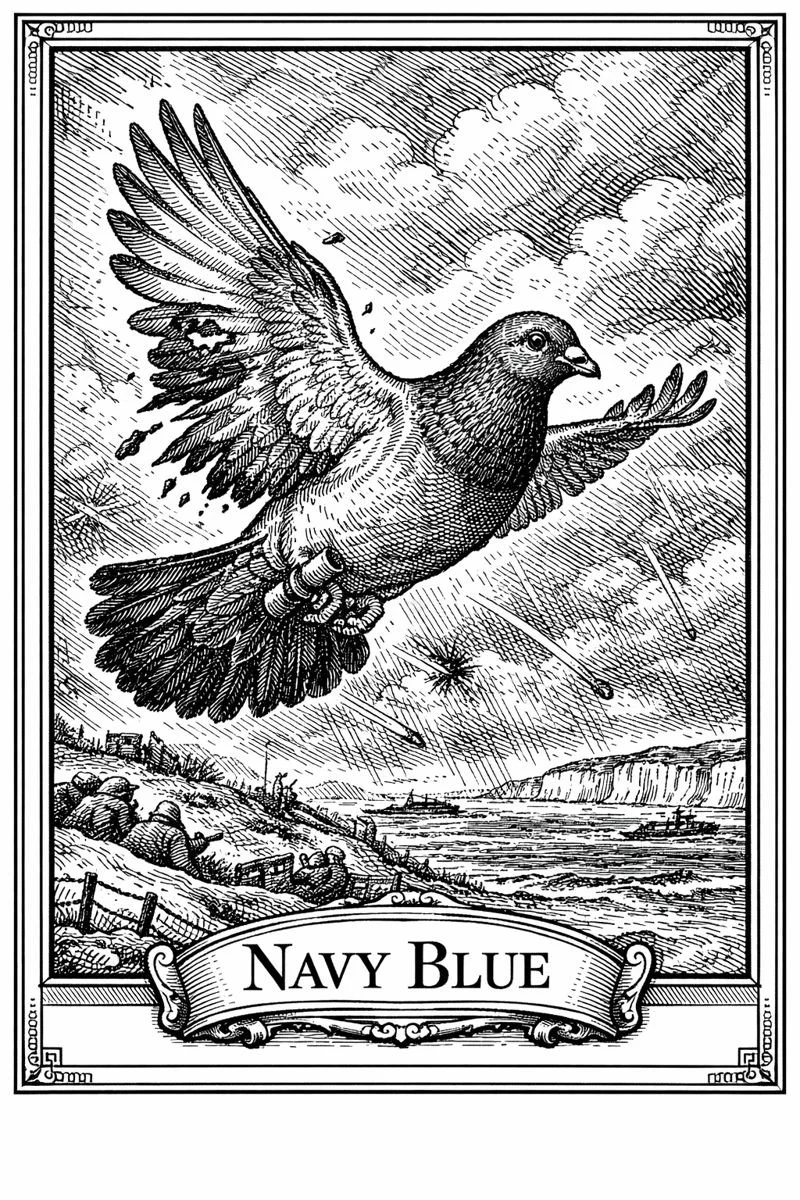
Navy Blue was a British homing pigeon who carried a critical message from a cut-off raiding party in France during the Normandy campaign, flying through rain, anti-aircraft fire, and severe injury. His successful delivery saved the trapped men, though his wing never healed straight, earning him a medal in March 1945.
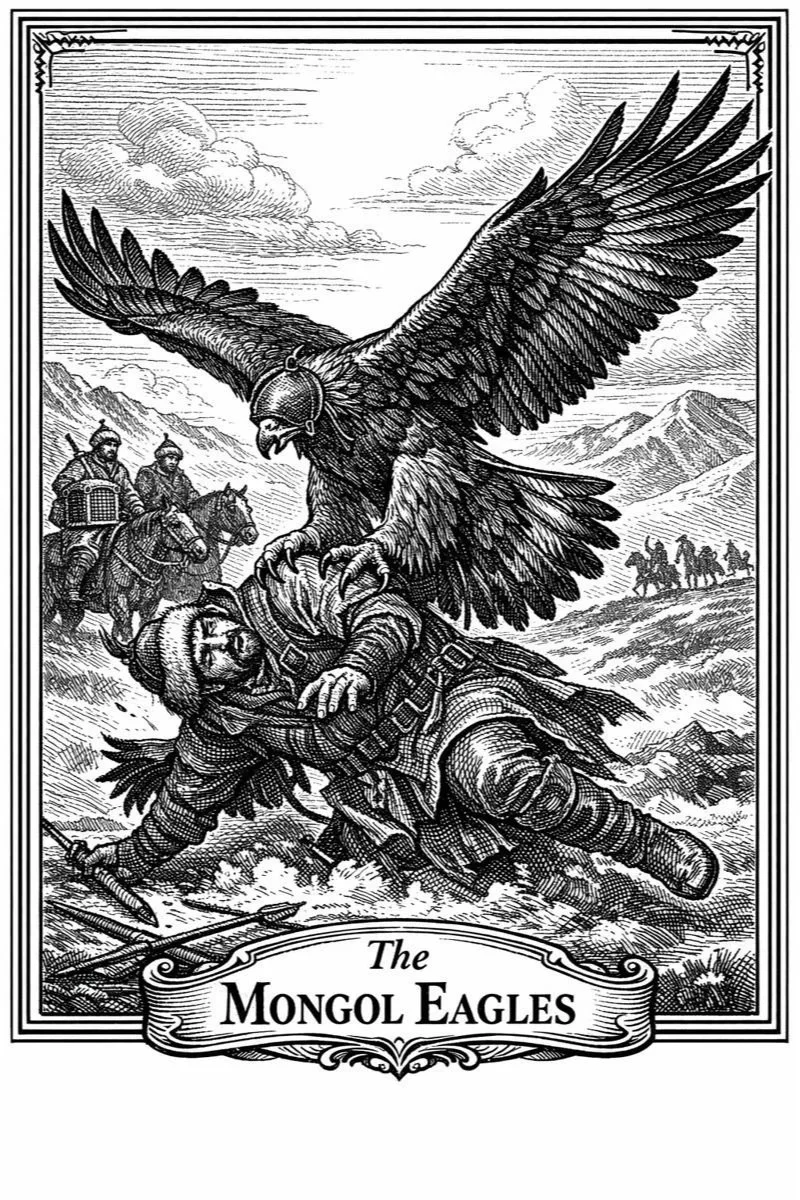
Golden eagles are among the largest and most powerful raptors in the world, capable of hunting prey as large as foxes, wolves, and deer fawns. For centuries on the Eurasian steppe, they were trained by nomadic cultures for hunting and warfare support, prized for their strength, vision, and fierce loyalty to a single handler.
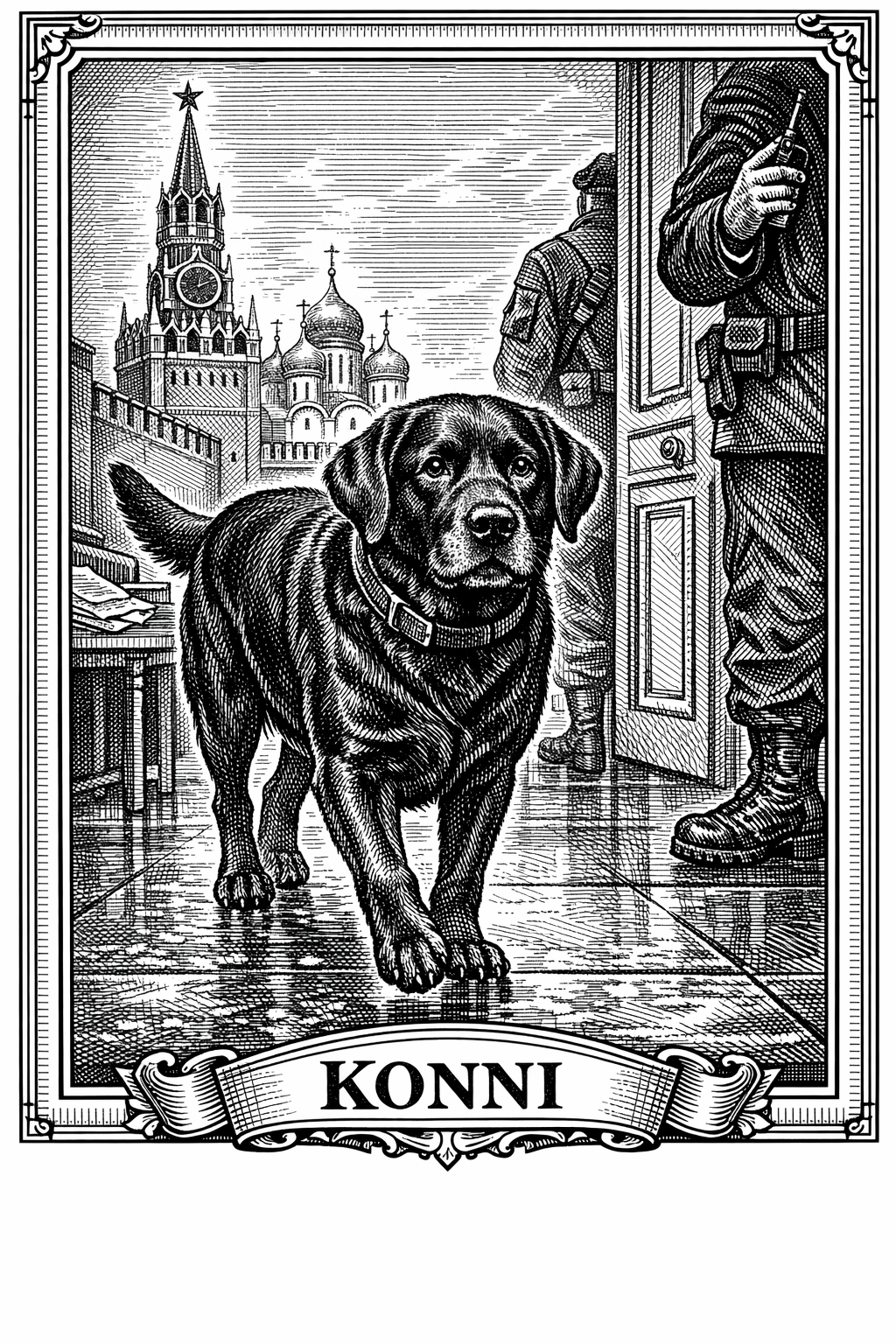
Konni was a black Labrador retriever gifted to Vladimir Putin who became an unofficial fixture of the Kremlin during his early presidency. More than a pet, she functioned as a symbol of controlled authority and loyalty, appearing in diplomatic settings and media moments that shaped her lasting public image.
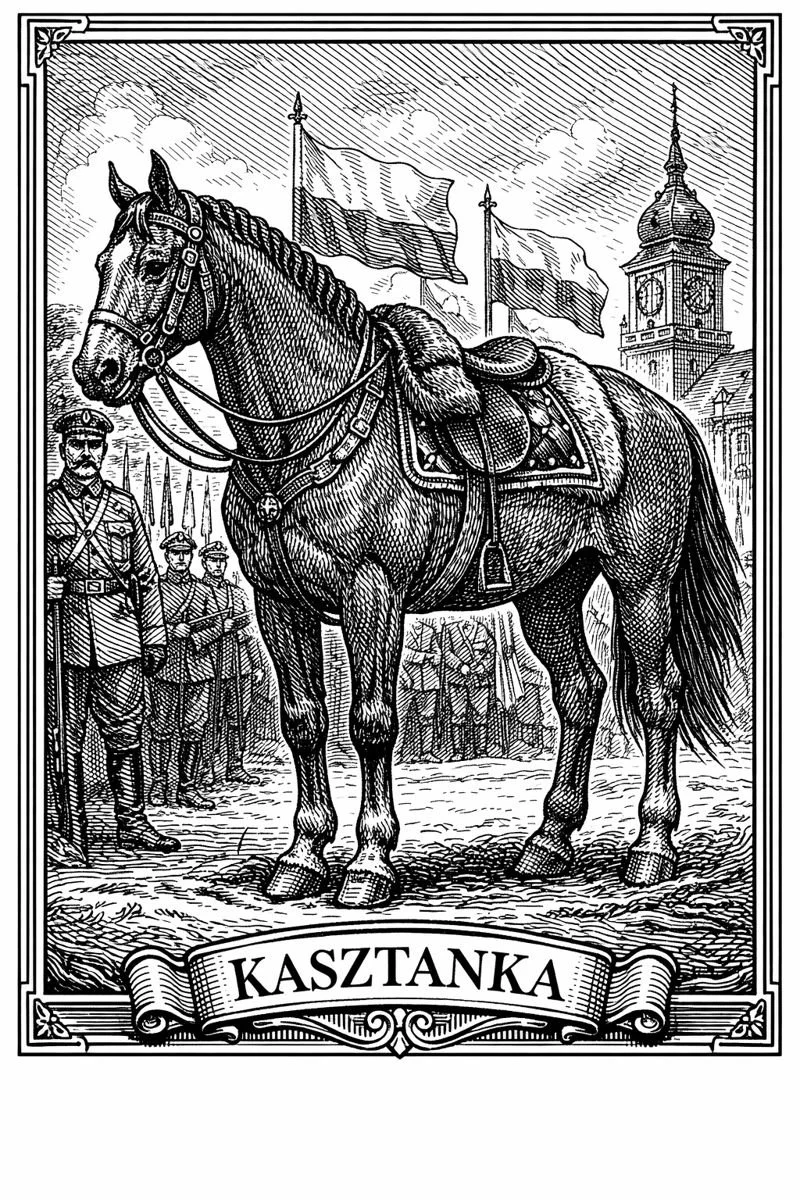
Kasztanka was the beloved mare of Marshal Józef Piłsudski and became a living symbol of the reborn Polish Republic through her presence at parades, speeches, and wartime moments. More than a mount, she embodied loyalty, endurance, and national pride, earning honors, songs, and a ceremonial burial after her death in 1926.
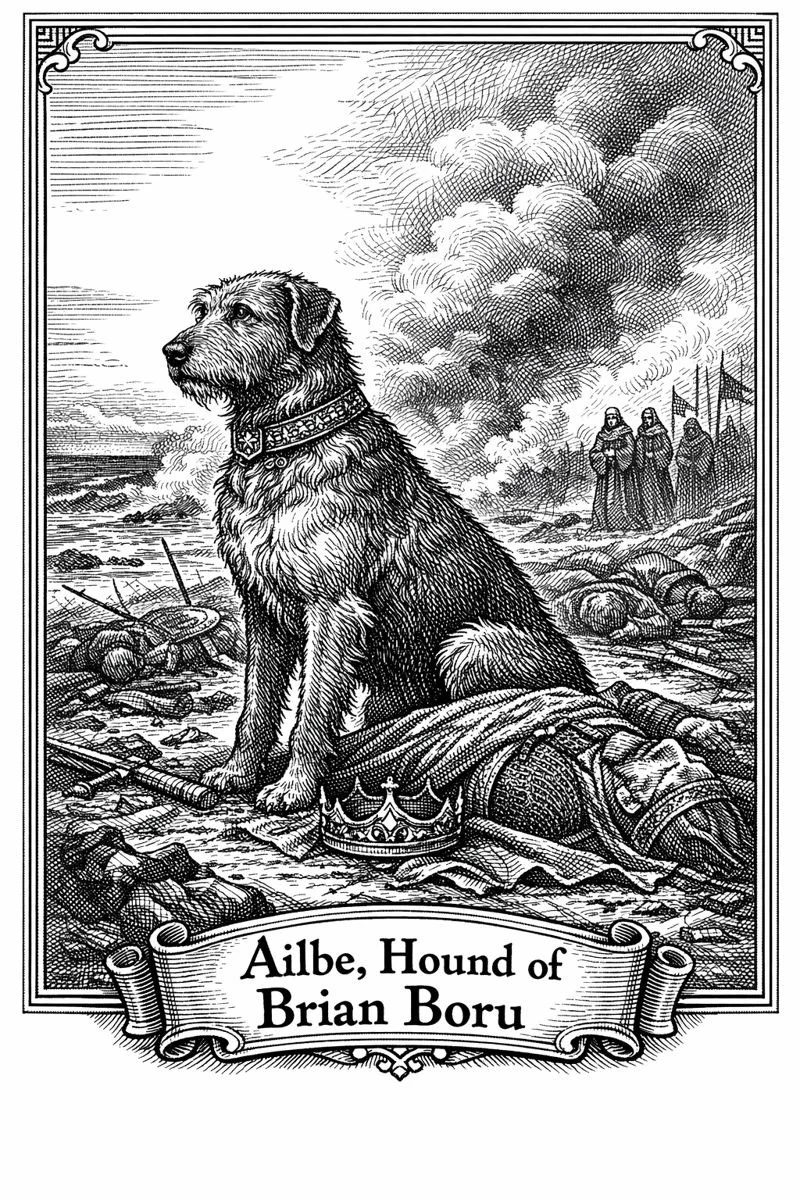
Irish wolfhounds were among the largest and most formidable dogs of medieval Europe, bred for hunting wolves, boar, and for service in war alongside Irish warriors. Renowned for their courage and loyalty, they were symbols of status and guardianship, often remaining fiercely devoted to their masters even unto death.
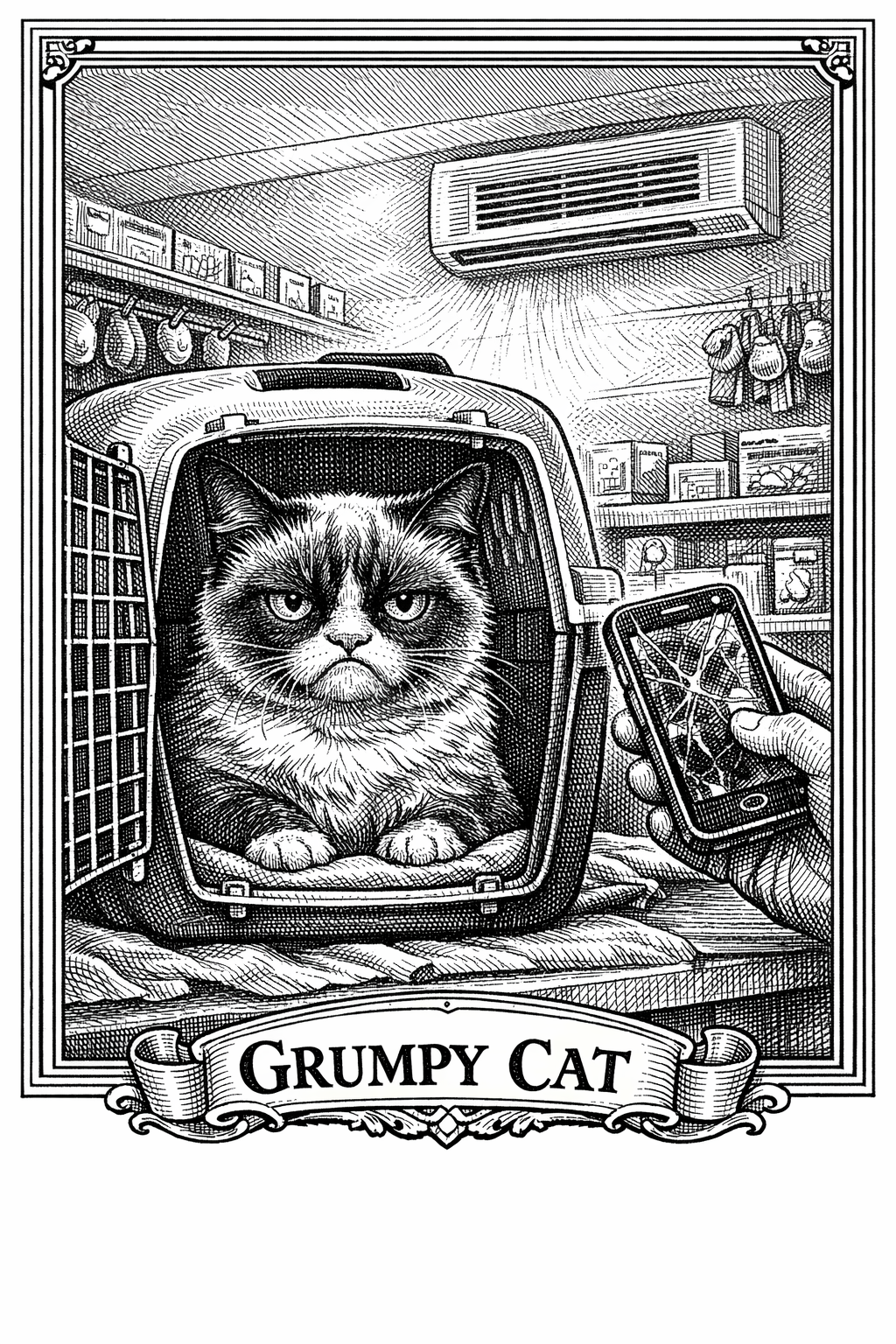
Grumpy Cat, born Tardar Sauce in 2012, became a global icon after photos of her naturally grumpy expression went viral online. Her unique appearance, caused by feline dwarfism, turned her into one of the most recognizable and profitable animals in internet history.
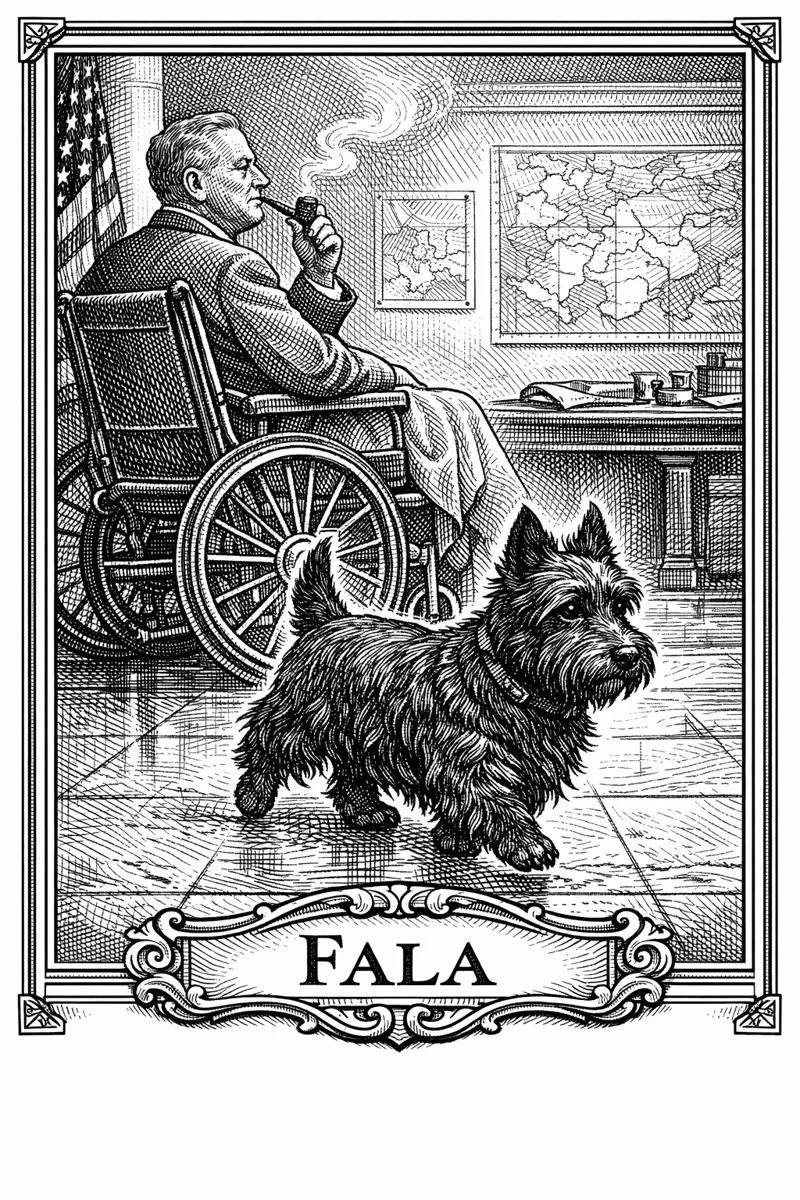
Fala was more than a presidential pet; he was a constant companion to Franklin D. Roosevelt, traveling on campaigns, attending meetings, and becoming a public symbol of loyalty during wartime America. His fame was so great that Roosevelt famously defended him in a speech against false rumors, turning a political attack into one of the most memorable moments of humor and affection of his presidency.
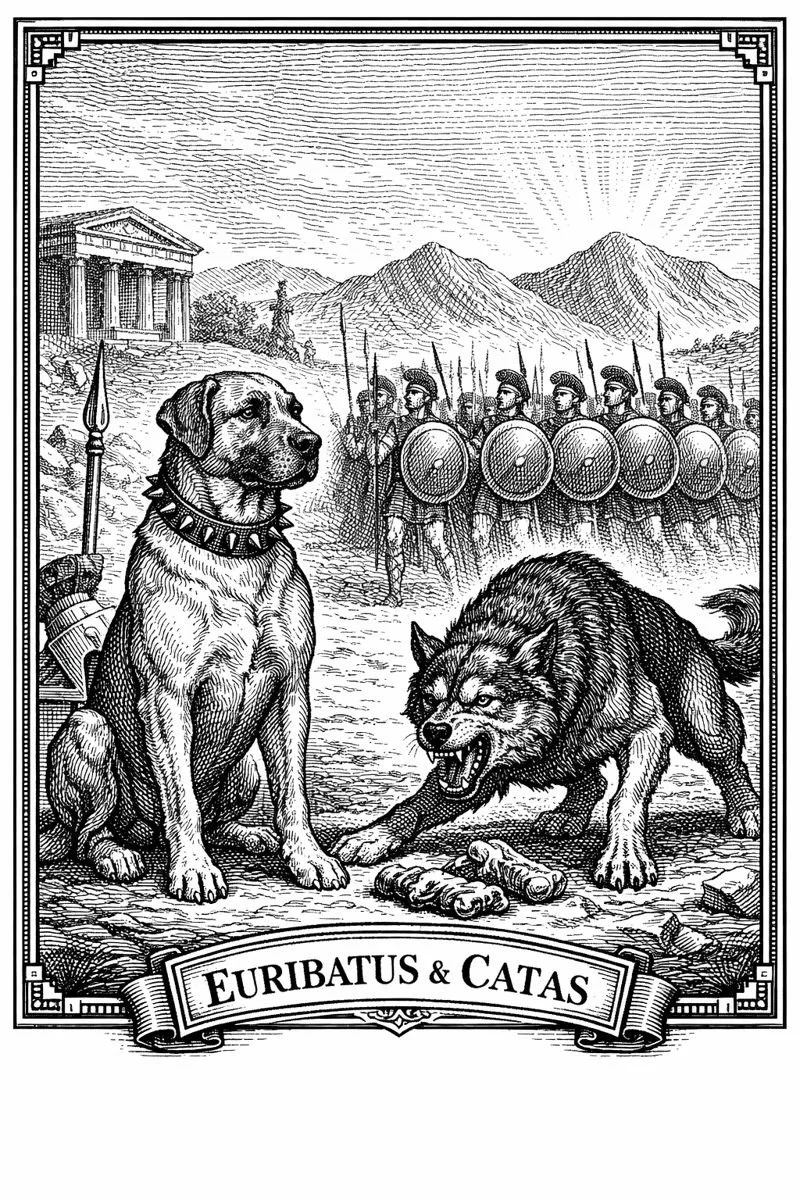
Euribatus and Catas were legendary Spartan dogs said to embody the balance between discipline and instinct, trained alongside warriors and sent into battle with the phalanx. Remembered less for ferocity than for loyalty, they followed Spartan orders to the end, vanishing with the men they served.
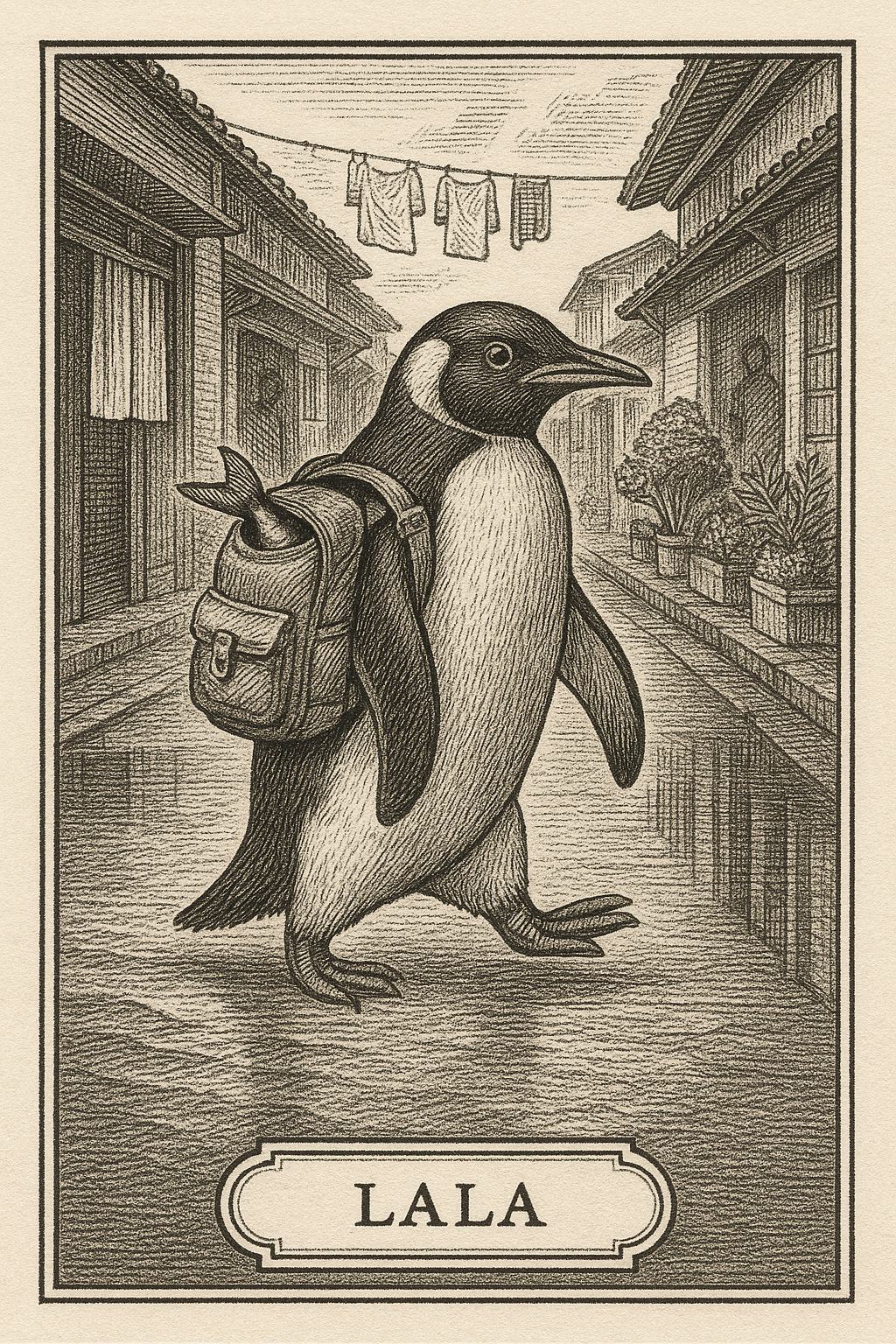
A king penguin named Lala strolls through a quiet Japanese street with his little backpack, faithfully completing his daily errand to the fish market.
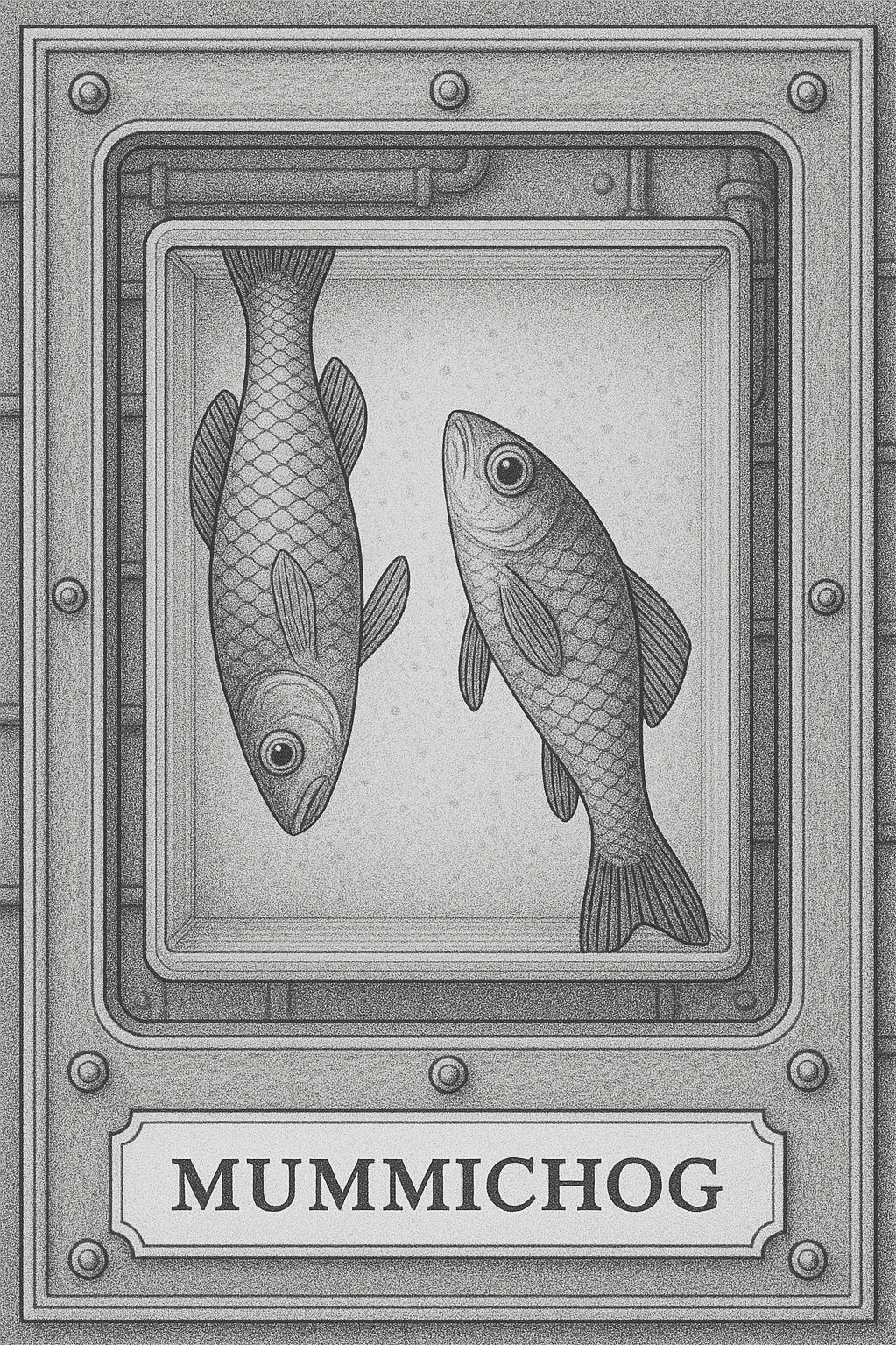
A tough little tidepool fish became one of NASA’s earliest space adaptors, learning to swim in zero gravity while its fry evolved even faster.
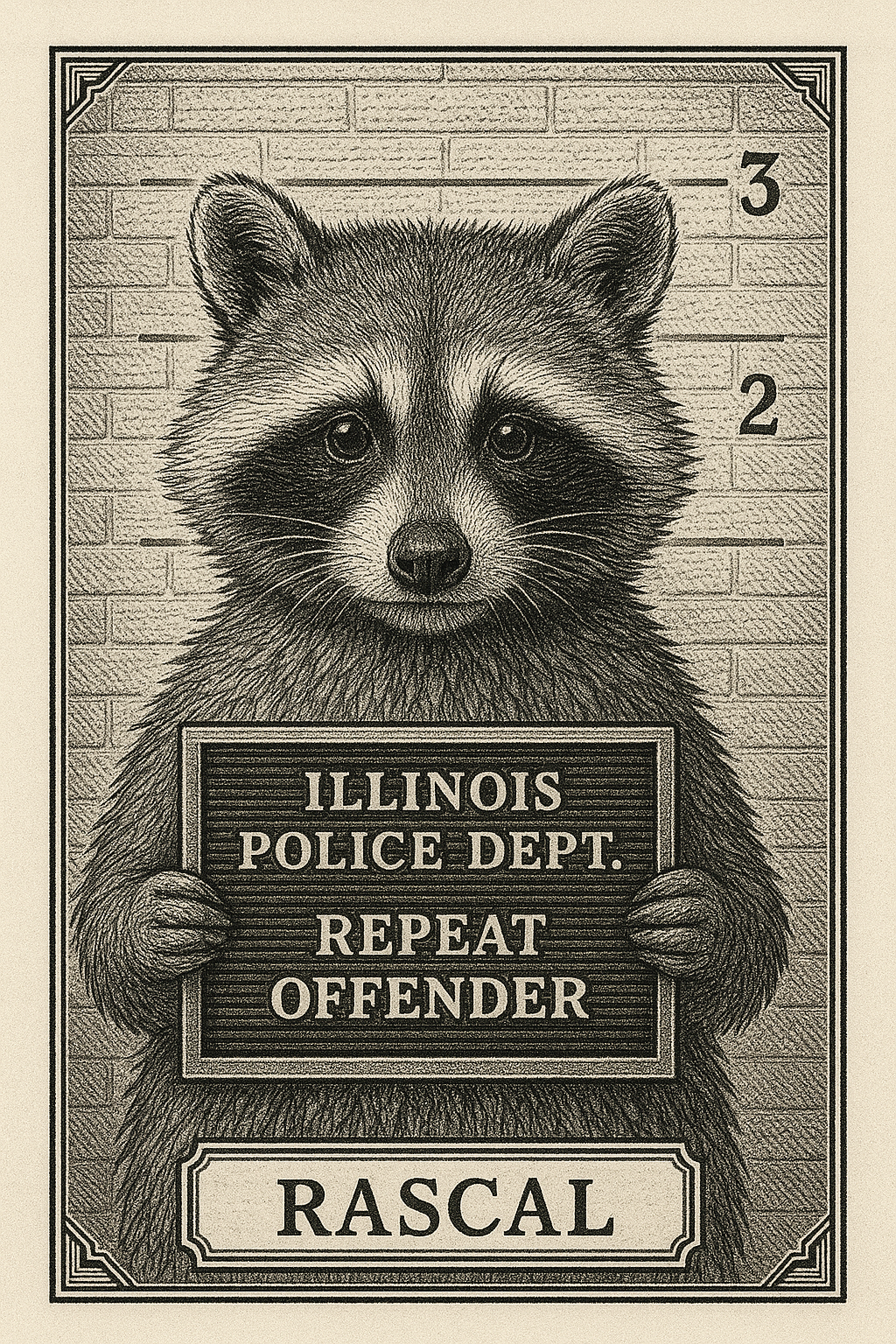
A clever raccoon repeatedly raided a small-town police station for doughnuts until officers finally caught him in a sugar-baited trap.
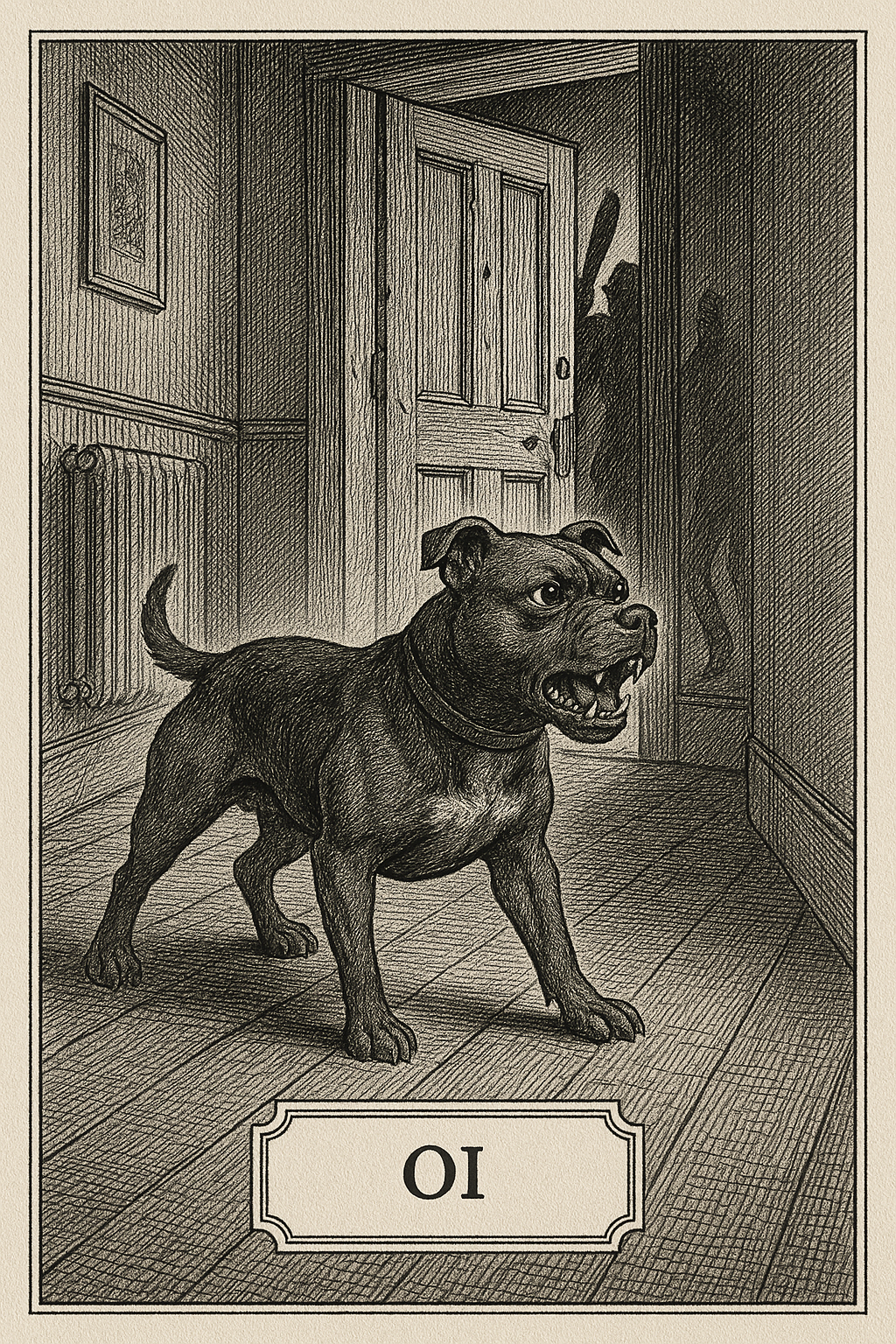
A loyal Staffordshire Bull Terrier named Oi made her final stand in a darkened hallway, placing herself between her family and armed intruders in an act of courage remembered even when the details of that night were lost.
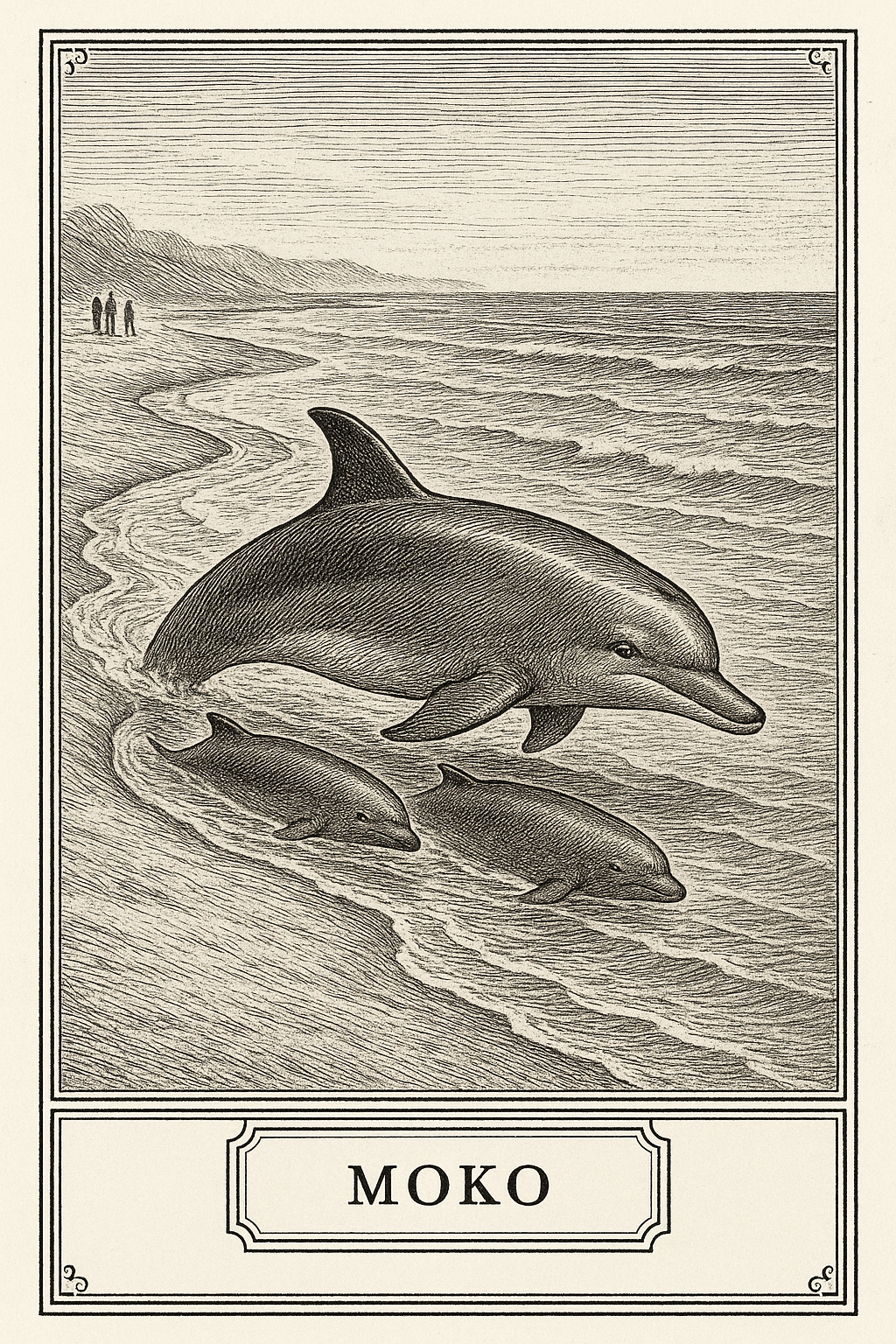
Moko cut through the cold Mahia surf, nudging the stranded whales into the narrow channel as the beach fell silent to watch him lead them home.
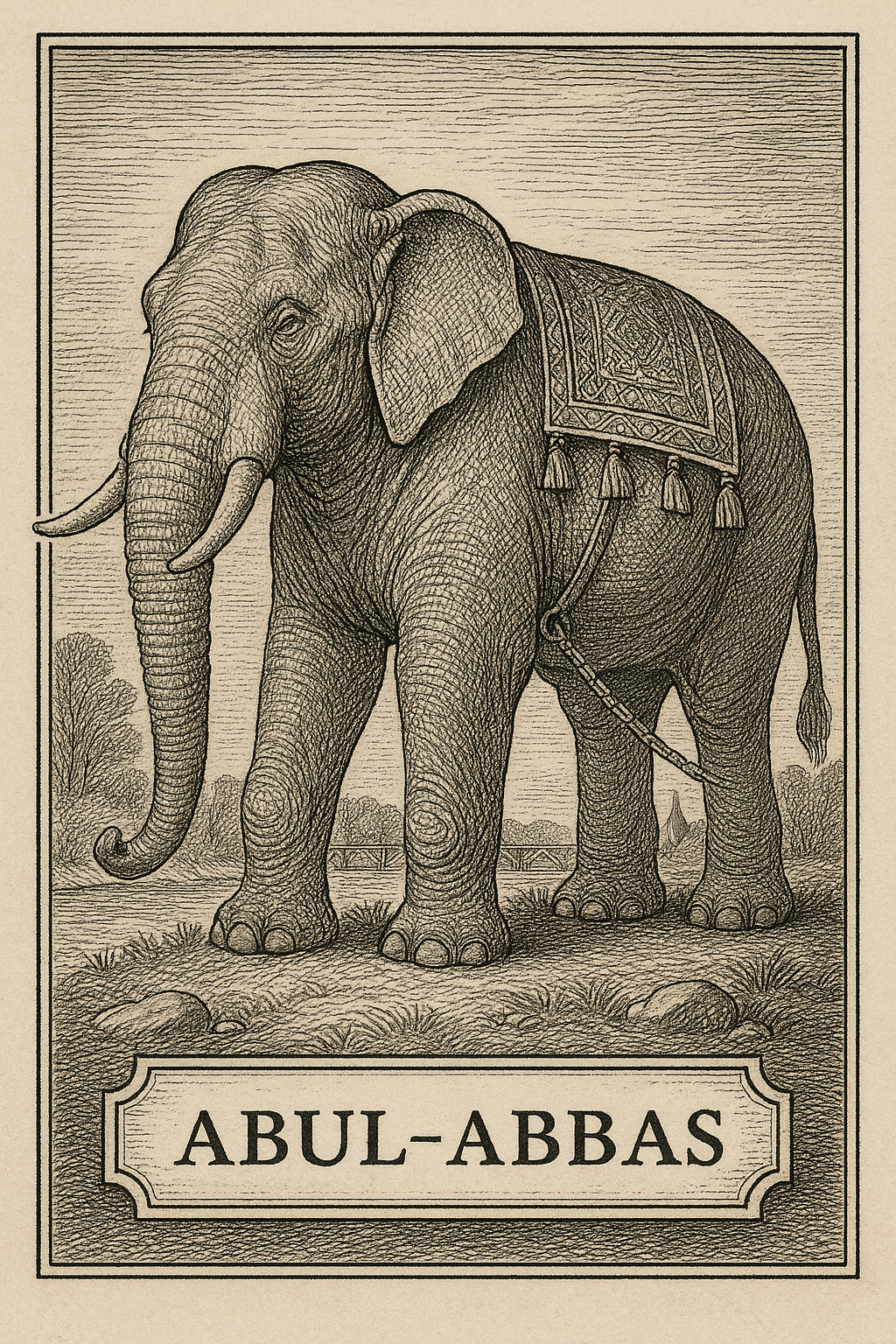
Abul-Abbas was the legendary elephant gifted by Caliph Harun al-Rashid to Charlemagne, walking from Baghdad to Aachen as a living emblem of empire-to-empire diplomacy.
They left Earth without names, spinning in a metal box toward the Moon, enduring the vast indifferent dark with the calm of creatures who’ve outlived empires
A war mastiff named Dragon kept vigil over his fallen Templar master for three days amid the stench and chaos of Acre.
Ubre Blanca was Cuba’s most famous dairy cow, celebrated in the 1980s for producing extraordinary milk yields that the government hailed as proof of socialist agricultural science. After her death in 1985, she was preserved and memorialized as a national icon, though later cloning efforts failed to recreate her record-breaking output.