Francis Pegahmagabow was a quiet Ojibwe sniper who turned World War I’s chaos into a disciplined ledger of survival and fear. He came home decorated, unheard, and spent the rest of his life fighting a country that loved his kills more than his voice.
Rank - 126
Roy Benavidez was a U.S. Army Special Forces medic who, in May 1968, fought for six hours while grievously wounded to rescue surrounded comrades in Vietnam.
His actions redefined battlefield courage, turning sheer willpower and self-sacrifice into living legend.
Rank - 127
Albert Jacka was an Australian soldier and the first from his nation to receive the Victoria Cross in World War I for recapturing a trench at Gallipoli in 1915. He survived extraordinary frontline violence only to die young in peacetime, his legend growing larger as his body finally gave out.
Rank - 128
Ibrahim Pasha was an Ottoman-Egyptian general and son of Muhammad Ali, famed for his modernized army and ruthless efficiency. He played a decisive, brutal role in suppressing revolts and reshaping power in Greece, Syria, and the eastern Mediterranean during the early 19th century.
Rank - 129
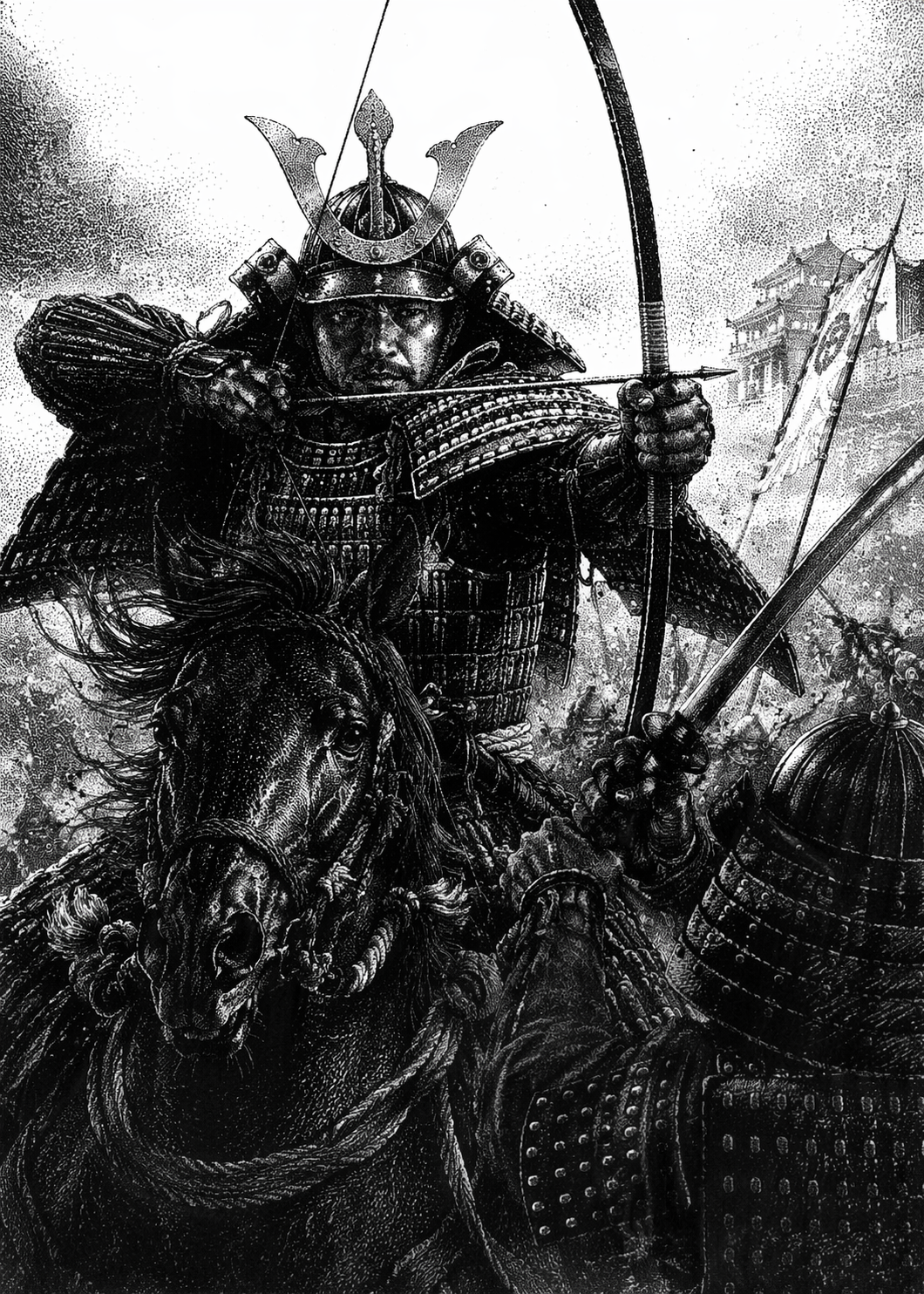
The Scottish king who turned exile, defeat, and civil war into a long, grinding campaign for independence through patience, guerrilla warfare, and ruthless resolve. His victory at Bannockburn made him a national symbol of endurance, proving that stubborn survival can outlast empires built on force alone.
Rank - 130
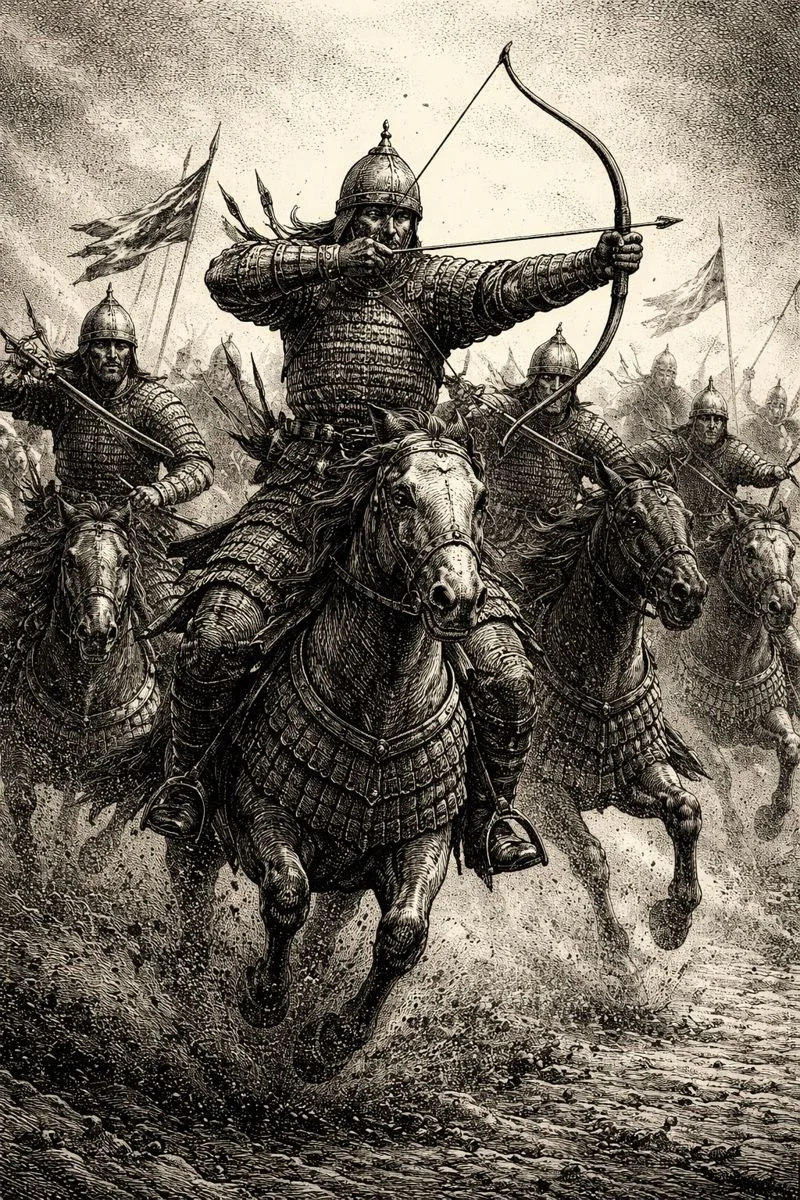
The Seljuk ghulams were elite slave-soldiers forged into a professional cavalry core, bound by pay, training, and proximity to power rather than blood or tribe. As a disciplined hinge of the Seljuk war machine, they delivered controlled violence that reshaped battlefields from Iran to Anatolia and left a template later empires would copy without apology.
Group Rank - 174
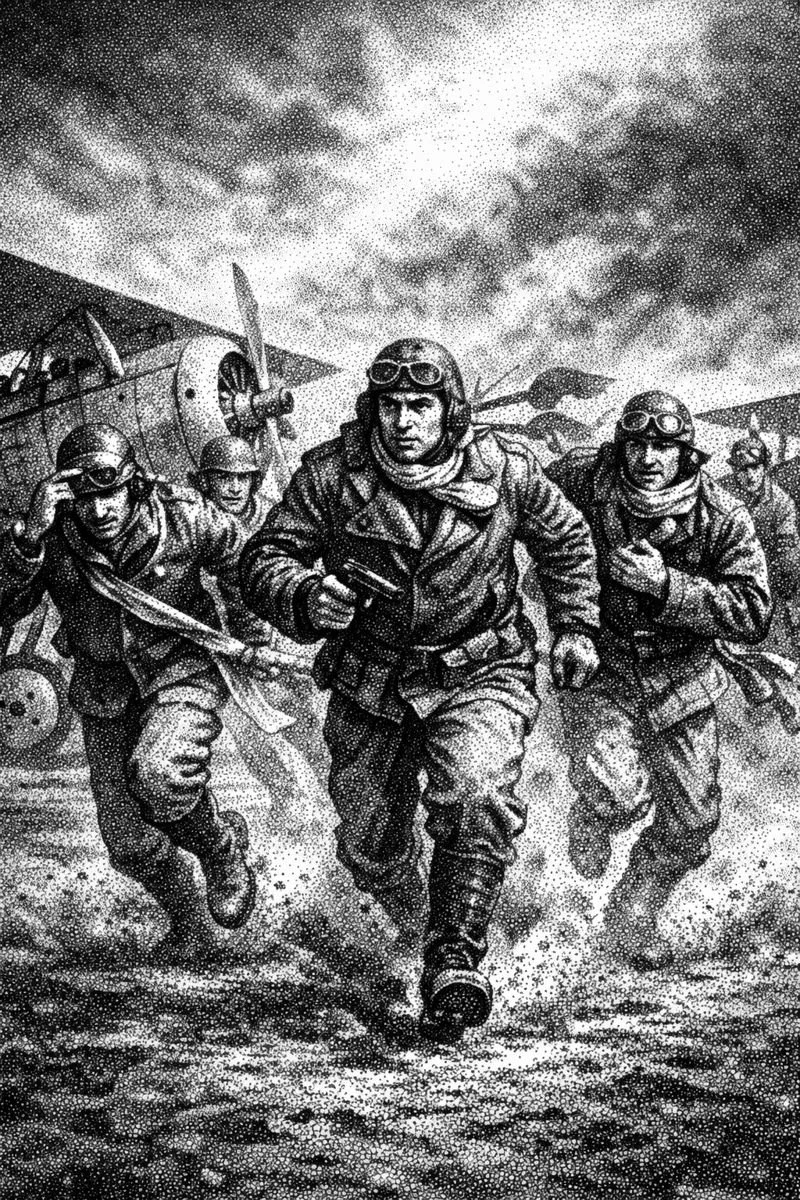
The Escadrille Lafayette was a World War I fighter squadron formed in 1916 by American volunteer pilots flying for France before the United States formally entered the war. Celebrated as both a combat unit and a propaganda symbol, it helped shape early air combat doctrine while cementing the myth of the fighter pilot as a modern warrior.
Group Rank - 175
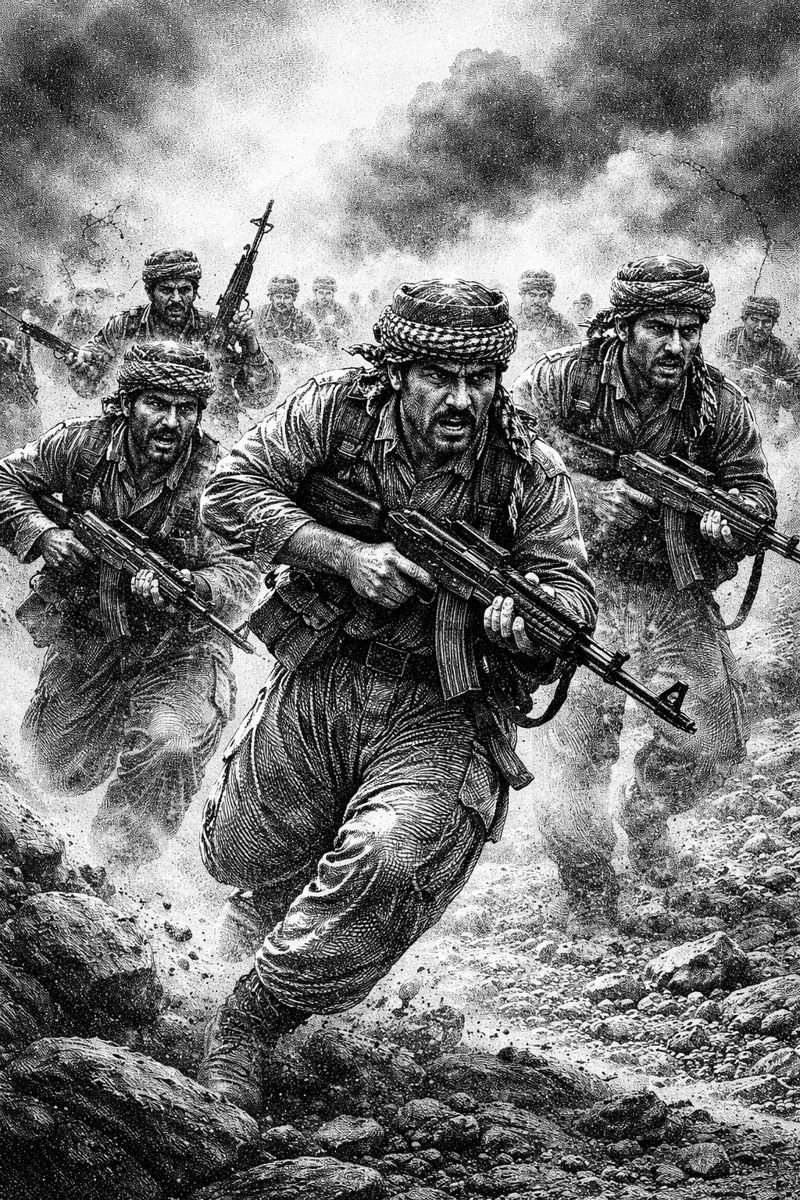
The Iraqi Kurdish Peshmerga brigades were decentralized mountain infantry formations that emerged as the dominant Kurdish fighting force during the 1991 uprising and later partnered with U.S. forces in the 2003 invasion of Iraq. Shaped by guerrilla warfare, clan loyalty, and survival after genocide, they combined local terrain mastery with political fragmentation to secure and hold northern Iraq.
Group Rank - 176
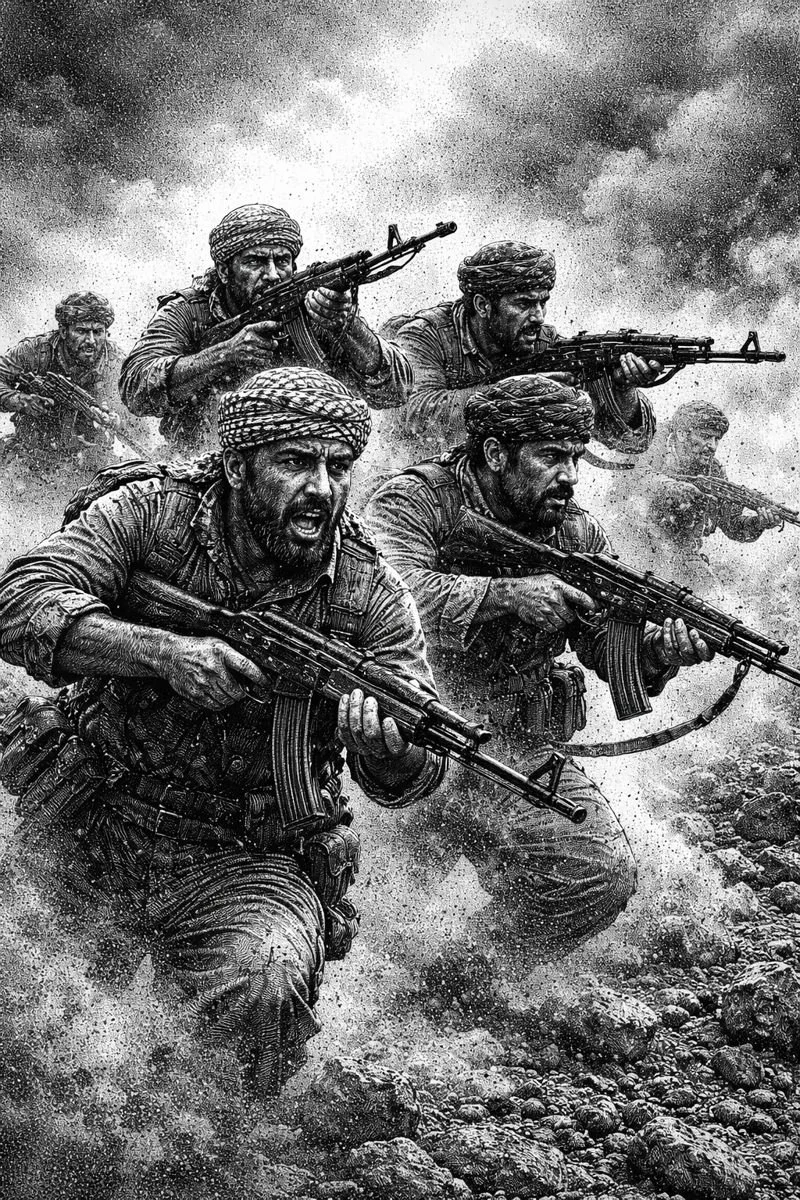
The Kurdish Peshmerga are the armed forces of the Kurdistan Region of Iraq, rooted in guerrilla traditions that emphasize mobility, local loyalty, and survival in mountainous terrain. Historically divided along Barzani (KDP) and Talabani (PUK) party lines, they have fought external threats and internal rivals alike while remaining central to Kurdish autonomy and defense.
Group Rank - 177
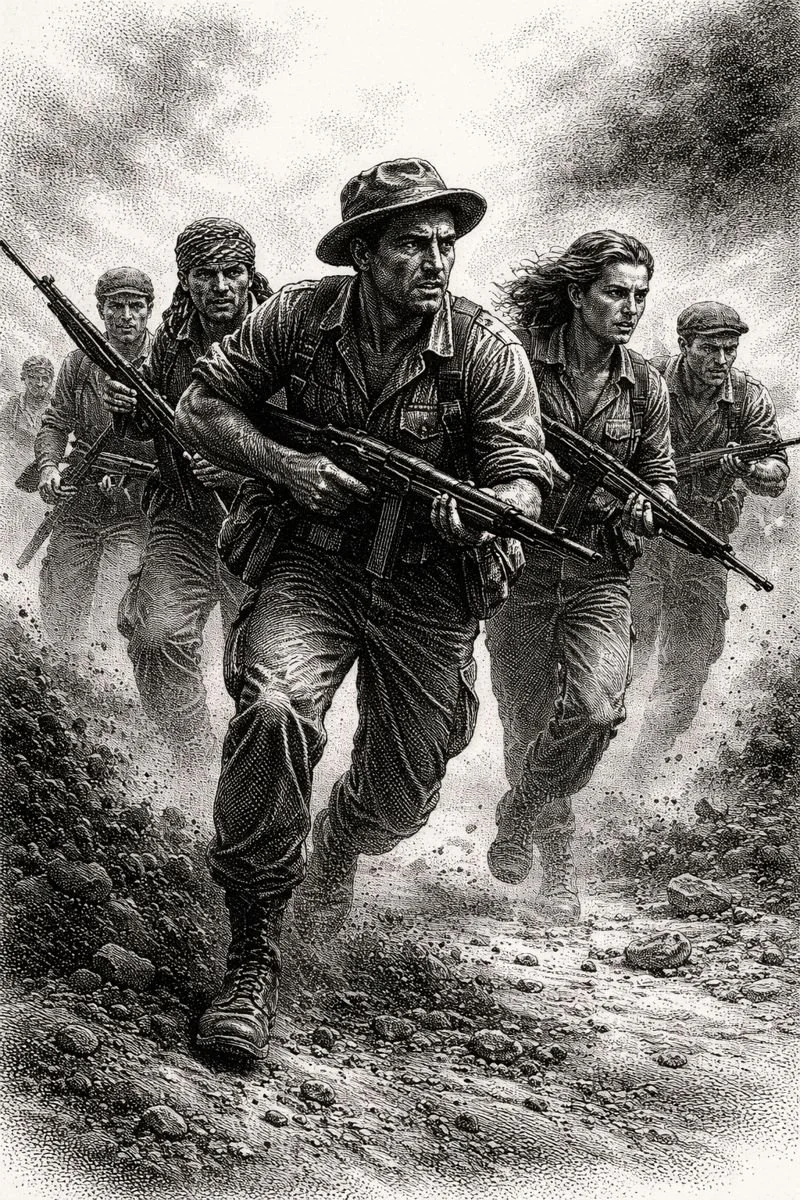
The elite strike force of the Haganah, formed in 1941 to wage guerrilla war through sabotage, night raids, and rapid assaults during the final years of the British Mandate in Palestine. Hardened by scarcity and constant movement, its fighters helped shape the outcome of the 1948 war and left a lasting imprint on Israel’s military culture.
Group Rank - 178
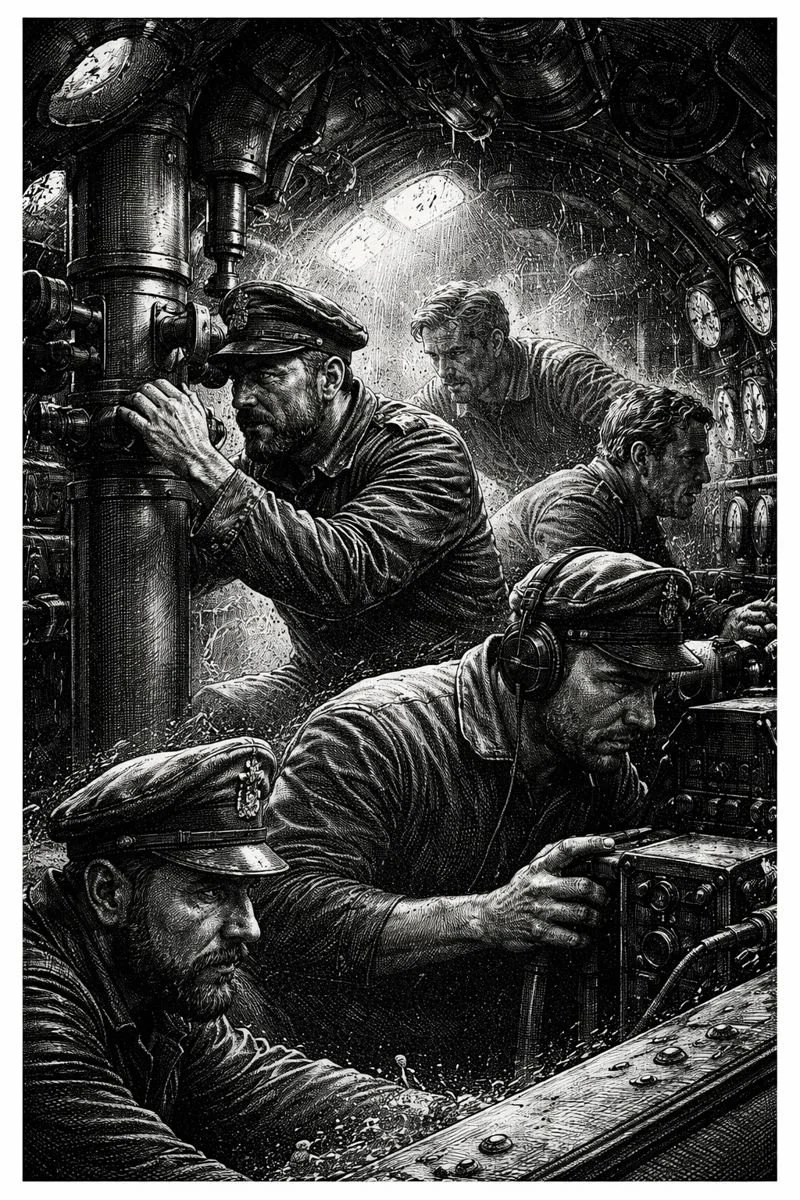
They were a brotherhood sealed inside steel, waging a silent war of endurance and arithmetic against the Atlantic until the ocean and industry finally broke them.
Group Rank - 179
A professional cavalry brotherhood forged from enslaved youths, the Fatimid and Ayyubid Mamluk horsemen mastered discipline, mobility, and shock warfare to become the decisive military force of medieval Egypt and Syria.
Group Rank - 180
The French Fusiliers Marins are naval infantry trained to fight ashore with the discipline of sailors, the endurance of infantry, and a collective refusal to break once committed.
Group Rank - 181
The Teutonic Knights were a medieval military order that fused monastic discipline with state-building warfare, conquering and ruling large parts of the Baltic through crusade, colonization, and fortified power.
Group Rank - 182
What People Are Saying
“Finally, a ranking system I didn’t have to invent to still come in second place. The Warrior Index makes me want to conquer Mars just to qualify.”
— Elon Musk, probably re-tweeting himself at 3:47 a.m.
“The Warrior Index is a cathedral built from blood and delusion. I read it and felt the cold breath of extinction whispering encouragement. Beautiful.”
— Werner Herzog, during an interview no one asked for
“When I said ‘You get a car!’ what I meant was: you get a sword, you get a vendetta, you get generational trauma! The Warrior Index… truly speaks to me.”
— Oprah, probably regretting this endorsement immediately
“It’s like if history, testosterone, and poetry had a group chat — and every message was yelling at you to get up earlier. Ten out of ten flexes.”
— Dwayne Johnson, allegedly between workouts
“I find it inspiring that so many men throughout history died trying to look as composed as I do while frosting a cake. The Warrior Index is… deliciously violent.”
— Martha Stewart, in a tone that made her publicist nervous
“Frankly, I’m rated higher than Alexander the Great. Everybody says so. Alexander didn’t even have buildings with his name on them — sad!”
— Donald J. Trump, inventing a new entry called “Bone Spurs of Destiny”
“Reading the Warrior Index is like watching evolution lose its patience. So many apex predators… and not a single one learned manners.”
— Sir David Attenborough, whispering from the safety of a bunker
“The Warrior Index is the only Western list I actually respect. It understands one simple truth: you can’t cancel conquest.”
— Vladimir Putin, while shirtless and misunderstood
“Peace is my calling. But I have to admit, after reading the Warrior Index, I did Google ‘how to forge a battle-axe.’”
— The Dalai Lama, probably kidding (probably)
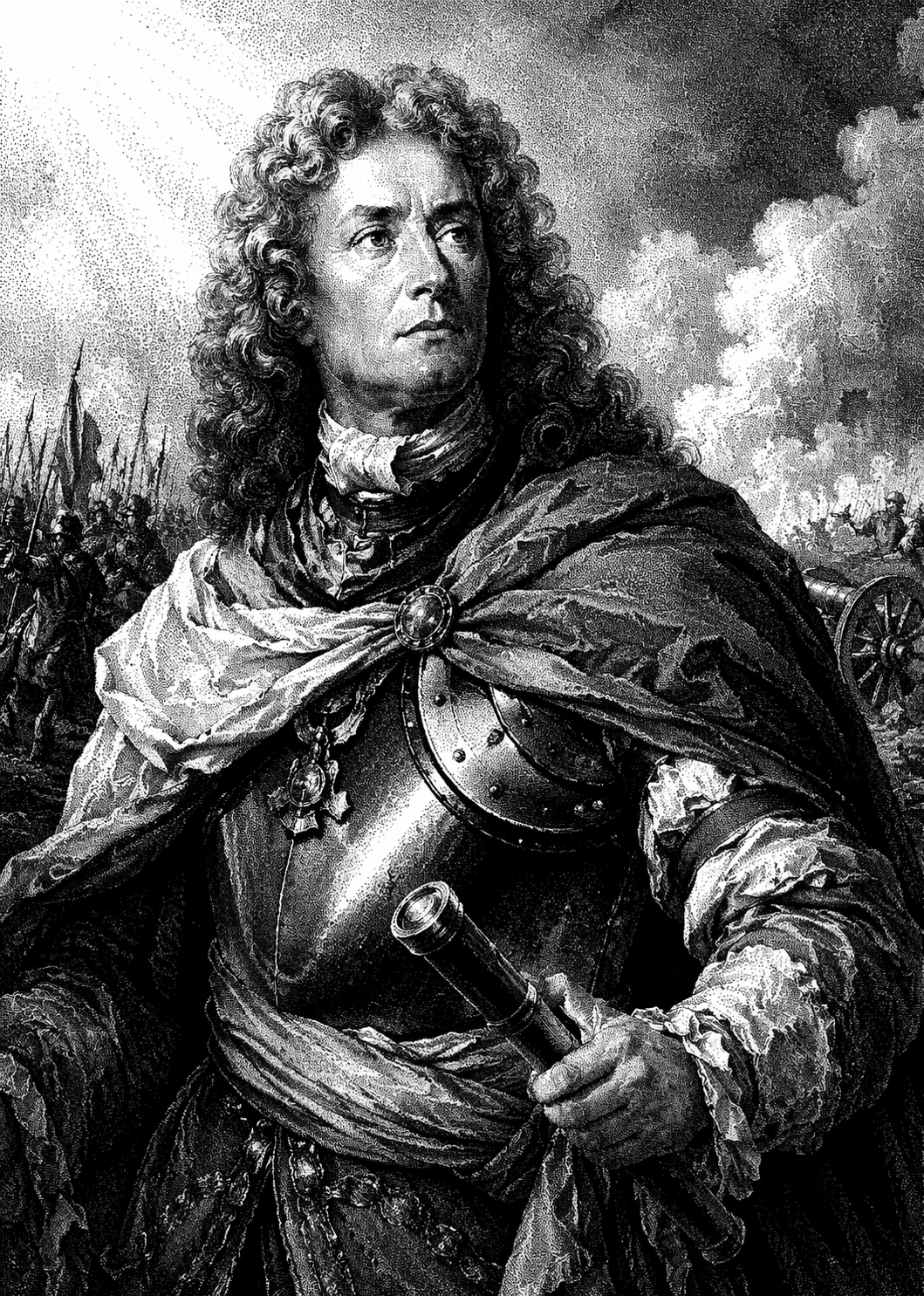
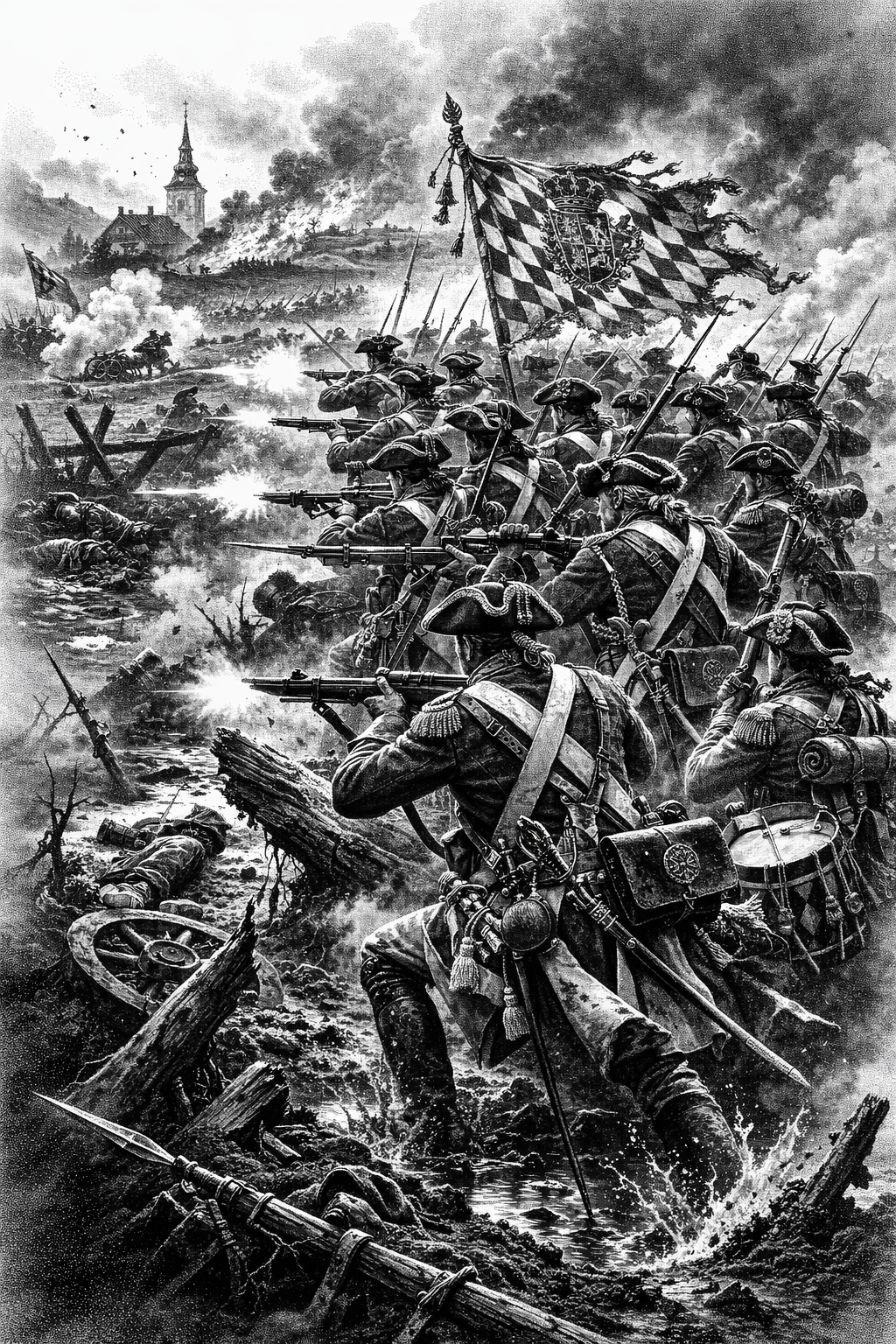
Charles XII of Sweden was a warrior-king who personally led his armies through the Great Northern War, turning early victories into legend through ferocious discipline and reckless courage. His refusal to compromise or retreat ultimately shattered Sweden’s empire, leaving behind a mythic figure admired for bravery and criticized for destroying everything he fought to protect.
Rank - 125