Featured


Featured


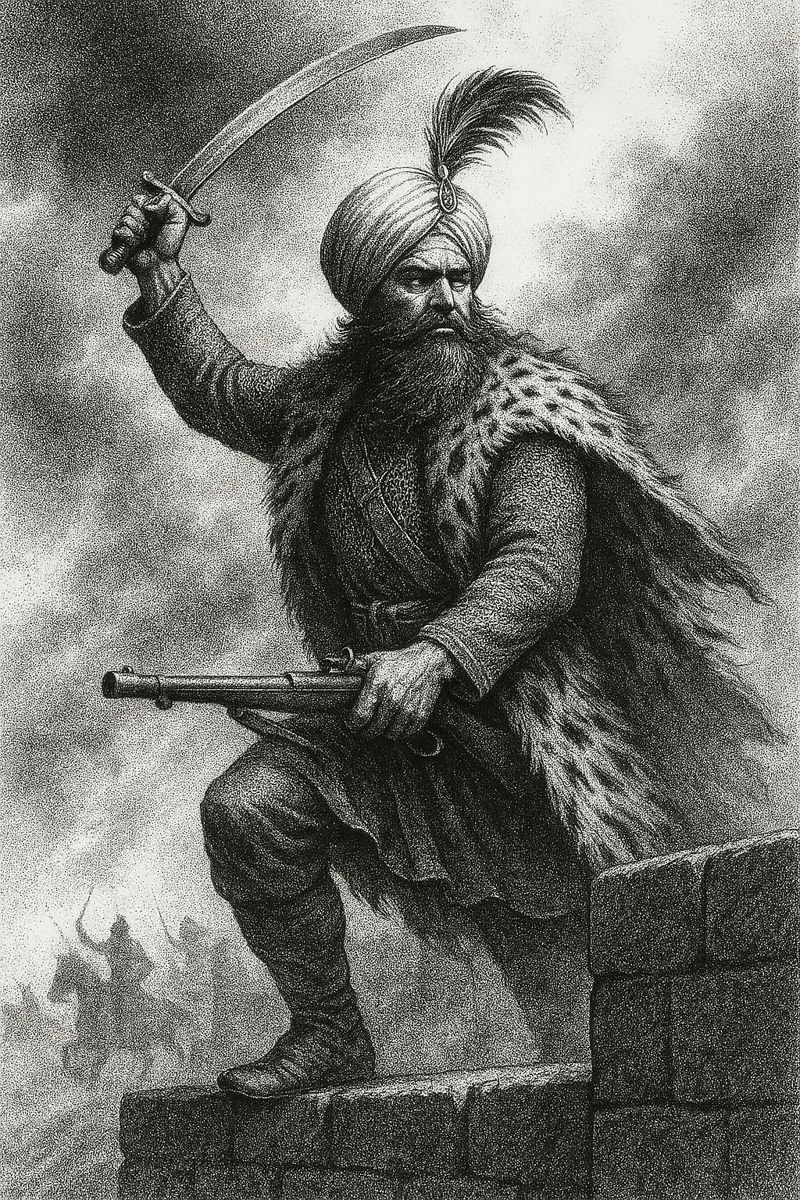
Hari Singh Nalwa was a leading general of the Sikh Empire who secured its northwest frontier and halted repeated Afghan incursions into Punjab. Serving under Maharaja Ranjit Singh, he became a symbol of Sikh military power and frontier rule, remembered for his campaigns from Kashmir to the Khyber Pass.
Rank - 143
When the walls of Seringapatam fell, he didn’t flee—he fought until the tiger stripes faded from his own blood.
Rank - 146
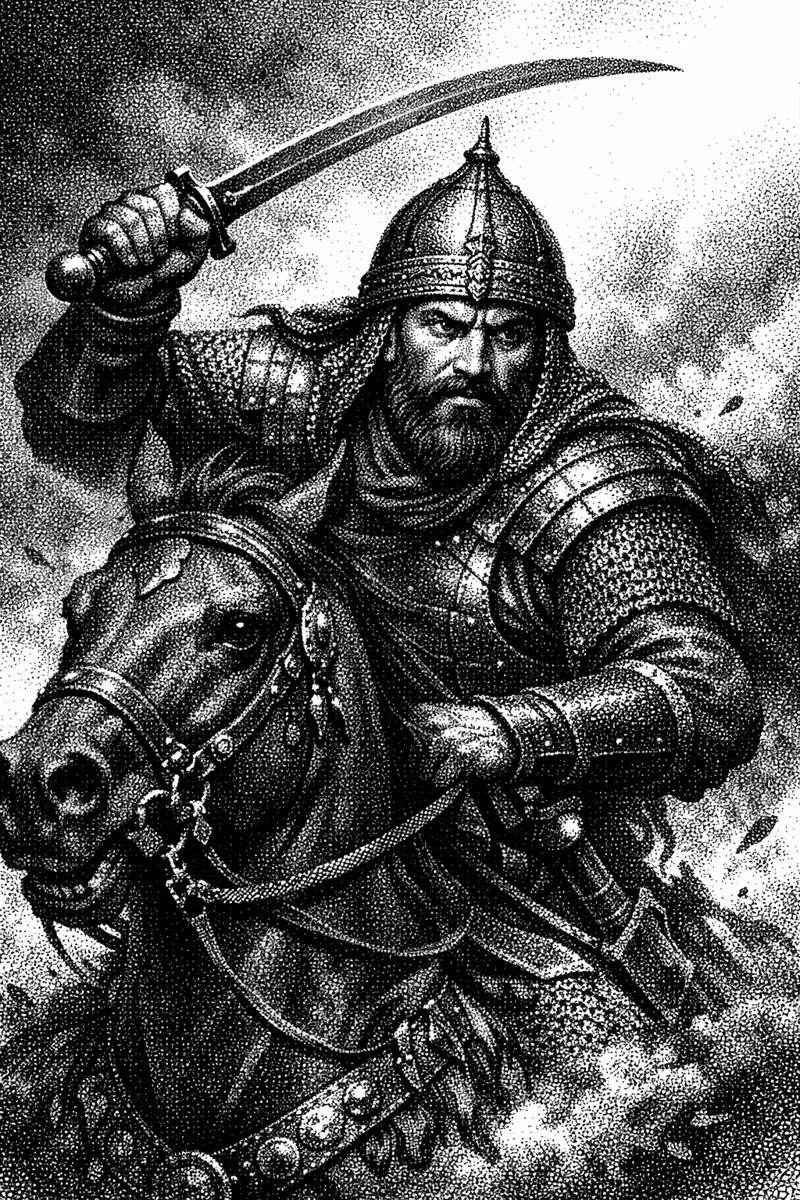
Mahmud of Ghazni (c. 971–1030) was a Turkic ruler and the first major sultan, renowned for his highly mobile cavalry campaigns that projected Ghaznavid power across Central Asia and deep into the Indian subcontinent. Both a fierce military raider and a calculated patron of Persian culture, he left a legacy shaped equally by conquest, wealth extraction, and enduring historical controversy.
Rank - 147
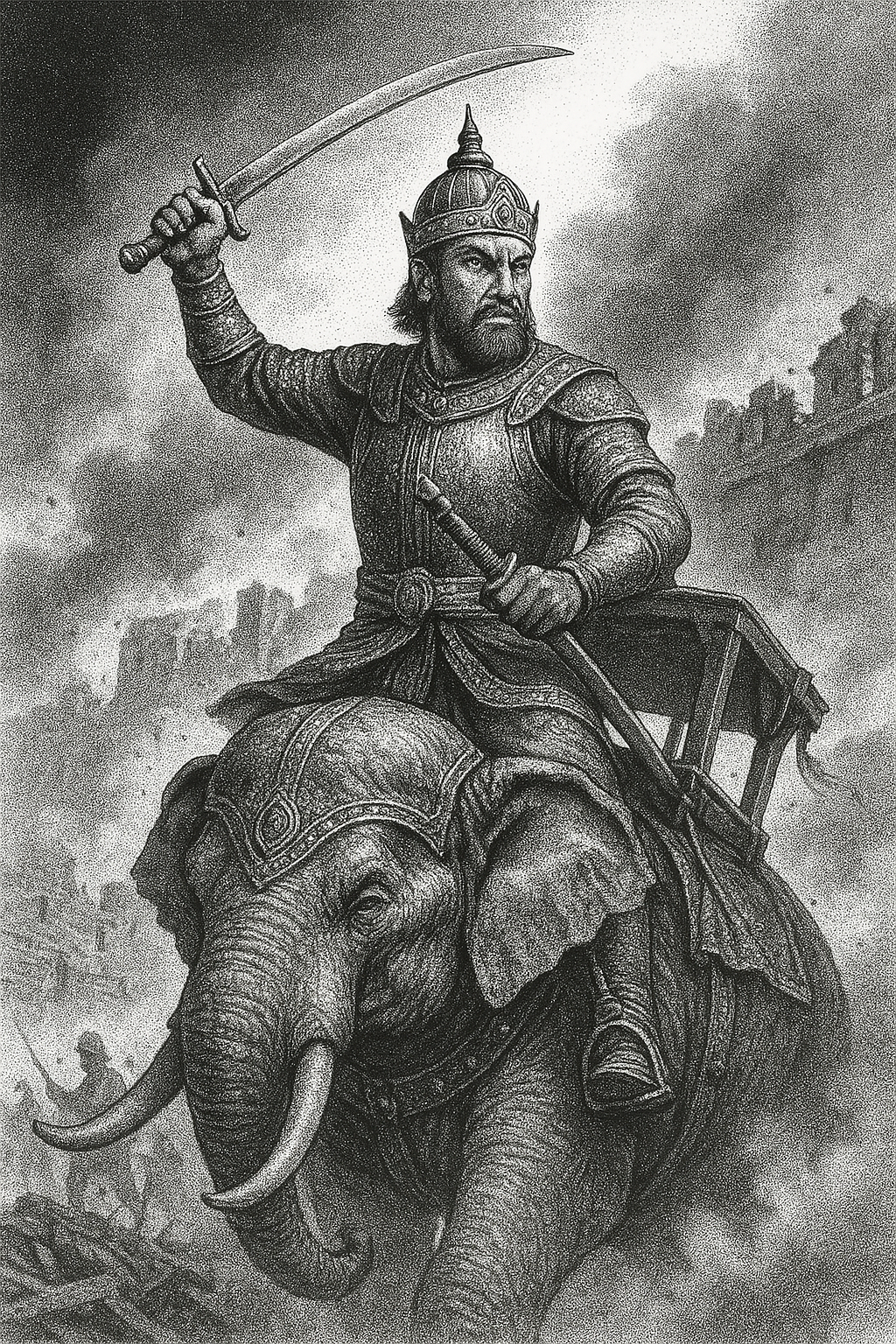
Bayinnaung rose from minor nobility to command an empire that dominated Burma, Siam, Lan Na, and Laos.
Rank - 158
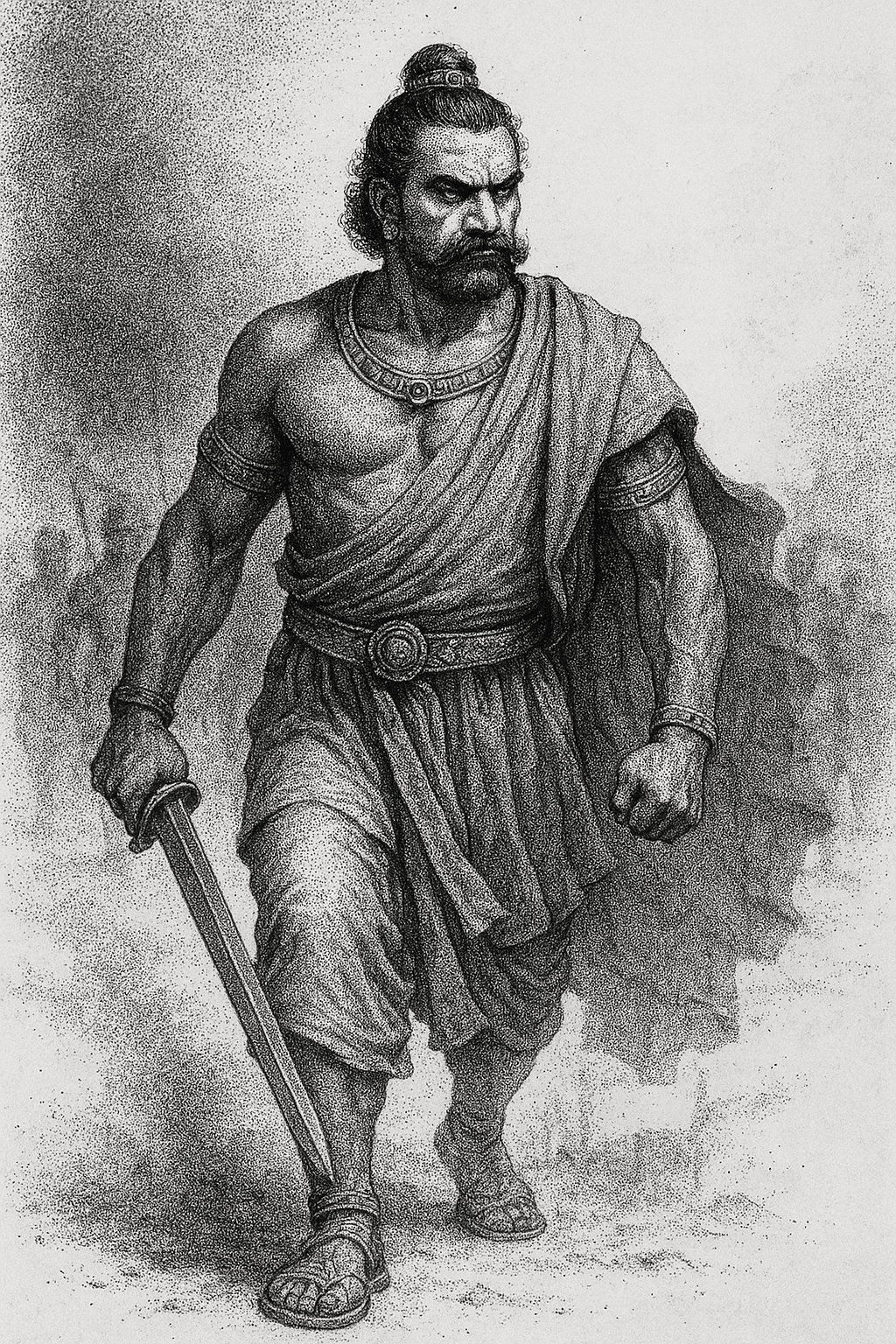
He built an empire by removing every man who thought birth alone made him safe, and the silence he left behind still sounds like power sharpening its teeth.
Rank - 166
Banda Singh Bahadur was a fearless Sikh revolutionary who rose from ascetic origins to lead a populist uprising that shattered Mughal power and redefined resistance in 18th-century India.
Rank - 170
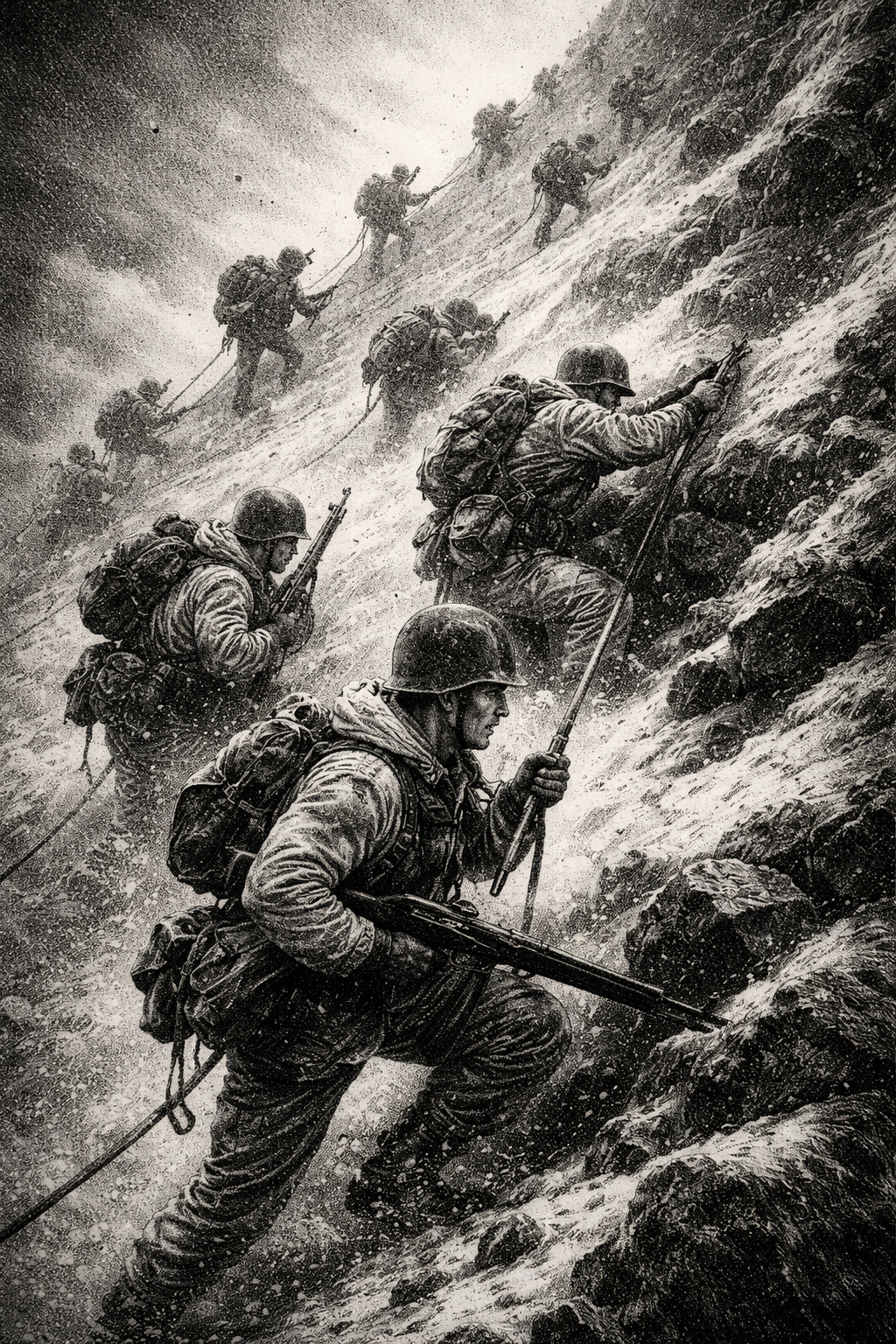
They climbed what the enemy marked impassable and turned stone into a breach. The 10th Mountain Division does not attack the obvious road; it takes the ridge above it and makes gravity switch sides.
Group Rank - 171
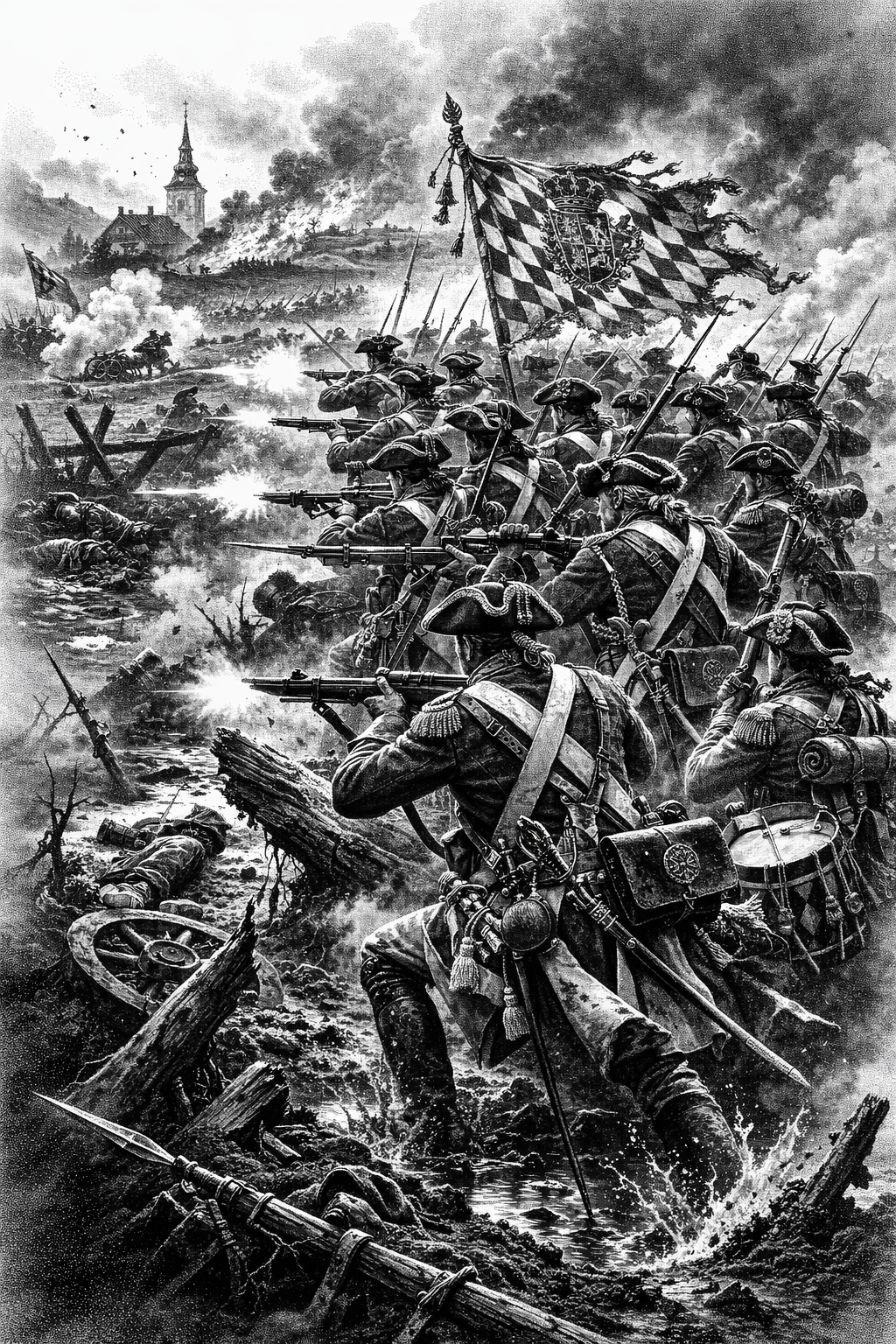
They advance as if summoned by geometry, white crossbelts glowing in the smoke while grapeshot tears men out of the front rank and the rear rank steps forward without hesitation. For over two centuries, the Bavarian Leib-Regiment stood between a throne and the chaos that kept trying to erase it.
Group Rank - 172
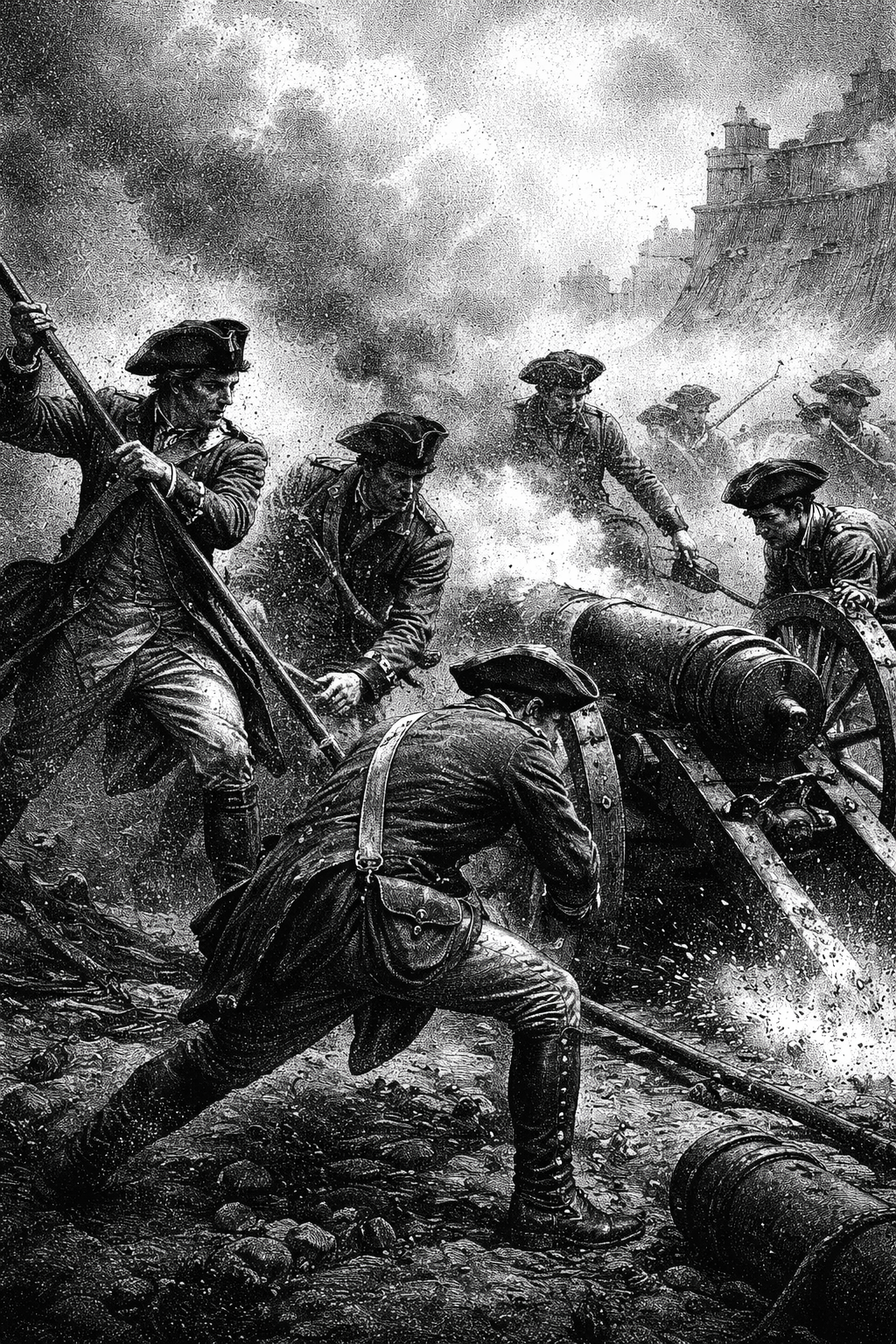
The French Artillerie Royale moved as a single iron-breathed organism, crews drilled to load, sight, and fire with mechanical calm while kingdoms shifted around them. In their batteries, the state found its most articulate voice, speaking in calibrated bursts of smoke and bronze.
Group Rank - 173
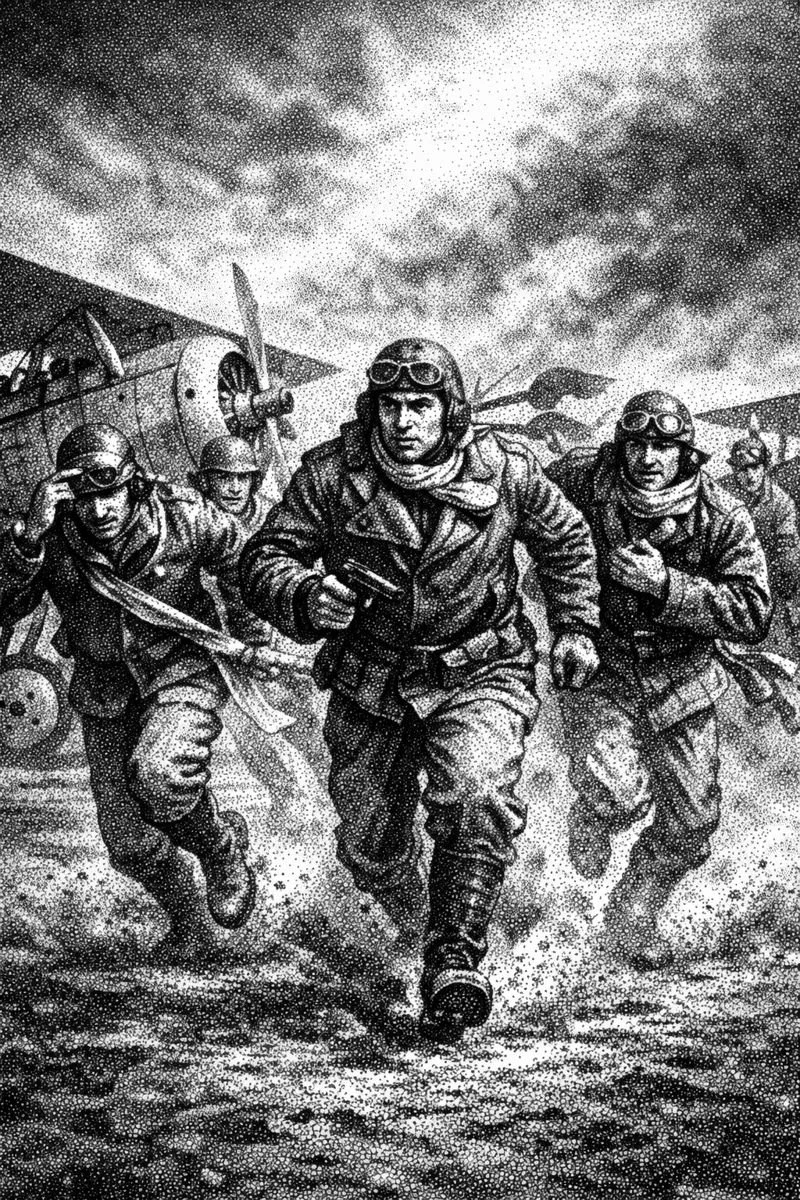
The Escadrille Lafayette was a World War I fighter squadron formed in 1916 by American volunteer pilots flying for France before the United States formally entered the war. Celebrated as both a combat unit and a propaganda symbol, it helped shape early air combat doctrine while cementing the myth of the fighter pilot as a modern warrior.
Group Rank - 175
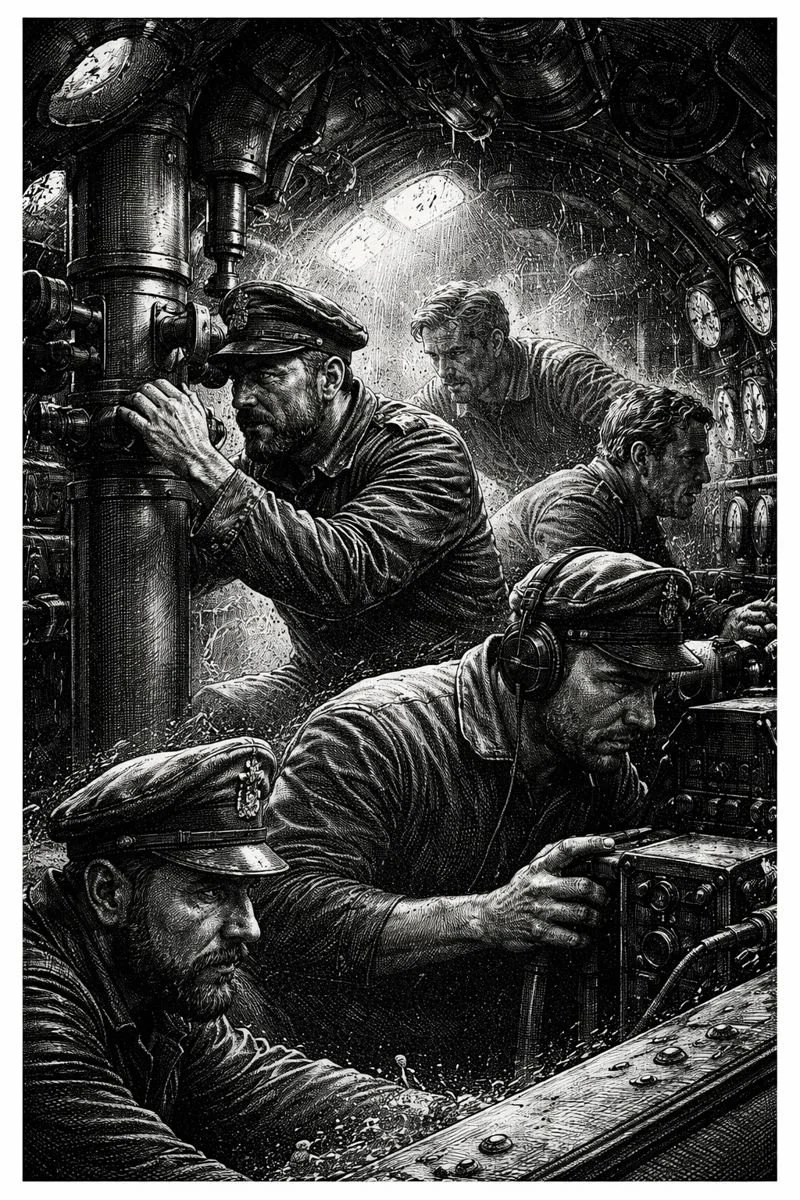
They were a brotherhood sealed inside steel, waging a silent war of endurance and arithmetic against the Atlantic until the ocean and industry finally broke them.
Group Rank - 179
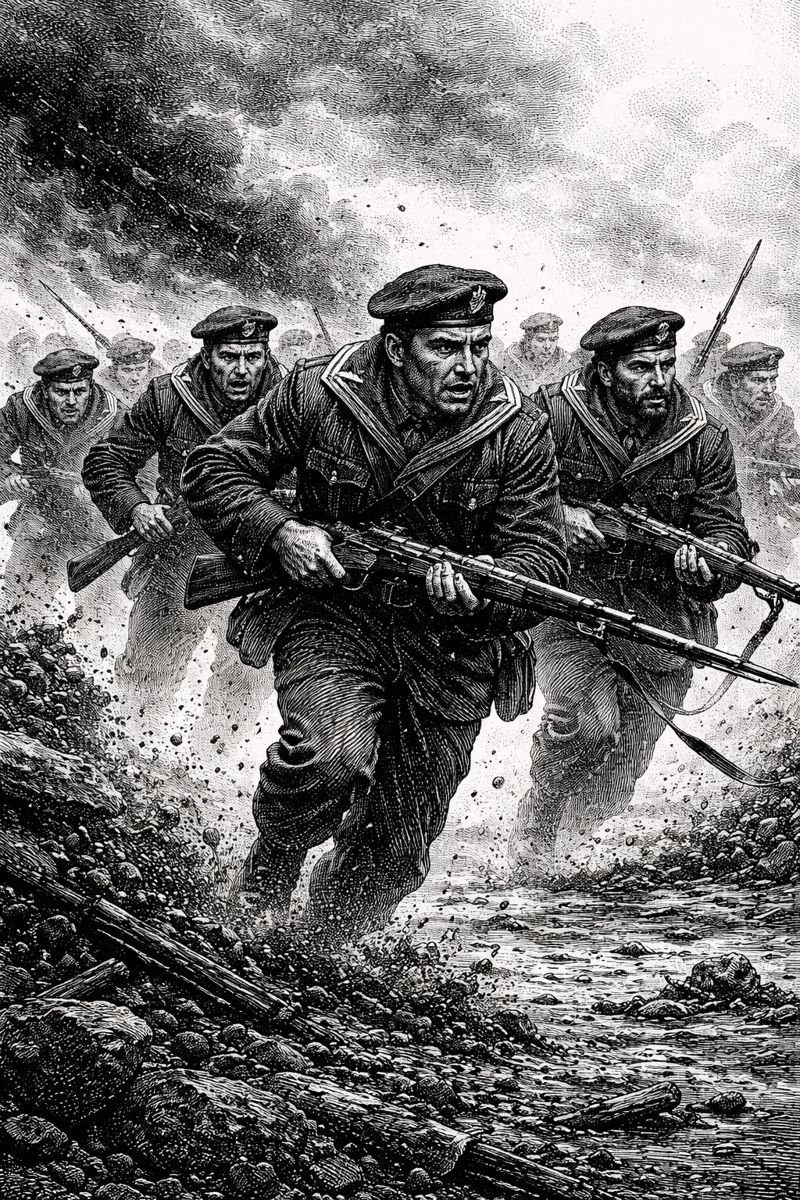
The French Fusiliers Marins are naval infantry trained to fight ashore with the discipline of sailors, the endurance of infantry, and a collective refusal to break once committed.
Group Rank - 181
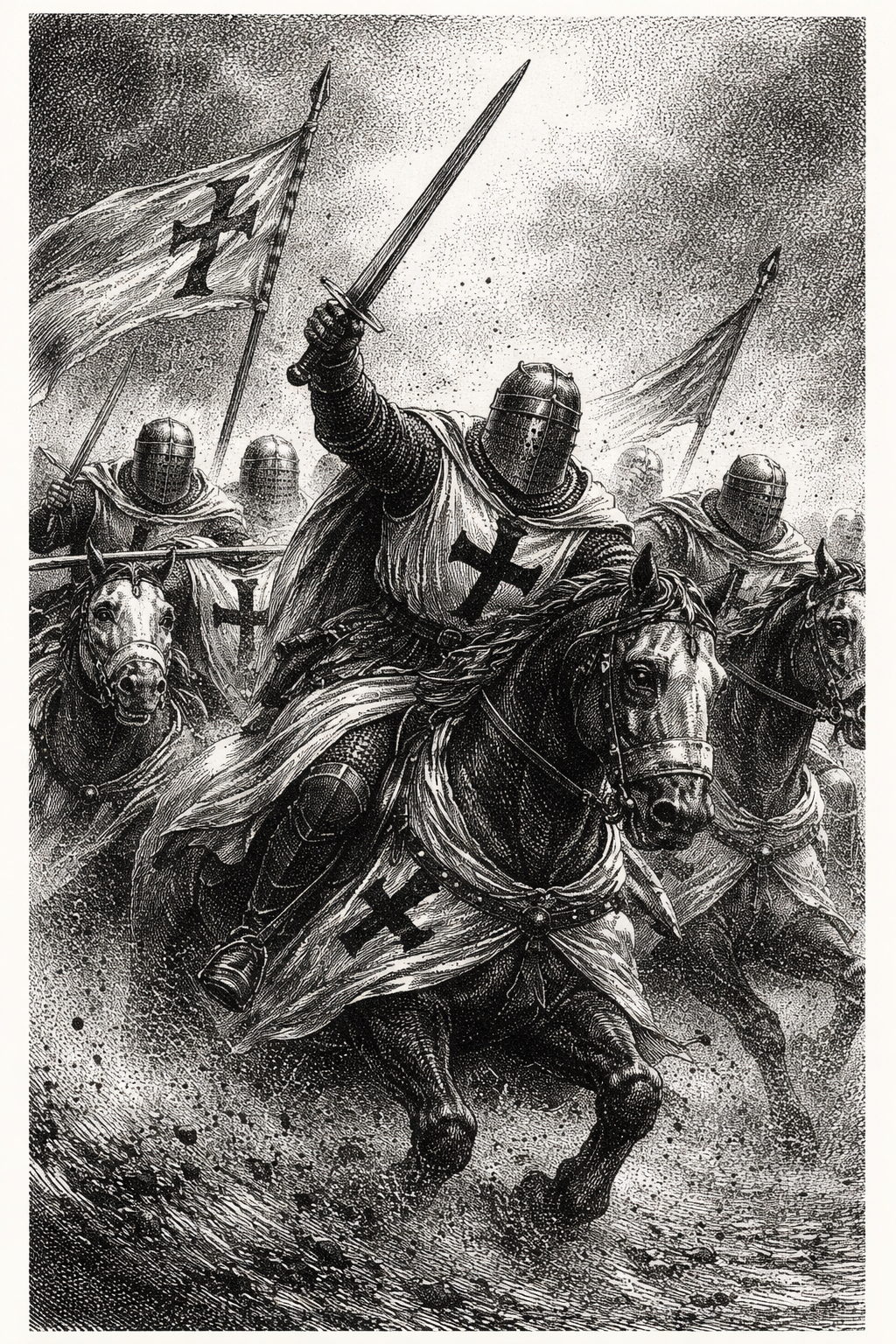
The Teutonic Knights were a medieval military order that fused monastic discipline with state-building warfare, conquering and ruling large parts of the Baltic through crusade, colonization, and fortified power.
Group Rank - 182
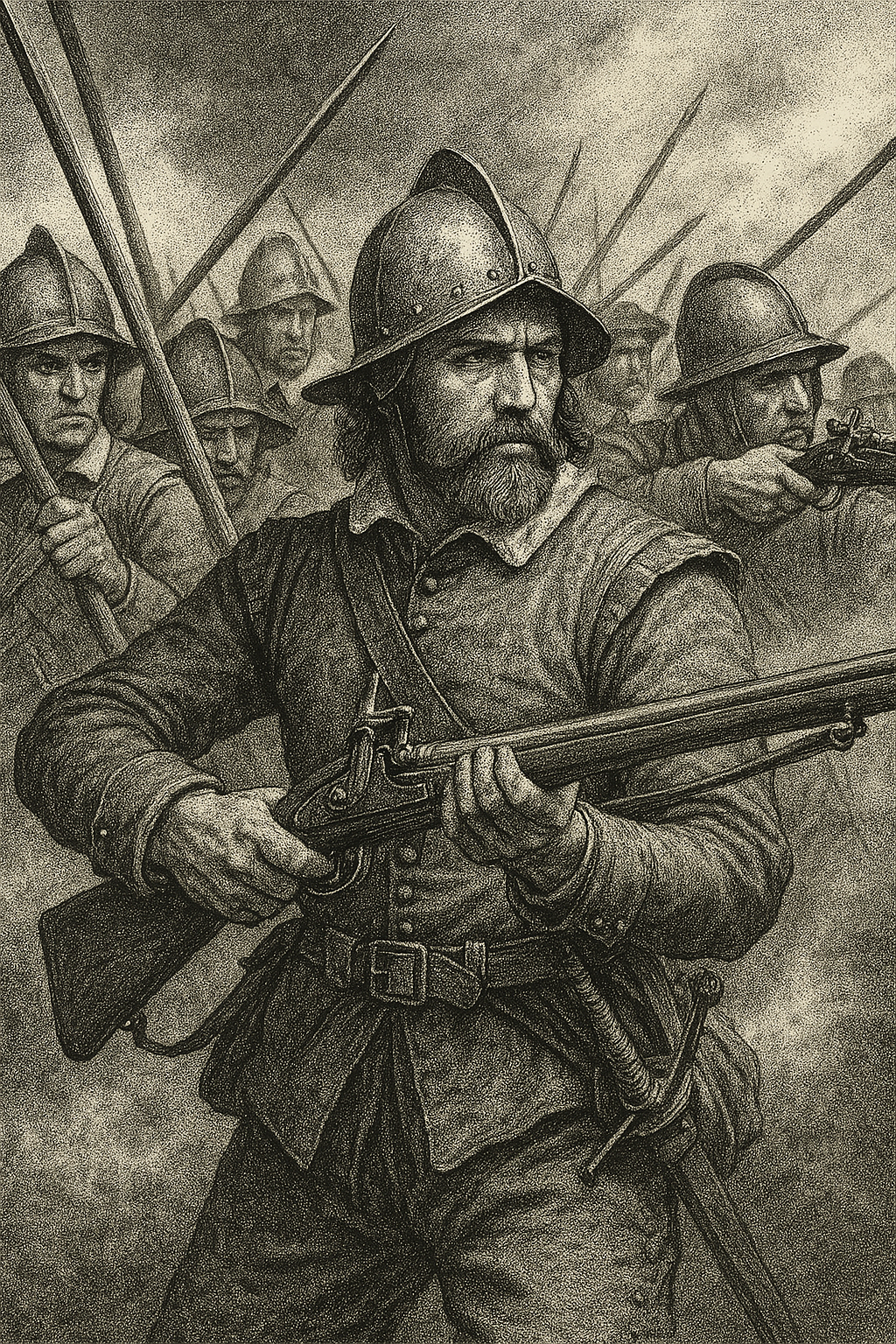
A brotherhood forged in revolt, the Dutch States Army turned geometry, discipline, and relentless volleys into the weapon that broke the old world’s battlefield logic.e.
Group Rank - 185
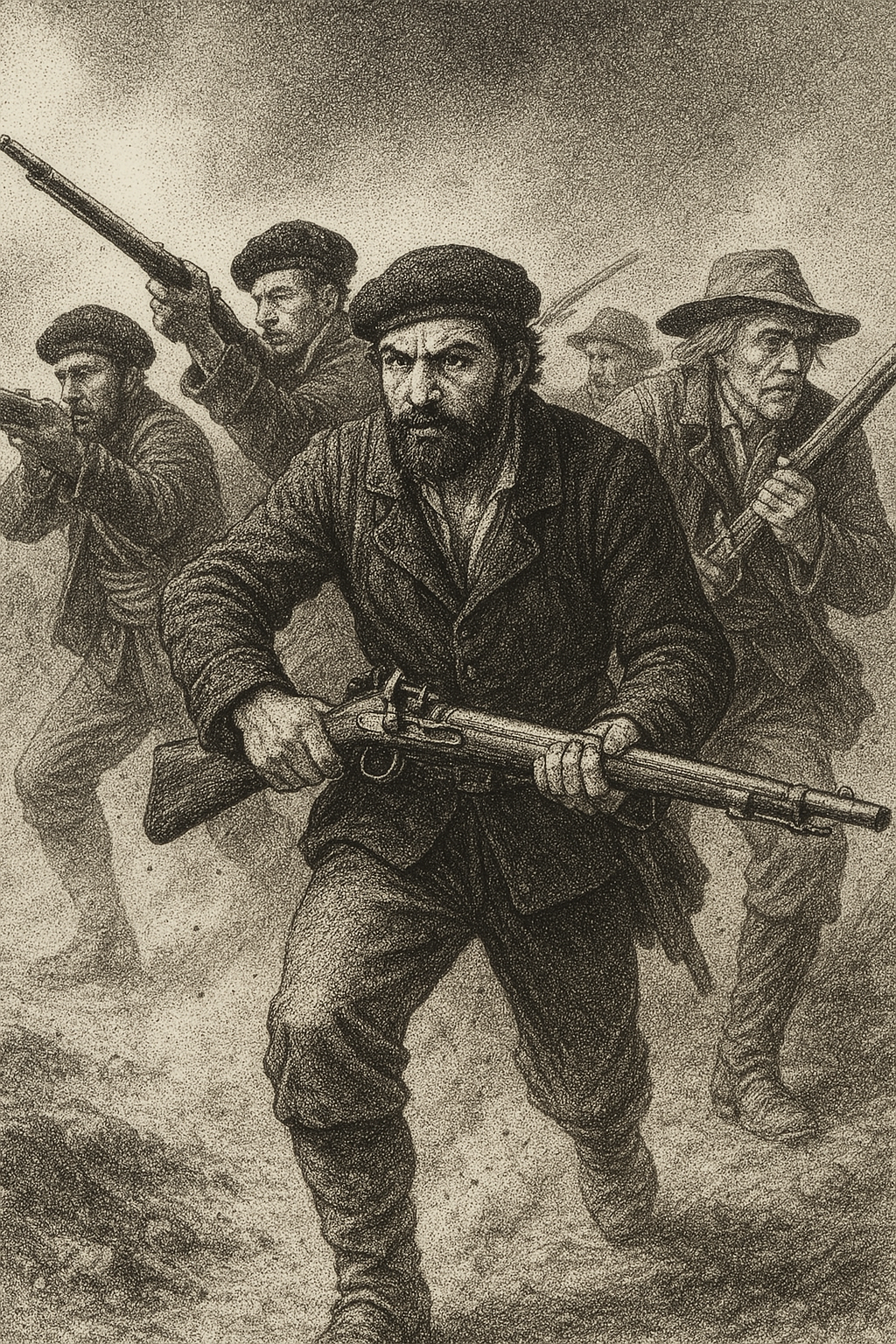
A brotherhood of Spanish Guerrilleros rises from the hills and hollows of Iberia to bleed an empire one ambush at a time.
Group Rank - 186
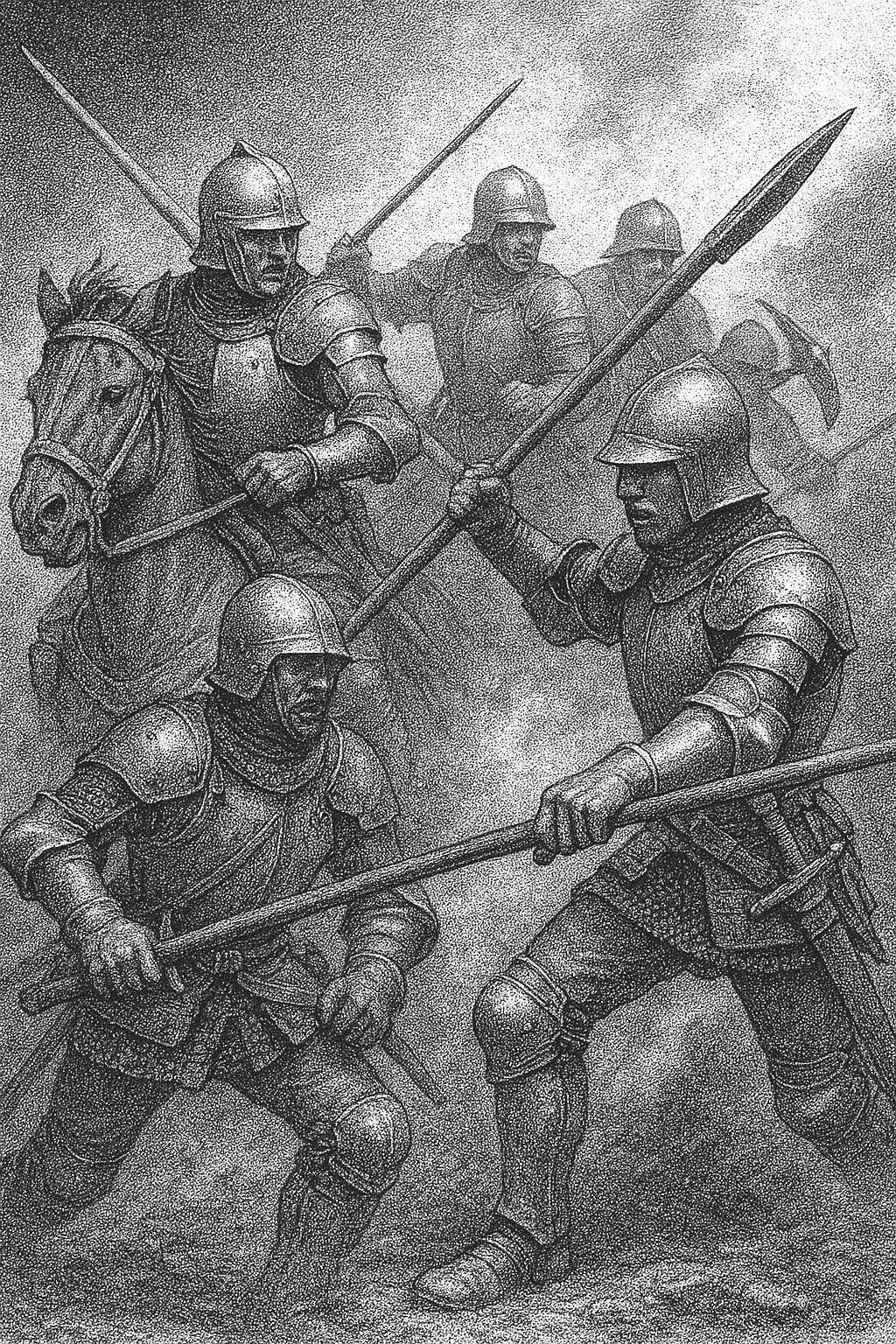
The Burgundian Ordonnance Companies marched like a machine built from pride and gunpowder, only to shatter spectacularly when the future came at them with Swiss pikes and winter steel.
Group Rank - 191
They advanced like a single starving organism made of steel, superstition, and the certainty that the world existed only to be taken.
Group Rank - 193
They moved as if the cold had carved secret truths into their bones, two brotherhoods built to appear where no one should exist and to leave before anyone realized they were there.
Group Rank - 194
In the end, they were the men who made the darkness blink first. Not knights, not villains—just professionals in a dirty century, paid to make silence possible again.
Group Rank - 200
Smoke rolled off Multan’s shattered walls as Ranjit Singh sat steady in the saddle, one eye narrowed against dust and destiny. He did not roar or rant. He simply watched the breach widen, watched his artillery argue theology with iron, watched history lean his way. The Lion of Punjab understood something louder men never did: you do not need two eyes to see an empire falling into your hands.
Rank - 120