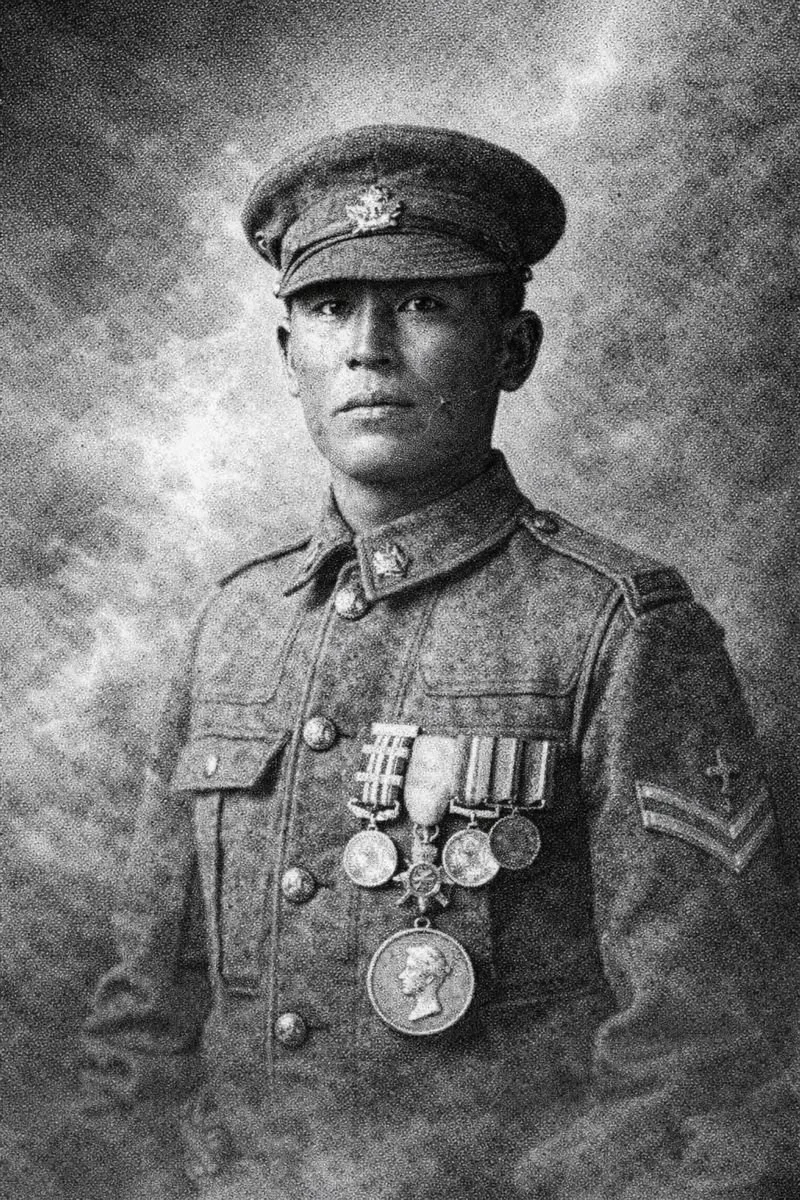
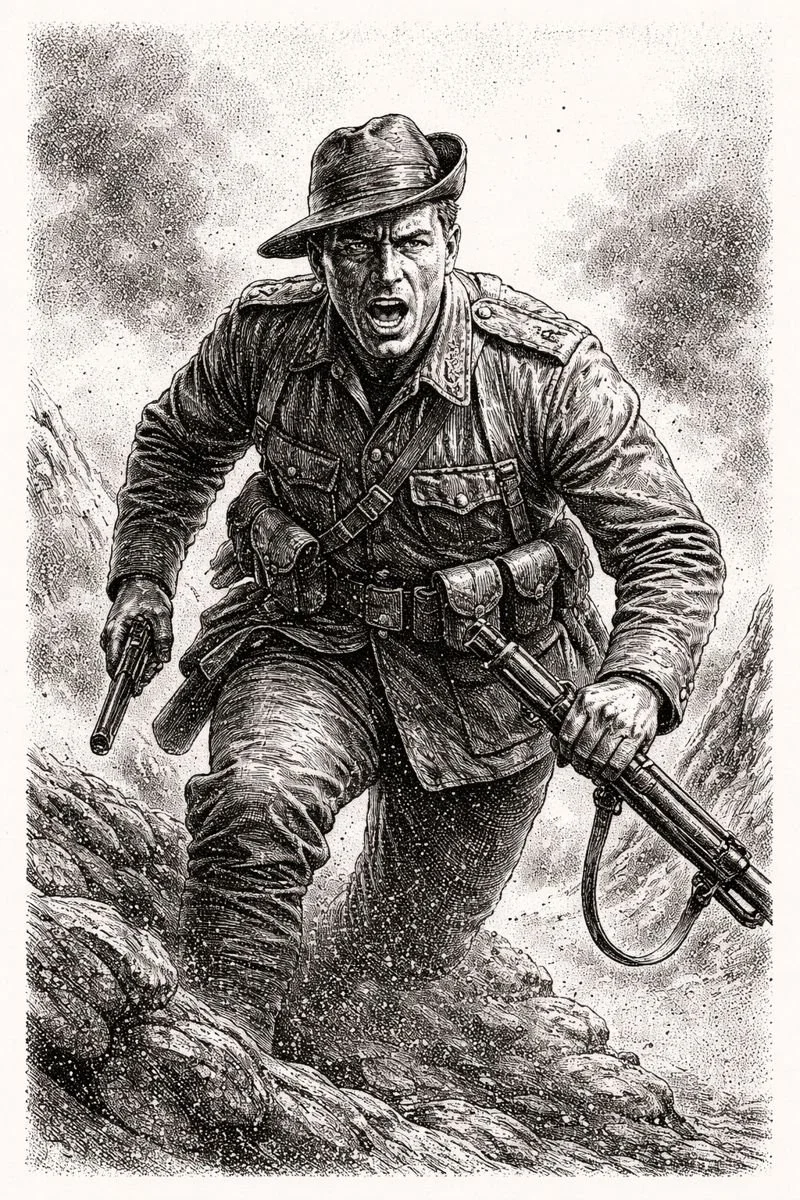
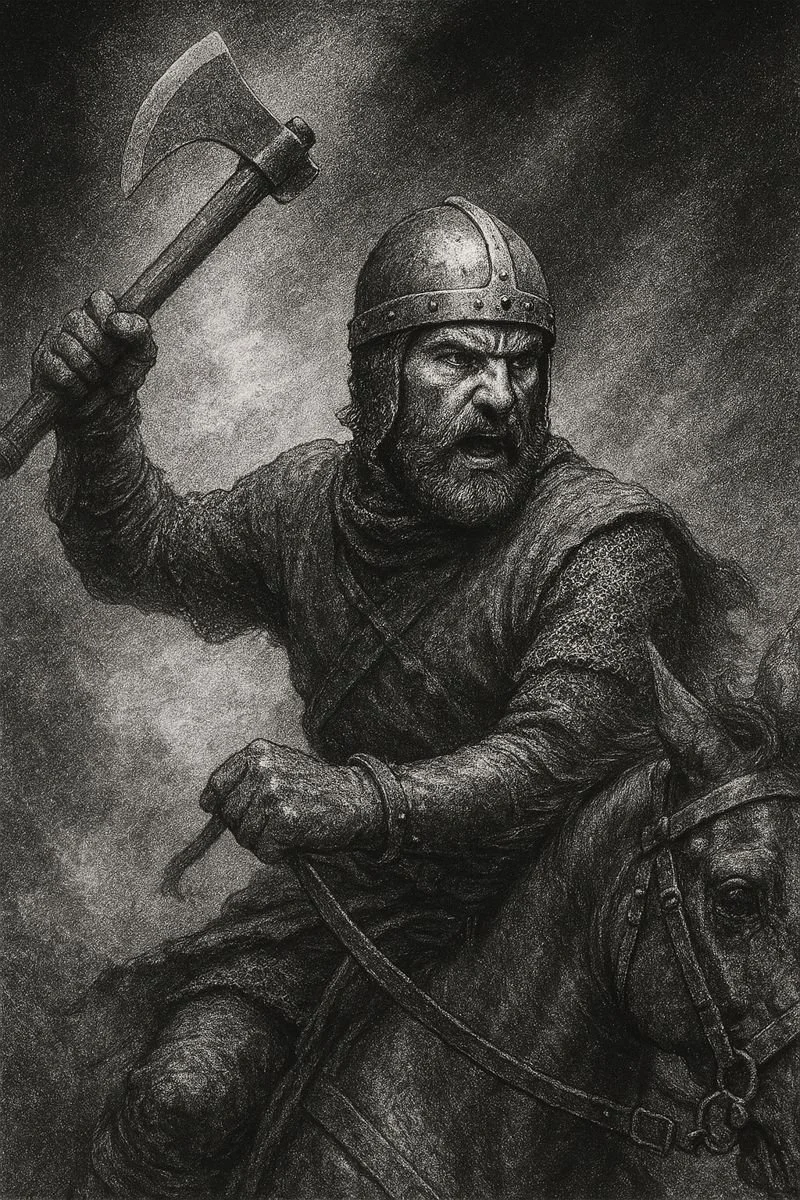
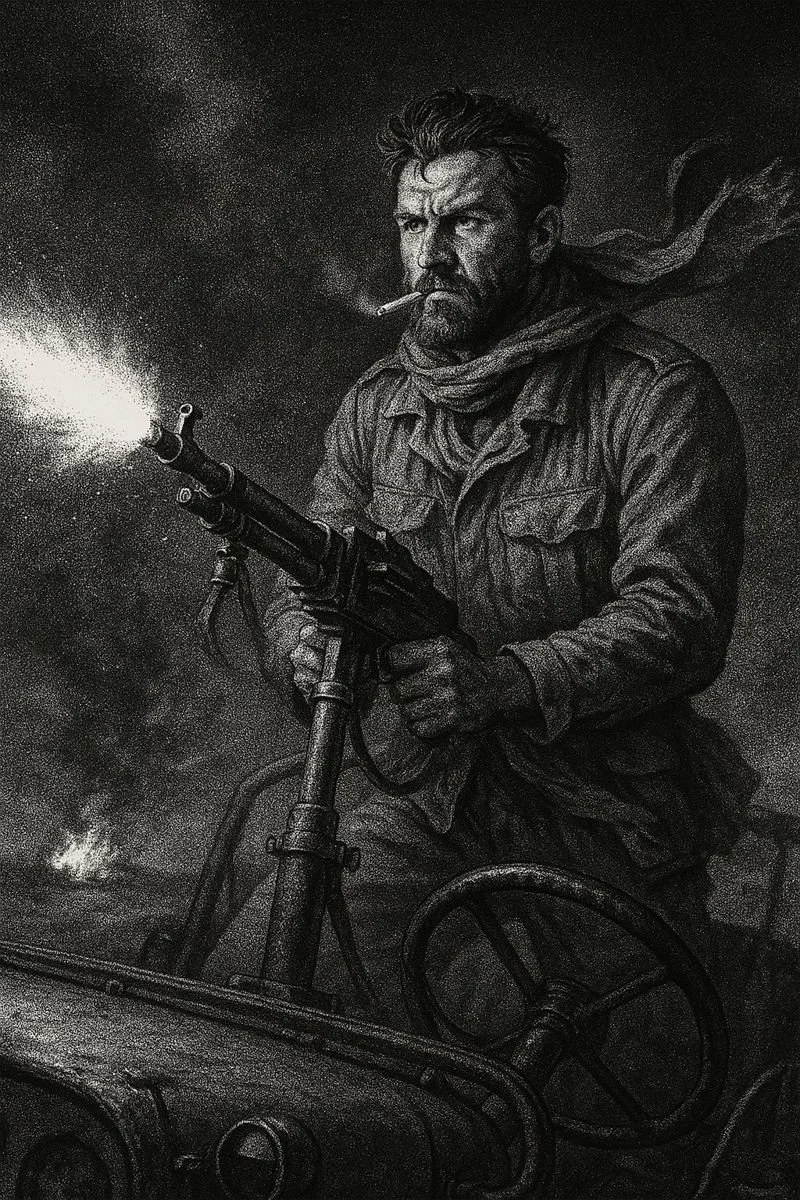
Francis Pegahmagabow was a quiet Ojibwe sniper who turned World War I’s chaos into a disciplined ledger of survival and fear. He came home decorated, unheard, and spent the rest of his life fighting a country that loved his kills more than his voice.
Rank - 126
Albert Jacka was an Australian soldier and the first from his nation to receive the Victoria Cross in World War I for recapturing a trench at Gallipoli in 1915. He survived extraordinary frontline violence only to die young in peacetime, his legend growing larger as his body finally gave out.
Rank - 128
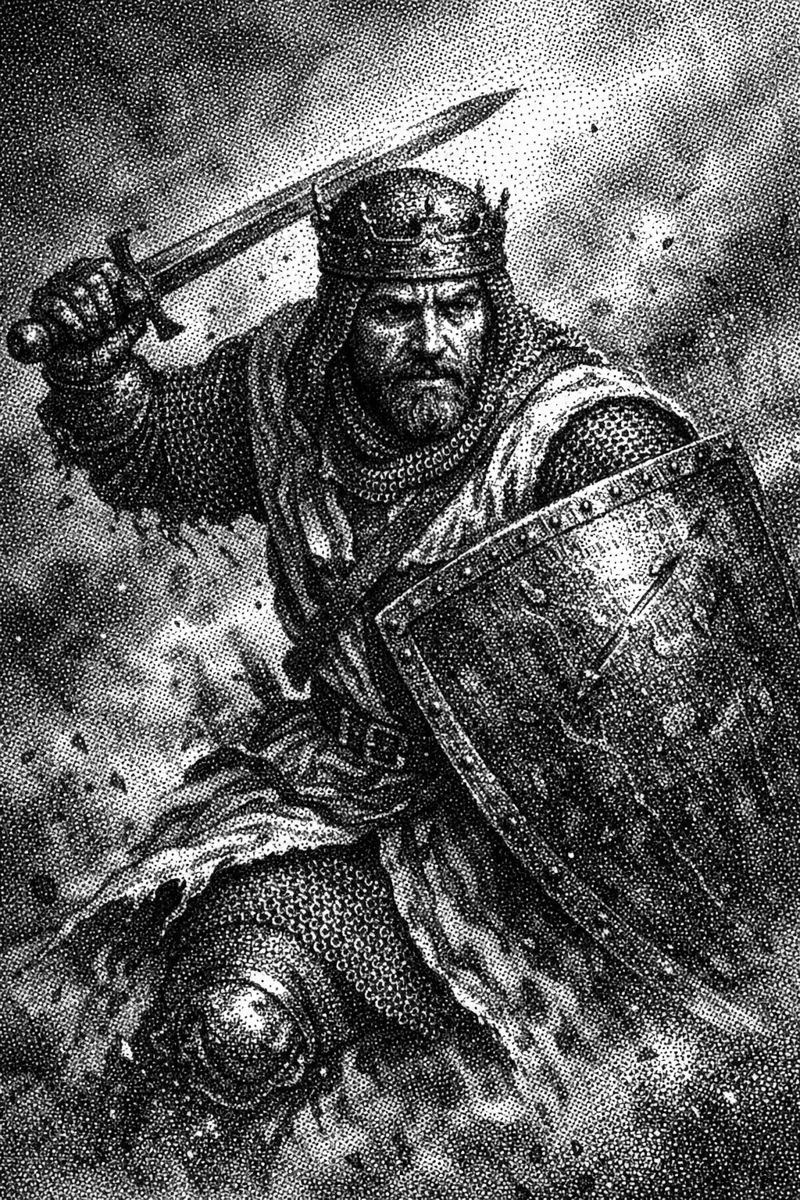
The Scottish king who turned exile, defeat, and civil war into a long, grinding campaign for independence through patience, guerrilla warfare, and ruthless resolve. His victory at Bannockburn made him a national symbol of endurance, proving that stubborn survival can outlast empires built on force alone.
Rank - 130
A founding member of the SAS and one of World War II’s most feared raiders, leading audacious nighttime attacks that destroyed enemy airfields and shattered the myth of rear-area safety. Brilliant, violent, and deeply unstable, he embodied the brutal effectiveness of irregular warfare and became a lasting archetype of special forces legend.
Rank - 131
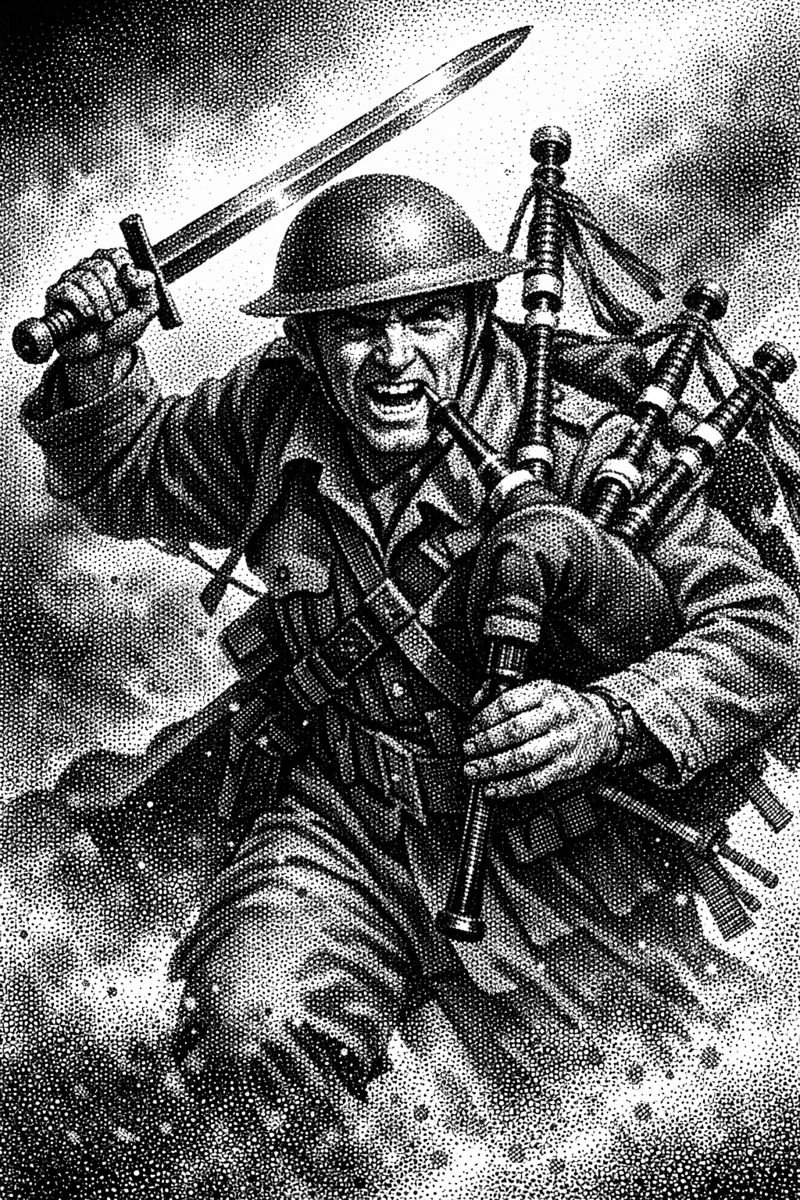
A British Army officer in World War II who went into combat armed with a broadsword, longbow, and bagpipes, turning audacity and spectacle into battlefield weapons. He became legendary for leading commando raids and capturing enemy soldiers through sheer nerve in an age dominated by guns, tanks, and artillery.
Rank - 132
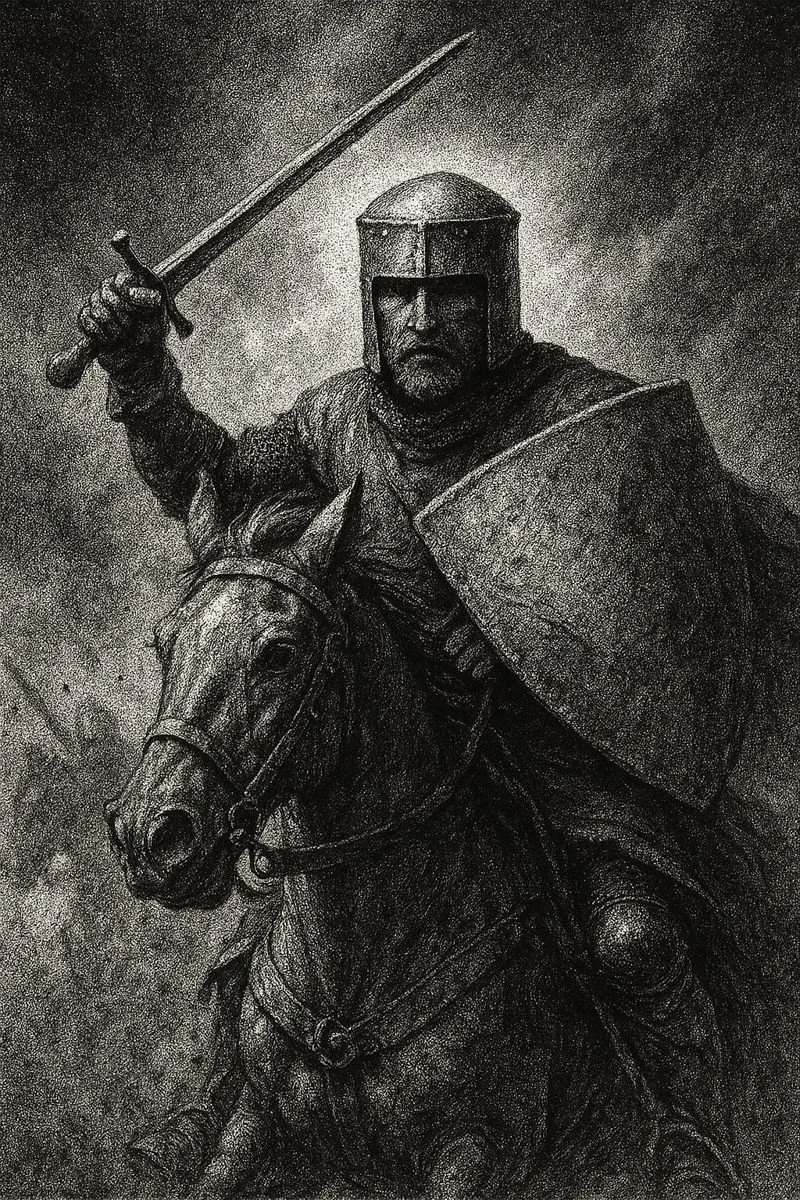
William Marshal (c.1147–1219) was an English knight and statesman who served four kings and became the most celebrated tournament fighter and battlefield commander of the High Middle Ages. Renowned for his unwavering loyalty and mastery of mounted combat, he helped preserve the English crown during civil war and was later mythologized as the living ideal of chivalry.
Rank - 137
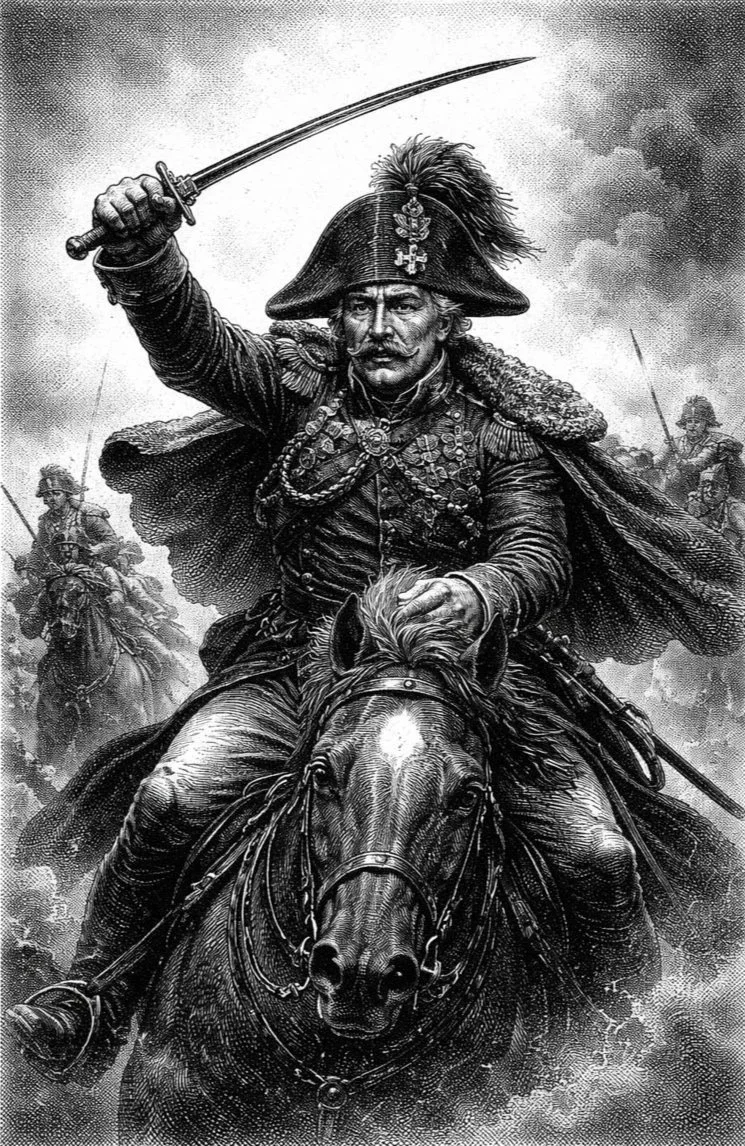
Gebhard Leberecht von Blücher was a Prussian field marshal whose relentless aggression helped defeat Napoleon at Waterloo in 1815. Famous for charging forward regardless of age or losses, he became a symbol of stubborn resistance and national revenge.
Rank - 141
Baldwin I of Jerusalem was the first king of the Crusader Kingdom of Jerusalem, a hard-edged Frankish warlord who turned conquest into governance. He secured and expanded the kingdom through relentless warfare, political pragmatism, and a clear-eyed understanding that survival mattered more than sanctity.
Rank - 150
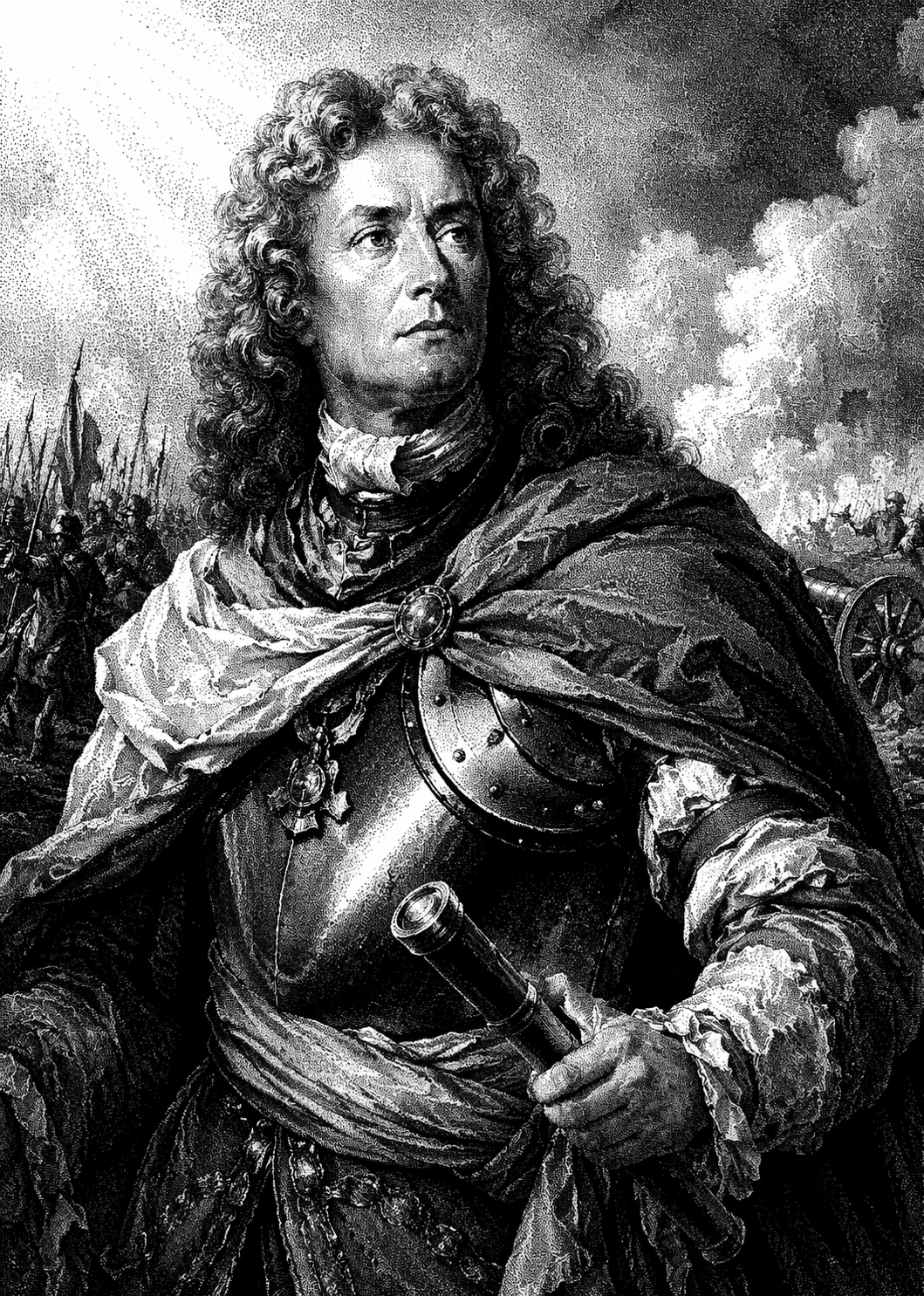
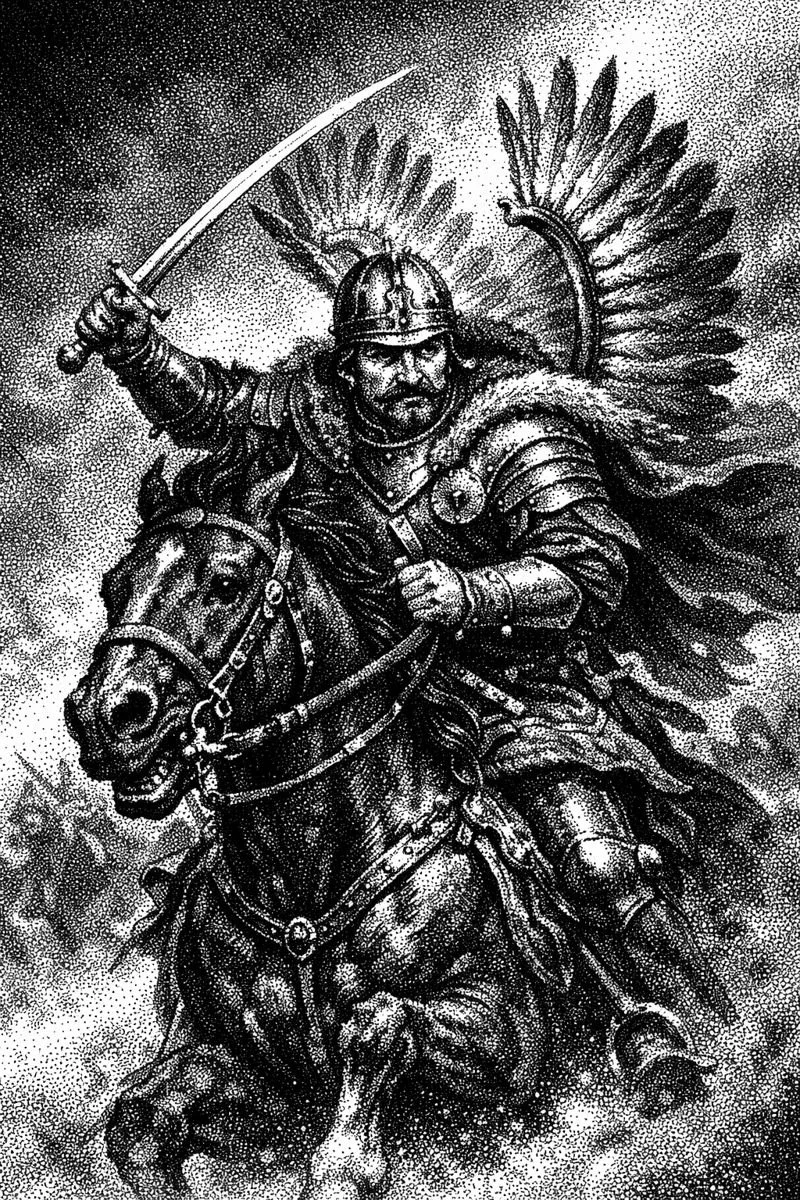
John III Sobieski was the Polish king who thundered downhill at Vienna and changed Europe’s fate in a single charge.
Rank - 152
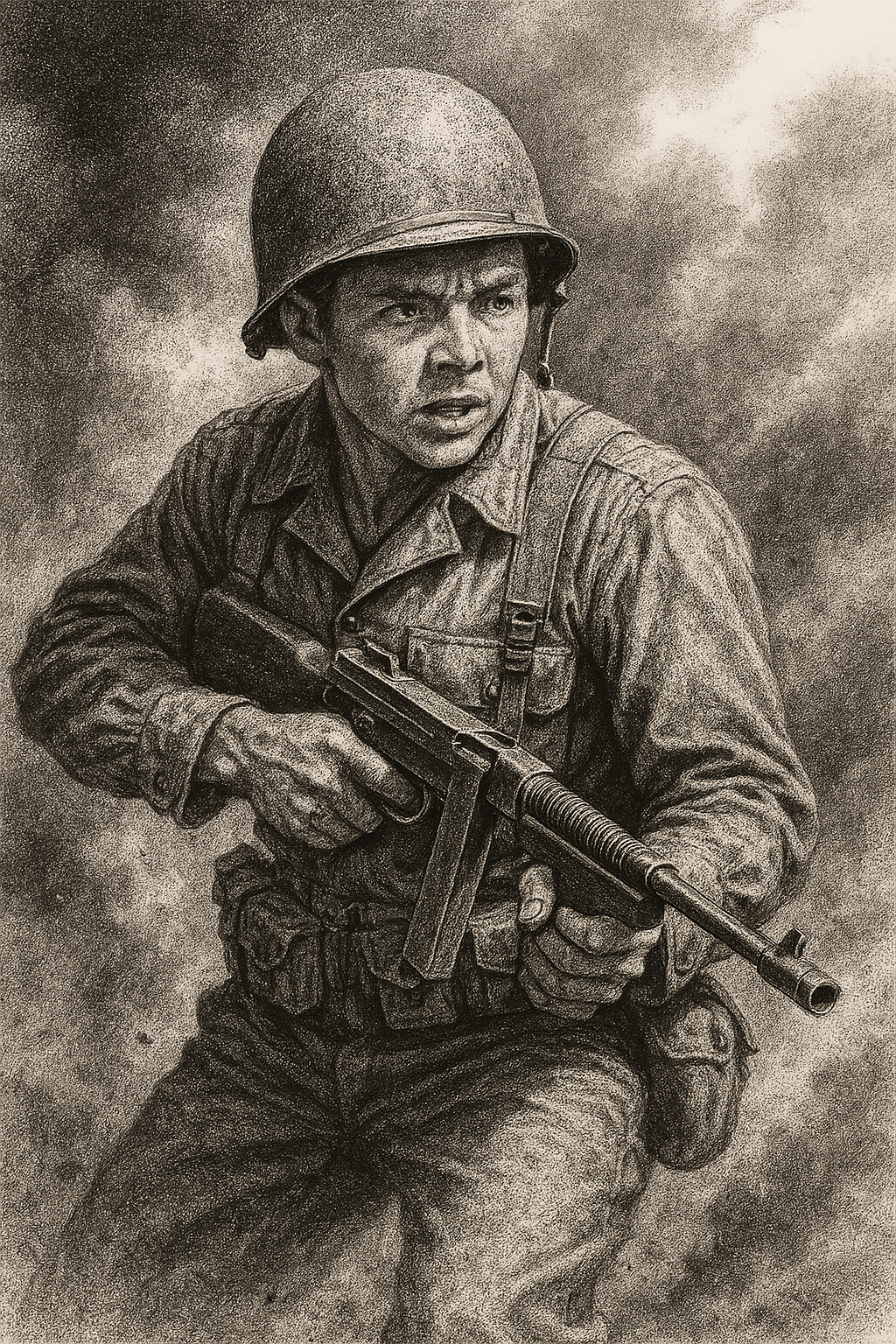
At Holtzwihr, Audie Murphy climbed a burning tank destroyer and dared an armored battalion to try and take it back.
Rank - 156
A fearless New Zealand–born commander famed for leading from the front in both World Wars.
Rank - 173
Oliver Cromwell was a 17th-century English general and ruler who reshaped Britain through military victory, regicide, and authoritarian rule.
Rank - 174
A walking catalogue of injuries, Adrian Carton de Wiart charged through the twentieth century’s worst battles with the attitude of a man personally offended by mortality.
Rank - 175
Bartholomew “Black Bart” Roberts was the ruthless, impeccably dressed Welsh pirate who terrorized the Atlantic before dying in a blaze of cannon fire in 1722.
Rank - 178
Otto Skorzeny (1908–1975) was an Austrian SS commando famed for his audacious World War II special operations.
Rank - 179
Blind, defiant, and tethered to his men by reins, John of Bohemia spurred his horse straight into the storm of arrows—because dying blind in battle still beat living to see chivalry die.
Rank - 182
Charles Martel was the bastard-turned-kingmaker who stopped an empire with a hammer and accidentally built one of his own.
Rank - 183
Godfrey of Bouillon stormed Jerusalem with holy fire in his eyes and left it bathed in the kind of righteousness that smells like smoke and blood.
Rank - 184
A teenage peasant turned holy warlord, Joan of Arc burned her way from battlefield glory to martyrdom and sainthood.
Rank - 186
Bloated, brilliant, and half-dying, Maurice de Saxe turned Fontenoy into a masterpiece of smoke, steel, and spite—the last waltz of France’s hungover genius.
Rank - 188
He died on his feet so Ireland wouldn’t have to—but she did anyway, again and again, just to keep him company.
Rank - 190
Vercingetorix burned his world to save it—and when the ashes settled, even Caesar couldn’t put out the legend.
Rank - 198
Boudica, the fire-haired queen of the Iceni, rose from humiliation to torch Roman Britain in a rebellion that turned vengeance into legend.
Rank - 201
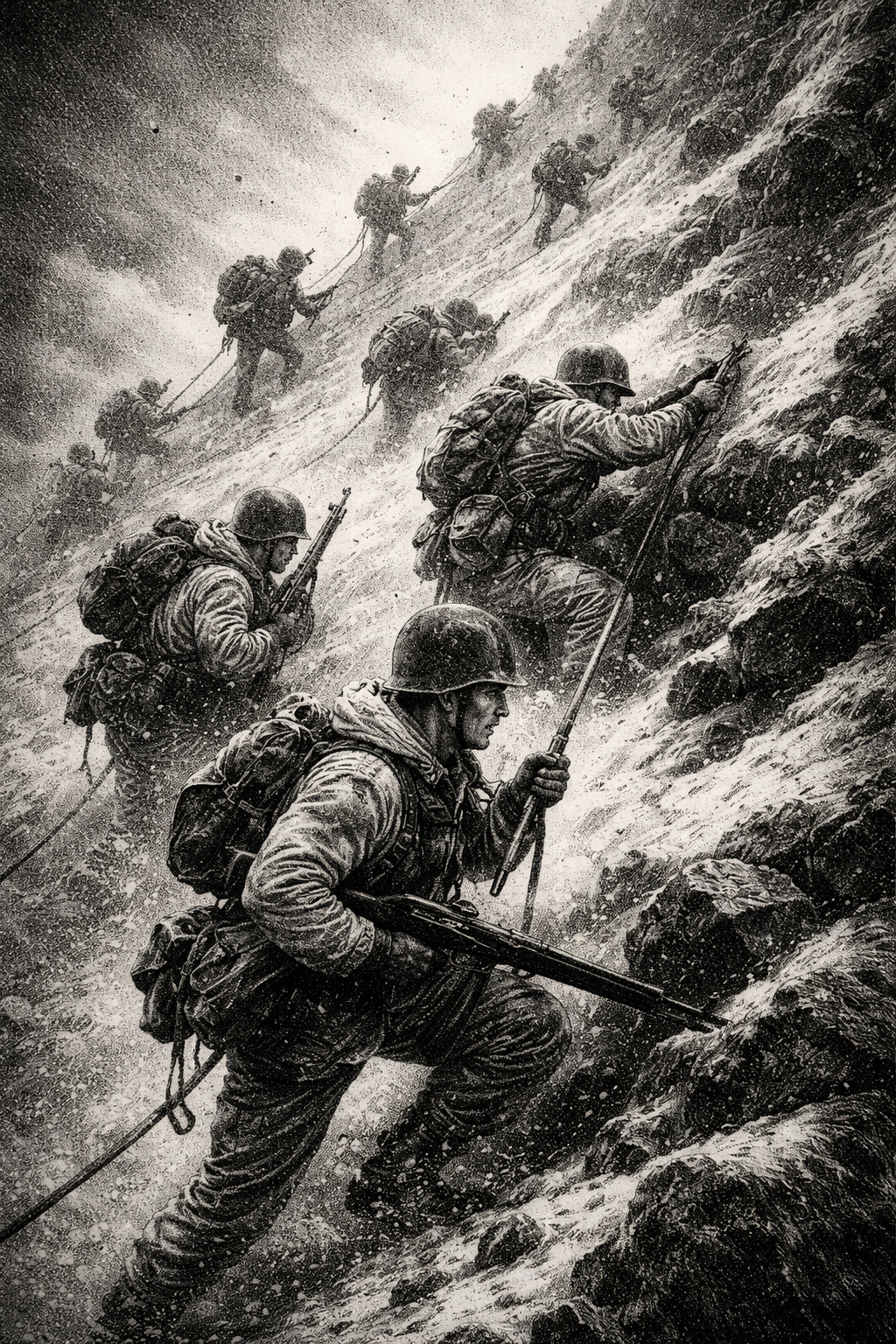
They climbed what the enemy marked impassable and turned stone into a breach. The 10th Mountain Division does not attack the obvious road; it takes the ridge above it and makes gravity switch sides.
Group Rank - 171
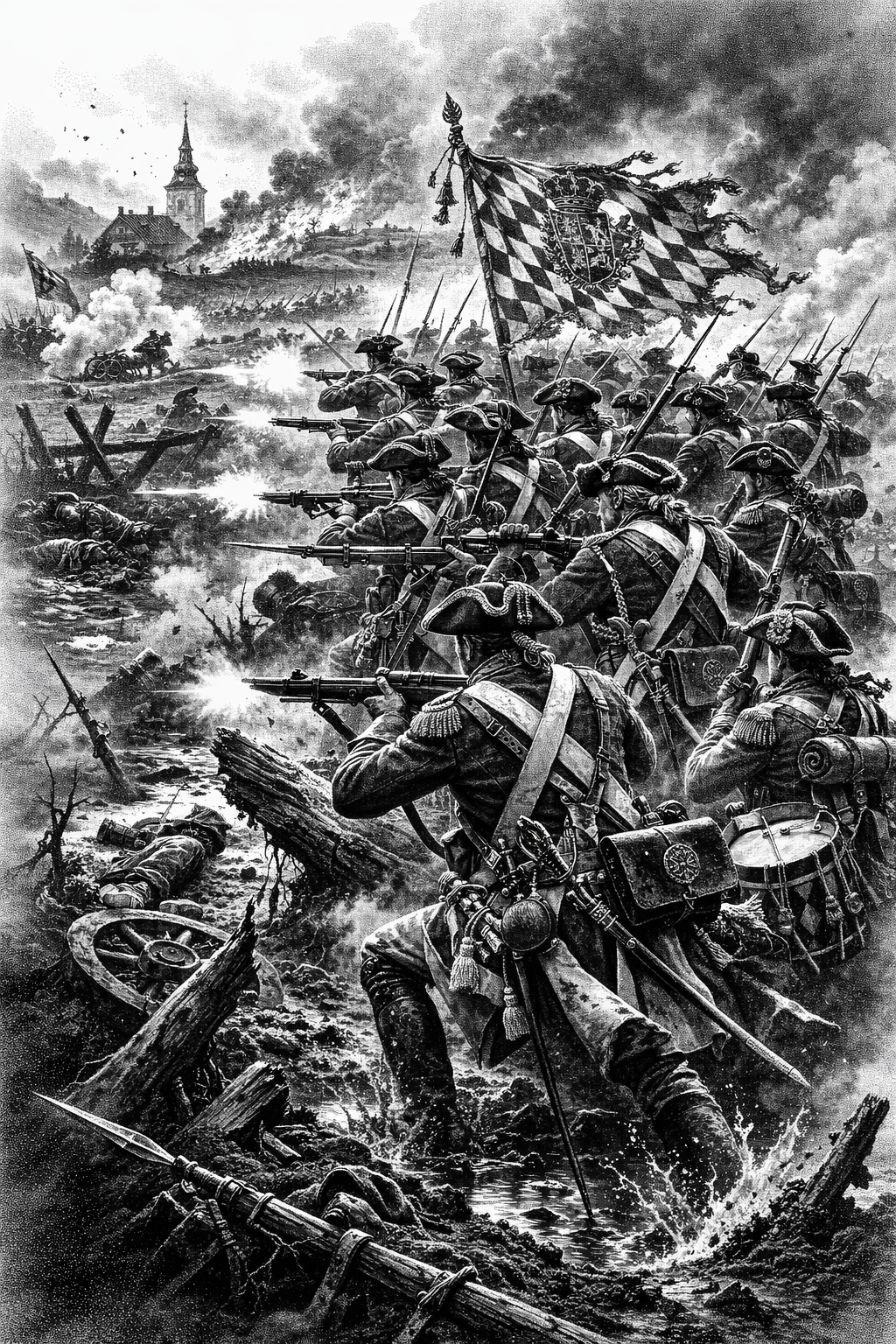
They advance as if summoned by geometry, white crossbelts glowing in the smoke while grapeshot tears men out of the front rank and the rear rank steps forward without hesitation. For over two centuries, the Bavarian Leib-Regiment stood between a throne and the chaos that kept trying to erase it.
Group Rank - 172
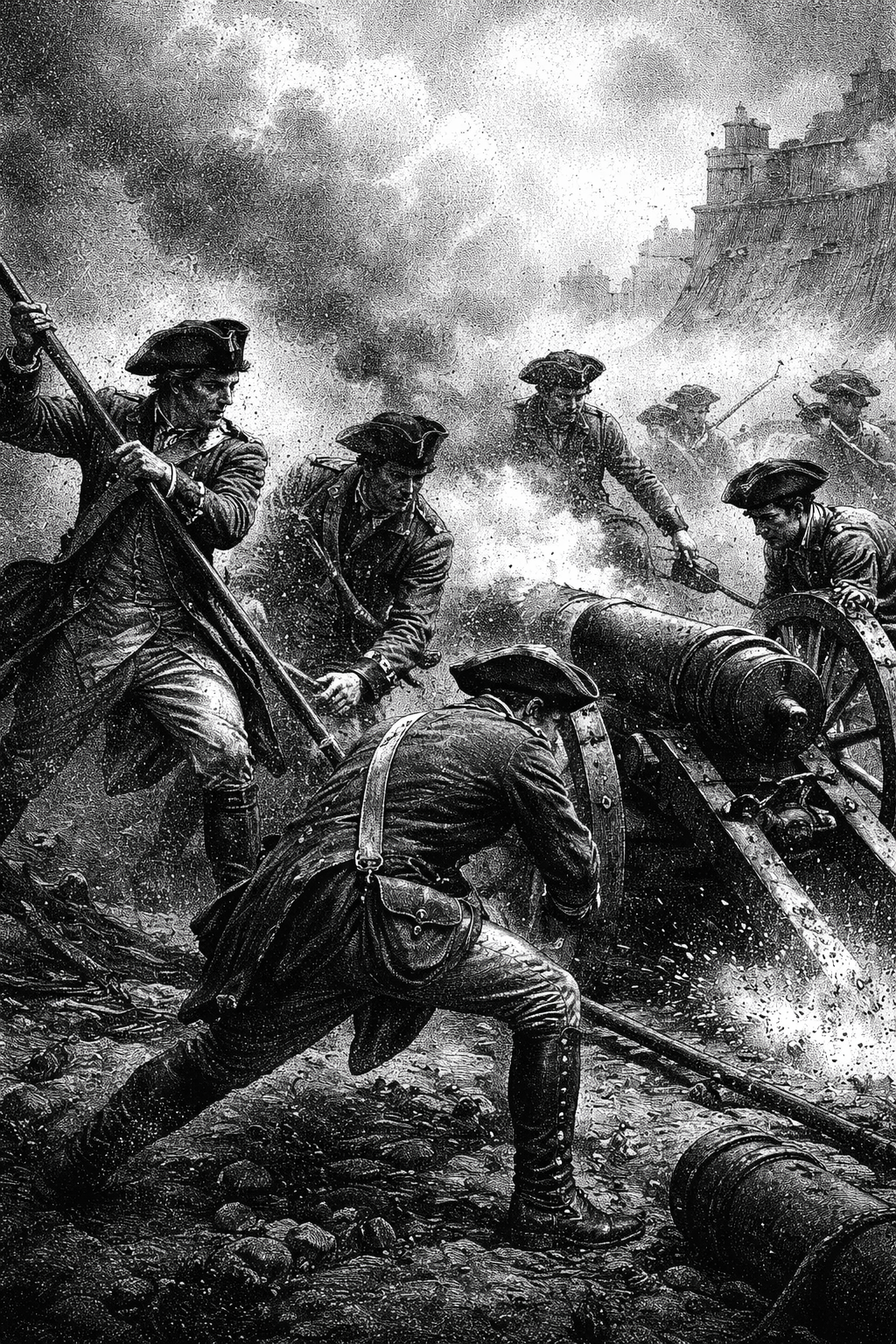
The French Artillerie Royale moved as a single iron-breathed organism, crews drilled to load, sight, and fire with mechanical calm while kingdoms shifted around them. In their batteries, the state found its most articulate voice, speaking in calibrated bursts of smoke and bronze.
Group Rank - 173
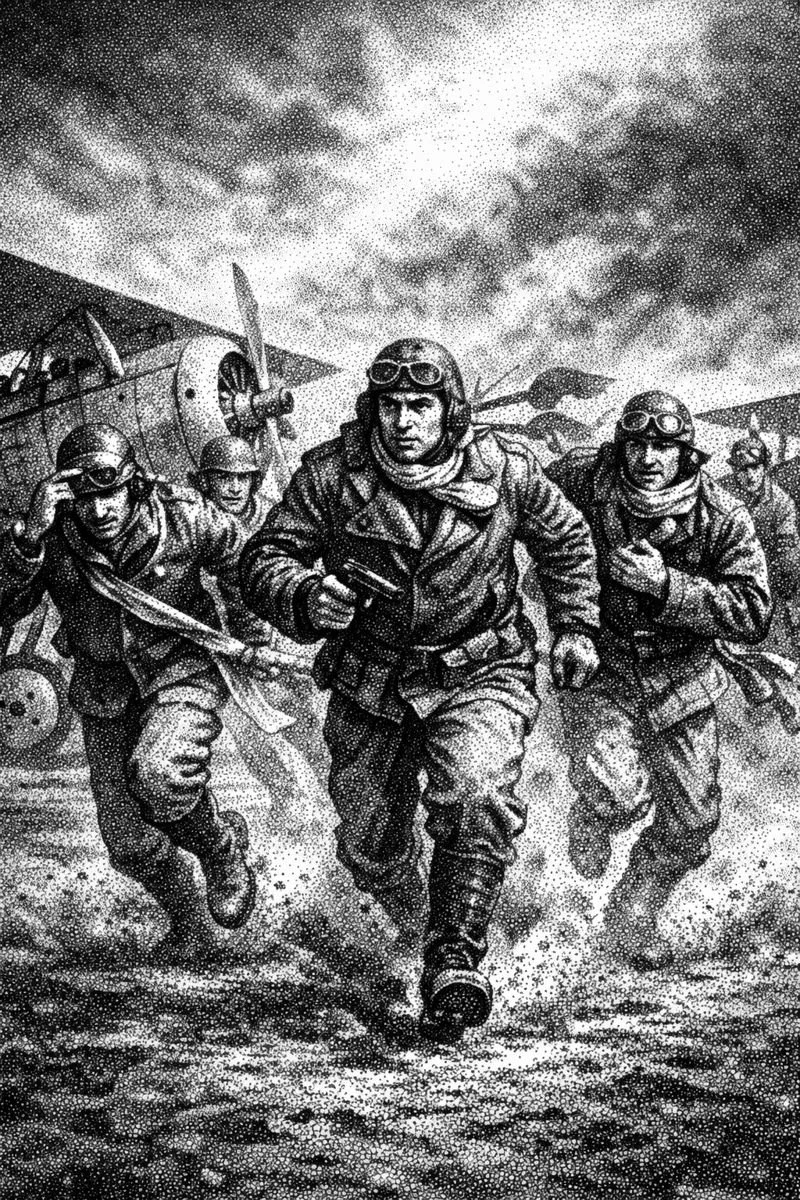
The Escadrille Lafayette was a World War I fighter squadron formed in 1916 by American volunteer pilots flying for France before the United States formally entered the war. Celebrated as both a combat unit and a propaganda symbol, it helped shape early air combat doctrine while cementing the myth of the fighter pilot as a modern warrior.
Group Rank - 175
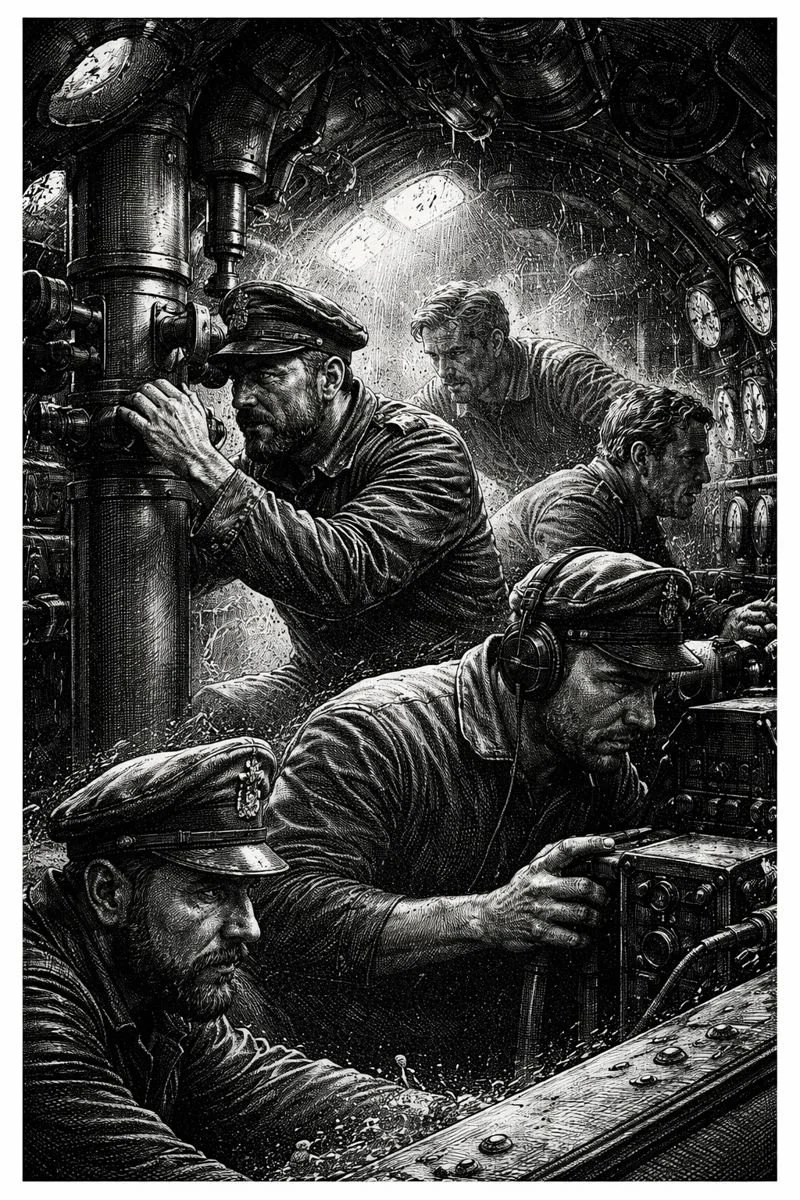
They were a brotherhood sealed inside steel, waging a silent war of endurance and arithmetic against the Atlantic until the ocean and industry finally broke them.
Group Rank - 179
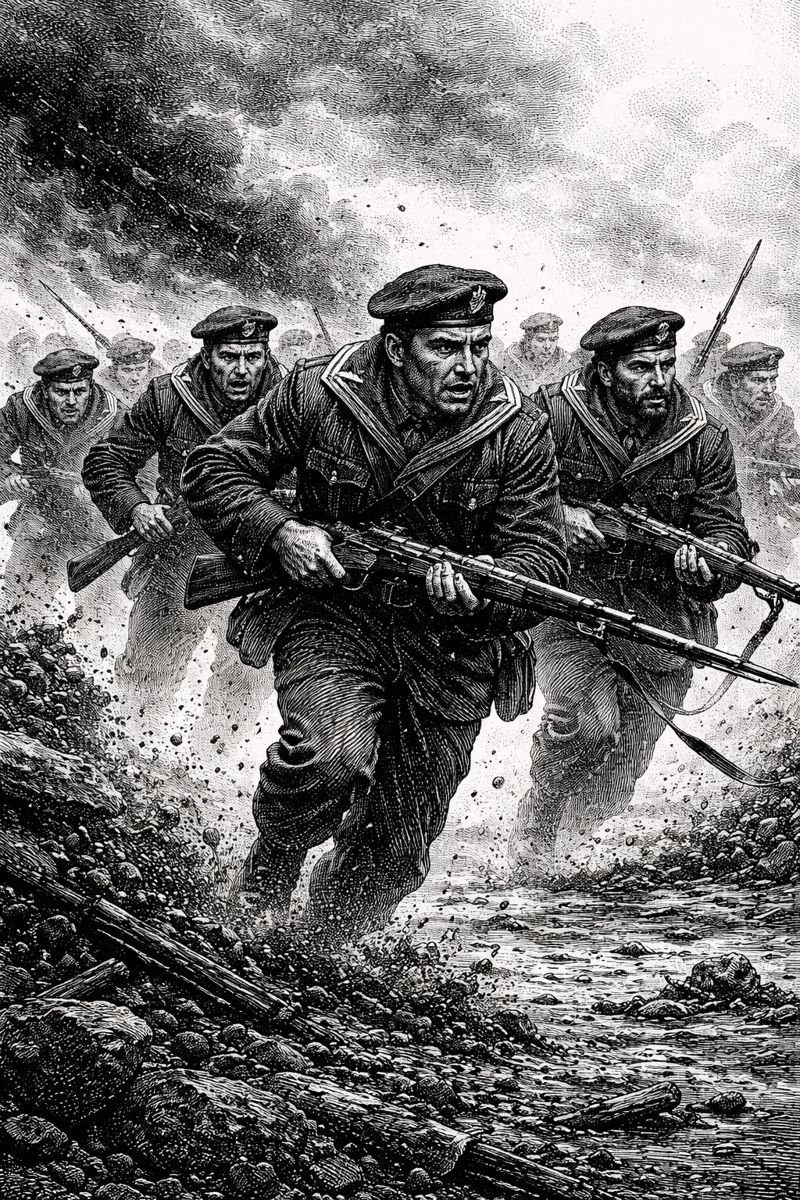
The French Fusiliers Marins are naval infantry trained to fight ashore with the discipline of sailors, the endurance of infantry, and a collective refusal to break once committed.
Group Rank - 181
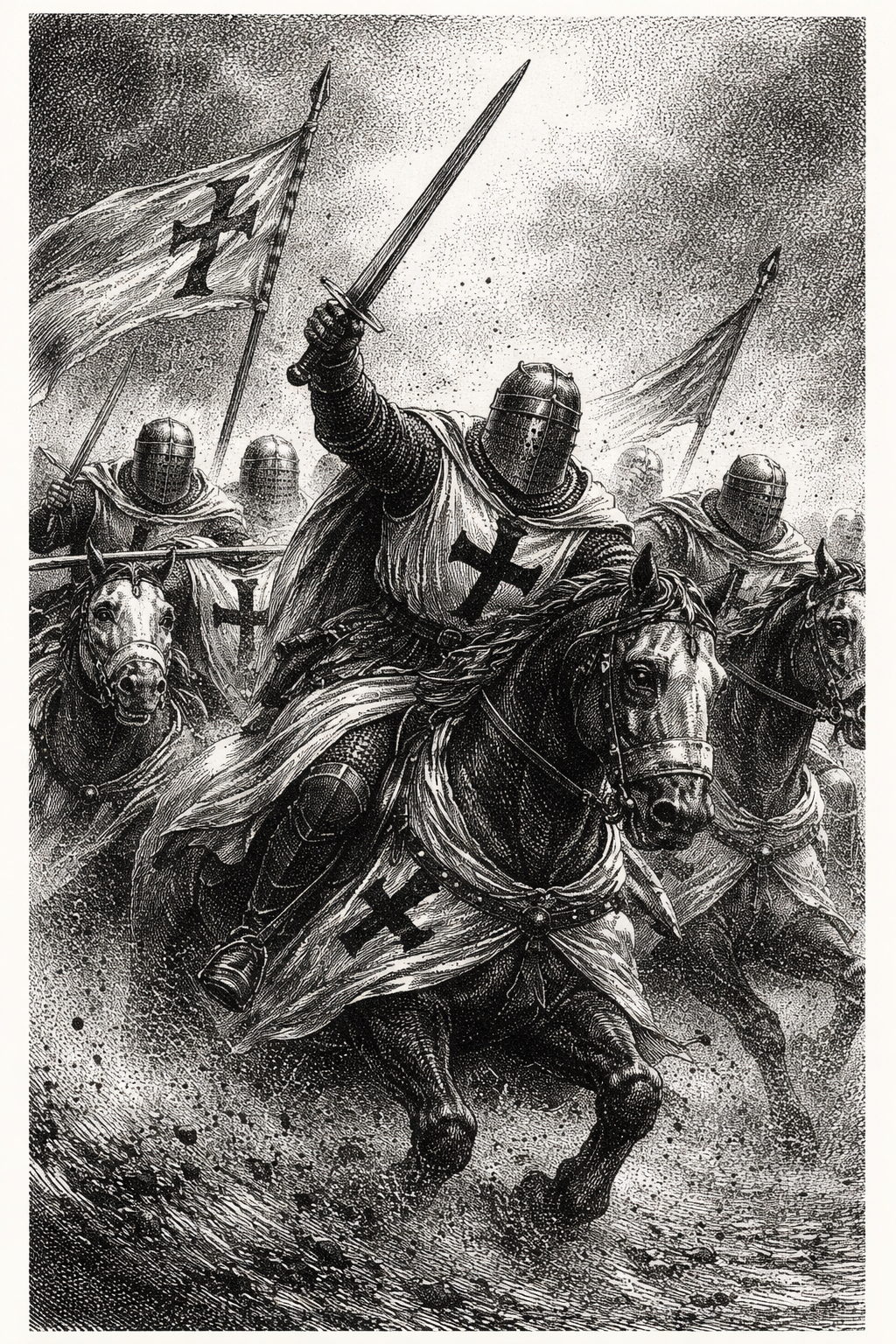
The Teutonic Knights were a medieval military order that fused monastic discipline with state-building warfare, conquering and ruling large parts of the Baltic through crusade, colonization, and fortified power.
Group Rank - 182
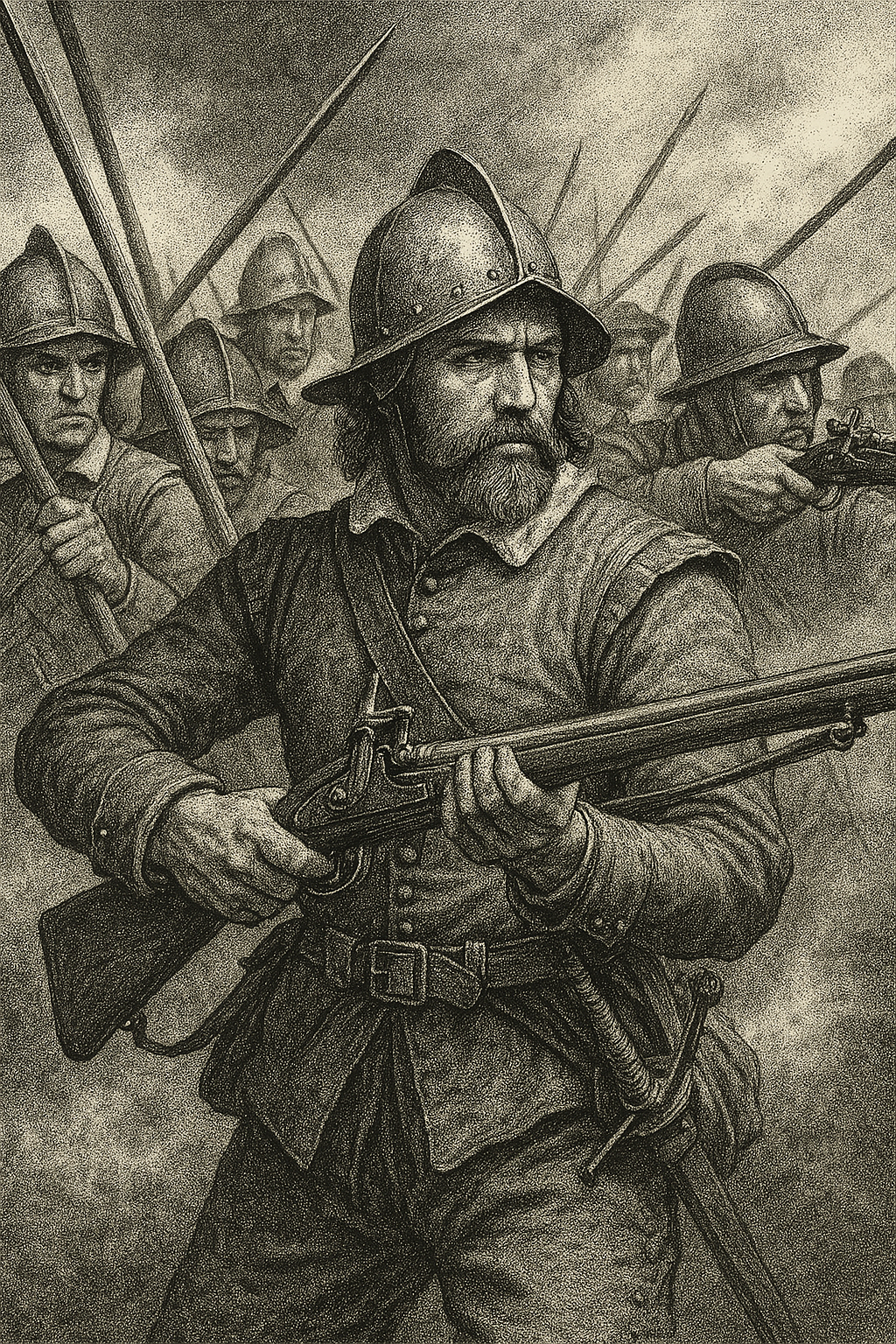
A brotherhood forged in revolt, the Dutch States Army turned geometry, discipline, and relentless volleys into the weapon that broke the old world’s battlefield logic.e.
Group Rank - 185
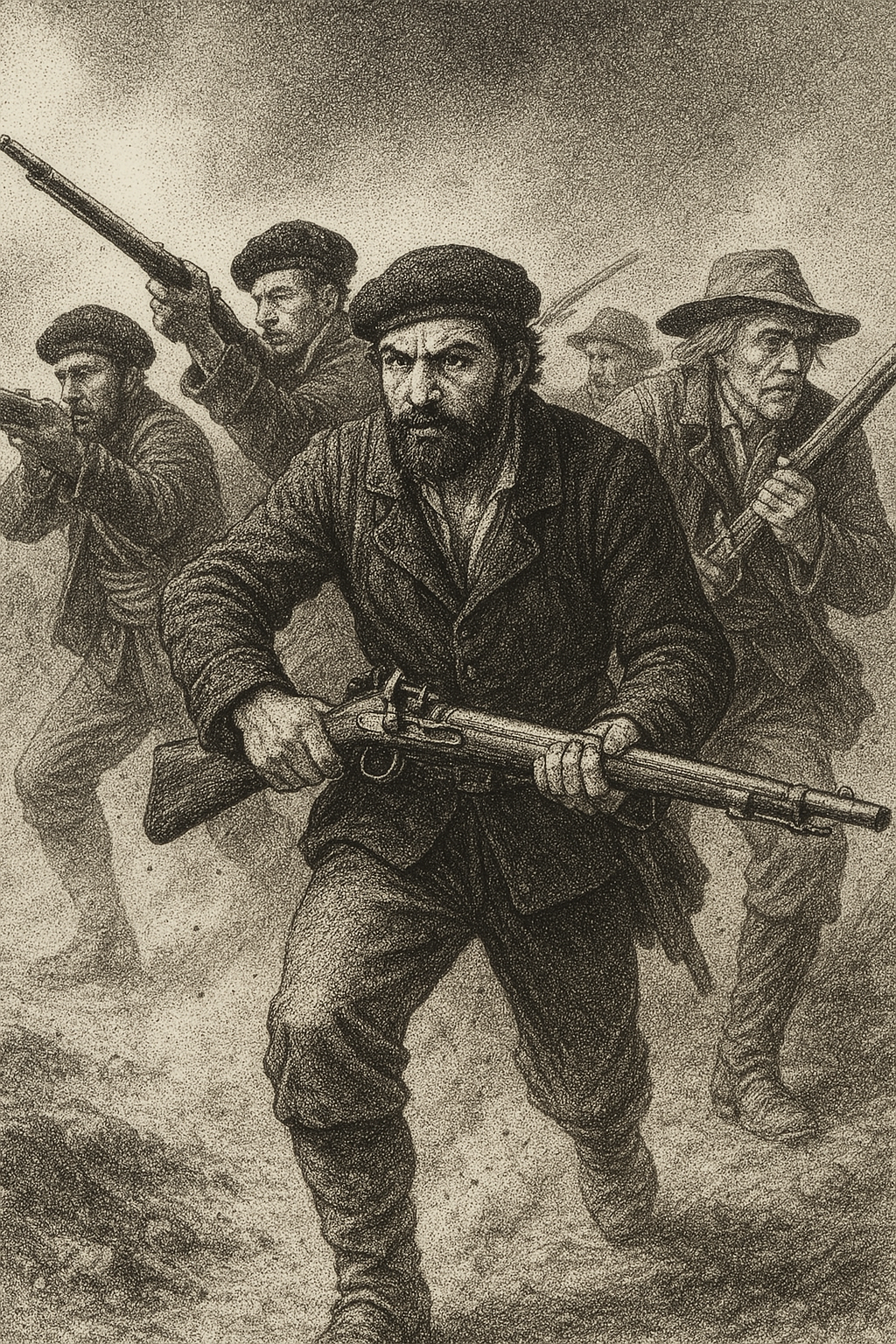
A brotherhood of Spanish Guerrilleros rises from the hills and hollows of Iberia to bleed an empire one ambush at a time.
Group Rank - 186
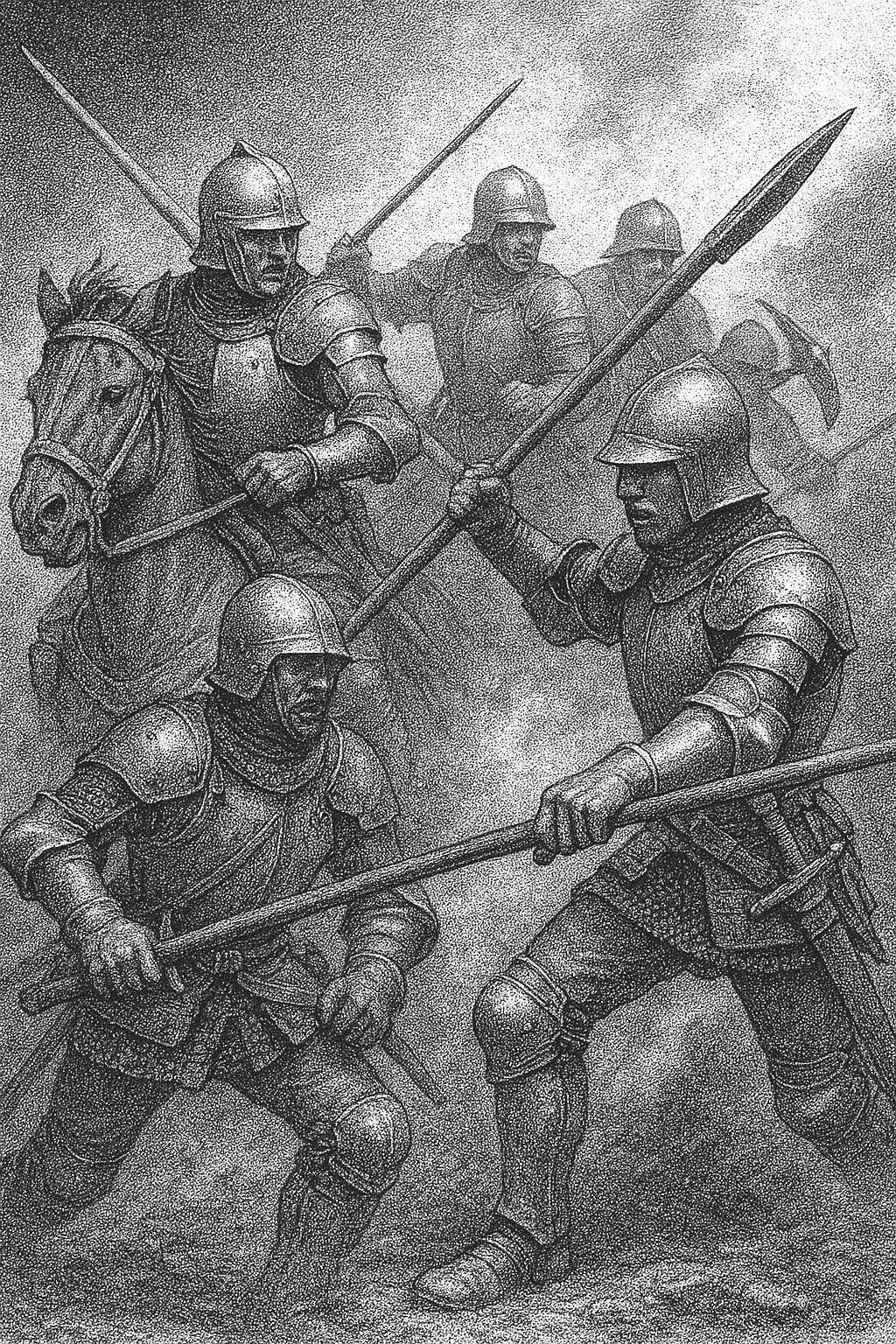
The Burgundian Ordonnance Companies marched like a machine built from pride and gunpowder, only to shatter spectacularly when the future came at them with Swiss pikes and winter steel.
Group Rank - 191
They advanced like a single starving organism made of steel, superstition, and the certainty that the world existed only to be taken.
Group Rank - 193
They moved as if the cold had carved secret truths into their bones, two brotherhoods built to appear where no one should exist and to leave before anyone realized they were there.
Group Rank - 194
In the end, they were the men who made the darkness blink first. Not knights, not villains—just professionals in a dirty century, paid to make silence possible again.
Group Rank - 200
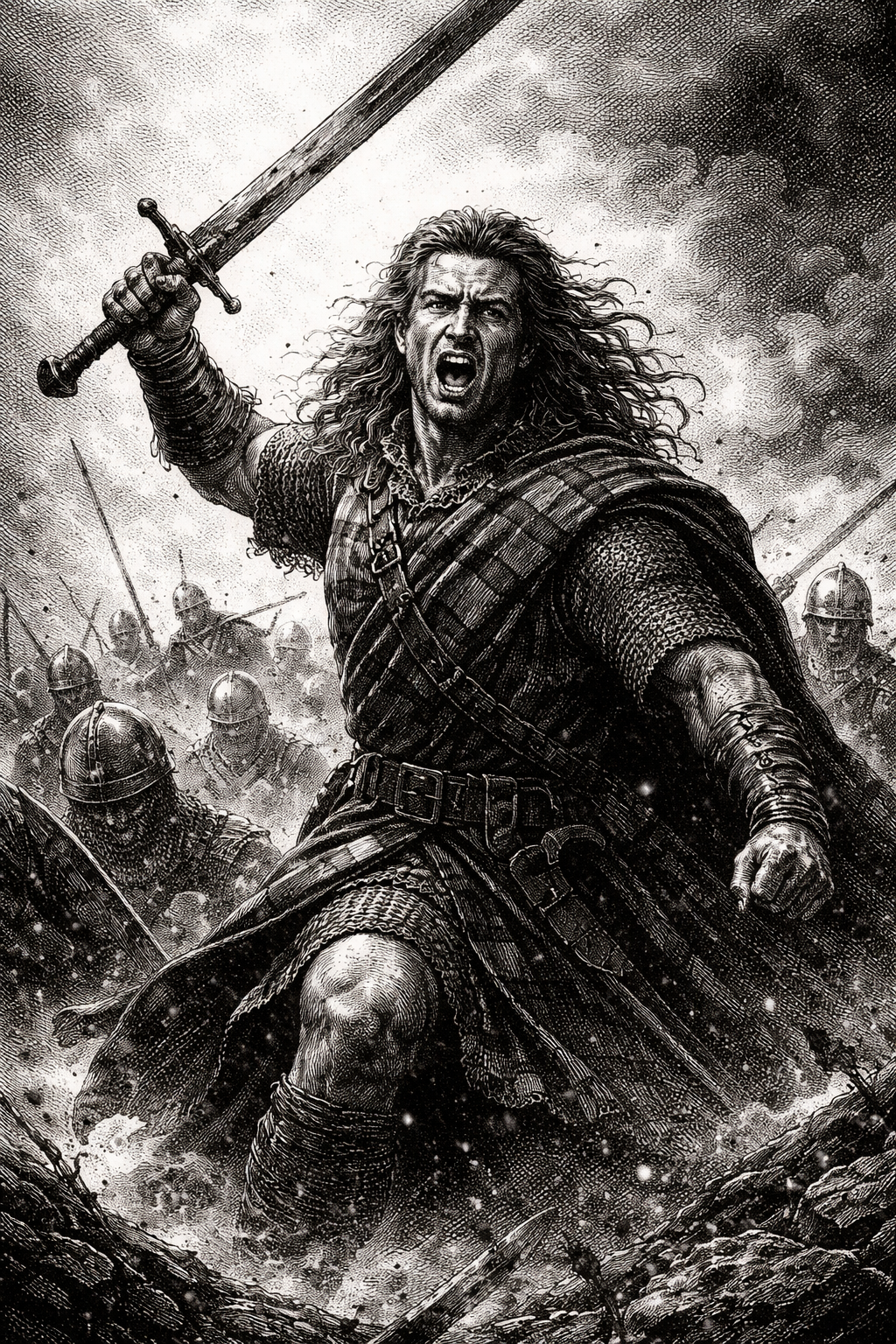
Scottish knight and Guardian of Scotland; led a populist revolt against Edward I, shattered an English army at Stirling Bridge through tactical choke-point slaughter, lost at Falkirk to longbow attrition, and was executed by hanging, drawing, and quartering—martyrdom later weaponized into nationalist legend and cinematic thunder.
Rank - 123