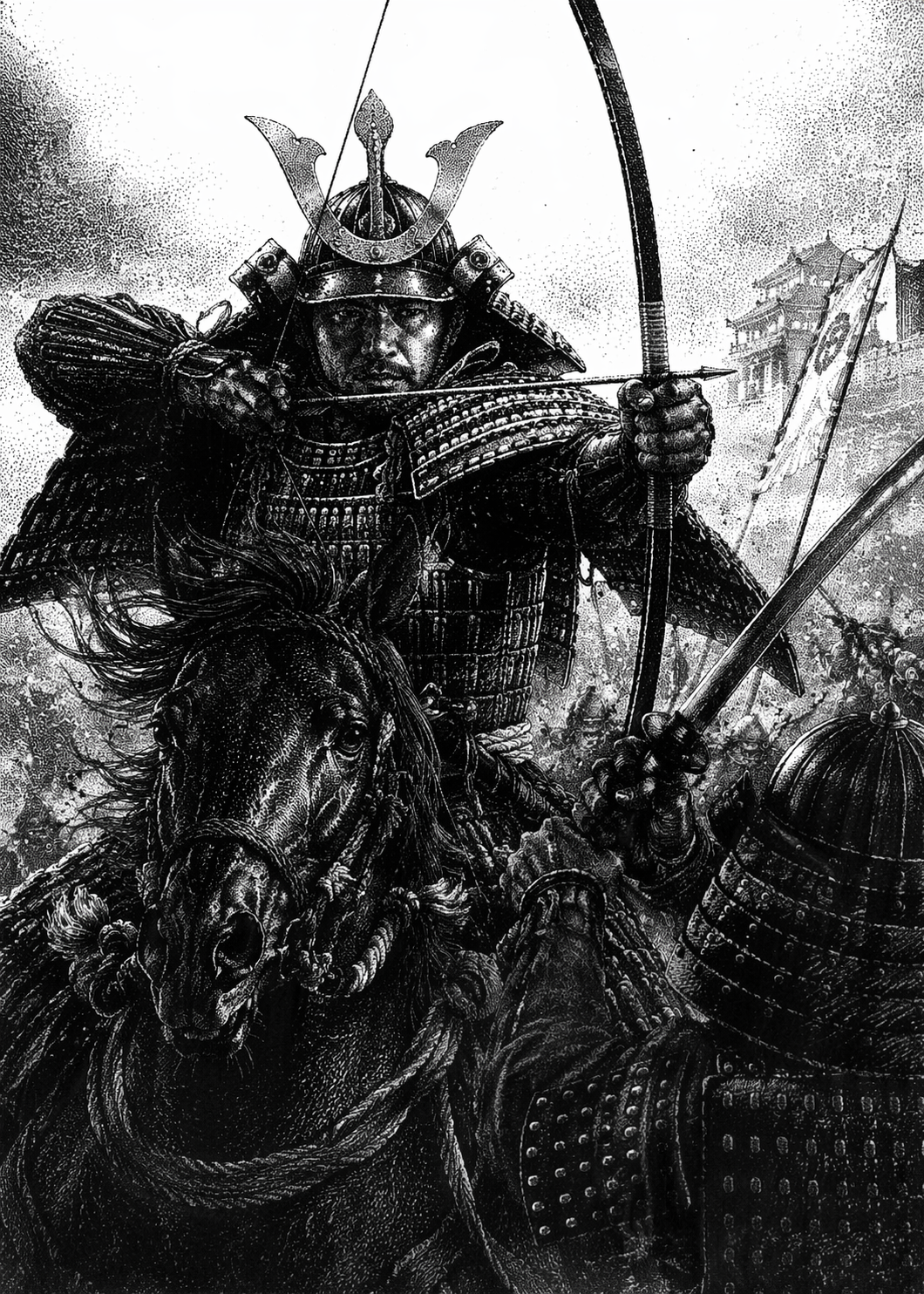
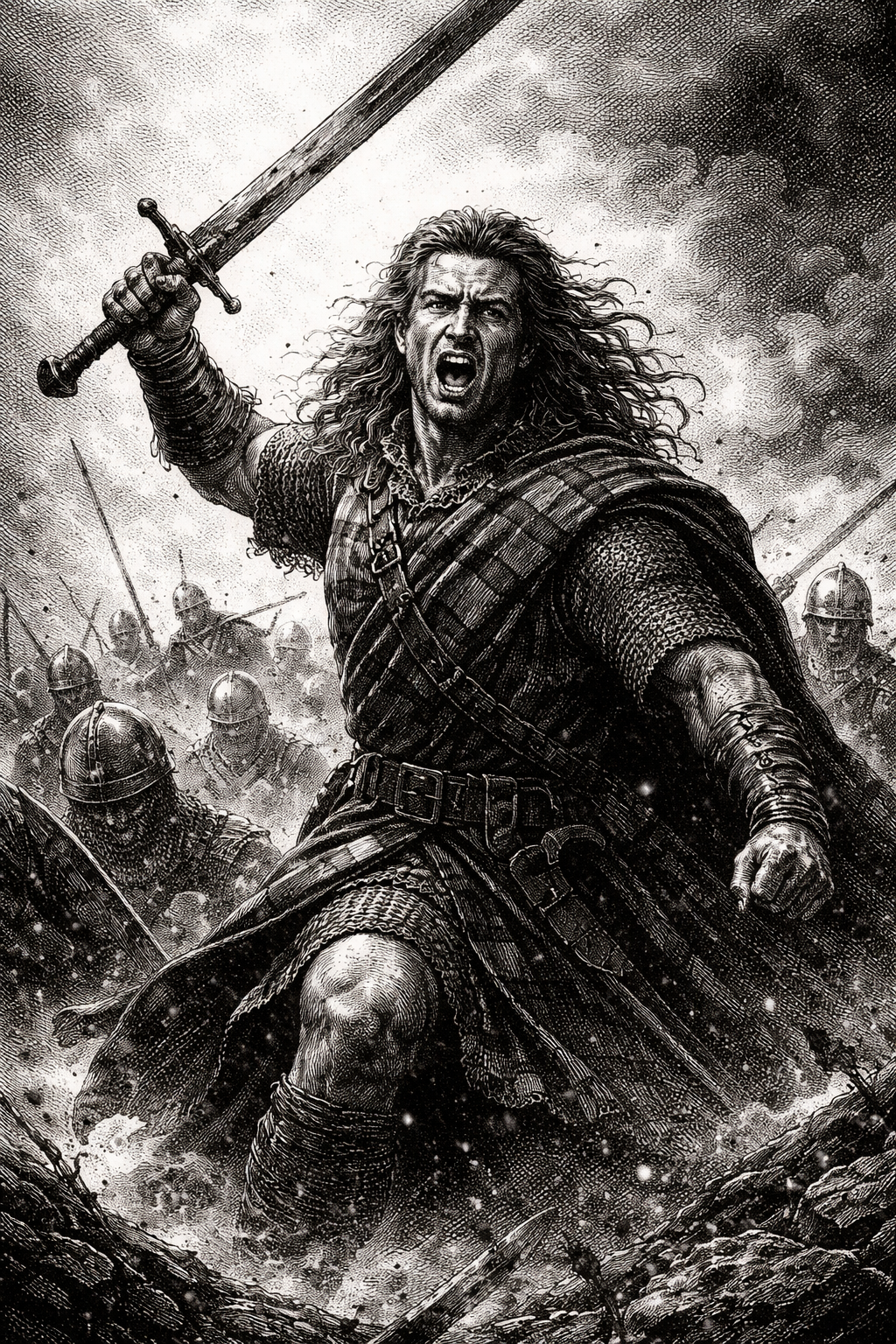
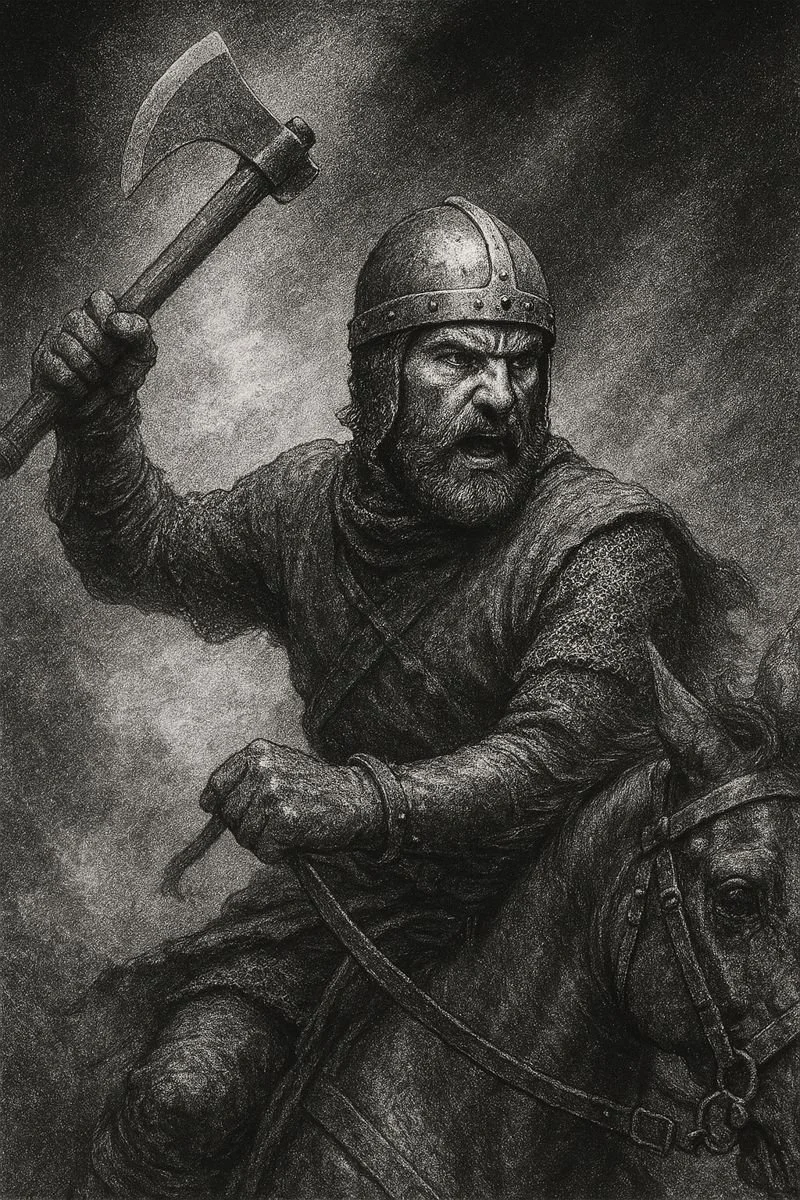
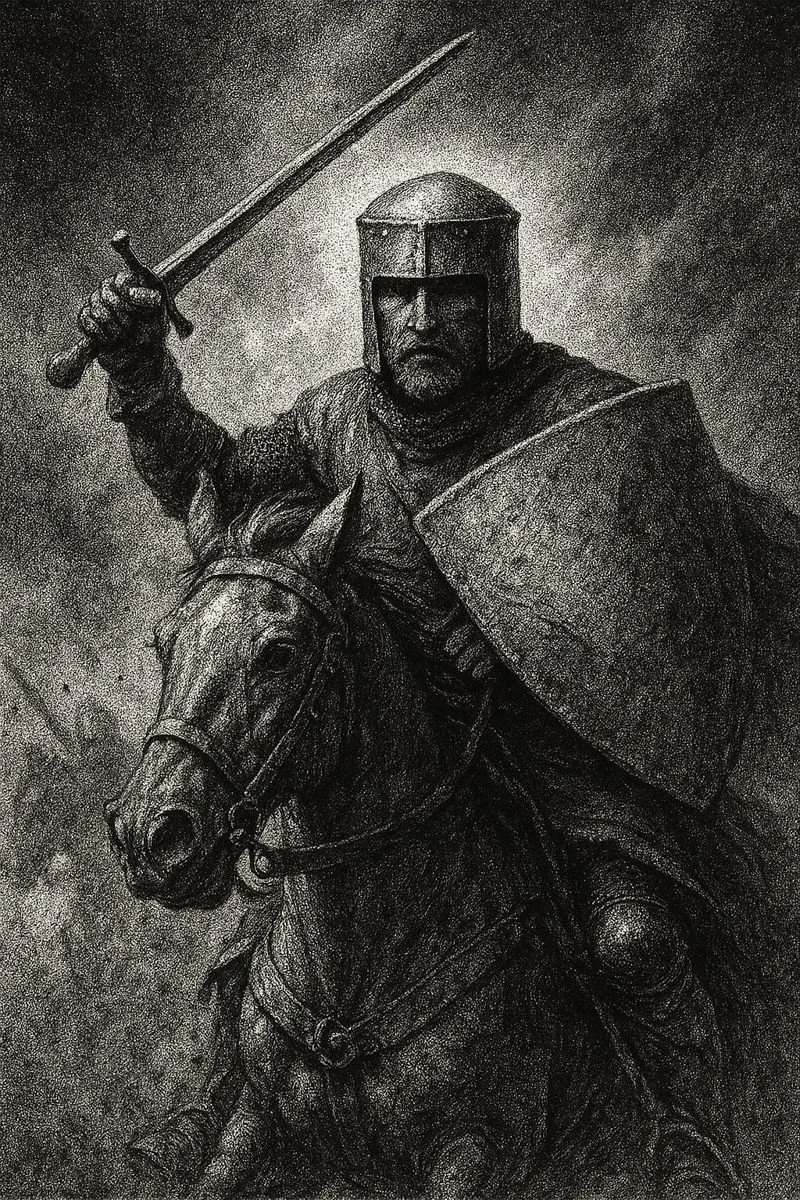
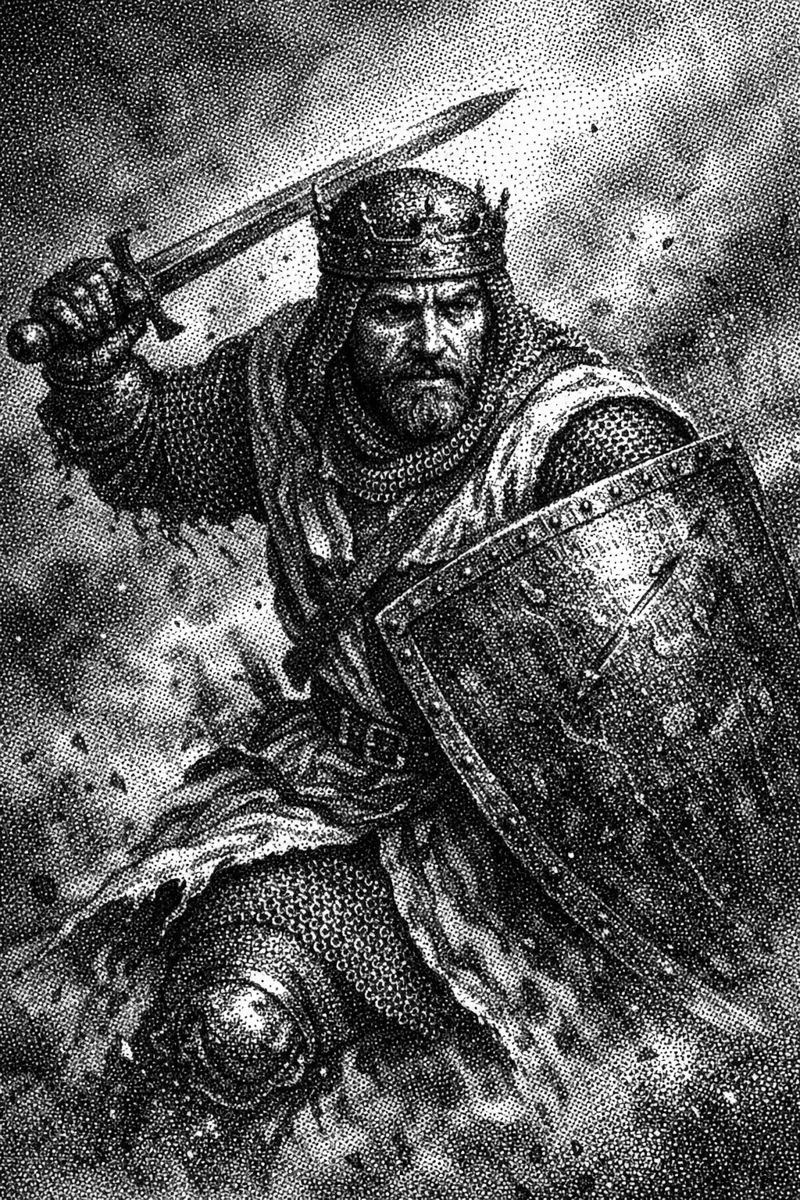
William Marshal (c.1147–1219) was an English knight and statesman who served four kings and became the most celebrated tournament fighter and battlefield commander of the High Middle Ages. Renowned for his unwavering loyalty and mastery of mounted combat, he helped preserve the English crown during civil war and was later mythologized as the living ideal of chivalry.
Rank - 137
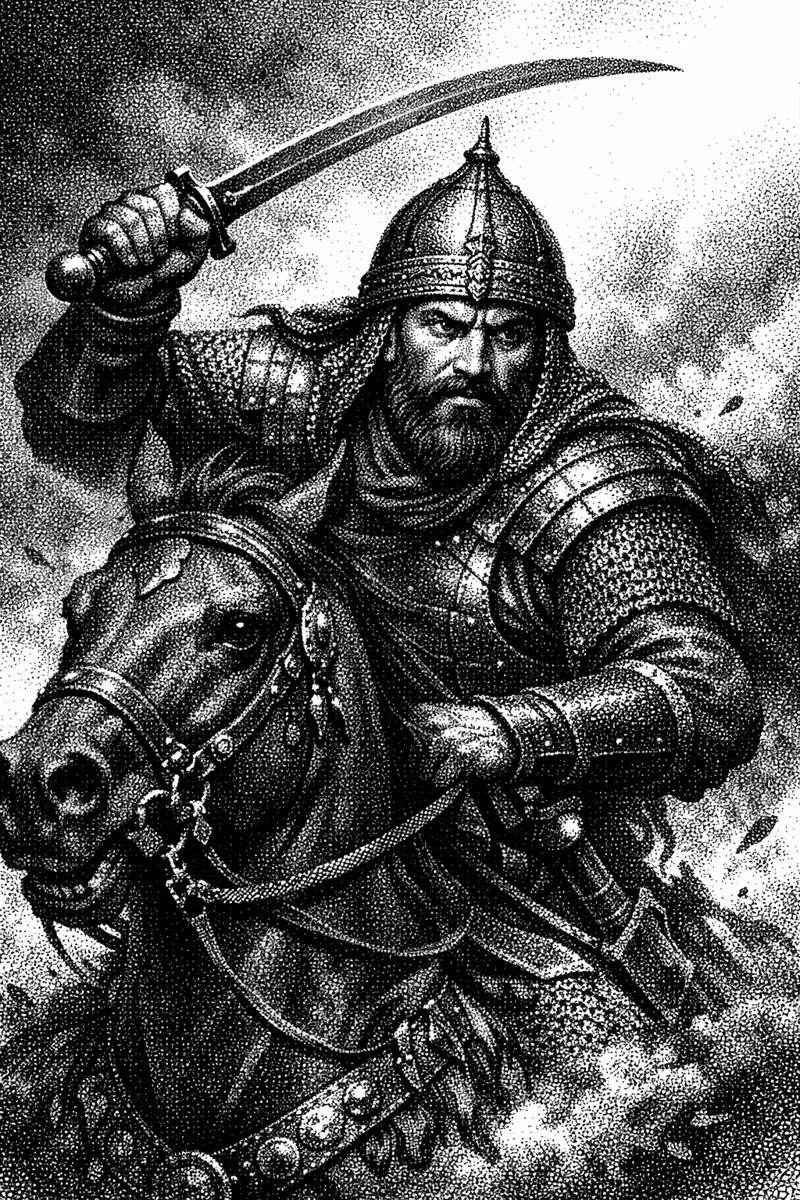
Mahmud of Ghazni (c. 971–1030) was a Turkic ruler and the first major sultan, renowned for his highly mobile cavalry campaigns that projected Ghaznavid power across Central Asia and deep into the Indian subcontinent. Both a fierce military raider and a calculated patron of Persian culture, he left a legacy shaped equally by conquest, wealth extraction, and enduring historical controversy.
Rank - 147
Baldwin I of Jerusalem was the first king of the Crusader Kingdom of Jerusalem, a hard-edged Frankish warlord who turned conquest into governance. He secured and expanded the kingdom through relentless warfare, political pragmatism, and a clear-eyed understanding that survival mattered more than sanctity.
Rank - 150
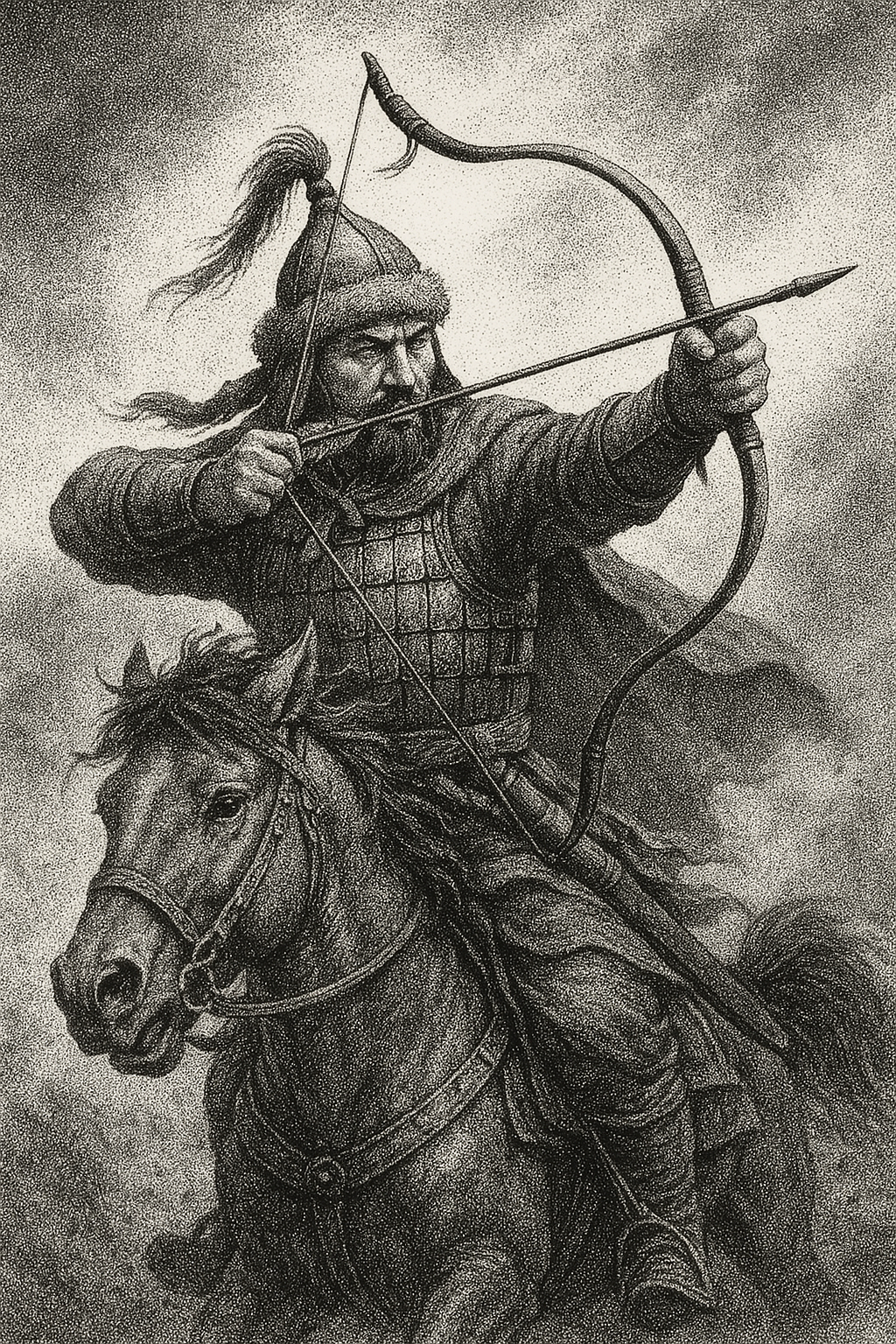
Batu Khan rode like a storm with a ledger, calmly calculating the cost of kingdoms as he erased them.
Rank - 157
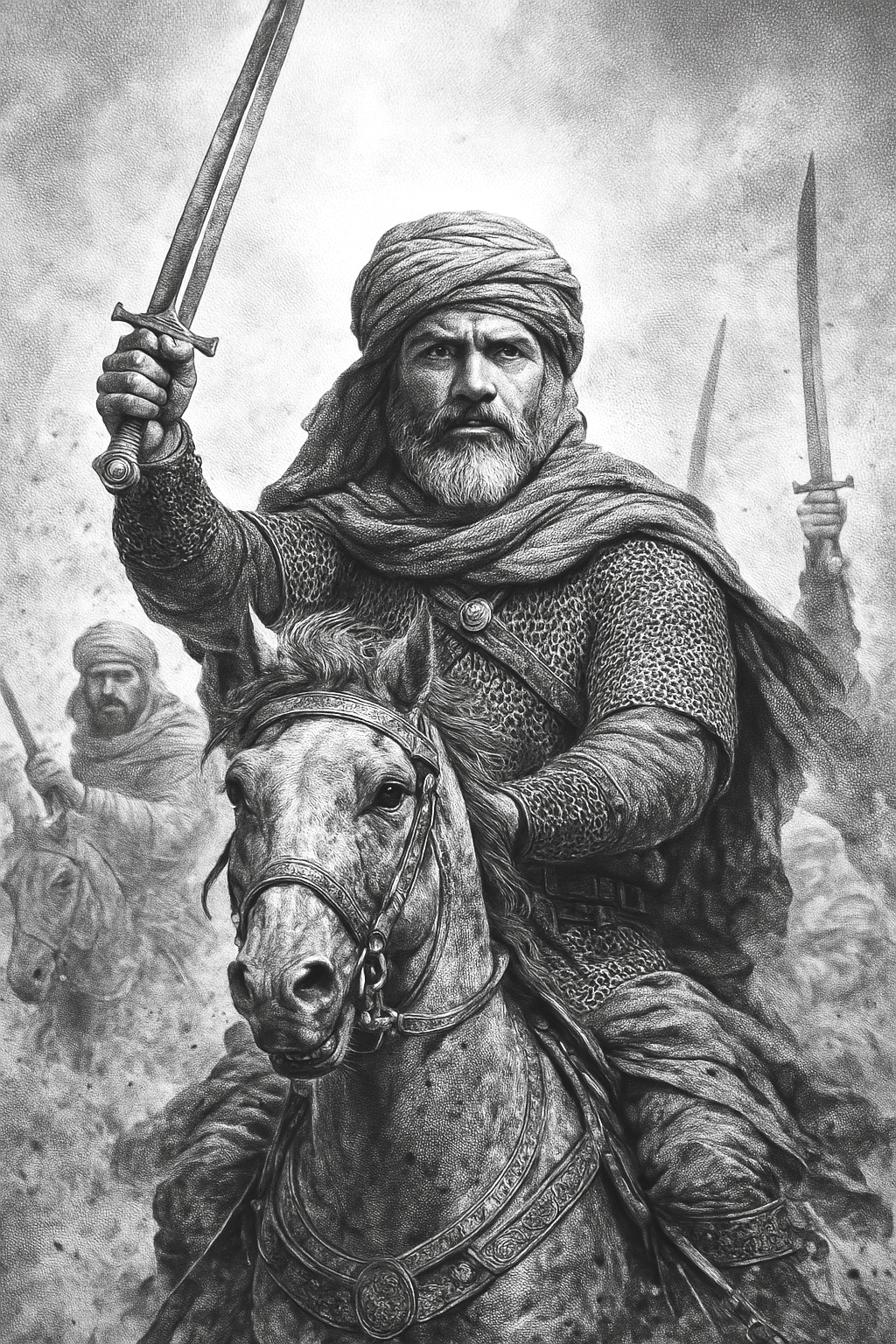
Yūsuf ibn Tāshfīn carved an empire from the Sahara to al-Andalus with austere discipline, relentless cavalry, and a quiet ruthlessness that outlived every king who underestimated him.
Rank - 162
Godfrey of Bouillon stormed Jerusalem with holy fire in his eyes and left it bathed in the kind of righteousness that smells like smoke and blood.
Rank - 184
Basil II, the grim accountant of empire, turned vengeance into policy and left the Balkans blind to remind the world that mercy was never in his ledger.
Rank - 192
The Scottish king who turned exile, defeat, and civil war into a long, grinding campaign for independence through patience, guerrilla warfare, and ruthless resolve. His victory at Bannockburn made him a national symbol of endurance, proving that stubborn survival can outlast empires built on force alone.
Rank - 130