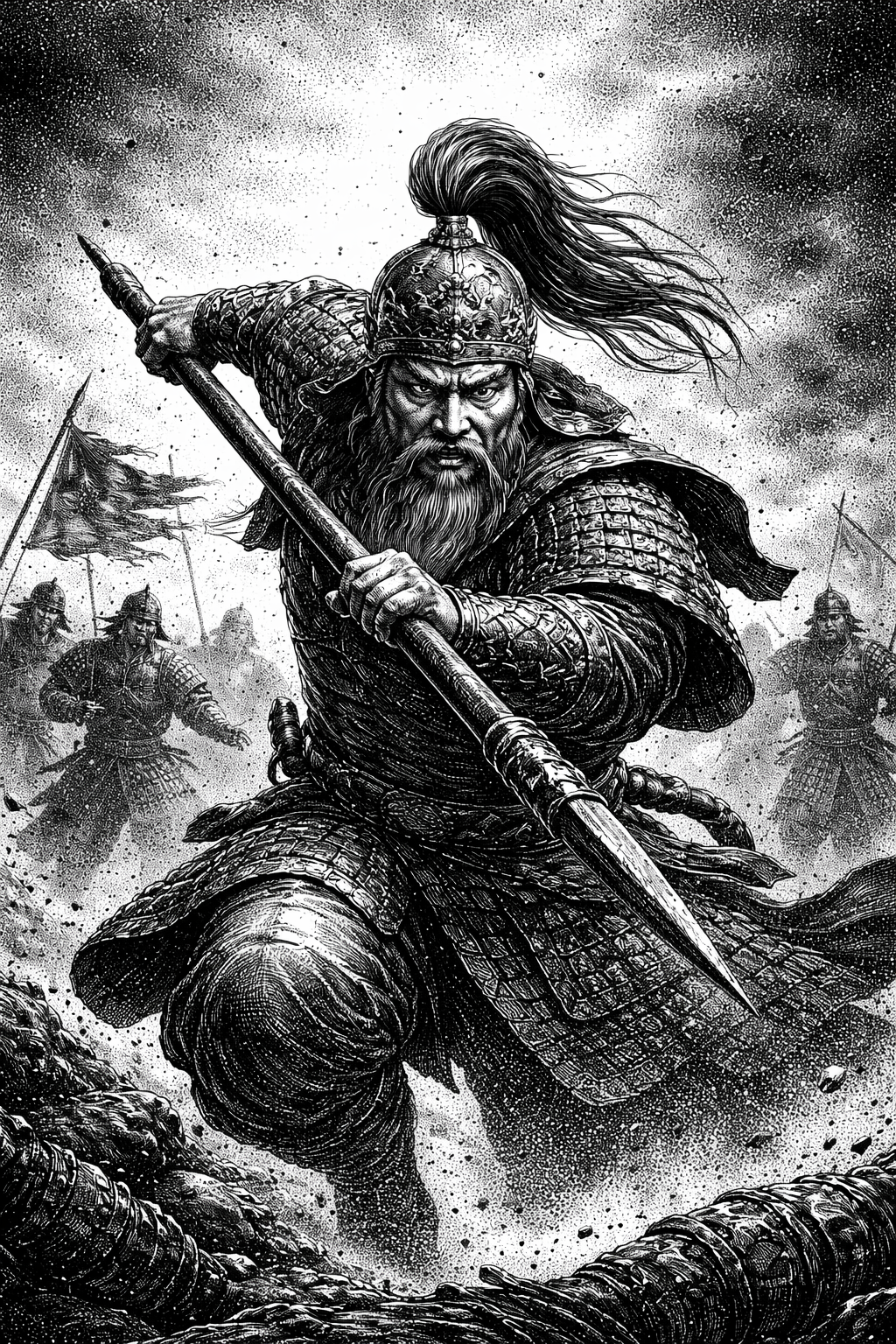
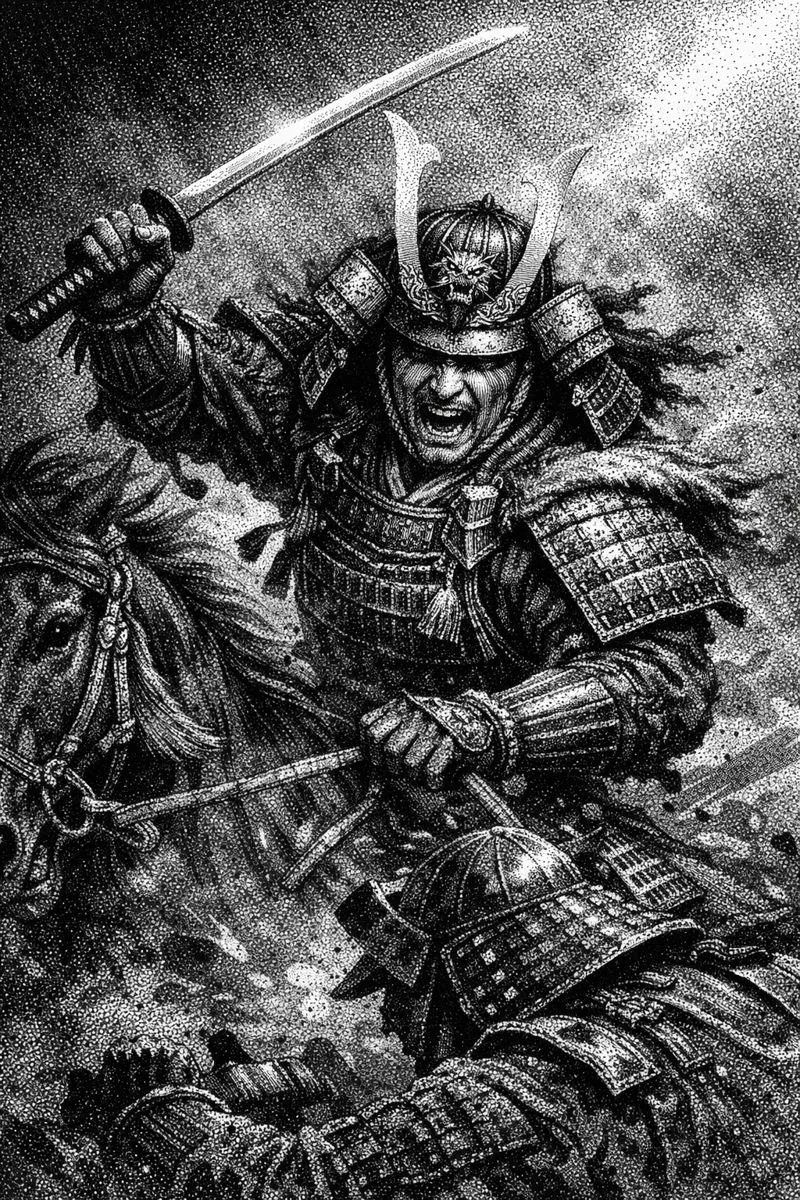
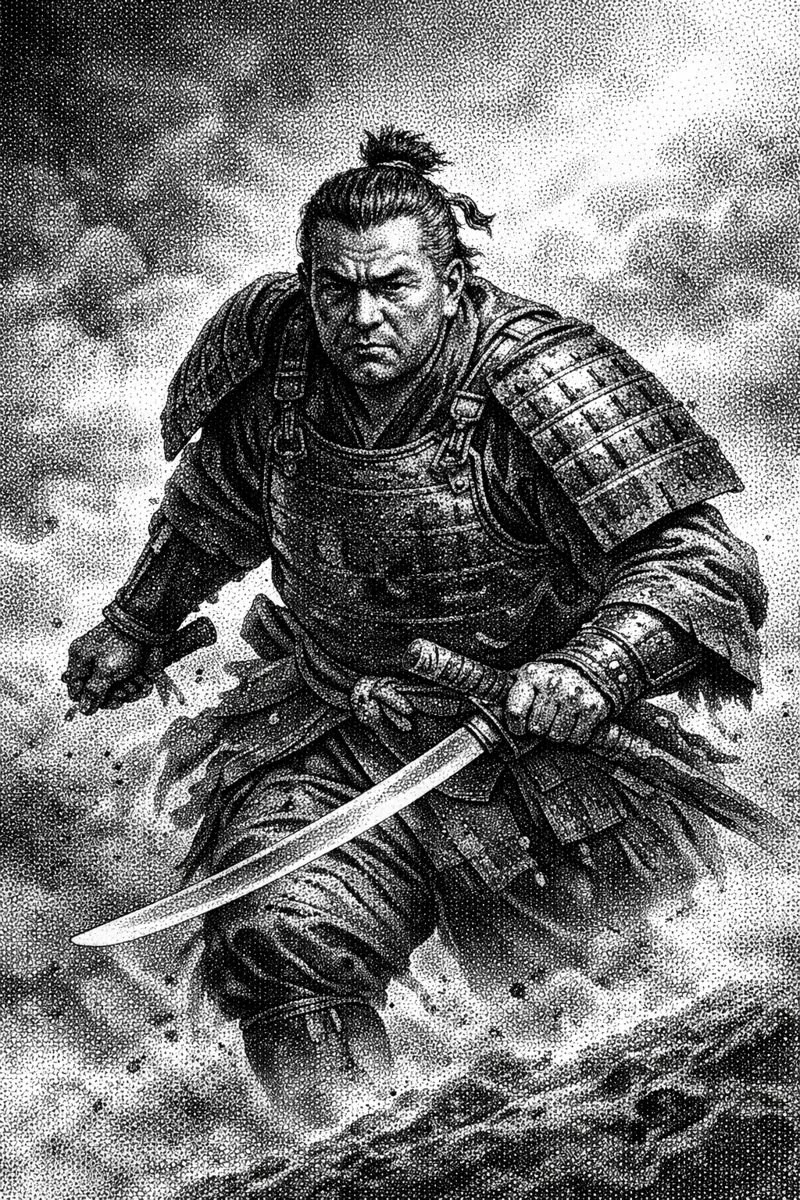
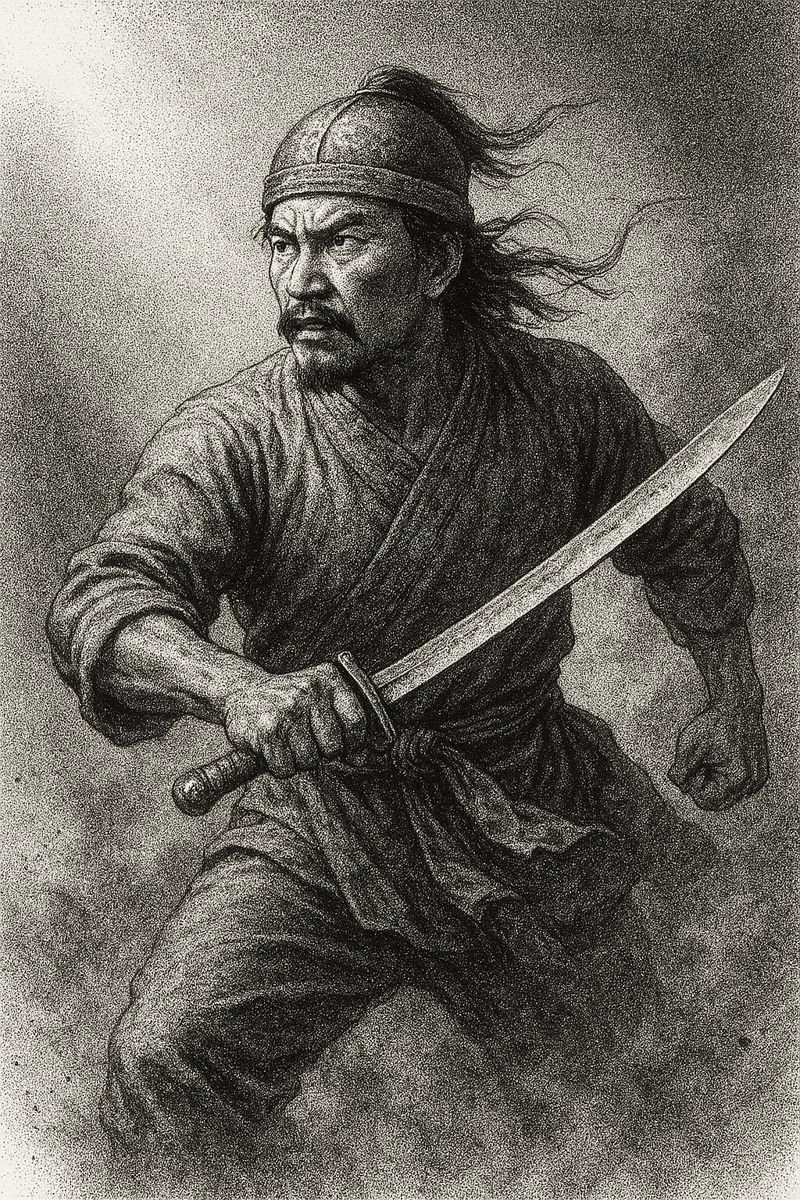
A brilliant guerrilla commander who fought to restore imperial rule in medieval Japan. He became a legend by obeying a hopeless order and dying at Minatogawa, immortalized as the embodiment of samurai loyalty.
Rank - 133
Saigō Takamori helped forge modern Japan, then died trying to stop it, leading the last samurai into a hopeless stand against rifles, artillery, and the future itself. His defeat at Shiroyama ended feudal warfare and transformed a failed rebel into an immortal symbol of honor crushed by progress.
Rank - 135
Lê Lợi (1385–1433) was a Vietnamese patriot-king who led the Lam Sơn uprising and successfully expelled Ming Chinese rule from Vietnam in the early 15th century. He founded the Later Lê dynasty, securing Vietnamese independence and shaping the nation’s political identity for centuries.
Rank - 145
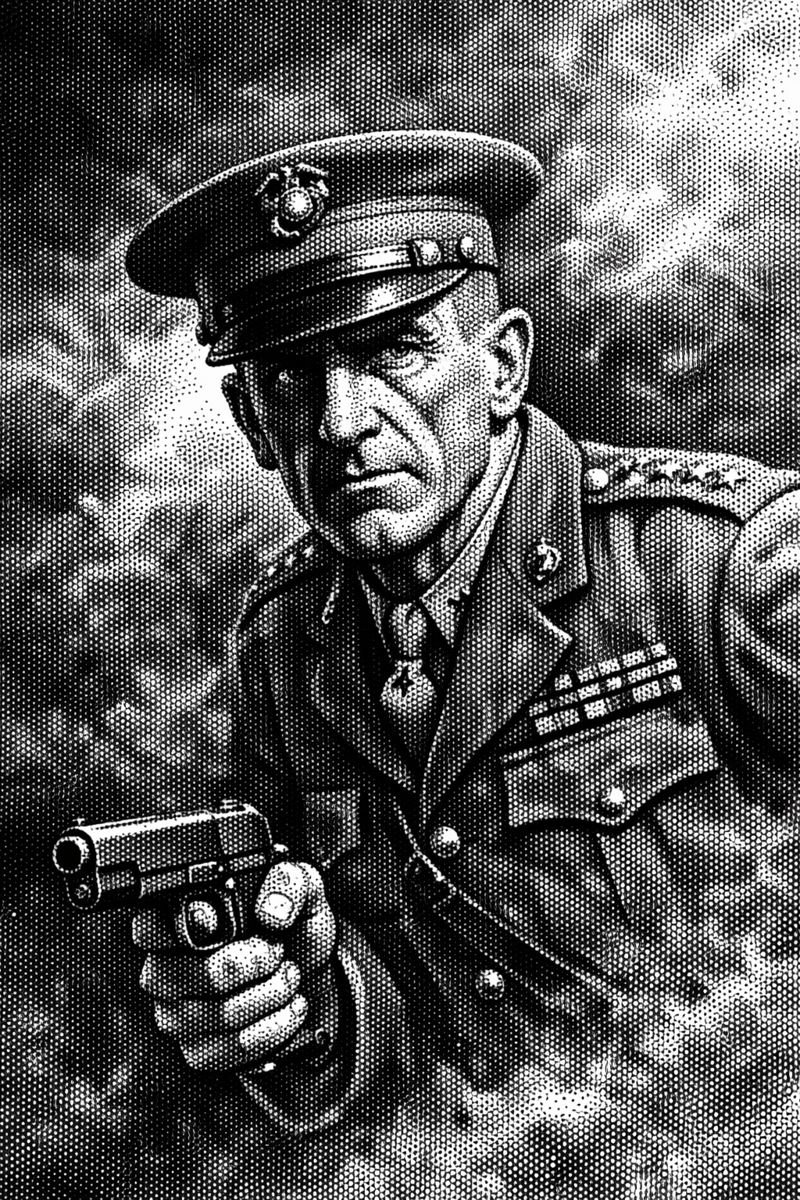
Smedley D. Butler was a two-time Medal of Honor–winning U.S. Marine who spent decades fighting America’s overseas wars during the age of imperial expansion. After retiring, he became one of the nation’s fiercest critics of war profiteering, condemning the very system that had made him famous.
Rank - 148
He rose from vengeance to empire, turning tribal blood feuds into the blueprint for a dynasty.
Rank - 161
A lone silver-armored rider carved his legend through chaos—Zhao Yun, the calm storm of a collapsing empire.
Rank - 199
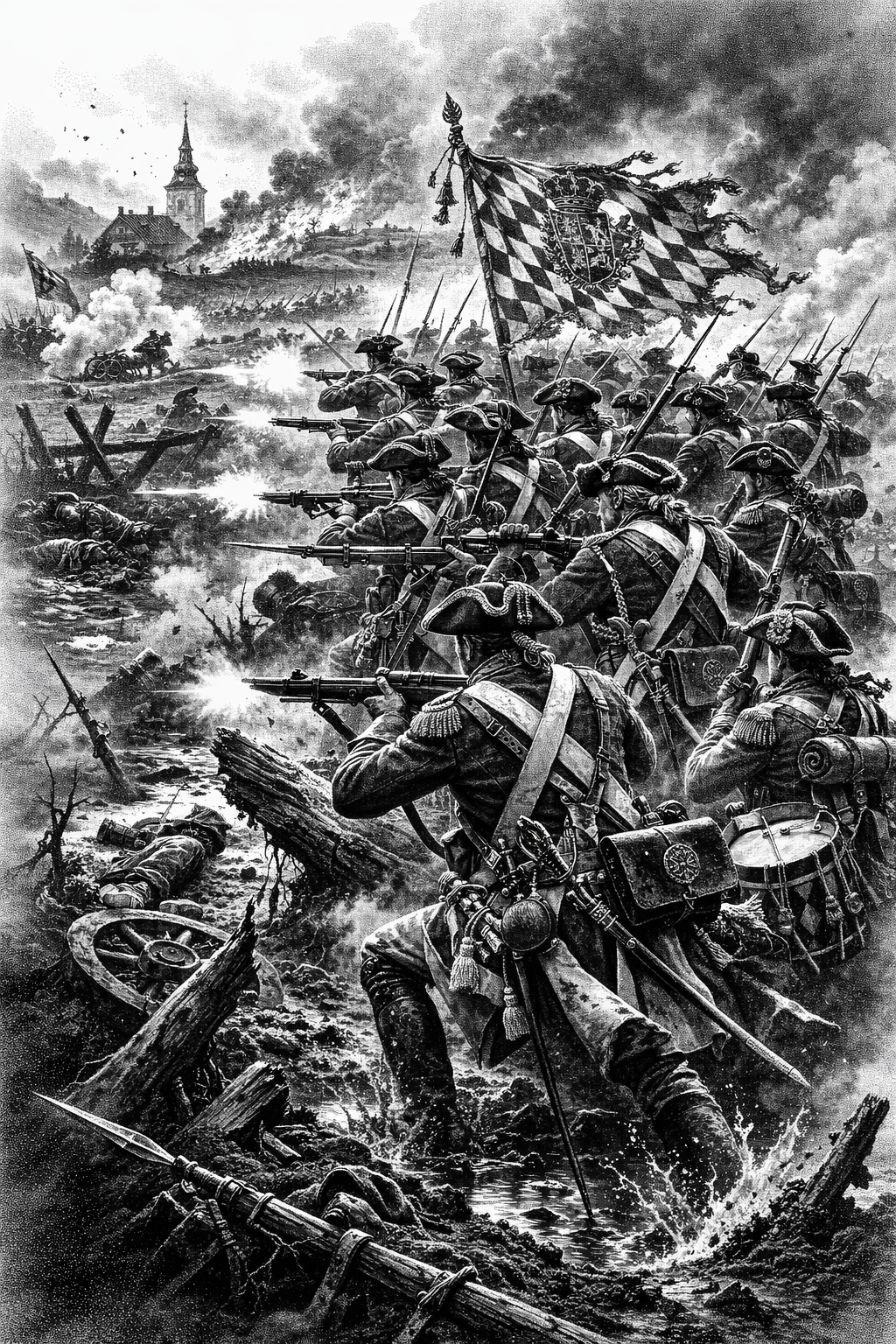
They advance as if summoned by geometry, white crossbelts glowing in the smoke while grapeshot tears men out of the front rank and the rear rank steps forward without hesitation. For over two centuries, the Bavarian Leib-Regiment stood between a throne and the chaos that kept trying to erase it.
Group Rank - 172
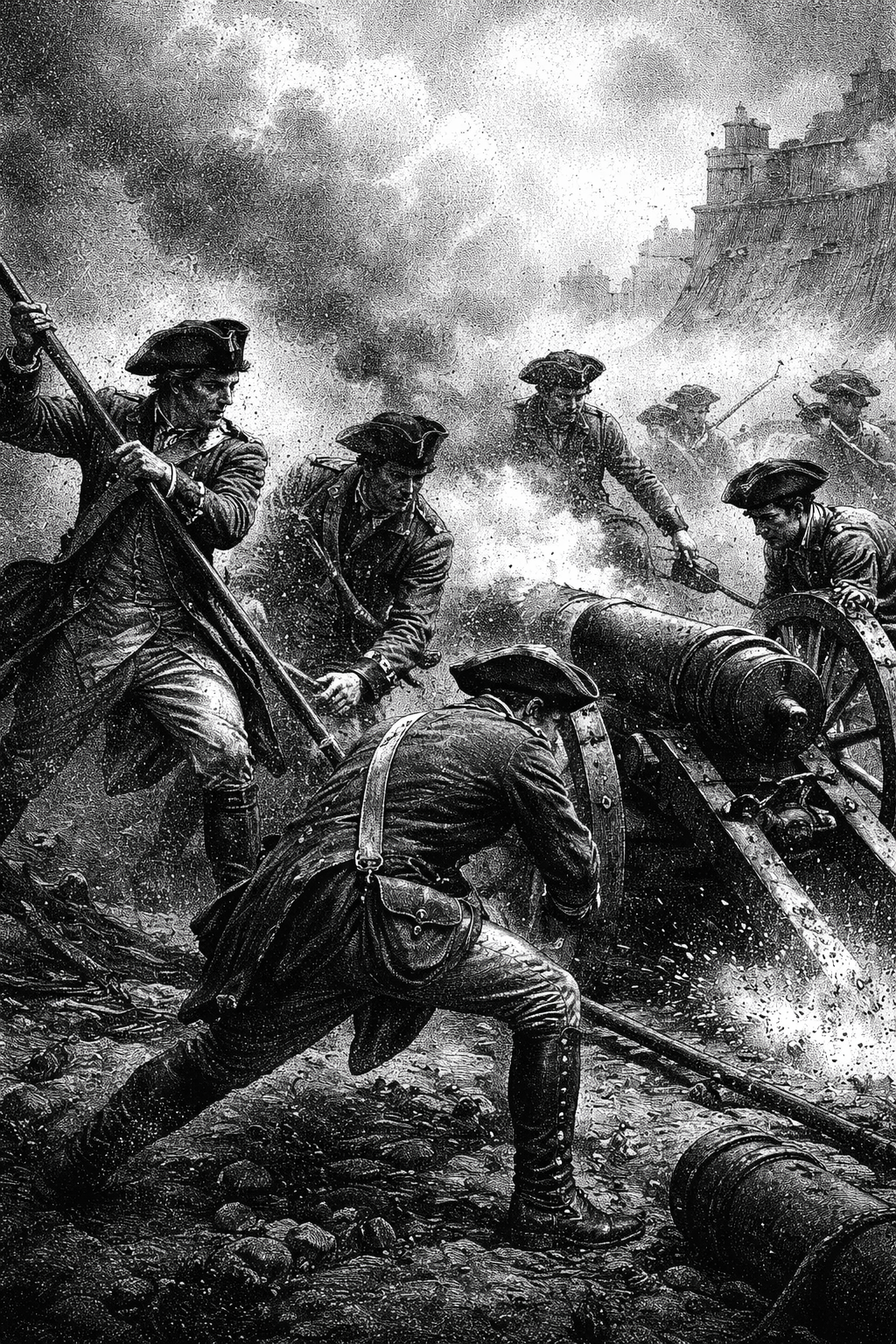
The French Artillerie Royale moved as a single iron-breathed organism, crews drilled to load, sight, and fire with mechanical calm while kingdoms shifted around them. In their batteries, the state found its most articulate voice, speaking in calibrated bursts of smoke and bronze.
Group Rank - 173
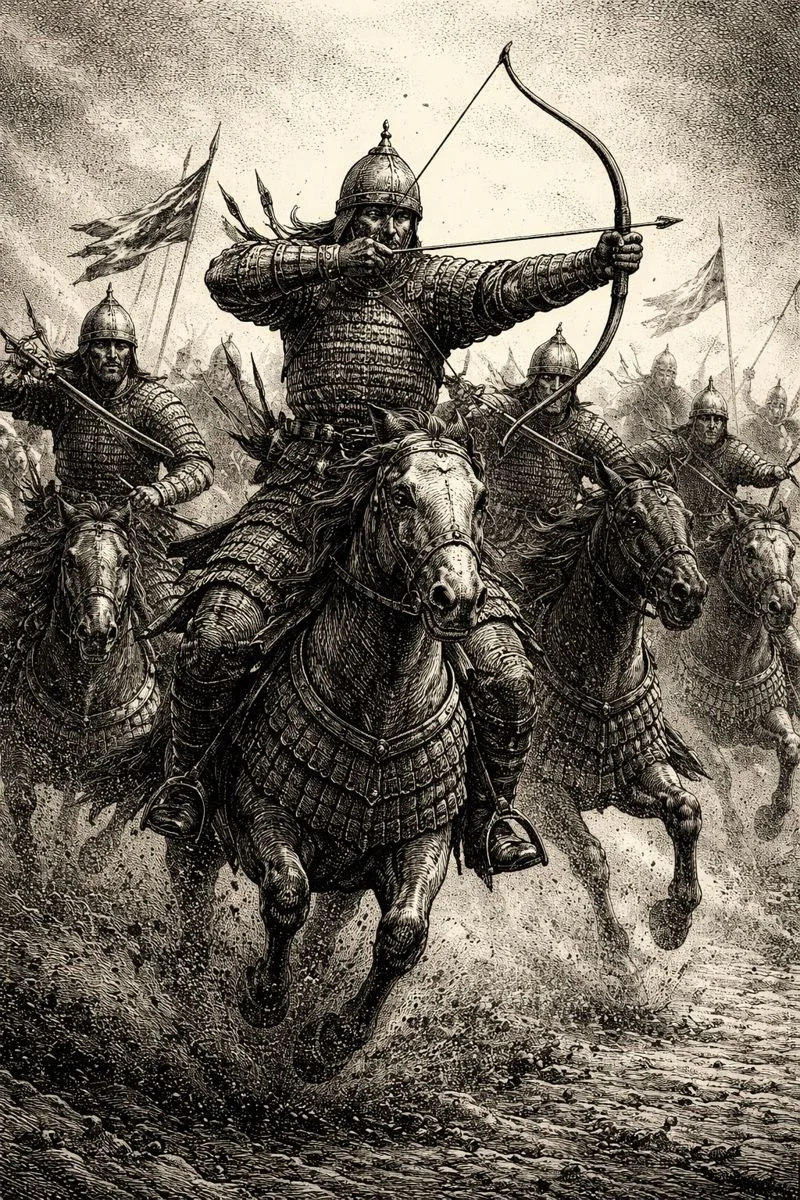
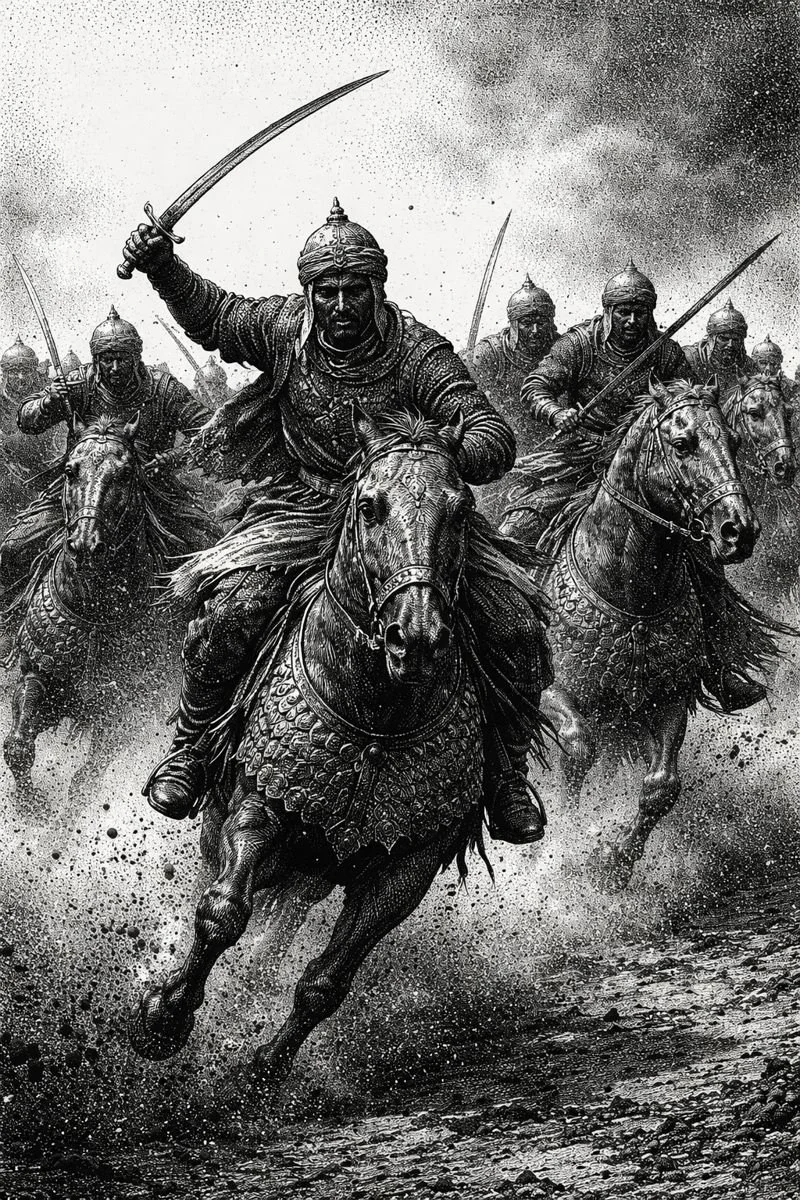
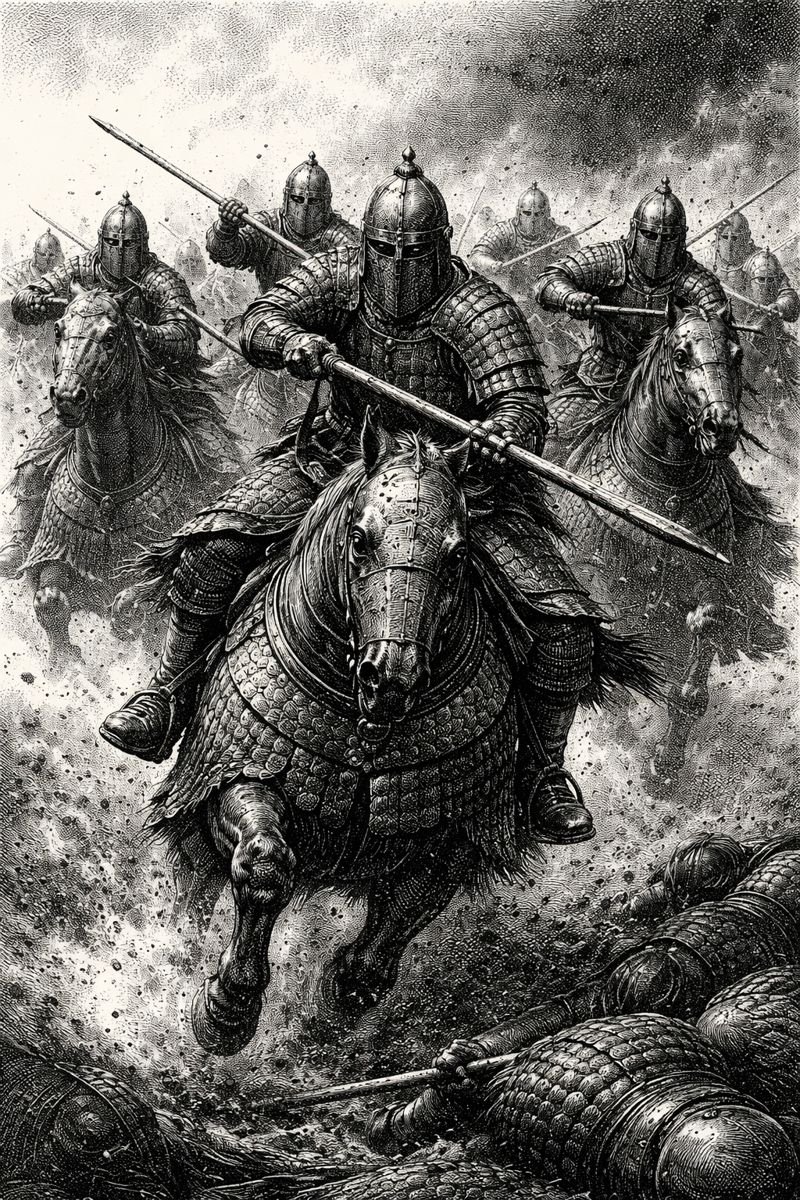
The Seljuk ghulams were elite slave-soldiers forged into a professional cavalry core, bound by pay, training, and proximity to power rather than blood or tribe. As a disciplined hinge of the Seljuk war machine, they delivered controlled violence that reshaped battlefields from Iran to Anatolia and left a template later empires would copy without apology.
Group Rank - 174
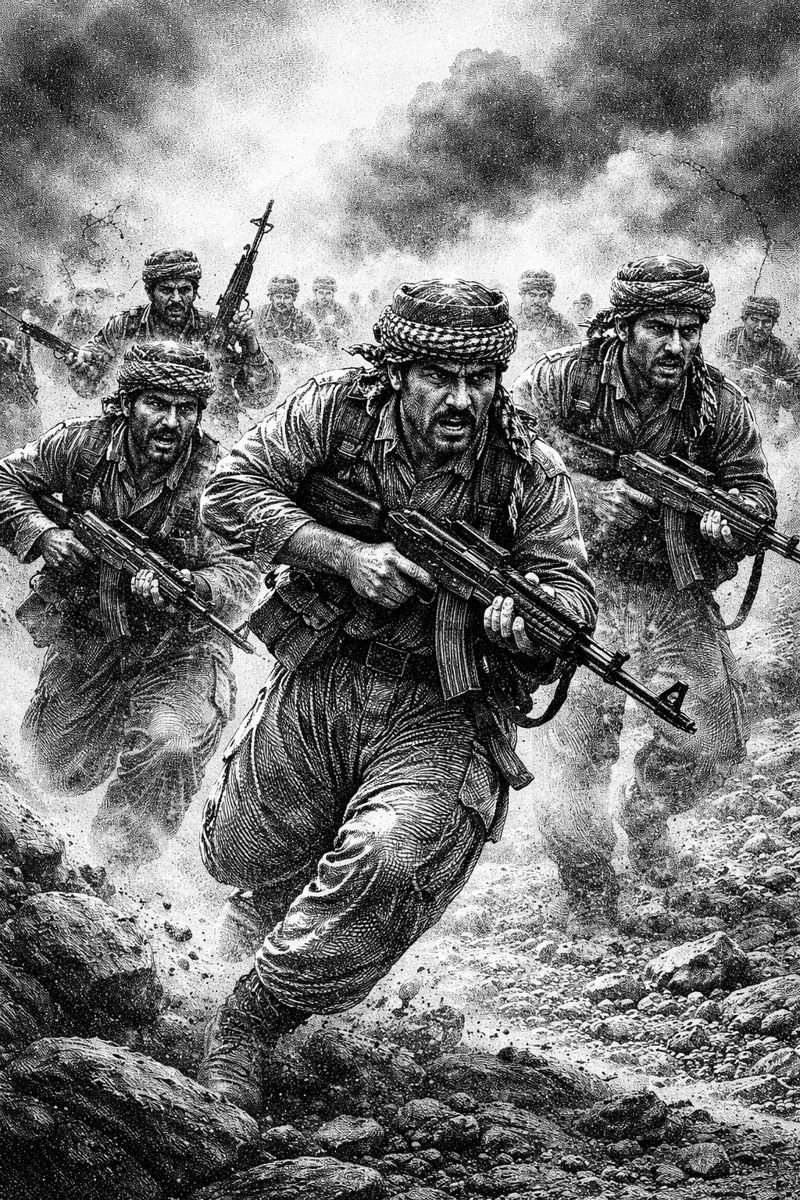
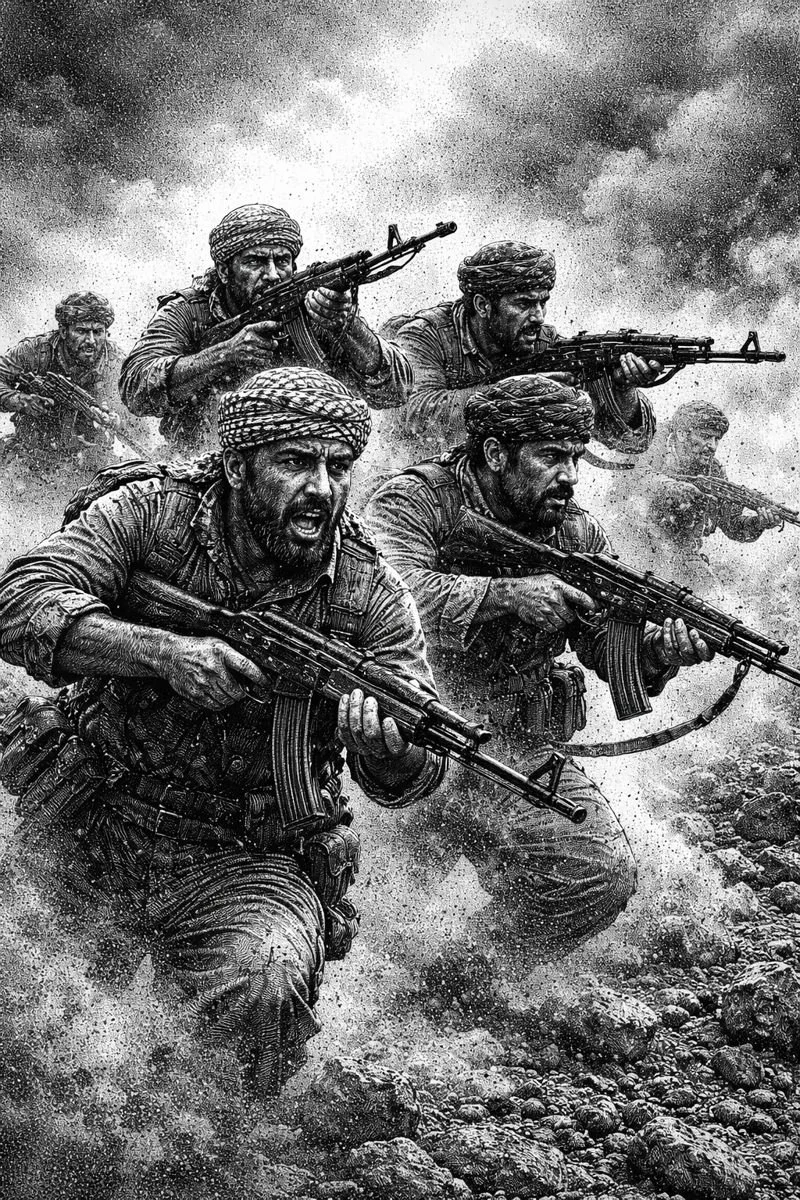
The Iraqi Kurdish Peshmerga brigades were decentralized mountain infantry formations that emerged as the dominant Kurdish fighting force during the 1991 uprising and later partnered with U.S. forces in the 2003 invasion of Iraq. Shaped by guerrilla warfare, clan loyalty, and survival after genocide, they combined local terrain mastery with political fragmentation to secure and hold northern Iraq.
Group Rank - 176
The Kurdish Peshmerga are the armed forces of the Kurdistan Region of Iraq, rooted in guerrilla traditions that emphasize mobility, local loyalty, and survival in mountainous terrain. Historically divided along Barzani (KDP) and Talabani (PUK) party lines, they have fought external threats and internal rivals alike while remaining central to Kurdish autonomy and defense.
Group Rank - 177
A professional cavalry brotherhood forged from enslaved youths, the Fatimid and Ayyubid Mamluk horsemen mastered discipline, mobility, and shock warfare to become the decisive military force of medieval Egypt and Syria.
Group Rank - 180
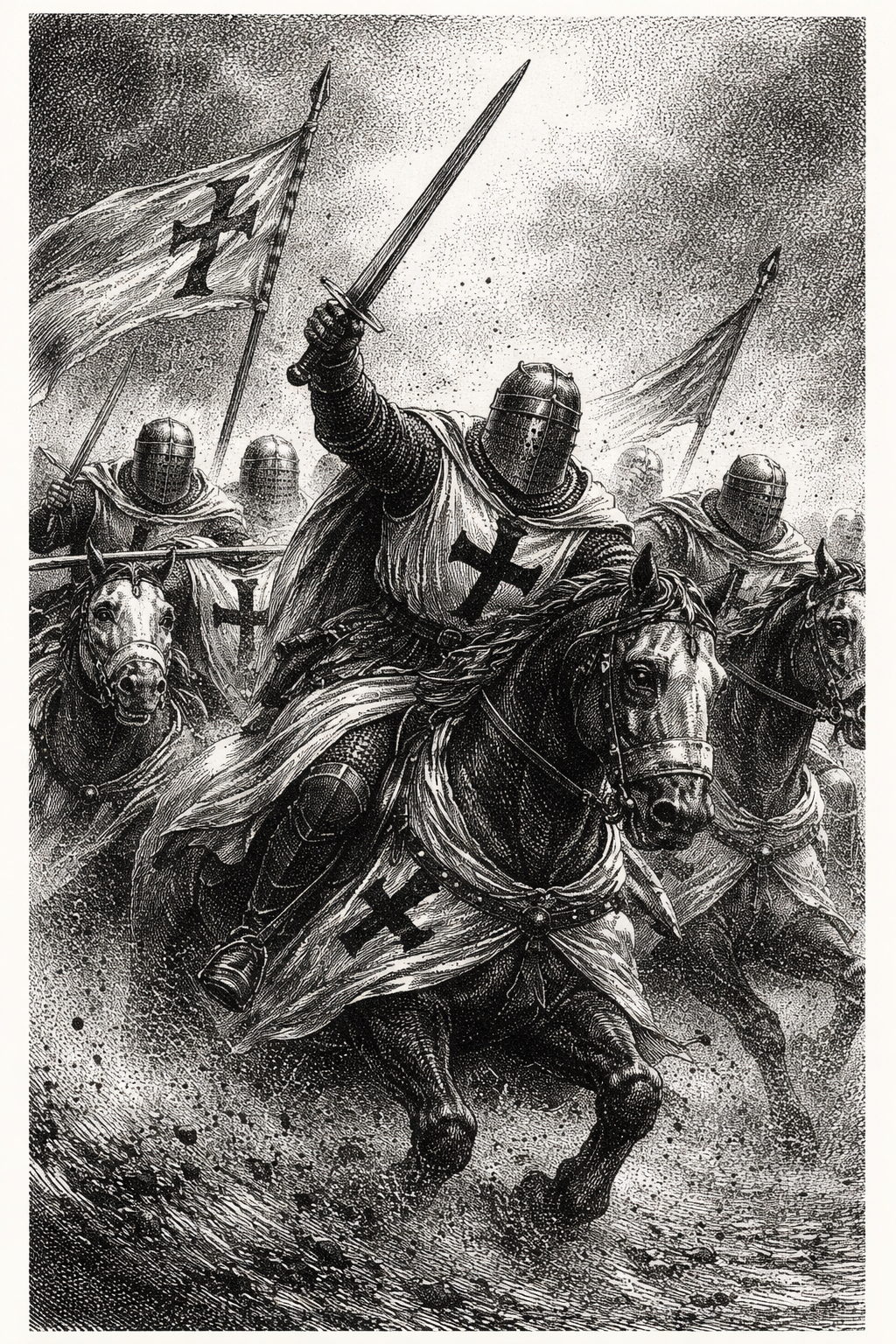
The Teutonic Knights were a medieval military order that fused monastic discipline with state-building warfare, conquering and ruling large parts of the Baltic through crusade, colonization, and fortified power.
Group Rank - 182
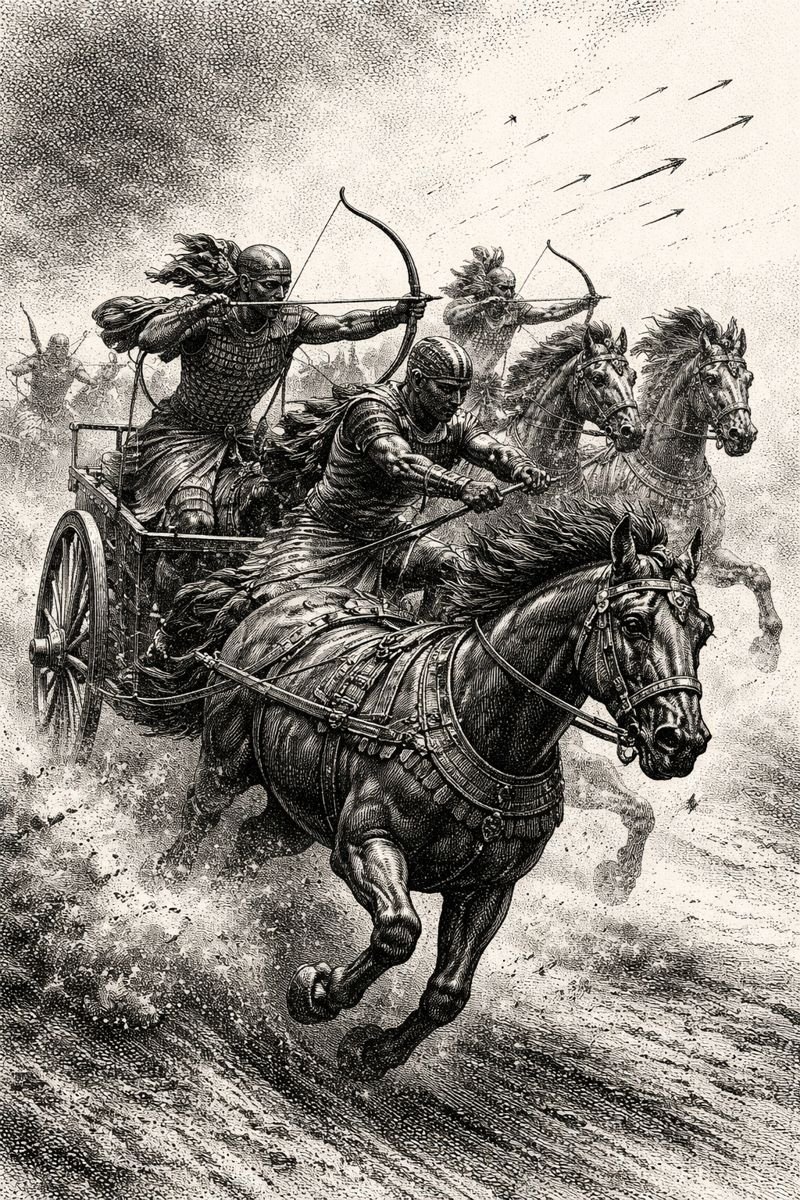
The New Kingdom chariot corps turned speed into a weapon, using disciplined coordination and relentless mobility to carry Egyptian power far beyond the Nile.
Group Rank - 183
A disciplined wall of armored horsemen advances with relentless precision, embodying the Byzantine Empire’s doctrine of patience, weight, and inevitable force on the battlefield.
Group Rank - 184
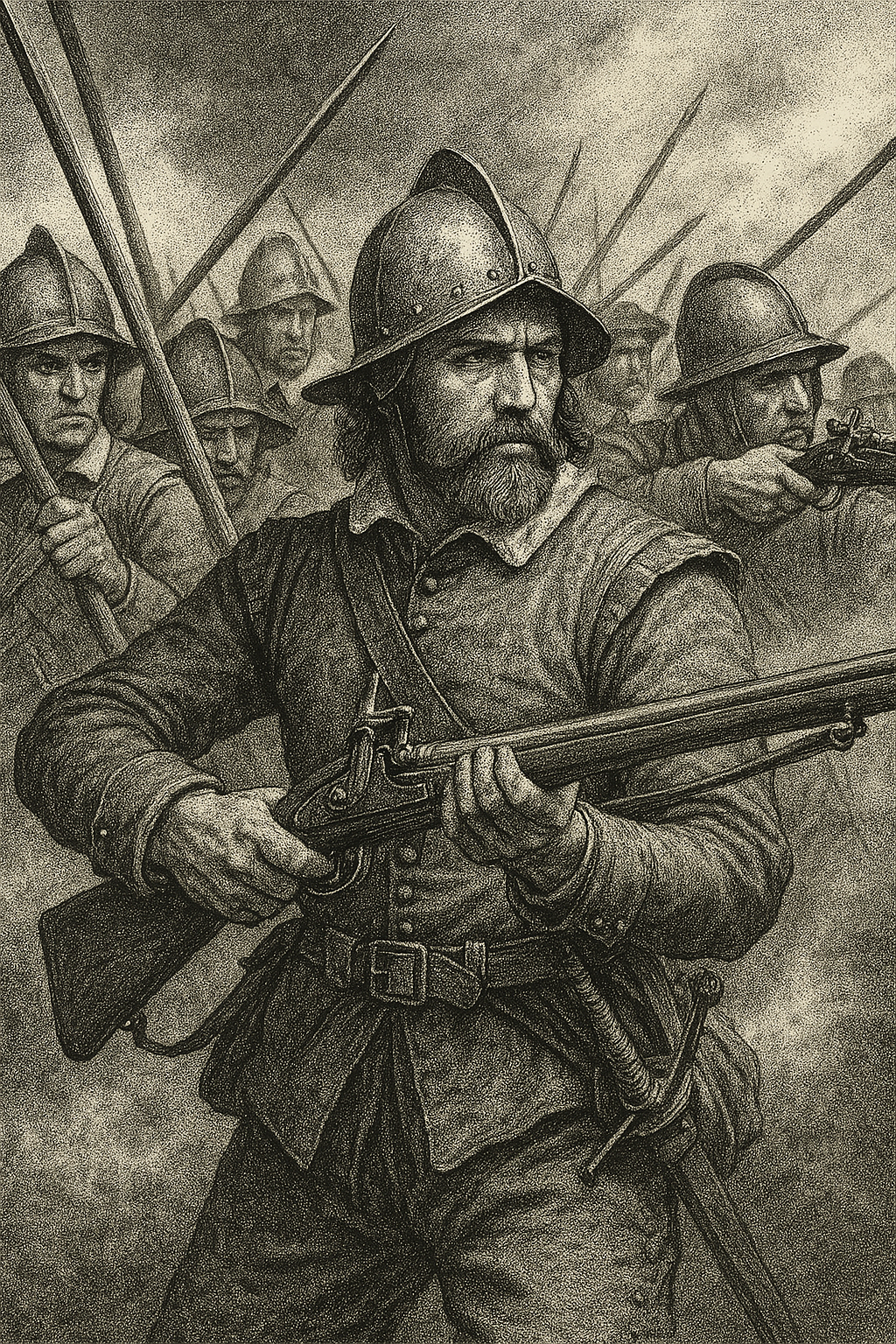
A brotherhood forged in revolt, the Dutch States Army turned geometry, discipline, and relentless volleys into the weapon that broke the old world’s battlefield logic.e.
Group Rank - 185
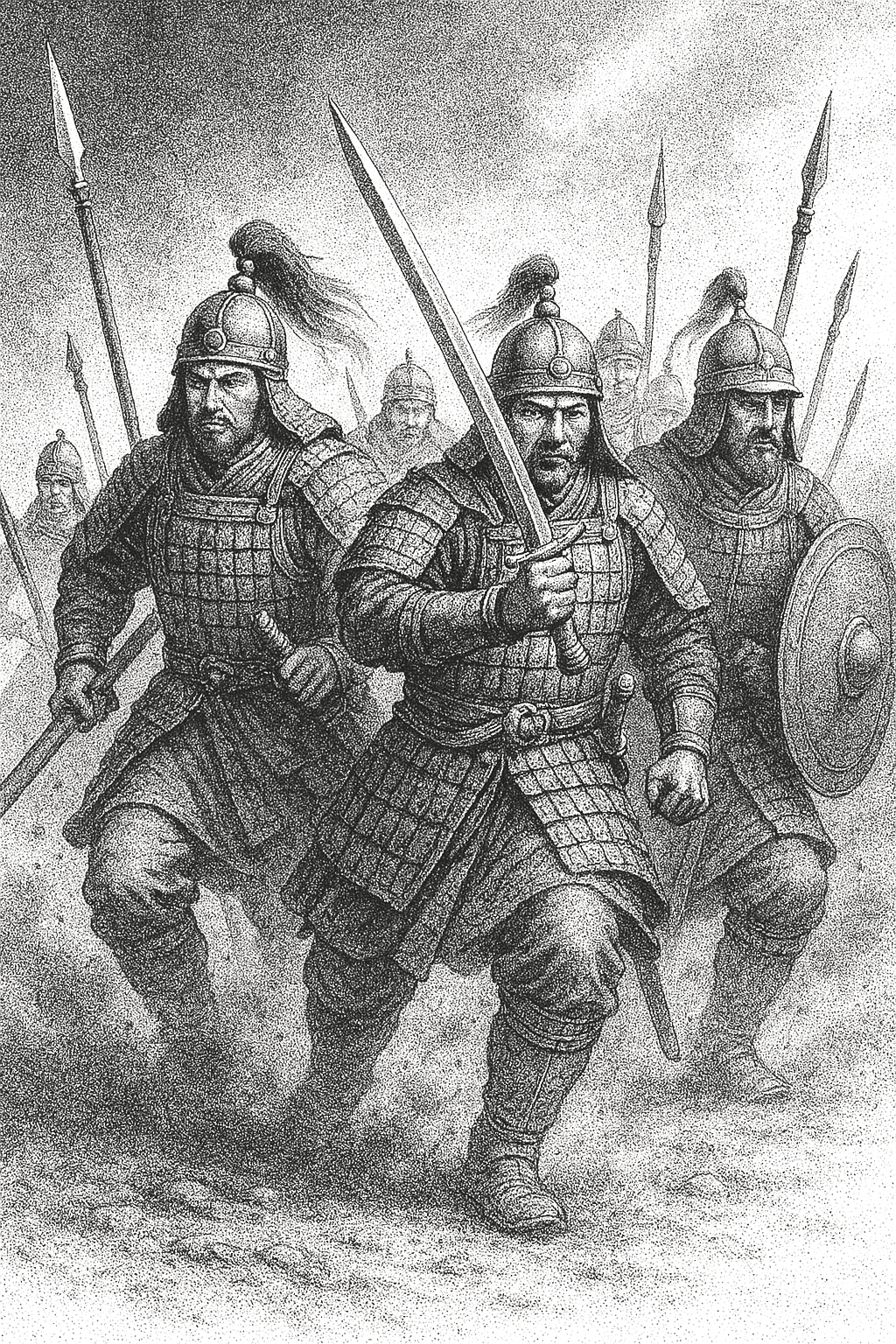
The Tang Imperial Guards lived and died as the empire’s steel conscience—glorious in its youth, decadent in its age, and always one heartbeat away from violence.
Group Rank - 189
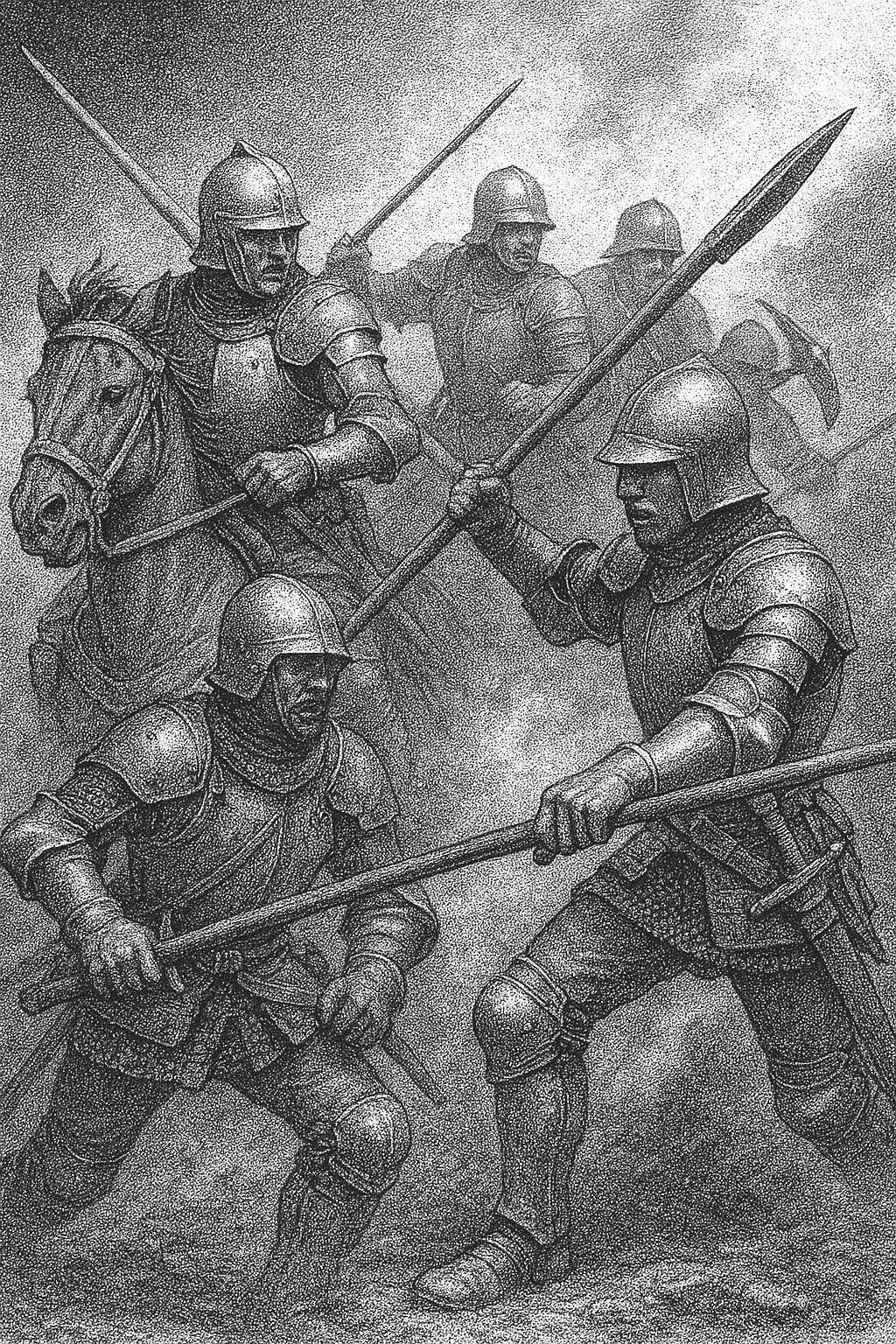
The Burgundian Ordonnance Companies marched like a machine built from pride and gunpowder, only to shatter spectacularly when the future came at them with Swiss pikes and winter steel.
Group Rank - 191
They advanced like a single starving organism made of steel, superstition, and the certainty that the world existed only to be taken.
Group Rank - 193
A predator aristocracy on horseback, the Hunnic noble cavalry tore across late antiquity with speed, terror, and precision, unraveling empires before they could even form a shield wall.
Group Rank - 195
The Solomonic Knights fought for seven centuries with blades, faith, and terrifying resolve, carving Ethiopia’s destiny into the highlands one battlefield at a time.
Group Rank - 199
The monastery burned, and the boy who would be emperor learned that Heaven answers in smoke. He rose from famine with a spear in one hand and suspicion in the other. On the water at Lake Poyang, ships burned and rivals vanished beneath the ash-choked sky. He built a dynasty bright as fire—and ruled it like the fire never went out.
Rank - 122