Saigō Takamori
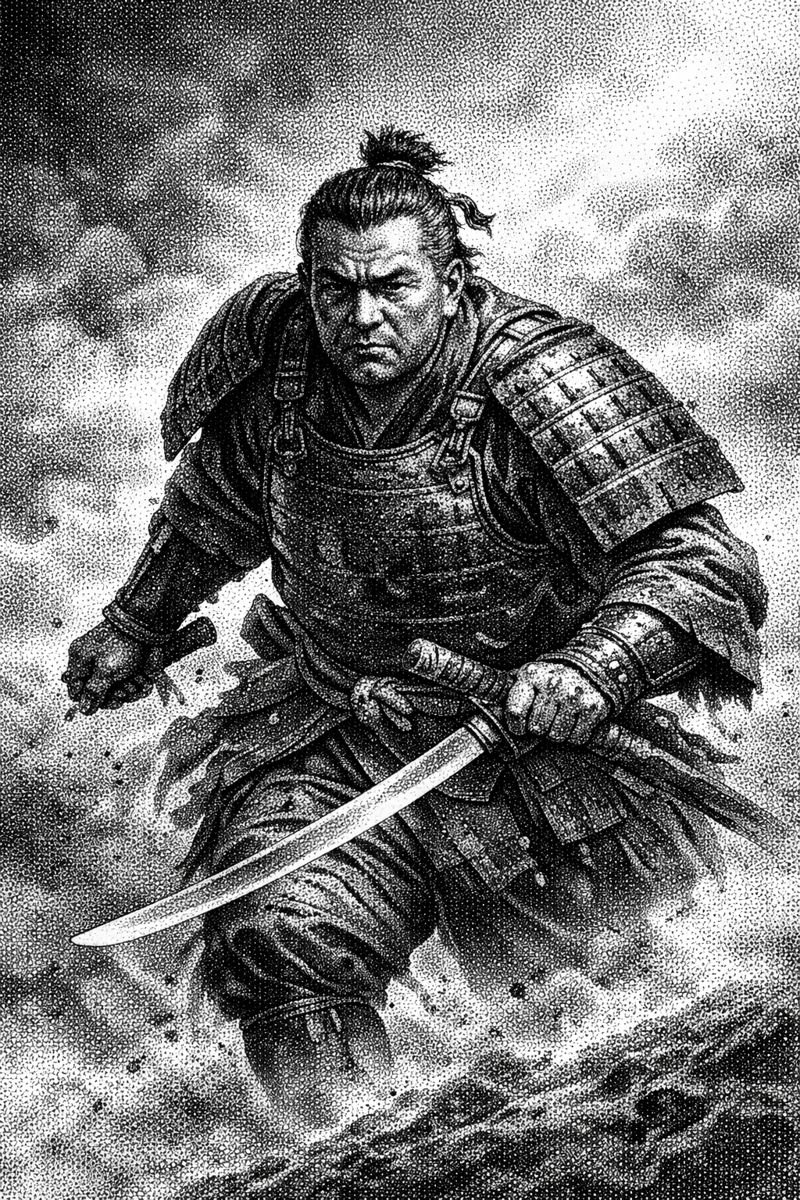
(1828-1877)
The Last samurai at Shiroyama
“Loyalty is a fine thing. It gets you killed with a clean conscience.”
— attributed to a very tired samurai, shortly before everything exploded
The smoke over Shiroyama, 1877, smells like black powder, wet earth, and bad decisions aged to perfection. Dawn breaks politely over Kagoshima while the last samurai in Japan crouch behind rocks, their silk banners shredded into historical footnotes. Rifles click. Artillery adjusts its aim. Across the valley, the Imperial Army clears its throat with modern efficiency. On the hilltop stands Saigō Takamori, wearing armor that belongs in a museum that hasn’t been invented yet, wondering when exactly progress started shooting him in the face.
History calls him The Last Samurai. History lies, but it lies lovingly.
Saigō was born in 1828 in Satsuma, a domain where loyalty was currency and steel was grammar. He grew up poor, thick-necked, and earnest in a way that suggests fate had already sharpened a knife with his name on it. Samurai training came early, Confucian virtue came hard, and a talent for moral absolutism came naturally. He believed in honor the way some men believe in gravity: invisible, inescapable, lethal when ignored. It would make him indispensable. It would also ruin him.
Japan in the mid-19th century was a polite antique shop about to be kicked in by the Industrial Revolution wearing a Western hat. The shogunate staggered. Foreign gunboats loitered. Treaties arrived with smiles and clauses. The country needed new rules, new muscles, and new liars. Saigō helped supply all three.
He rose as a key muscle behind the Meiji Restoration, the political miracle that murdered feudal Japan and called it progress. Saigō backed the young emperor, plotted in smoke-filled rooms, and helped topple the Tokugawa shogunate in 1868. He fought, negotiated, and intimidated with a monk’s seriousness and a warlord’s appetite. When the dust settled, Japan stood up straighter, put on a uniform, and pretended it had always wanted railways and rifles.
For a brief, impossible moment, Saigō was a hero of the future. He helped build the new government, modernized the military, and pushed reforms like a man shoving his own coffin up a hill, insisting it was a wagon. But modernization has a sense of humor. It takes the men who made it possible and throws them out the window for being old-fashioned.
The break came over Korea, of all things. Saigō wanted war. Not for conquest, exactly, but for honor, clarity, and the ancient Japanese belief that a good fight can solve an administrative problem. He even volunteered to go as an envoy, fully expecting to be insulted and killed, which would neatly justify invasion. The government declined his plan, possibly because it sounded like suicide with extra steps. Saigō resigned, went home to Satsuma, and started collecting students the way storms collect debris.
Those students loved him. The samurai class loved him. The old order, unemployed and offended, loved him desperately. The new government noticed this love with a rising sense of “oh no.”
By 1877, love had become a rebellion. The Satsuma Rebellion wasn’t a revolution so much as a funeral procession that decided to fight back. Saigō led about 40,000 samurai against a modern conscript army armed with rifles, artillery, and the cruel advantage of being correct about the century they lived in. The rebels fought with swords, outdated guns, and nostalgia sharpened to a point.
They lost. Repeatedly. Heroically. Expensively.
At Kumamoto Castle, Saigō’s men charged into machine-gun logic with medieval confidence. Bullets tore silk banners into lace. Samurai charged, fell, stood, charged again. The Imperial Army learned the useful lesson that tradition bleeds just like anything else. Months of fighting ground the rebellion down to a starving, limping remnant cornered at Shiroyama, the hill overlooking Saigō’s hometown. Poetic geography, if you’re into that sort of thing.
Which brings us back to the smoke.
On September 24, 1877, the Imperial Army unleashed everything. Artillery. Rifles. Numbers. The hill shook. Saigō was hit early, a bullet shattering his hip. Paralyzed, bleeding, and surrounded by the end of an era, he did the samurai thing. Accounts vary. Some say he committed seppuku, ritual suicide, assisted by a loyal follower. Others suggest he was simply finished off amid the chaos. Either way, his head was spirited away so the enemy couldn’t display it. Even in death, Saigō denied the modern state its bureaucratic closure.
The rebellion collapsed. The samurai class officially died. Japan marched on, boots polished, swords retired, and paperwork weaponized.
And then something strange happened.
The government that killed Saigō missed him.
Within years, he was rehabilitated. Pardoned. Memorialized. Statues went up. Poems softened the edges. In Tokyo’s Ueno Park, a bronze Saigō strolls with his dog, looking like a kindly uncle who definitely didn’t try to overthrow the state with a doomed army of reactionary swordsmen. He became a symbol of pure loyalty, unsullied honor, and national spirit conveniently divorced from the inconvenient detail that he lost.
Pop culture adored him. Novelists romanticized him. Filmmakers turned him into a shorthand for noble resistance. Eventually, Hollywood put him in a foreigner’s skin and called it authenticity. The irony is thick enough to stop a bullet.
Saigō Takamori did not save the samurai. He proved they were obsolete in the bloodiest possible way. He helped build modern Japan, then died trying to stop it from becoming itself too quickly, too cynically, too efficiently. He was a revolutionary who couldn’t survive the revolution, a traditionalist who made change inevitable, a loyalist whose loyalty had no safe place to land.
History loves men like that. They make excellent cautionary tales and even better statues.
On Shiroyama, the grass grew back. The hill still looks out over Kagoshima, calm and green, as if nothing catastrophic ever happened there. Progress does that. It cleans up after itself and sells souvenirs.
Saigō Takamori died believing honor mattered more than winning, which is beautiful, stupid, and exactly why he’s still remembered while his killers get footnotes.
Warrior Rank #135
Sources & Further Reading
Beasley, W. G. The Meiji Restoration
Jansen, Marius B. The Making of Modern Japan
Ravina, Mark. The Last Samurai: The Life and Battles of Saigō Takamori
Turnbull, Stephen. Samurai: The World of the Warrior
A very judgmental ghost on Shiroyama, whispering “I told you so”
He lost the war, lost the century, and still managed to haunt the winners, which is about as close to victory as honor ever gets.

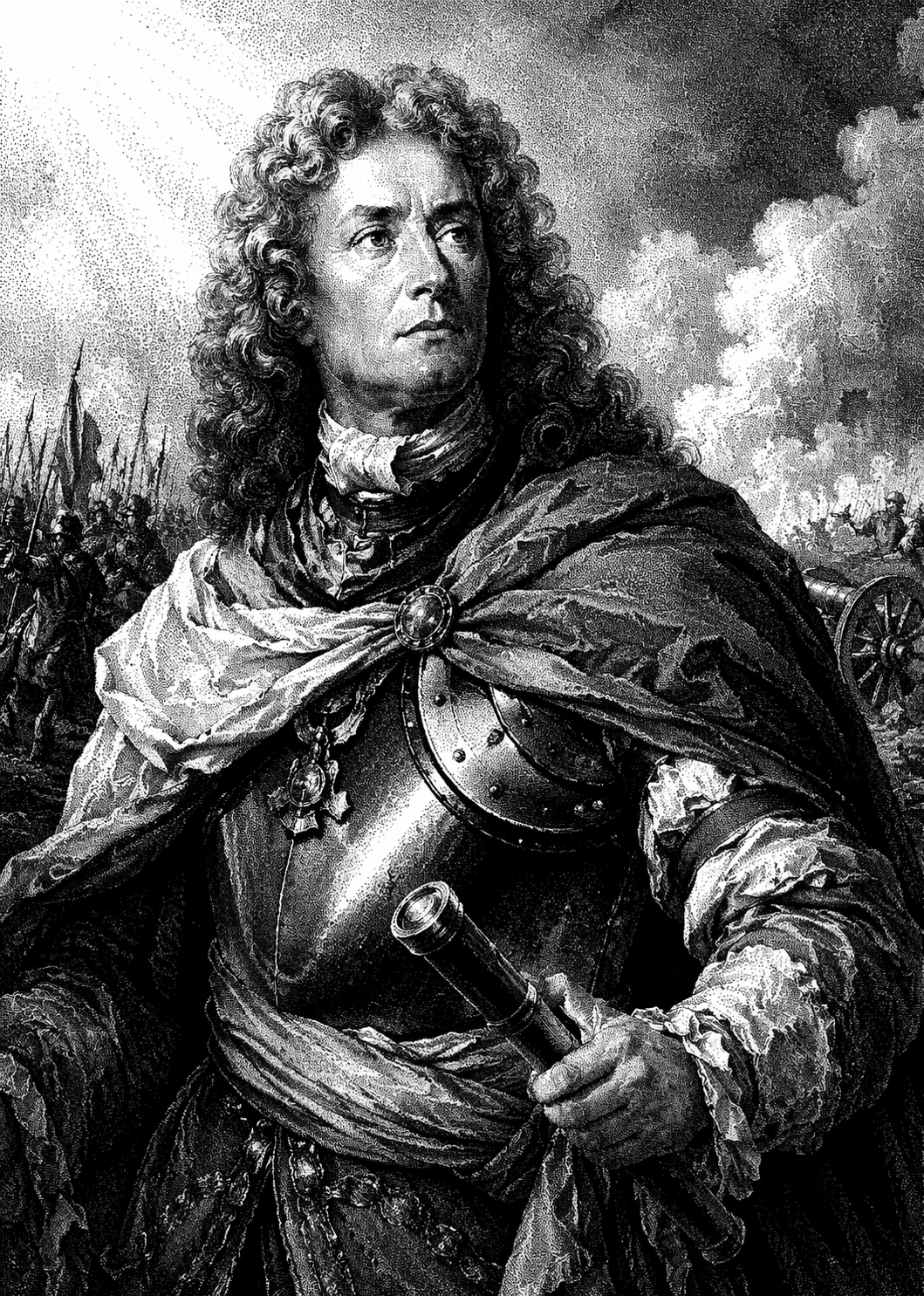
Alexander Nevsky was a 13th-century Russian prince famed for defeating invading forces at the Battle on the Ice in 1242. He became a national hero and later a saint, remembered as both warrior and shrewd diplomat.
Rank - 115