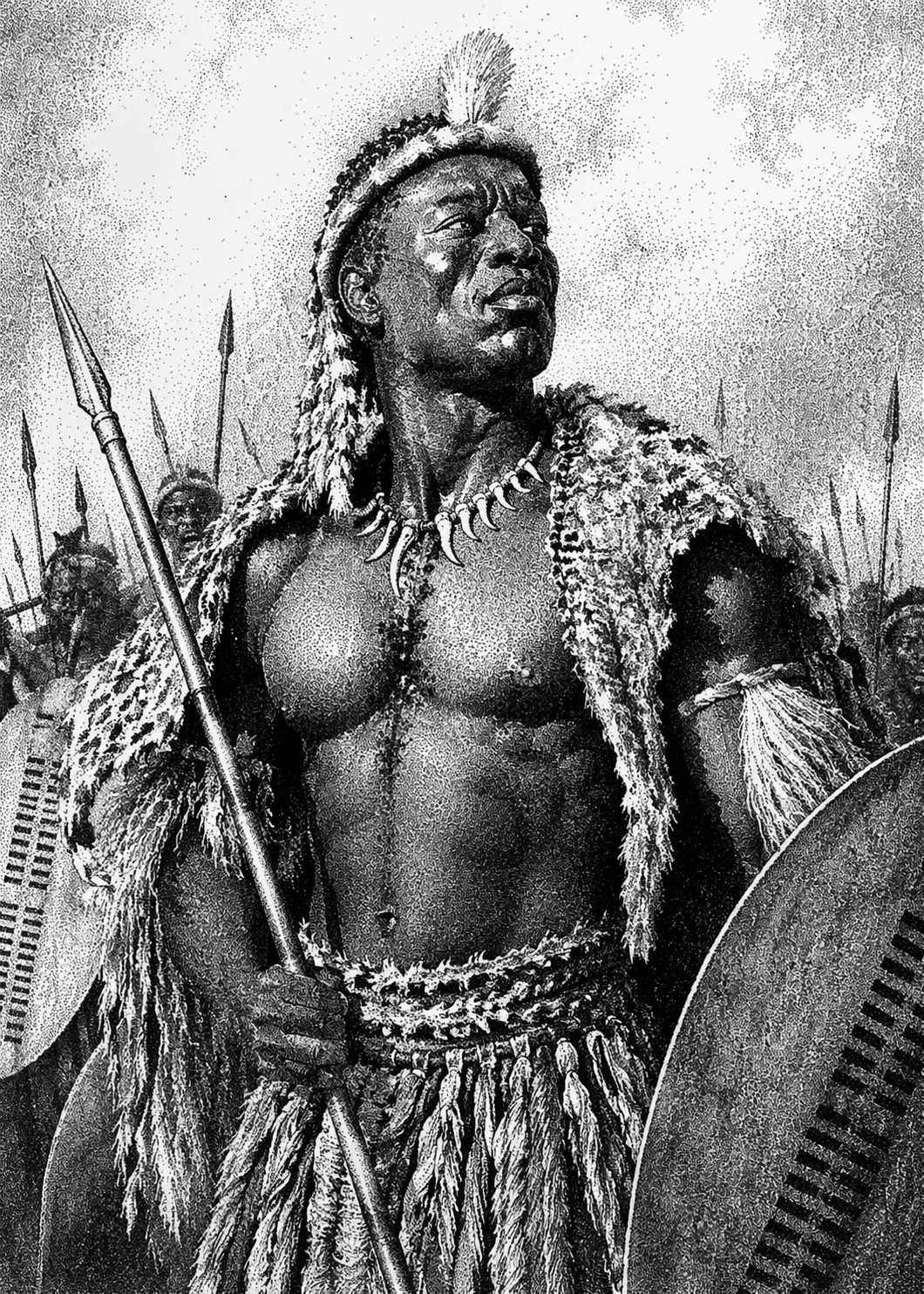
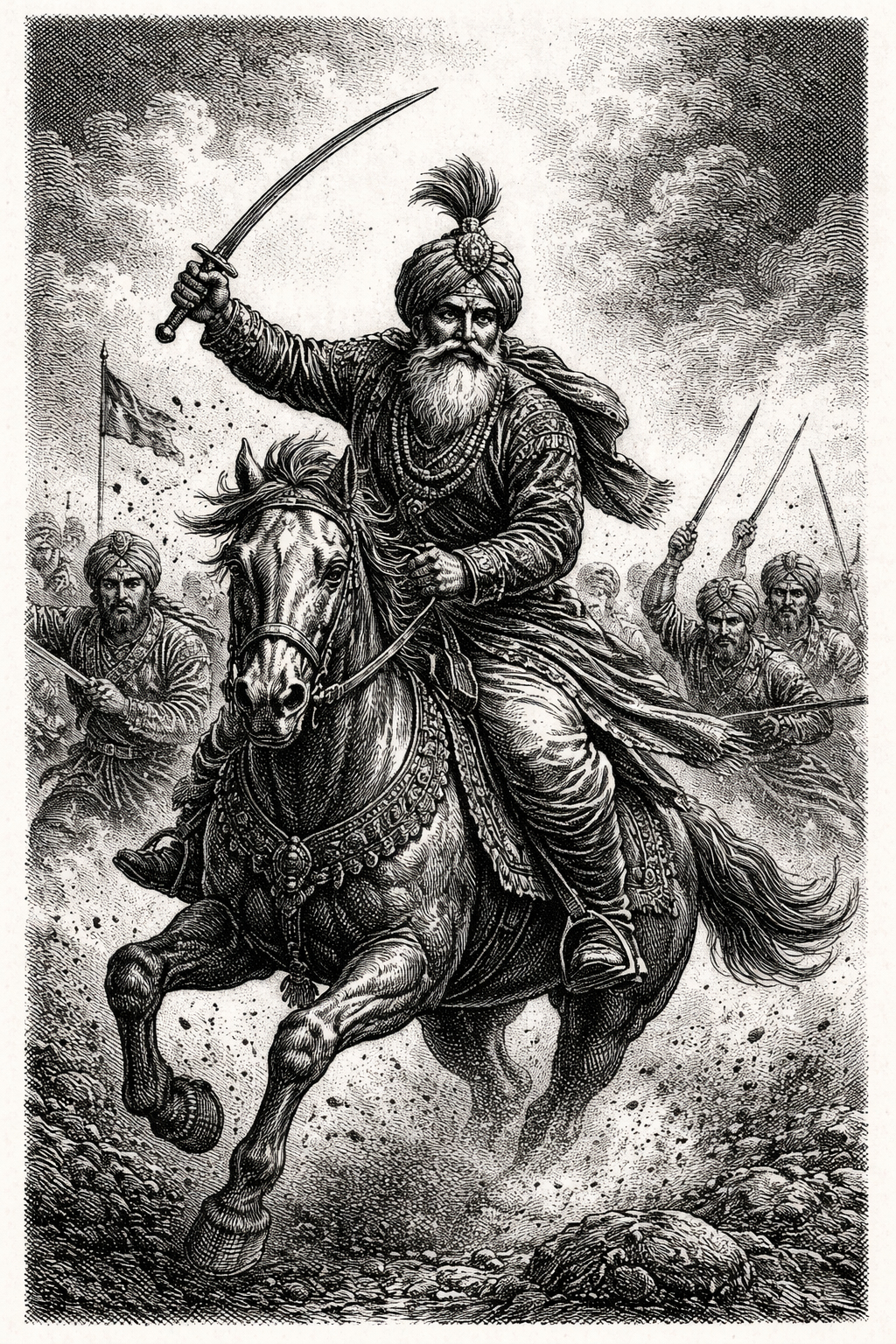
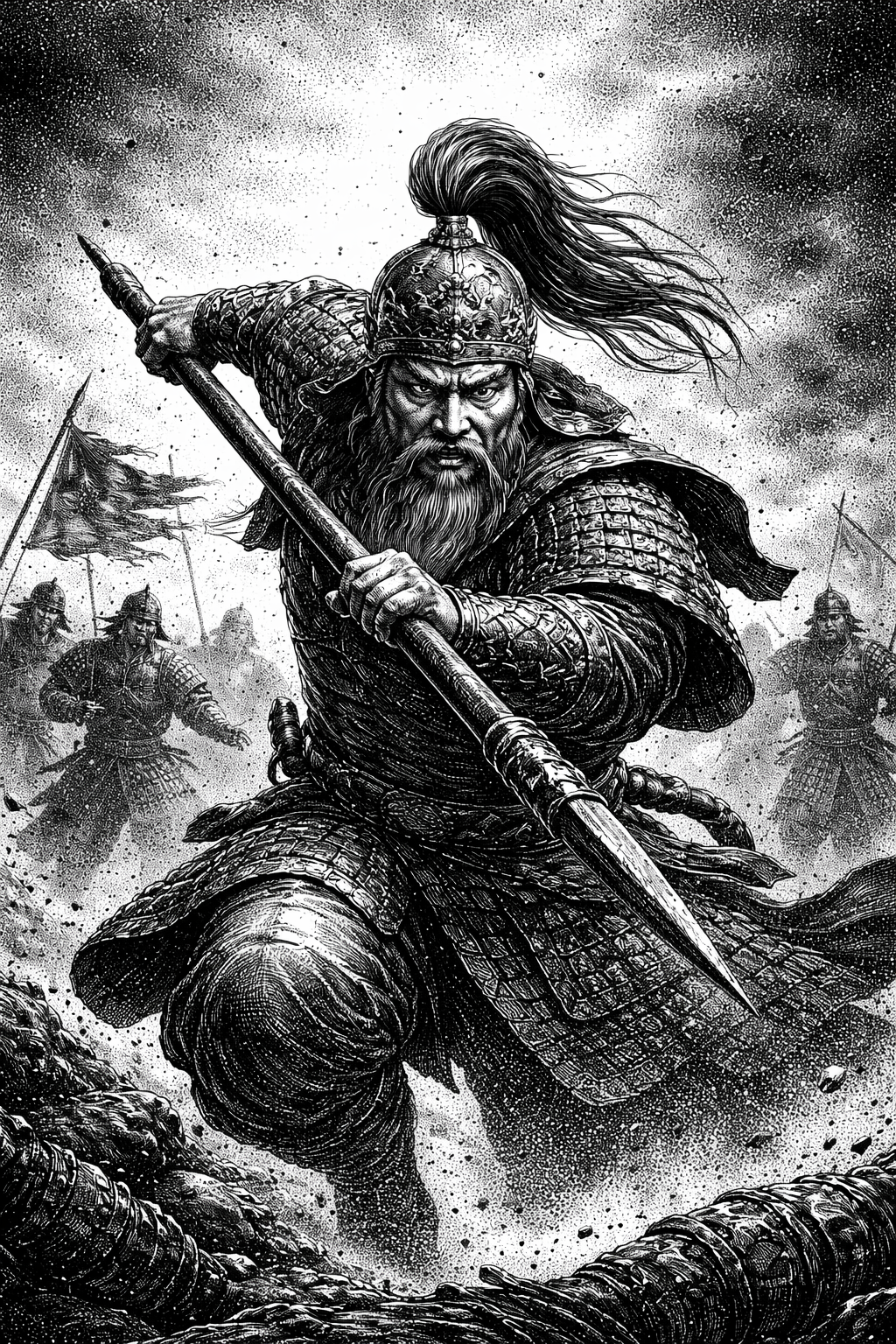
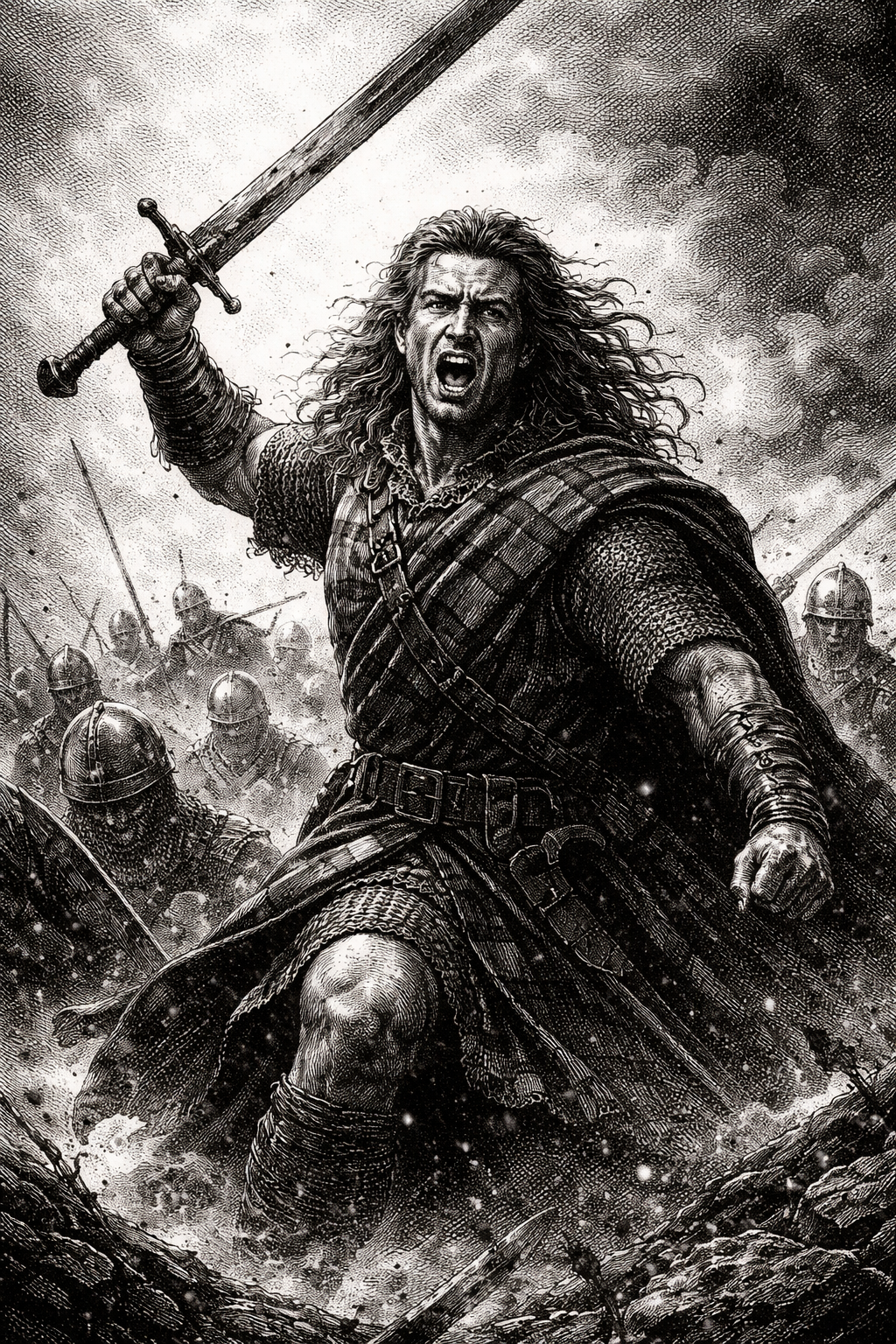
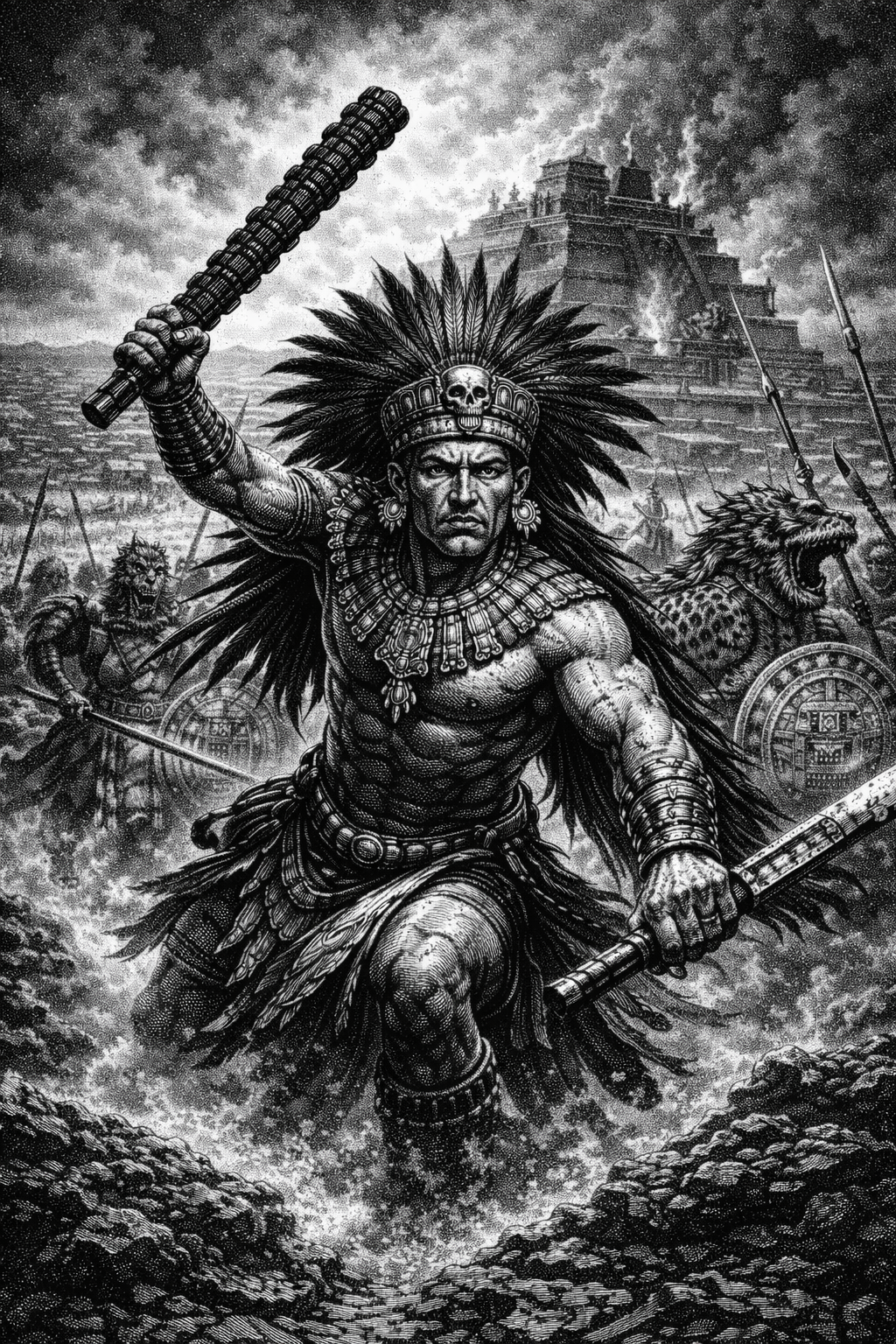
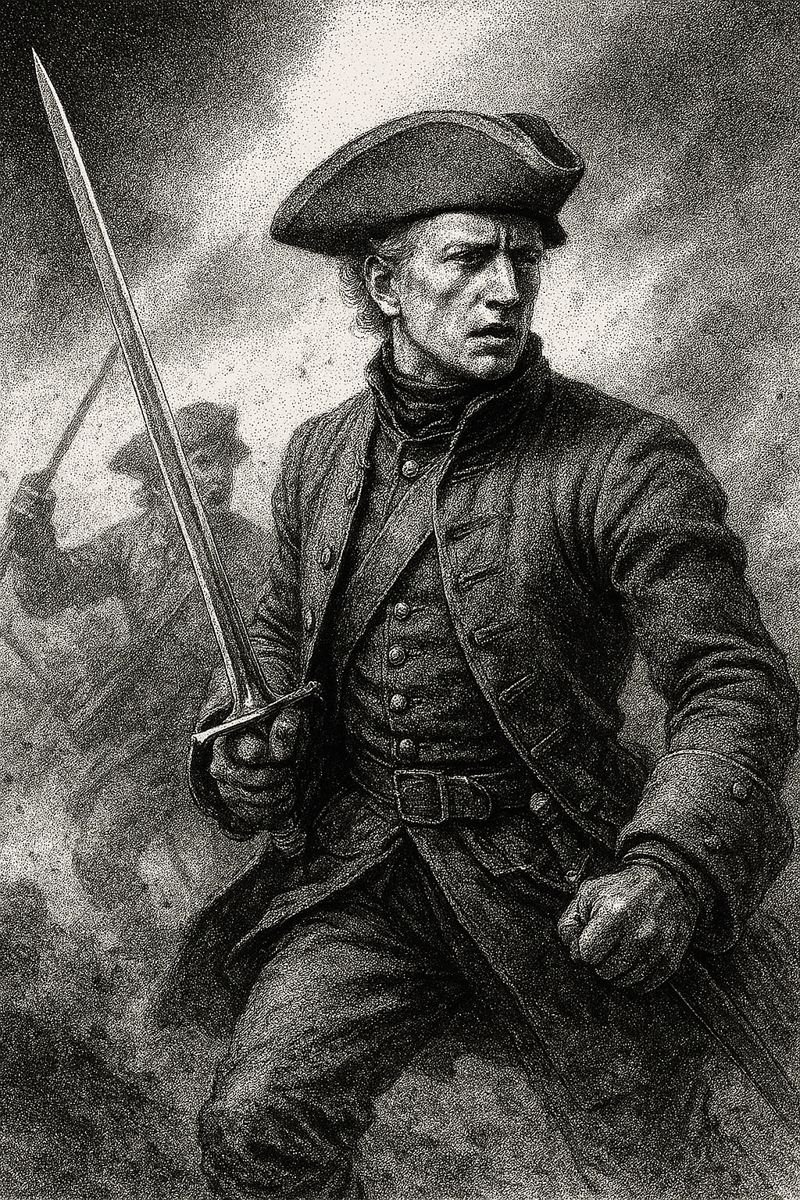
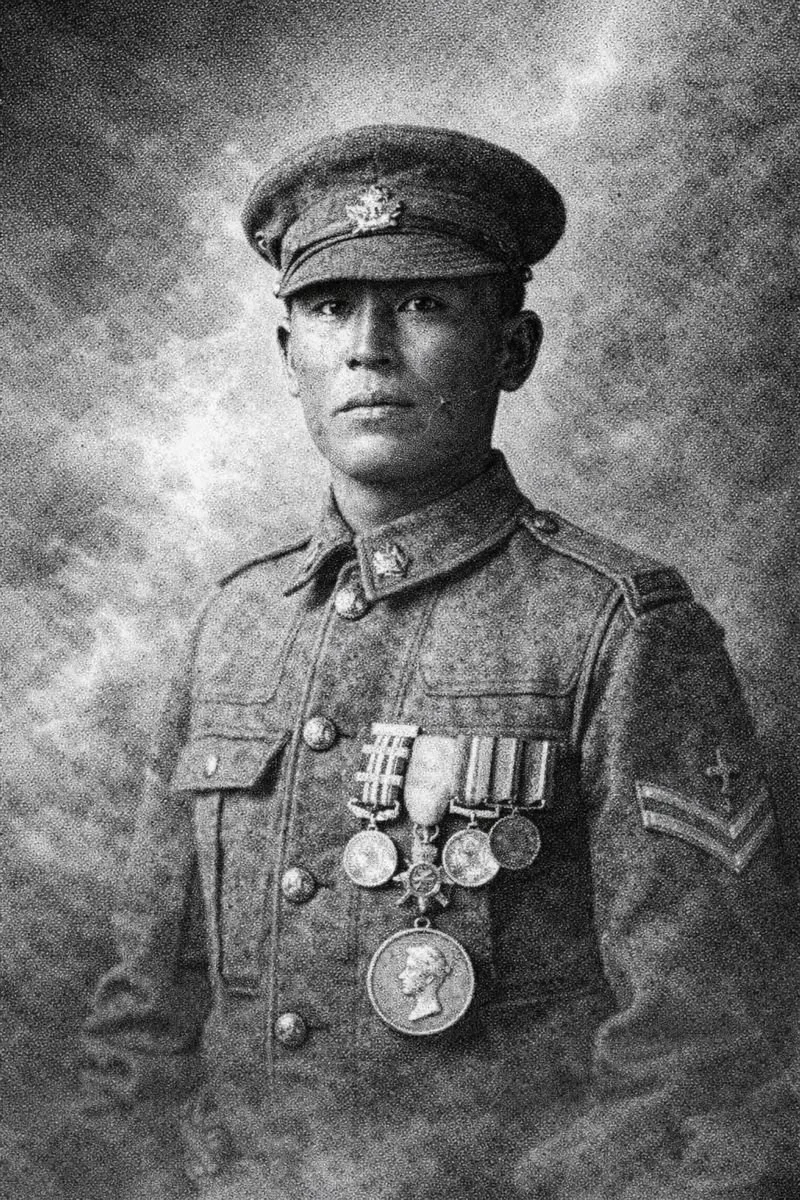
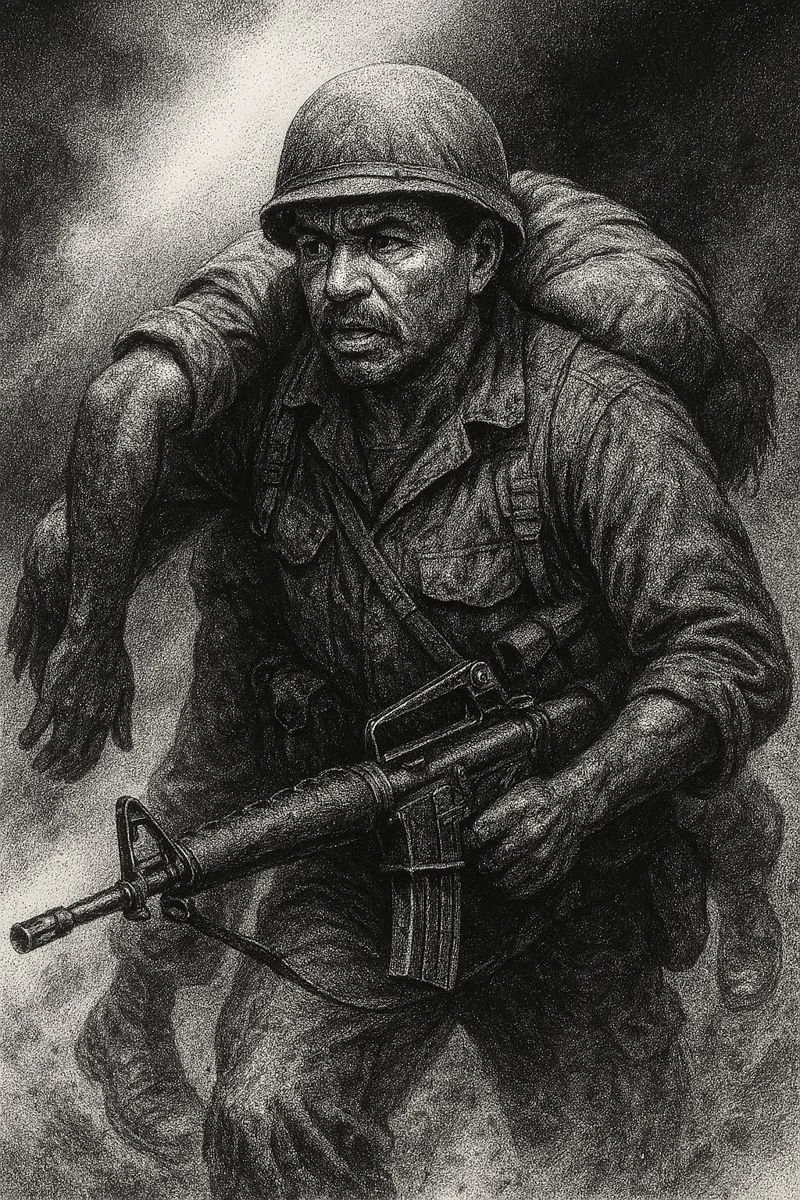
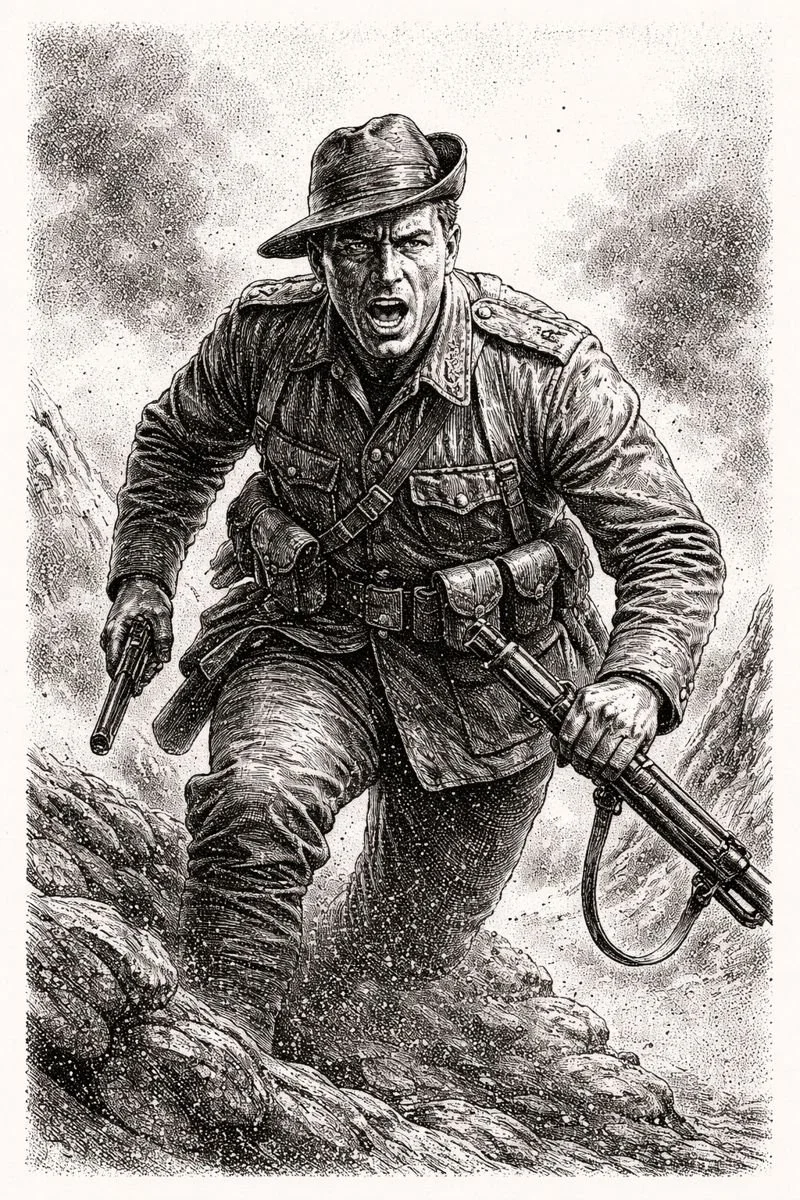
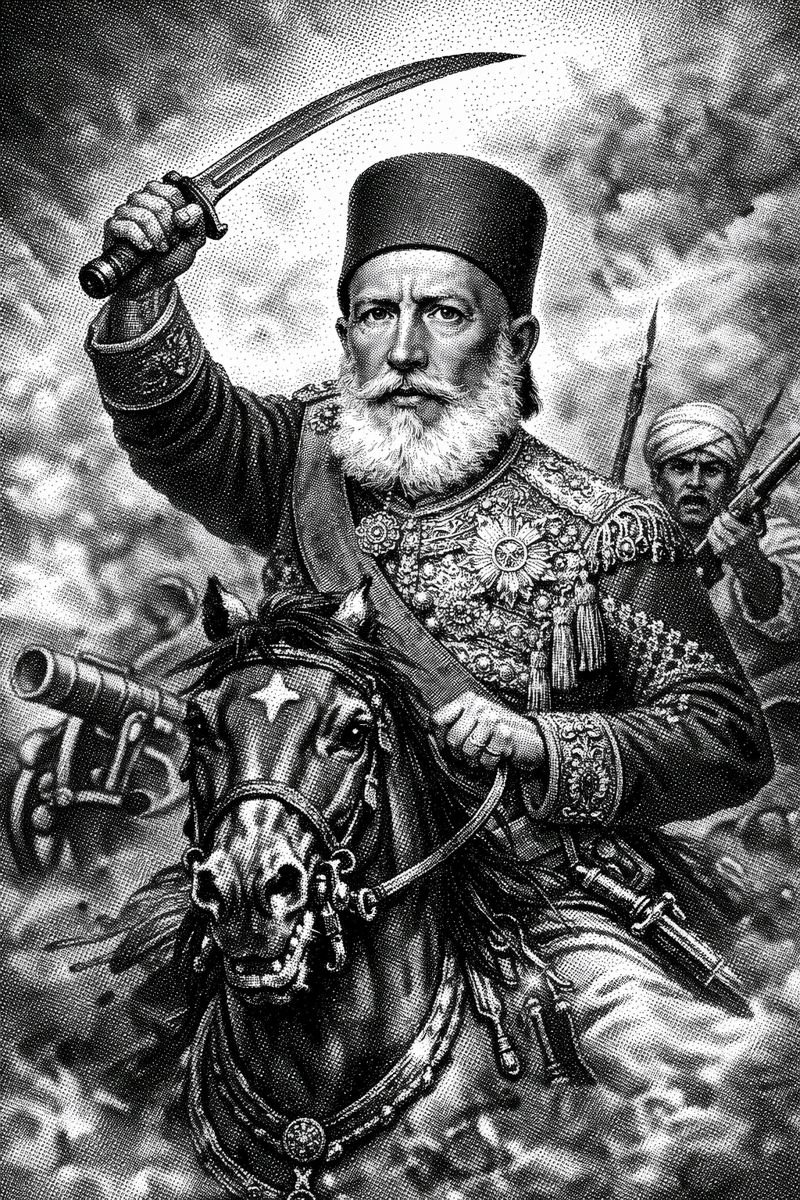
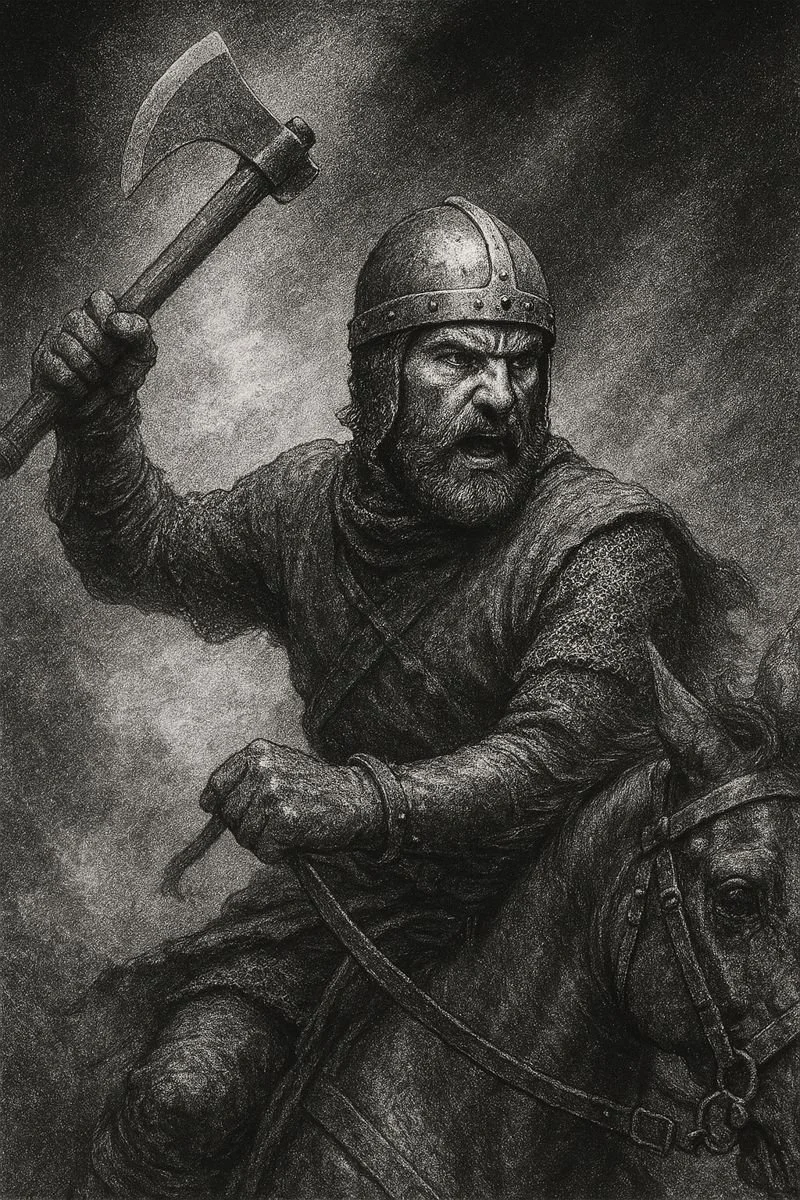
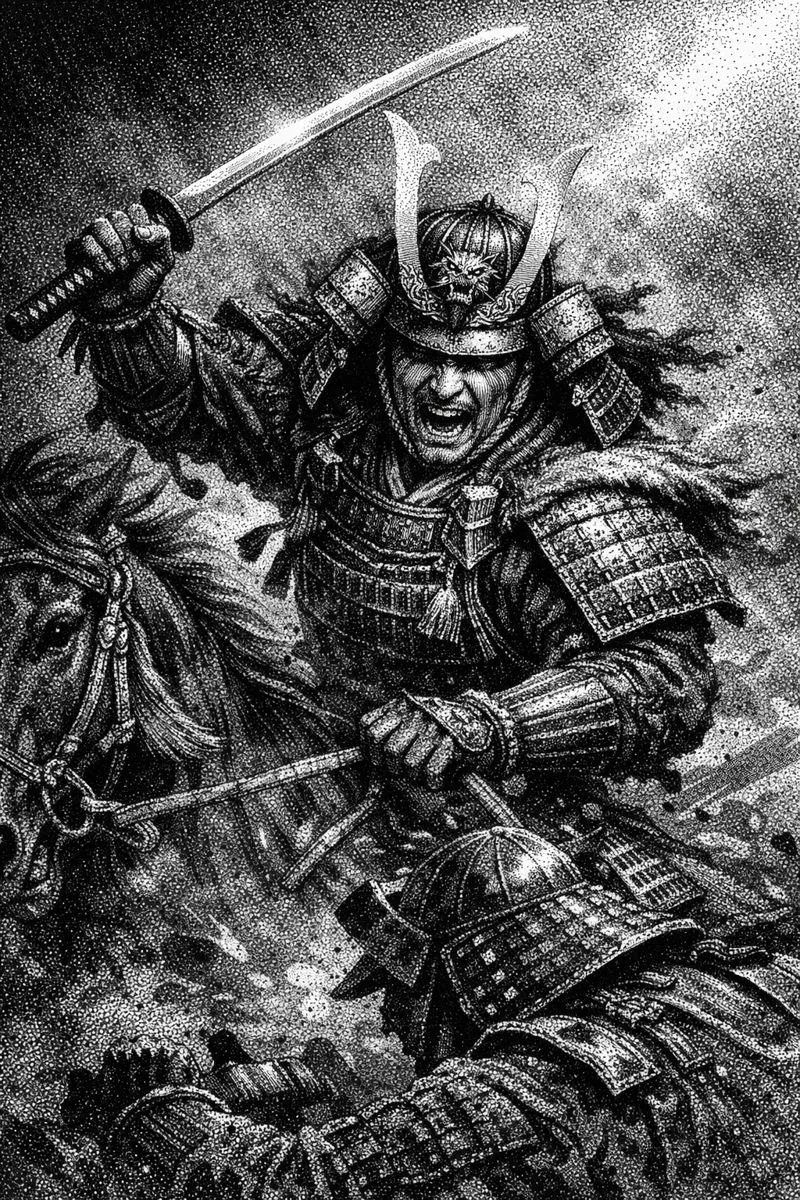
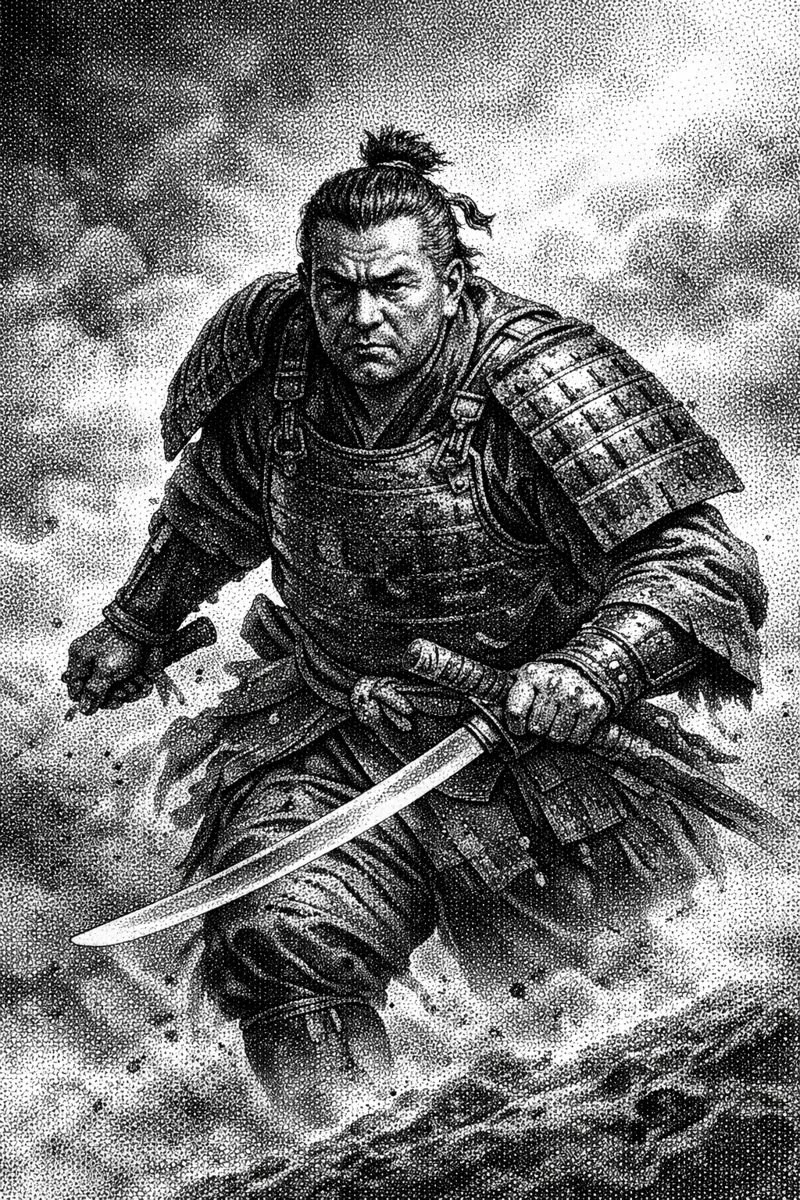
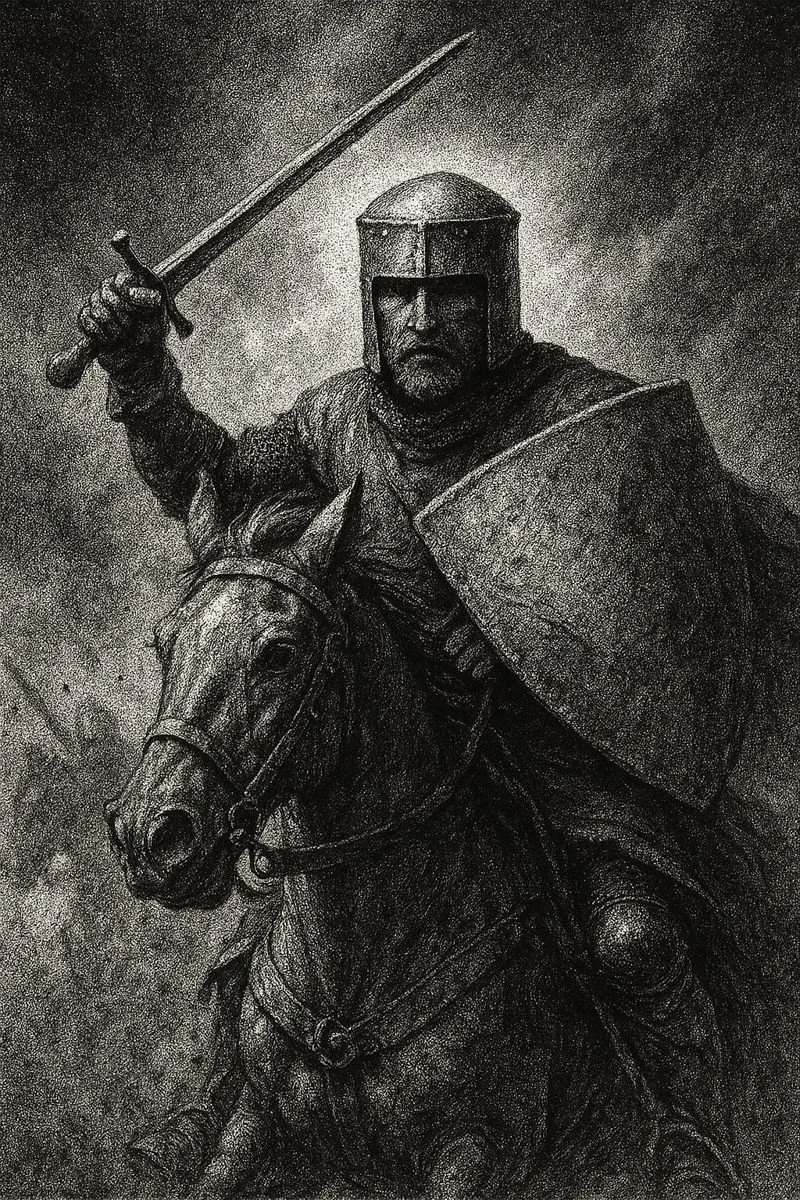
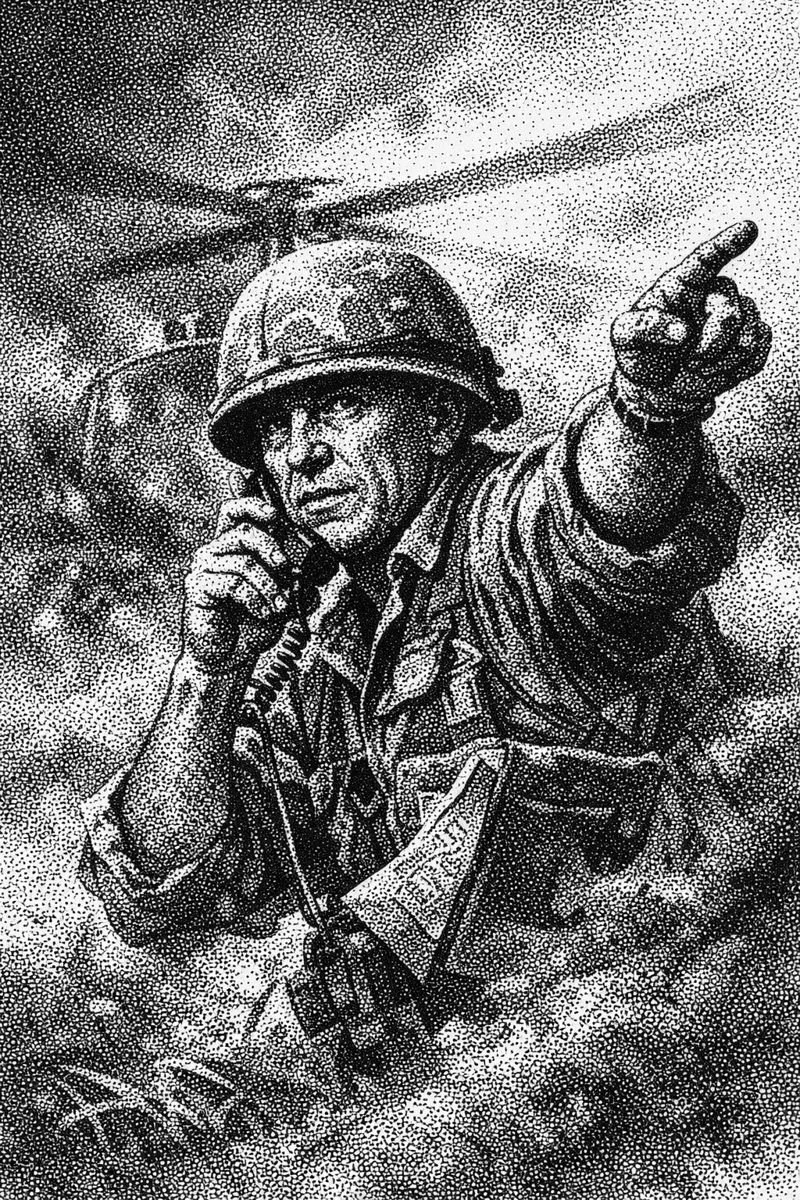
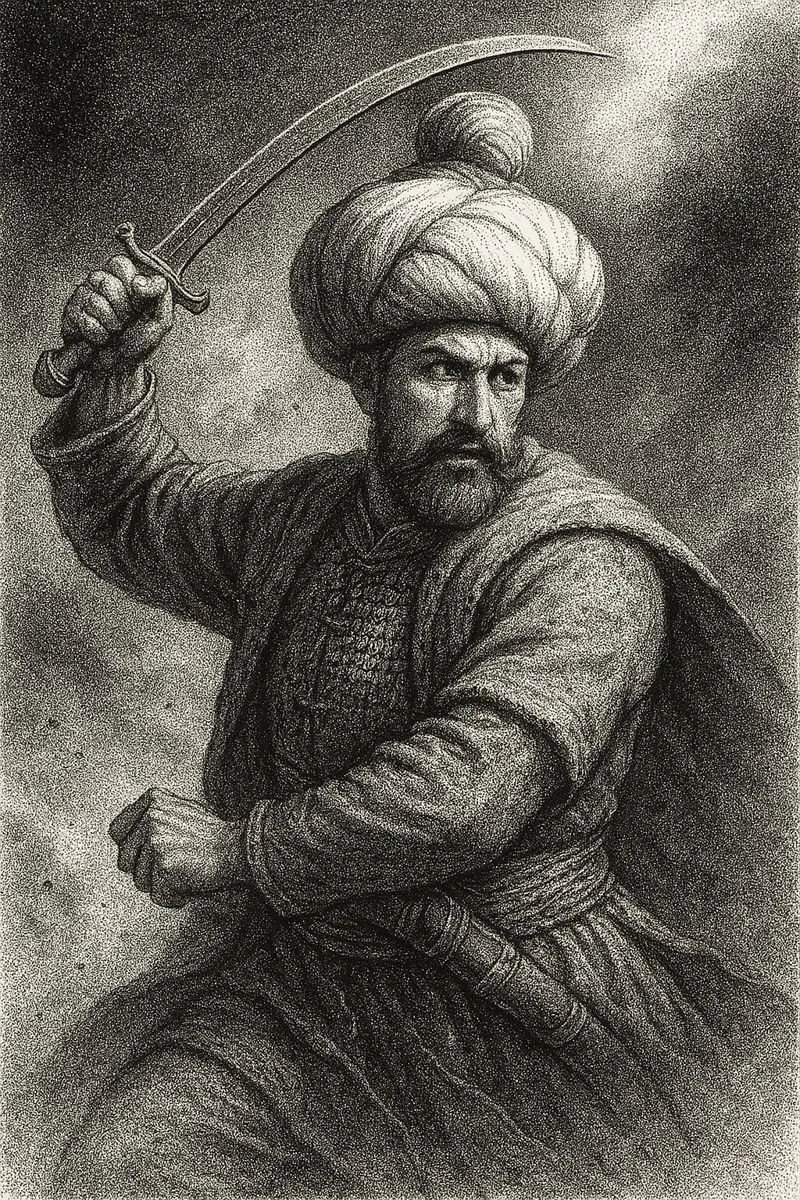
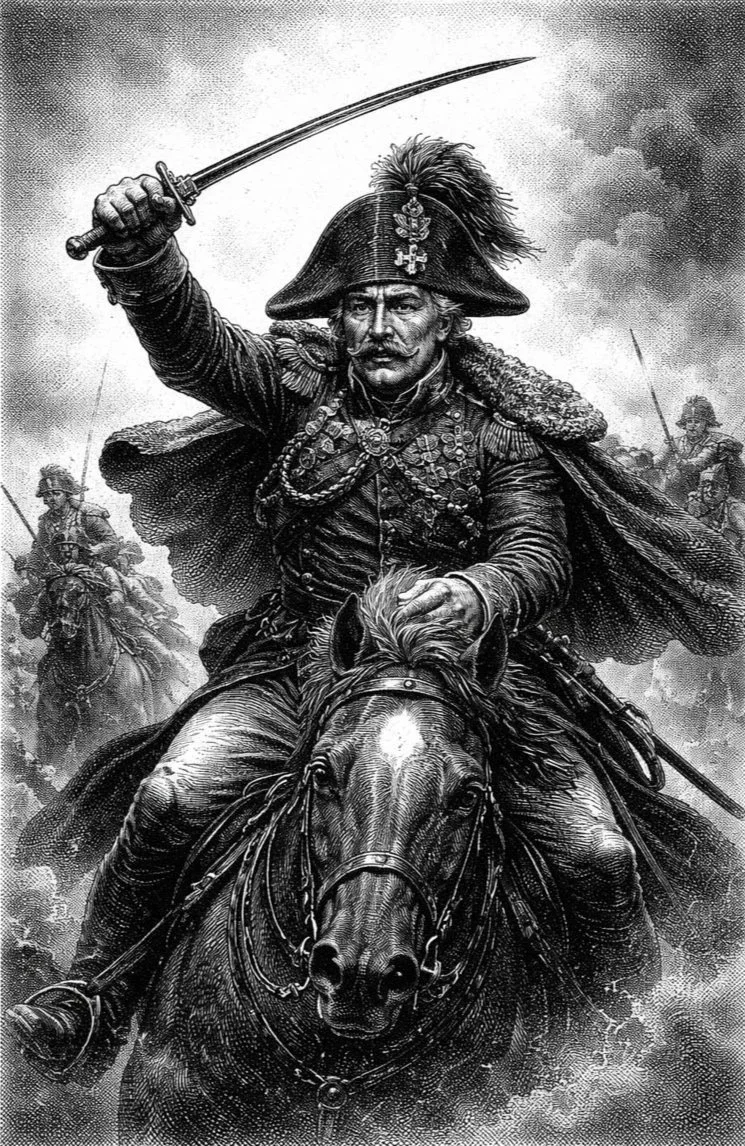
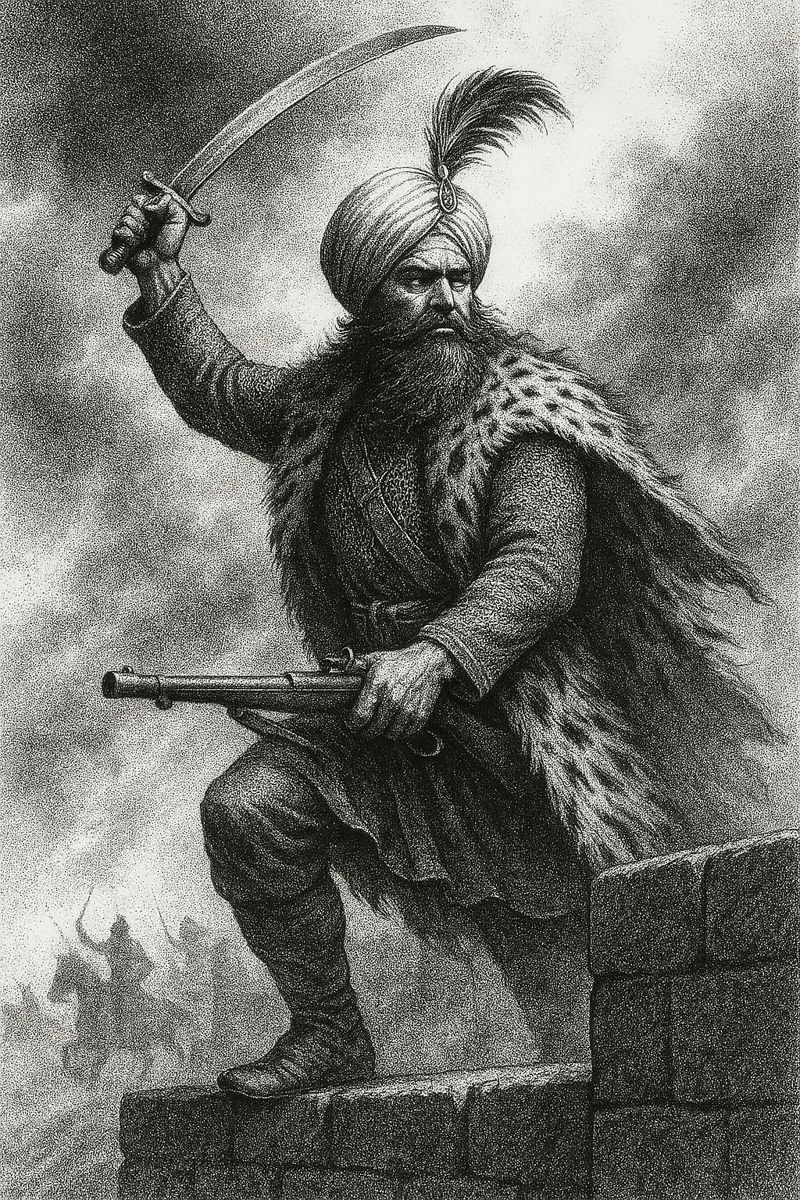
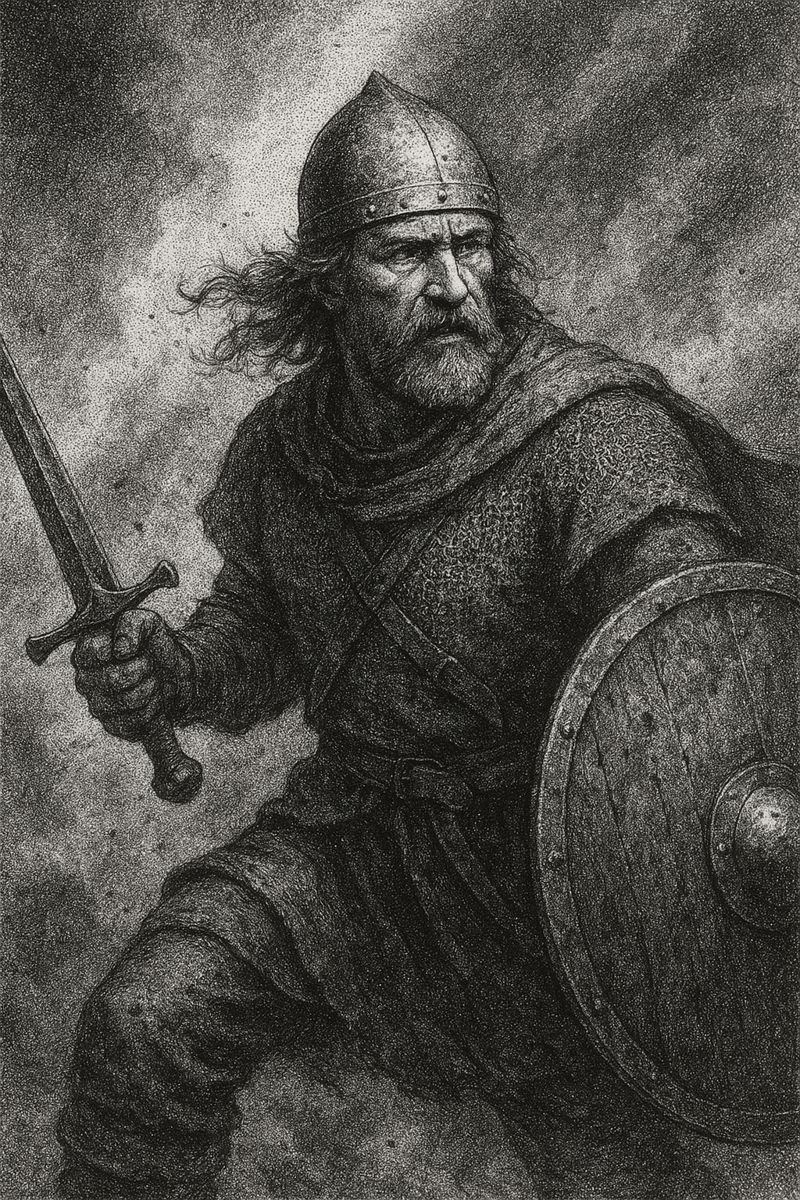
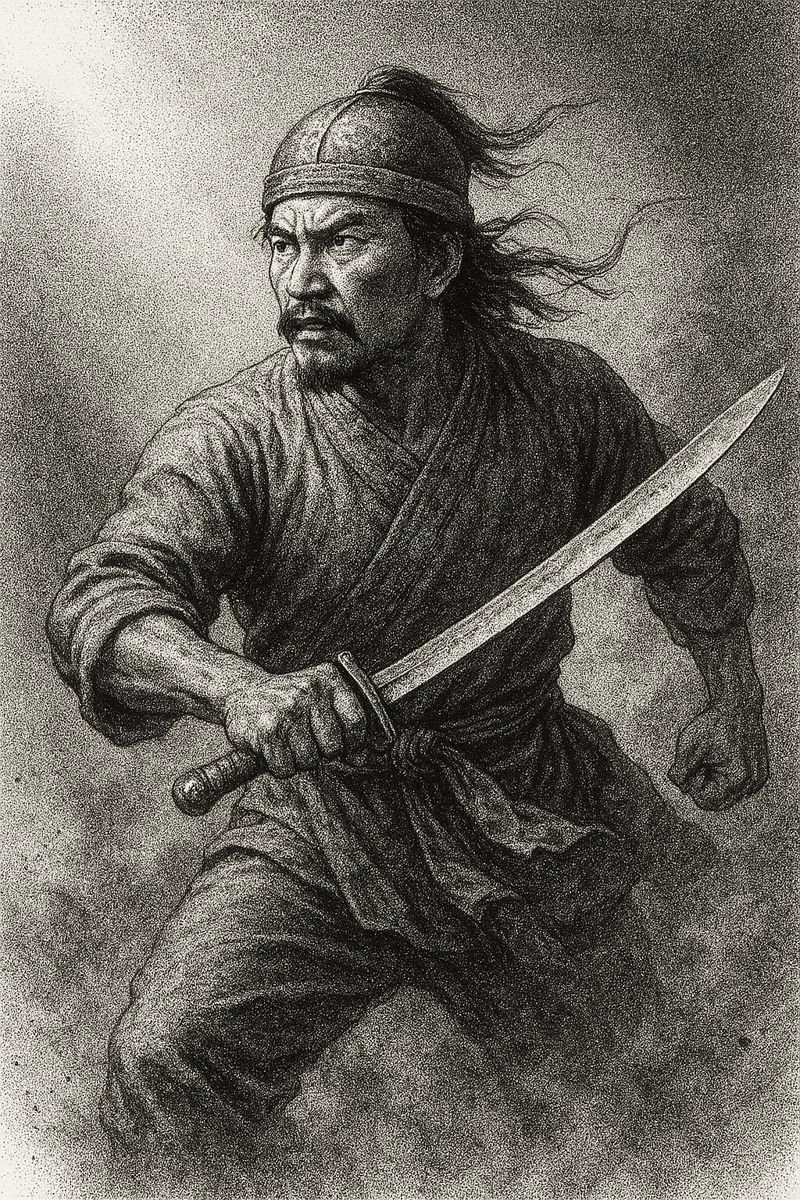
Tiglath-Pileser I was an Assyrian king of the 12th century BCE who expanded his empire through relentless military campaigns and the calculated use of terror as state policy. His meticulously recorded conquests turned violence into propaganda and set the template for later Assyrian imperial power.
Rank - 149
Baldwin I of Jerusalem was the first king of the Crusader Kingdom of Jerusalem, a hard-edged Frankish warlord who turned conquest into governance. He secured and expanded the kingdom through relentless warfare, political pragmatism, and a clear-eyed understanding that survival mattered more than sanctity.
Rank - 150
Greek revolutionary commander of the War of Independence, famed for ruthless guerrilla tactics, obscene candor, and battlefield brilliance. A klepht turned national hero who fought the Ottoman Empire with ambushes, audacity, and a terminal disregard for authority.
Rank - 151
Mustafa Kemal Atatürk was the soldier-statesman who crushed an invasion at Gallipoli and then dismantled a collapsing empire to build a fiercely secular modern Turkey.
Rank - 154
Finnish marshal who led the defense of Finland during the Winter War and preserved the nation’s independence against overwhelming Soviet force.
Rank - 155
At Holtzwihr, Audie Murphy climbed a burning tank destroyer and dared an armored battalion to try and take it back.
Rank - 156
Bayinnaung rose from minor nobility to command an empire that dominated Burma, Siam, Lan Na, and Laos.
Rank - 158
He rebuilt the Andes into an orderly machine and made the world climb with him.
Rank - 159
He conquered the Andes with mathematics, sunlight, and an unreasonable sense of direction.
Rank - 160
Askia Muhammad I rose from seasoned commander to empire-shaping monarch, forging the largest realm in West African history through ruthless discipline, political precision, and relentless conquest.
Rank - 164
Stefan Dušan rode through the Balkan smoke like a man convinced the world was one good conquest away from making sense, leaving empires, enemies, and common sense trampled under his horse’s hooves.
Rank - 165
He built an empire by removing every man who thought birth alone made him safe, and the silence he left behind still sounds like power sharpening its teeth.
Rank - 166
Leonidas I, the third son who was never meant to be king, died in a narrow pass at Thermopylae turning a doomed delay into a legend sharp enough to outlive the empire that killed him.
Rank - 169
Abd el-Krim was the Amazigh strategist who united the Rif tribes, shattered Spain at Annual, and became a defining symbol of 20th-century anti-colonial resistance.
Rank - 171
A fearless New Zealand–born commander famed for leading from the front in both World Wars.
Rank - 173
A walking catalogue of injuries, Adrian Carton de Wiart charged through the twentieth century’s worst battles with the attitude of a man personally offended by mortality.
Rank - 175
Piye rode into a broken Egypt like a storm given human shape—calm, relentless, and absolutely certain he’d been sent to clean up a mess only a Kushite king could tame.
Rank - 176
Charles Martel was the bastard-turned-kingmaker who stopped an empire with a hammer and accidentally built one of his own.
Rank - 183
Godfrey of Bouillon stormed Jerusalem with holy fire in his eyes and left it bathed in the kind of righteousness that smells like smoke and blood.
Rank - 184
In the steaming chaos of East Africa, Paul von Lettow-Vorbeck fought the entire British Empire to a standstill with nothing but mosquitoes, discipline, and pure Prussian spite.
Rank - 185
A teenage peasant turned holy warlord, Joan of Arc burned her way from battlefield glory to martyrdom and sainthood.
Rank - 186
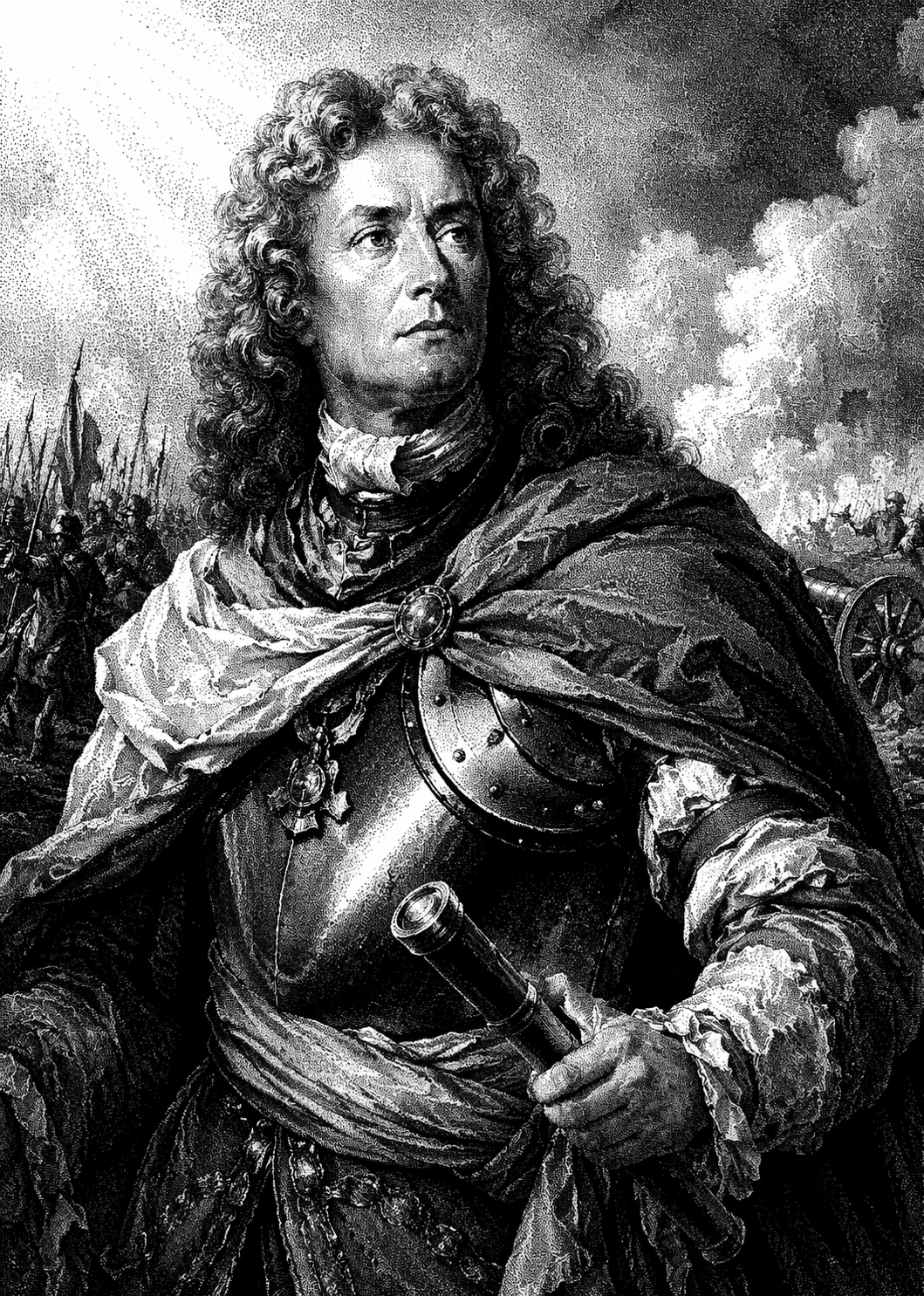
Bloated, brilliant, and half-dying, Maurice de Saxe turned Fontenoy into a masterpiece of smoke, steel, and spite—the last waltz of France’s hungover genius.
Rank - 188
He died on his feet so Ireland wouldn’t have to—but she did anyway, again and again, just to keep him company.
Rank - 190
Pyrrhus of Epirus won battles so costly they broke his empire, turning his name into the eternal warning that victory can be the most elegant form of defeat.
Rank - 191
Basil II, the grim accountant of empire, turned vengeance into policy and left the Balkans blind to remind the world that mercy was never in his ledger.
Rank - 192
A Thracian slave turned gladiator who made Rome bleed before dying on his feet.
Rank - 195
Artemisia I of Caria led her boat through the chaos of Salamis, proving that cunning could strike harder than any bronze ram.
Rank - 196
Vercingetorix burned his world to save it—and when the ashes settled, even Caesar couldn’t put out the legend.
Rank - 198
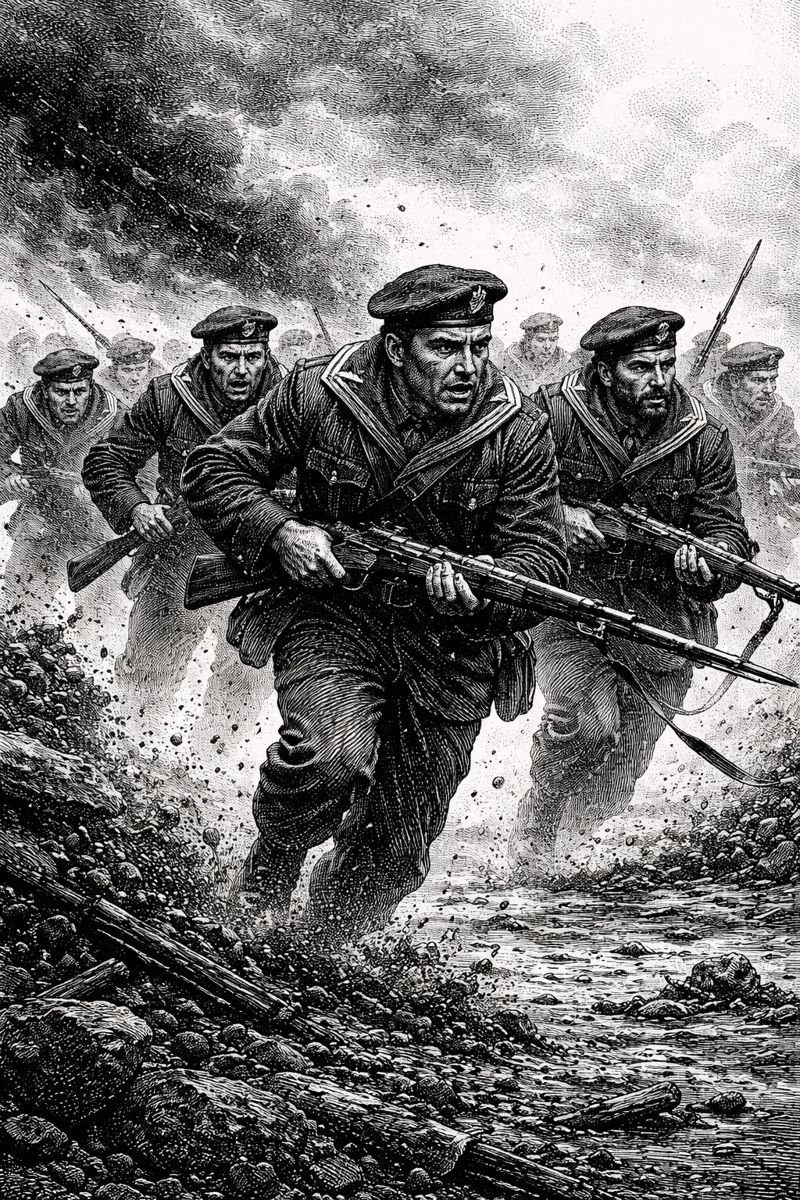
The French Fusiliers Marins are naval infantry trained to fight ashore with the discipline of sailors, the endurance of infantry, and a collective refusal to break once committed.
Group Rank - 181
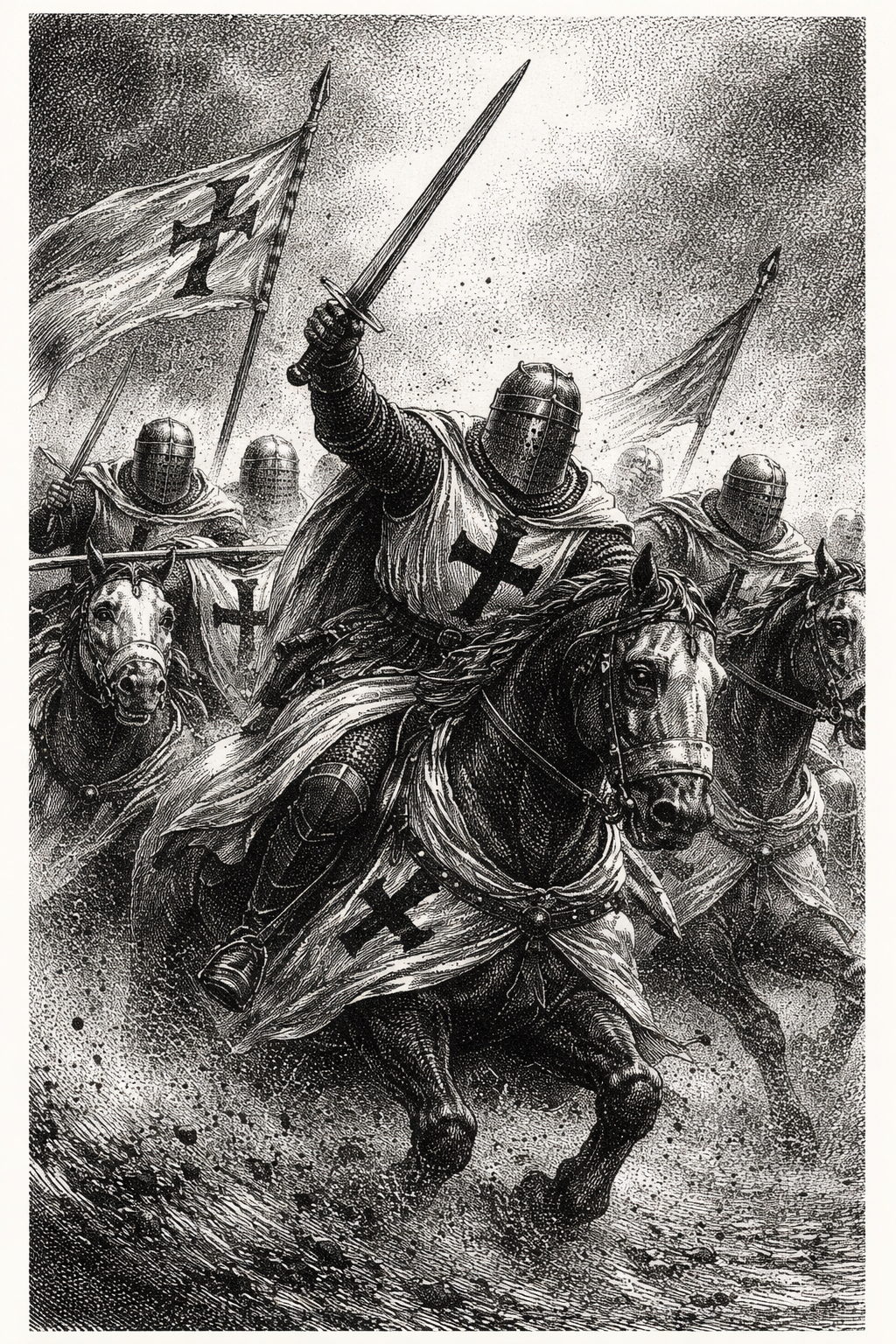
The Teutonic Knights were a medieval military order that fused monastic discipline with state-building warfare, conquering and ruling large parts of the Baltic through crusade, colonization, and fortified power.
Group Rank - 182
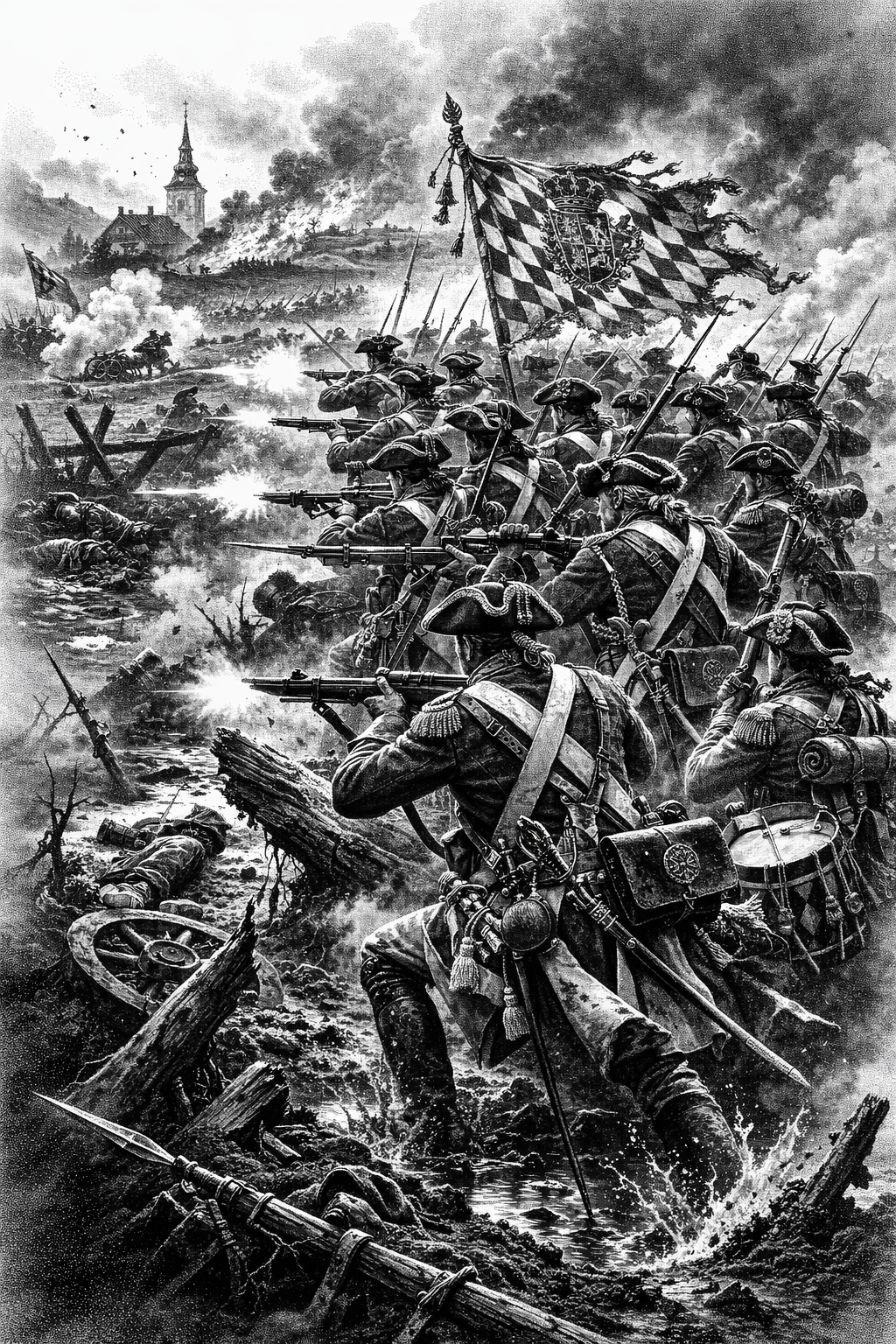
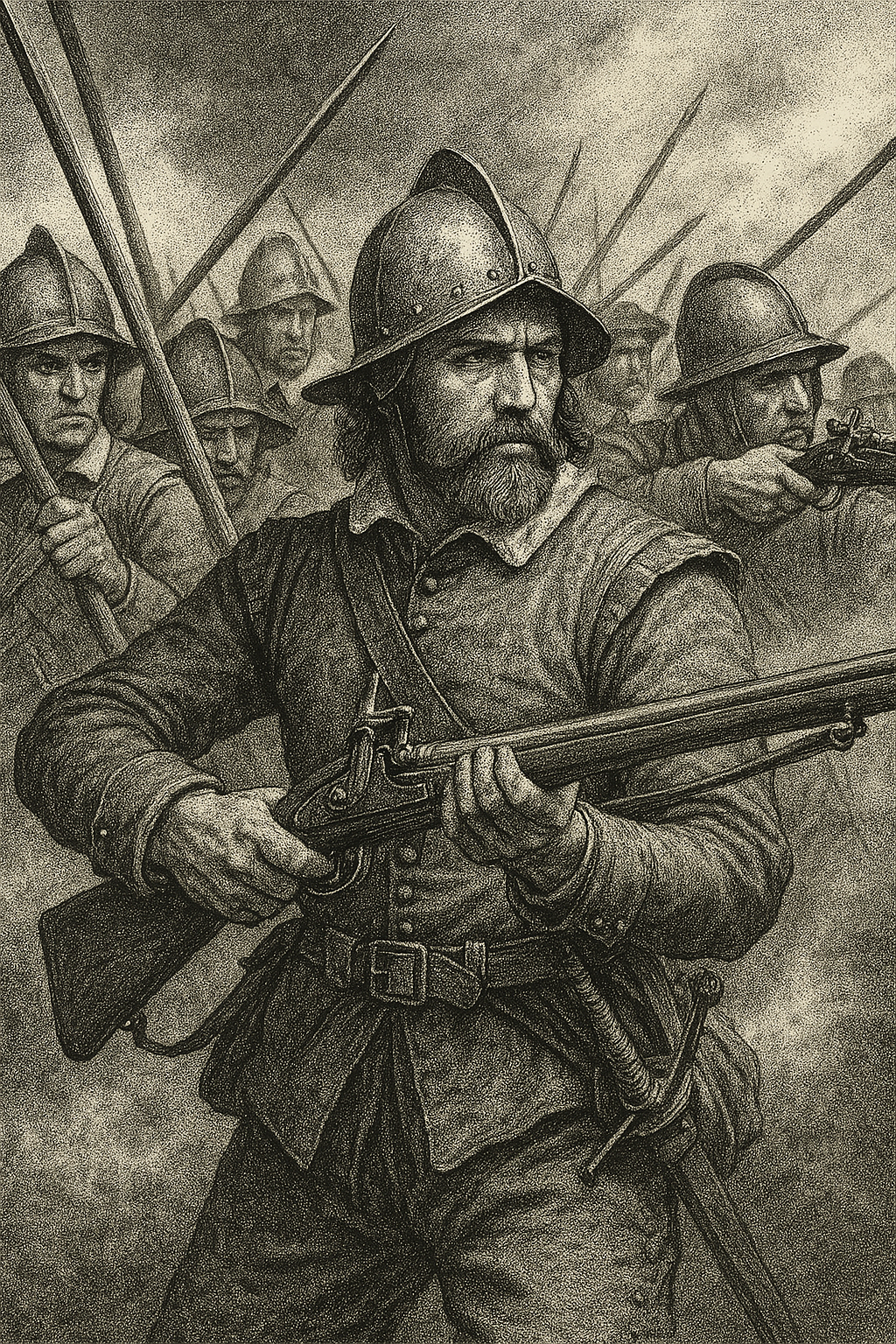
A brotherhood forged in revolt, the Dutch States Army turned geometry, discipline, and relentless volleys into the weapon that broke the old world’s battlefield logic.e.
Group Rank - 185
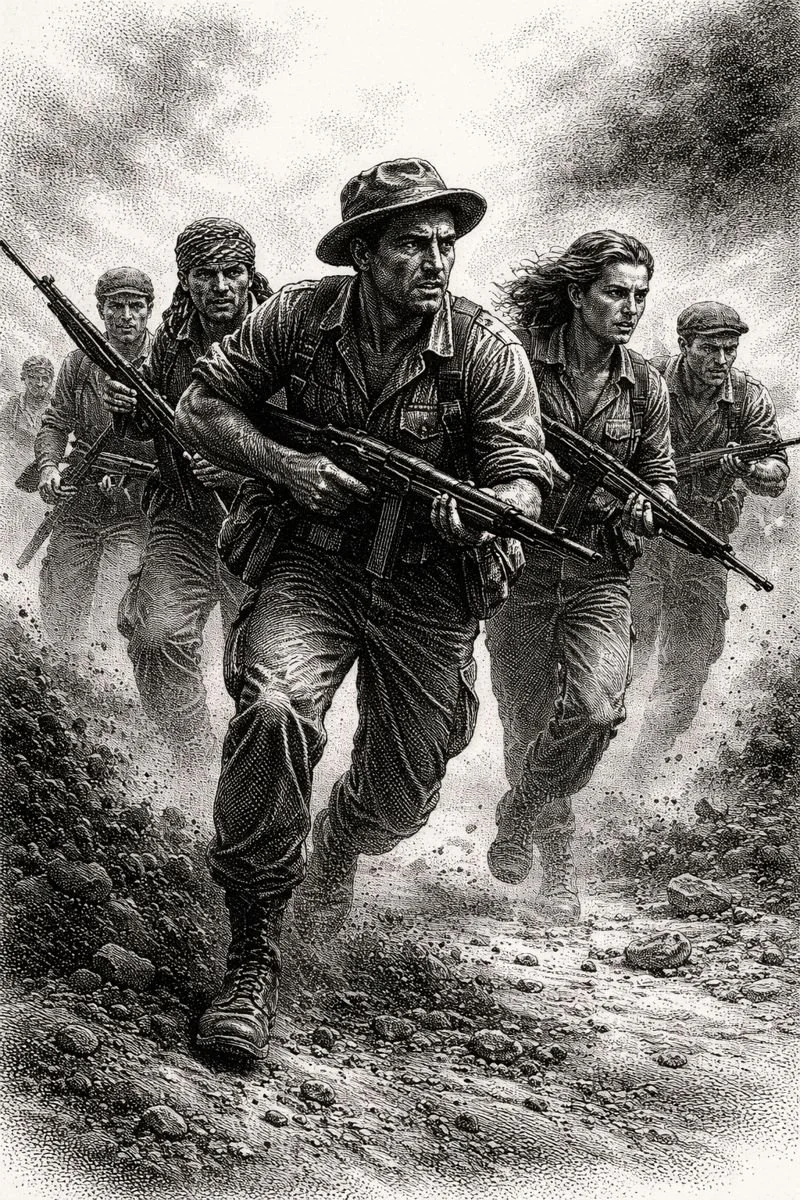
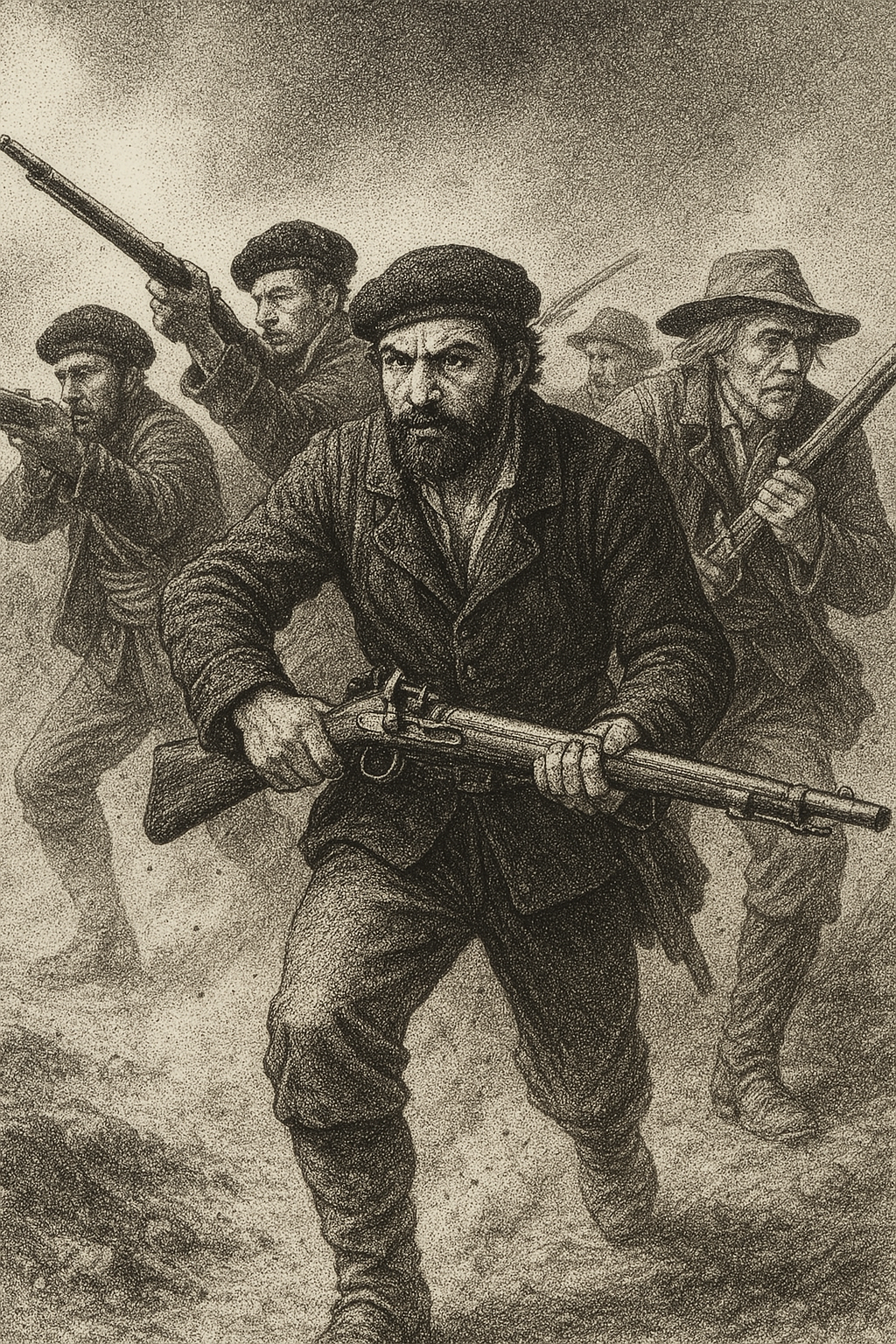
A brotherhood of Spanish Guerrilleros rises from the hills and hollows of Iberia to bleed an empire one ambush at a time.
Group Rank - 186
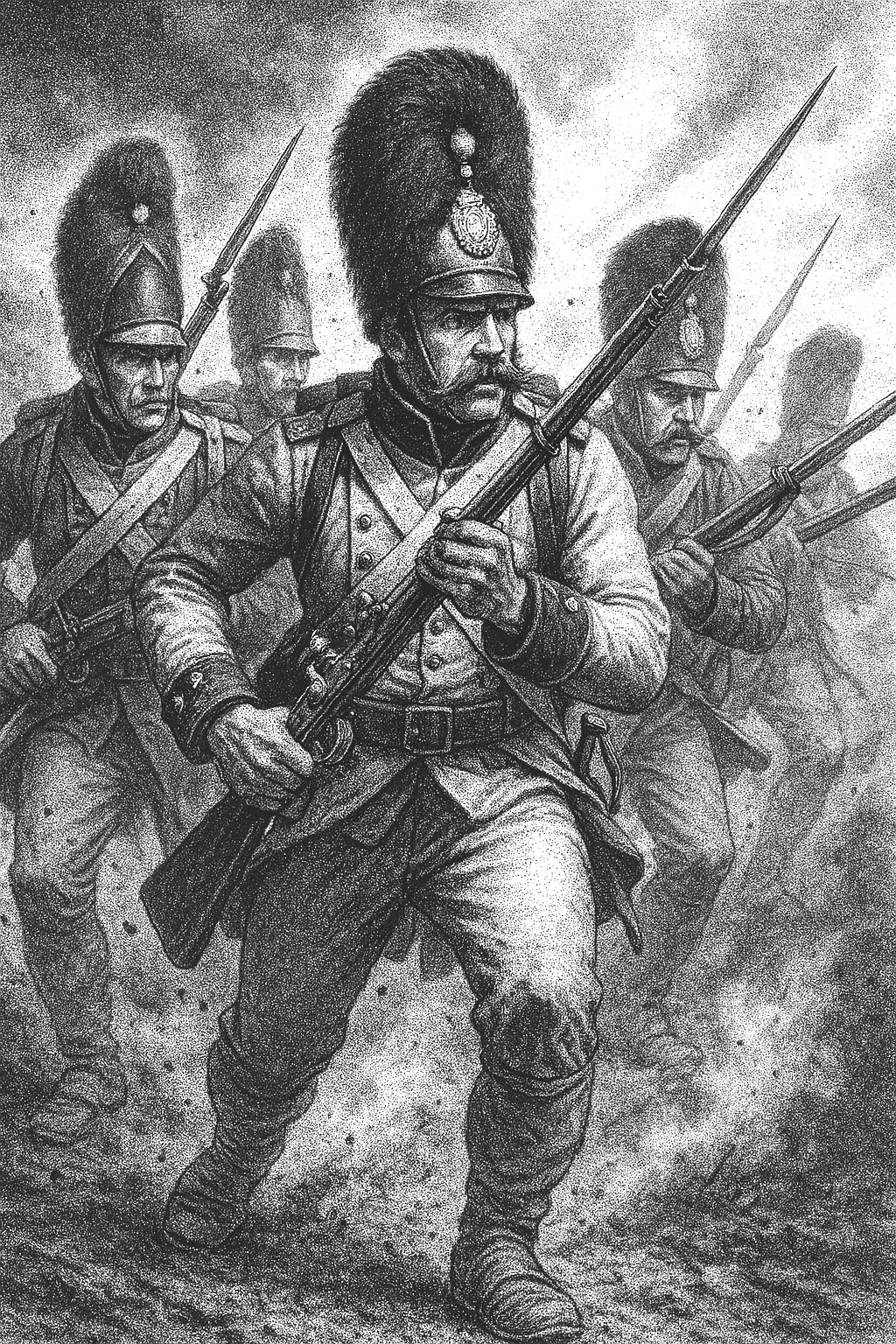
Russian Grenadiers advanced like a moving wall of frostbitten resolve, breaking armies through sheer inevitability long after the grenades themselves stopped mattering.
Group Rank - 187
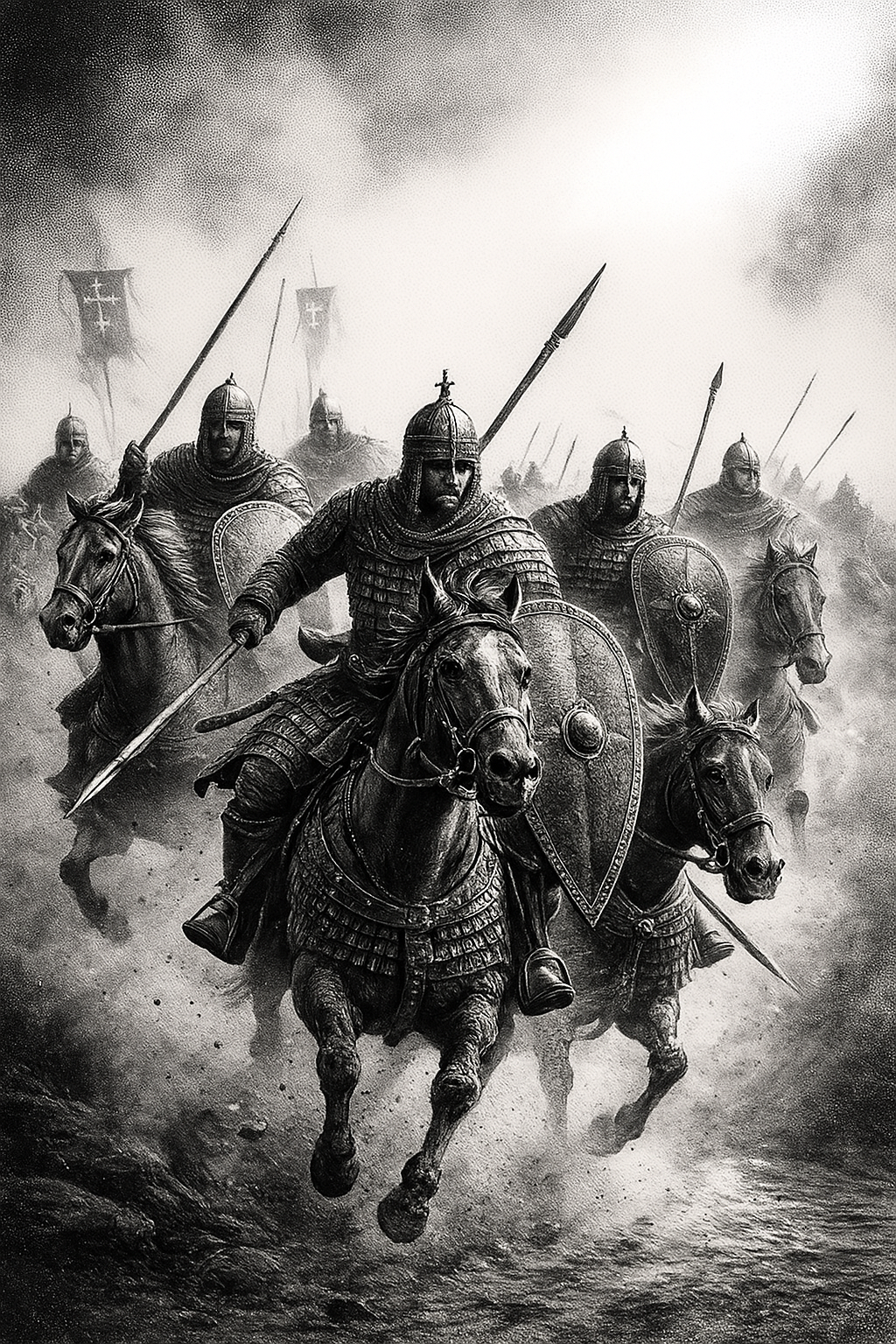
The Tagmata rode like a disciplined storm loosed from the palace gates, a brotherhood of armored precision that broke rebellions, crushed invasions, and outlived the emperors they served.
Group Rank - 188
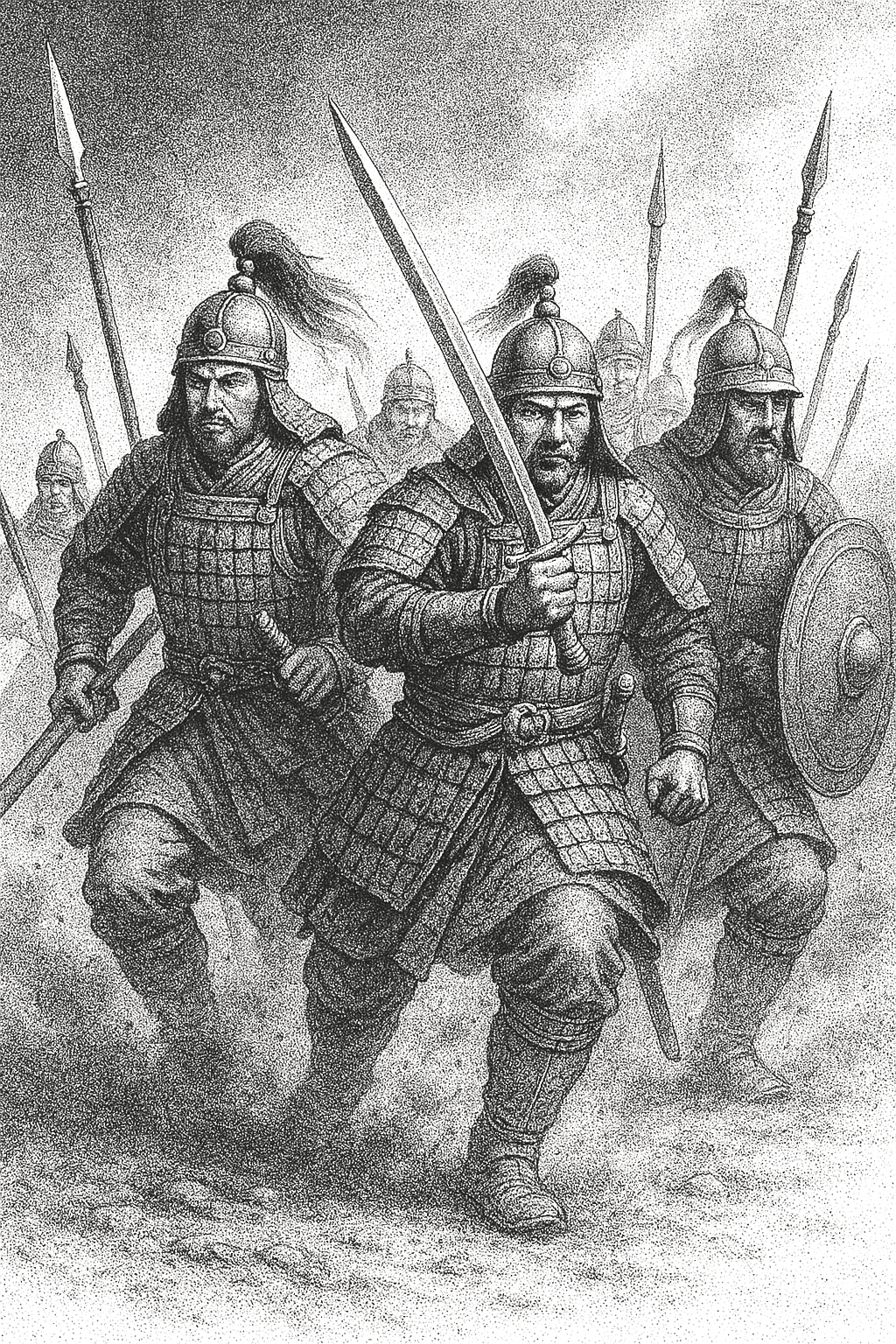
The Tang Imperial Guards lived and died as the empire’s steel conscience—glorious in its youth, decadent in its age, and always one heartbeat away from violence.
Group Rank - 189
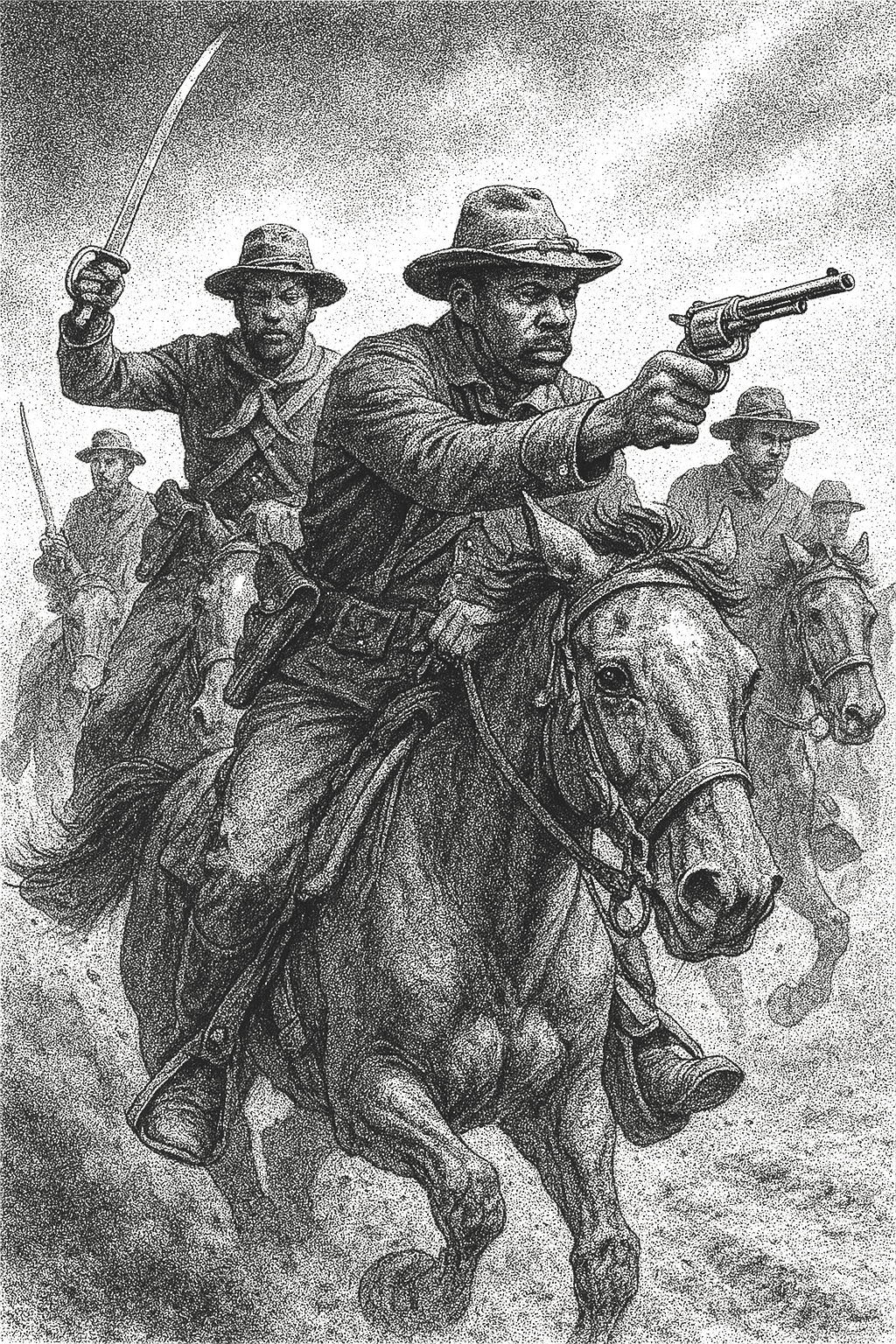
In the dust-choked frontier where promises meant nothing and survival meant everything, the Buffalo Soldiers of the 9th and 10th Cavalry carved their legend by riding farther, fighting harder, and enduring longer than a nation that barely acknowledged their existence.
Group Rank - 190
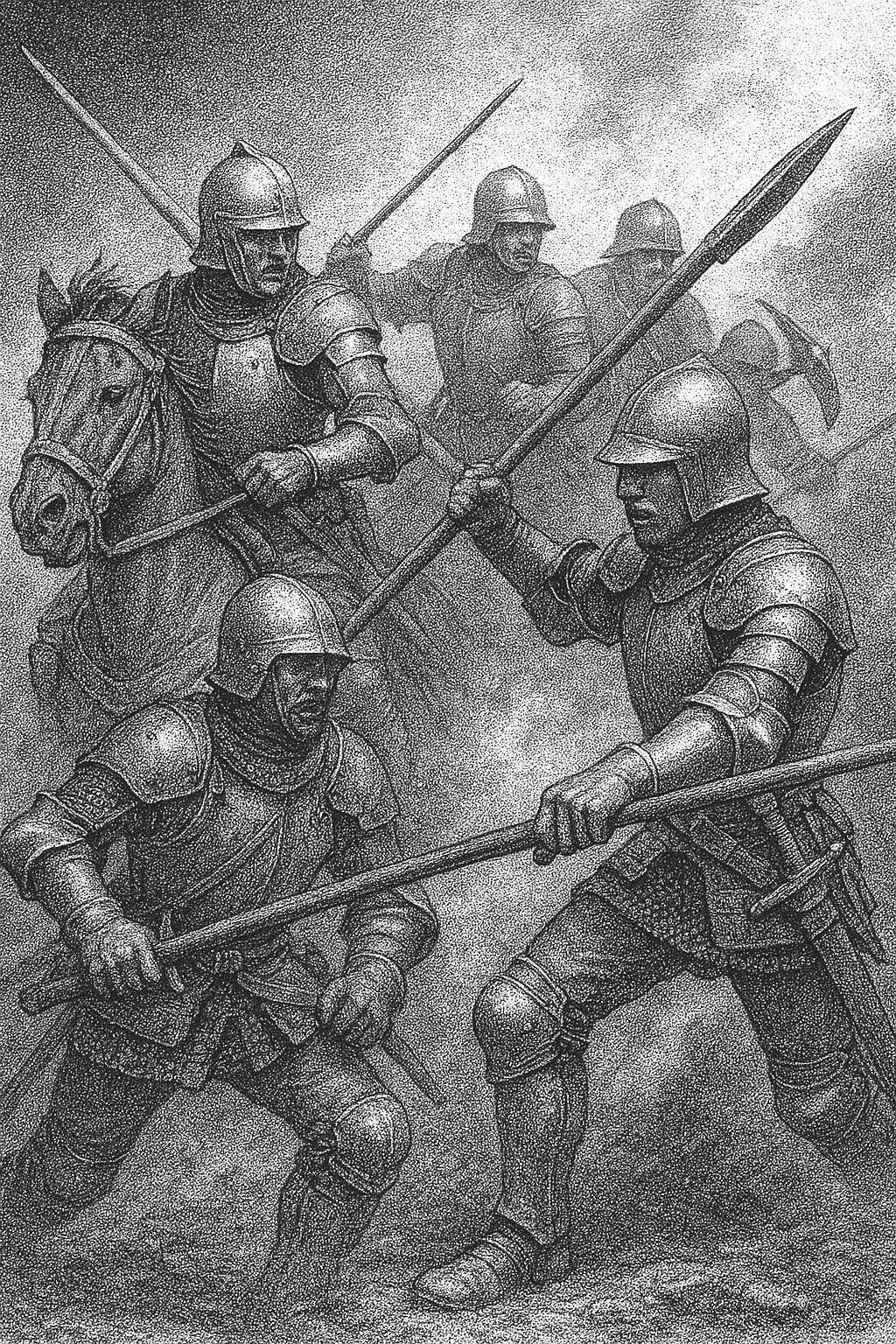
The Burgundian Ordonnance Companies marched like a machine built from pride and gunpowder, only to shatter spectacularly when the future came at them with Swiss pikes and winter steel.
Group Rank - 191
The Sea Peoples were not a mystery—they were the knife that cut the Bronze Age’s throat.
Group Rank - 192
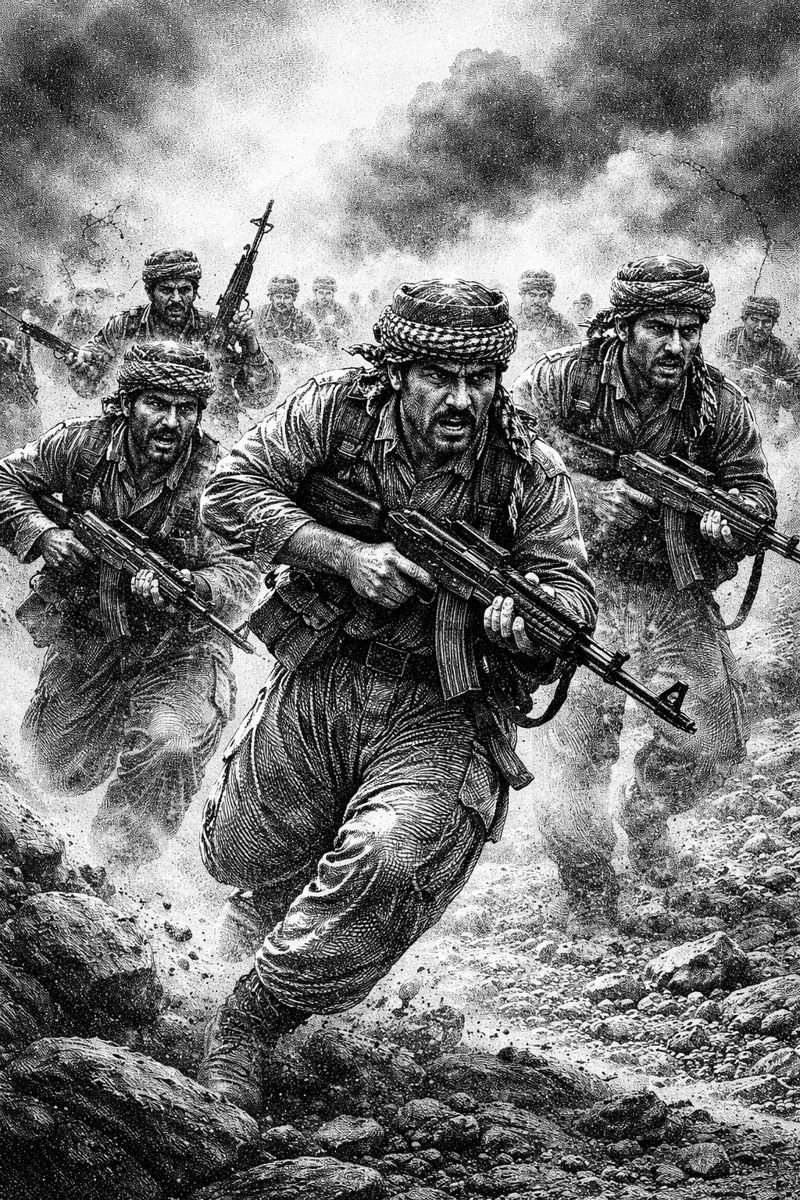
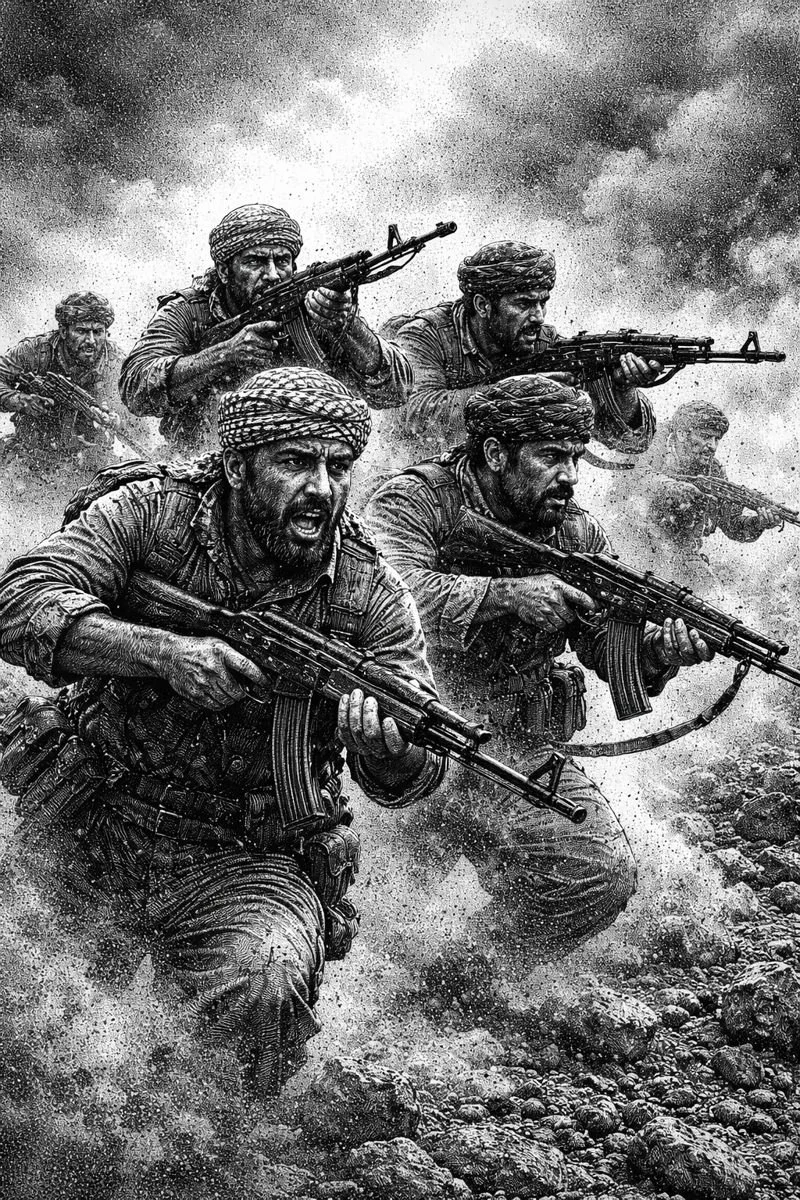
They advanced like a single starving organism made of steel, superstition, and the certainty that the world existed only to be taken.
Group Rank - 193
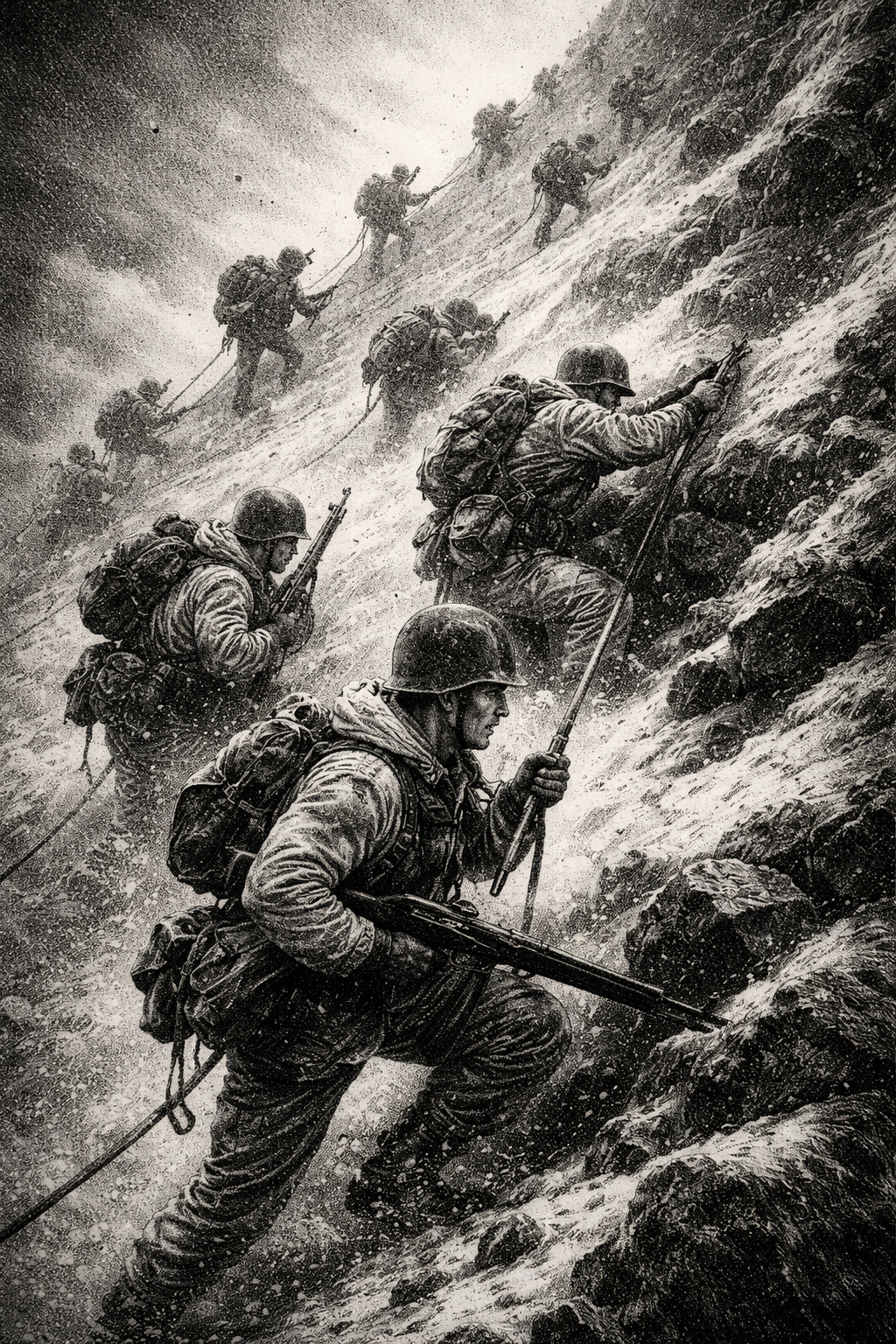
They moved as if the cold had carved secret truths into their bones, two brotherhoods built to appear where no one should exist and to leave before anyone realized they were there.
Group Rank - 194
Dropped into a doomed battle they didn’t start, the Polish 1st Parachute Brigade fought through smoke, chaos, and betrayal to become the fiercest ghosts of Arnhem.
Group Rank - 197
They fought like master craftsmen in a slaughterhouse, carving their legend in steel and smoke while serving a regime that was already rotting beneath their boots.
Group Rank - 198
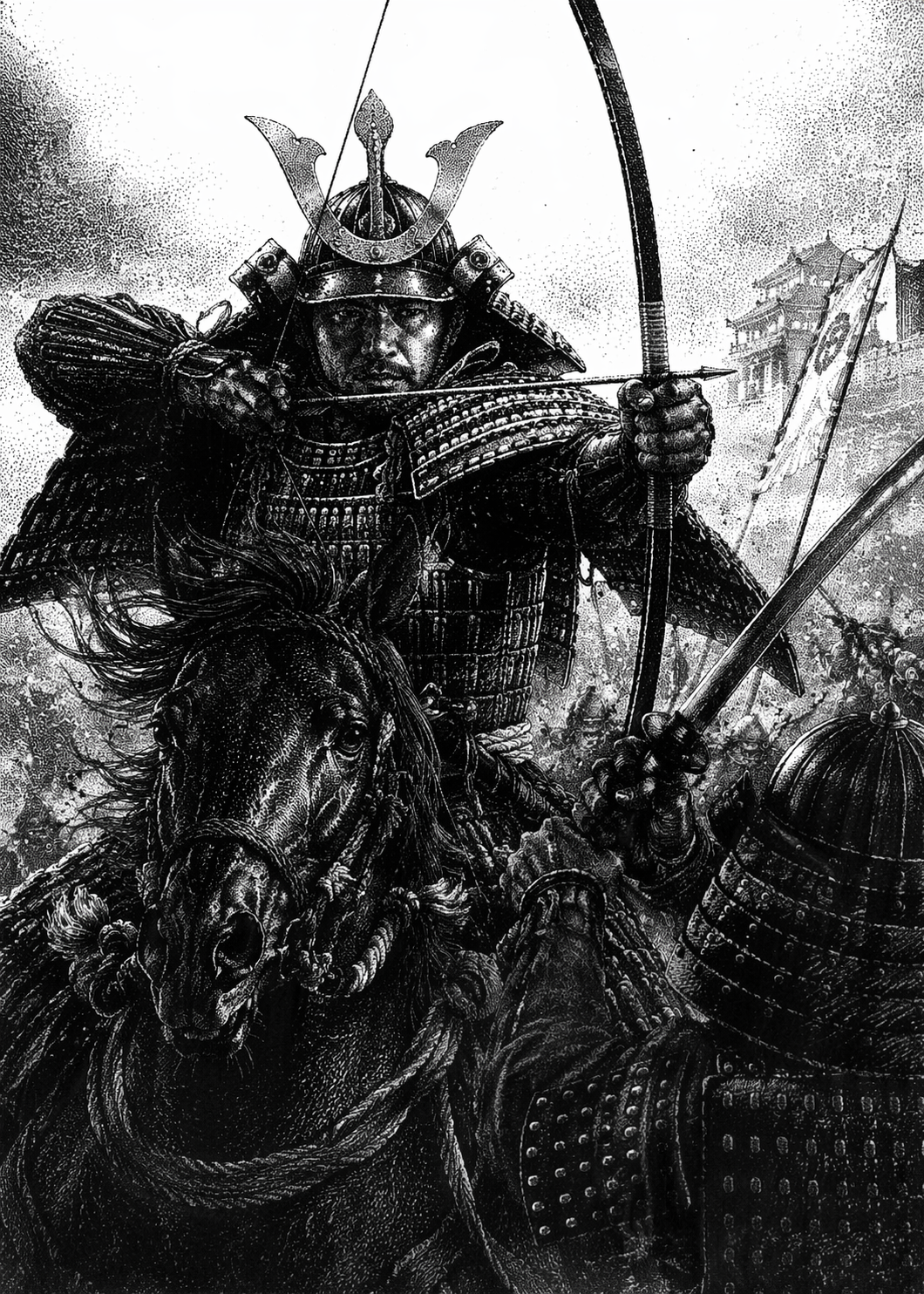
The Solomonic Knights fought for seven centuries with blades, faith, and terrifying resolve, carving Ethiopia’s destiny into the highlands one battlefield at a time.
Group Rank - 199
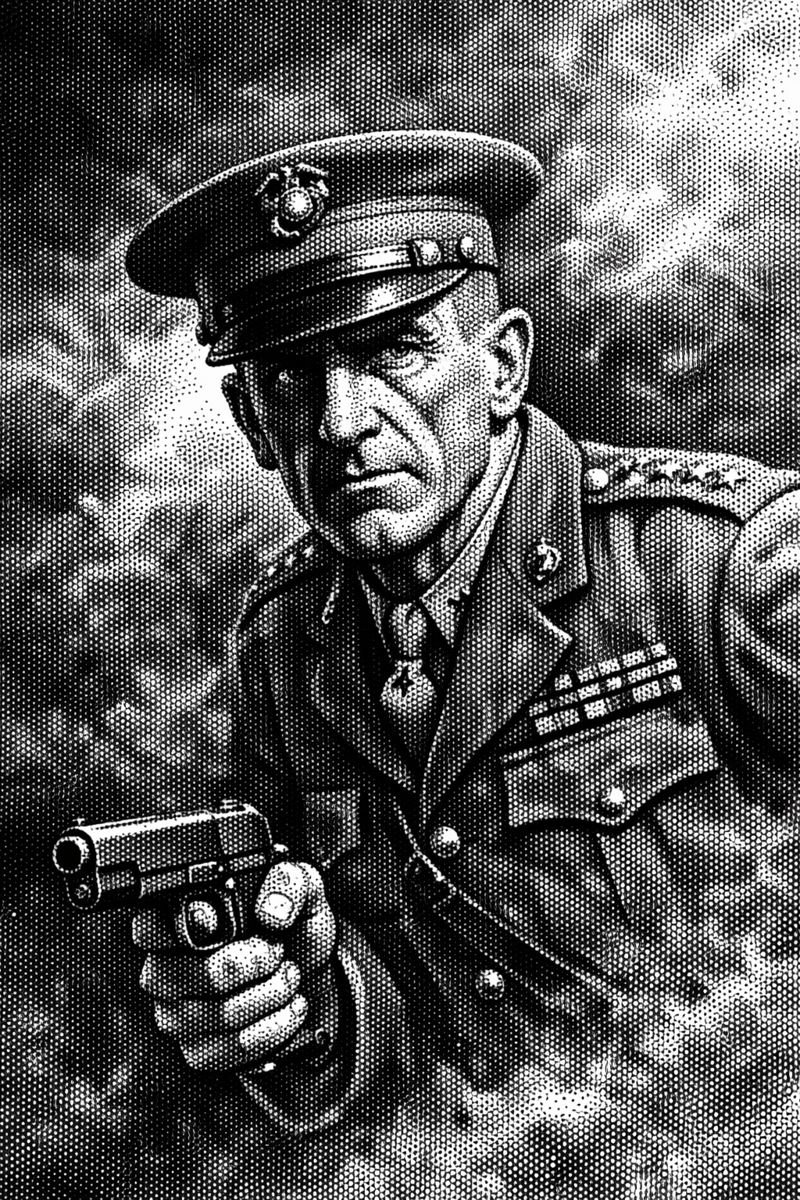
Smedley D. Butler was a two-time Medal of Honor–winning U.S. Marine who spent decades fighting America’s overseas wars during the age of imperial expansion. After retiring, he became one of the nation’s fiercest critics of war profiteering, condemning the very system that had made him famous.
Rank - 148