Mustafa Kemal Atatürk
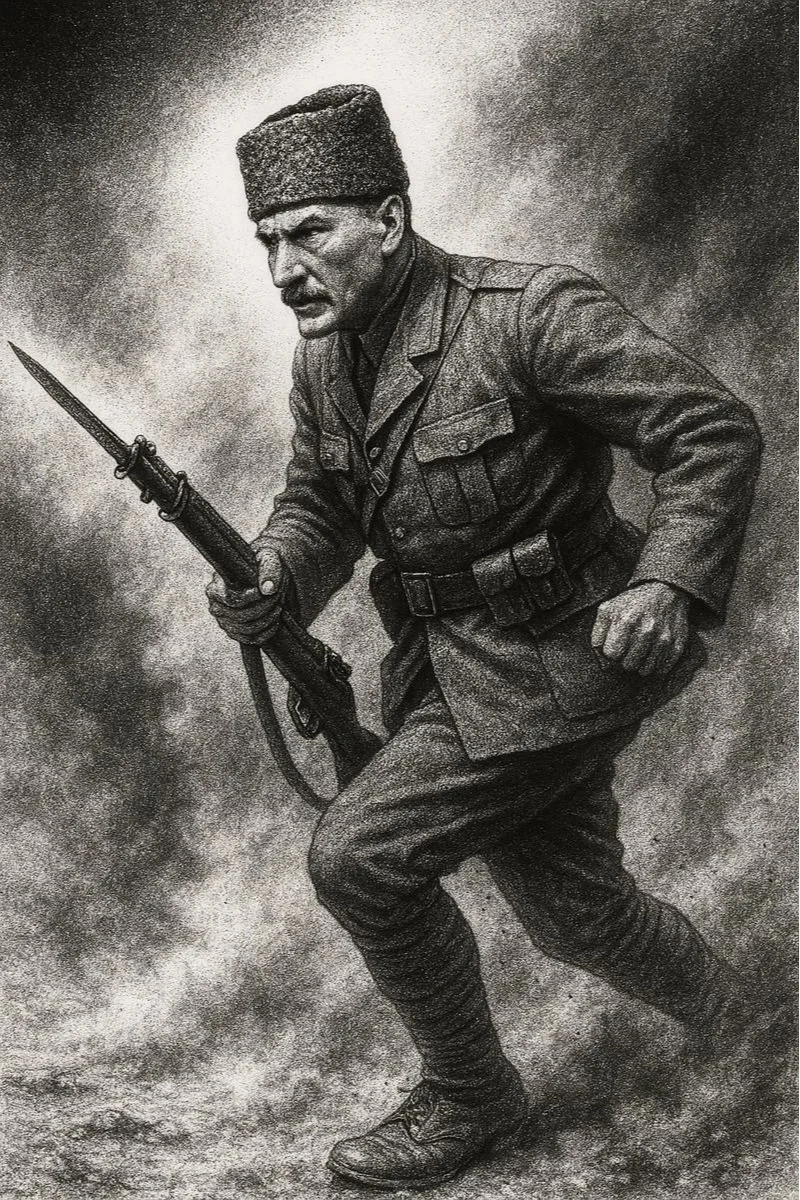
(1881-1938)
Modernizer-soldier; Gallipoli hero who reinvented a nation from ruin.
“Men, I am not ordering you to attack. I am ordering you to die.” — Mustafa Kemal, Gallipoli, 1915
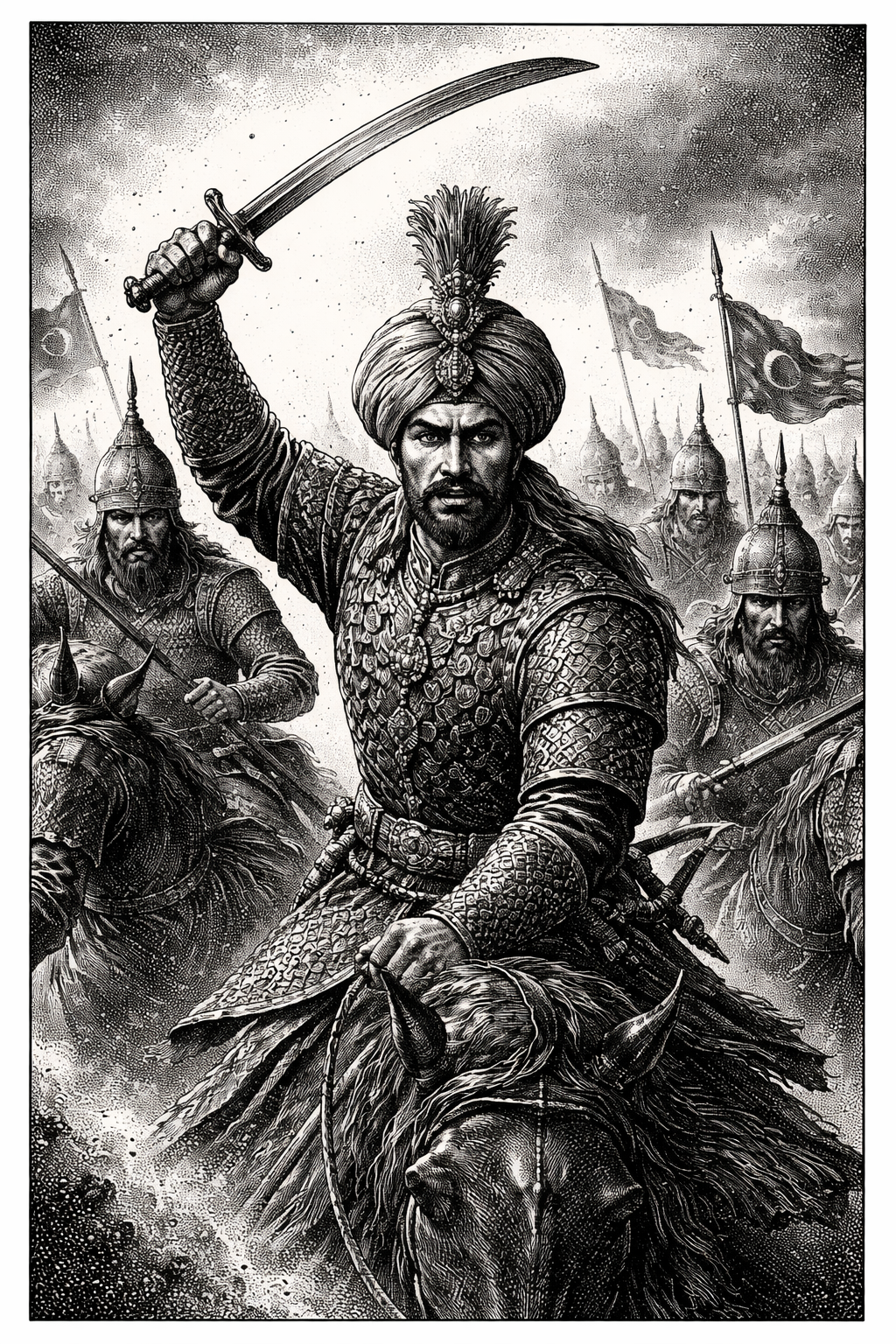
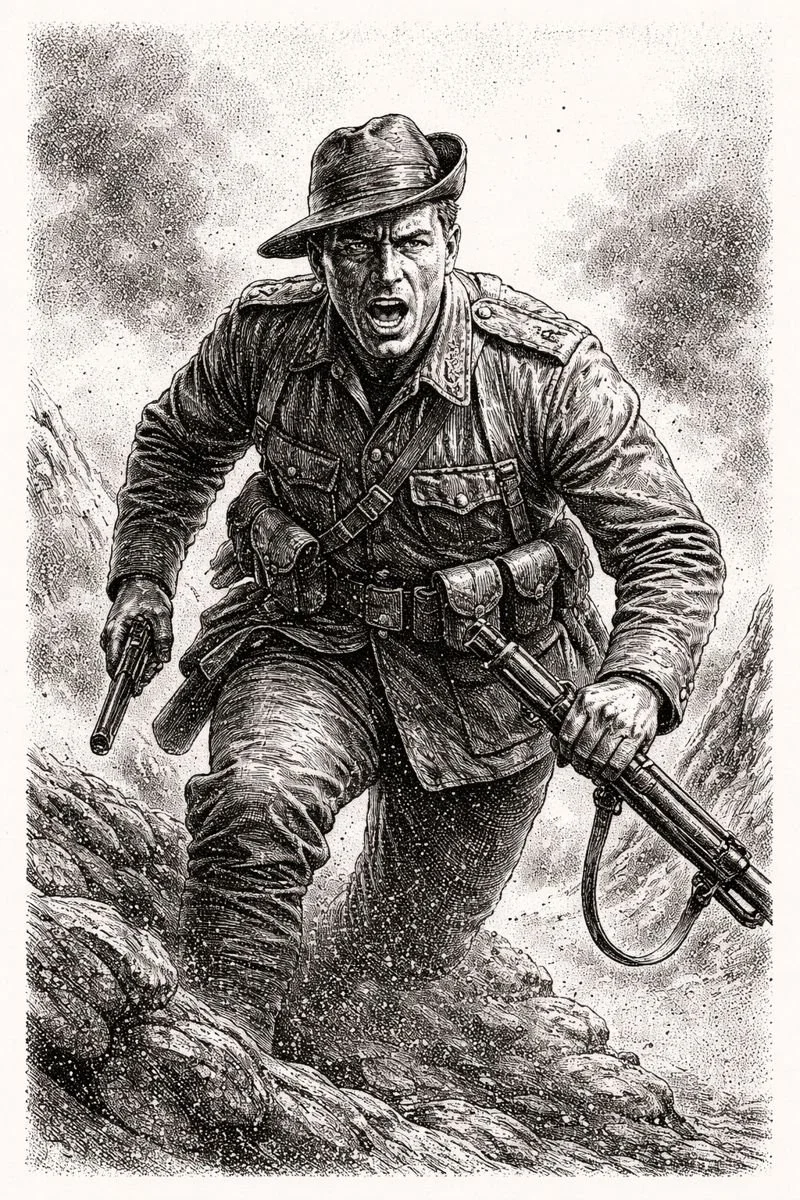
The dust at Gallipoli was part blood, part empire. It caked in the lungs, turned the water red, and whispered the last prayers of boys from half the world away. Somewhere between the poppies and the trenches, a lean Ottoman officer with the eyes of a hawk and the patience of a hangman was watching his world collapse—and taking notes.
That man was Mustafa Kemal, a name that would later shed its surname like a snake sheds its skin. In 1915, he wasn’t Atatürk yet. He was just another career soldier in a dying empire whose generals were too busy polishing medals to notice the ship was on fire. The British were coming—Australians, New Zealanders, French, Indians, a buffet of imperial manpower—and the Ottoman command was panicking like a kicked anthill. Kemal didn’t panic. He walked to the front, looked at the horizon, and decided that if God was busy, he’d handle things himself.
He didn’t have much—just a few regiments, a sense of destiny, and a total disregard for the concept of survival. When he told his men, “I am not ordering you to attack. I am ordering you to die,” it wasn’t a metaphor. It was a battle plan.
The ANZACs hit the beach like a thunderclap. Bullets stitched the air. Shrapnel sang. The Dardanelles turned into a blender of history and human parts. But the Aussies weren’t the only madmen on the field that morning. Mustafa Kemal’s troops rose from their trenches like ghosts too stubborn to stay dead. They charged uphill against rifles, artillery, and the statistical odds of physics. They were slaughtered—but so were the invaders. Over the next months, Gallipoli became a meat grinder that didn’t discriminate by flag.
Kemal’s command held, and the British Navy—once convinced the Ottomans would collapse in a weekend—sailed home in defeat. Churchill, who’d cooked up the entire operation, nearly lost his career (and deservedly so). Kemal, meanwhile, gained something rarer: immortality. He’d saved an empire that didn’t deserve saving, and in doing so, created the legend that would later replace it.
The Long Game of a Soldier Who Hated Losing
Born in Salonika in 1881, Kemal was the kind of child who corrected his teachers. He was clever, arrogant, and restless—the holy trinity of reformers and troublemakers. Military school taught him discipline but couldn’t kill his defiance. He learned French, read Voltaire, and quietly decided that his empire’s real problem wasn’t Europe—it was itself.
By the time World War I ended, the Ottoman Empire had gone from “sick man of Europe” to “corpse on display.” The Allies were carving up Anatolia like vultures at a banquet. The Sultan signed treaties that made surrender look like a courtesy. But Mustafa Kemal wasn’t finished.
He slipped away to Samsun in 1919—technically to “oversee disarmament,” but really to light a revolution. His telegrams began to sound suspiciously like manifestos. The old Ottoman command called him a traitor; the common people called him hope. He rallied farmers, ex-soldiers, and anyone still angry enough to pick up a rifle. His army wasn’t polished, but it was furious, and fury was currency enough in postwar Anatolia.
When the Greeks invaded with Allied backing, Kemal met them head-on at the Battle of Sakarya in 1921. It was trench warfare all over again—mud, exhaustion, and bodies used as barricades—but Kemal understood morale the way others understood artillery. “There is no line of defense,” he told his officers. “There is only the soil beneath our feet.” Translation: fight until there’s nothing left to stand on.
They did. He won. The Greeks retreated, the Allies blinked, and the Sultan packed his luggage. A few years later, the Republic of Turkey was born, with Kemal as its architect, prophet, and designated pain in the ass of tradition.
The General Who Declared War on the Past
Most revolutionaries die before they get to design their own currency. Mustafa Kemal didn’t. He abolished the Sultanate, banned the fez, replaced Arabic script with Latin letters, and told an entire civilization to put down the Qur’an long enough to pick up a dictionary. He was half Nietzsche, half drill sergeant.
He built schools, courts, and railroads—but also statues. Lots of statues. The man had fought his way through fourteen centuries of inertia; he wasn’t going to risk people forgetting his face. He gave women the right to vote, ended polygamy, outlawed religious courts, and declared the state secular—all while chain-smoking and drinking enough rakı to embalm himself.
His enemies called him a tyrant; his followers called him Atatürk, “Father of the Turks.” Both were right. He ruled like a general even in peace, because he’d never truly left the battlefield. His battlefield had just changed shape—from trenches to parliament.
And while Europe flirted with fascism and the Middle East sank into coups and caliphates, Turkey under Atatürk straddled modernity like a wary cat on a fence. It wasn’t democracy, exactly. It was discipline masquerading as destiny. But it worked—at least while he was alive.
The Irony of Immortality
By the time he died in 1938, his liver had surrendered before he ever did. The man who once stared down the British Empire was undone by his own bloodstream. His body was embalmed, entombed in marble, and surrounded by adoring silence.
In death, Atatürk became what he’d always refused to be in life: a symbol. His portrait hangs in every classroom, courtroom, and government office in Turkey. His words are carved into mountainsides. There’s a law against insulting him—proof, perhaps, that he’s still leading the country from the afterlife, cigarette in hand.
Modern Turkey can’t quite decide whether to canonize or outgrow him. The secular republic he built now teeters between his vision and the religious nostalgia he fought to bury. Every election is a kind of séance, calling his ghost back to judge whether the children of his revolution have kept the faith—or sold it for cheap oil and bad populism.
But one truth survives every coup, scandal, and regime change: no one since Atatürk has managed to reinvent a nation with such brutal efficiency and theatrical conviction. He was a soldier who turned defeat into genesis, a dictator who outlawed obedience to God so the people could obey him instead.
Atatürk was the rare kind of badass who didn’t just survive history—he rewrote it in Latin.
And somewhere in the smoke of Gallipoli, you can still hear him whisper: “Die if you must—but make it worth a paragraph.”
Warrior Rank #154
Sources
Andrew Mango — Atatürk: The Biography of the Founder of Modern Turkey (Overlook Press, 2000)
Lord Kinross — Atatürk: A Biography of Mustafa Kemal, Father of Modern Turkey (William Morrow, 1965)
Niyazi Berkes — The Development of Secularism in Turkey (McGill University Press, 1964)
Churchill’s Folly: Gallipoli 1915 — Taylor Downing, Little, Brown, 2015
Anonymous field diary, Gallipoli, 1915 — “Smelled like death and coffee. We’re still not sure which won.”

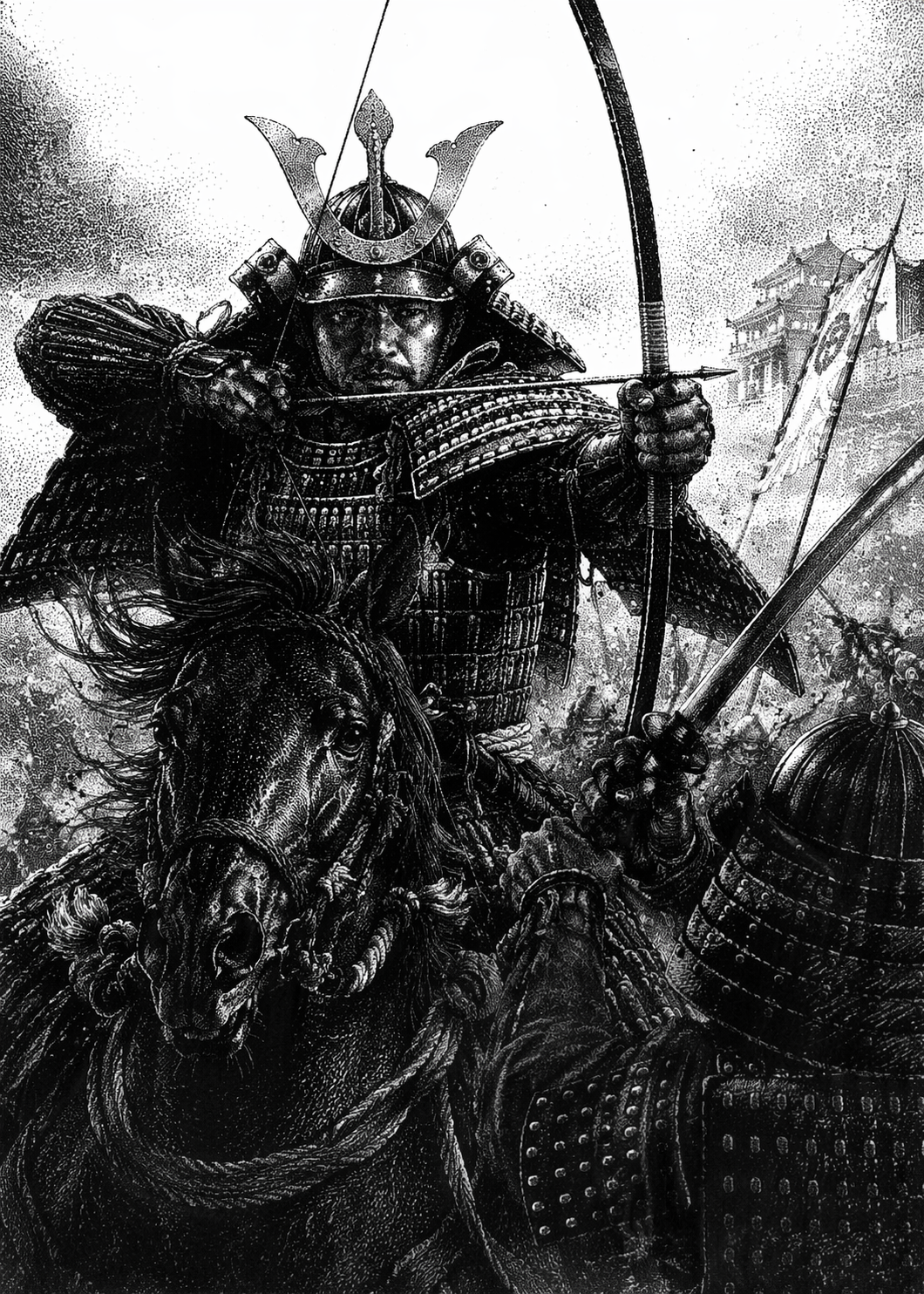
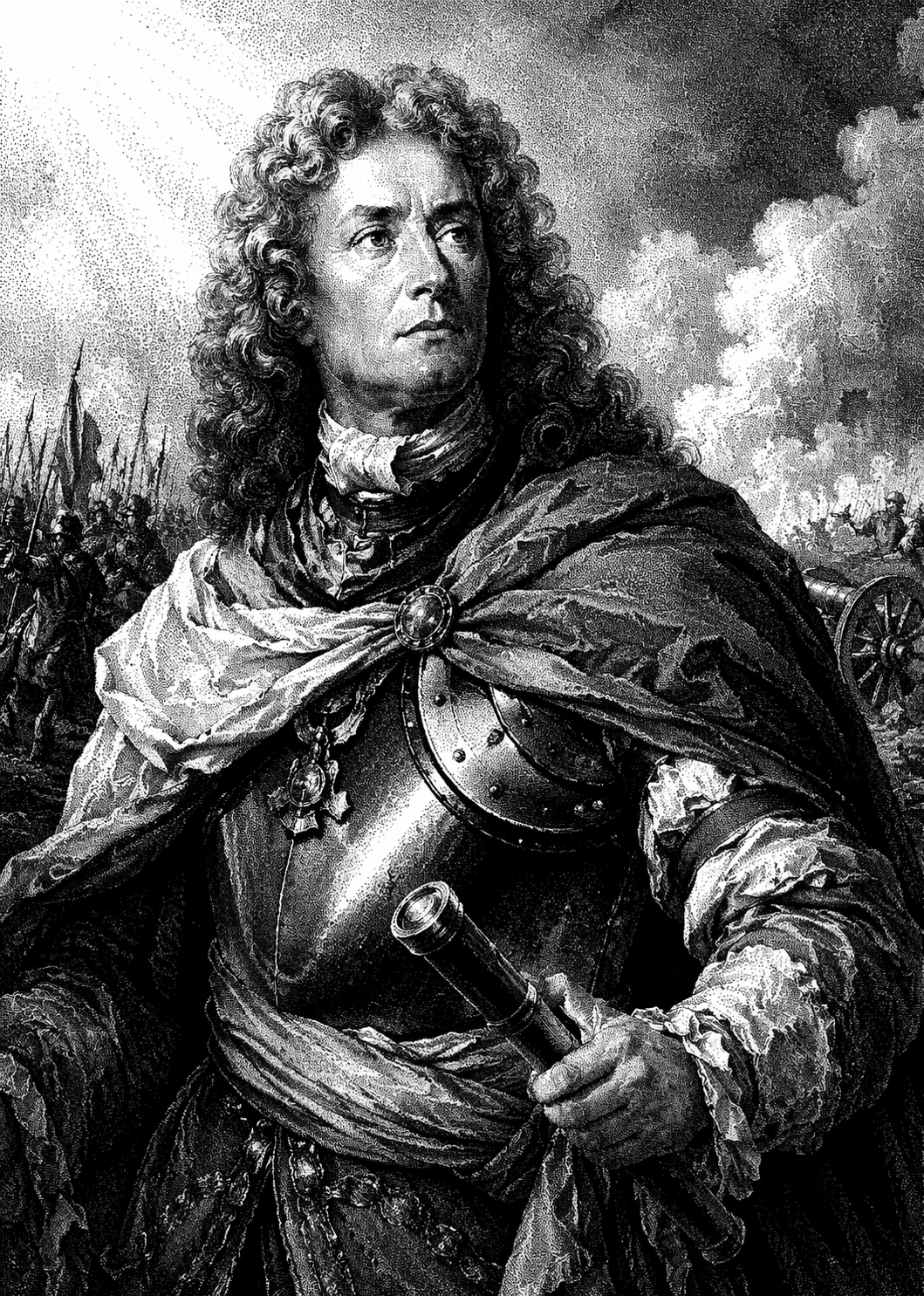
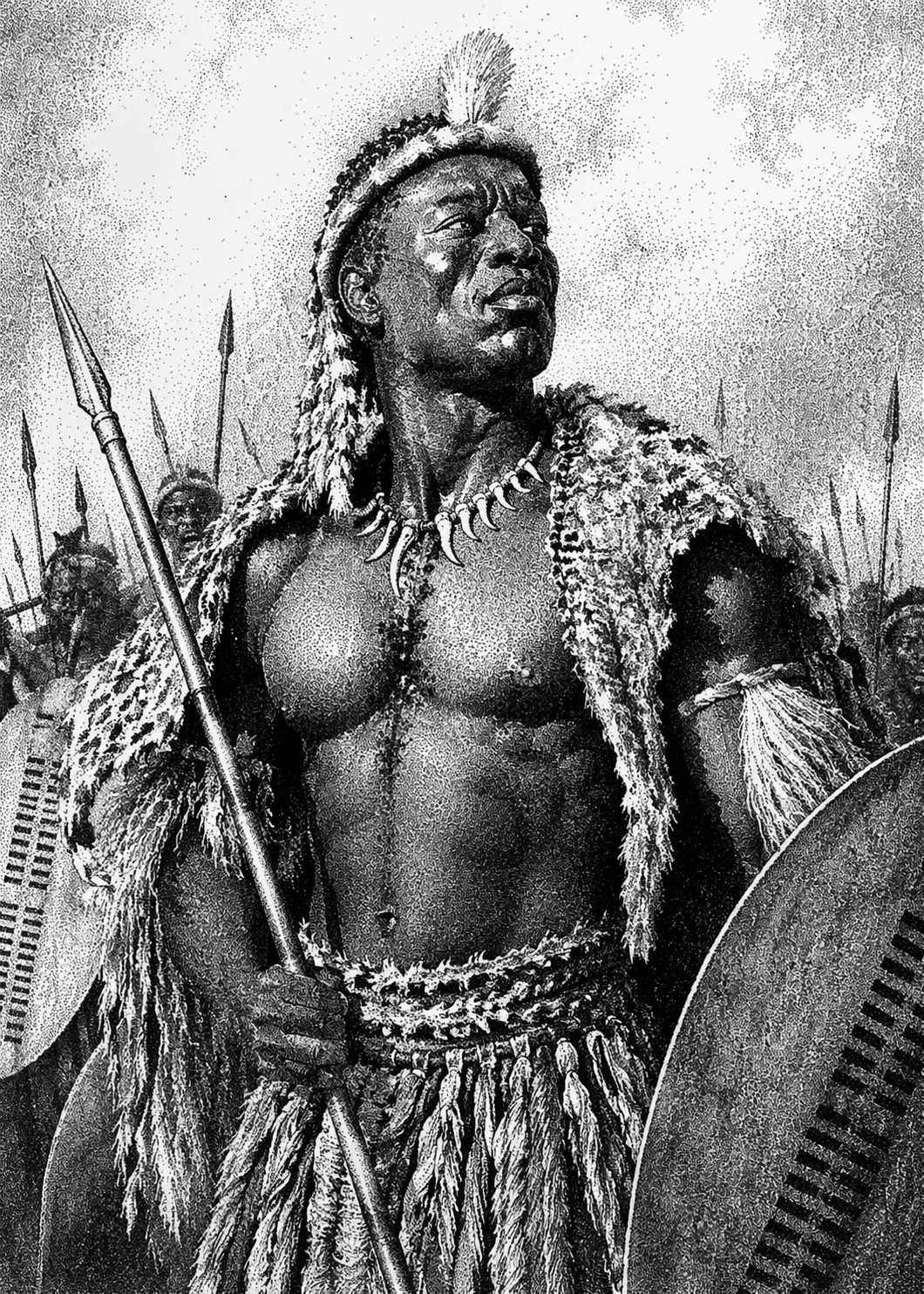
Alexander Nevsky was a 13th-century Russian prince famed for defeating invading forces at the Battle on the Ice in 1242. He became a national hero and later a saint, remembered as both warrior and shrewd diplomat.
Rank - 115