Robert the Bruce
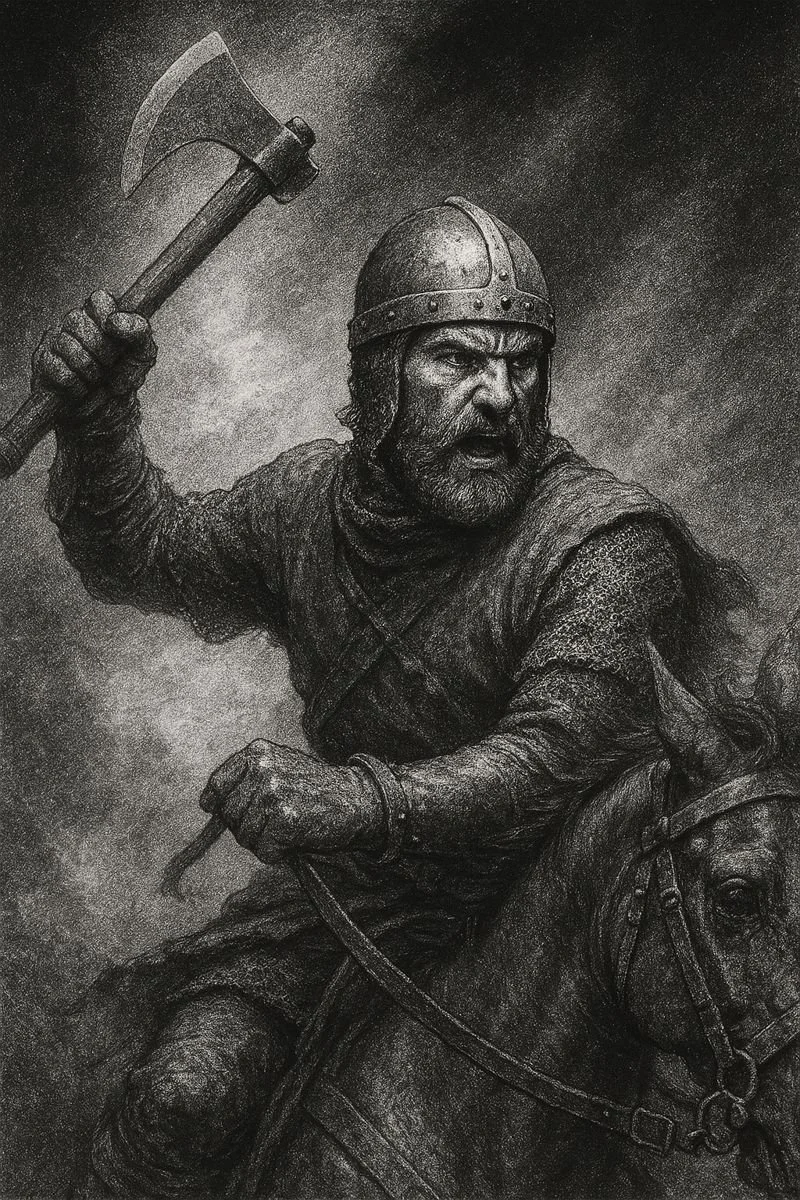
(1274-1329)
Scottish king; resilience and patience defined national endurance.
“If at first you don’t succeed, murder the English and try again.”
— Attributed to no one in particular, but probably everyone in Scotland, 1306
It begins, as most Scottish victories do, with total disaster.
Robert Bruce, 1306 CE—an outlaw with a crown, a fugitive in a world of rain and English chainmail. His coronation had lasted about as long as a decent pub fight before he found himself on the run, his brothers hanged, his allies gutted, and his kingdom nothing but mud under Edward I’s hooves. Scotland wasn’t a country so much as a stubborn rumor, and Bruce was its latest fool with a sword.
He could’ve quit. Everyone else had. William Wallace had been drawn, quartered, and scattered like confetti across England’s greatest hits tour. The clans were exhausted. The nobles were double-dealing. But Bruce, being Scottish, decided quitting was an English habit—and proceeded to make failure a form of training.
They say he hid in a cave for a season, licking his wounds and watching a spider try—and fail, repeatedly—to spin its web. It’s one of those cozy national myths, probably nonsense, but we like it because it’s simple: if at first you don’t succeed, be more like the spider. In truth, Bruce didn’t need a spider to teach him persistence. He already had exile, guilt, and Catholic sin breathing down his neck—better motivators than arachnids ever were.
By 1307, Edward I—“the Hammer of the Scots,” a man who collected conquered nations like souvenirs—was conveniently dead, leaving behind a half-competent heir. Edward II’s hobbies included bad governance and worse favorites. England’s iron grip loosened, and Bruce struck like a wolf crawling back to its den.
He started small: assassinations, raids, the kind of insurgent warfare you’d later see in manuals titled “How to Lose an Empire 101.” His forces were half-starved but patient, ambushing English garrisons, reclaiming castles, burning those he couldn’t hold. By 1314, he’d rebuilt something that looked suspiciously like a functioning rebellion. And waiting to crush it was a proper English army—a rolling armored buffet of knights, banners, and arrogance—led by Edward II himself, come north to end this Scottish nonsense once and for all.
They met at Bannockburn, near Stirling.
June 23, 1314.
It’s hot, which is rare enough in Scotland to be suspicious. The English army—maybe twenty thousand strong—looks like a parade. Bruce commands perhaps half that. His men are commoners: farmers with sharpened poles, peasants wearing hope as armor. The English have cavalry so heavy it could break bones by looking at you. The Scots have mud. Lots of it.
That morning, Bruce rides out to inspect the ground and is spotted by an English knight, Sir Henry de Bohun—a noble, rich, and destined to make history by dying stupidly. De Bohun lowers his lance and charges. A cinematic moment: the thunder of hooves, the glint of steel, the king caught in the open.
Bruce holds his position.
At the last second, he sidesteps, stands in his stirrups, and brings his battle-axe down on the knight’s head with such divine precision that the blade splits helmet, skull, and ego in one clean stroke. The crowd goes wild—at least, the Scottish crowd. Bruce calmly rides back to his men and complains that he’s broken his favorite axe.
That’s leadership.
The next day, the real fight begins. The English charge, expecting peasants to crumble. Instead, the Scots hold. Their schiltrons—tight circles of men bristling with spears—turn cavalry into kebabs. The English horses panic, flounder in the mud, crush their own ranks. Arrows hiss, banners fall, and the battlefield turns into a medieval traffic jam made of corpses.
Edward II, in classic English royal fashion, hides behind someone braver until someone else drags him off the field. By the time it’s over, Scotland isn’t free yet—but it’s alive, which is something. Bruce has done the impossible: he’s beaten an empire with sticks and stubbornness.
Peace doesn’t come quickly. England sulks, retaliates, and forgets how to learn. Bruce spends the next decade juggling diplomacy, rebellion, and the logistics of ruling a country shaped like a heartbreak. But Bannockburn becomes legend—proof that patient fury beats polished tyranny every time.
By the time Bruce dies in 1329, he’s secured independence, crown, and myth. His last request? That his heart be removed and carried to the Holy Land on crusade—because why die once when you can have your organs tour Europe?
James Douglas, his most loyal lieutenant, takes the heart in a silver casket and sets out. He makes it as far as Spain, where he joins a Christian campaign against the Moors, because apparently geography and purpose are optional. In battle, Douglas hurls Bruce’s heart ahead of him, shouting, “Lead on, brave heart, and I will follow thee or die!”
Which is possibly the most metal death cry in medieval history—right before Douglas is cut down and dies doing exactly that. The heart is later recovered and buried at Melrose Abbey. Scotland, forever sentimental, turned it into a national emblem centuries later.
That’s the legend: a man so stubborn he ruled from exile, so brutal he led from the front, and so symbolic he kept fighting after death.
But myths are kind. They forget the contradictions. Bruce had murdered his rival, John Comyn, in a church—technically a sin, even by medieval standards. He’d switched sides in the early wars. He’d exiled his own allies when it suited him. But Scotland didn’t need a saint—it needed a bastard with patience.
Over the centuries, he’s been everything: patriot, king, hero, traitor, saint, spider whisperer. The Victorians painted him as the ideal romantic warrior; Hollywood turned him into Mel Gibson’s emotional support monarch in Braveheart; tourists buy keychains shaped like his face. If history is a pub tale, Robert the Bruce is the version you tell after three drinks—louder, bloodier, and mostly true.
So here’s the joke history keeps telling: England spent centuries trying to erase Robert the Bruce. They hanged his brothers, hunted his allies, burned his land. But every time they did, the myth got stronger. Because Scotland’s favorite pastime isn’t whiskey, or football, or rebellion—it’s endurance.
And that’s what Bruce was: the personification of slow, relentless endurance. The spider in the cave, the axe in the skull, the heart in the box.
The man who turned losing into an art form until the only option left was victory.
Robert the Bruce didn’t just beat an empire—he taught the English the one thing they’ve never mastered: how to take a bloody hint.
Warrior Rank #130
Suggested Sources (mostly credible, partly whisky-fueled):
Barrow, G. W. S. Robert Bruce and the Community of the Realm of Scotland. Edinburgh University Press, 1988.
Prestwich, Michael. Edward I. Yale University Press, 1997.
The Bruce, by John Barbour, 1375 (translation varies; national myth guaranteed).
The Act of Union, 1707: Scotland’s Longest Hangover, ed. I. Drummond, pub. somewhere near a pub.
Braveheart 2: The Spider’s Revenge (unfilmed, thank God).

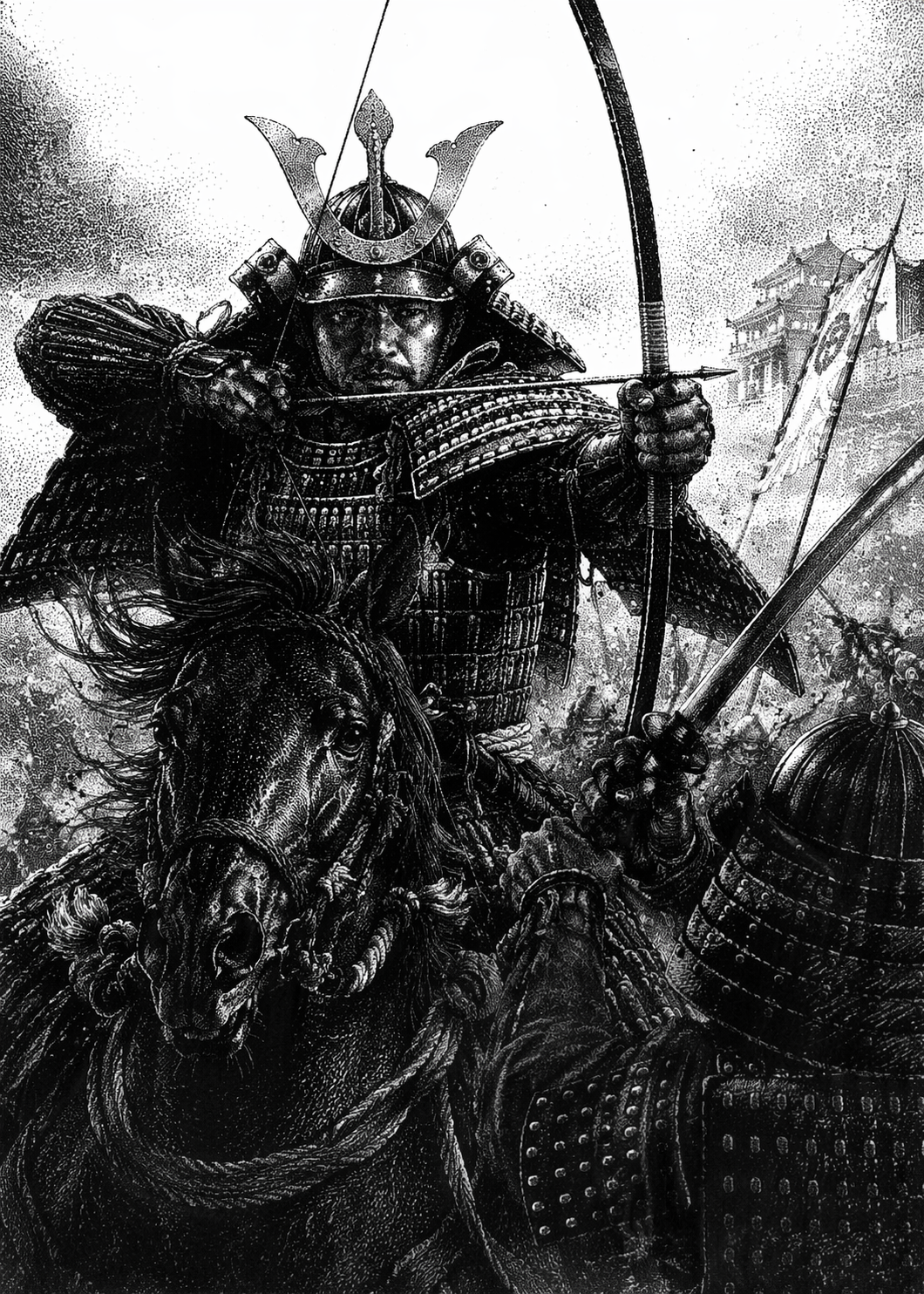
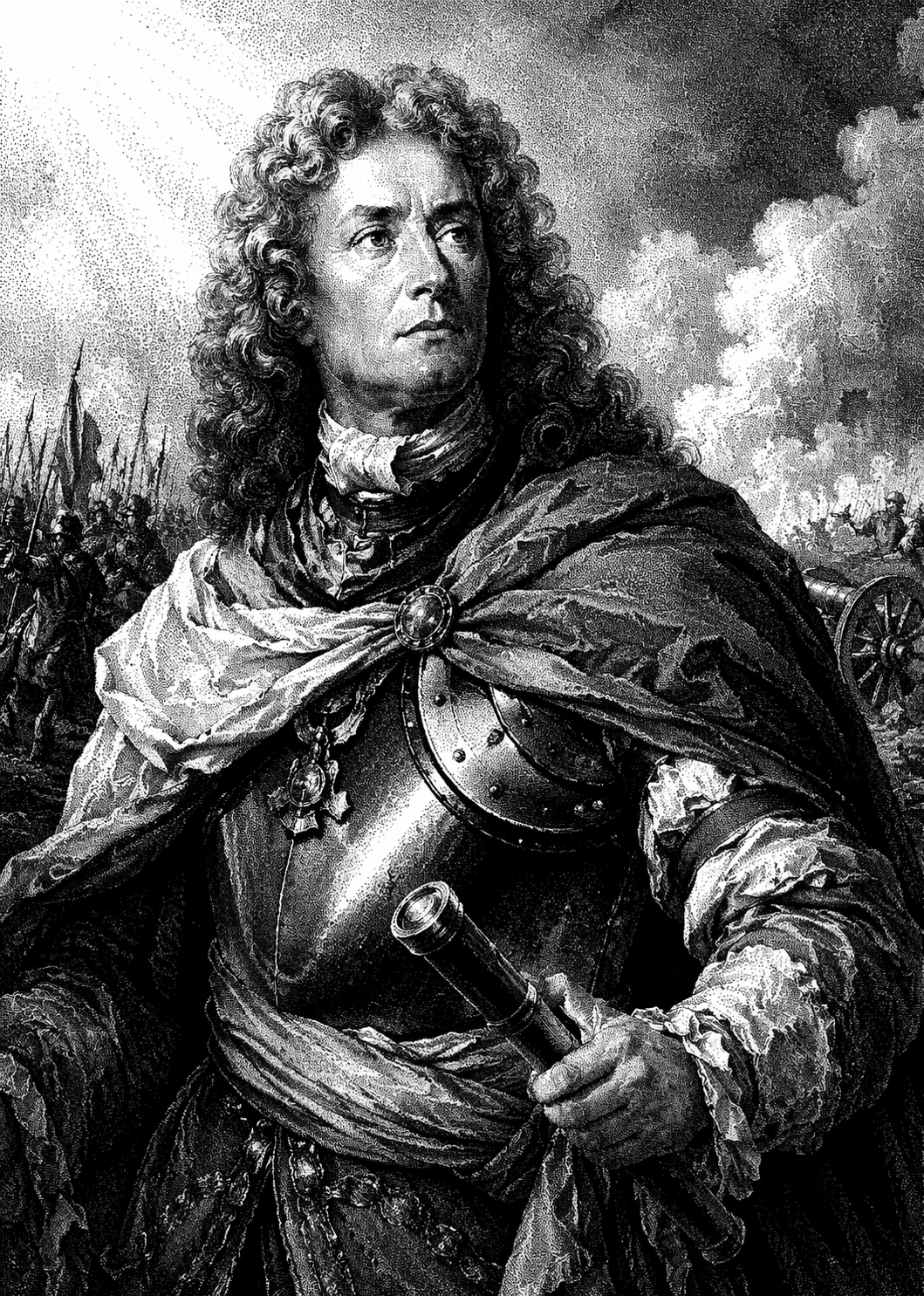
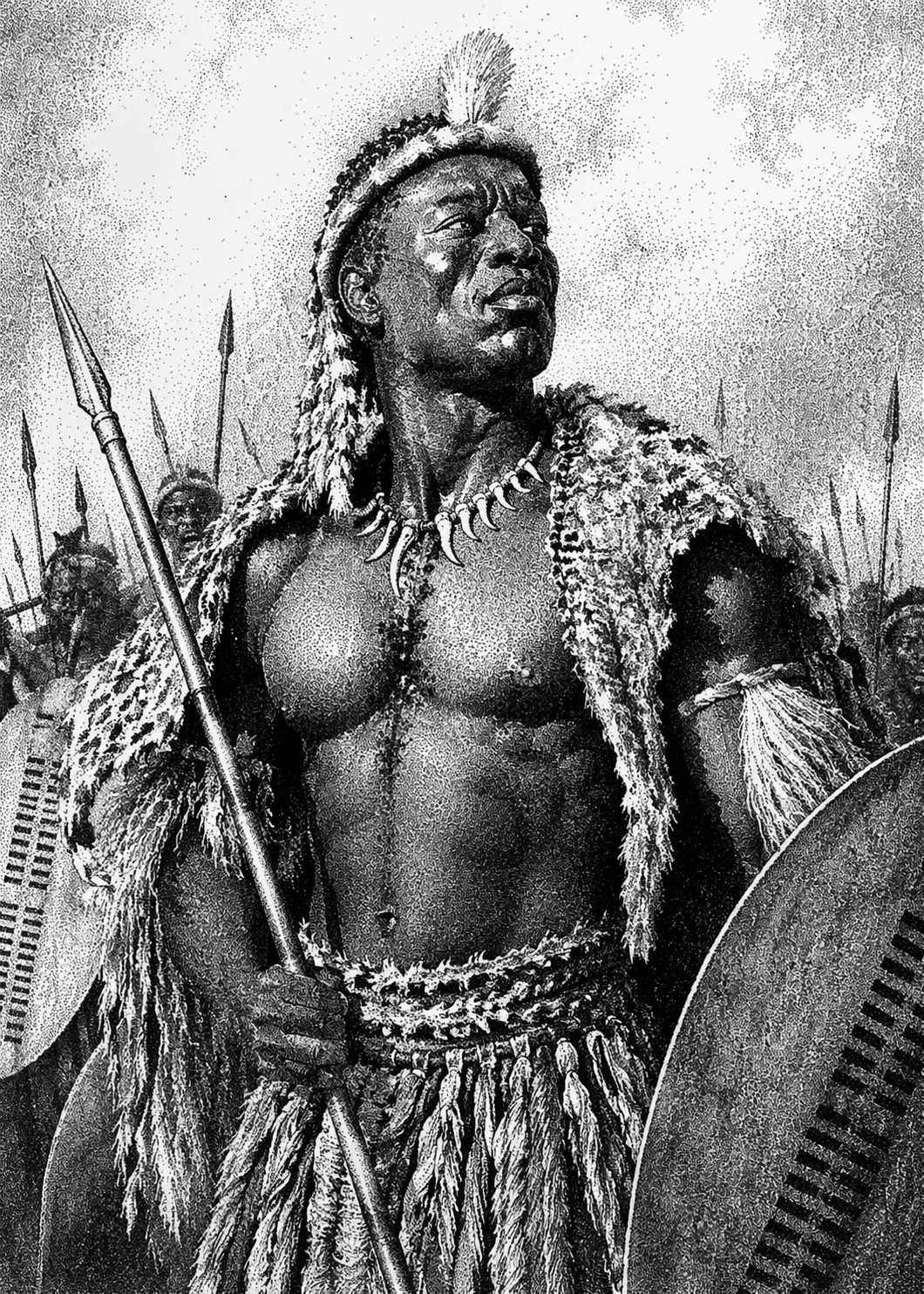
Alexander Nevsky was a 13th-century Russian prince famed for defeating invading forces at the Battle on the Ice in 1242. He became a national hero and later a saint, remembered as both warrior and shrewd diplomat.
Rank - 115