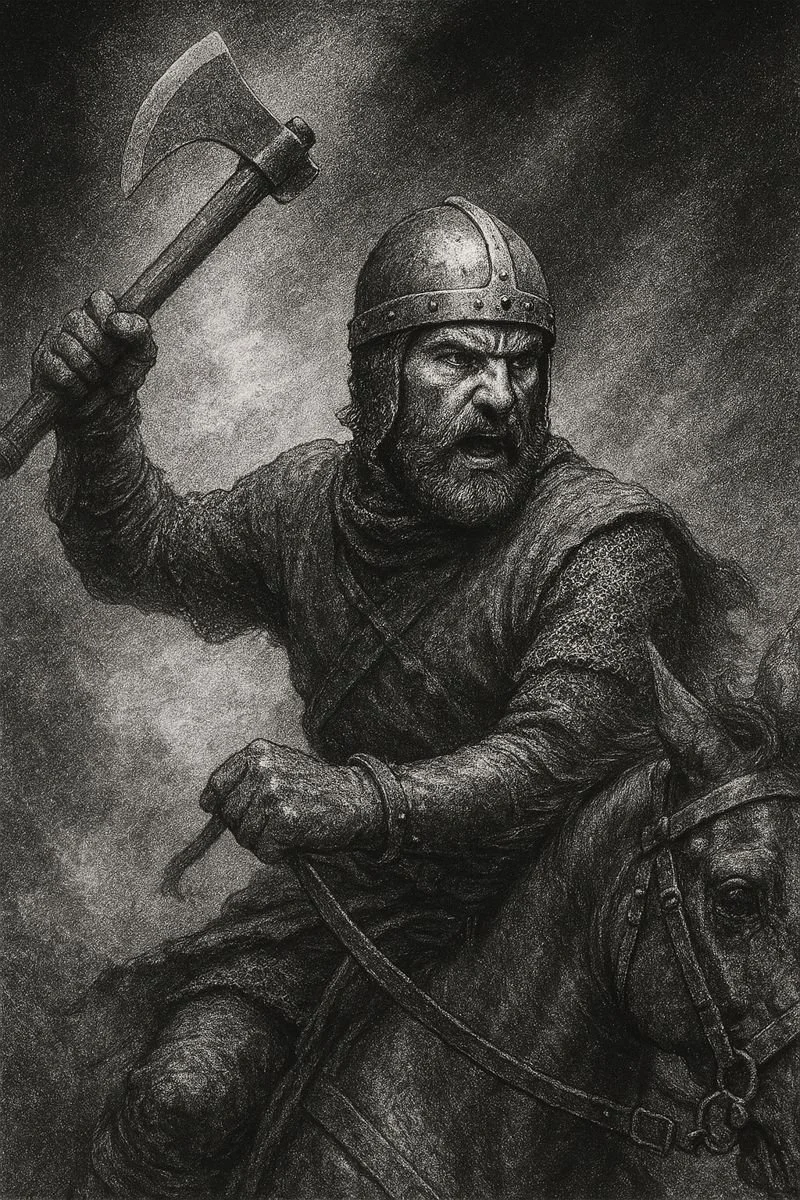
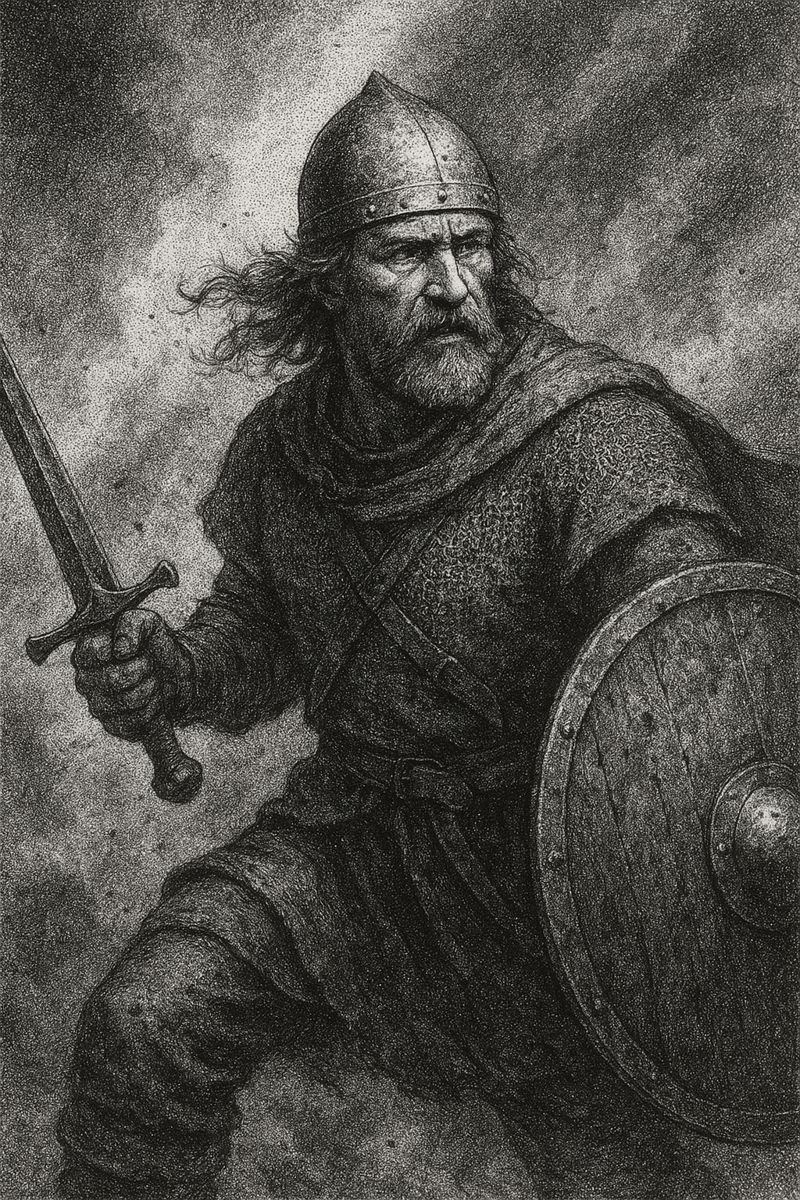
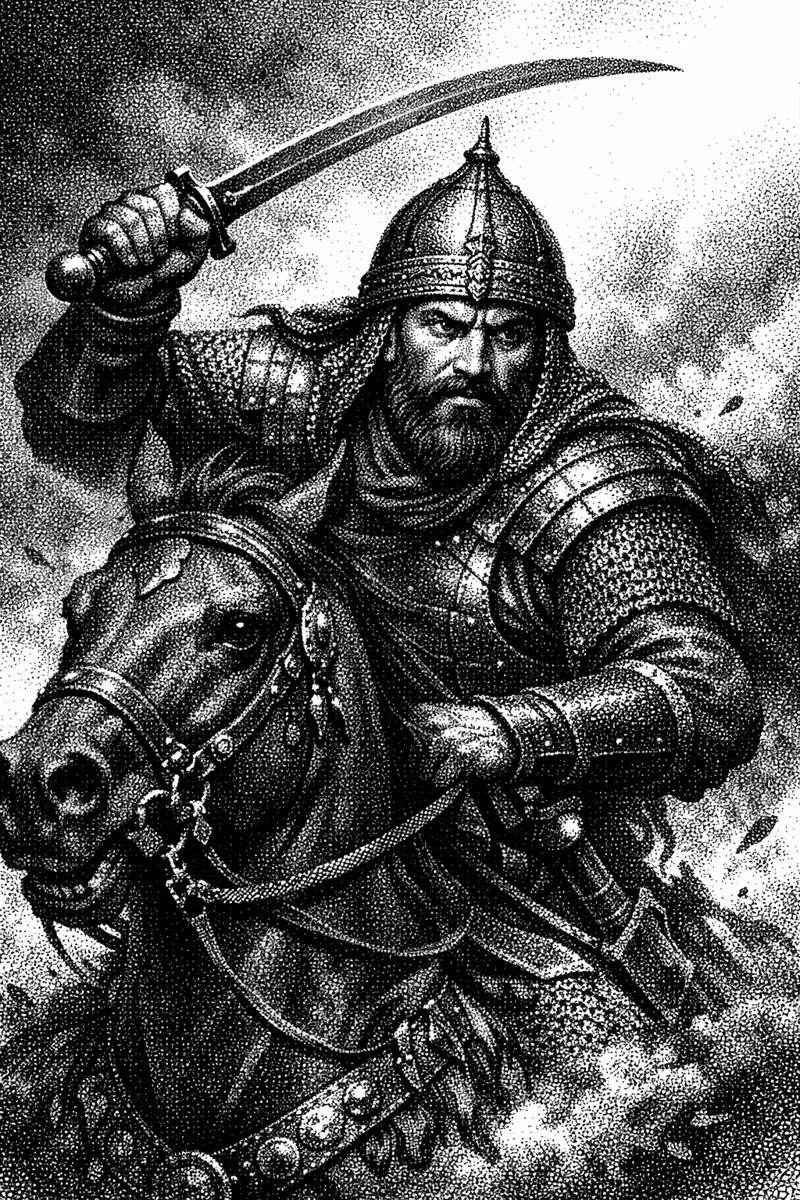
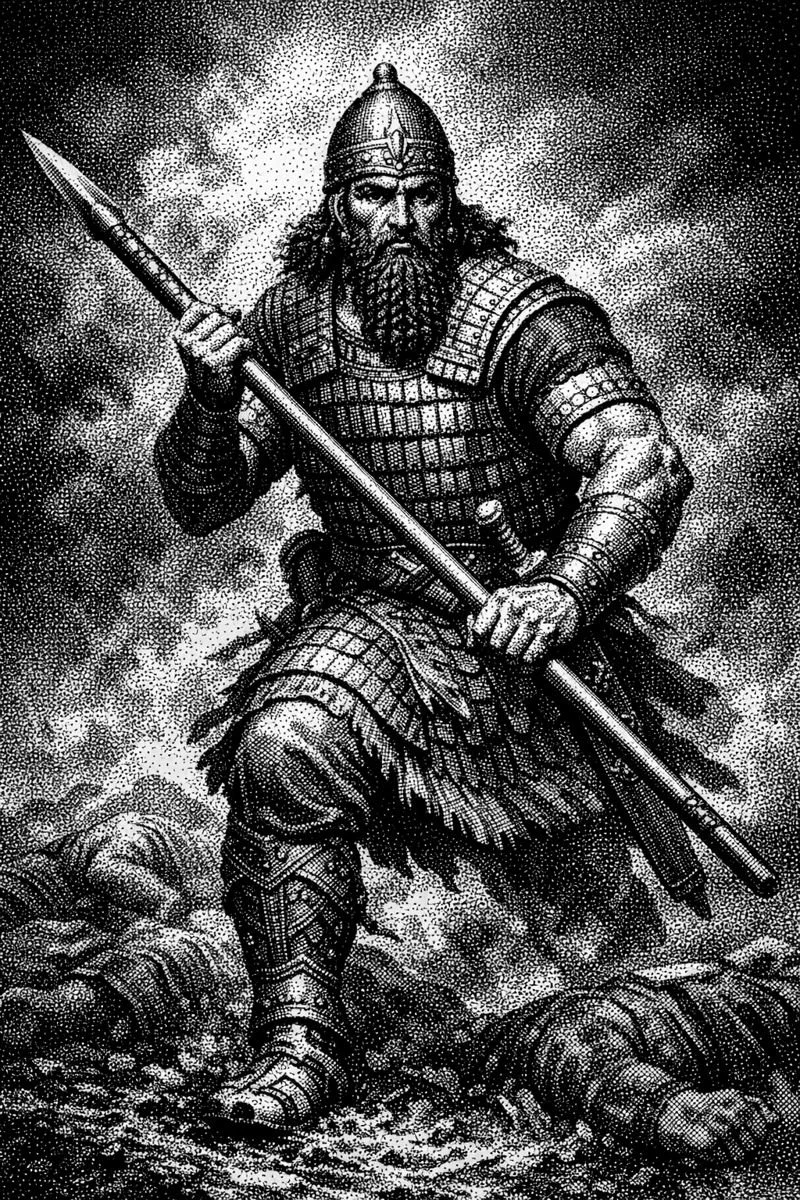
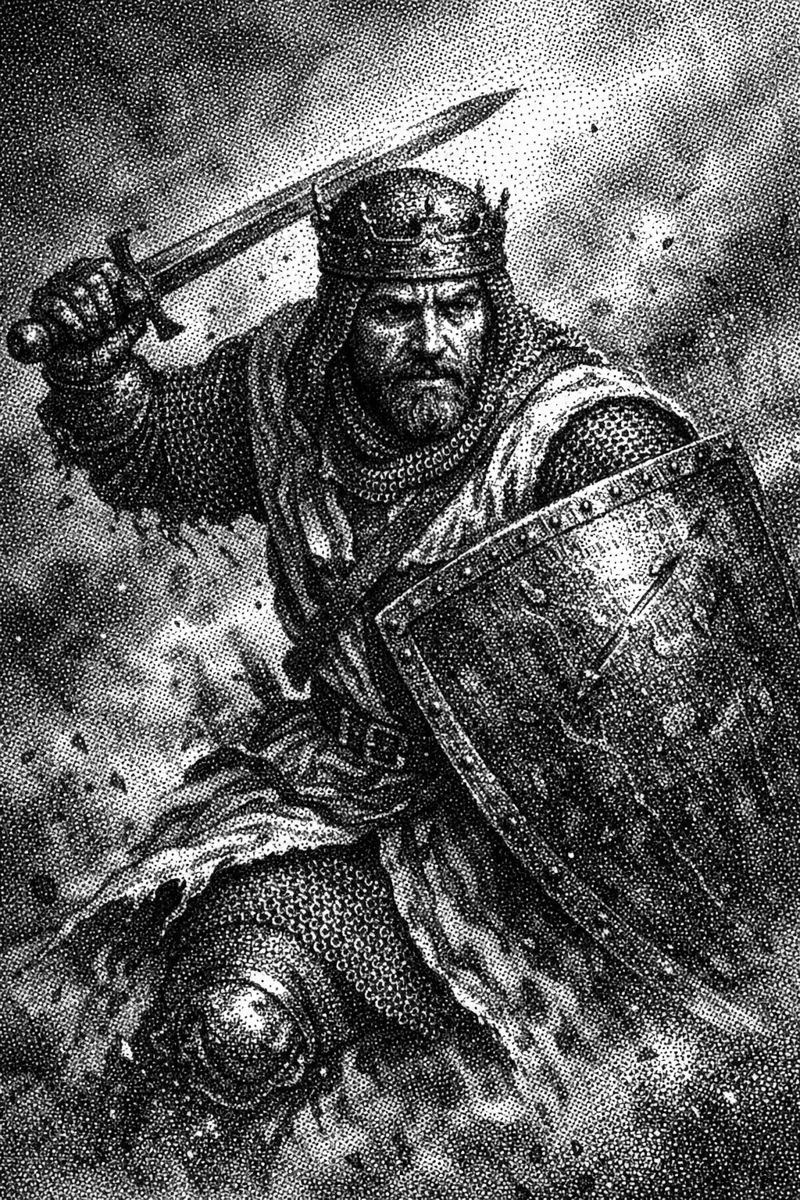
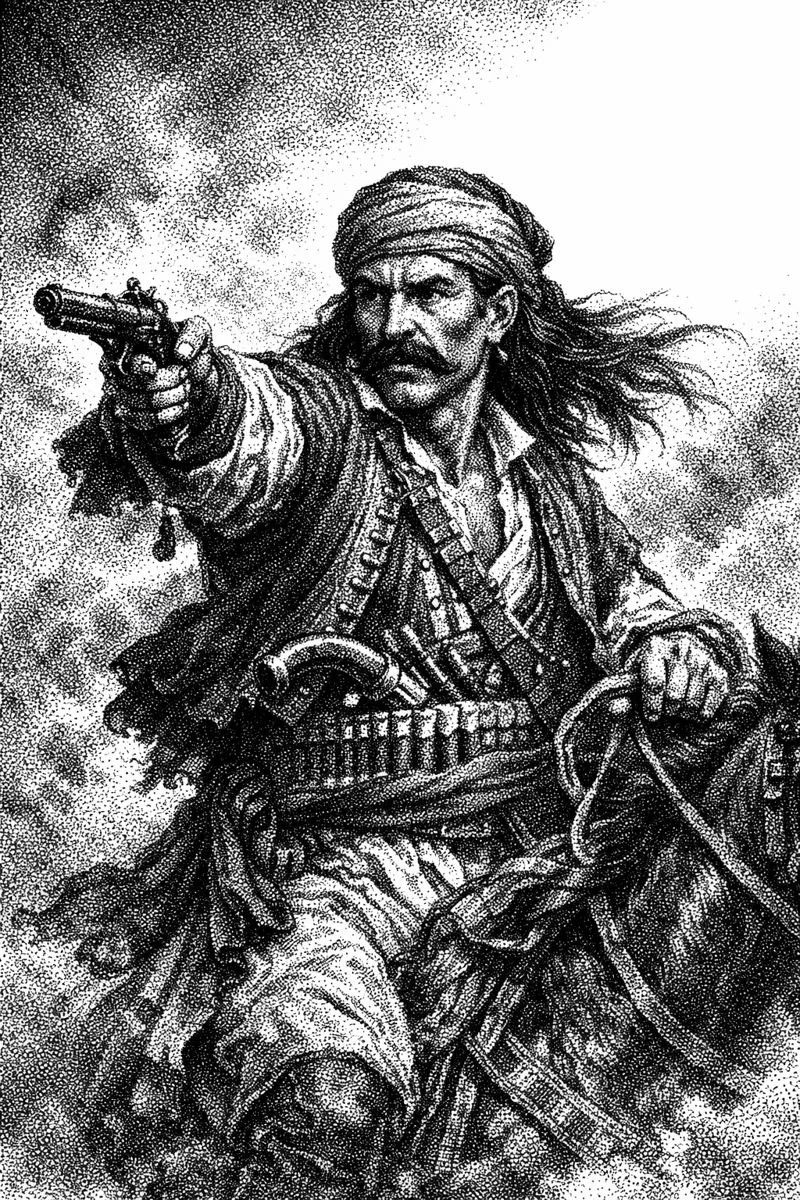
The Scottish king who turned exile, defeat, and civil war into a long, grinding campaign for independence through patience, guerrilla warfare, and ruthless resolve. His victory at Bannockburn made him a national symbol of endurance, proving that stubborn survival can outlast empires built on force alone.
Rank - 130
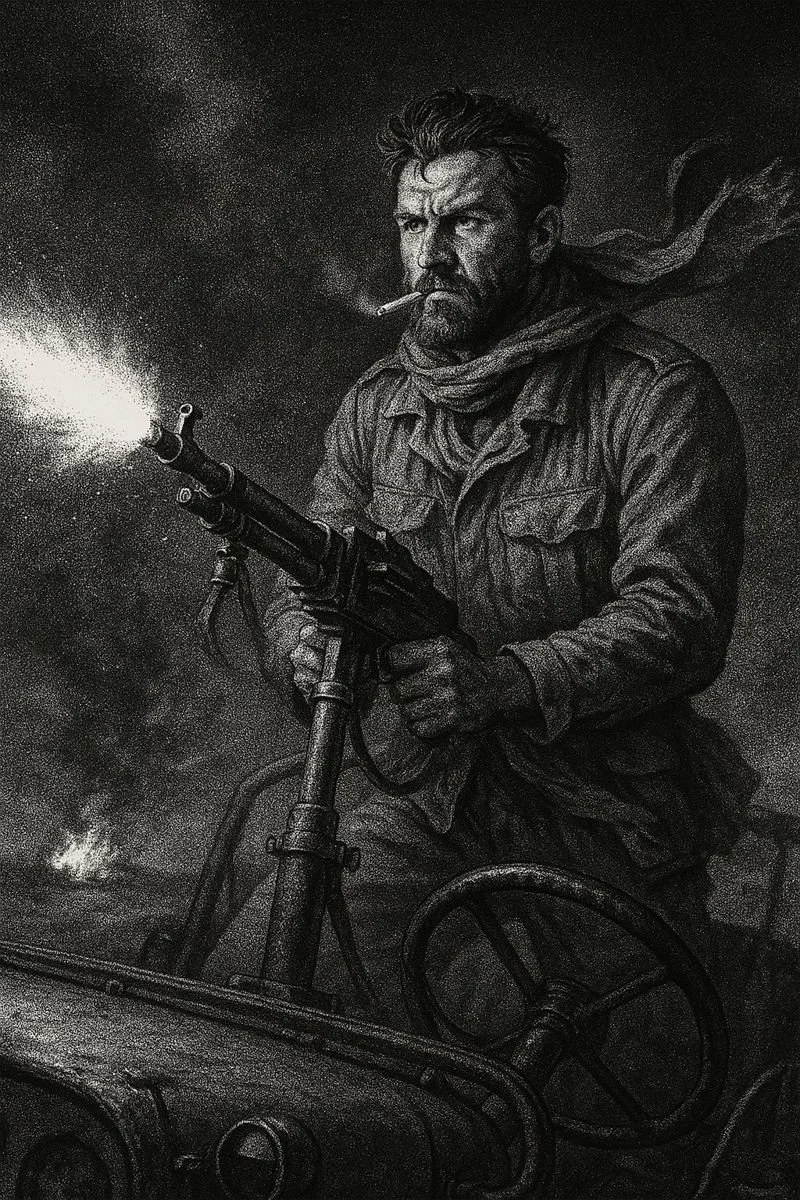
A founding member of the SAS and one of World War II’s most feared raiders, leading audacious nighttime attacks that destroyed enemy airfields and shattered the myth of rear-area safety. Brilliant, violent, and deeply unstable, he embodied the brutal effectiveness of irregular warfare and became a lasting archetype of special forces legend.
Rank - 131
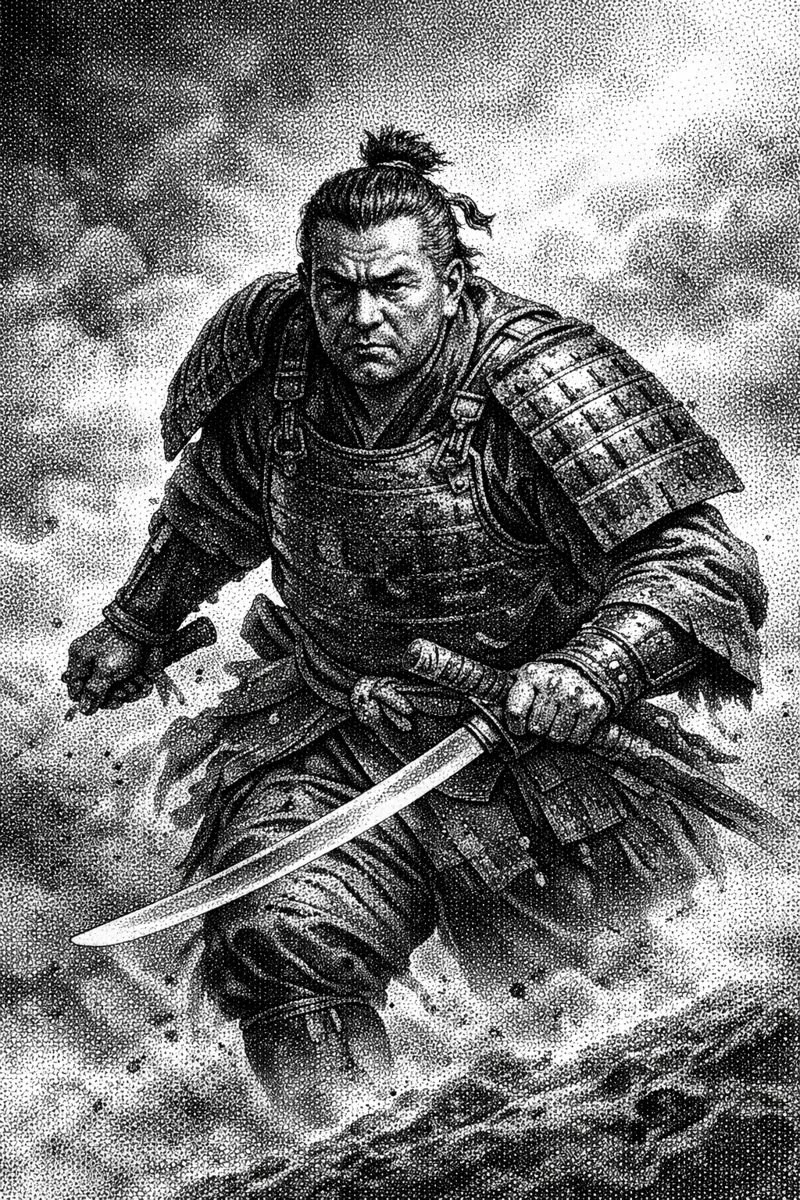
Saigō Takamori helped forge modern Japan, then died trying to stop it, leading the last samurai into a hopeless stand against rifles, artillery, and the future itself. His defeat at Shiroyama ended feudal warfare and transformed a failed rebel into an immortal symbol of honor crushed by progress.
Rank - 135
She turned the savannah into her empire and built walls strong enough to outlast the men who doubted her.
Rank - 136
He turned Rome’s order into chaos—and the forest into a grave that still whispers.
Rank - 142
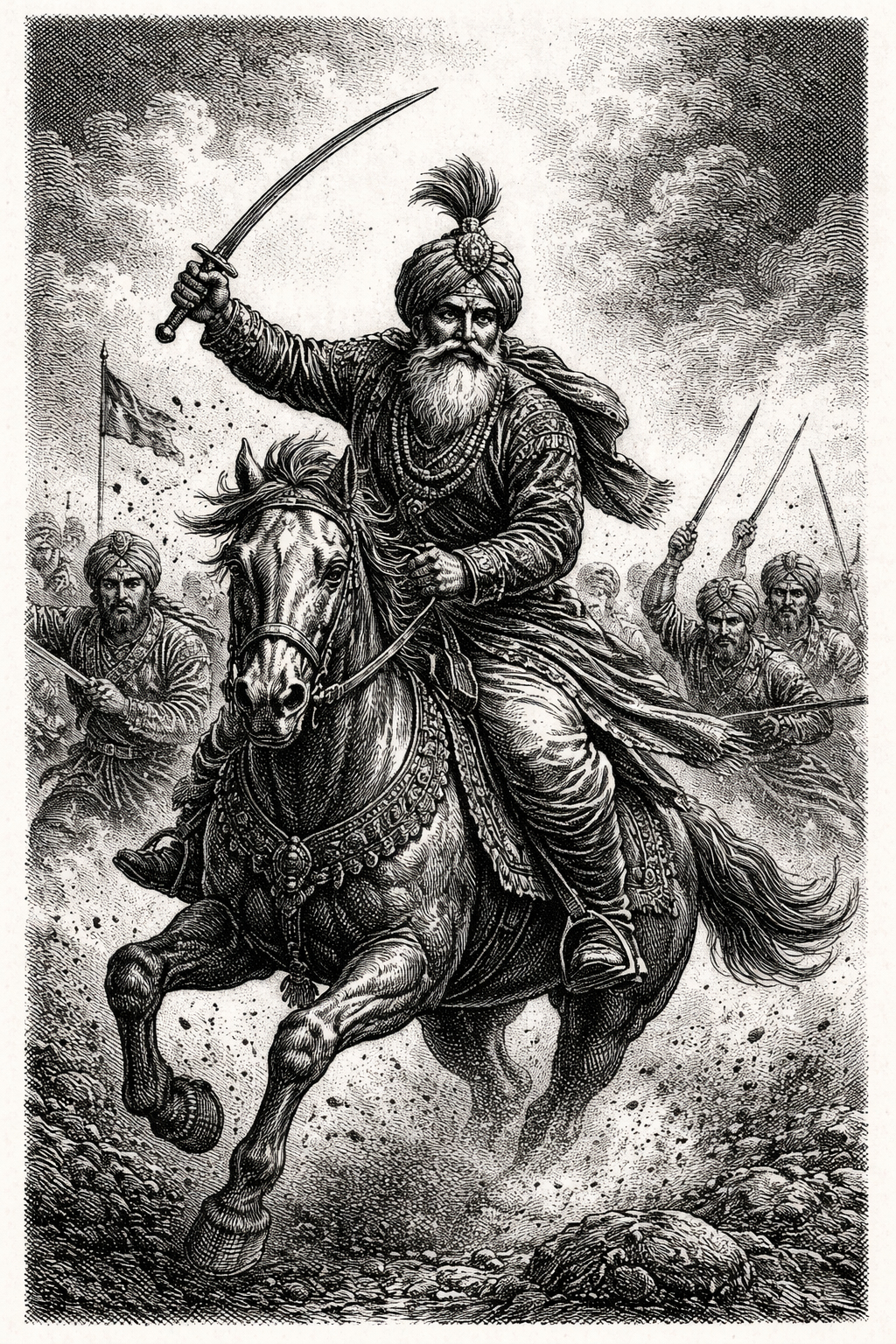
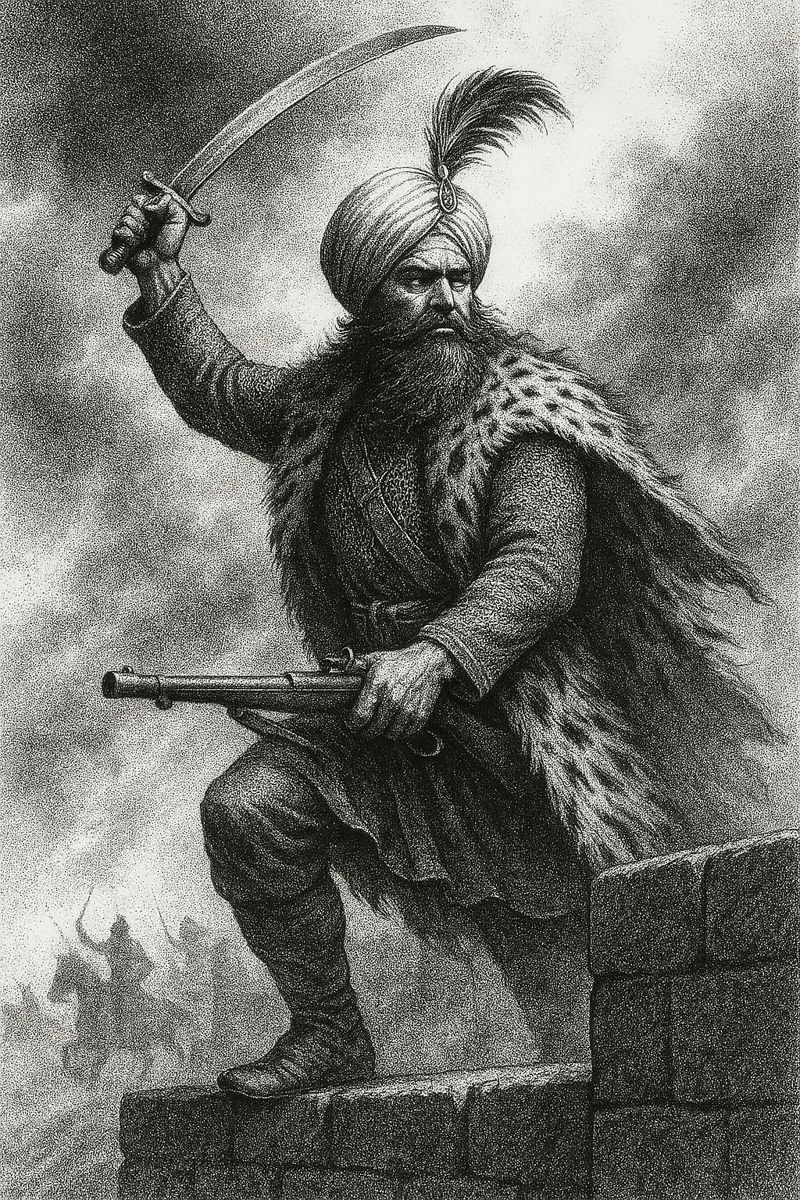
Hari Singh Nalwa was a leading general of the Sikh Empire who secured its northwest frontier and halted repeated Afghan incursions into Punjab. Serving under Maharaja Ranjit Singh, he became a symbol of Sikh military power and frontier rule, remembered for his campaigns from Kashmir to the Khyber Pass.
Rank - 143
John Hunyadi (c. 1407–1456) was a Hungarian military commander and crusader who repeatedly halted Ottoman expansion into Central Europe. His decisive defense of Belgrade in 1456 delayed Ottoman advances for decades and cemented his reputation as the Balkans’ last great shield.
Rank - 144
When the walls of Seringapatam fell, he didn’t flee—he fought until the tiger stripes faded from his own blood.
Rank - 146
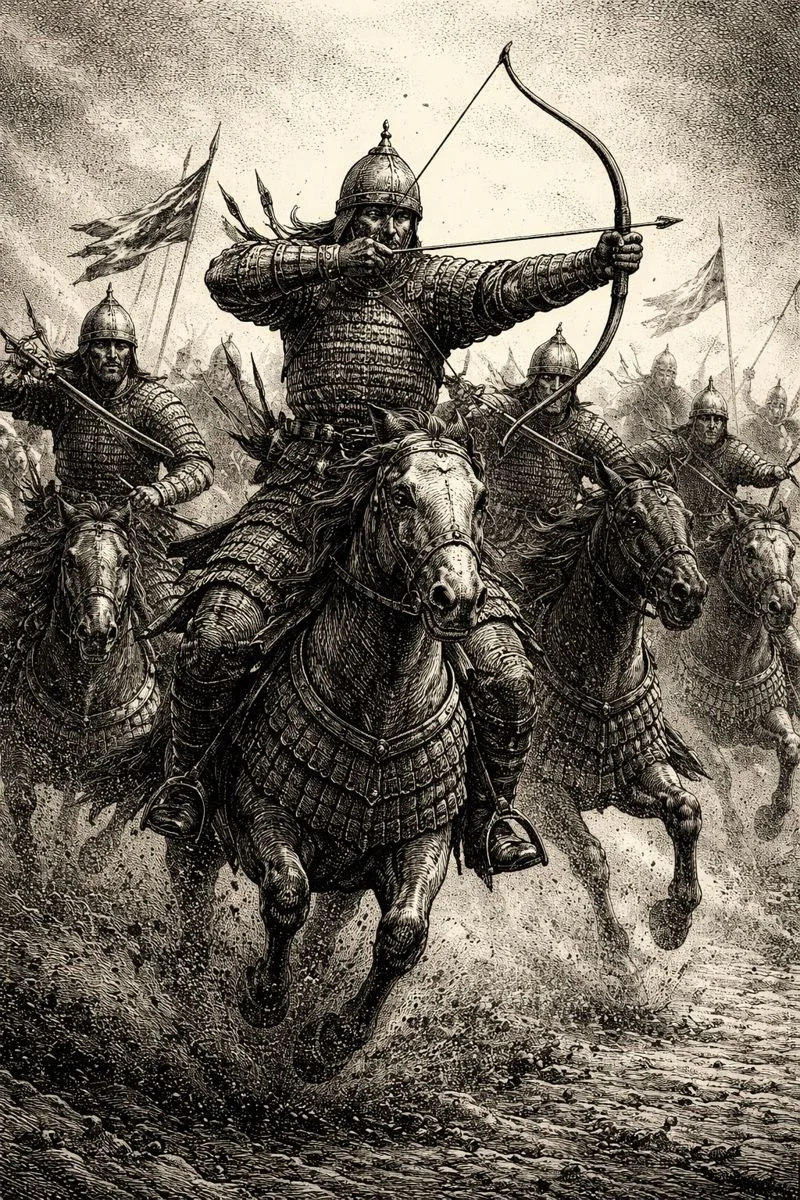
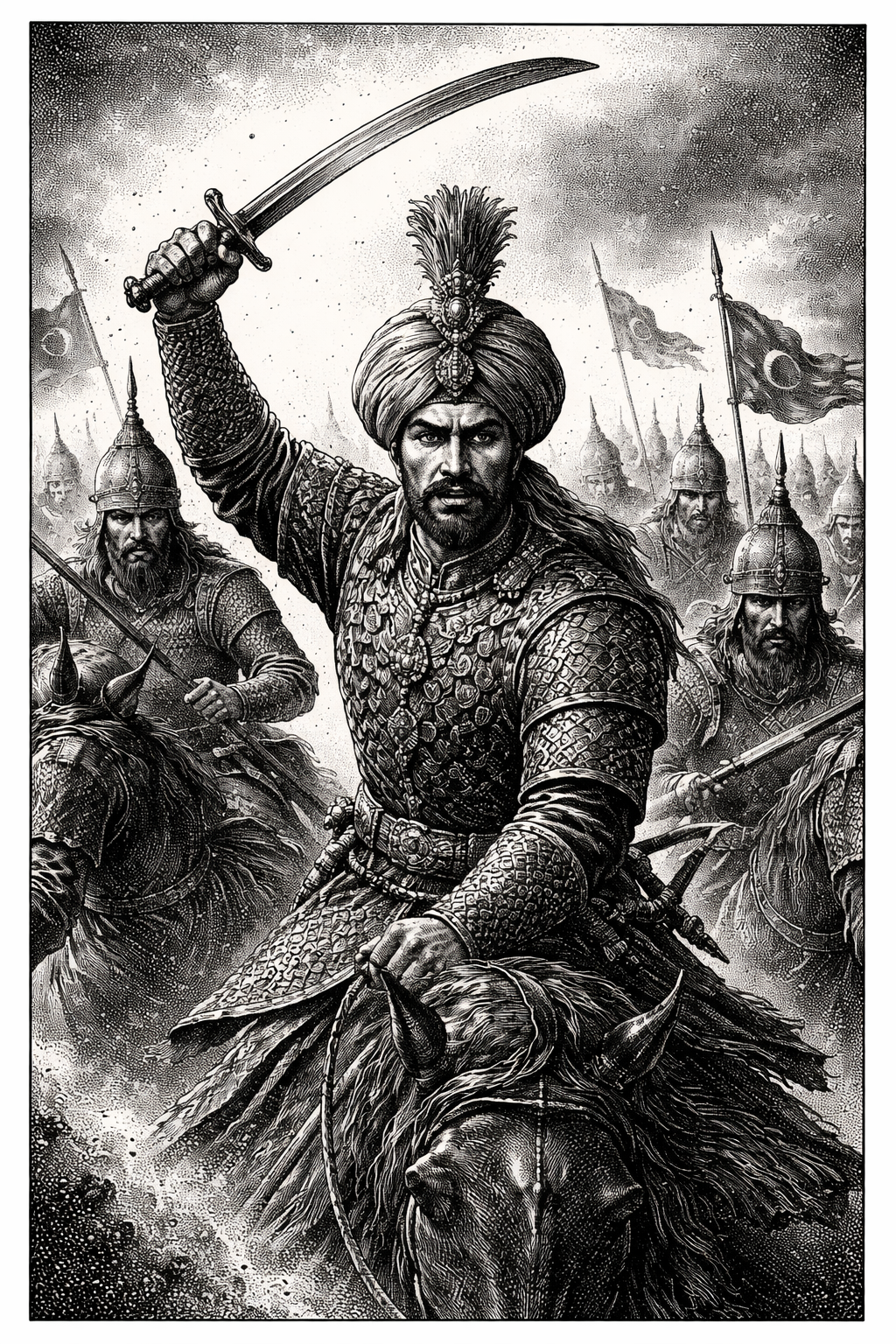
Mahmud of Ghazni (c. 971–1030) was a Turkic ruler and the first major sultan, renowned for his highly mobile cavalry campaigns that projected Ghaznavid power across Central Asia and deep into the Indian subcontinent. Both a fierce military raider and a calculated patron of Persian culture, he left a legacy shaped equally by conquest, wealth extraction, and enduring historical controversy.
Rank - 147
Tiglath-Pileser I was an Assyrian king of the 12th century BCE who expanded his empire through relentless military campaigns and the calculated use of terror as state policy. His meticulously recorded conquests turned violence into propaganda and set the template for later Assyrian imperial power.
Rank - 149
Baldwin I of Jerusalem was the first king of the Crusader Kingdom of Jerusalem, a hard-edged Frankish warlord who turned conquest into governance. He secured and expanded the kingdom through relentless warfare, political pragmatism, and a clear-eyed understanding that survival mattered more than sanctity.
Rank - 150
Greek revolutionary commander of the War of Independence, famed for ruthless guerrilla tactics, obscene candor, and battlefield brilliance. A klepht turned national hero who fought the Ottoman Empire with ambushes, audacity, and a terminal disregard for authority.
Rank - 151
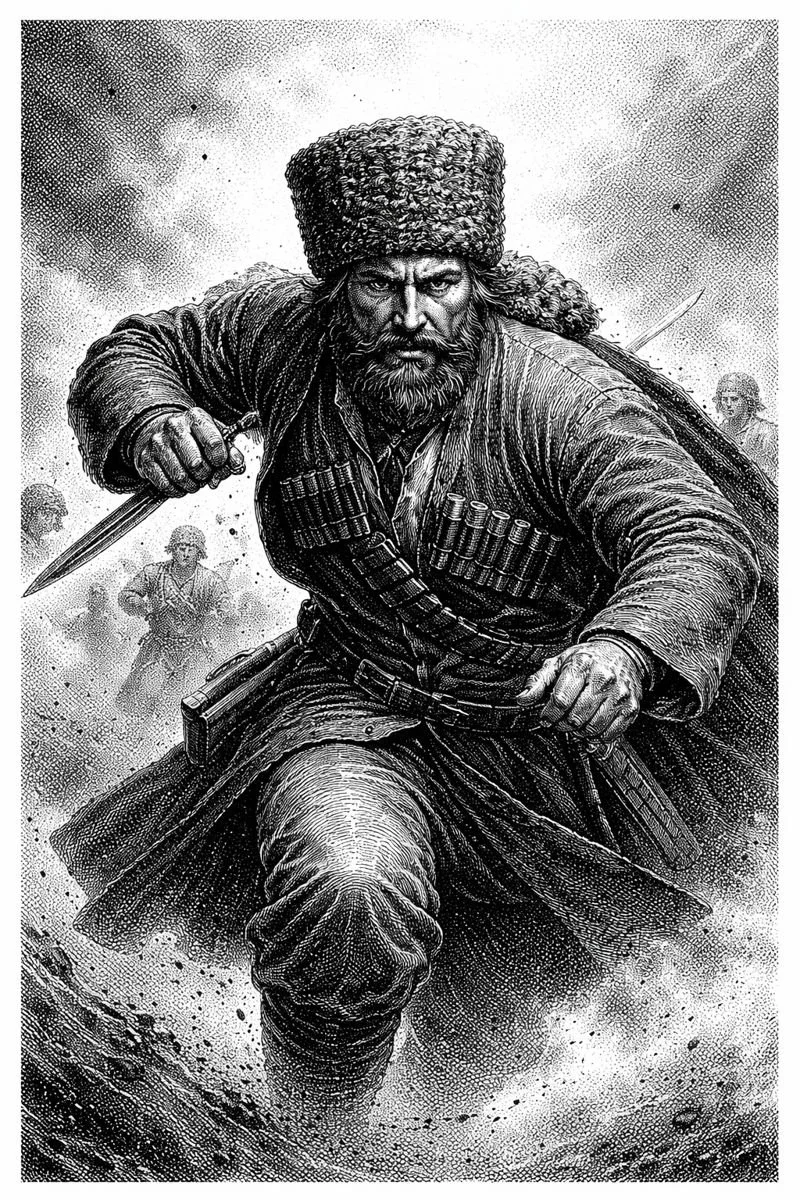
Mountain warlord, double-crossing survivor, and nightmare of the Russian Empire. He fought for faith, power, and family in that order—then died doing all three at once, proving the Caucasus never belonged to anyone who wanted it neatly.
Rank - 153
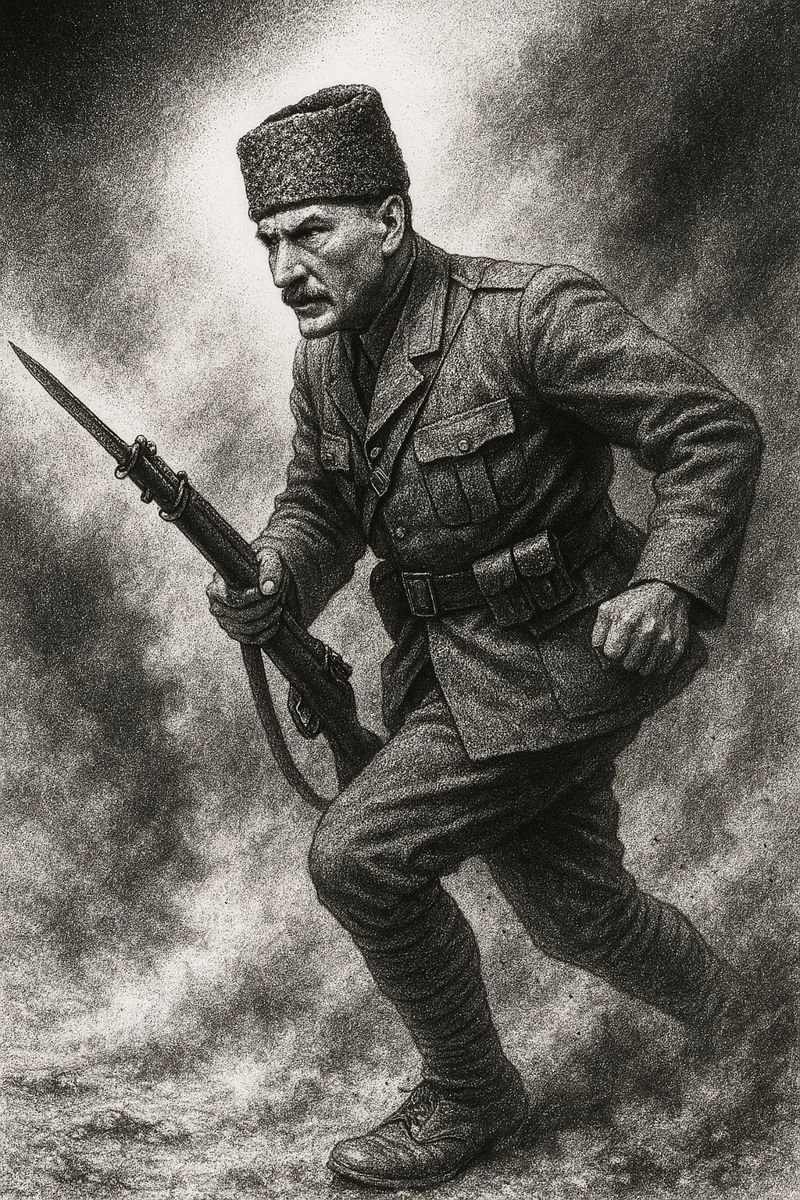
Mustafa Kemal Atatürk was the soldier-statesman who crushed an invasion at Gallipoli and then dismantled a collapsing empire to build a fiercely secular modern Turkey.
Rank - 154
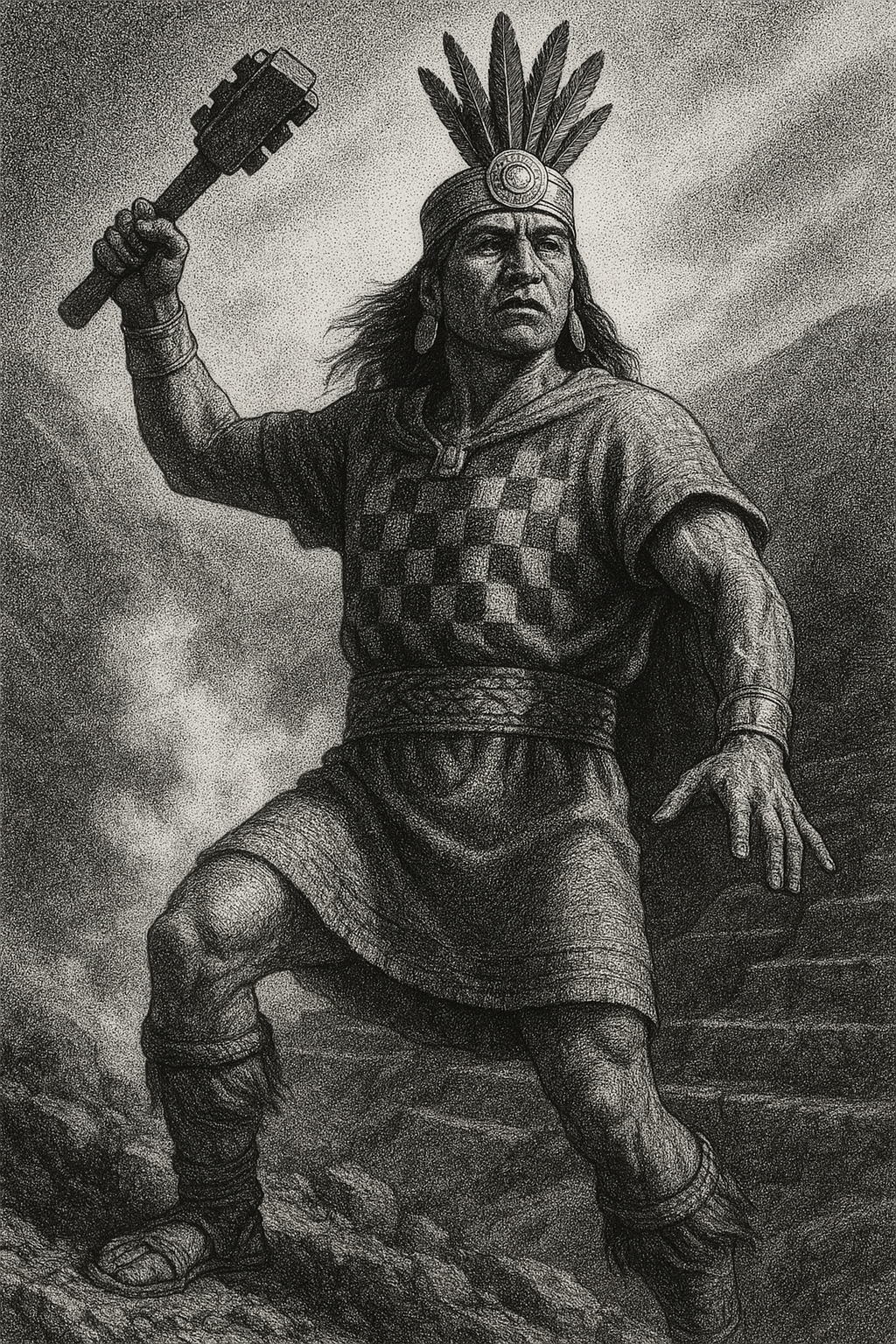
He rebuilt the Andes into an orderly machine and made the world climb with him.
Rank - 159
He conquered the Andes with mathematics, sunlight, and an unreasonable sense of direction.
Rank - 160
Yūsuf ibn Tāshfīn carved an empire from the Sahara to al-Andalus with austere discipline, relentless cavalry, and a quiet ruthlessness that outlived every king who underestimated him.
Rank - 162
Moulay Ismail ruled Morocco like a furnace with a crown, forging unity through terror, the Black Guard, and a fifty-year rei gn where mercy was the only thing he never built.
Rank - 163
Abd el-Krim was the Amazigh strategist who united the Rif tribes, shattered Spain at Annual, and became a defining symbol of 20th-century anti-colonial resistance.
Rank - 171
Ariel Sharon’s life reads like a battlefield map—bold advances, scorched retreats, and a legacy carved in dust, defiance, and the fine print of history’s moral gray zone.
Rank - 187
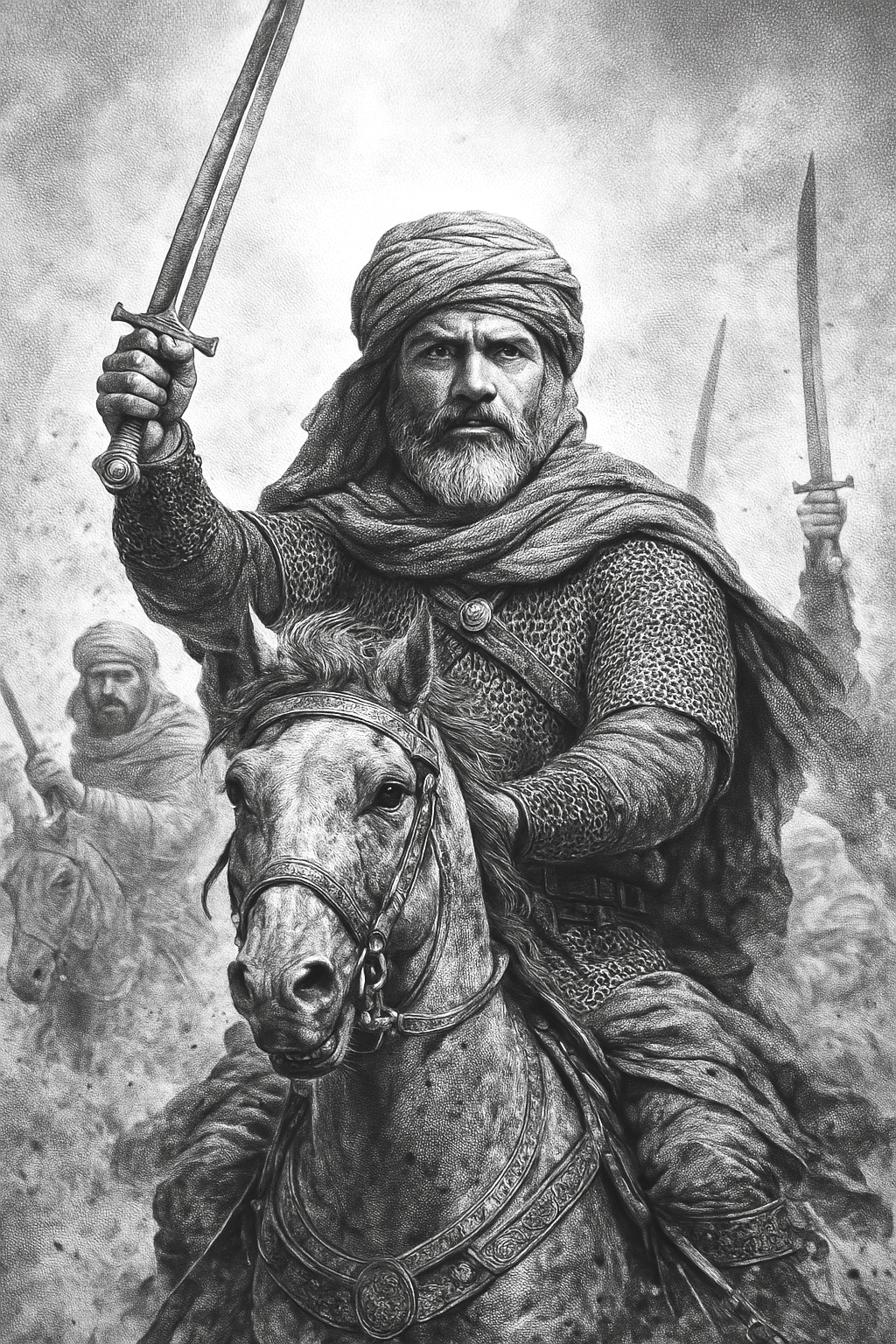
Khalid ibn al-Walid, the undefeated “Sword of God,” carved an empire from the desert with speed, faith, and a blade that never once tasted defeat.
Rank - 189
Basil II, the grim accountant of empire, turned vengeance into policy and left the Balkans blind to remind the world that mercy was never in his ledger.
Rank - 192
Defiant to her final breath, Dihya united the Berber tribes and turned the desert itself into a weapon against the invading Caliphate.
Rank - 193
Lozen rides through the burning haze of the desert, rifle raised and eyes fixed on the horizon — a warrior, a prophet, and the last whisper of Apache defiance.
Rank - 194
She turned a desert outpost into an empire, crowned herself against Rome, and rode into history as the queen who made rebellion look divine.
Rank - 197
The Seljuk ghulams were elite slave-soldiers forged into a professional cavalry core, bound by pay, training, and proximity to power rather than blood or tribe. As a disciplined hinge of the Seljuk war machine, they delivered controlled violence that reshaped battlefields from Iran to Anatolia and left a template later empires would copy without apology.
Group Rank - 174
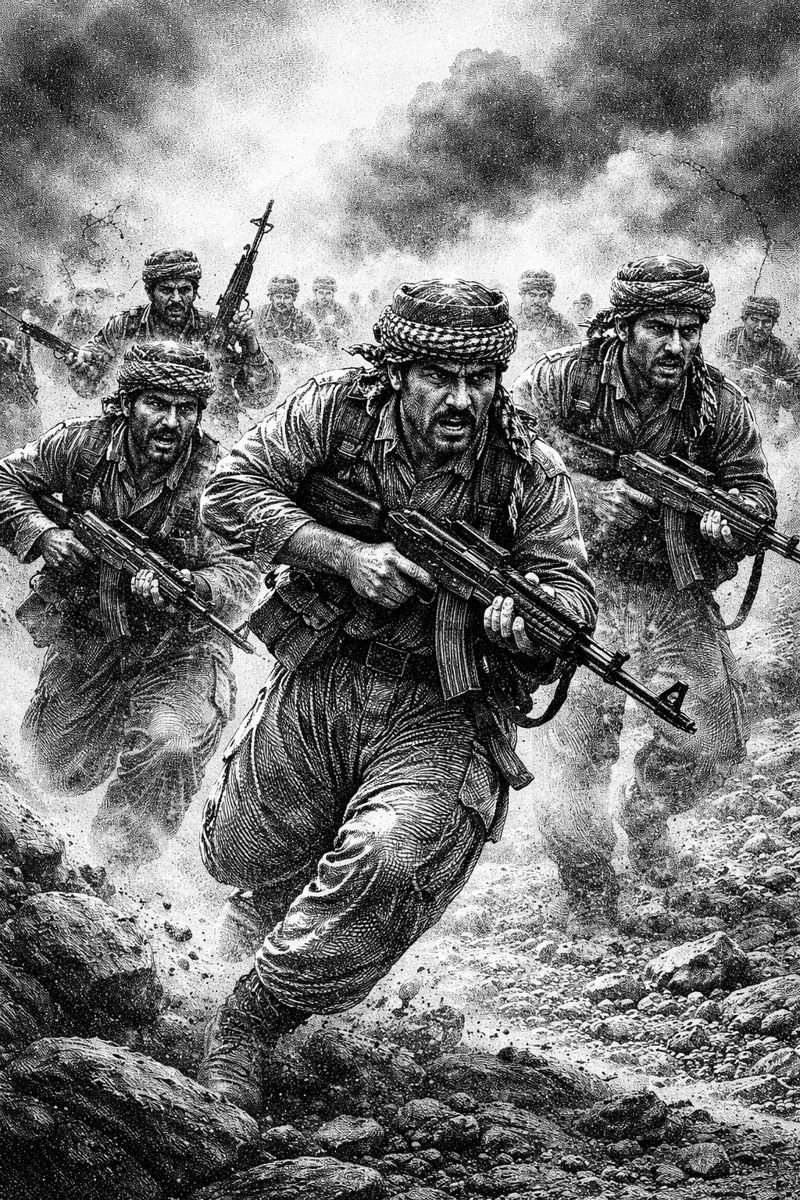
The Iraqi Kurdish Peshmerga brigades were decentralized mountain infantry formations that emerged as the dominant Kurdish fighting force during the 1991 uprising and later partnered with U.S. forces in the 2003 invasion of Iraq. Shaped by guerrilla warfare, clan loyalty, and survival after genocide, they combined local terrain mastery with political fragmentation to secure and hold northern Iraq.
Group Rank - 176
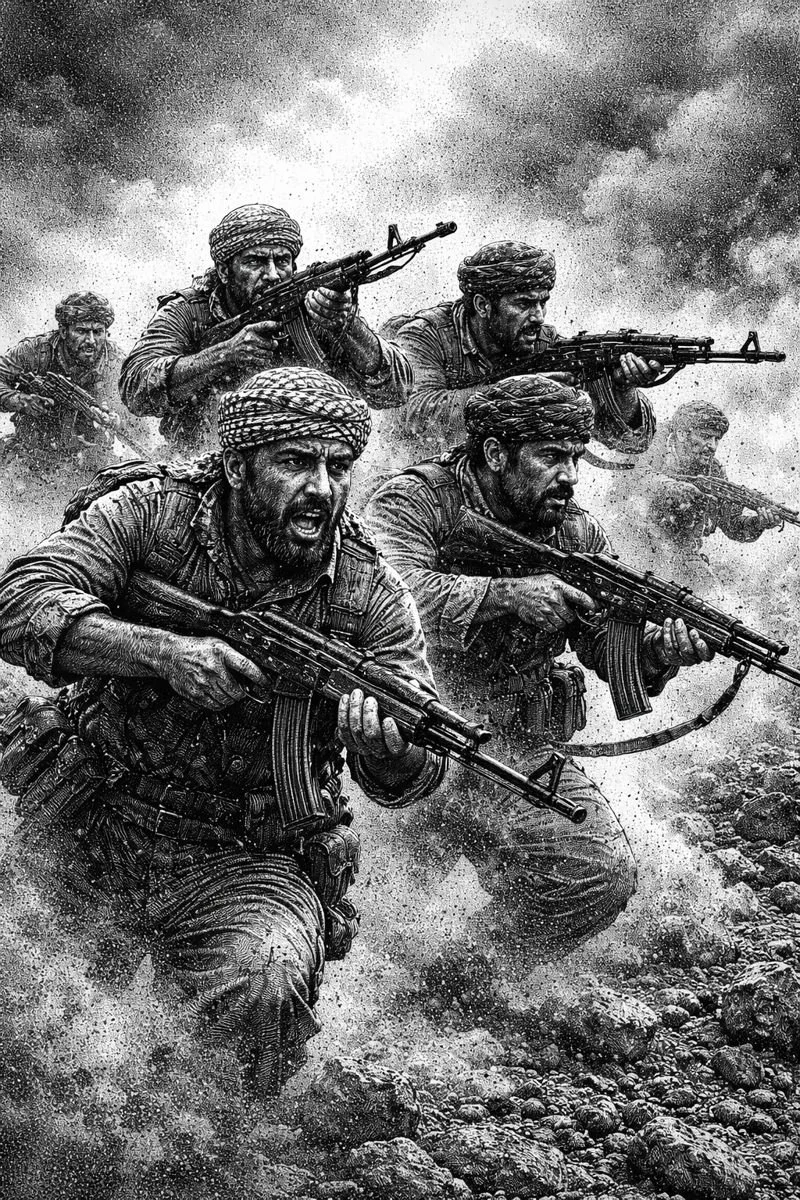
The Kurdish Peshmerga are the armed forces of the Kurdistan Region of Iraq, rooted in guerrilla traditions that emphasize mobility, local loyalty, and survival in mountainous terrain. Historically divided along Barzani (KDP) and Talabani (PUK) party lines, they have fought external threats and internal rivals alike while remaining central to Kurdish autonomy and defense.
Group Rank - 177
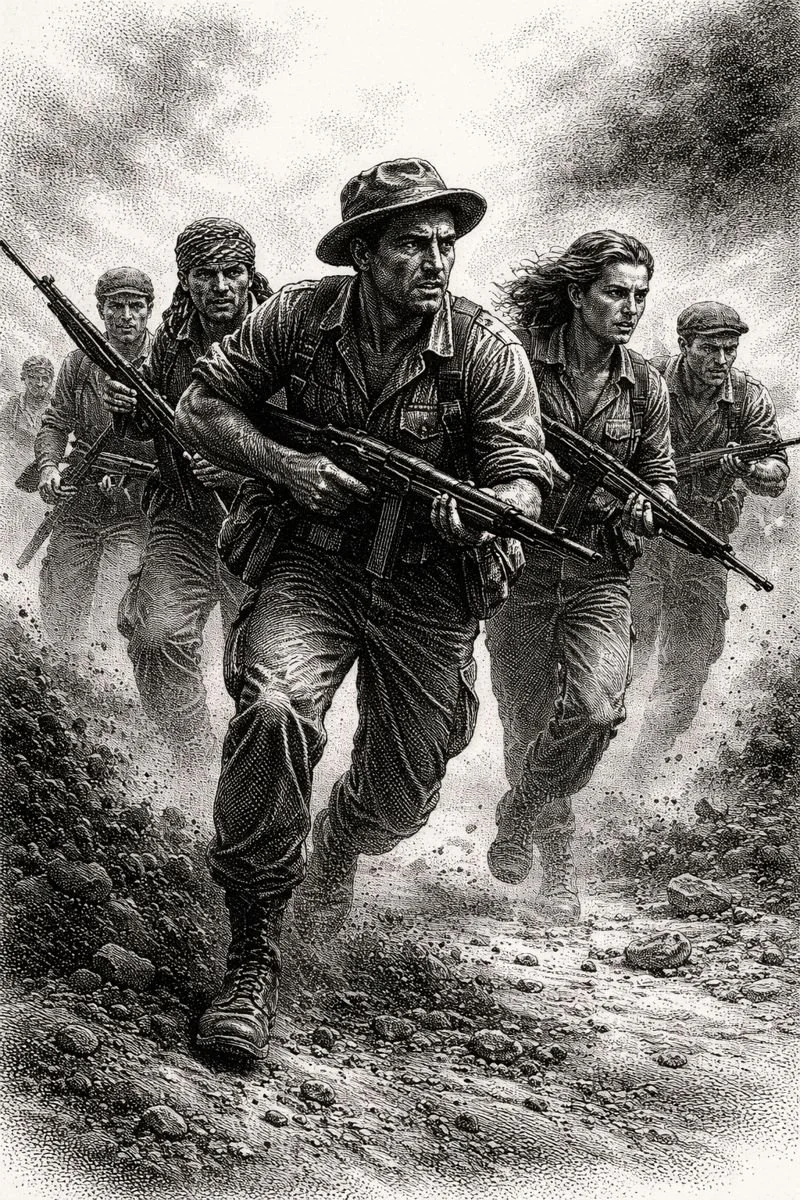
The elite strike force of the Haganah, formed in 1941 to wage guerrilla war through sabotage, night raids, and rapid assaults during the final years of the British Mandate in Palestine. Hardened by scarcity and constant movement, its fighters helped shape the outcome of the 1948 war and left a lasting imprint on Israel’s military culture.
Group Rank - 178
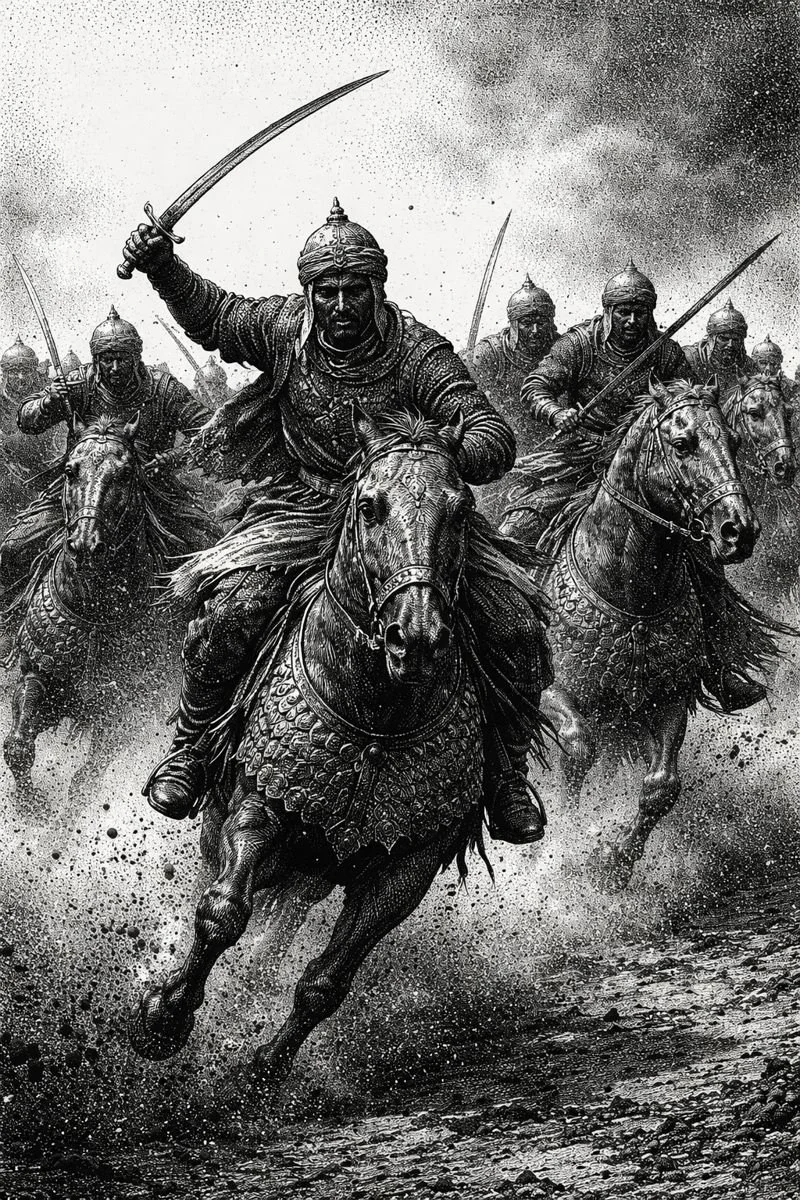
A professional cavalry brotherhood forged from enslaved youths, the Fatimid and Ayyubid Mamluk horsemen mastered discipline, mobility, and shock warfare to become the decisive military force of medieval Egypt and Syria.
Group Rank - 180
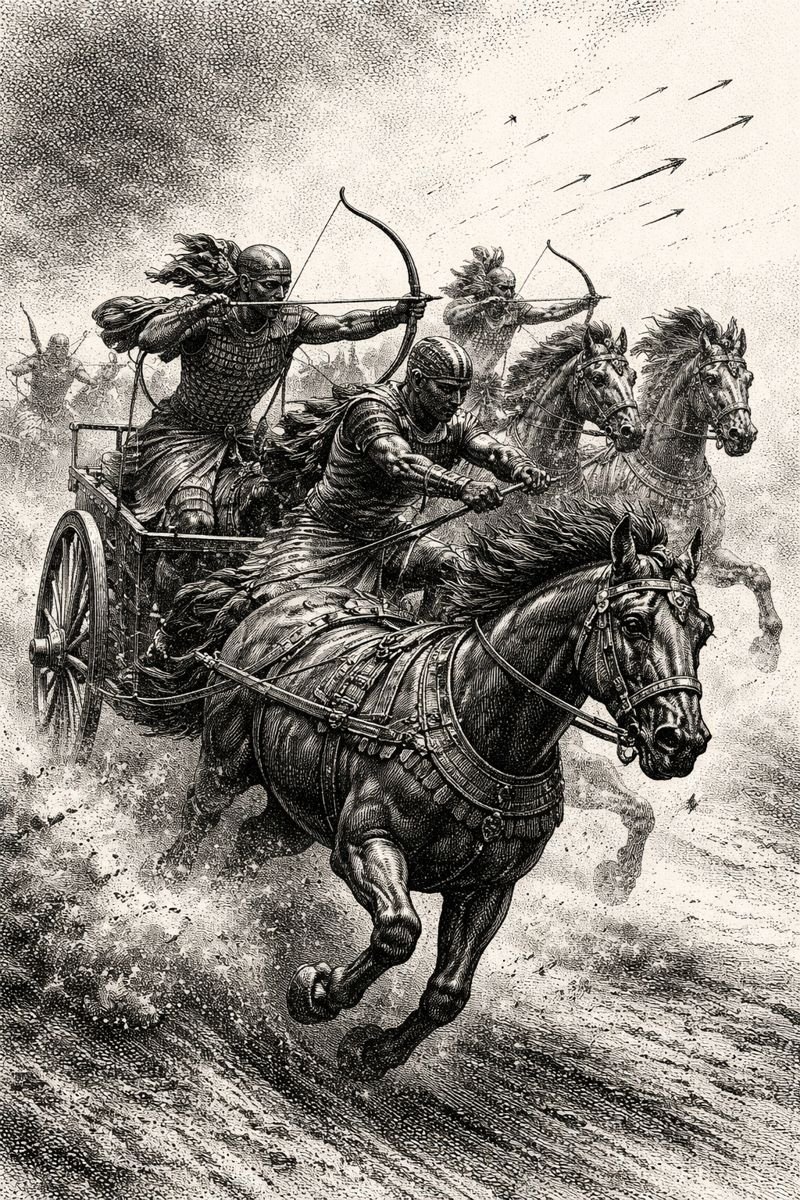
The New Kingdom chariot corps turned speed into a weapon, using disciplined coordination and relentless mobility to carry Egyptian power far beyond the Nile.
Group Rank - 183
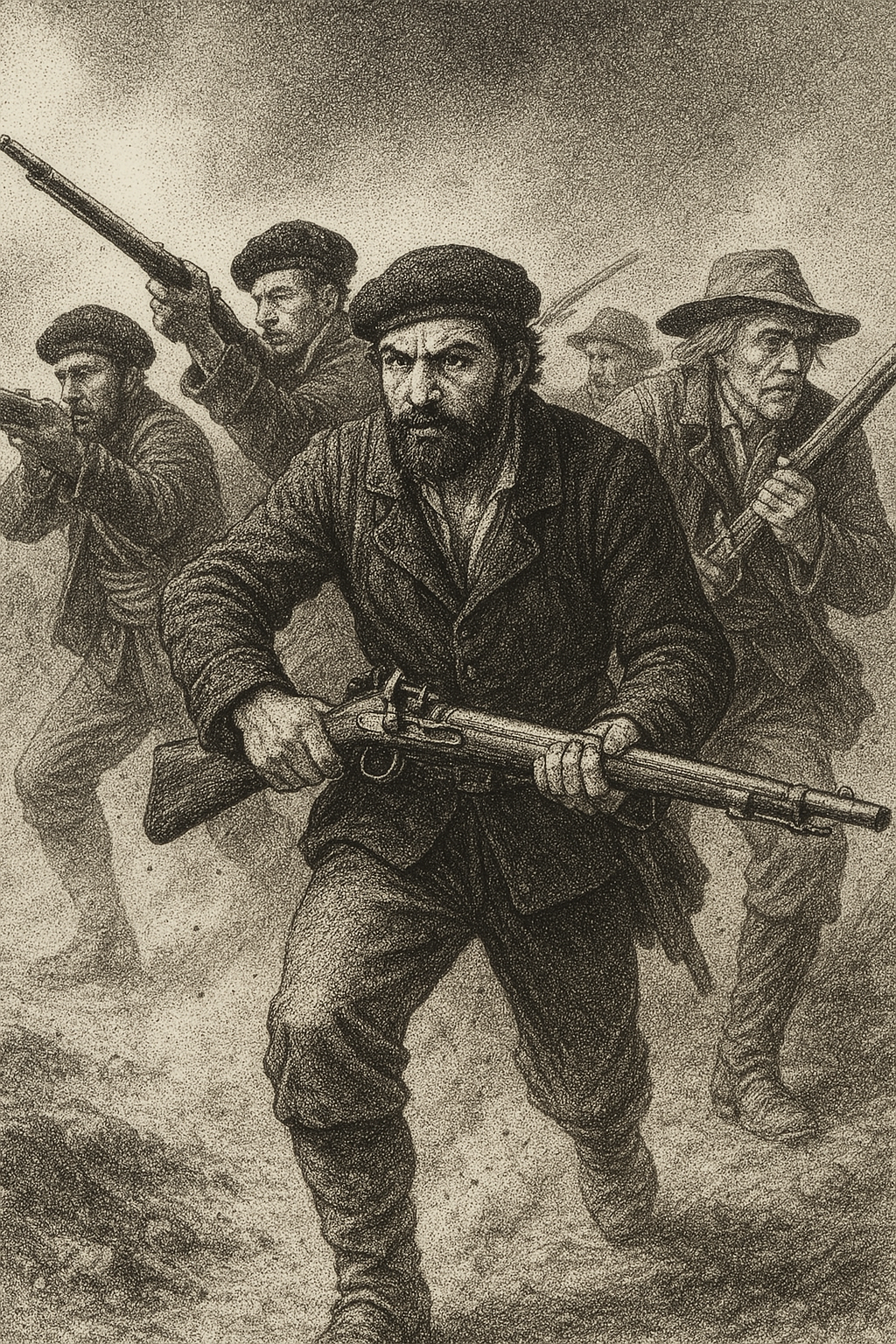
A brotherhood of Spanish Guerrilleros rises from the hills and hollows of Iberia to bleed an empire one ambush at a time.
Group Rank - 186
They advanced like a single starving organism made of steel, superstition, and the certainty that the world existed only to be taken.
Group Rank - 193
The Solomonic Knights fought for seven centuries with blades, faith, and terrifying resolve, carving Ethiopia’s destiny into the highlands one battlefield at a time.
Group Rank - 199
In the end, they were the men who made the darkness blink first. Not knights, not villains—just professionals in a dirty century, paid to make silence possible again.
Group Rank - 200
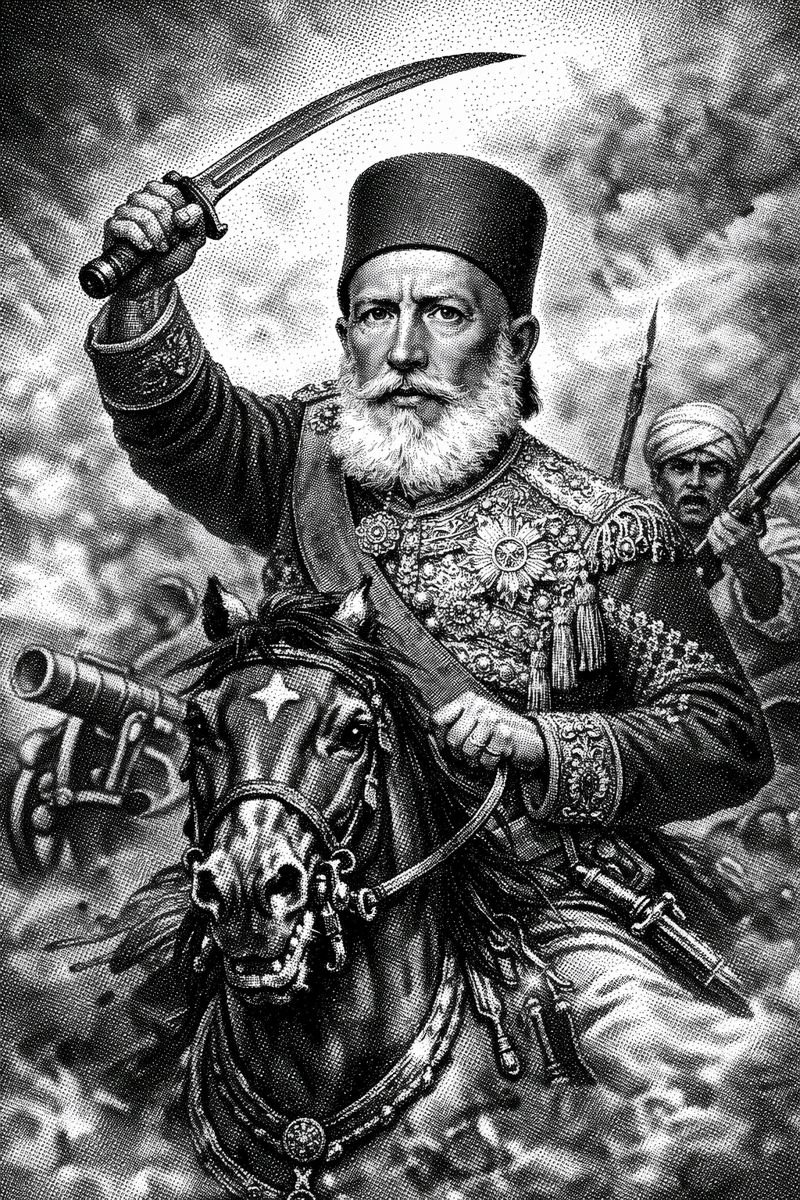
Ibrahim Pasha was an Ottoman-Egyptian general and son of Muhammad Ali, famed for his modernized army and ruthless efficiency. He played a decisive, brutal role in suppressing revolts and reshaping power in Greece, Syria, and the eastern Mediterranean during the early 19th century.
Rank - 129