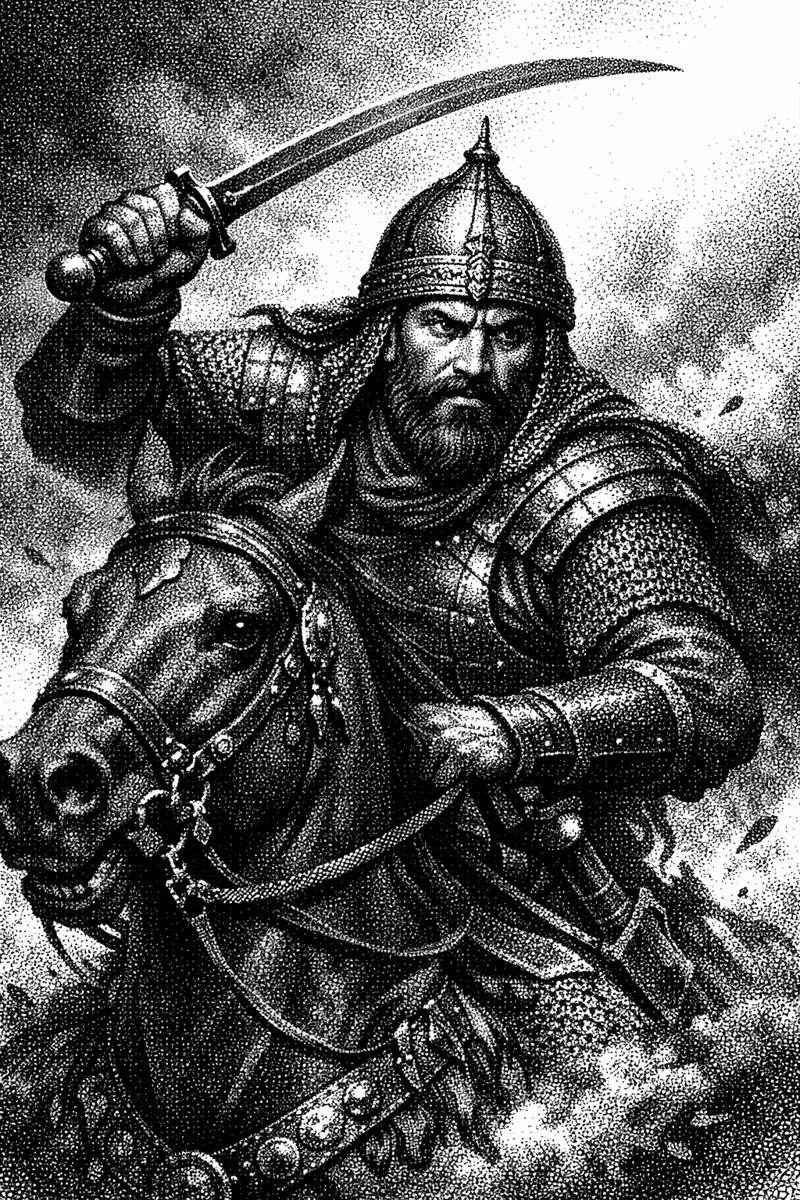
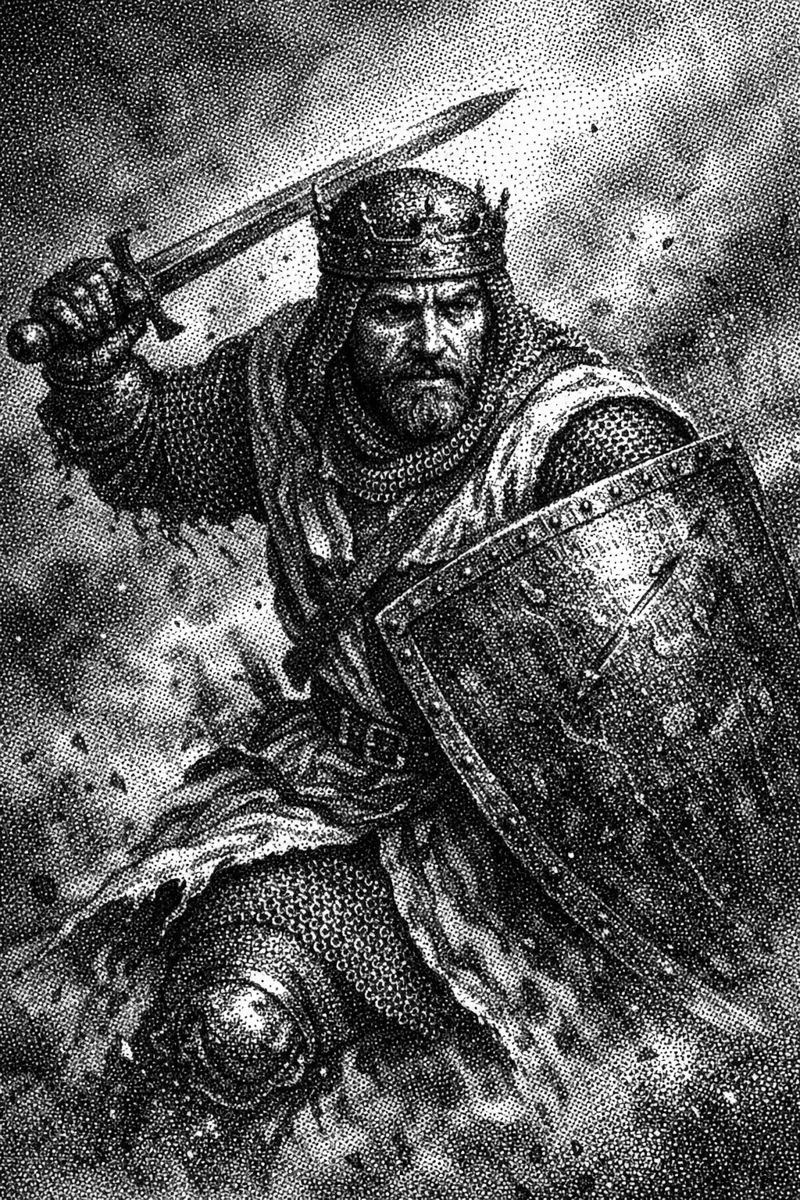
Baldwin I of Jerusalem was the first king of the Crusader Kingdom of Jerusalem, a hard-edged Frankish warlord who turned conquest into governance. He secured and expanded the kingdom through relentless warfare, political pragmatism, and a clear-eyed understanding that survival mattered more than sanctity.
Rank - 150
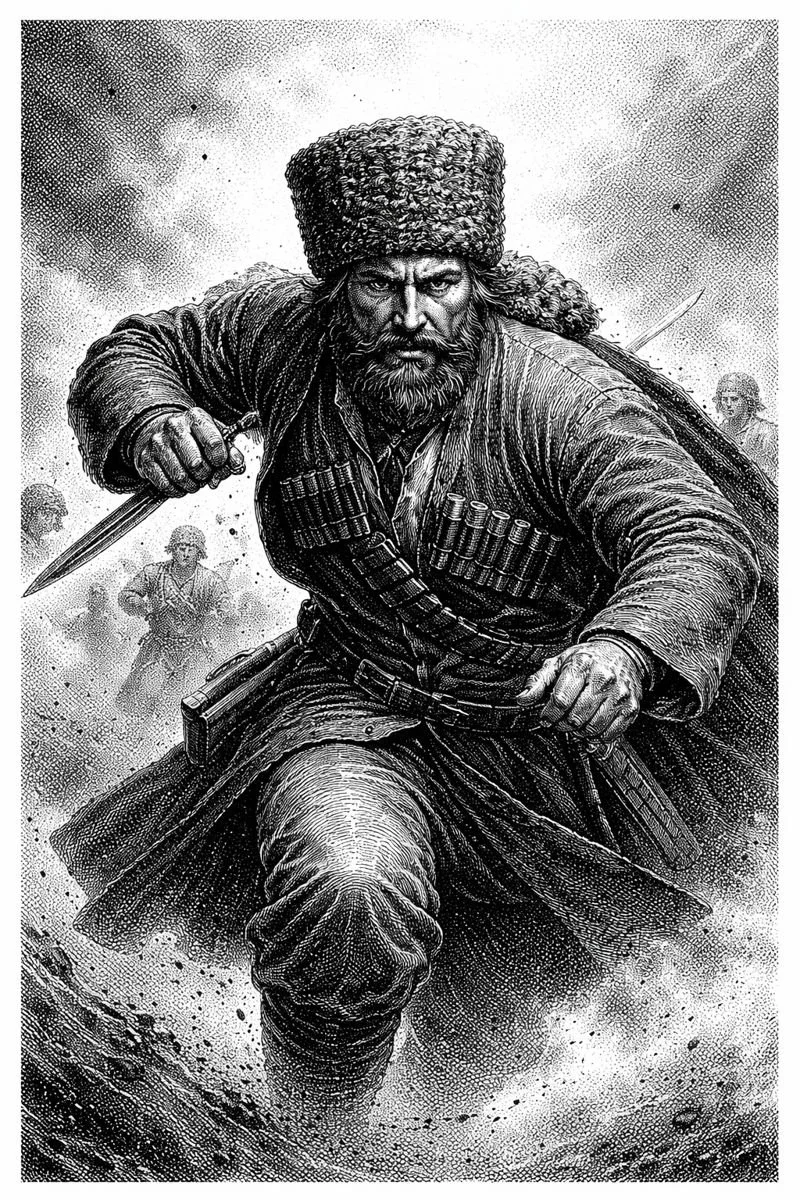
Mountain warlord, double-crossing survivor, and nightmare of the Russian Empire. He fought for faith, power, and family in that order—then died doing all three at once, proving the Caucasus never belonged to anyone who wanted it neatly.
Rank - 153
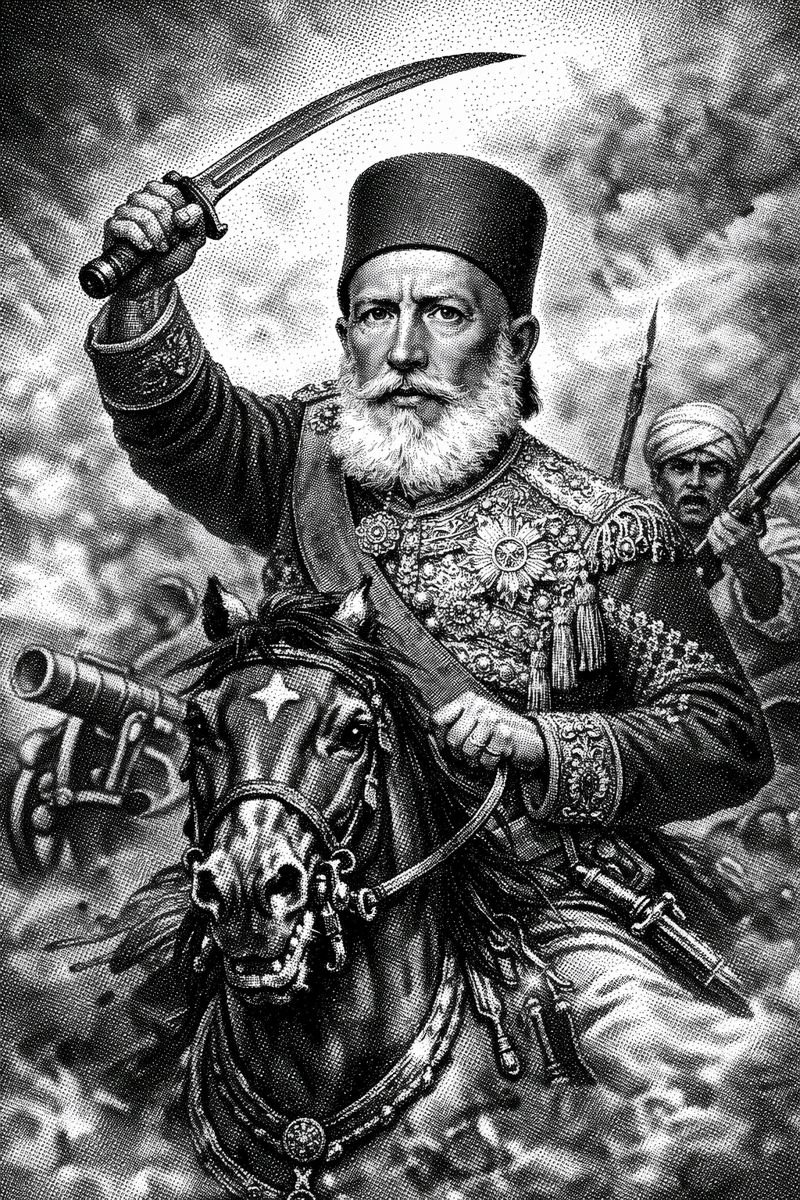
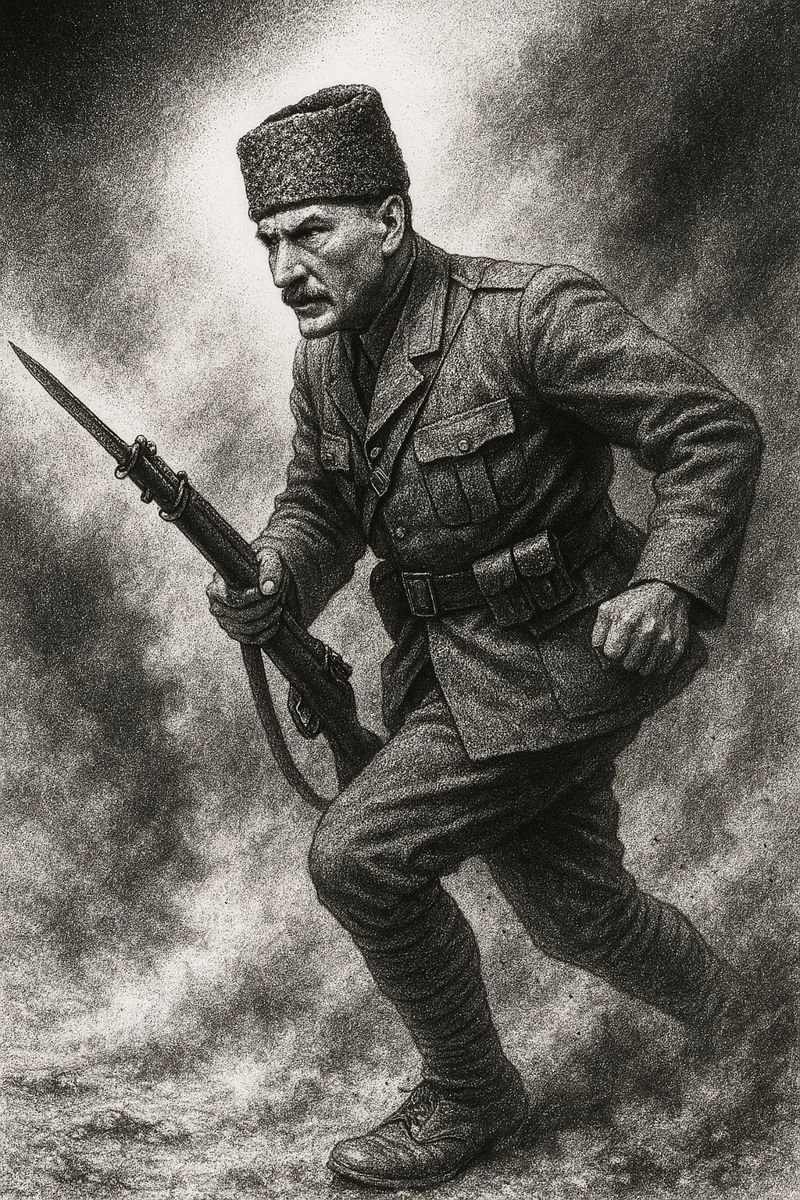
Mustafa Kemal Atatürk was the soldier-statesman who crushed an invasion at Gallipoli and then dismantled a collapsing empire to build a fiercely secular modern Turkey.
Rank - 154
Abd el-Krim was the Amazigh strategist who united the Rif tribes, shattered Spain at Annual, and became a defining symbol of 20th-century anti-colonial resistance.
Rank - 171
Godfrey of Bouillon stormed Jerusalem with holy fire in his eyes and left it bathed in the kind of righteousness that smells like smoke and blood.
Rank - 184
Ariel Sharon’s life reads like a battlefield map—bold advances, scorched retreats, and a legacy carved in dust, defiance, and the fine print of history’s moral gray zone.
Rank - 187
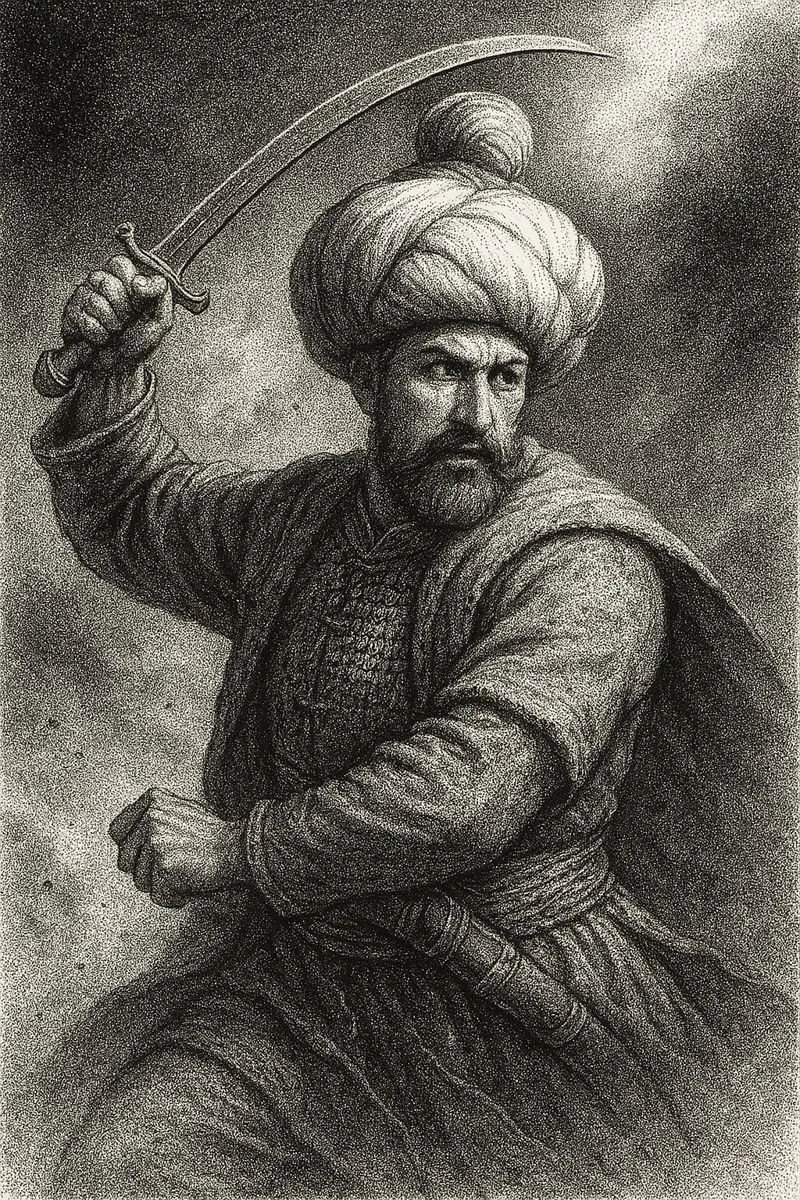
Khalid ibn al-Walid, the undefeated “Sword of God,” carved an empire from the desert with speed, faith, and a blade that never once tasted defeat.
Rank - 189
Artemisia I of Caria led her boat through the chaos of Salamis, proving that cunning could strike harder than any bronze ram.
Rank - 196
She turned a desert outpost into an empire, crowned herself against Rome, and rode into history as the queen who made rebellion look divine.
Rank - 197
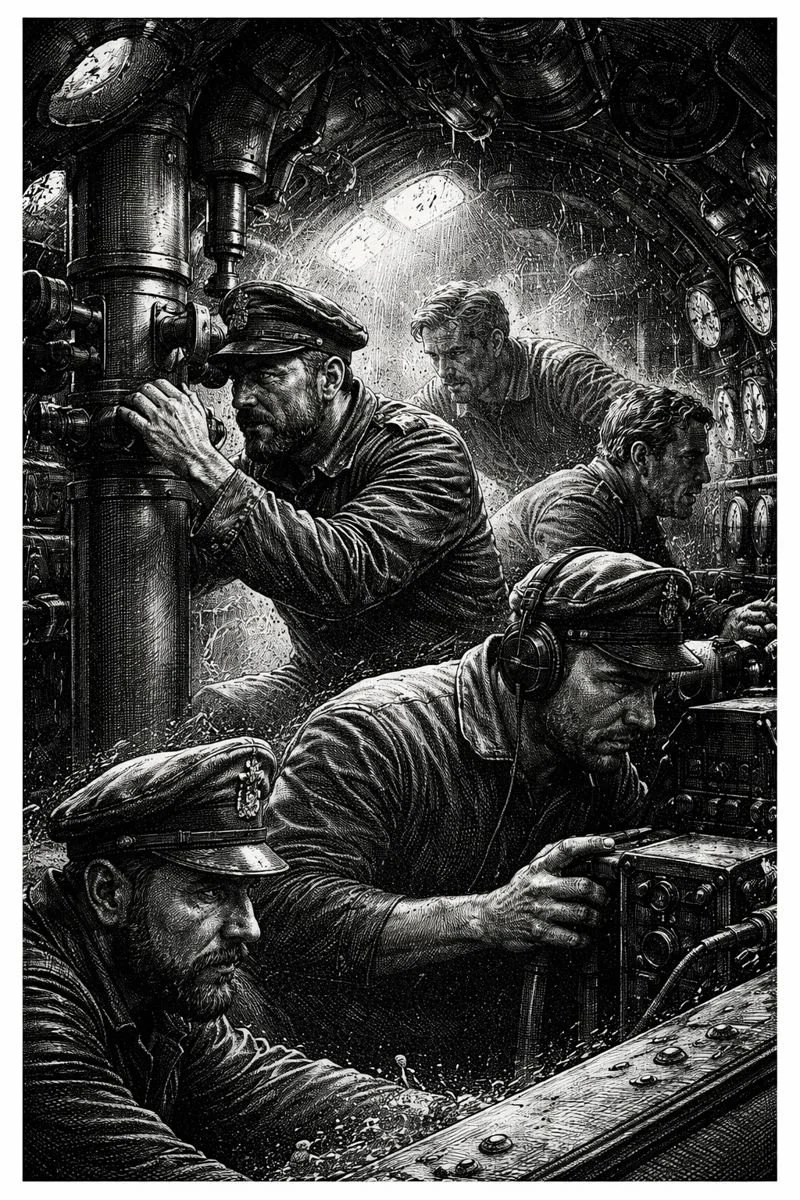
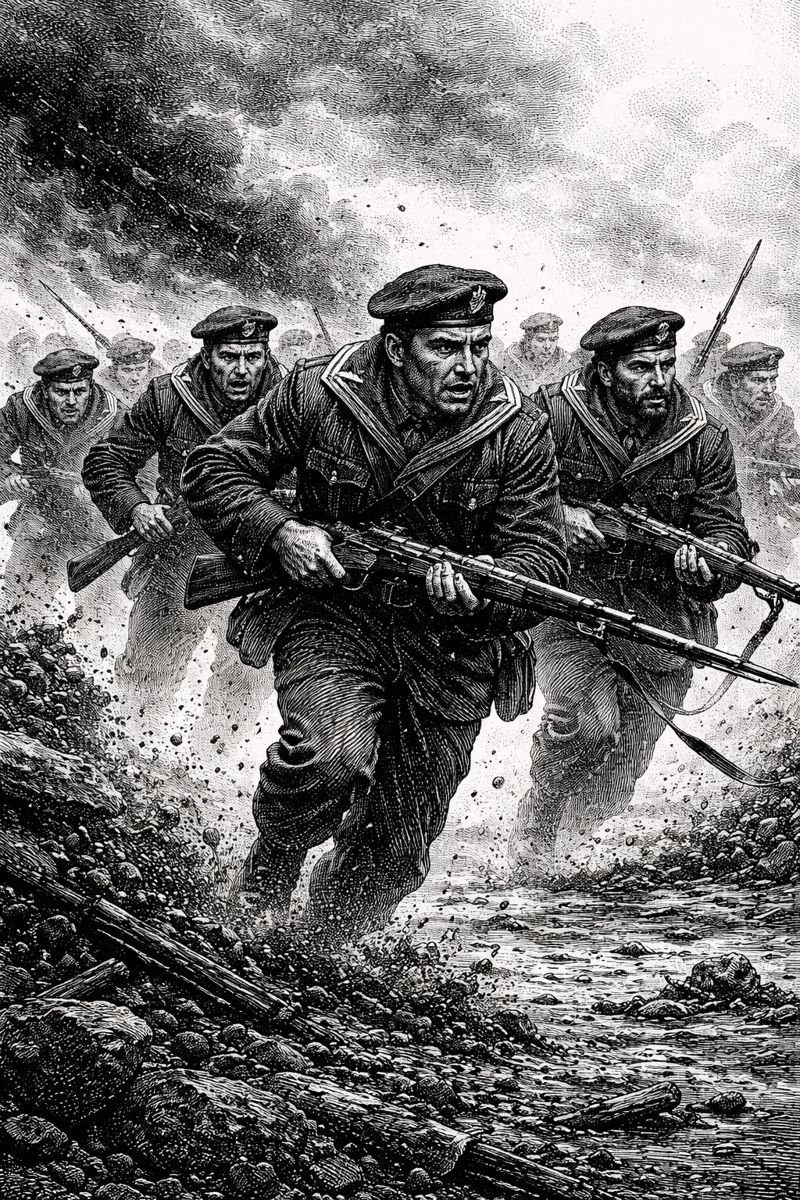
The French Fusiliers Marins are naval infantry trained to fight ashore with the discipline of sailors, the endurance of infantry, and a collective refusal to break once committed.
Group Rank - 181
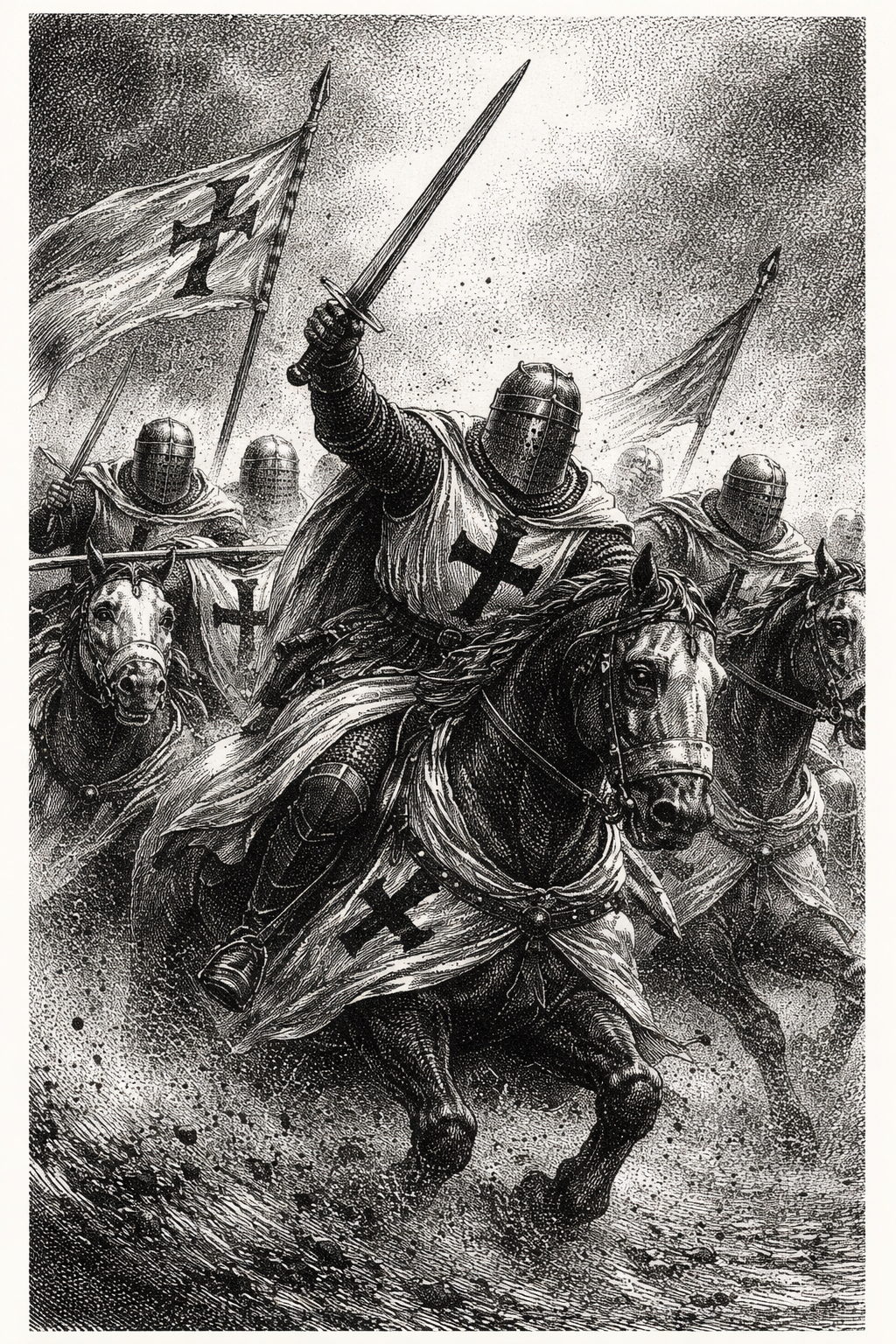
The Teutonic Knights were a medieval military order that fused monastic discipline with state-building warfare, conquering and ruling large parts of the Baltic through crusade, colonization, and fortified power.
Group Rank - 182
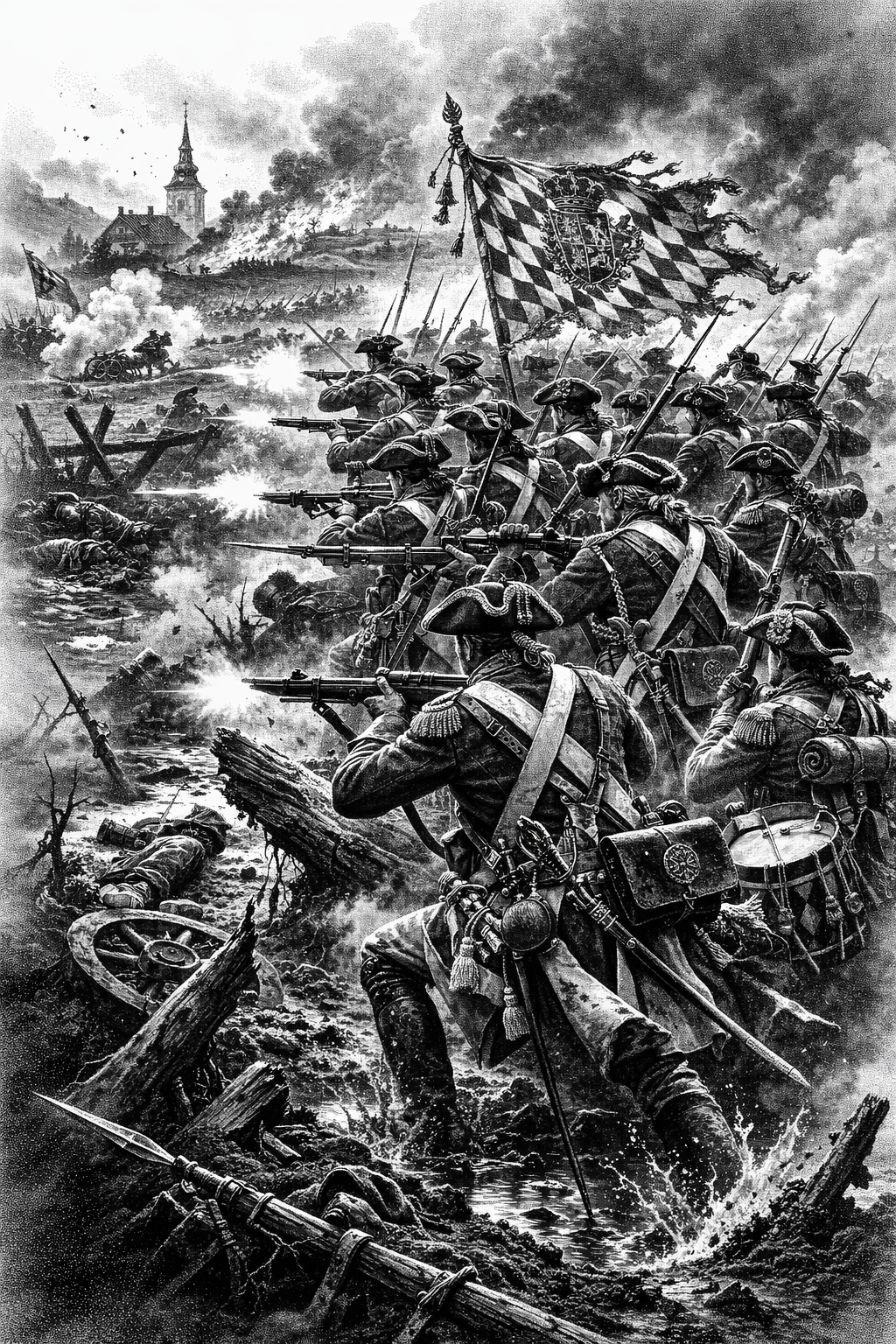
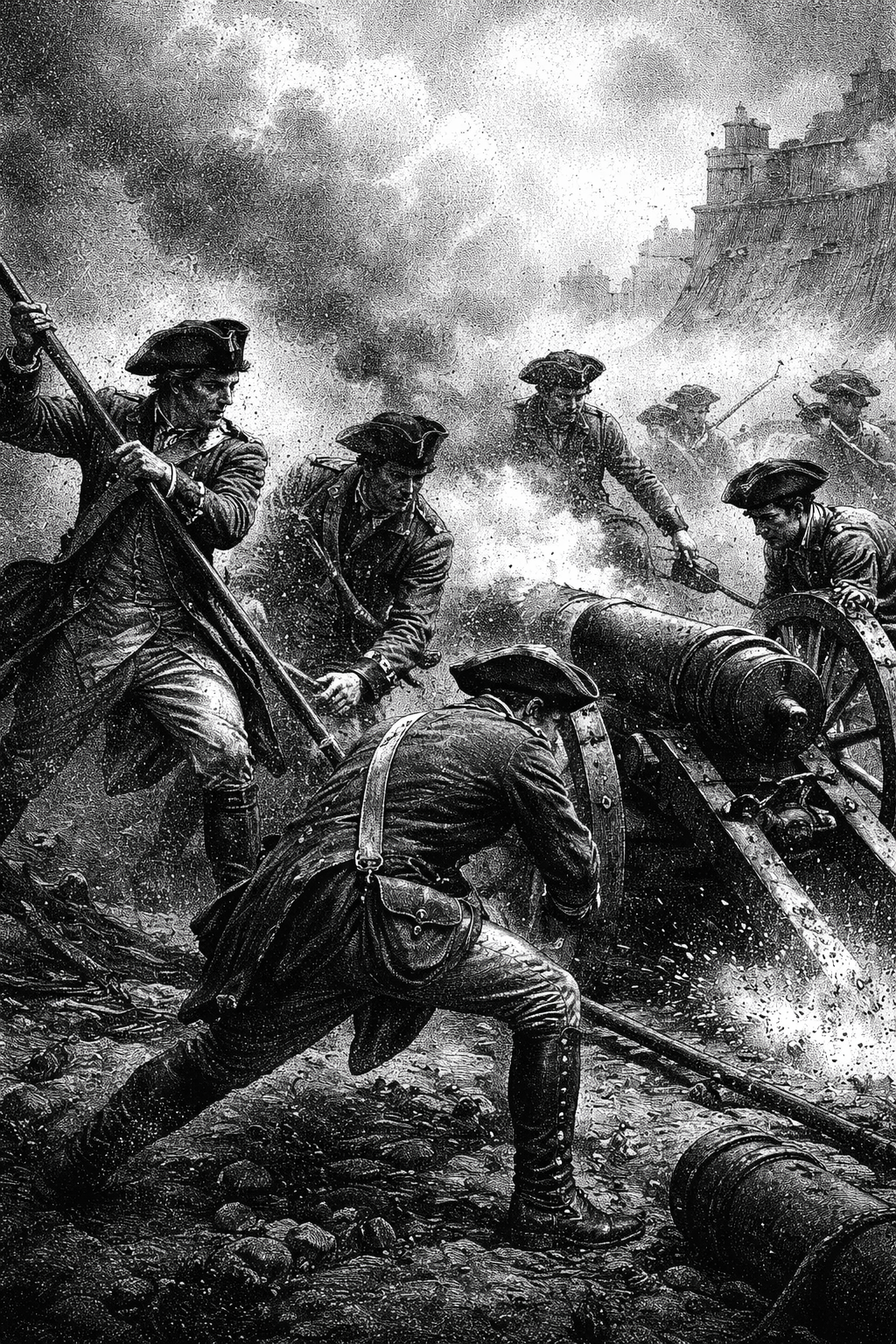
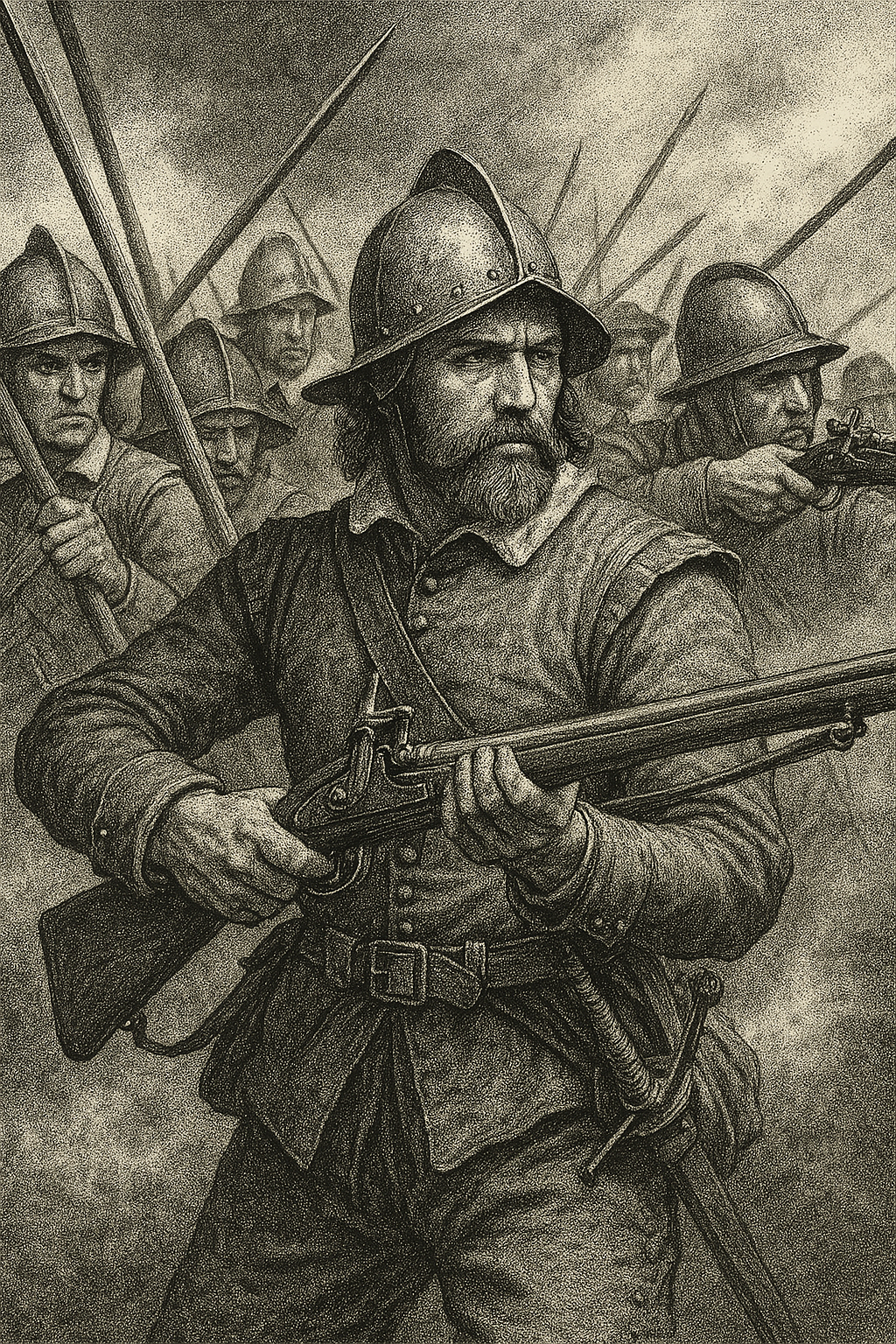
A brotherhood forged in revolt, the Dutch States Army turned geometry, discipline, and relentless volleys into the weapon that broke the old world’s battlefield logic.e.
Group Rank - 185
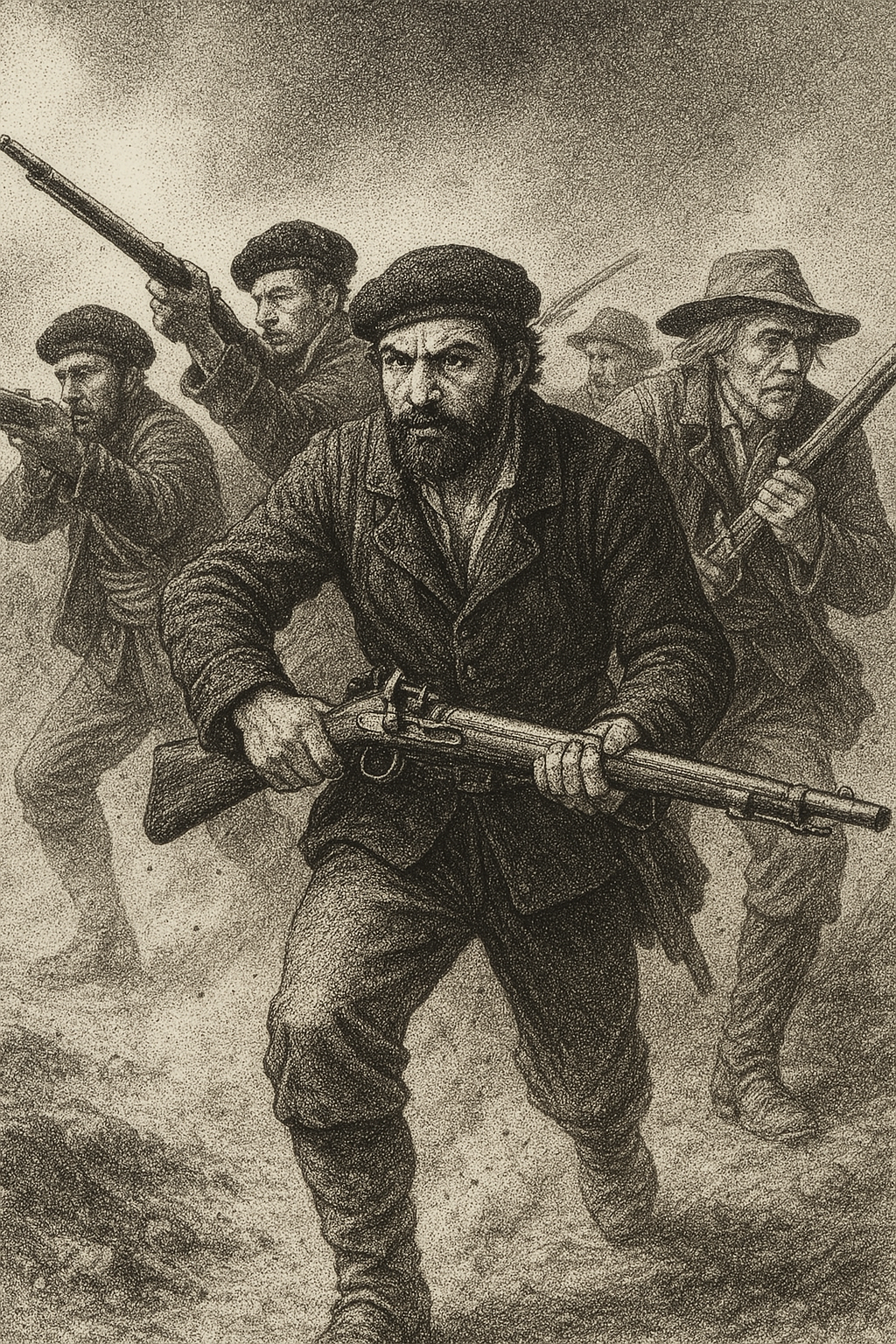
A brotherhood of Spanish Guerrilleros rises from the hills and hollows of Iberia to bleed an empire one ambush at a time.
Group Rank - 186
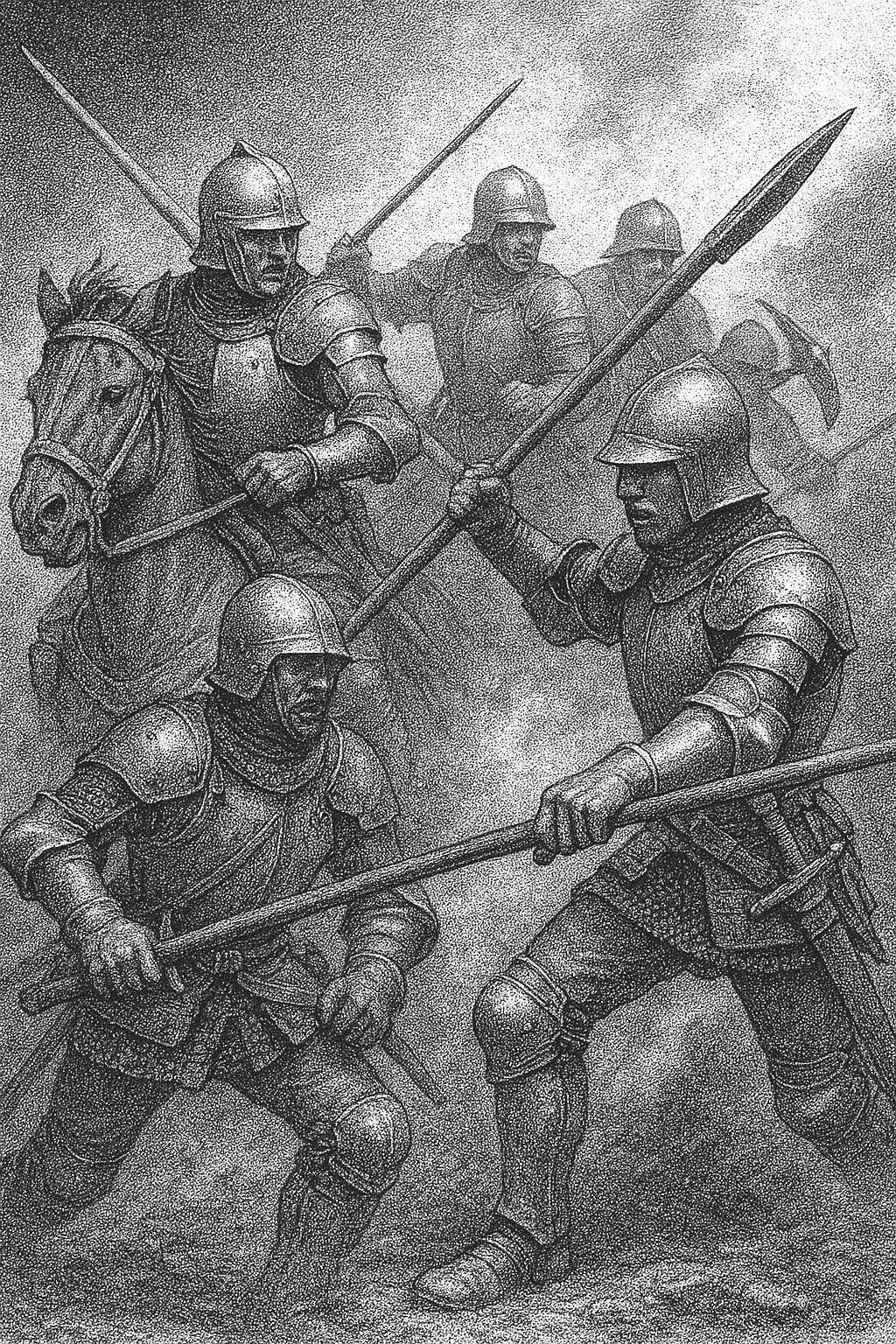
The Burgundian Ordonnance Companies marched like a machine built from pride and gunpowder, only to shatter spectacularly when the future came at them with Swiss pikes and winter steel.
Group Rank - 191
They advanced like a single starving organism made of steel, superstition, and the certainty that the world existed only to be taken.
Group Rank - 193
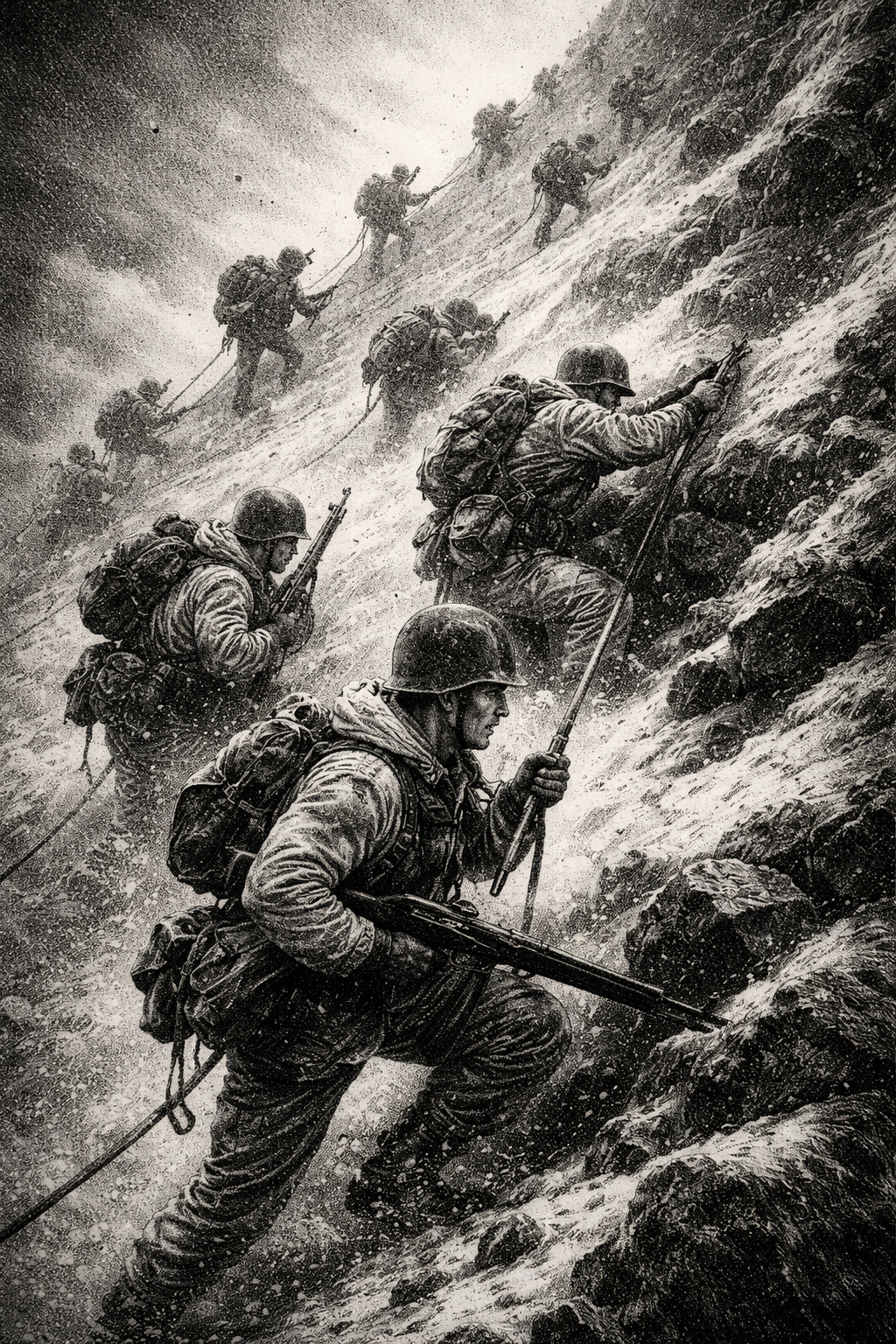
They moved as if the cold had carved secret truths into their bones, two brotherhoods built to appear where no one should exist and to leave before anyone realized they were there.
Group Rank - 194
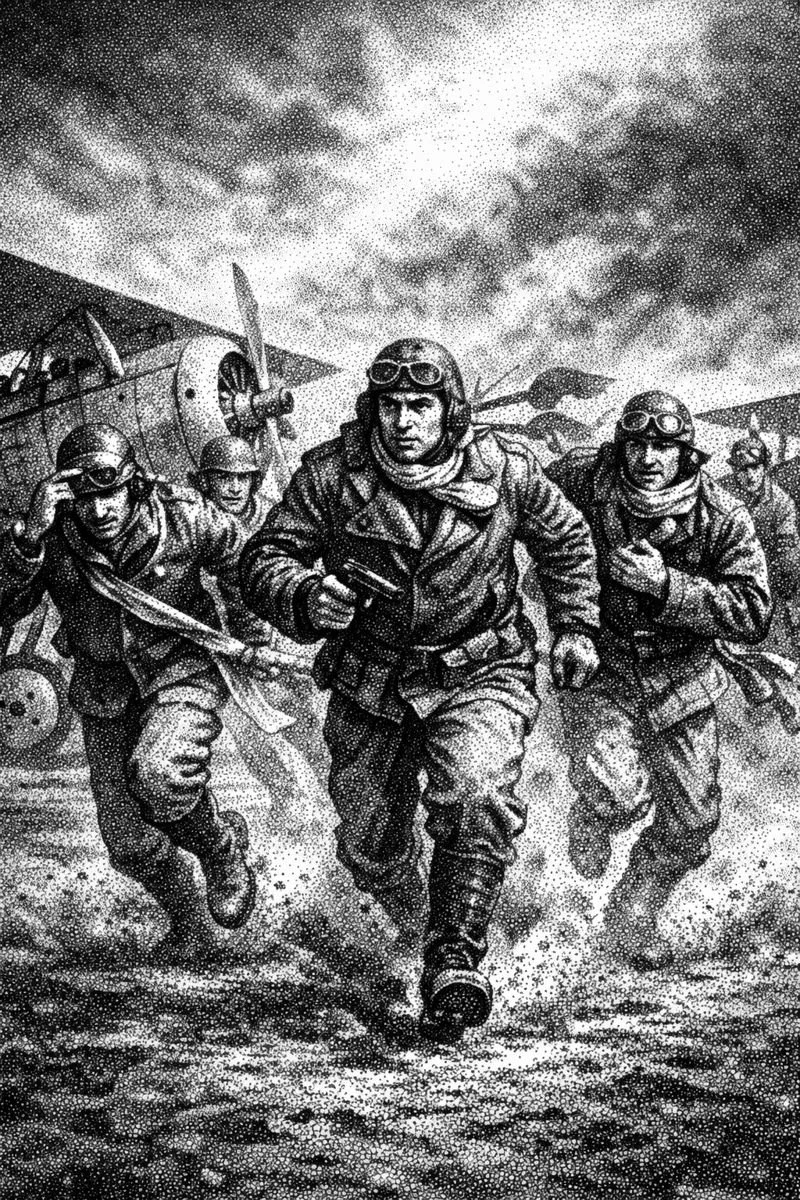
In the end, they were the men who made the darkness blink first. Not knights, not villains—just professionals in a dirty century, paid to make silence possible again.
Group Rank - 200
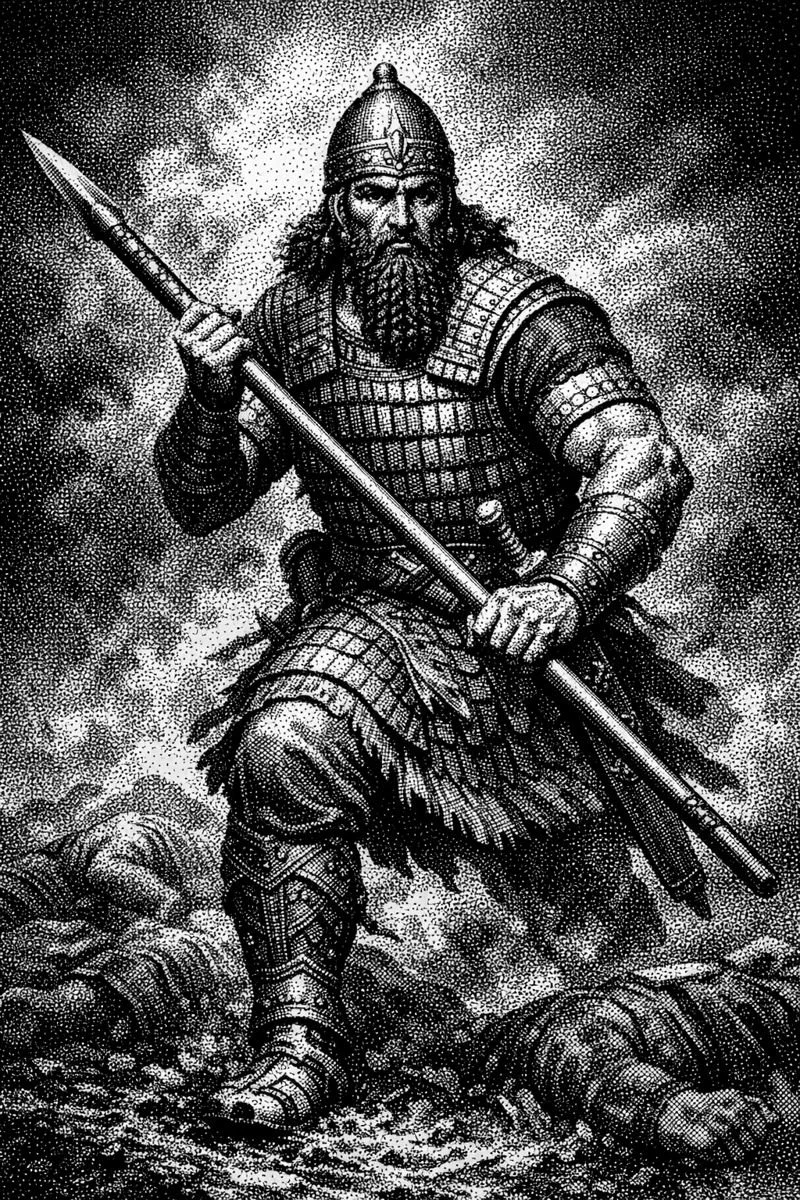
Tiglath-Pileser I was an Assyrian king of the 12th century BCE who expanded his empire through relentless military campaigns and the calculated use of terror as state policy. His meticulously recorded conquests turned violence into propaganda and set the template for later Assyrian imperial power.
Rank - 149