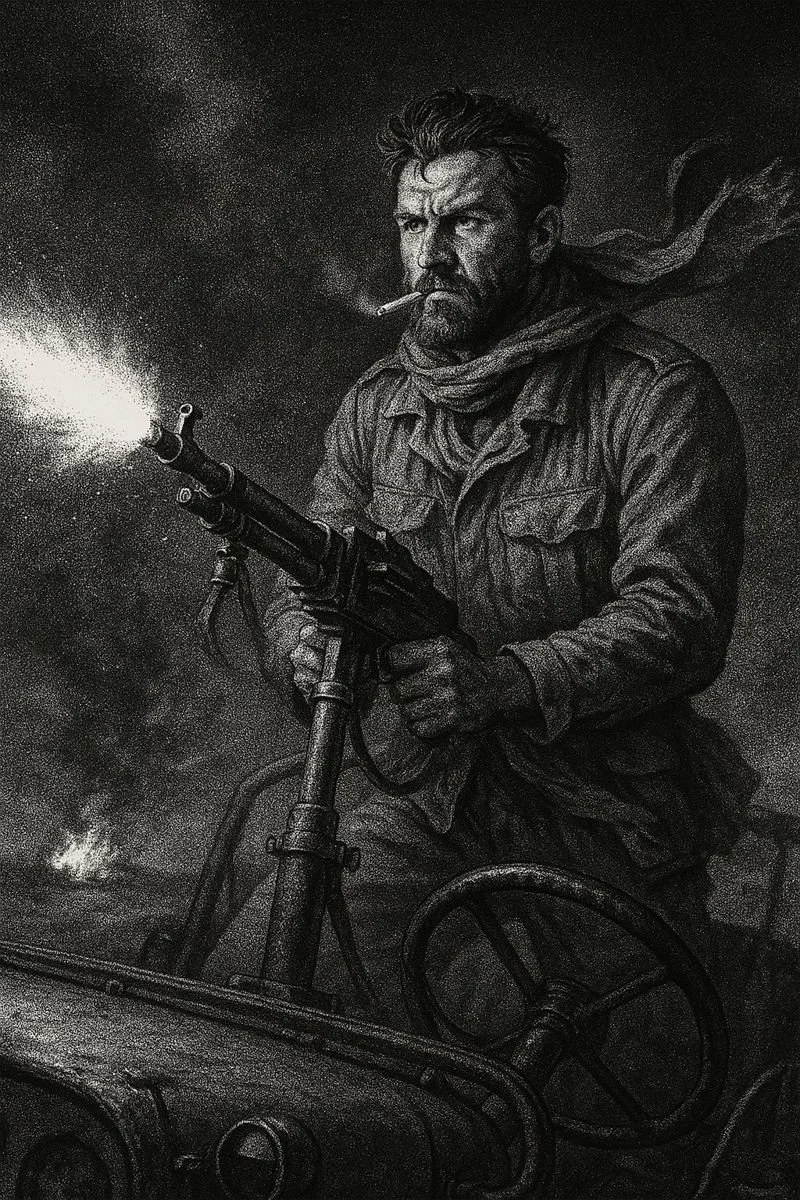
A founding member of the SAS and one of World War II’s most feared raiders, leading audacious nighttime attacks that destroyed enemy airfields and shattered the myth of rear-area safety. Brilliant, violent, and deeply unstable, he embodied the brutal effectiveness of irregular warfare and became a lasting archetype of special forces legend.
Rank - 131
The Viking who died in a snake pit but lived forever in fear, fire, and legend.
Rank - 134
She turned the savannah into her empire and built walls strong enough to outlast the men who doubted her.
Rank - 136
He turned Rome’s order into chaos—and the forest into a grave that still whispers.
Rank - 142
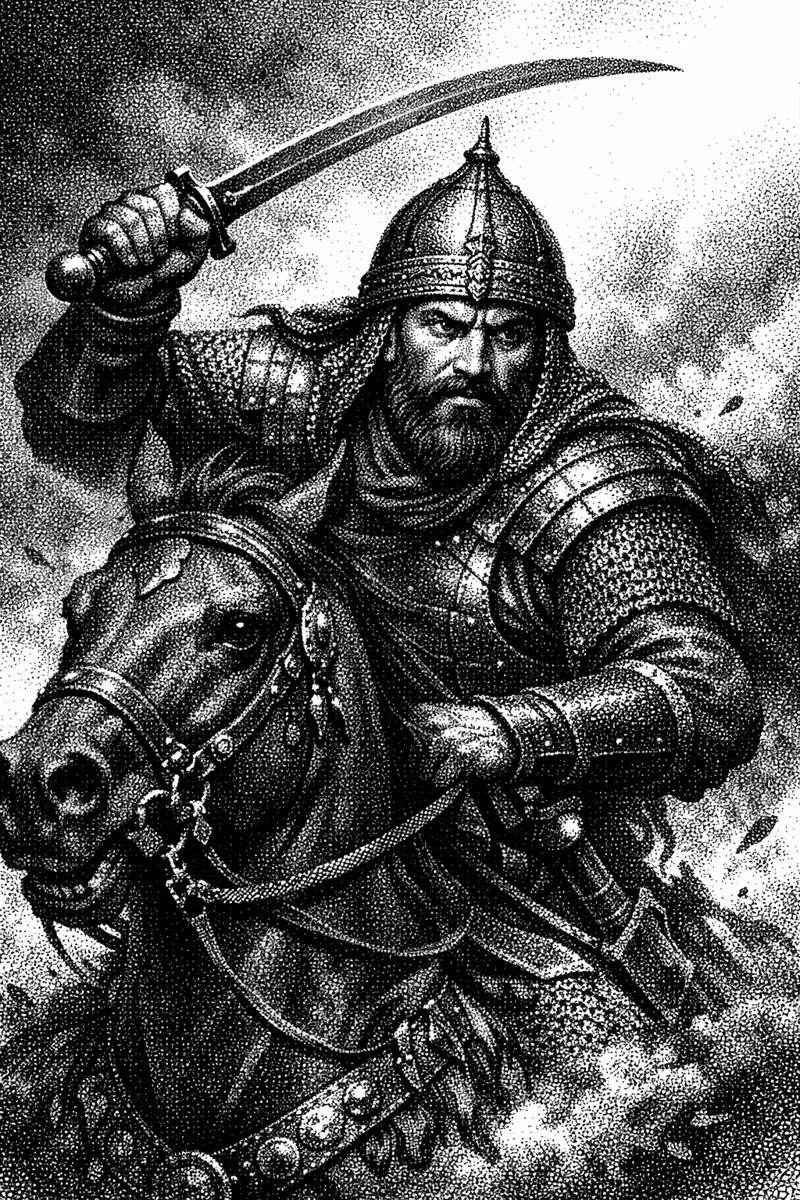
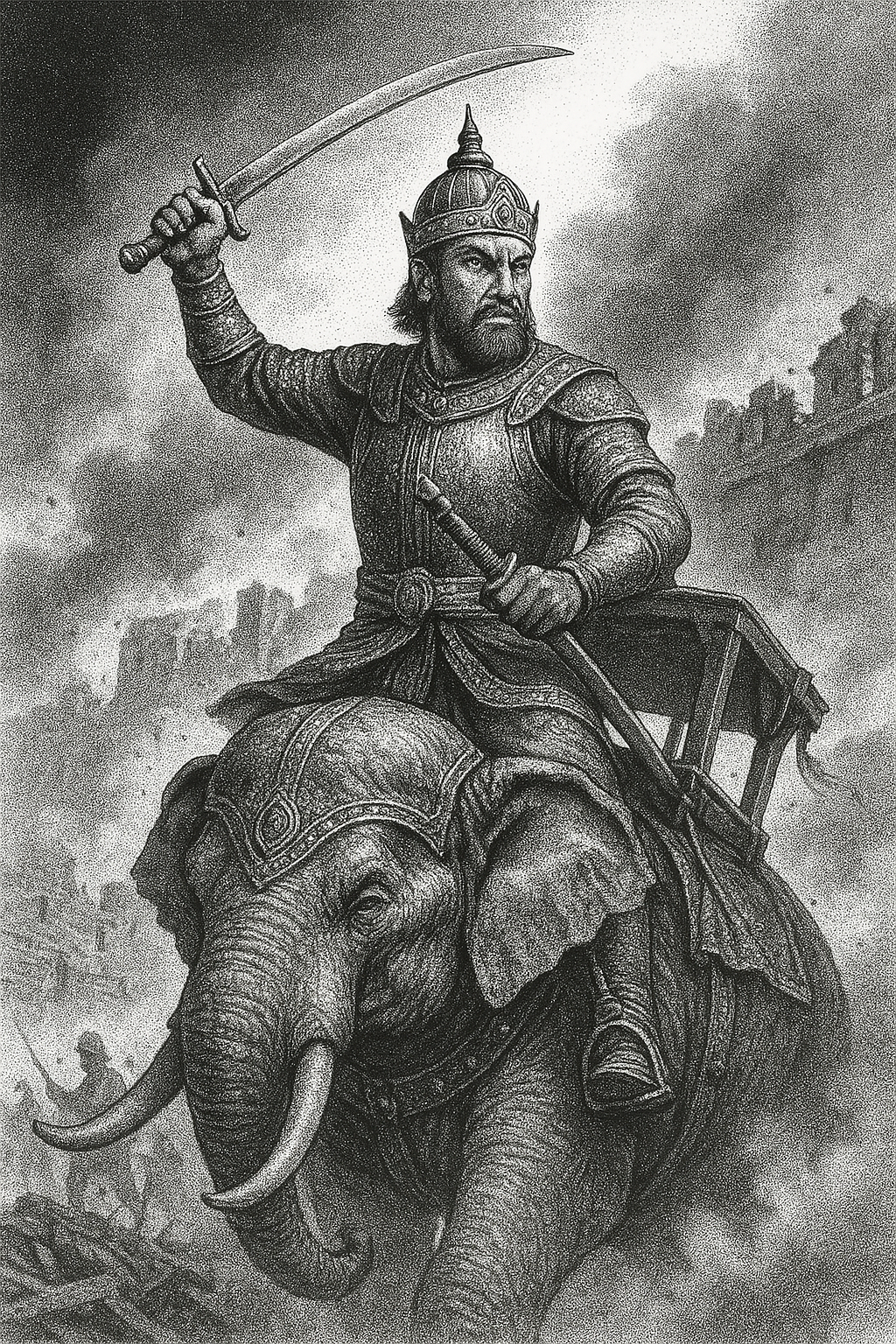
Mahmud of Ghazni (c. 971–1030) was a Turkic ruler and the first major sultan, renowned for his highly mobile cavalry campaigns that projected Ghaznavid power across Central Asia and deep into the Indian subcontinent. Both a fierce military raider and a calculated patron of Persian culture, he left a legacy shaped equally by conquest, wealth extraction, and enduring historical controversy.
Rank - 147
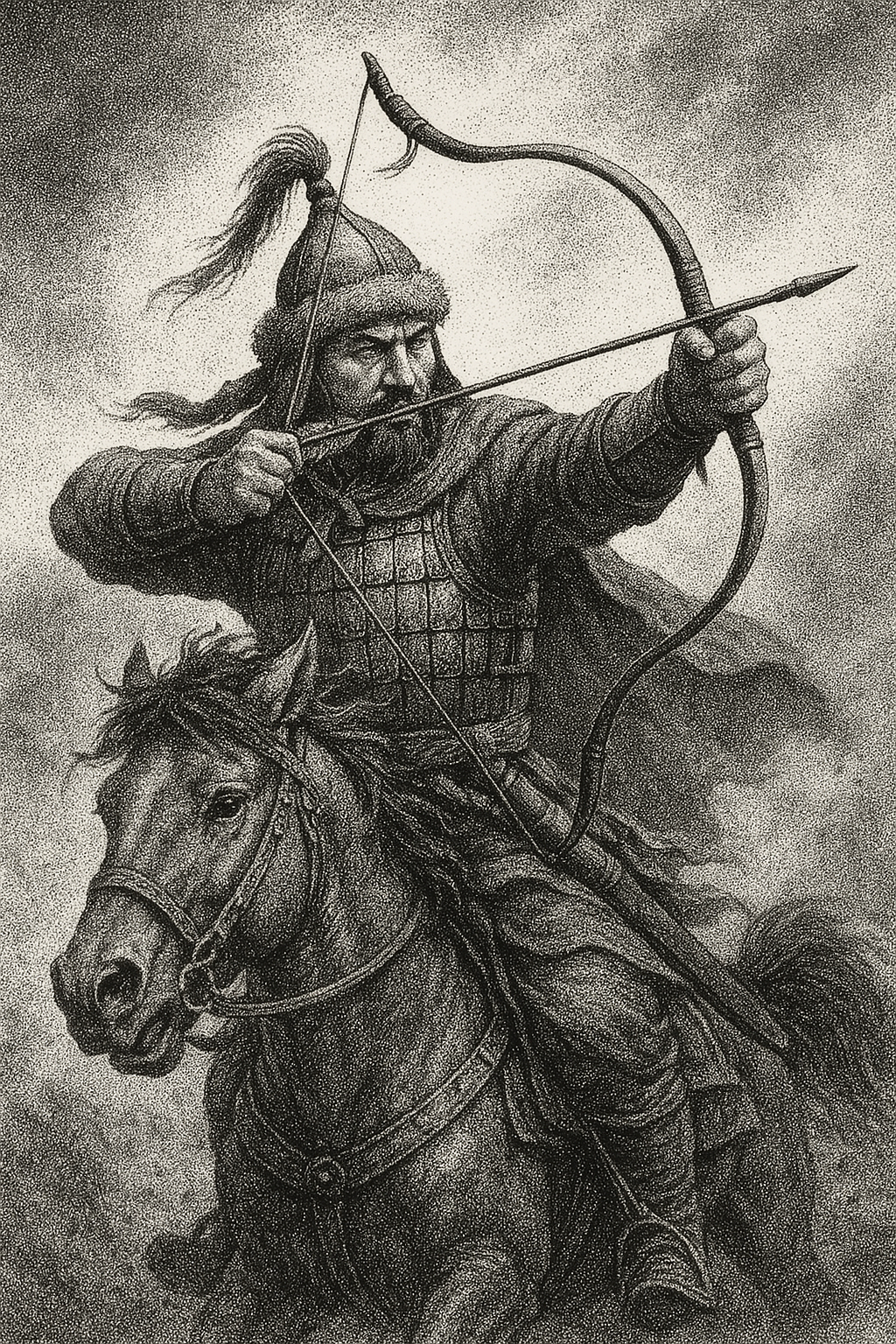
Batu Khan rode like a storm with a ledger, calmly calculating the cost of kingdoms as he erased them.
Rank - 157
Bayinnaung rose from minor nobility to command an empire that dominated Burma, Siam, Lan Na, and Laos.
Rank - 158
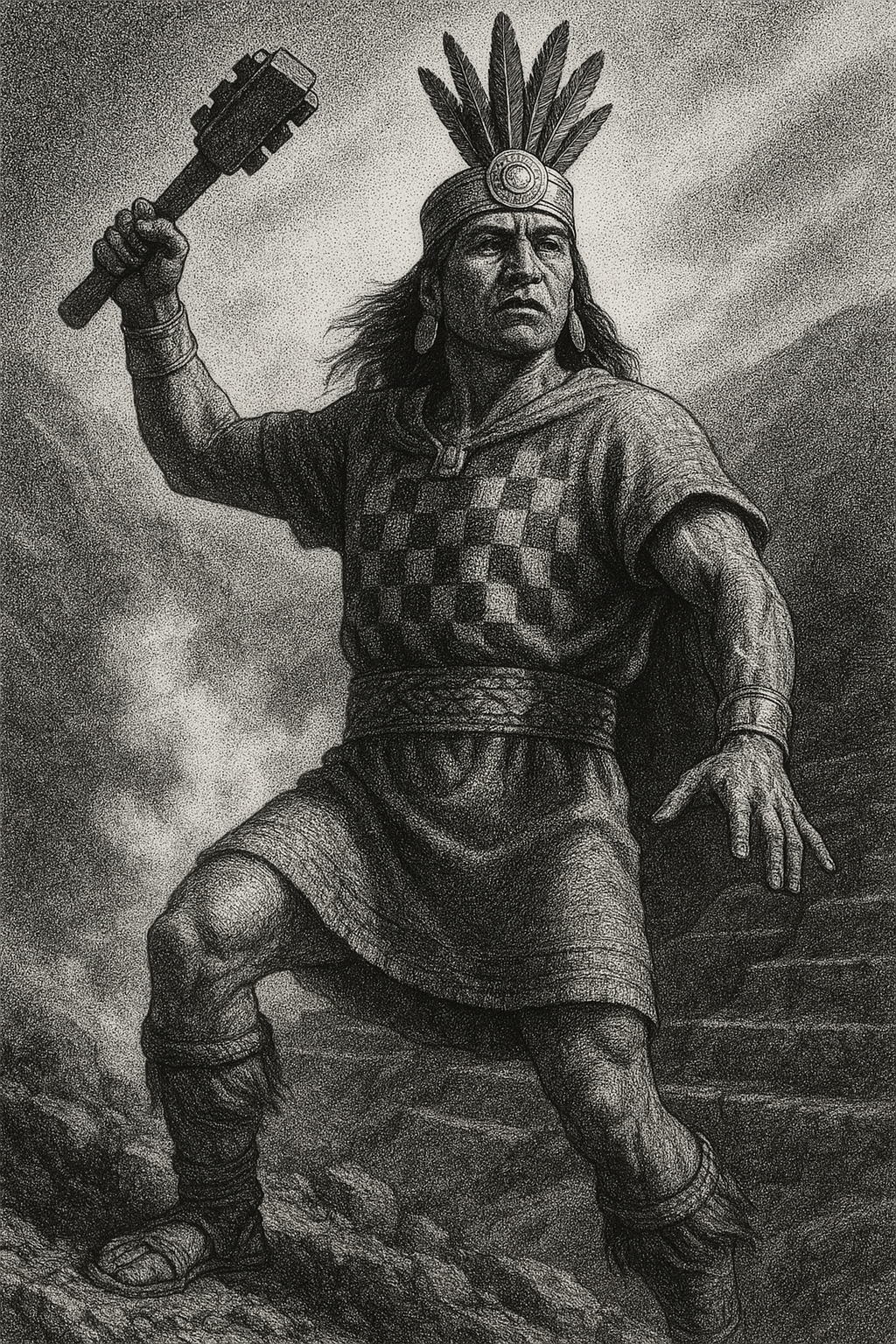
He rebuilt the Andes into an orderly machine and made the world climb with him.
Rank - 159
He conquered the Andes with mathematics, sunlight, and an unreasonable sense of direction.
Rank - 160
He rose from vengeance to empire, turning tribal blood feuds into the blueprint for a dynasty.
Rank - 161
Sonni Ali was the ruthless 15th-century warlord-king of Songhai who carved an empire out of West Africa with cavalry, river fleets, and a famously uncompromising taste for conquest.
Rank - 177
Bartholomew “Black Bart” Roberts was the ruthless, impeccably dressed Welsh pirate who terrorized the Atlantic before dying in a blaze of cannon fire in 1722.
Rank - 178
The bastard who burned his ships and an empire with them, Hernán Cortés turned ambition into apocalypse and called it salvation.
Rank - 200
The Seljuk ghulams were elite slave-soldiers forged into a professional cavalry core, bound by pay, training, and proximity to power rather than blood or tribe. As a disciplined hinge of the Seljuk war machine, they delivered controlled violence that reshaped battlefields from Iran to Anatolia and left a template later empires would copy without apology.
Group Rank - 174
The Sea Peoples were not a mystery—they were the knife that cut the Bronze Age’s throat.
Group Rank - 192
They advanced like a single starving organism made of steel, superstition, and the certainty that the world existed only to be taken.
Group Rank - 193
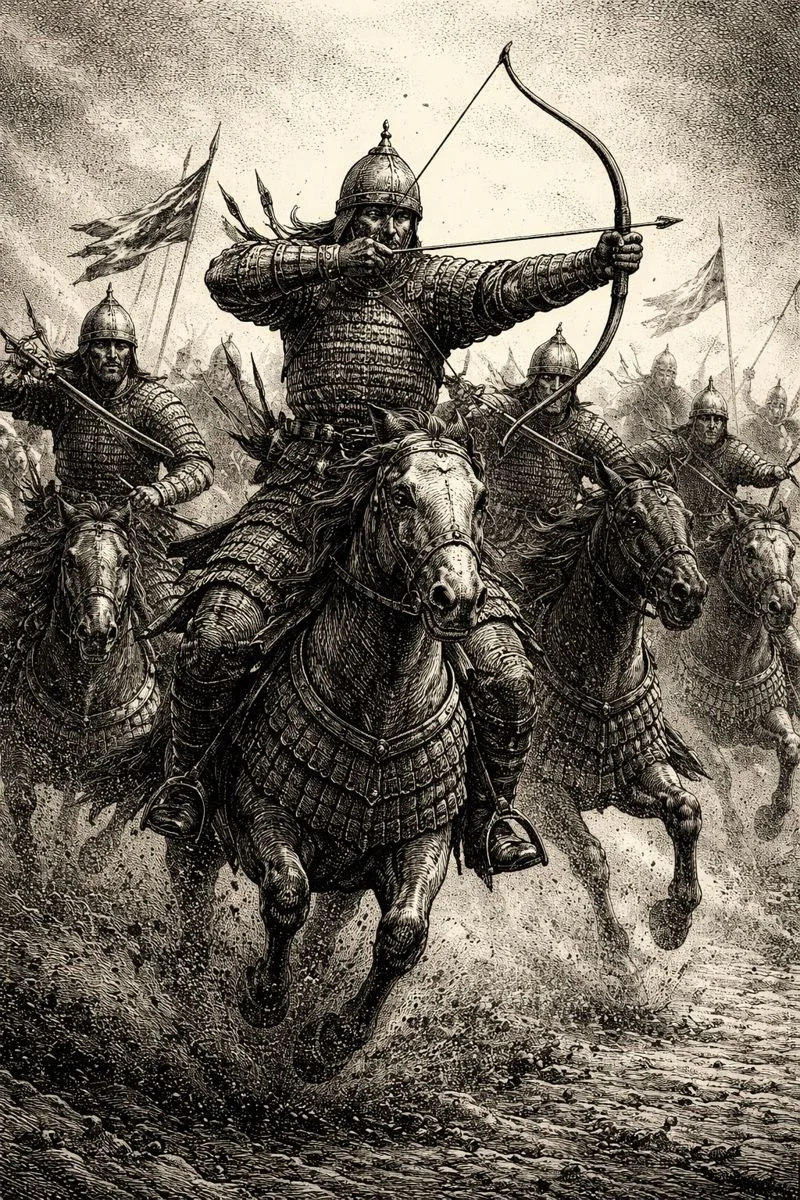
A predator aristocracy on horseback, the Hunnic noble cavalry tore across late antiquity with speed, terror, and precision, unraveling empires before they could even form a shield wall.
Group Rank - 195
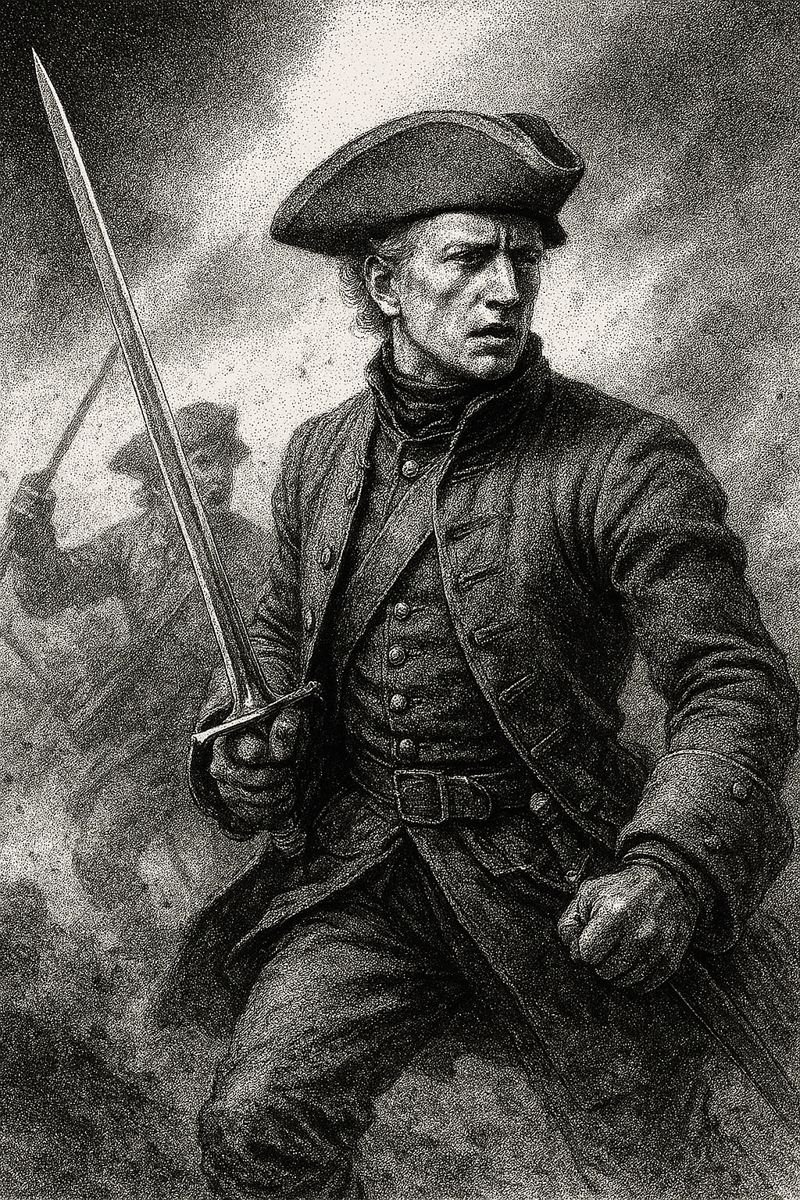
Charles XII of Sweden was a warrior-king who personally led his armies through the Great Northern War, turning early victories into legend through ferocious discipline and reckless courage. His refusal to compromise or retreat ultimately shattered Sweden’s empire, leaving behind a mythic figure admired for bravery and criticized for destroying everything he fought to protect.
Rank - 125