Batu Khan
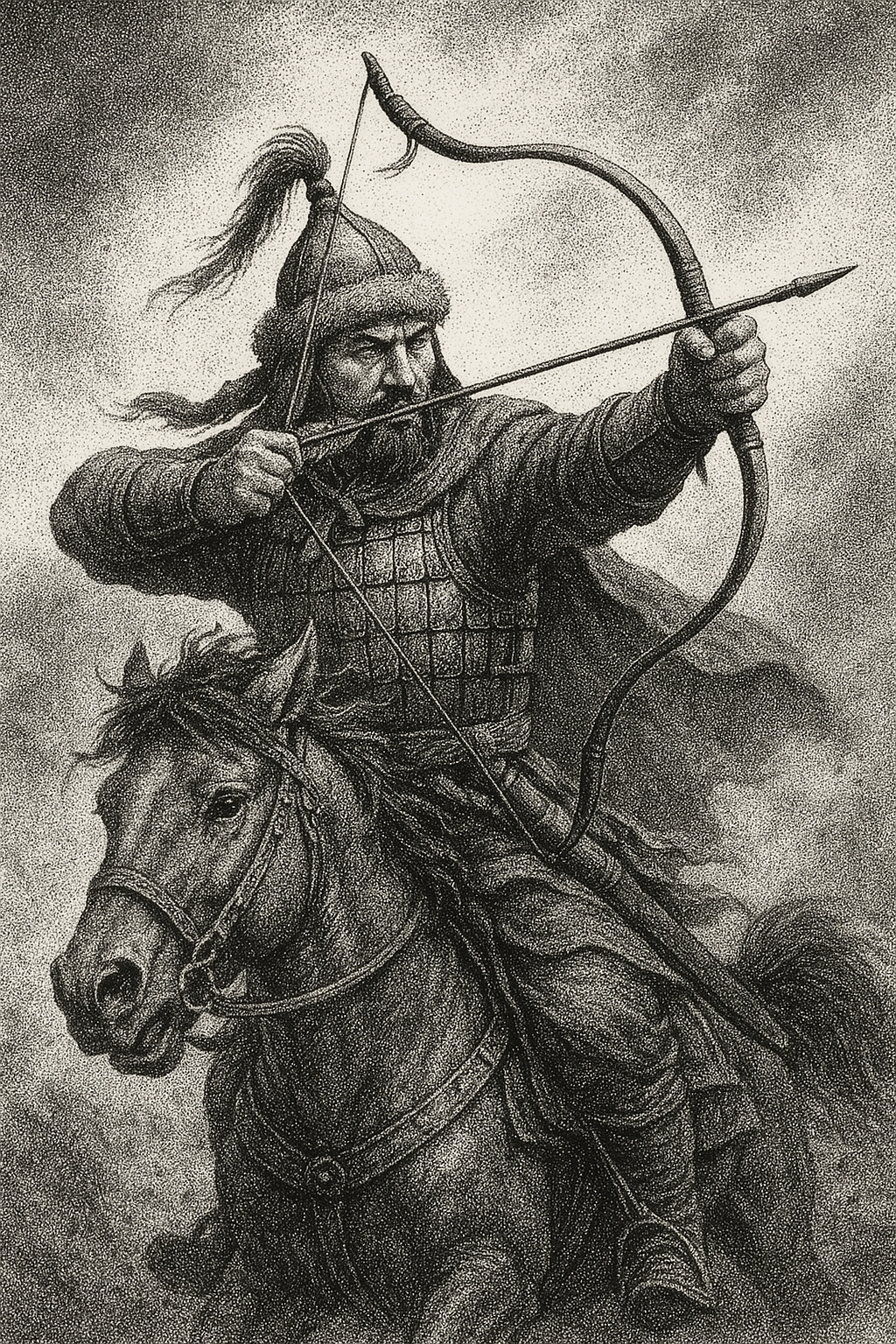
(c. 1207 - 1255 CE)
Grandson of Genghis. Hammer of the West. The Calm That Preceded the Screaming.
“Spare the cities and they’ll call you merciful.
Burn the world and they’ll call you legend.”
Attributed to Batu Khan, allegedly muttered while cleaning his horse’s hooves
The steppe wind carried the perfume of a thousand dying men, and Batu Khan rode through it as if it were incense lit for his morning prayers. It was 1241 and Europe was learning, the hard way, that the Mongols didn’t so much conquer as erase. Smoke curled upward in pious little columns from the wreckage of Hungarian villages, and every now and then you could hear a priest reciting last rites to a town already in pieces. Batu didn’t slow for any of it. The grandson of Genghis had places to be, kingdoms to humiliate, and a reputation to polish with the edge of a composite bow.
He looked less like some demonic conqueror and more like a bored accountant of doom, quietly calculating new methods of annihilation. His riders—those leather-armored meteor showers called the Golden Horde—followed behind, cracking jokes that sounded like funeral rites accidentally set to music. One archer asked another if he’d remembered to pack extra arrows. The reply: “Why? Europe brought plenty of bodies.” No one laughed. They were all too busy killing.
To understand Batu’s peculiar talent for coordinated apocalypse, you have to rewind a few decades to the rolling grasslands where he was forged. Born around 1207 to Jochi, the eldest son of Genghis Khan, Batu inherited not only blood but something nastier: the ambition that comes from being a branch of a family tree constantly watered with other people’s tears. His youth was a mosaic of horse sweat, war drills, and the kind of parental pressure that makes modern “gifted and talented” programs look like nap time. You’re Genghis Khan’s grandson; you don’t get to be average. You get to be terrifying or you get to be fertilizer.
Batu chose terrifying.
He made his debut on the world stage during the western campaigns ordered by Ögedei Khan. It was a sprawling family road trip with very specific goals: go west, make polite introductions, and kill absolutely everyone who didn’t RSVP. Subutai, the legendary general, acted as the tour guide. Batu acted as the headline act, the man whose signature move was overwhelming force delivered with unnerving calm—like a librarian quietly shushing an entire continent.
By the time they reached Russia in the late 1230s, the Mongol war machine was tuned like a murder symphony. Batu smashed Ryazan, vaporized Moscow before it had a chance to become annoying, and ended with Vladimir as the encore. Russian princes wrote frantic letters begging for divine intervention. God, reportedly, was out of the office.
Then came Central Europe, 1241, the chapter where the universe gave Batu a blood-soaked stage and he delivered his masterwork. The Battle of Legnica in Poland was just the warm-up punch, the Mongols swatting Henry the Pious and his crusader cosplay brigade into the soil. But the real performance was the Battle of Mohi in Hungary, where King Béla IV learned that even if you build a defensive camp and hide behind the river, the Mongols will simply turn the river into a moat of failure.
Batu didn’t attack like a man fighting a battle. He attacked like a man conducting an autopsy on a still-living country. First came diversionary feints, then the armies split, enveloped, and suffocated the Hungarian force like a python made of arrows and hooves. The chroniclers say the screams lasted hours. Batu probably considered that a compliment.
The decisive moment wasn’t a sword duel or heroic charge; it was the bridge. As Hungarian soldiers tried to flee across it, the structure collapsed under the weight of panic and armor. Thousands drowned in the river they had trusted. Batu watched from horseback, unsentimental, a man evaluating a natural consequence of poor architectural choices. Some say he laughed. Others say he simply nodded, as if nature itself had auditioned to join the Mongol war machine.
Europe was finished. Done. Flambéed. If Batu had kept going, Paris might be a quaint Mongol suburb known for its fermented mare’s milk cafes. But then news galloped across the continent like a messenger trying not to die: the Great Khan Ögedei was dead. All princes of the blood were summoned home to elect a new ruler. Even Mongols, it turns out, had paperwork.
So Batu turned his horse around like a man forced to leave the best party of his life because someone unplugged the music. His army followed, disappointed. The survivors of Europe peeked out from behind burned beams and collapsed churches, wondering if this was mercy or just an intermission.
Back home, Batu spent the rest of his career building the Golden Horde on the western steppes, ruling with the steady hand of a professional tyrant who’d found his groove. He never forgot Europe. He wanted round two, a proper finale. But politics is the only force more destructive than the Mongols, and Batu found himself mired in a web of rivalries, imperial councils, and cousins who kept inconveniently existing.
His death around 1255 was not glorious. No battlefield crescendo, no empire crushed beneath his stirrup. He died quietly, probably from illness, possibly from exhaustion, maybe from the cosmic disappointment of never turning the Rhine into a water feature of terror. The man who once threatened to erase half of Europe exited history the way monks live: silently.
But myth doesn’t let figures like Batu rest. In Russia, he became a boogeyman, the spectral horseman who still haunts forests whenever the wind blows wrong. In Europe, he became a cautionary tale about what happens when you underestimate nomads whose horses have better cardio than your entire infantry. Modern pop culture occasionally remembers him as “one of Genghis’s grandsons or whatever” which is like calling a hurricane “a spicy breeze.” Academics know better. They whisper his name the way insurance agents whisper about earthquakes.
The irony? Batu didn’t even consider himself the real monster of his family. He once remarked that he was merely harvesting what others had planted. Entire civilizations disagreed.
History tends to file him under “Wrath of God, but with better logistics.” Fair enough.
And somewhere on the Hungarian plain, the wind still sounds like hooves deciding whether they’re coming back.
Warrior Rank #157
Sources
• Rashid al-Din, Compendium of Chronicles
• John of Plano Carpini, History of the Mongols
• Thomas T. Allsen, Culture and Conquest in Mongol Eurasia
• Timothy May, The Mongol Conquests in World History
• The Absolutely Unhelpful Guide to Surviving Mongol Invasions, Steppe Press (fictional)
• Bridging for Dummies: Europe’s 1241 Edition (definitely fictional)

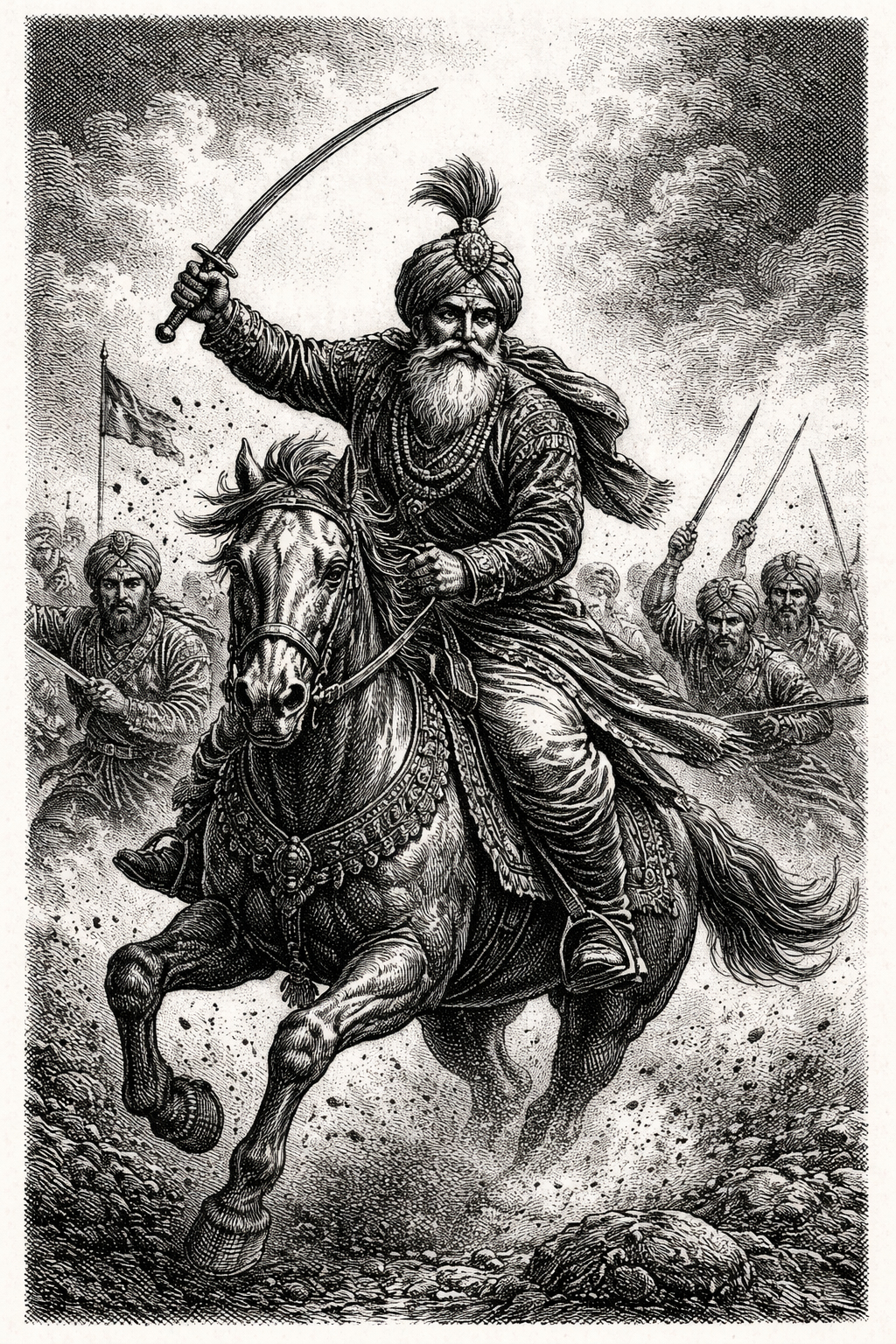
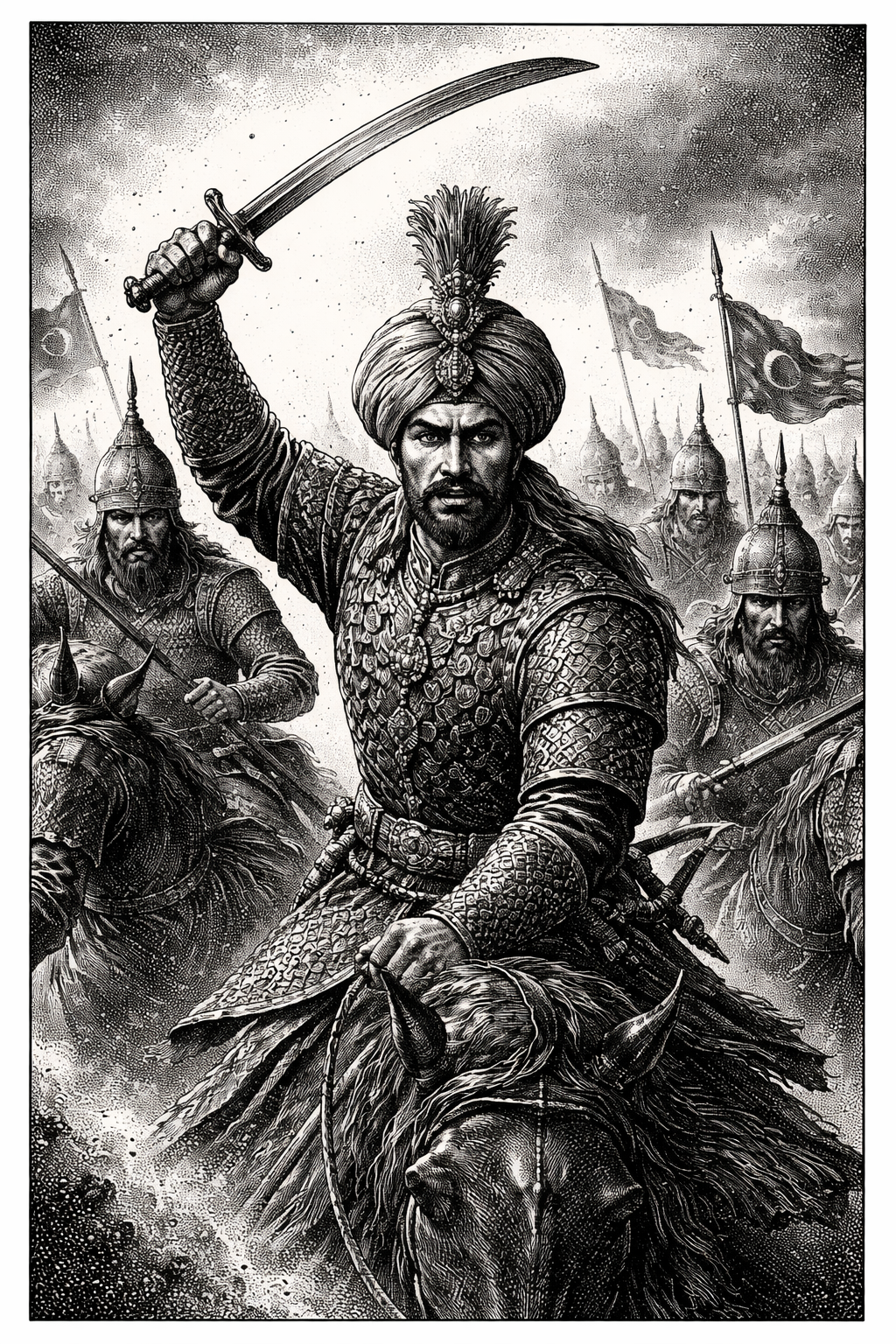
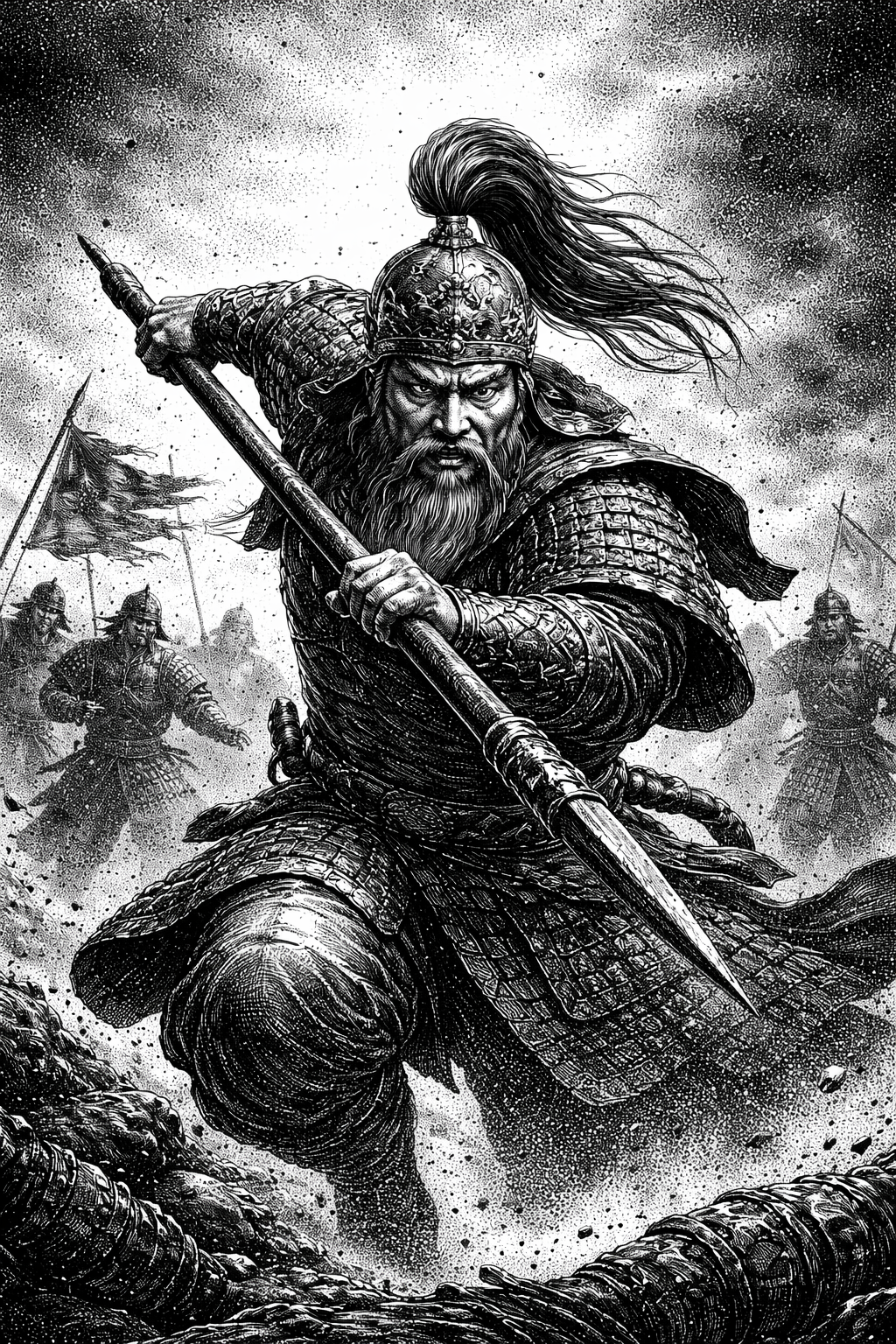
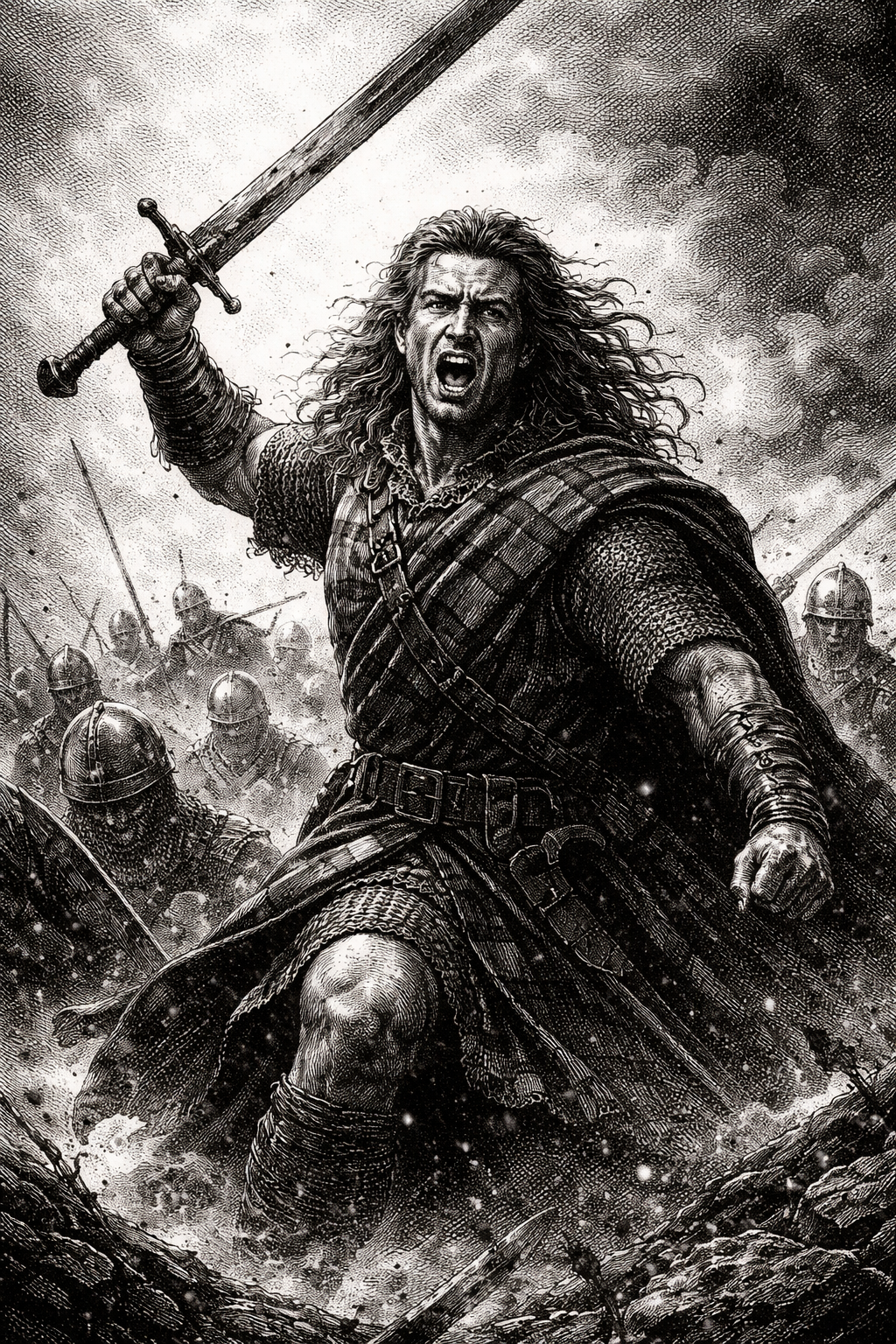
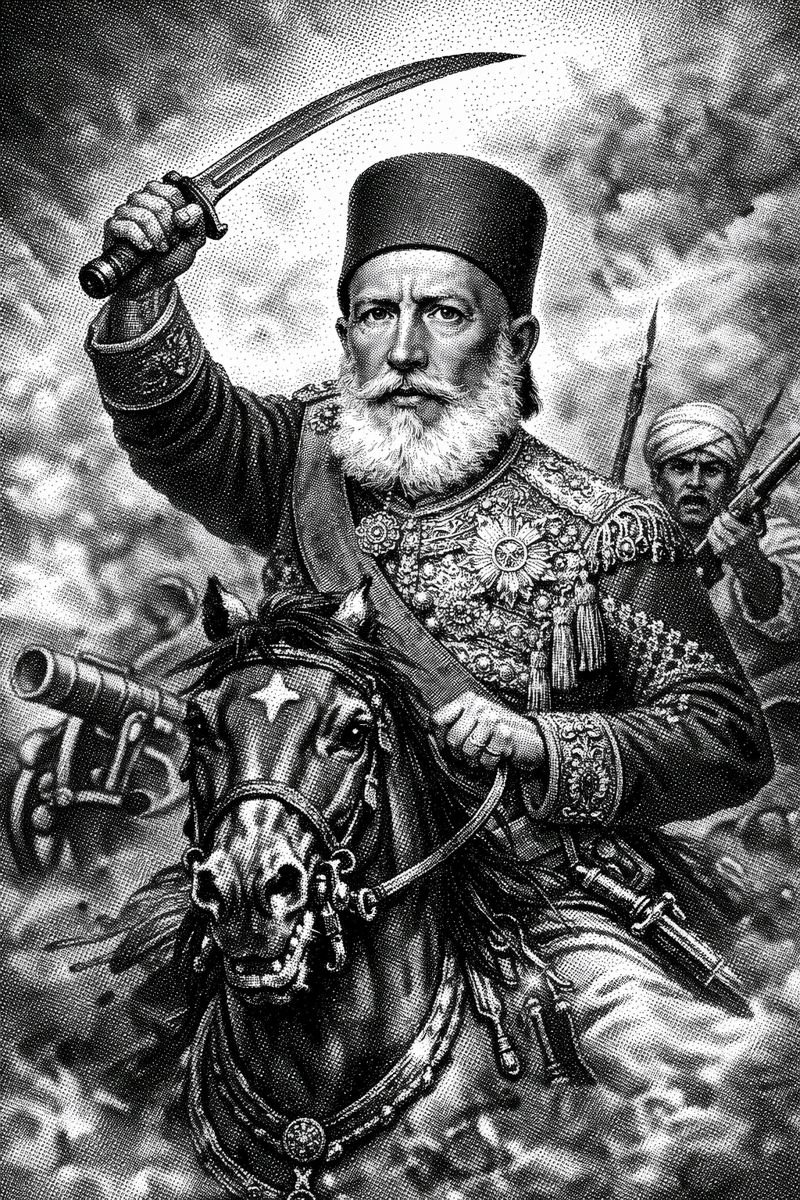
Alexander Nevsky was a 13th-century Russian prince famed for defeating invading forces at the Battle on the Ice in 1242. He became a national hero and later a saint, remembered as both warrior and shrewd diplomat.
Rank - 115