Featured
Featured

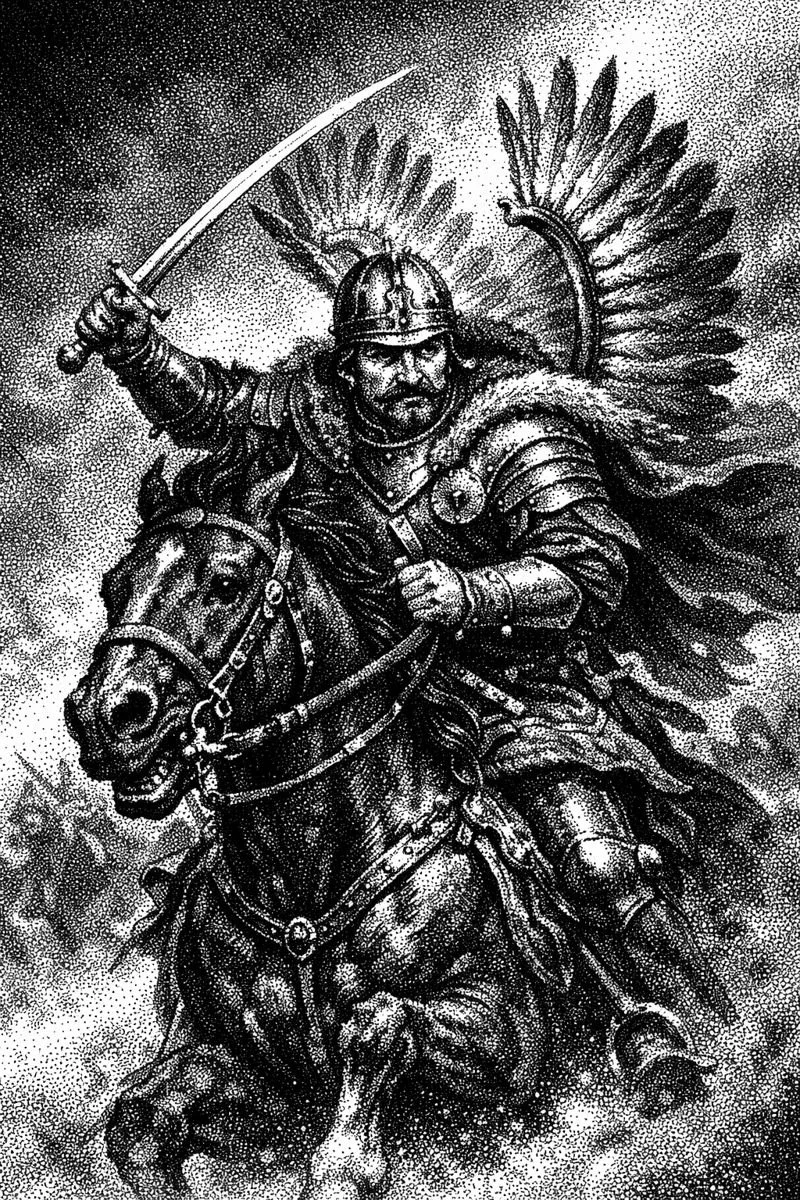
John III Sobieski was the Polish king who thundered downhill at Vienna and changed Europe’s fate in a single charge.
Rank - 152
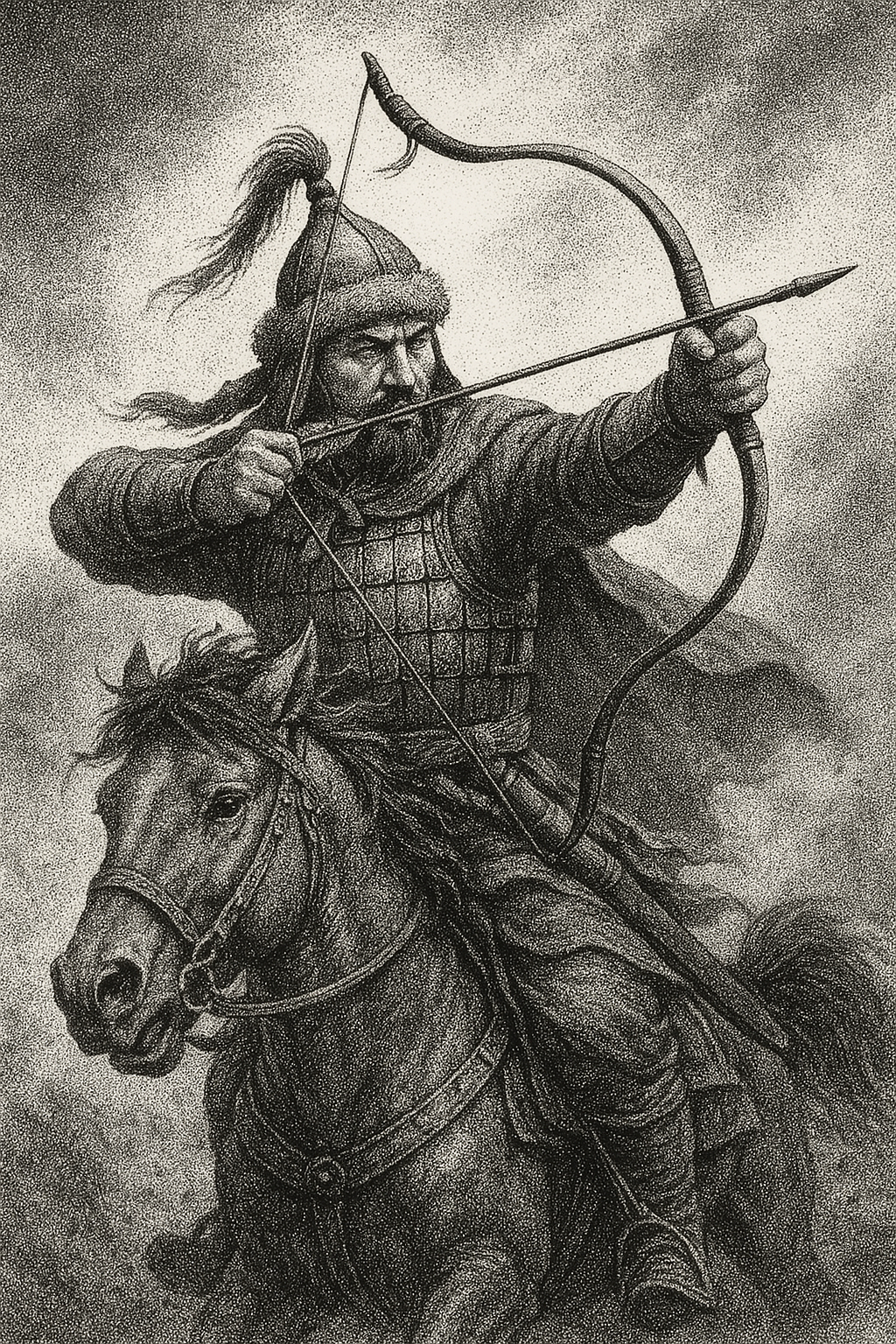
Batu Khan rode like a storm with a ledger, calmly calculating the cost of kingdoms as he erased them.
Rank - 157
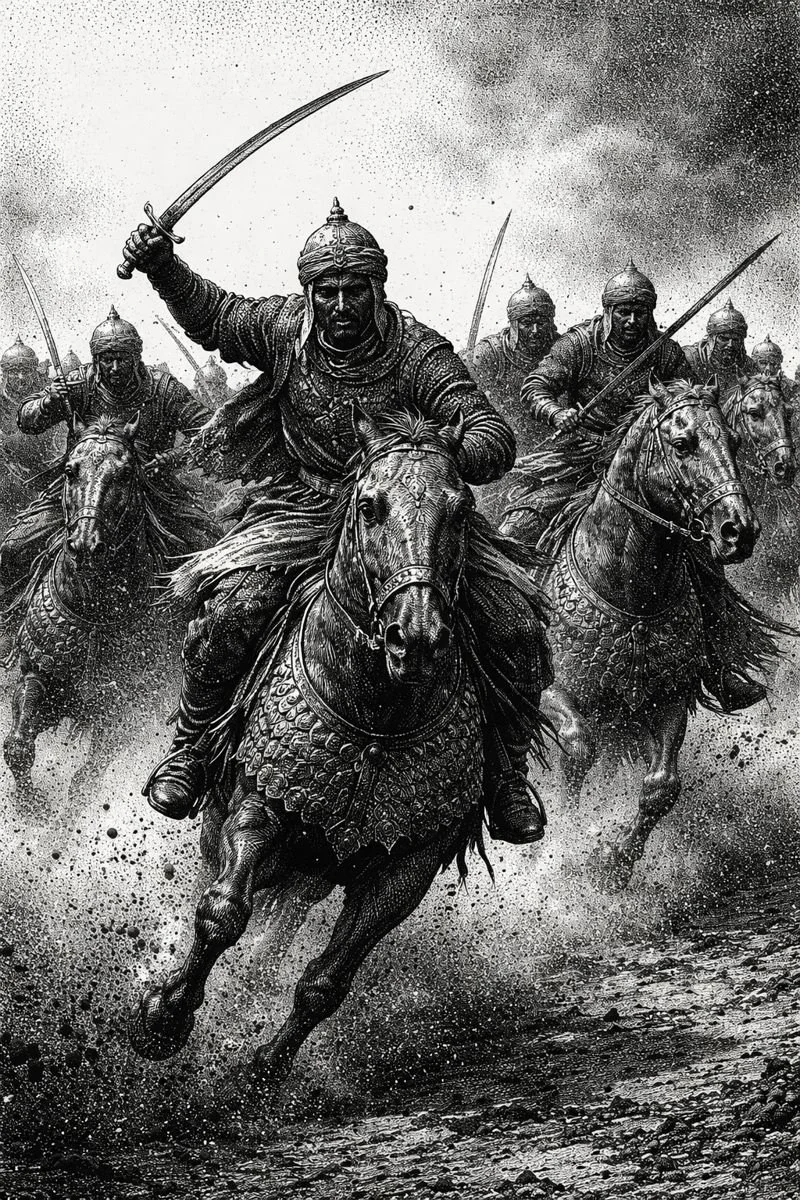
The Seljuk ghulams were elite slave-soldiers forged into a professional cavalry core, bound by pay, training, and proximity to power rather than blood or tribe. As a disciplined hinge of the Seljuk war machine, they delivered controlled violence that reshaped battlefields from Iran to Anatolia and left a template later empires would copy without apology.
Group Rank - 174
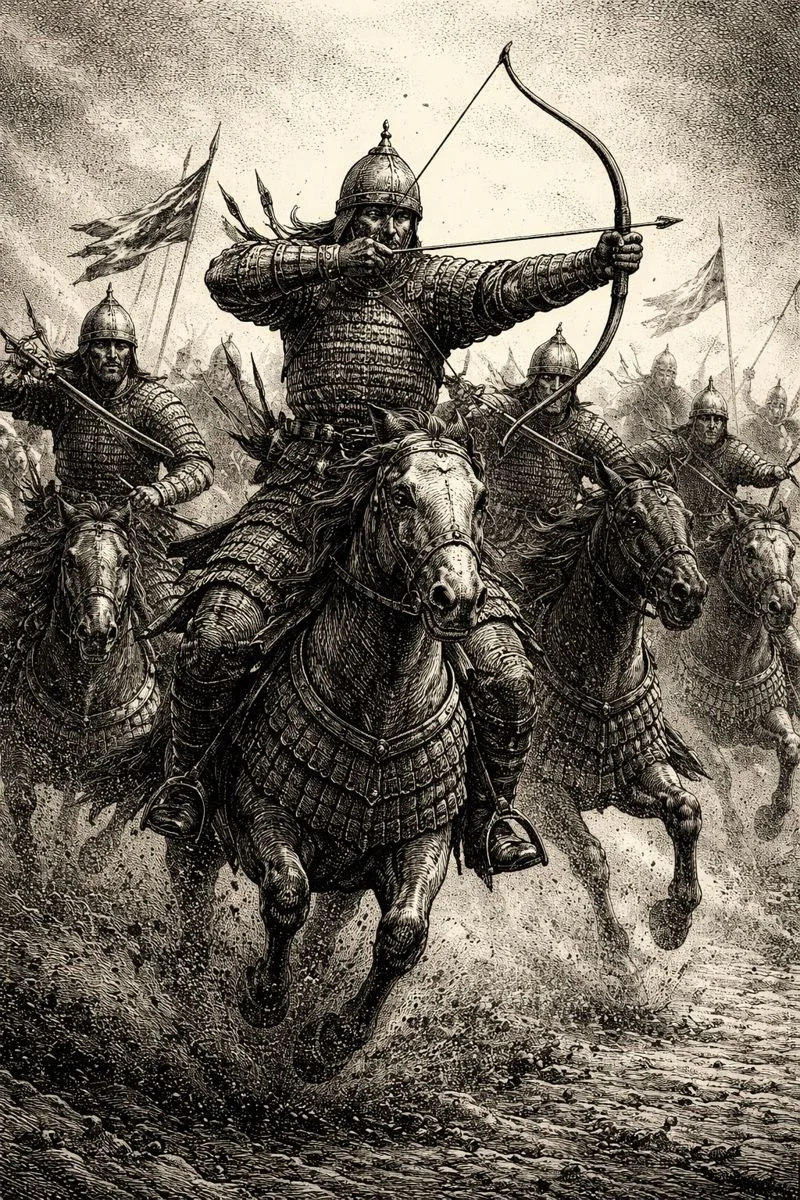
A professional cavalry brotherhood forged from enslaved youths, the Fatimid and Ayyubid Mamluk horsemen mastered discipline, mobility, and shock warfare to become the decisive military force of medieval Egypt and Syria.
Group Rank - 180
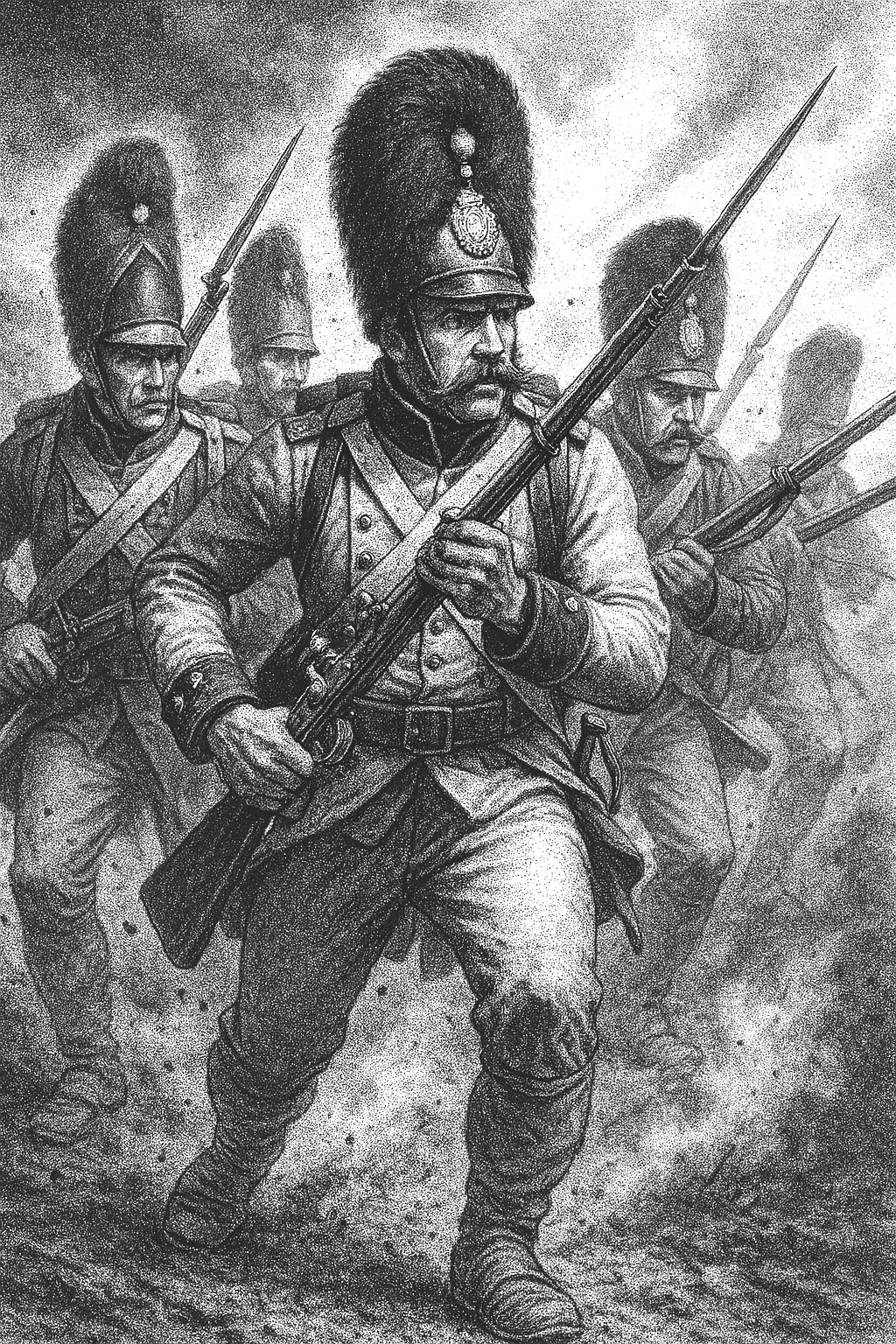
Russian Grenadiers advanced like a moving wall of frostbitten resolve, breaking armies through sheer inevitability long after the grenades themselves stopped mattering.
Group Rank - 187
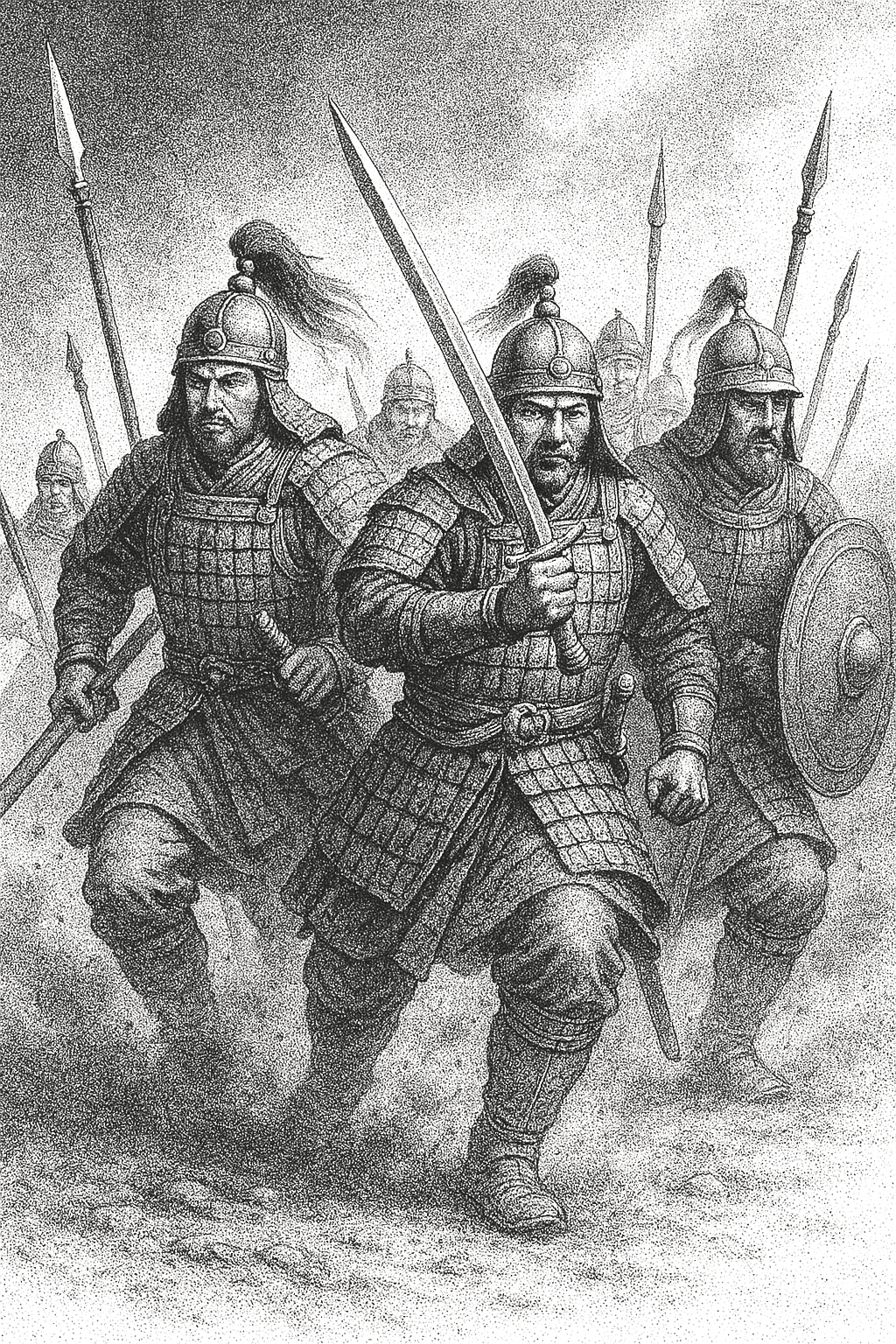
The Tang Imperial Guards lived and died as the empire’s steel conscience—glorious in its youth, decadent in its age, and always one heartbeat away from violence.
Group Rank - 189
A predator aristocracy on horseback, the Hunnic noble cavalry tore across late antiquity with speed, terror, and precision, unraveling empires before they could even form a shield wall.
Group Rank - 195
Mahmud of Ghazni (c. 971–1030) was a Turkic ruler and the first major sultan, renowned for his highly mobile cavalry campaigns that projected Ghaznavid power across Central Asia and deep into the Indian subcontinent. Both a fierce military raider and a calculated patron of Persian culture, he left a legacy shaped equally by conquest, wealth extraction, and enduring historical controversy.
Rank - 147