
oh, the inhumanity
A macabre encyclopedia of humanity’s most creative cruelties
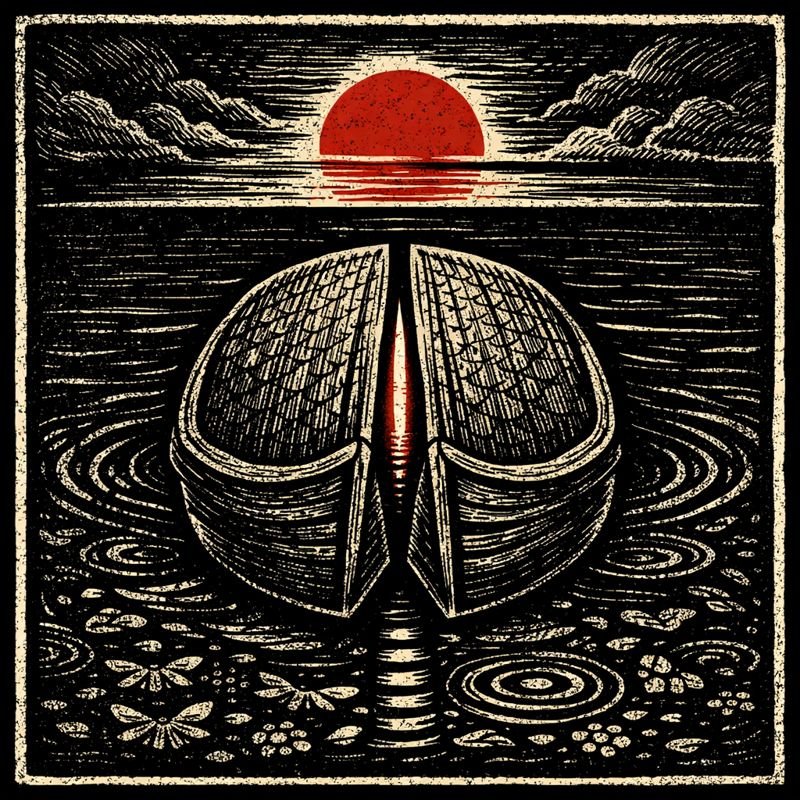
Scaphism
Scaphism, known as “the boats,” was an ancient Persian execution method that relied on confinement, exposure, and time rather than direct violence. By sealing a victim between two boats and letting nature complete the sentence, it turned the environment itself into the executioner.
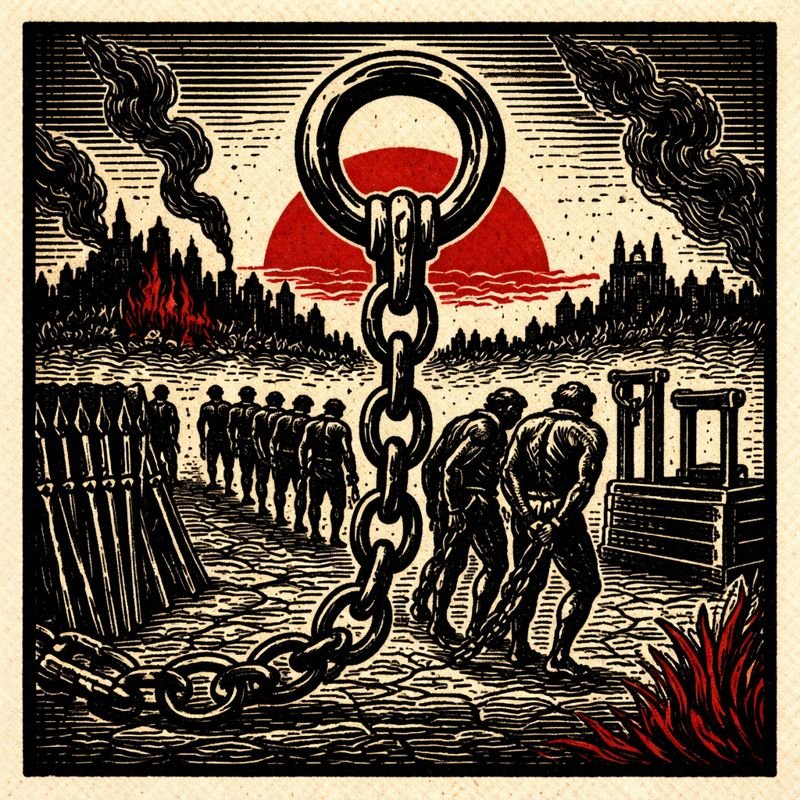
Enslavement
Enslavement turns survival into a sentence, binding the defeated to the victors long after the noise of battle fades. It is conquest extended in time, where mercy is measured not by freedom, but by how much labor a spared life can still produce.
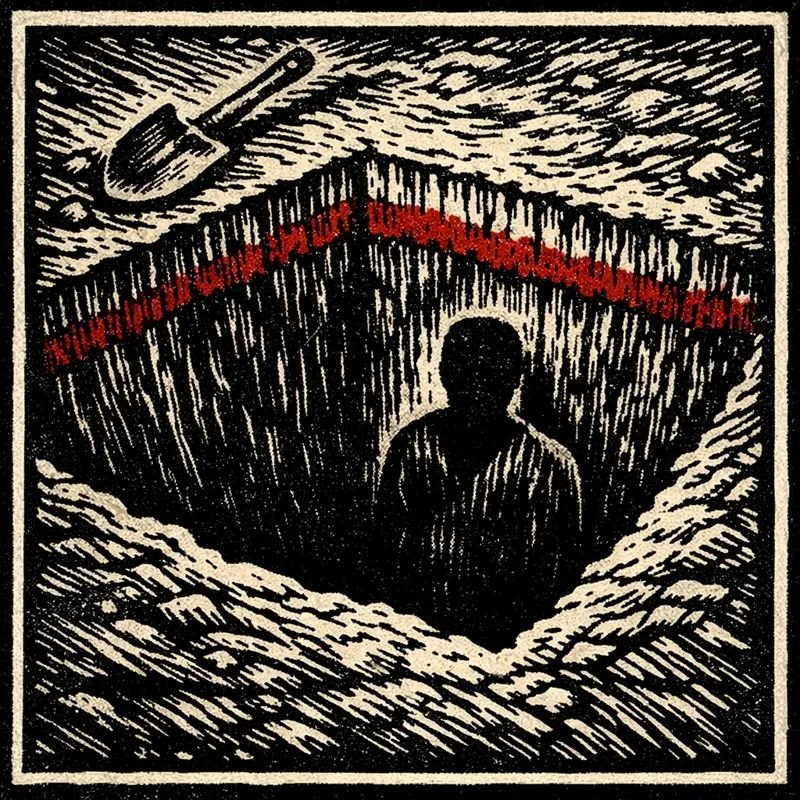
Burying Alive
Burial alive turns the earth itself into an executioner, delivering death through silence, pressure, and time rather than a visible blow. It is a punishment designed to erase the condemned while allowing the living to pretend their hands remain clean.
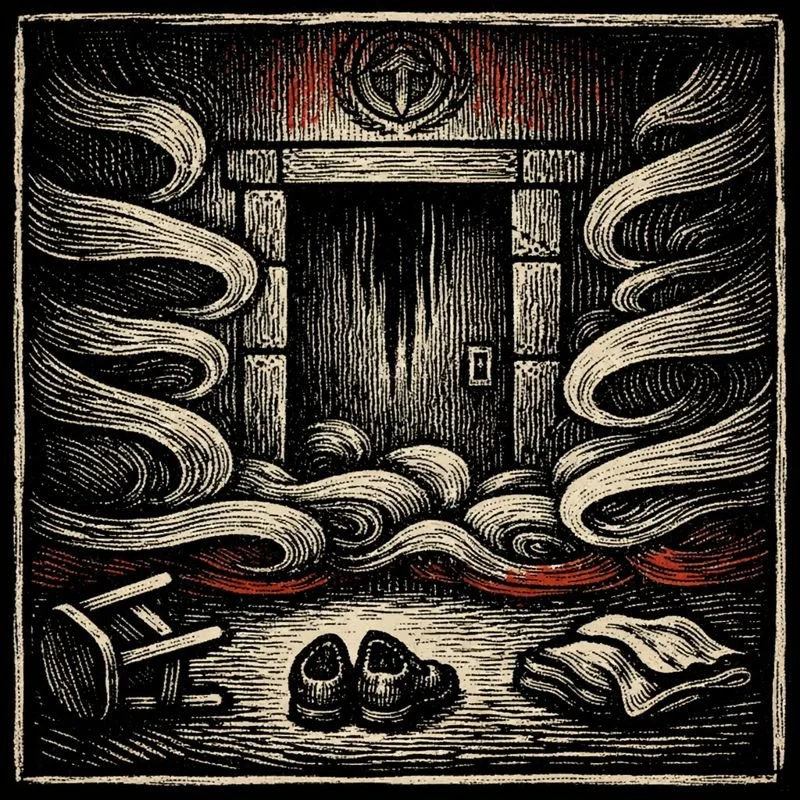
Gassing Civilians
Gassing civilians is violence designed for scale rather than confrontation, turning shared air into an indiscriminate weapon. It kills without touch or witness, relying on chemistry, distance, and bureaucracy to replace the executioner’s hand. More than a method of death, it is a philosophy of power that treats populations as environments to be controlled rather than lives to be spared.
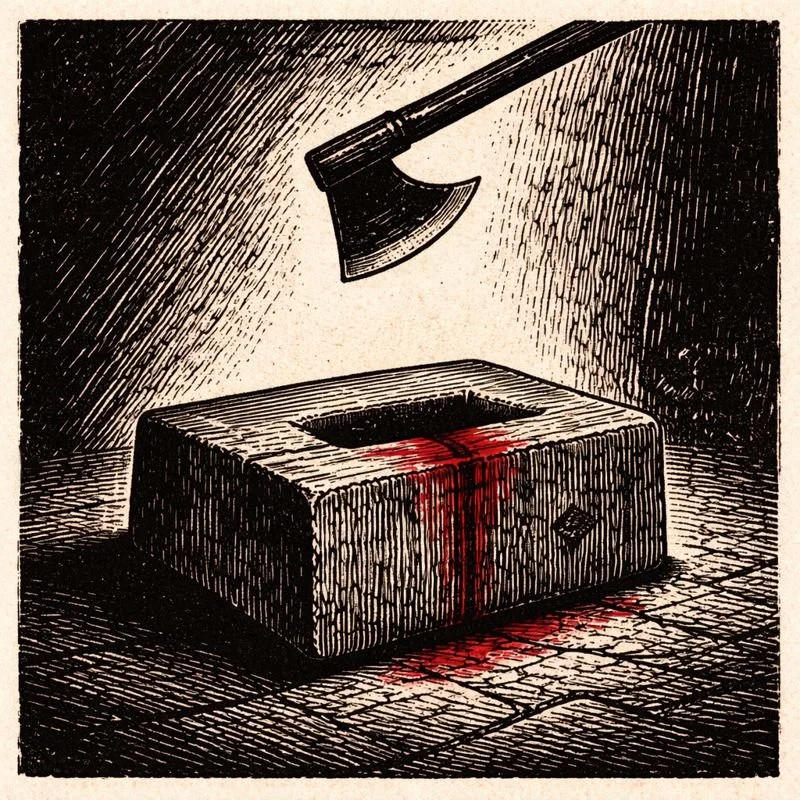
Beheading
Beheading is among humanity’s oldest attempts to make death orderly, efficient, and publicly legible. Framed as mercy or honor, it reduced a human life to a single decisive motion, transforming execution into ritual and authority into spectacle. What was meant to end suffering instead revealed how carefully civilizations have designed ways to kill without hesitation.
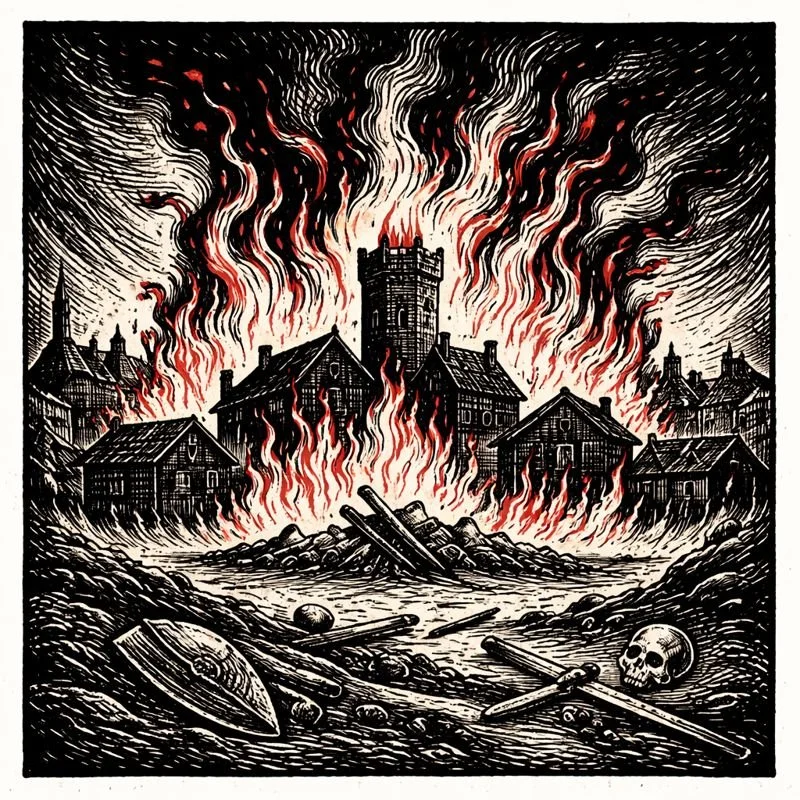
Burning Cities
Cities were not always burned in the heat of battle. Often, they were burned afterward, deliberately, methodically, as punctuation rather than violence. This entry explores how fire became a language of conquest, teaching obedience through spectacle and turning entire populations into witnesses long after the flames died down.
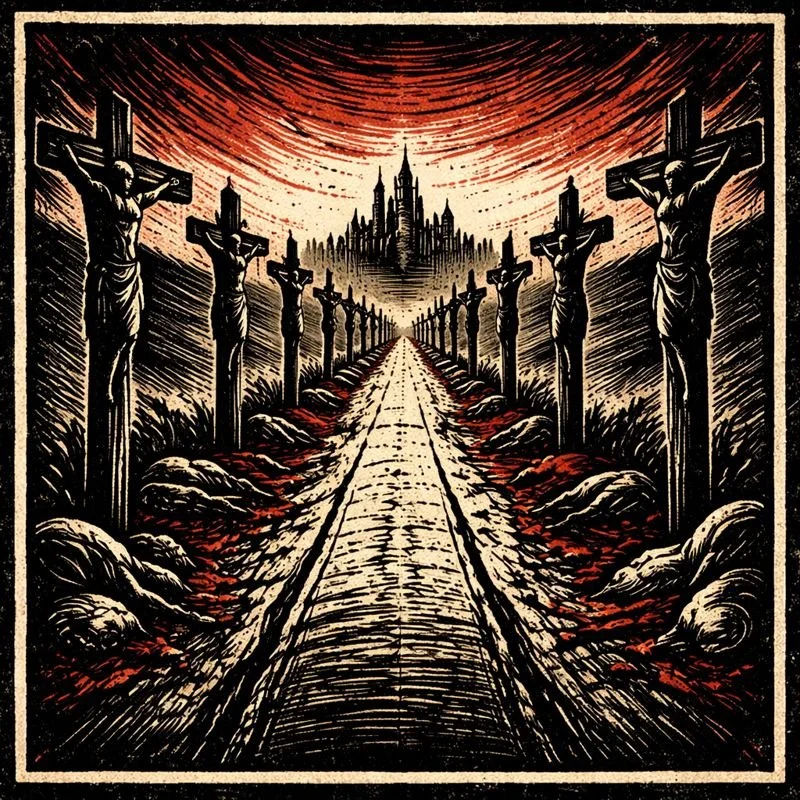
Crucifixtion
Crucifixion was not designed to kill quickly, but to instruct slowly, turning the human body into a prolonged public lesson in obedience. This article examines how empires used the cross to combine anatomy, law, and spectacle into one of history’s most efficient tools of terror. From anonymous roadside deaths to the execution of Jesus, crucifixion reveals how civilization teaches fear by making suffering visible.
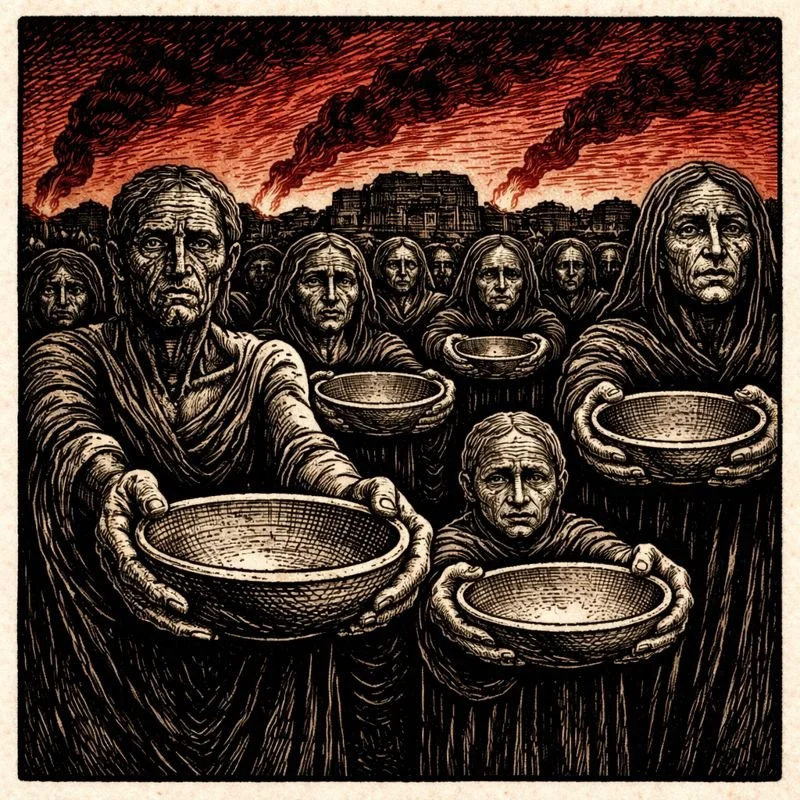
Starvation of Civilians
Starvation of civilians is a deliberate tool of power, tracing how hunger has been engineered through sieges, blockades, and policy to break populations without a single blade drawn. It explores the bodily, psychological, and moral toll of famine imposed by human design, revealing hunger as one of civilization’s most enduring weapons.
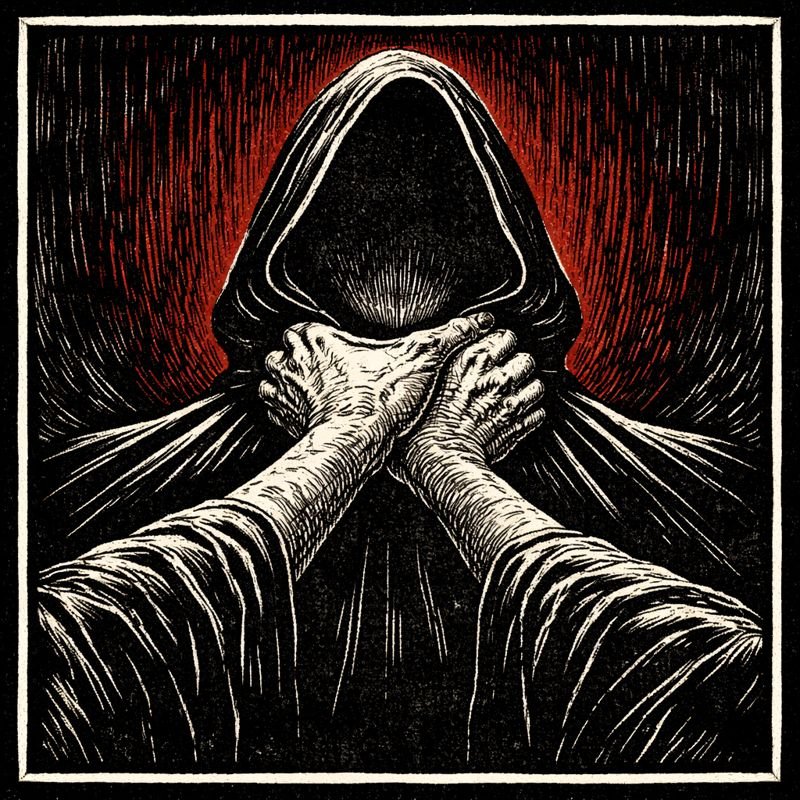
Strangulation
Strangulation is the oldest execution method because it requires nothing but permission and pressure. Across empires and centuries, it served as a quiet sentence, designed to erase a life without spectacle, blood, or debate.
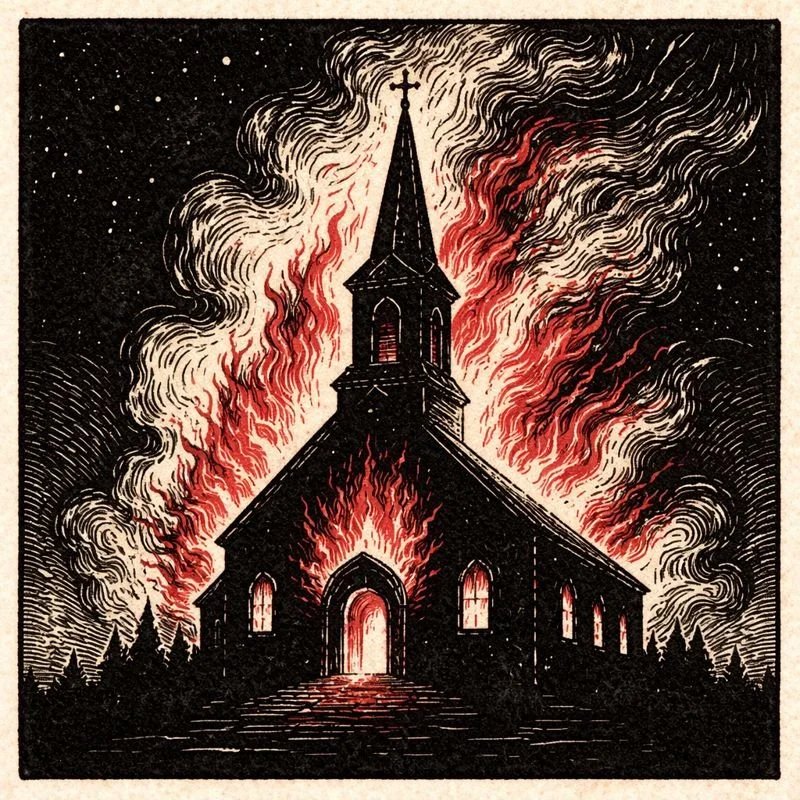
Civilians Burned in Sanctuary
The deliberate burning of civilians inside sacred spaces, where churches, temples, and sanctuaries were weaponized to turn refuge into execution. Across eras and empires, it reveals how fire was used not only to kill bodies, but to shatter the idea that any place could stand outside the reach of power.
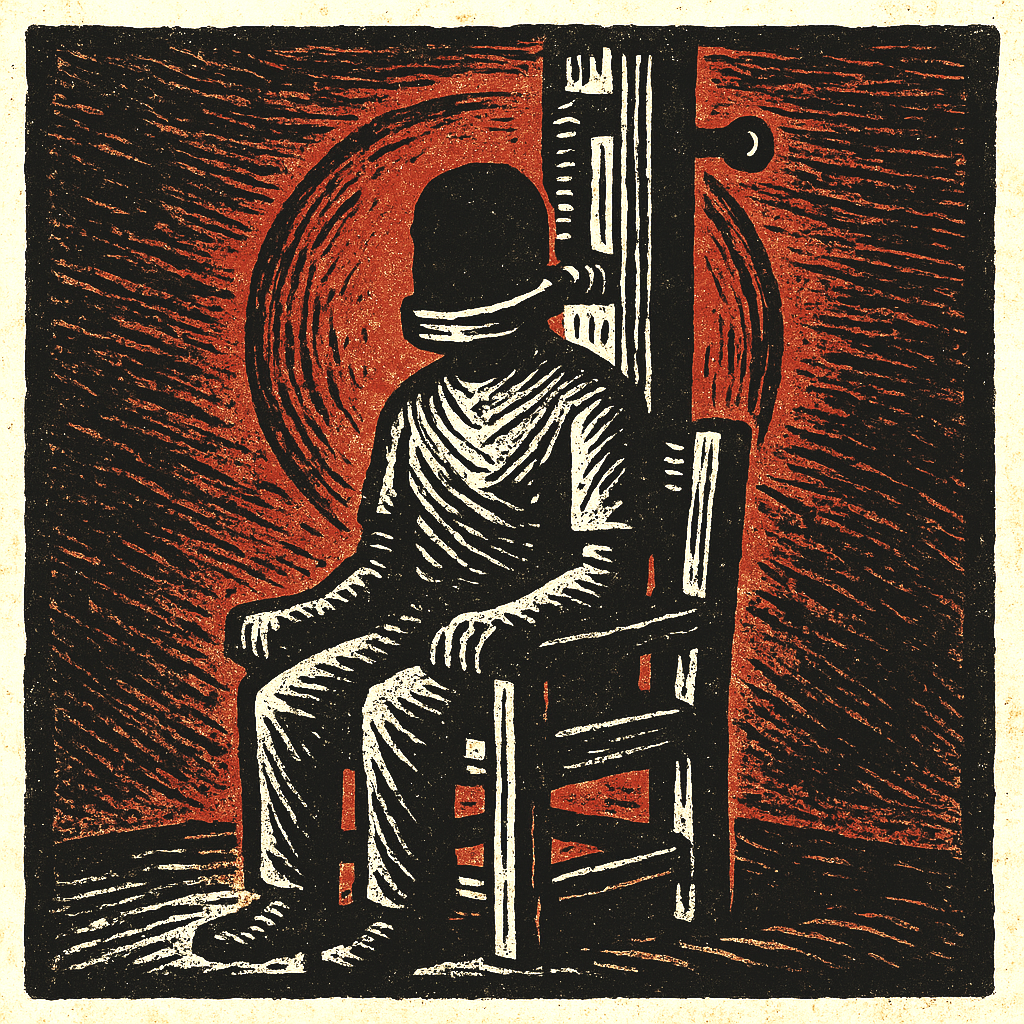
Garroting
They called it mercy, but it sounded like a screw tightening in the dark. The condemned sat in a plain wooden chair, an iron collar closing around the throat, and with each slow turn the world narrowed to pressure, silence, and the tidy brutality empires preferred to call civilization.
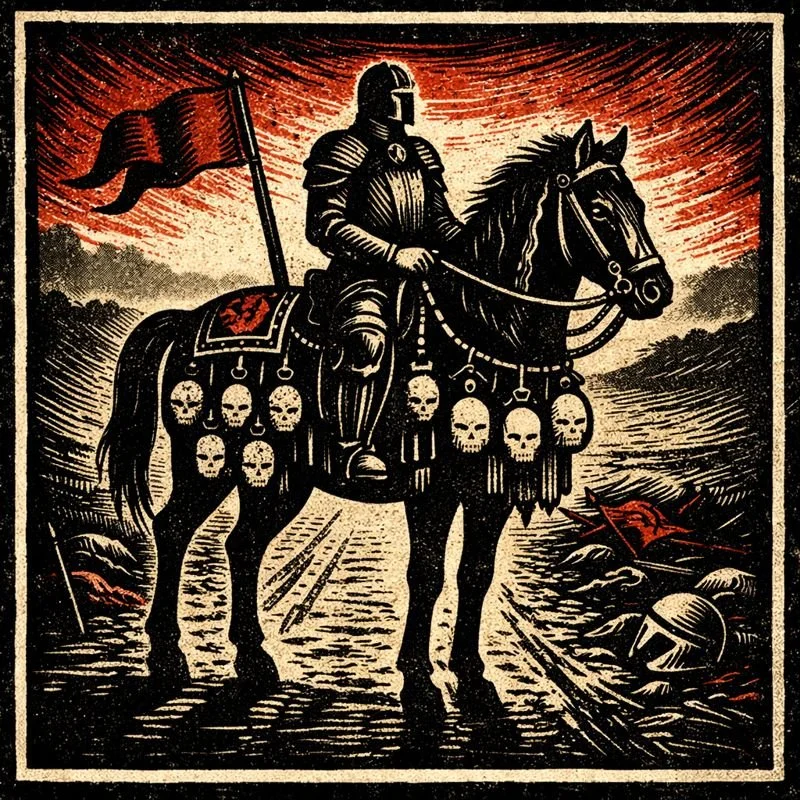
Corpse Desecration
Armies and rulers turned the bodies of their enemies into instruments of communication, transforming death into a public warning meant for the living. By tracing trophy display across cultures and centuries, it reveals how power learned to travel farther than soldiers by engraving fear directly onto the landscape.
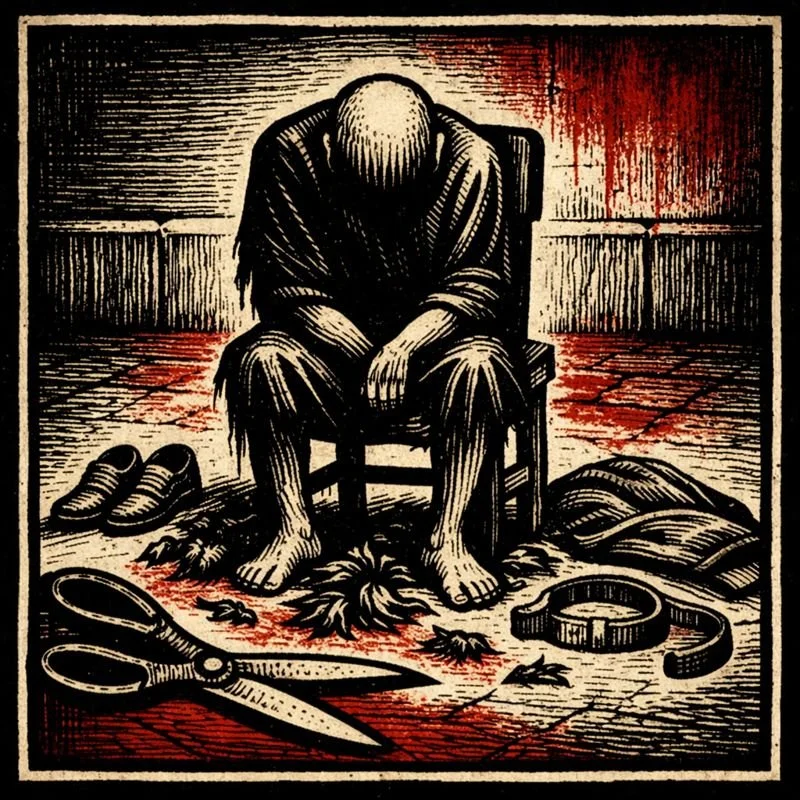
Tonte Publique
In the aftermath of liberation, France found a punishment that required no courts and spilled no blood: the public shearing of women accused of collaboration. Tonte publique stripped identity rather than life, proving that a society can erase a person without ever laying claim to justice.
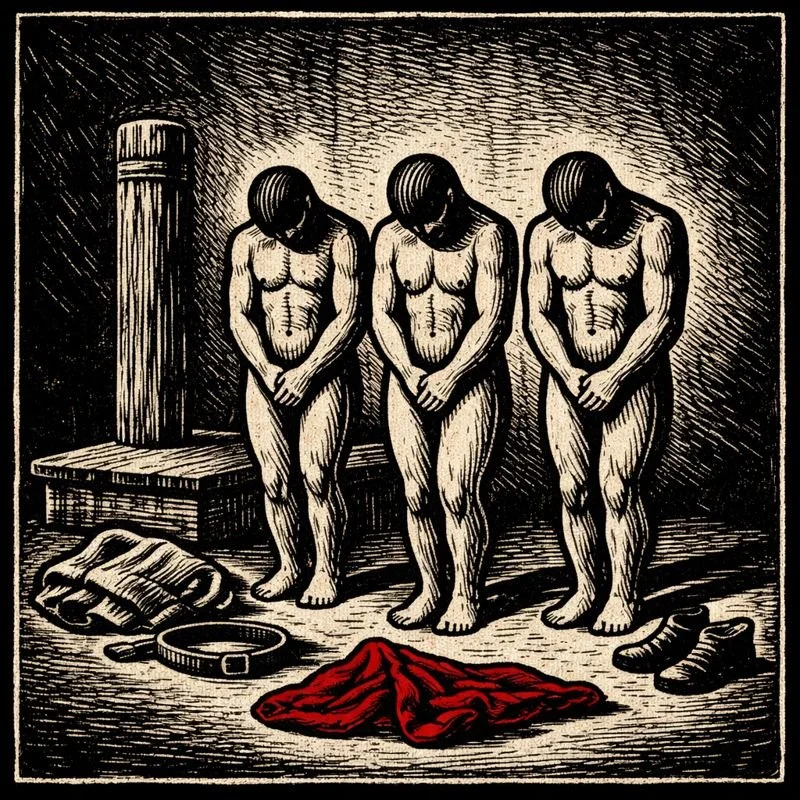
Public Shaming Rituals
Public shaming rituals punished without killing, turning exposure itself into the sentence. By stripping symbols of dignity in front of witnesses, societies learned that humiliation could enforce order long after the crowd dispersed.
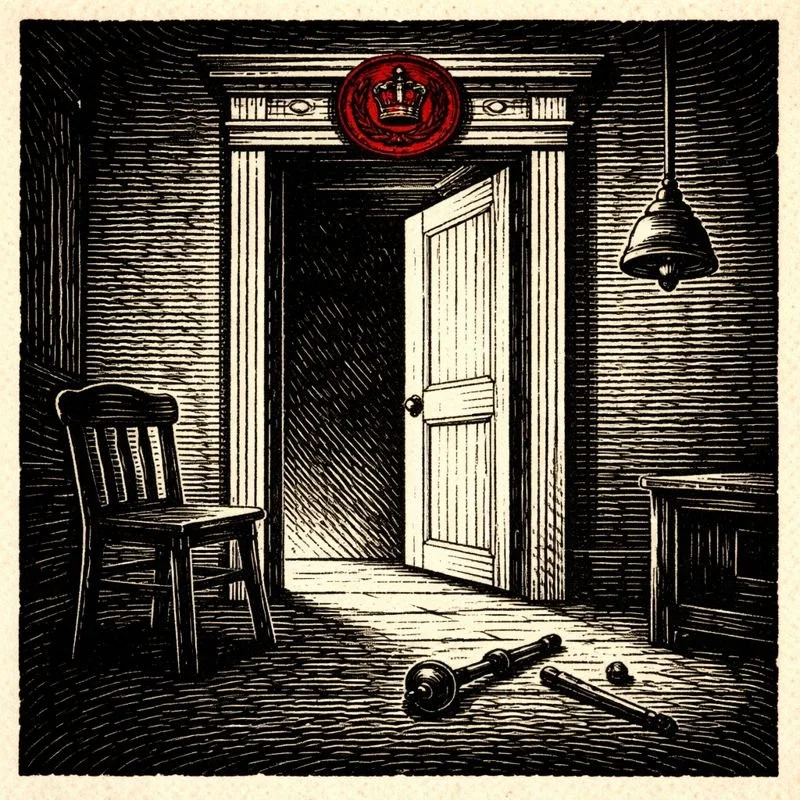
Rape as Governance
States have long ruled not only through laws and armies, but by authorizing violation as a tool of control, rewriting power directly onto private life. This entry traces how sanctioned abuse became governance by other means, leaving scars on societies long after the uniforms and decrees disappeared.
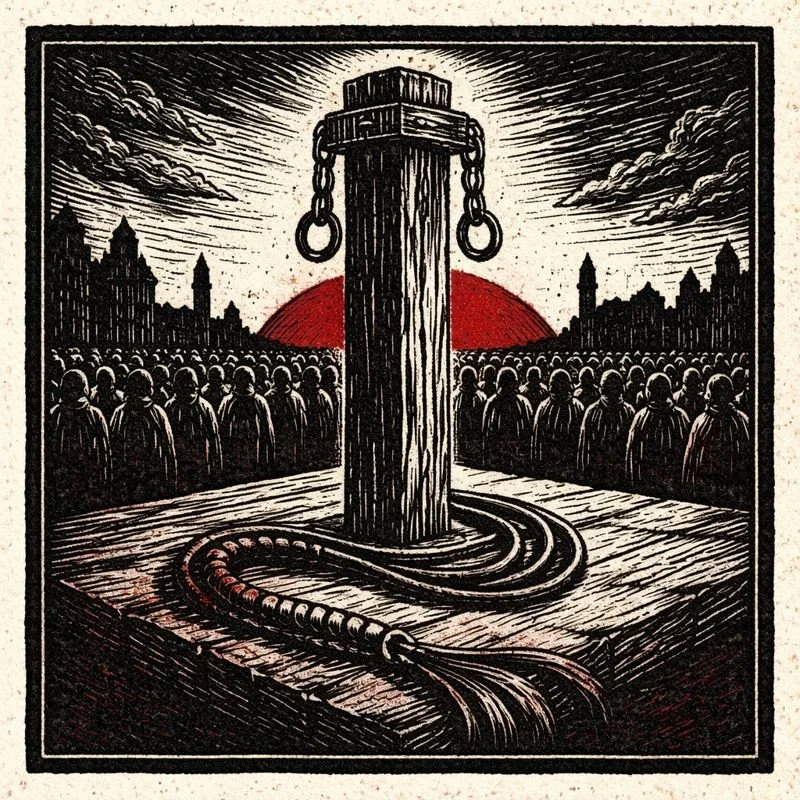
Public Flogging
Public flogging was never meant to kill. It was designed to instruct — a measured violence calibrated for survival, spectacle, and memory. Each counted lash turned the human body into a public document, teaching obedience not through death, but through endurance witnessed by all.

Public Hanging
They called it justice. It looked like carpentry elevated into theology. The rope creaked, the crowd murmured, and the scaffold waited with the patience of a tool that knew its work. In every civilization that raised a beam and tied a knot, hanging became less a method than a message — a lesson written on a human body at the highest point in town.

Mutilation & Amputation
Across empires and eras, mutilation turned the human body into a ledger of authority — a hand for defiance, an ear for disobedience, a tongue for truth spoken at the wrong moment. Justice claimed the blade was impartial; history shows otherwise.

Burning at the Stake
They called it purification, but the stake was really a sermon written in smoke.

Arrow or Spear Sacrifice
A bound figure stands as offering and target, pierced by faith itself—each arrow a prayer in flight.