Gassing Civilians
The Air Turned Against Us
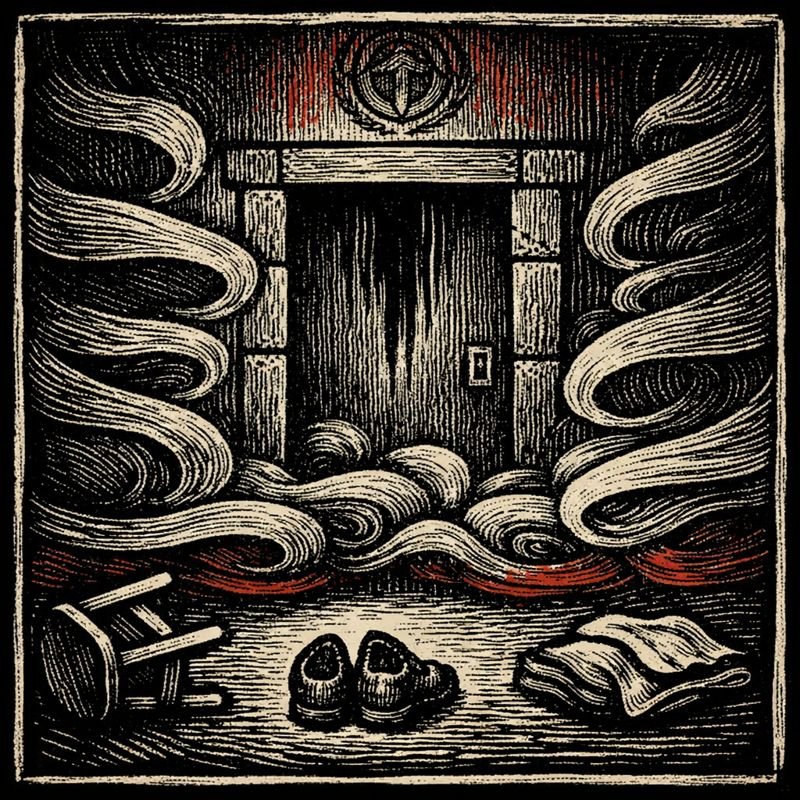
Europe and Beyond,
1915–Present
They smelled it before they understood it. A sharpness, metallic and wrong, creeping low along the ground like an idea nobody wanted to own. Birds stopped singing. Dogs pulled at their leashes. Then the air itself seemed to thicken, as if it had decided to become a substance with opinions. People covered their mouths. People ran. People learned, very quickly, that breath could betray you.
Gas is polite that way. It does not announce itself with fire or steel. It does not knock. It arrives as atmosphere, as weather, as an administrative error in the sky. It asks only that you inhale.
The Method — Turning Air Into a Weapon
Gassing civilians is not one device but a family of designs, unified by a single perversion: the conversion of something universally shared into something selectively lethal. Chlorine, phosgene, mustard gas, hydrogen cyanide, sarin. Each compound with its own chemistry, its own timetable of agony, its own bureaucratic justification.
The mechanics are deceptively simple. Release the agent. Let physics do the rest. Wind carries the sentence. Enclosed spaces amplify it. Basements become lungs. Shelters become traps. Unlike blades or bullets, gas does not require precision. It thrives on indifference. Its genius lies in scale.
The first industrial deployments emerged during the First World War, when chemists were invited into the conversation of killing and responded with enthusiasm. Chlorine clouds rolled across trenches in 1915, bright green and visibly wrong. Soldiers fled, then learned to stand still and suffer. Civilians soon followed. Cities downwind became laboratories without consent.
Later iterations refined the cruelty. Mustard gas blistered skin and lungs, lingering in soil like a bad memory. Cyanide-based agents interfered with cellular respiration, killing not by suffocation but by denying cells the ability to use oxygen even when it was present. The body, flooded with air, still drowned.
The method’s appeal to states has always been its efficiency. No walls to breach. No names to check. Just release and wait.
The Human View — Breathing as Betrayal
For the victim, the experience begins with confusion. Eyes sting. Throats burn. Lungs revolt. There is often a moment of hope, the instinctive belief that stepping outside, opening a window, or running faster might solve the problem. Gas punishes optimism.
Chlorine feels like inhaling needles dipped in bleach. Mustard gas lies, delaying pain until hours later, when blisters bloom and lungs quietly fail. Nerve agents are brutally efficient, hijacking the nervous system, turning muscles against themselves in spasms that look almost choreographed. The body remembers how to die long before the mind accepts it.
For the perpetrators, distance is the point. A valve turned. A canister dropped. A checklist signed. Gas absolves the hand by removing it from the scene. It replaces the executioner with an equation.
Witnesses experience a different horror: the sight of people collapsing without wounds, clutching at nothing, eyes wide at an enemy that cannot be struck. There is no duel here, no exchange. Only the obscene intimacy of shared air turned hostile.
The Society Behind It — Clean Hands, Dirty Sky
Gassing civilians thrives in moments when morality is framed as logistics. It flourishes where efficiency outranks empathy, where enemies are redefined as populations, and populations as problems.
The justification is always familiar. Deterrence. Necessity. Retaliation. The claim that shortening suffering requires intensifying it. Gas, advocates argue, ends wars faster. It terrifies so completely that resistance collapses. It teaches obedience through breath itself.
There is also theater. Gas masks, sirens, sealed rooms, public drills. The ritualization of fear. Citizens trained to survive an attack that should never occur, rehearsing survival as civic duty. The spectacle reinforces authority by reminding everyone who controls the invisible.
Faith systems adapt. Some declare gas a punishment. Others a test. Legal frameworks follow, drawing lines that are promptly smudged by exceptions. The sky becomes a loophole.
Historical Record — When the Wind Chose Sides
The twentieth century offers no shortage of examples. During World War I, chemical weapons spilled beyond trenches into villages, fields, and towns, blurring the already thin line between soldier and civilian. The interwar years brought treaties promising restraint, paired with quiet stockpiling.
In the 1930s, Italian forces used mustard gas in Ethiopia, targeting not only combatants but rural populations, poisoning wells and grazing land. The intent was not merely victory but submission, written into the soil.
During the Second World War, the most infamous chapter unfolded behind sealed doors and bureaucratic language. Industrialized gassing became policy, repurposing pest-control chemicals into tools of mass murder. Civilians were not collateral damage. They were the objective.
Later decades carried the practice into new theaters. In the late twentieth century, chemical attacks reappeared in the Middle East, deployed against towns and minorities deemed expendable. More recently, nerve agents have surfaced in civil wars, drifting through suburbs, schools, and shelters, the victims filmed through shaking lenses for a world that already knows what gas does and pretends to be surprised each time.
Myth & Memory — The Invisible Horror That Won’t Stay Gone
Gas resists mythologizing in the heroic sense. There are no great last stands against it, no duels to romanticize. Its stories survive as testimonies, photographs, medical reports, and the quiet dread embedded in civil defense manuals.
Cinema and literature often struggle to depict it. Smoke and clouds look almost beautiful on screen, a dangerous aesthetic lie. The real horror is internal, cellular, invisible. Artists compensate with symbolism: masks, fog, silence after sirens.
Denial has its own mythology. Claims that victims exaggerated. That footage was staged. That responsibility is unclear. Gas encourages these narratives by leaving fewer visible marks. It kills cleanly, then argues politely about causation.
What endures is the fear. Even in cities that have never been attacked, the idea of poisoned air lingers like a rumor. Emergency alerts. Sheltering instructions. The knowledge that survival might hinge on duct tape and timing. Civilization remembers this lesson even when it claims to have learned better.
Gas persists not because we forgot its consequences, but because we understand them perfectly and deploy them anyway.
Breathing is the most democratic act humans share. Gassing civilians is the deliberate decision to weaponize that equality.
The sky did not become cruel on its own. We taught it how.
Cases Throughout History:
Abd el-Krim - Use against population by French