
oh, the inhumanity
A macabre encyclopedia of humanity’s most creative cruelties
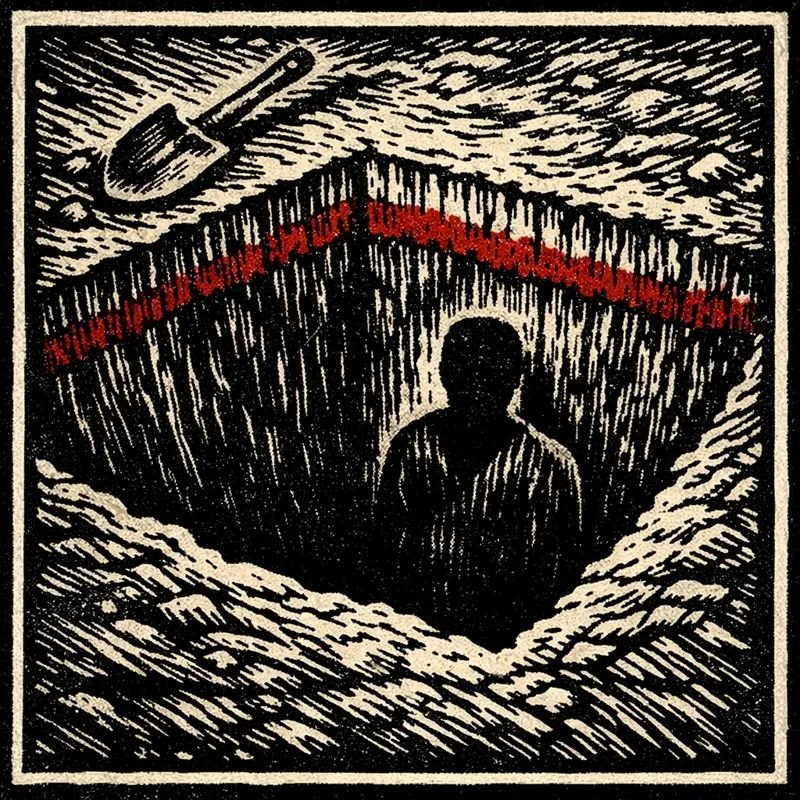
Burying Alive
Burial alive turns the earth itself into an executioner, delivering death through silence, pressure, and time rather than a visible blow. It is a punishment designed to erase the condemned while allowing the living to pretend their hands remain clean.
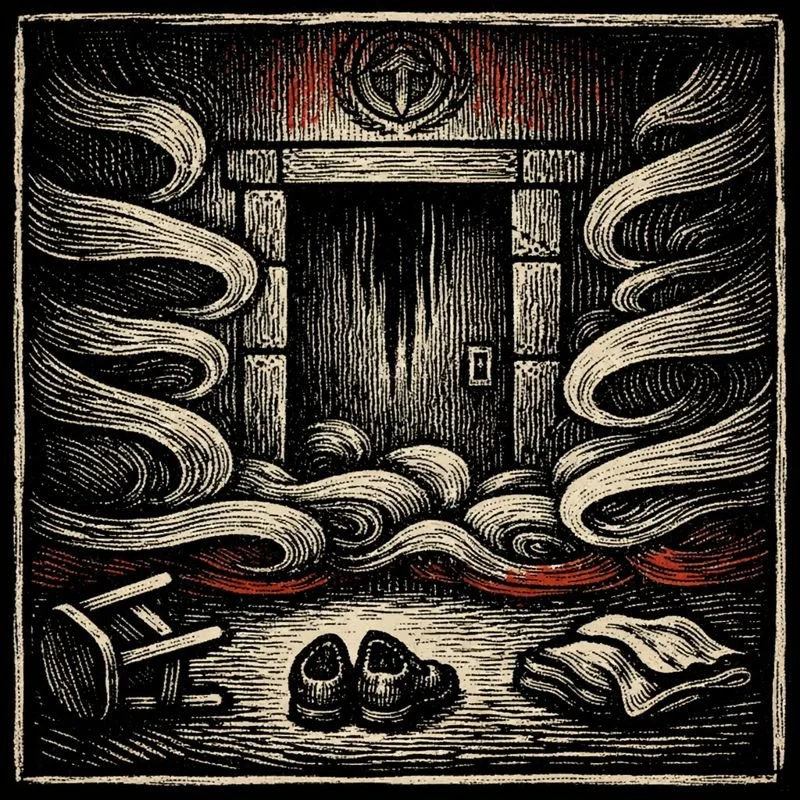
Gassing Civilians
Gassing civilians is violence designed for scale rather than confrontation, turning shared air into an indiscriminate weapon. It kills without touch or witness, relying on chemistry, distance, and bureaucracy to replace the executioner’s hand. More than a method of death, it is a philosophy of power that treats populations as environments to be controlled rather than lives to be spared.
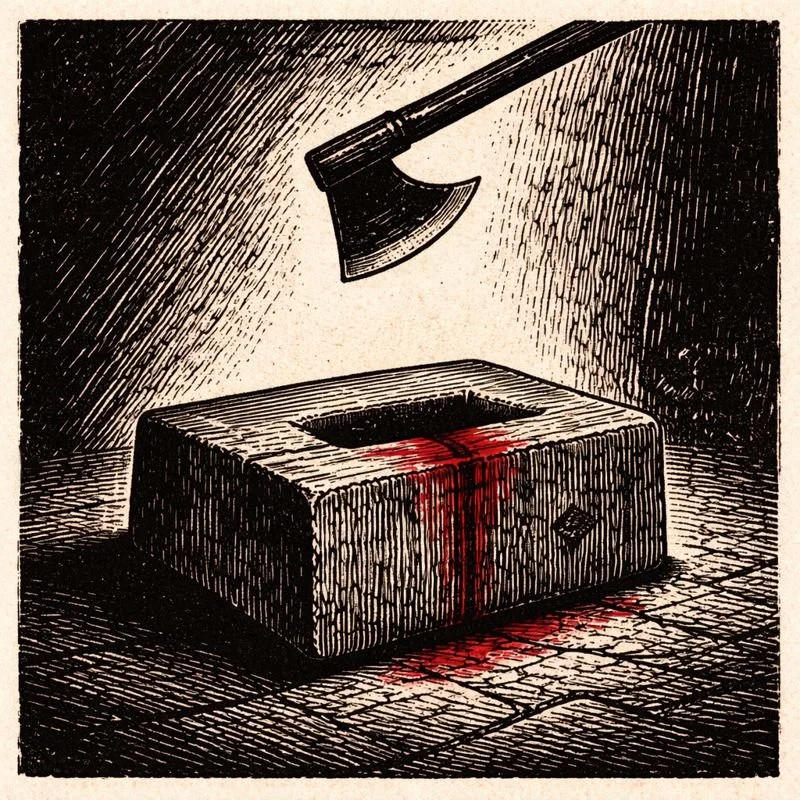
Beheading
Beheading is among humanity’s oldest attempts to make death orderly, efficient, and publicly legible. Framed as mercy or honor, it reduced a human life to a single decisive motion, transforming execution into ritual and authority into spectacle. What was meant to end suffering instead revealed how carefully civilizations have designed ways to kill without hesitation.
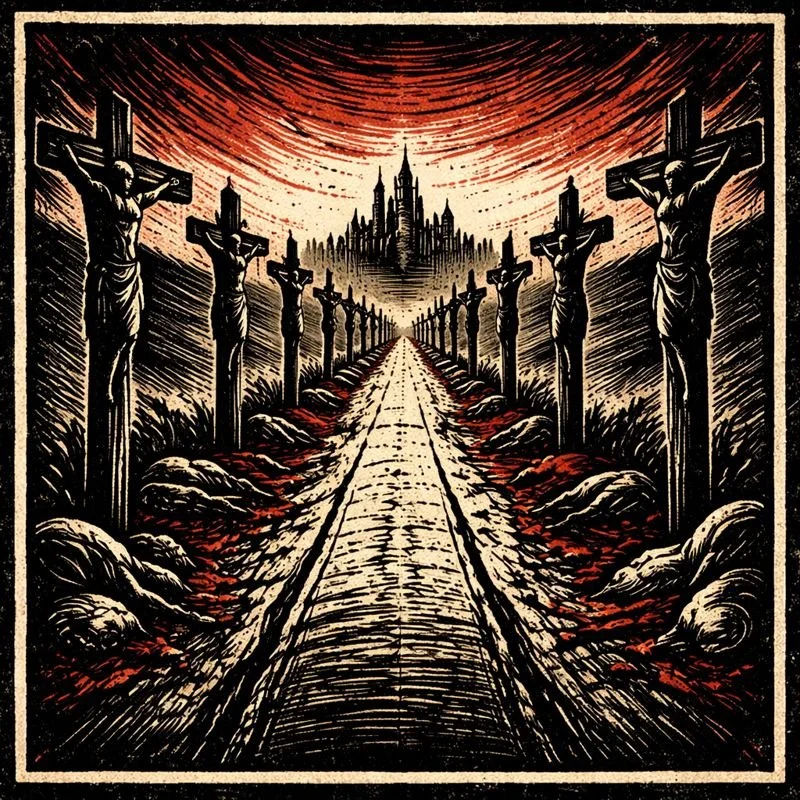
Crucifixtion
Crucifixion was not designed to kill quickly, but to instruct slowly, turning the human body into a prolonged public lesson in obedience. This article examines how empires used the cross to combine anatomy, law, and spectacle into one of history’s most efficient tools of terror. From anonymous roadside deaths to the execution of Jesus, crucifixion reveals how civilization teaches fear by making suffering visible.
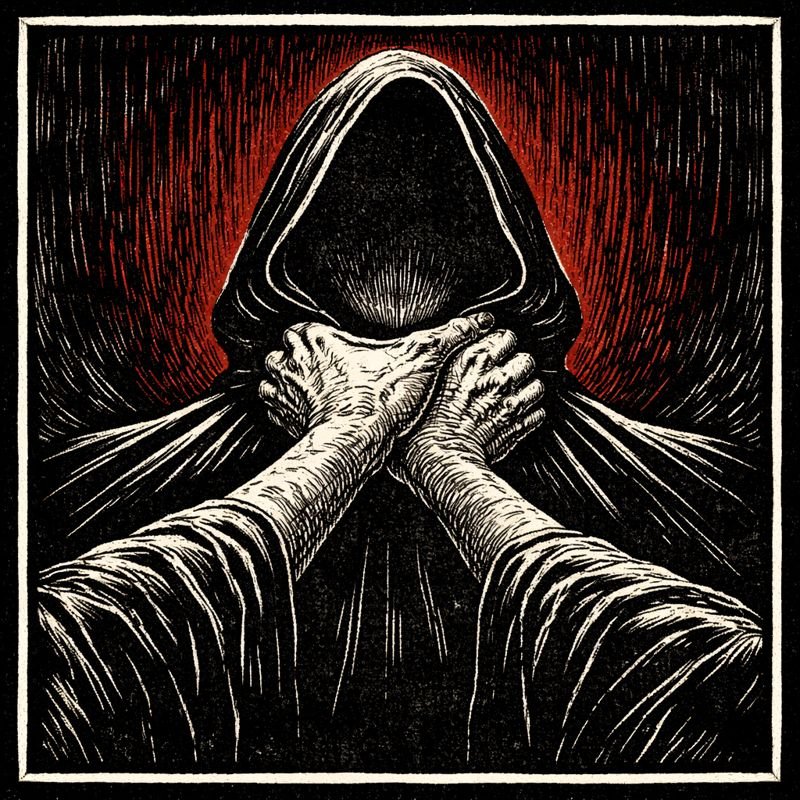
Strangulation
Strangulation is the oldest execution method because it requires nothing but permission and pressure. Across empires and centuries, it served as a quiet sentence, designed to erase a life without spectacle, blood, or debate.
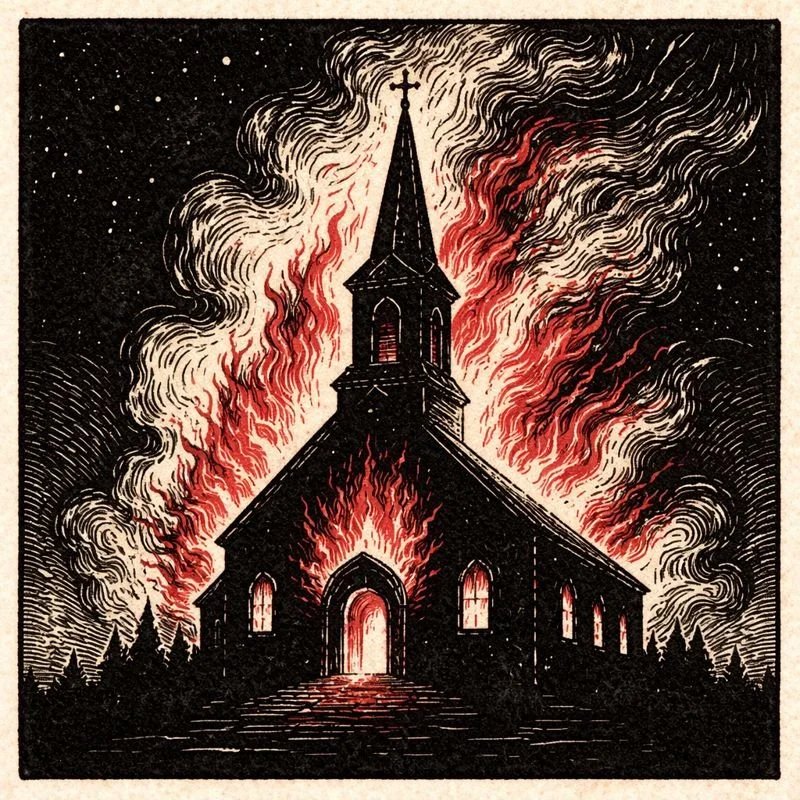
Civilians Burned in Sanctuary
The deliberate burning of civilians inside sacred spaces, where churches, temples, and sanctuaries were weaponized to turn refuge into execution. Across eras and empires, it reveals how fire was used not only to kill bodies, but to shatter the idea that any place could stand outside the reach of power.
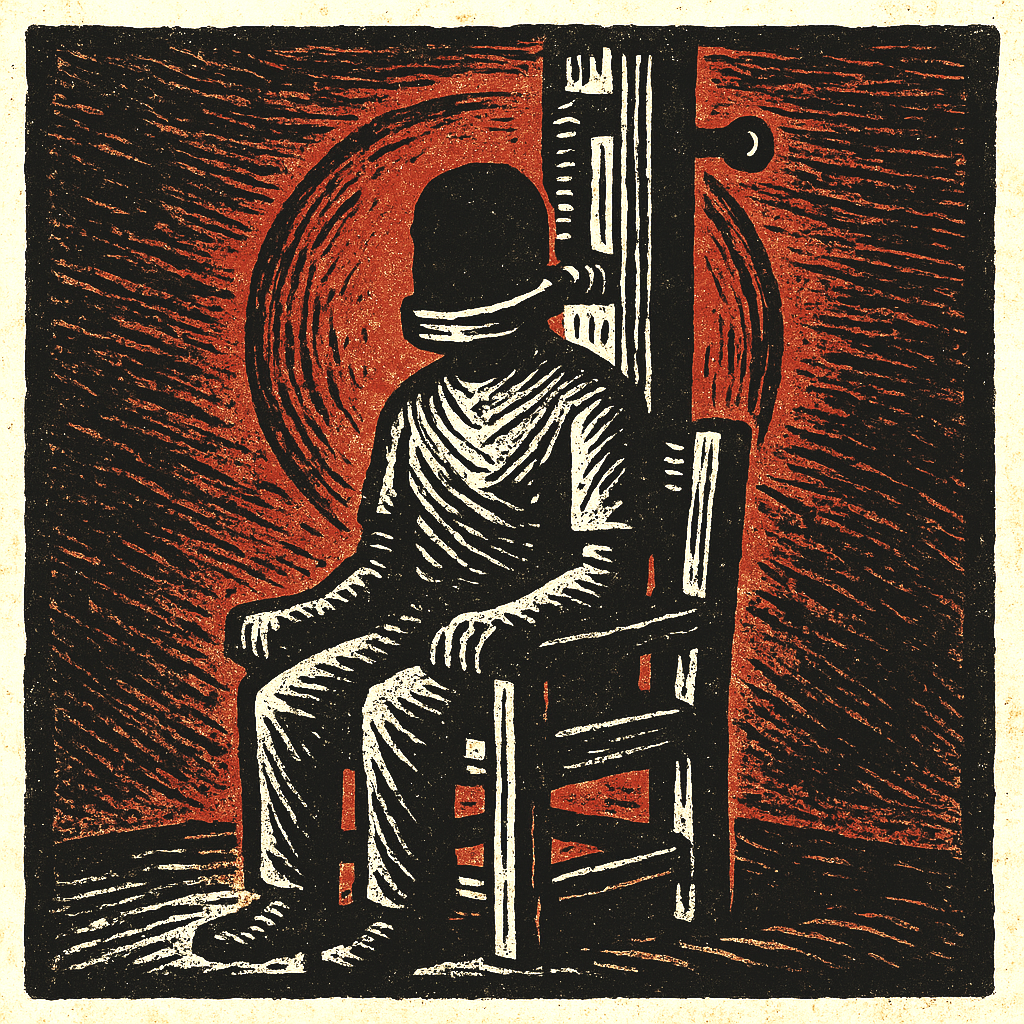
Garroting
They called it mercy, but it sounded like a screw tightening in the dark. The condemned sat in a plain wooden chair, an iron collar closing around the throat, and with each slow turn the world narrowed to pressure, silence, and the tidy brutality empires preferred to call civilization.

Public Hanging
They called it justice. It looked like carpentry elevated into theology. The rope creaked, the crowd murmured, and the scaffold waited with the patience of a tool that knew its work. In every civilization that raised a beam and tied a knot, hanging became less a method than a message — a lesson written on a human body at the highest point in town.

Mutilation & Amputation
Across empires and eras, mutilation turned the human body into a ledger of authority — a hand for defiance, an ear for disobedience, a tongue for truth spoken at the wrong moment. Justice claimed the blade was impartial; history shows otherwise.

Burning at the Stake
They called it purification, but the stake was really a sermon written in smoke.

Arrow or Spear Sacrifice
A bound figure stands as offering and target, pierced by faith itself—each arrow a prayer in flight.

Gladiatorial Sacrifice
A captive warrior, bound to the stone of the gods, raises his wooden sword against an empire that demands his blood for sunrise.

Flaying
Man has peeled man in the name of order, faith, and fear — to see what truth lies beneath the skin.