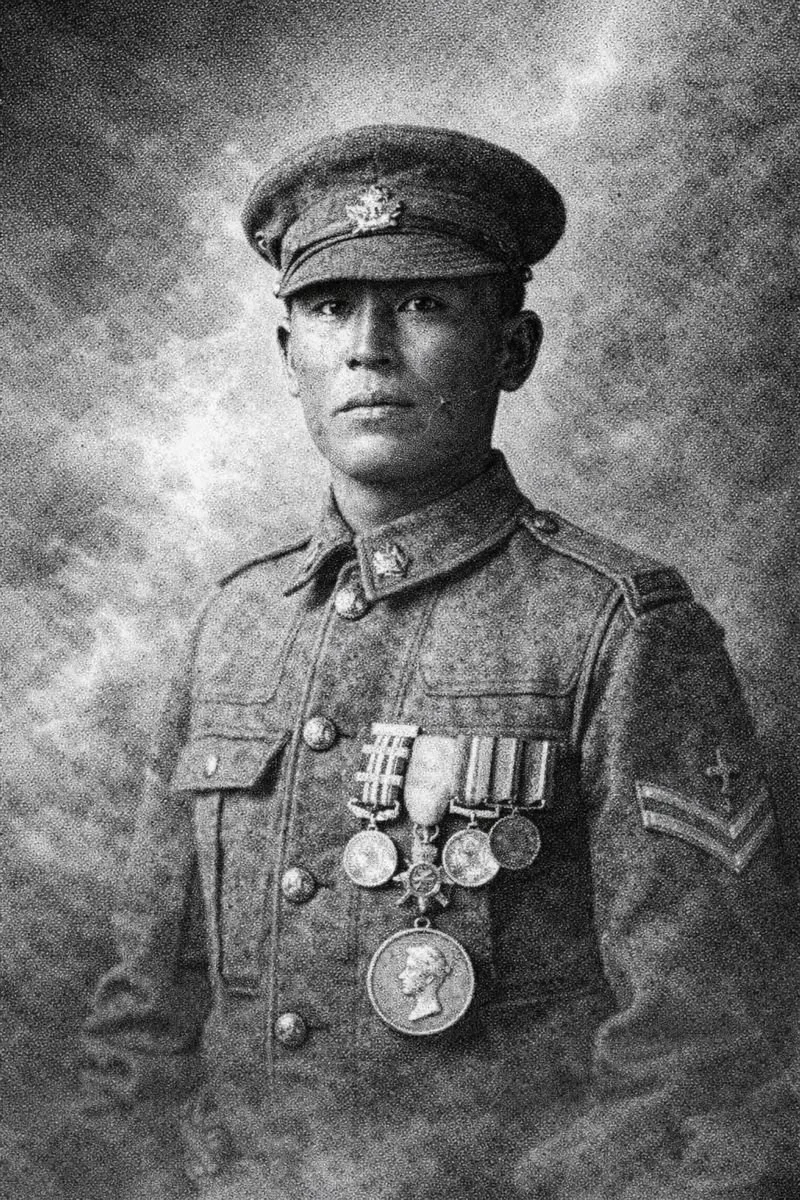
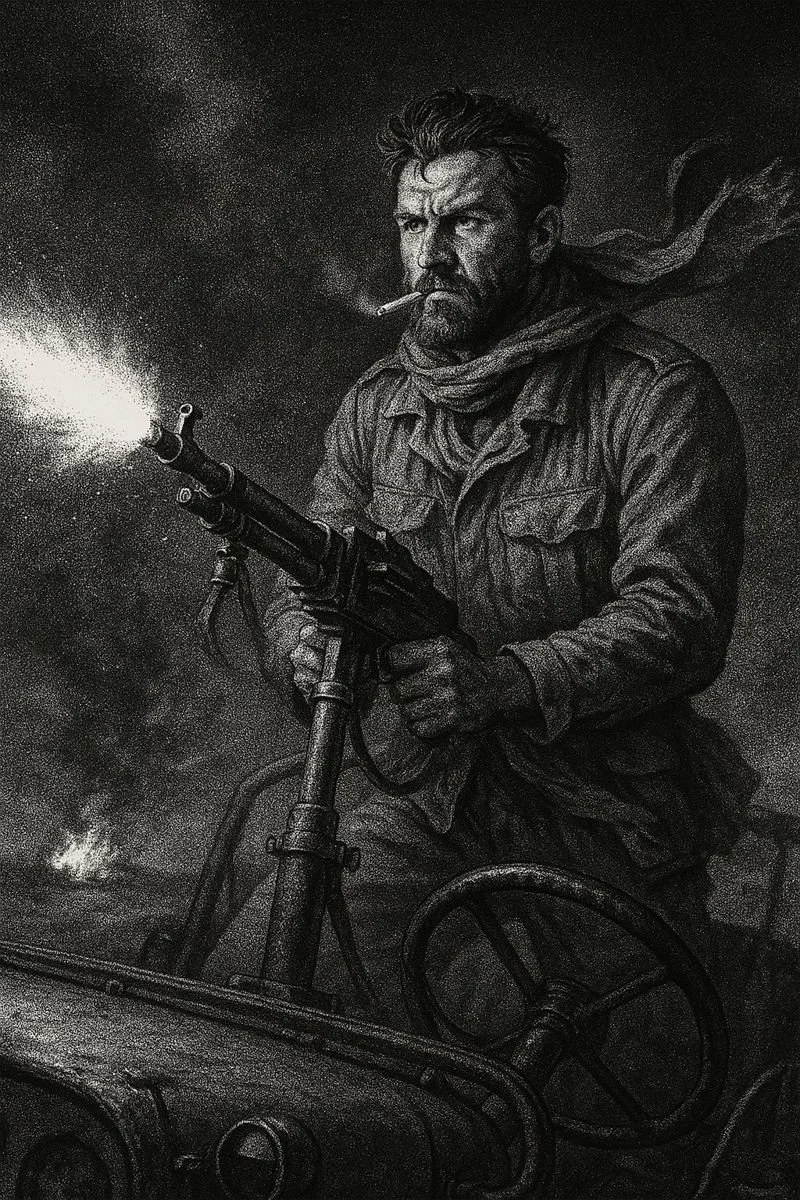
Francis Pegahmagabow was a quiet Ojibwe sniper who turned World War I’s chaos into a disciplined ledger of survival and fear. He came home decorated, unheard, and spent the rest of his life fighting a country that loved his kills more than his voice.
Rank - 126
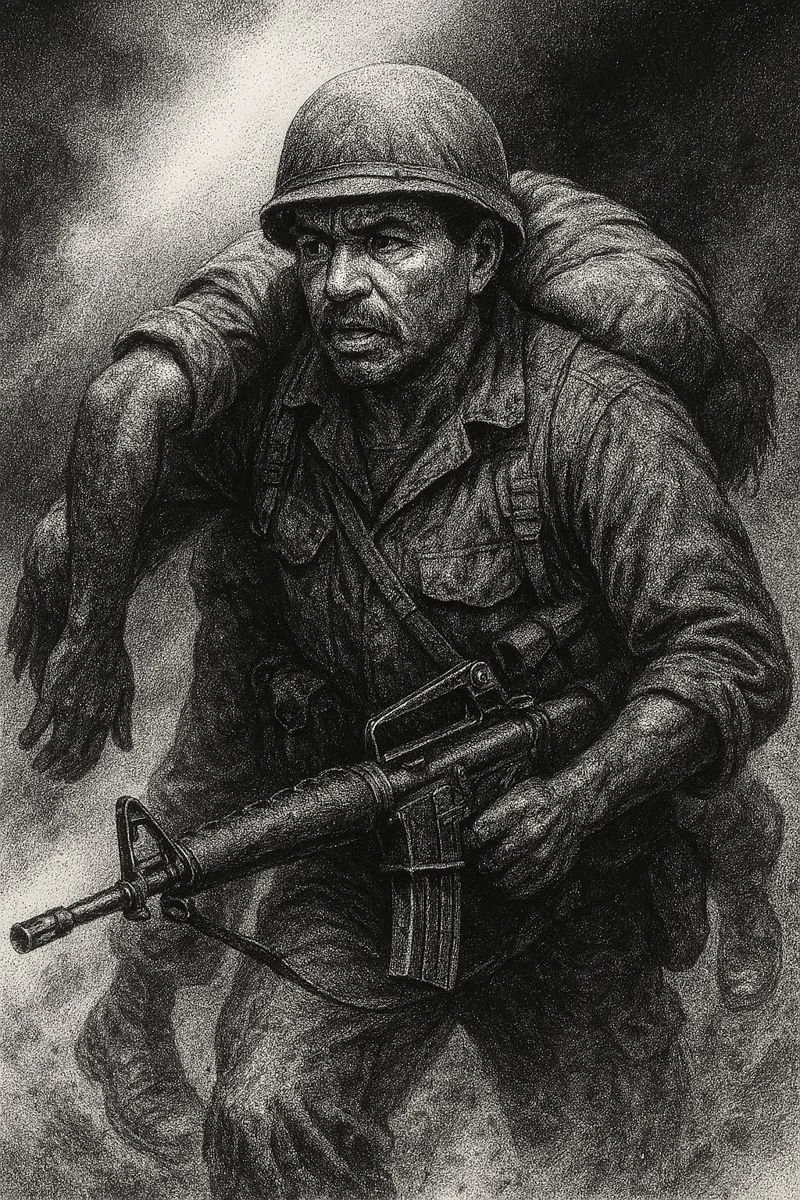
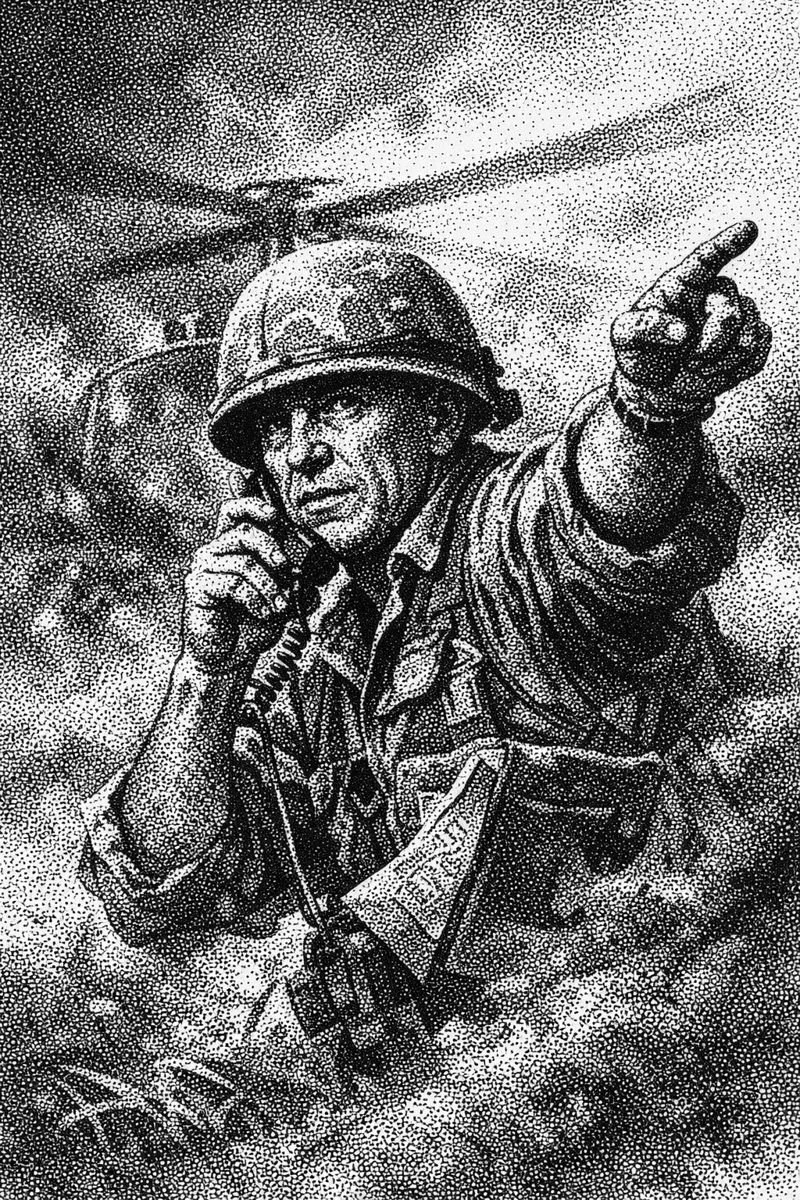
Roy Benavidez was a U.S. Army Special Forces medic who, in May 1968, fought for six hours while grievously wounded to rescue surrounded comrades in Vietnam.
His actions redefined battlefield courage, turning sheer willpower and self-sacrifice into living legend.
Rank - 127
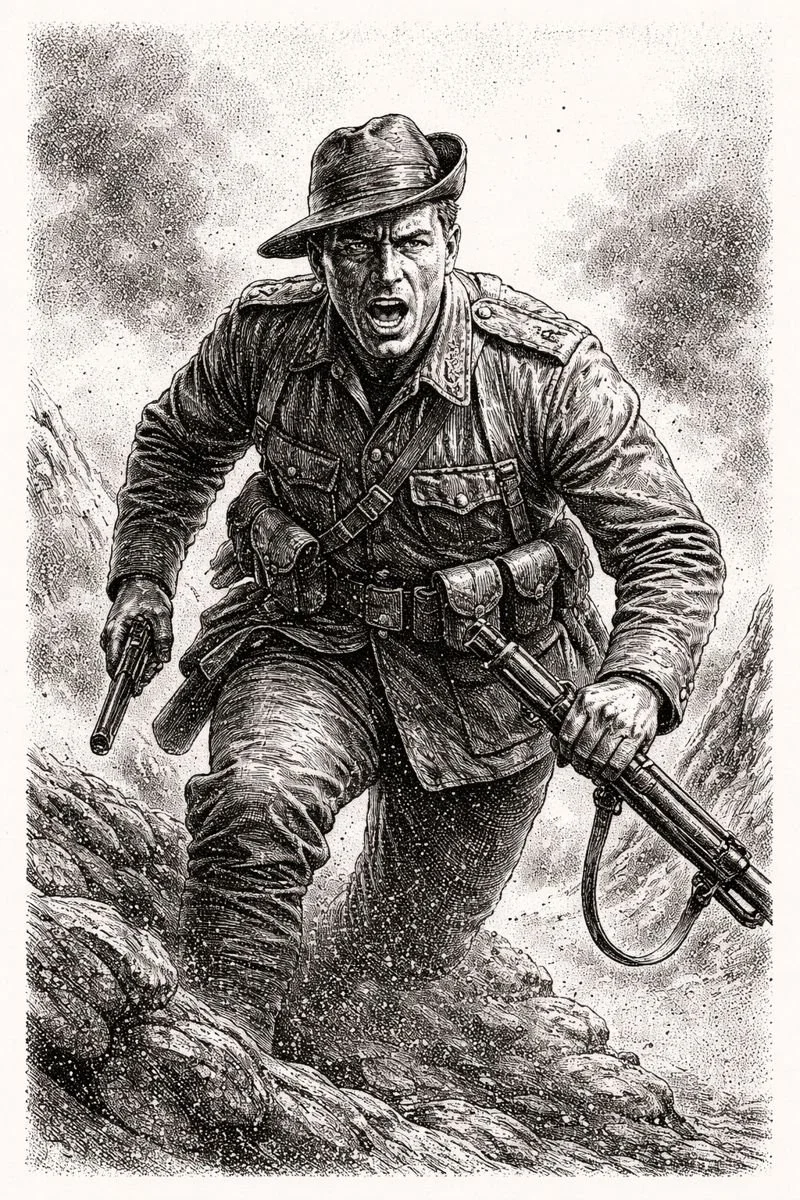
Albert Jacka was an Australian soldier and the first from his nation to receive the Victoria Cross in World War I for recapturing a trench at Gallipoli in 1915. He survived extraordinary frontline violence only to die young in peacetime, his legend growing larger as his body finally gave out.
Rank - 128
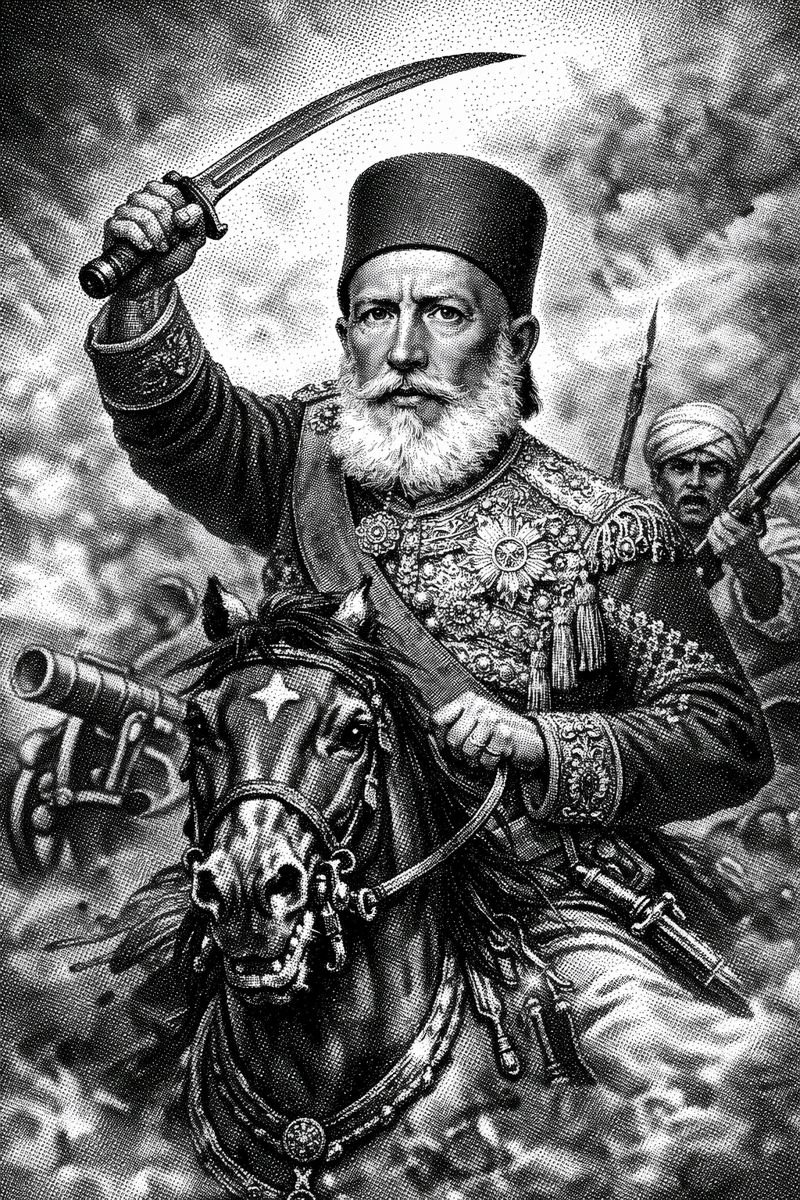
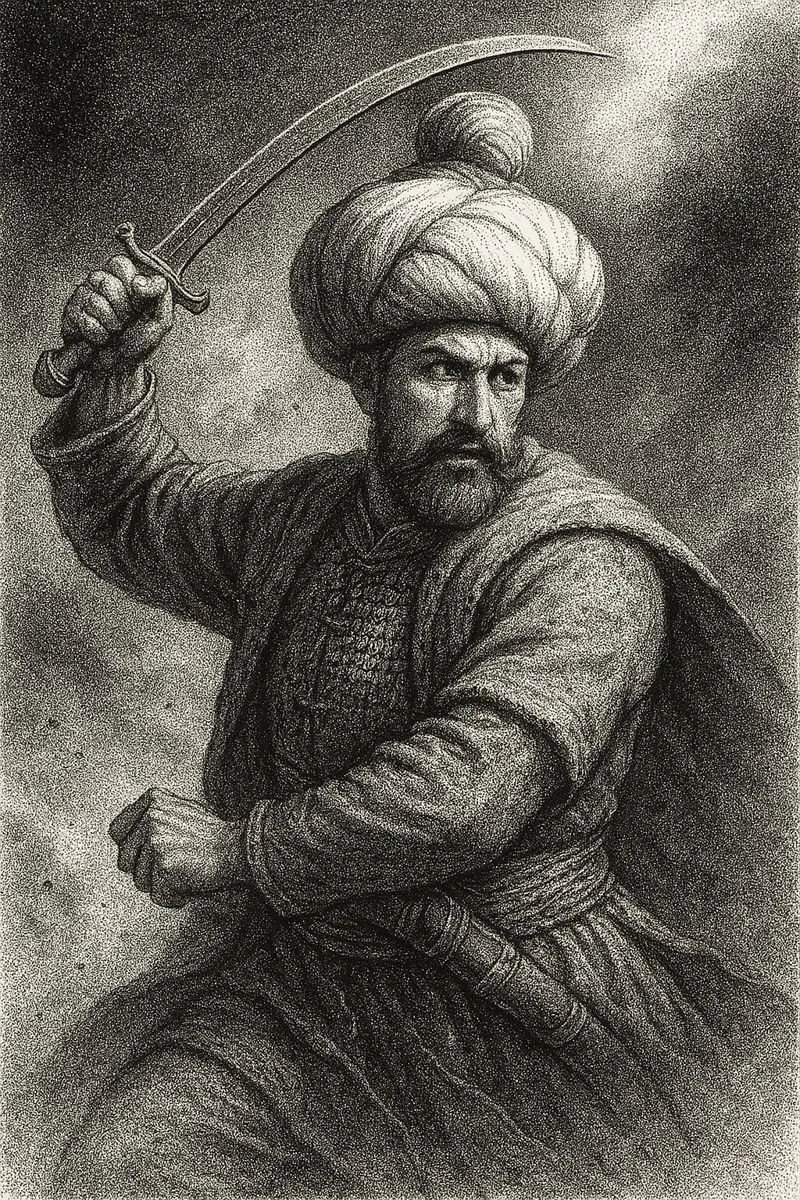
Ibrahim Pasha was an Ottoman-Egyptian general and son of Muhammad Ali, famed for his modernized army and ruthless efficiency. He played a decisive, brutal role in suppressing revolts and reshaping power in Greece, Syria, and the eastern Mediterranean during the early 19th century.
Rank - 129
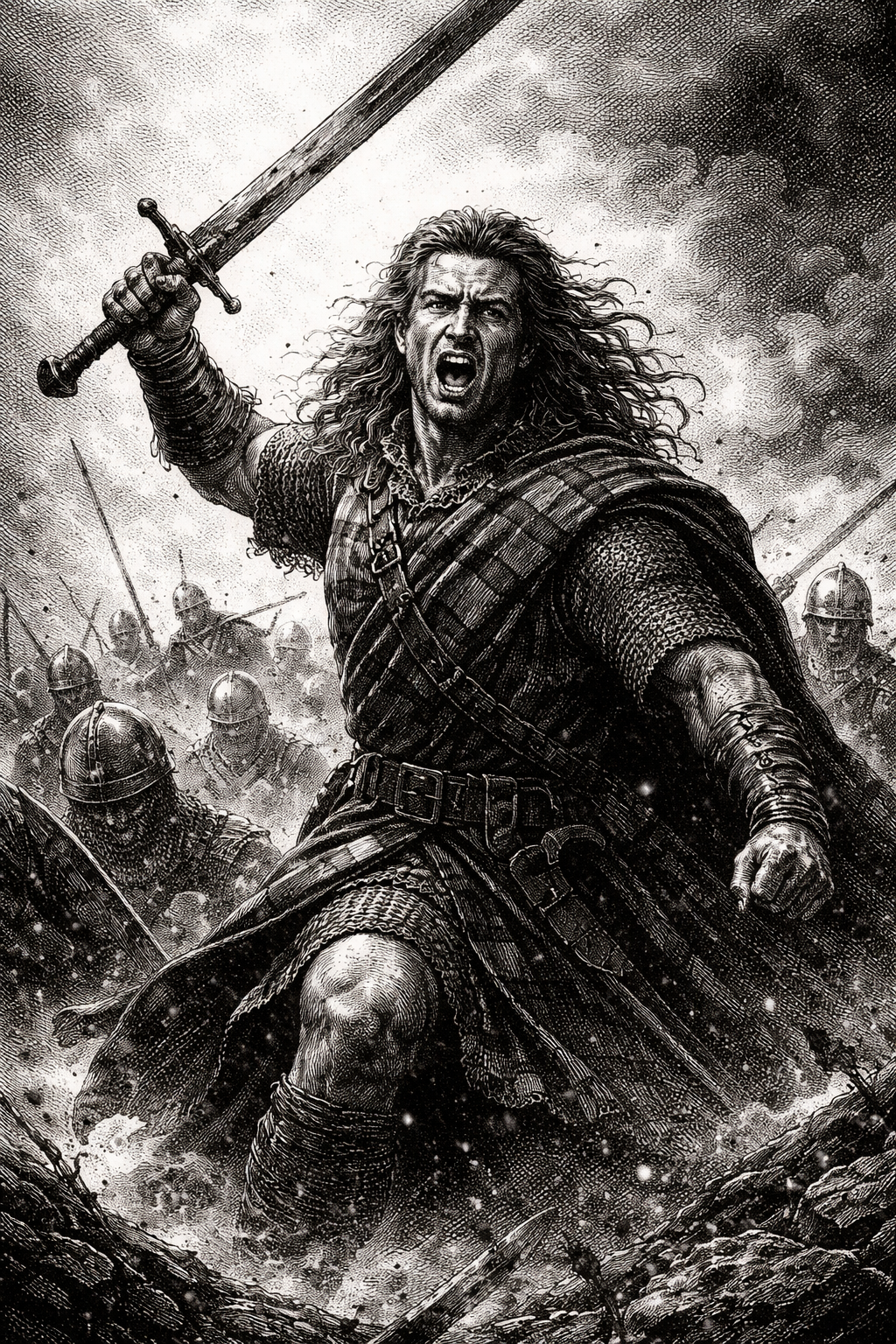
The Scottish king who turned exile, defeat, and civil war into a long, grinding campaign for independence through patience, guerrilla warfare, and ruthless resolve. His victory at Bannockburn made him a national symbol of endurance, proving that stubborn survival can outlast empires built on force alone.
Rank - 130
A founding member of the SAS and one of World War II’s most feared raiders, leading audacious nighttime attacks that destroyed enemy airfields and shattered the myth of rear-area safety. Brilliant, violent, and deeply unstable, he embodied the brutal effectiveness of irregular warfare and became a lasting archetype of special forces legend.
Rank - 131
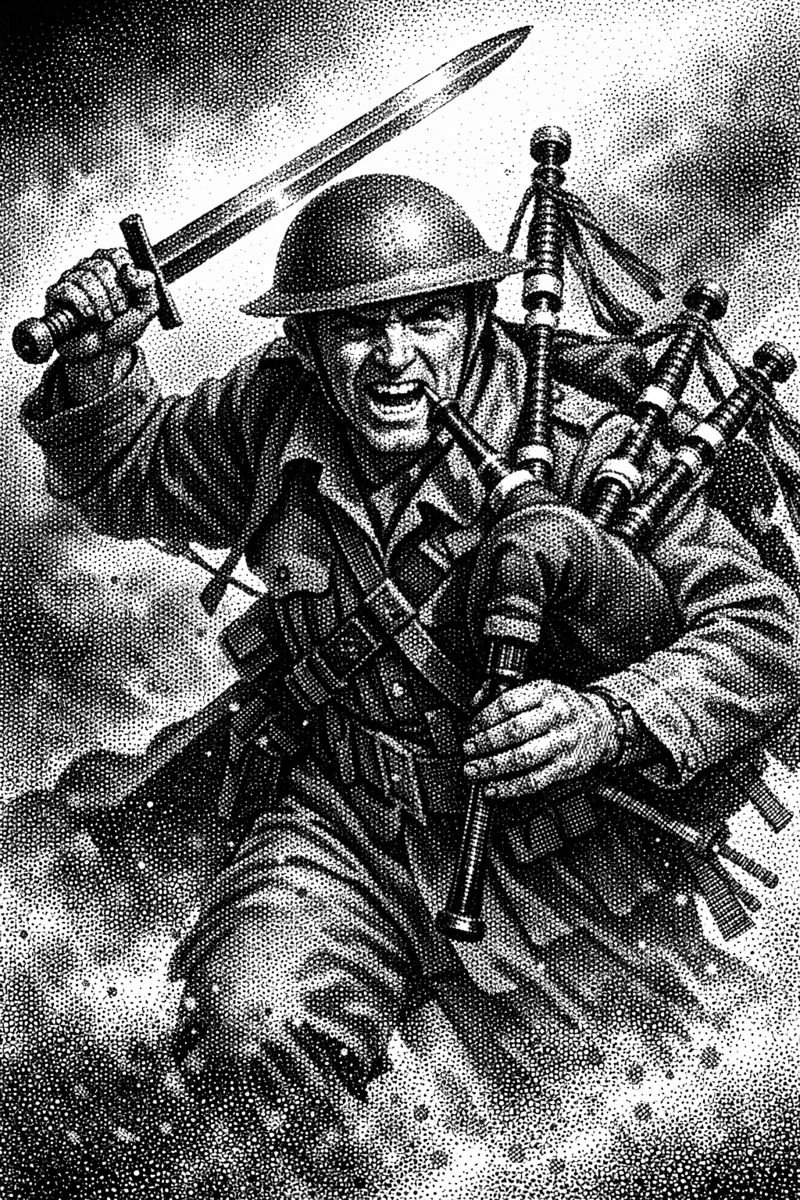
A British Army officer in World War II who went into combat armed with a broadsword, longbow, and bagpipes, turning audacity and spectacle into battlefield weapons. He became legendary for leading commando raids and capturing enemy soldiers through sheer nerve in an age dominated by guns, tanks, and artillery.
Rank - 132
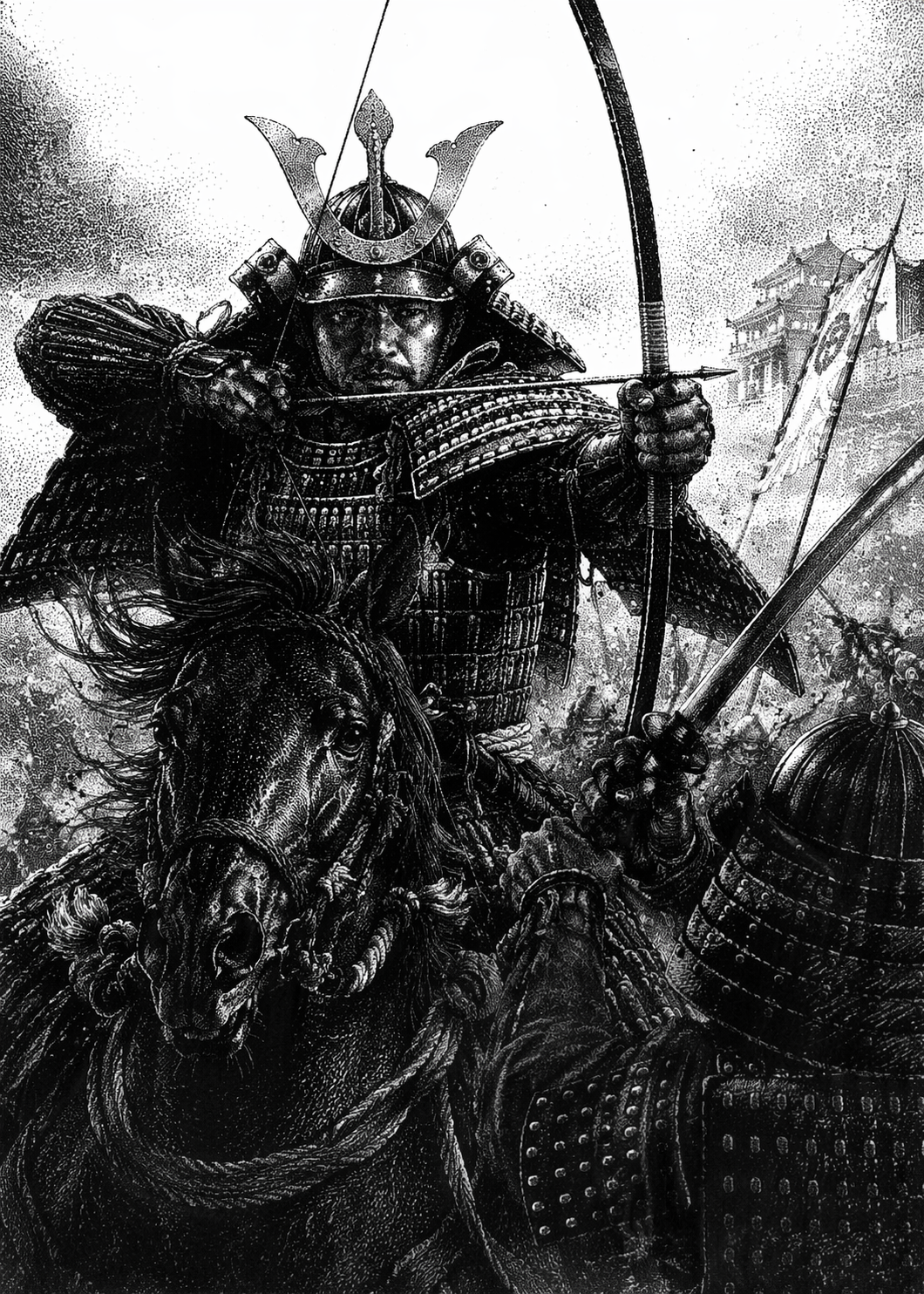
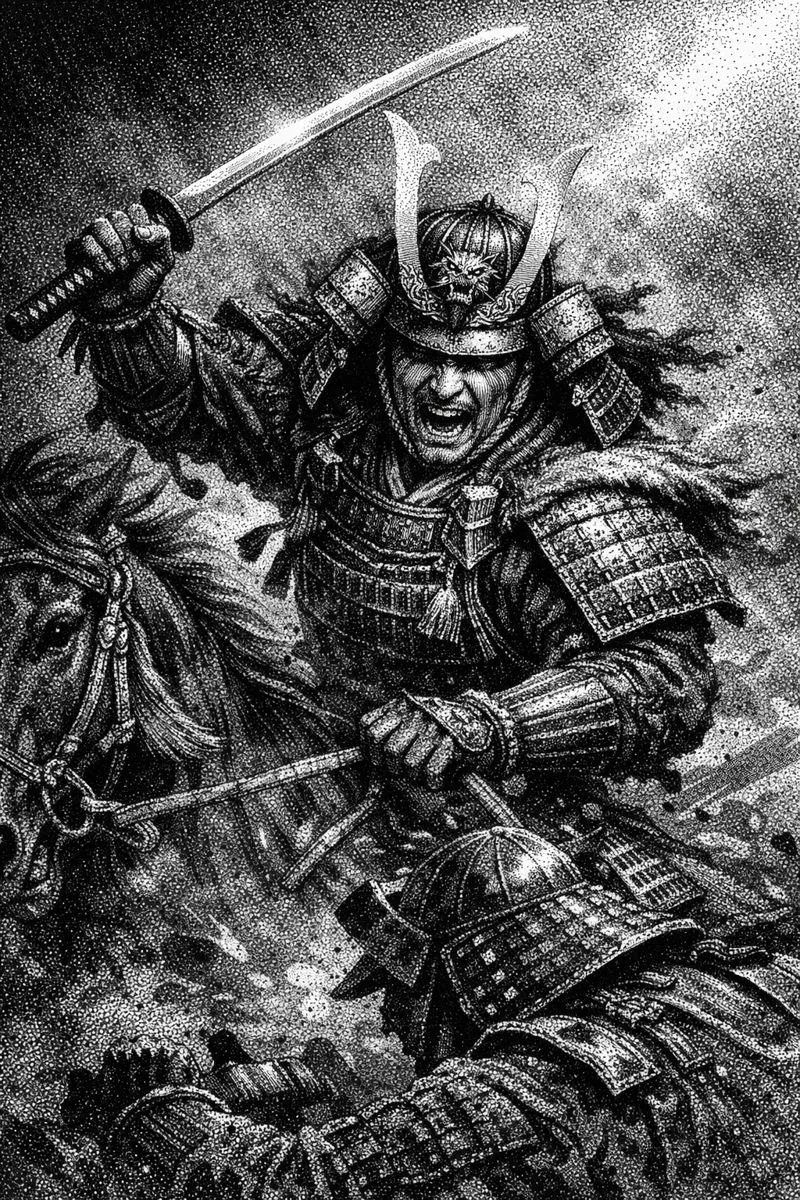
A brilliant guerrilla commander who fought to restore imperial rule in medieval Japan. He became a legend by obeying a hopeless order and dying at Minatogawa, immortalized as the embodiment of samurai loyalty.
Rank - 133
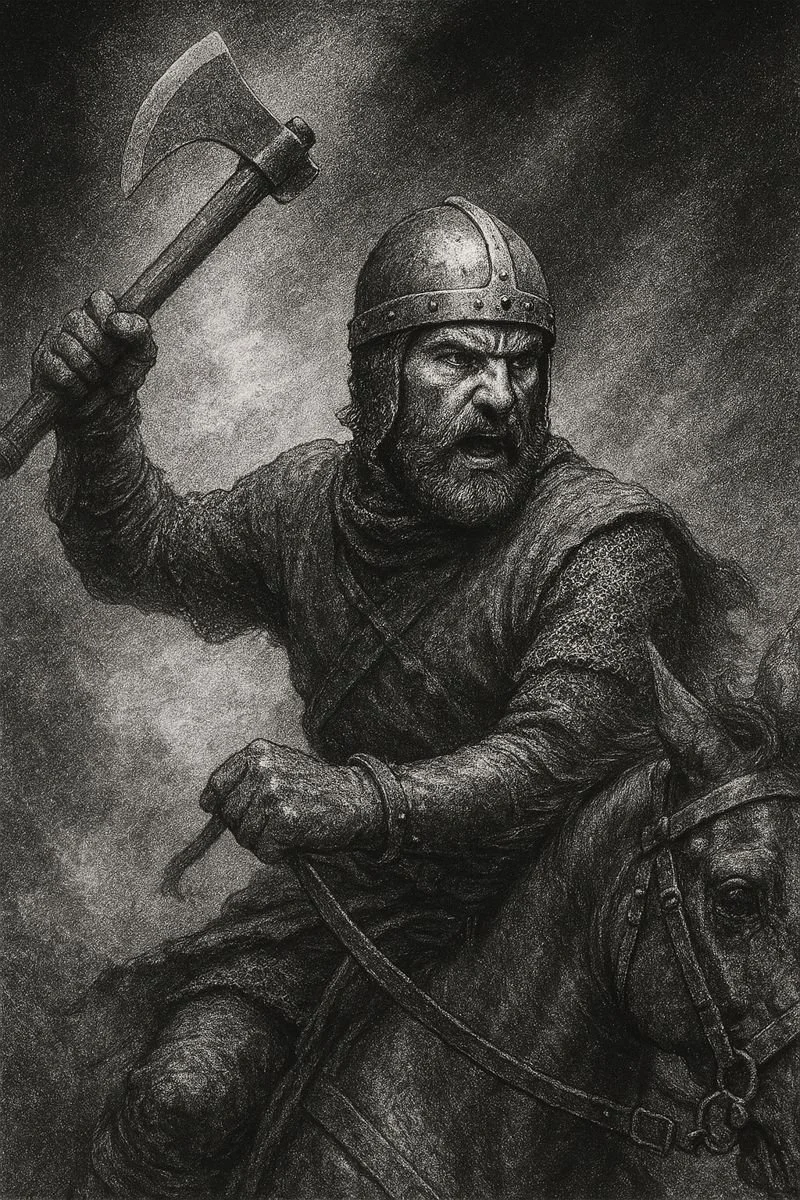
The Viking who died in a snake pit but lived forever in fear, fire, and legend.
Rank - 134
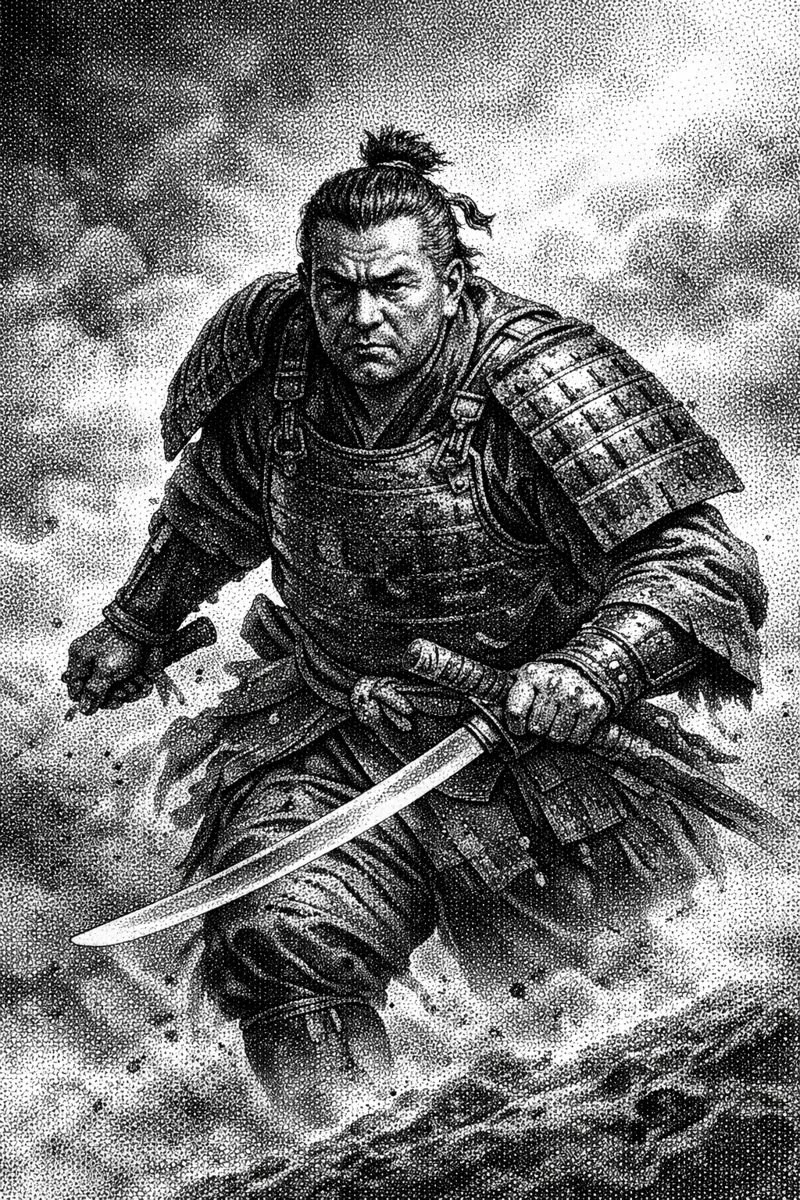
Saigō Takamori helped forge modern Japan, then died trying to stop it, leading the last samurai into a hopeless stand against rifles, artillery, and the future itself. His defeat at Shiroyama ended feudal warfare and transformed a failed rebel into an immortal symbol of honor crushed by progress.
Rank - 135
She turned the savannah into her empire and built walls strong enough to outlast the men who doubted her.
Rank - 136
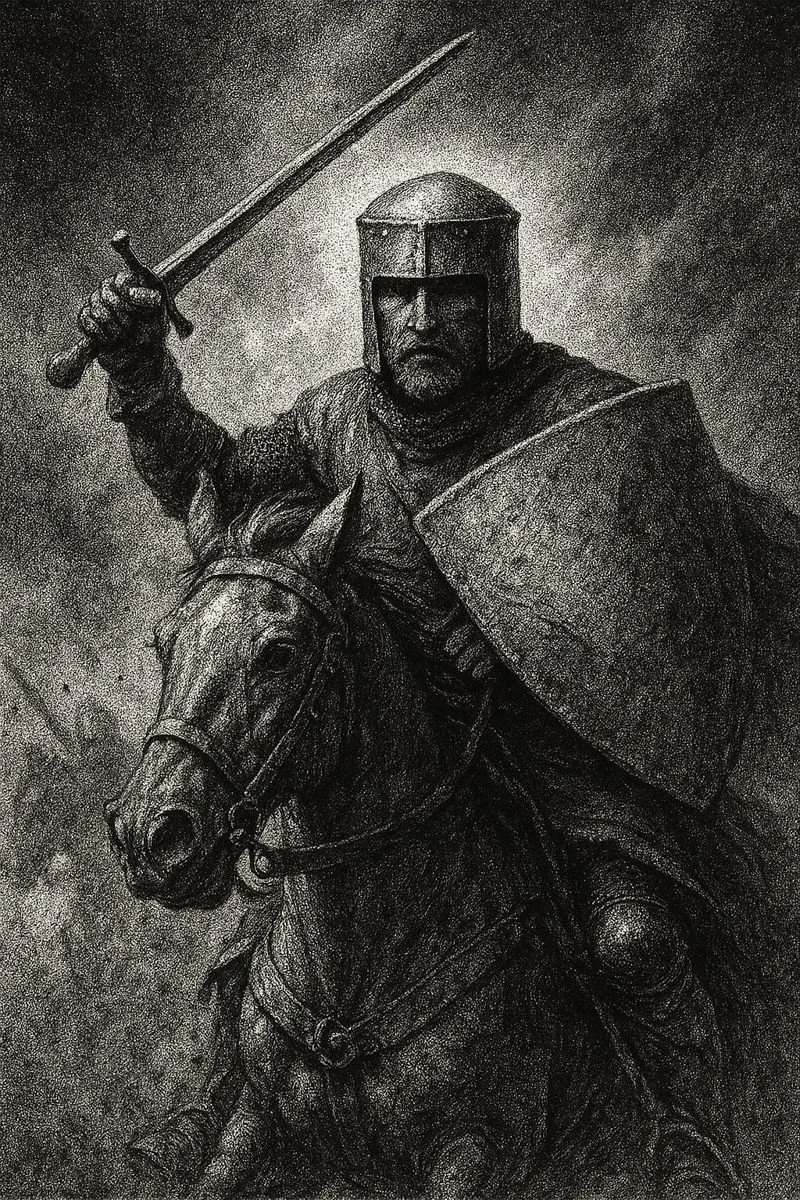
William Marshal (c.1147–1219) was an English knight and statesman who served four kings and became the most celebrated tournament fighter and battlefield commander of the High Middle Ages. Renowned for his unwavering loyalty and mastery of mounted combat, he helped preserve the English crown during civil war and was later mythologized as the living ideal of chivalry.
Rank - 137
U.S. Army officer whose calm, uncompromising leadership at the Battle of Ia Drang defined modern airmobile warfare and the brutal reality of command under fire.
Rank - 139
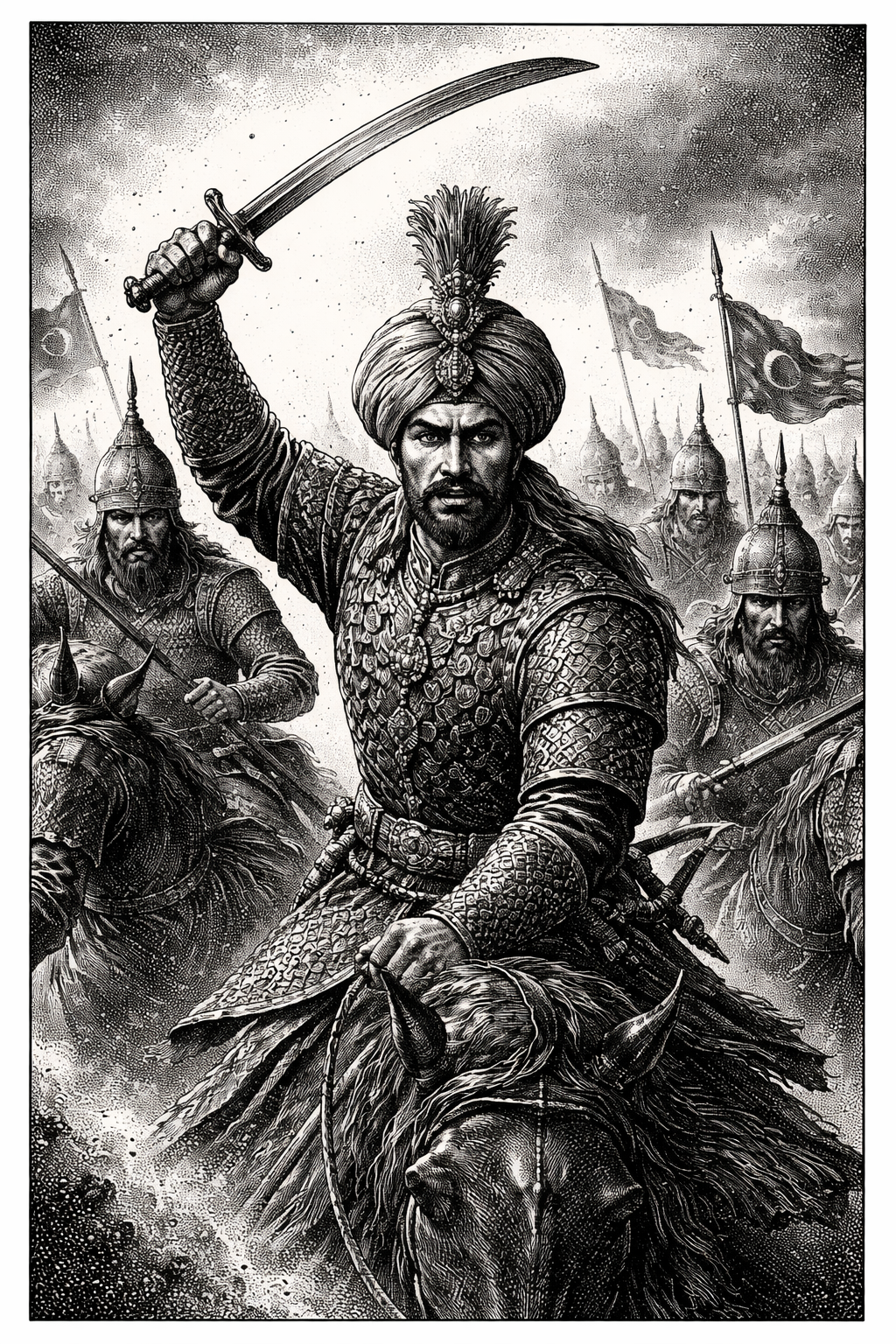
Mehmed II “the Conqueror” was the Ottoman sultan who captured Constantinople in 1453, ending the Byzantine Empire and reshaping the balance of power between East and West. A scholar-warrior with ruthless ambition, he fused gunpowder, centralized rule, and imperial vision to build the foundation of a world-spanning Ottoman state.
Rank - 140
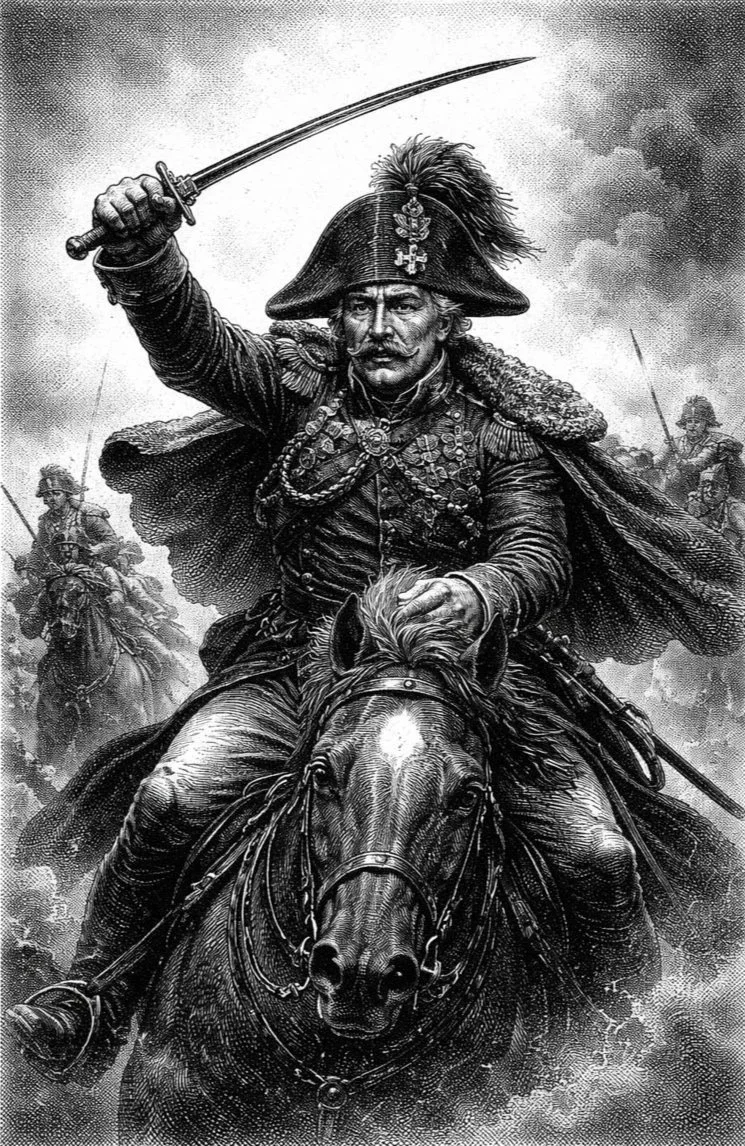
Gebhard Leberecht von Blücher was a Prussian field marshal whose relentless aggression helped defeat Napoleon at Waterloo in 1815. Famous for charging forward regardless of age or losses, he became a symbol of stubborn resistance and national revenge.
Rank - 141
He turned Rome’s order into chaos—and the forest into a grave that still whispers.
Rank - 142
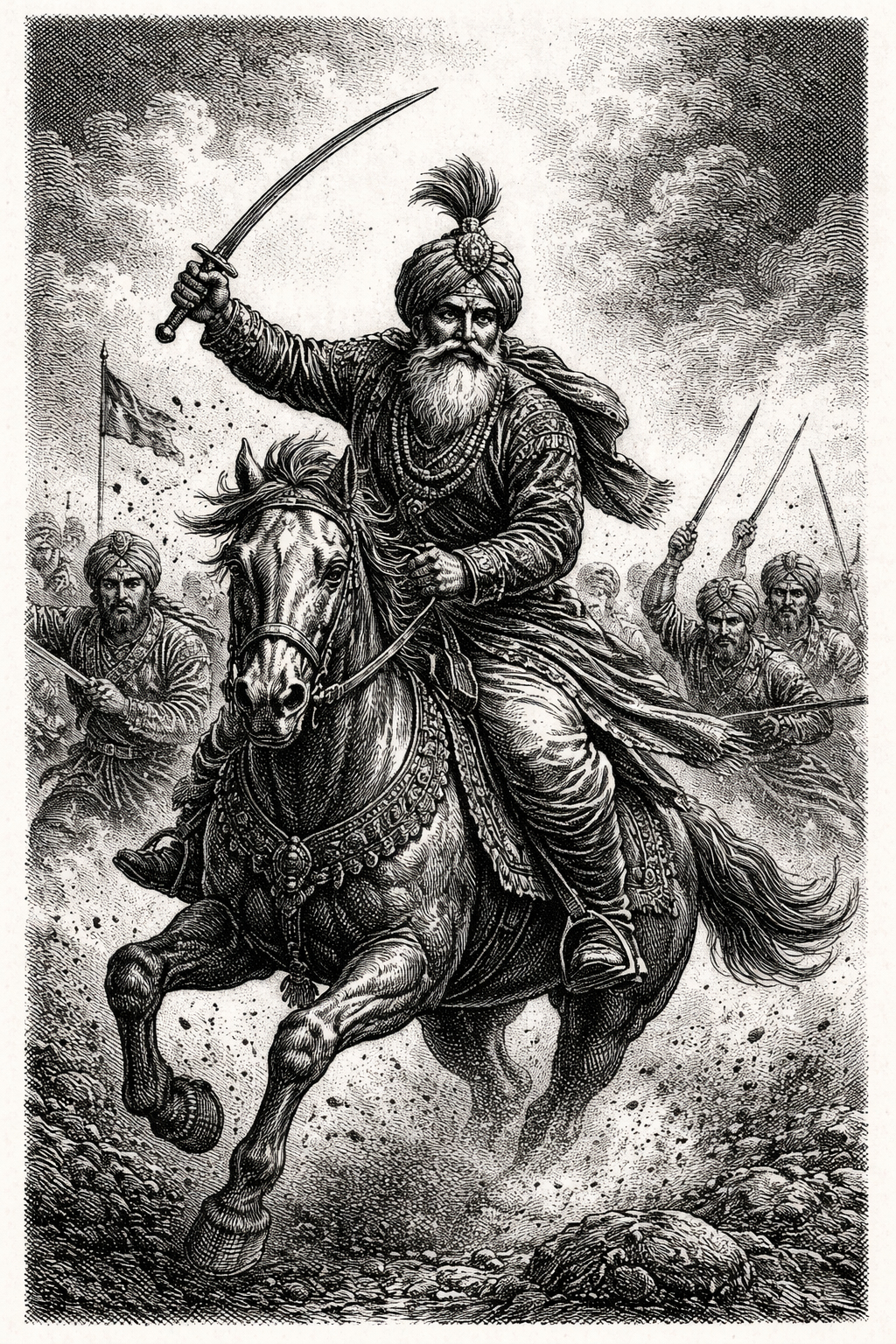
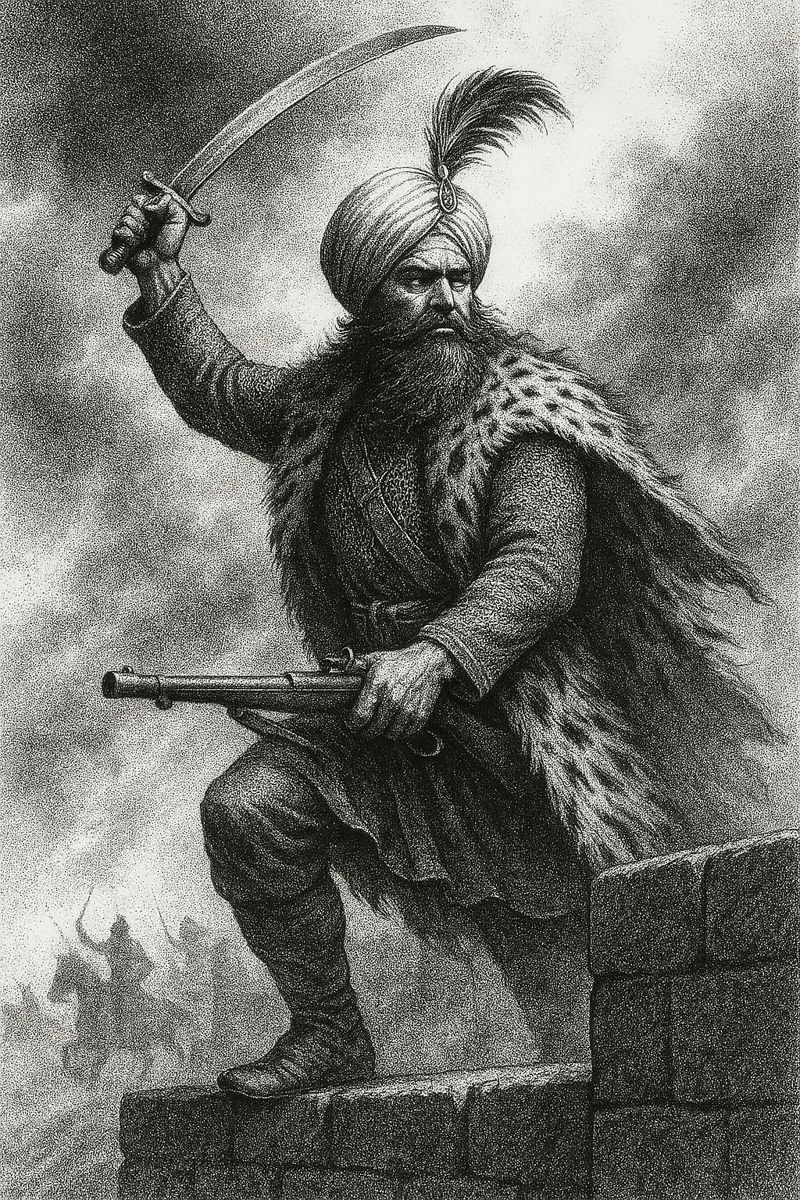
Hari Singh Nalwa was a leading general of the Sikh Empire who secured its northwest frontier and halted repeated Afghan incursions into Punjab. Serving under Maharaja Ranjit Singh, he became a symbol of Sikh military power and frontier rule, remembered for his campaigns from Kashmir to the Khyber Pass.
Rank - 143
John Hunyadi (c. 1407–1456) was a Hungarian military commander and crusader who repeatedly halted Ottoman expansion into Central Europe. His decisive defense of Belgrade in 1456 delayed Ottoman advances for decades and cemented his reputation as the Balkans’ last great shield.
Rank - 144
Lê Lợi (1385–1433) was a Vietnamese patriot-king who led the Lam Sơn uprising and successfully expelled Ming Chinese rule from Vietnam in the early 15th century. He founded the Later Lê dynasty, securing Vietnamese independence and shaping the nation’s political identity for centuries.
Rank - 145
When the walls of Seringapatam fell, he didn’t flee—he fought until the tiger stripes faded from his own blood.
Rank - 146
Mahmud of Ghazni (c. 971–1030) was a Turkic ruler and the first major sultan, renowned for his highly mobile cavalry campaigns that projected Ghaznavid power across Central Asia and deep into the Indian subcontinent. Both a fierce military raider and a calculated patron of Persian culture, he left a legacy shaped equally by conquest, wealth extraction, and enduring historical controversy.
Rank - 147
Smedley D. Butler was a two-time Medal of Honor–winning U.S. Marine who spent decades fighting America’s overseas wars during the age of imperial expansion. After retiring, he became one of the nation’s fiercest critics of war profiteering, condemning the very system that had made him famous.
Rank - 148
Tiglath-Pileser I was an Assyrian king of the 12th century BCE who expanded his empire through relentless military campaigns and the calculated use of terror as state policy. His meticulously recorded conquests turned violence into propaganda and set the template for later Assyrian imperial power.
Rank - 149
Baldwin I of Jerusalem was the first king of the Crusader Kingdom of Jerusalem, a hard-edged Frankish warlord who turned conquest into governance. He secured and expanded the kingdom through relentless warfare, political pragmatism, and a clear-eyed understanding that survival mattered more than sanctity.
Rank - 150
Greek revolutionary commander of the War of Independence, famed for ruthless guerrilla tactics, obscene candor, and battlefield brilliance. A klepht turned national hero who fought the Ottoman Empire with ambushes, audacity, and a terminal disregard for authority.
Rank - 151
John III Sobieski was the Polish king who thundered downhill at Vienna and changed Europe’s fate in a single charge.
Rank - 152
Mountain warlord, double-crossing survivor, and nightmare of the Russian Empire. He fought for faith, power, and family in that order—then died doing all three at once, proving the Caucasus never belonged to anyone who wanted it neatly.
Rank - 153
Mustafa Kemal Atatürk was the soldier-statesman who crushed an invasion at Gallipoli and then dismantled a collapsing empire to build a fiercely secular modern Turkey.
Rank - 154
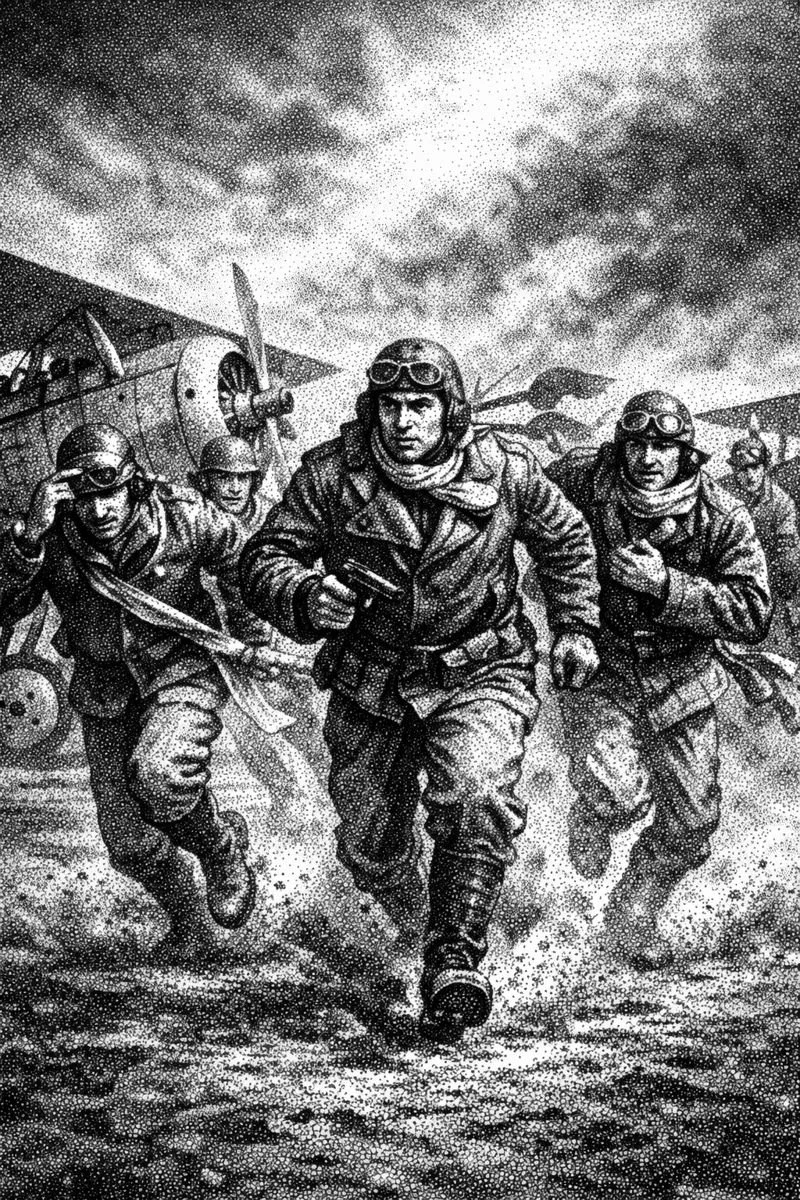
The Escadrille Lafayette was a World War I fighter squadron formed in 1916 by American volunteer pilots flying for France before the United States formally entered the war. Celebrated as both a combat unit and a propaganda symbol, it helped shape early air combat doctrine while cementing the myth of the fighter pilot as a modern warrior.
Group Rank - 175
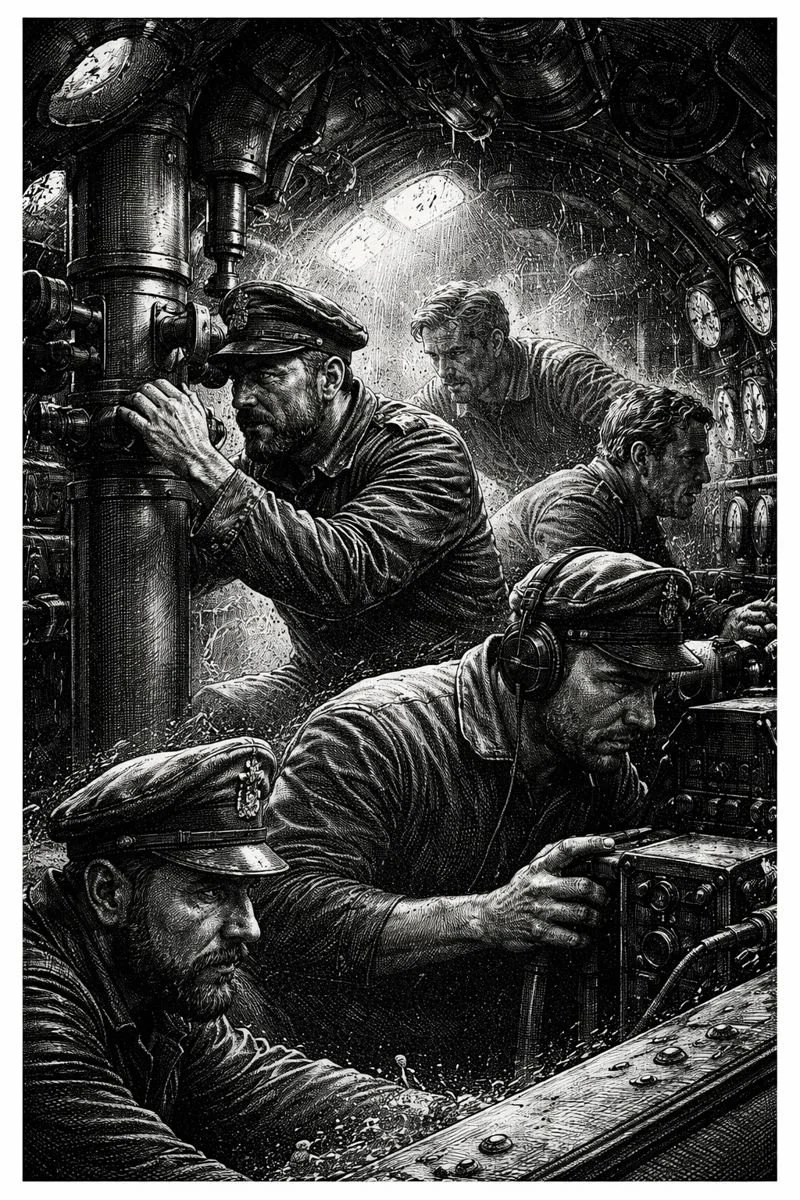
They were a brotherhood sealed inside steel, waging a silent war of endurance and arithmetic against the Atlantic until the ocean and industry finally broke them.
Group Rank - 179
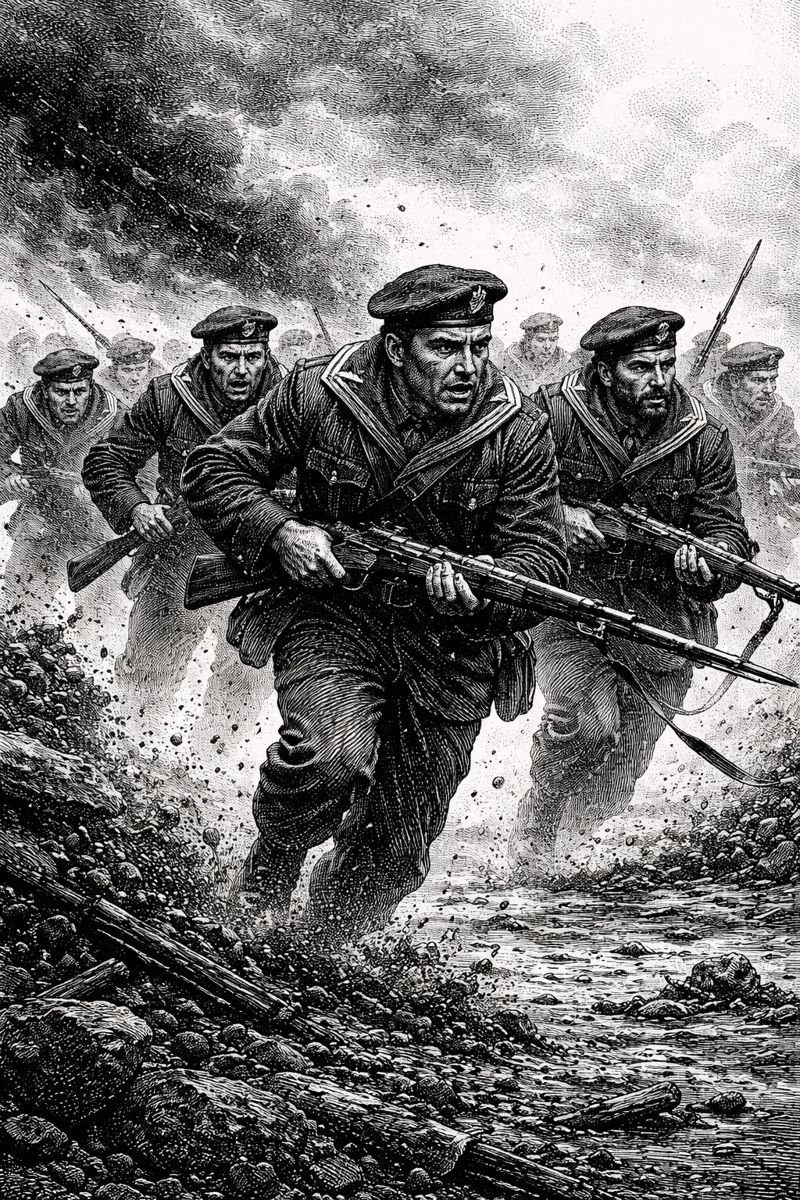
The French Fusiliers Marins are naval infantry trained to fight ashore with the discipline of sailors, the endurance of infantry, and a collective refusal to break once committed.
Group Rank - 181
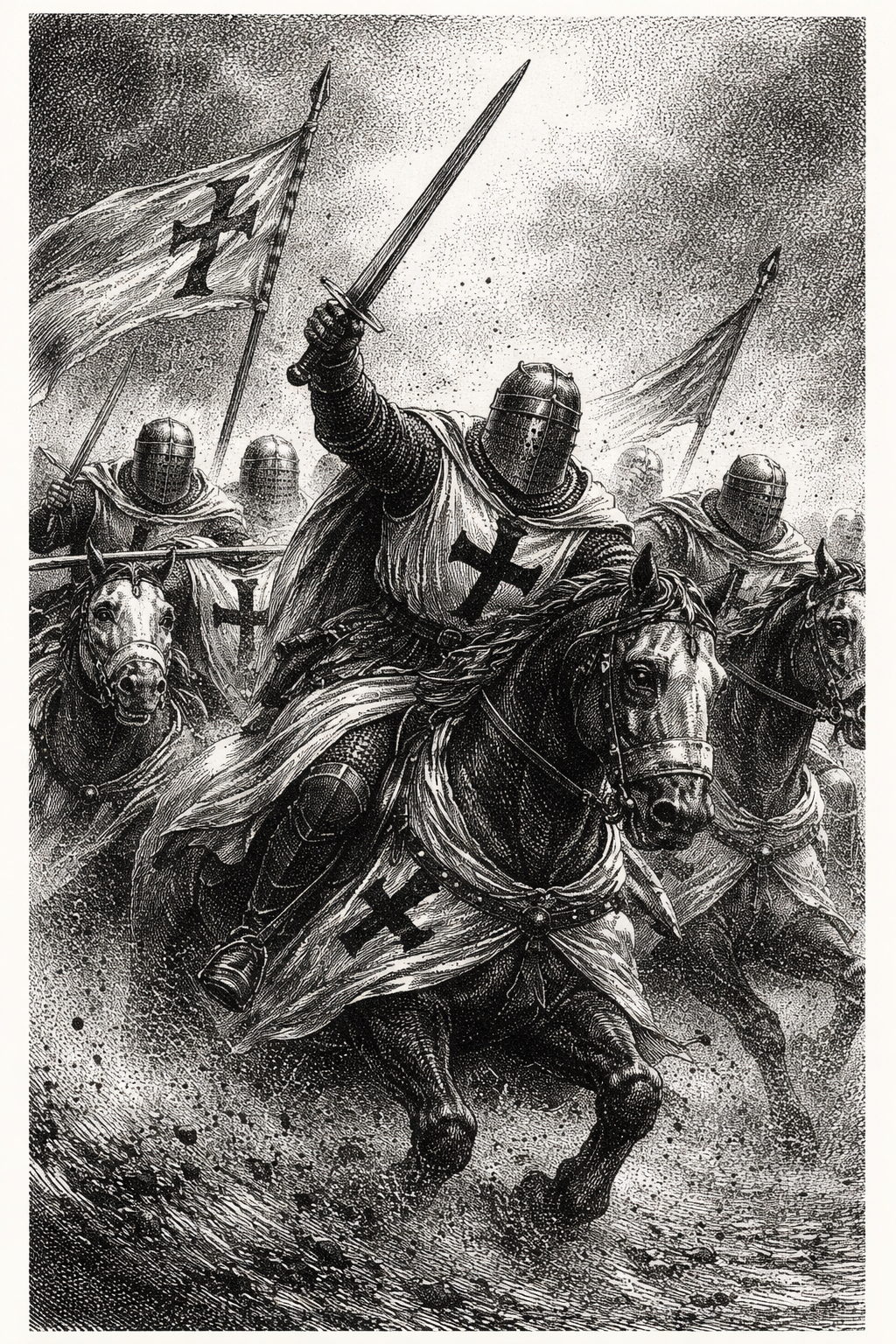
The Teutonic Knights were a medieval military order that fused monastic discipline with state-building warfare, conquering and ruling large parts of the Baltic through crusade, colonization, and fortified power.
Group Rank - 182
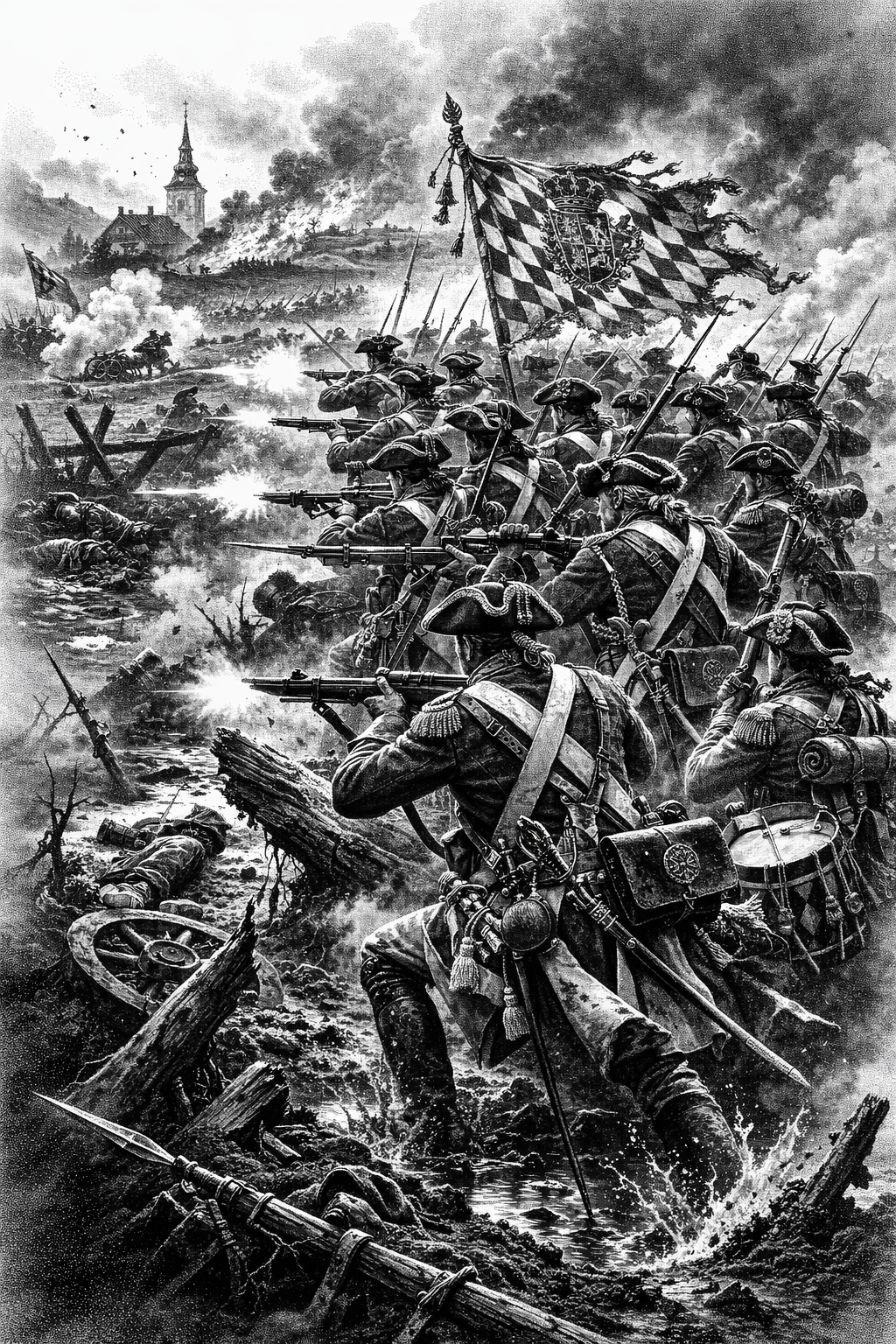
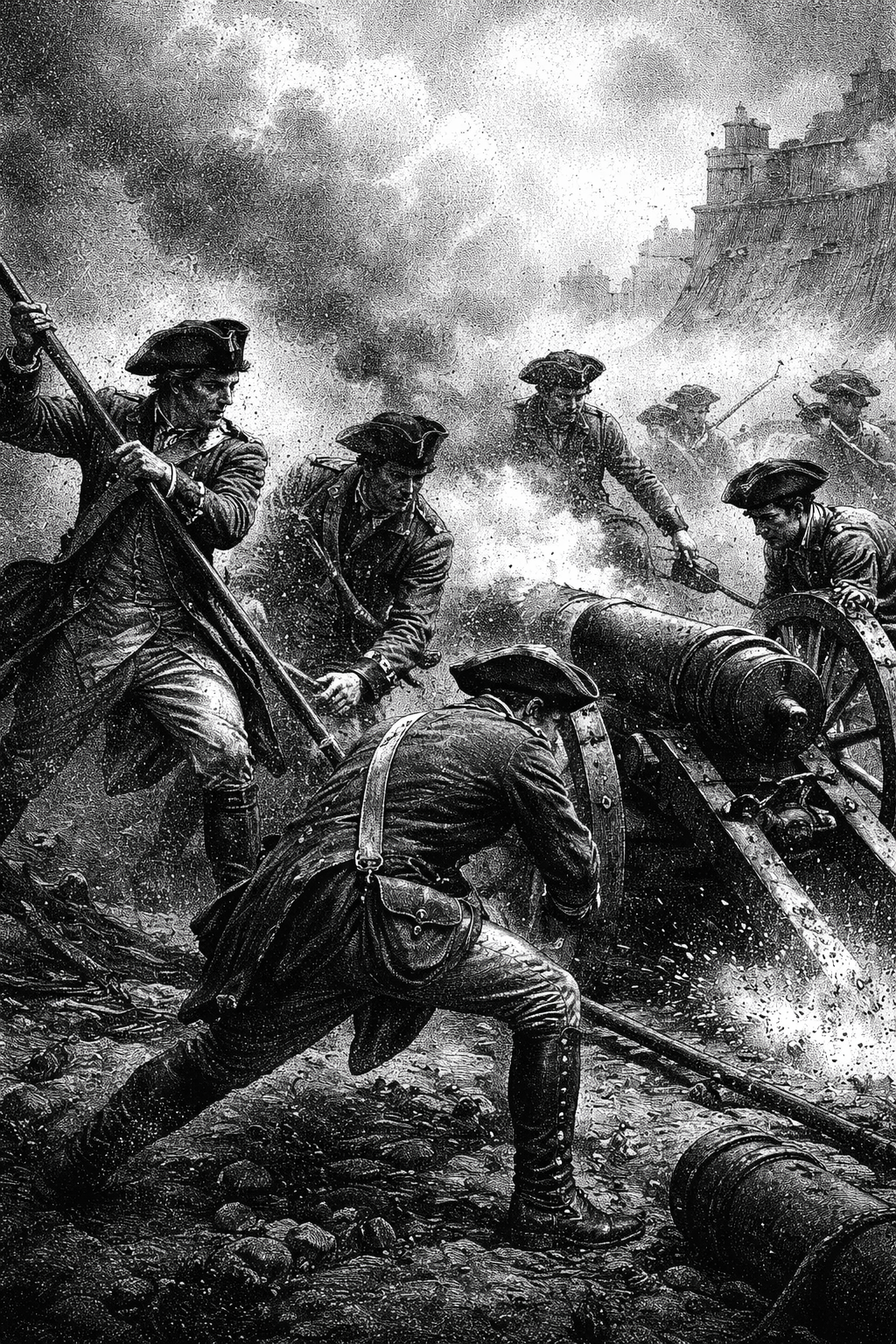
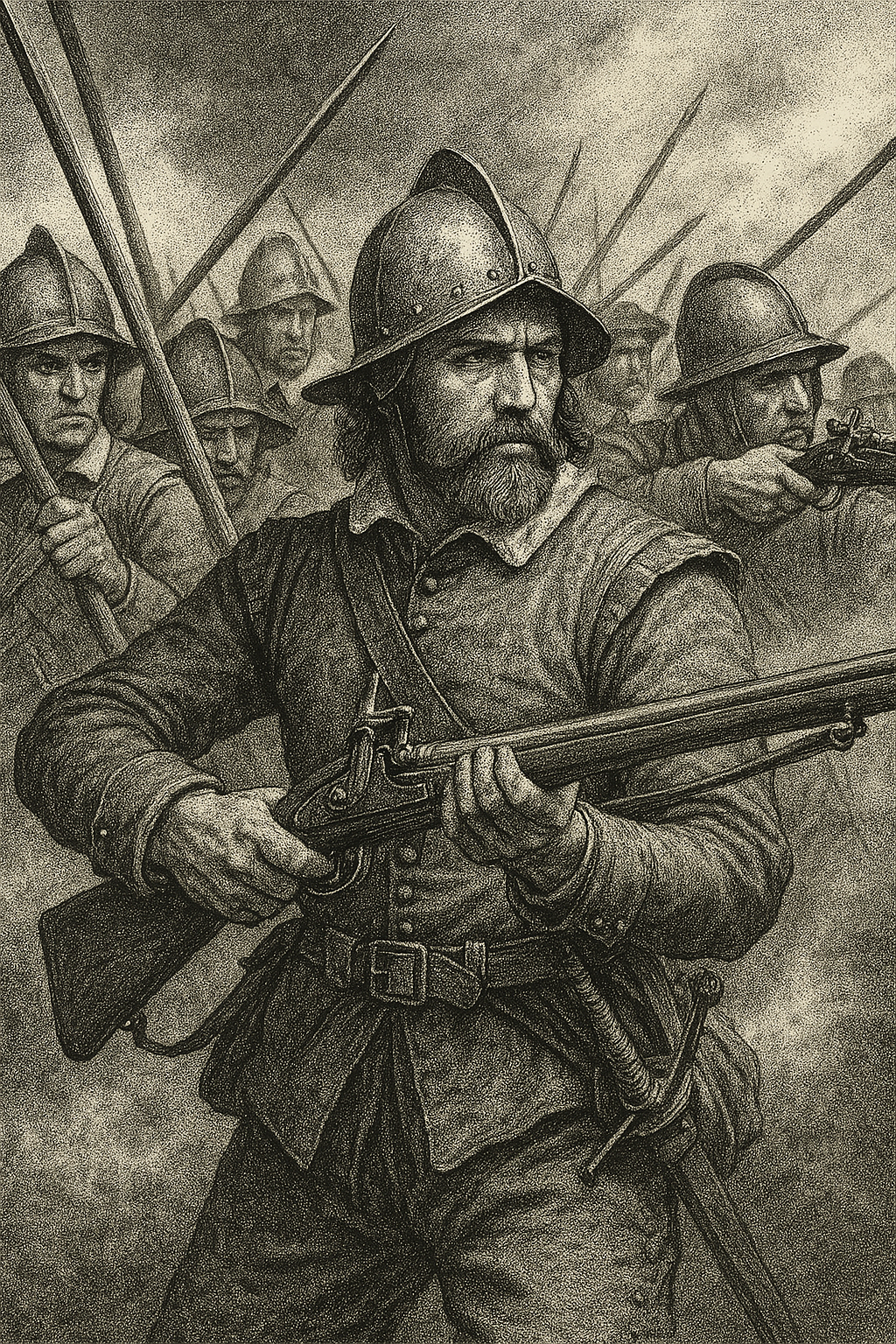
A brotherhood forged in revolt, the Dutch States Army turned geometry, discipline, and relentless volleys into the weapon that broke the old world’s battlefield logic.e.
Group Rank - 185
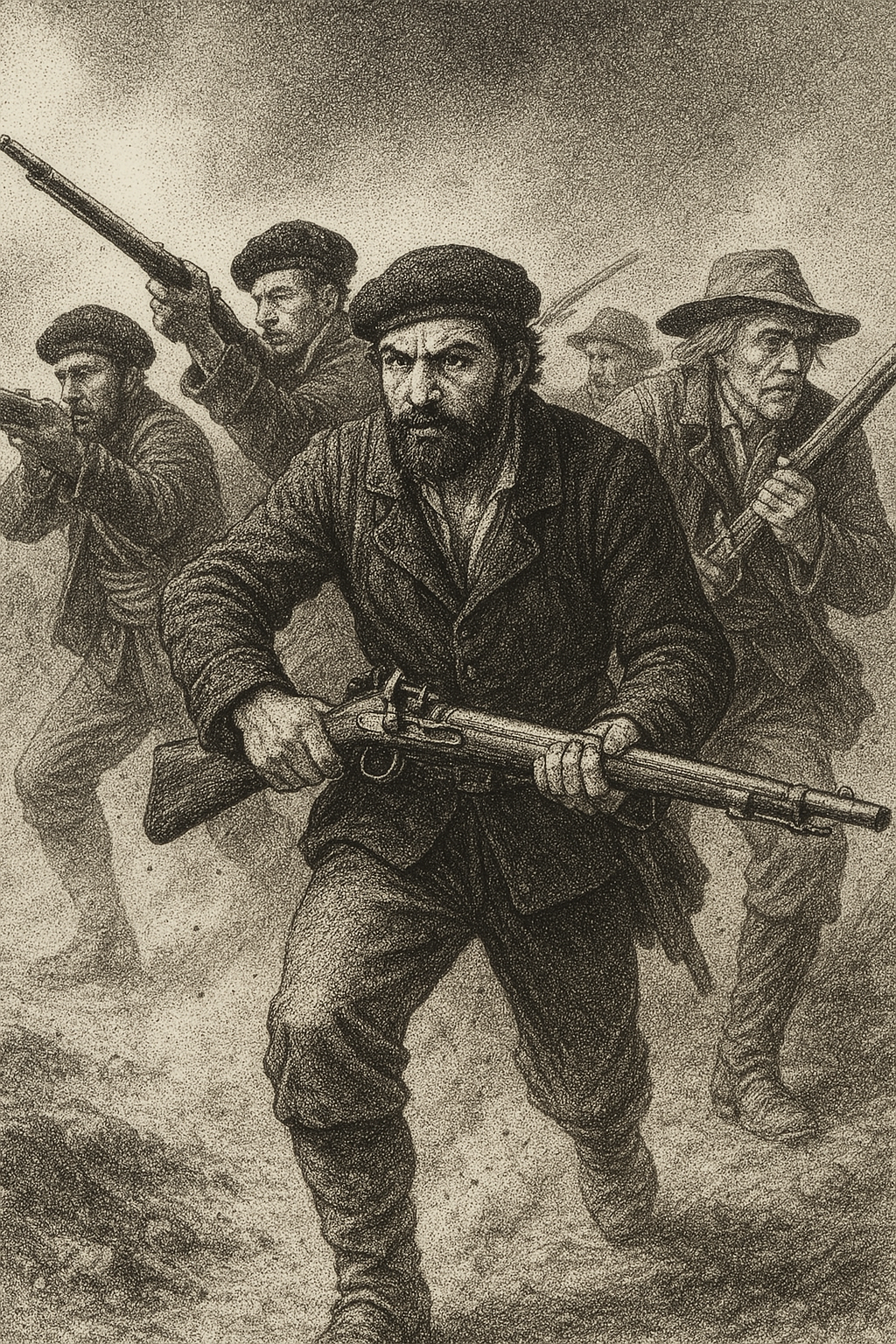
A brotherhood of Spanish Guerrilleros rises from the hills and hollows of Iberia to bleed an empire one ambush at a time.
Group Rank - 186
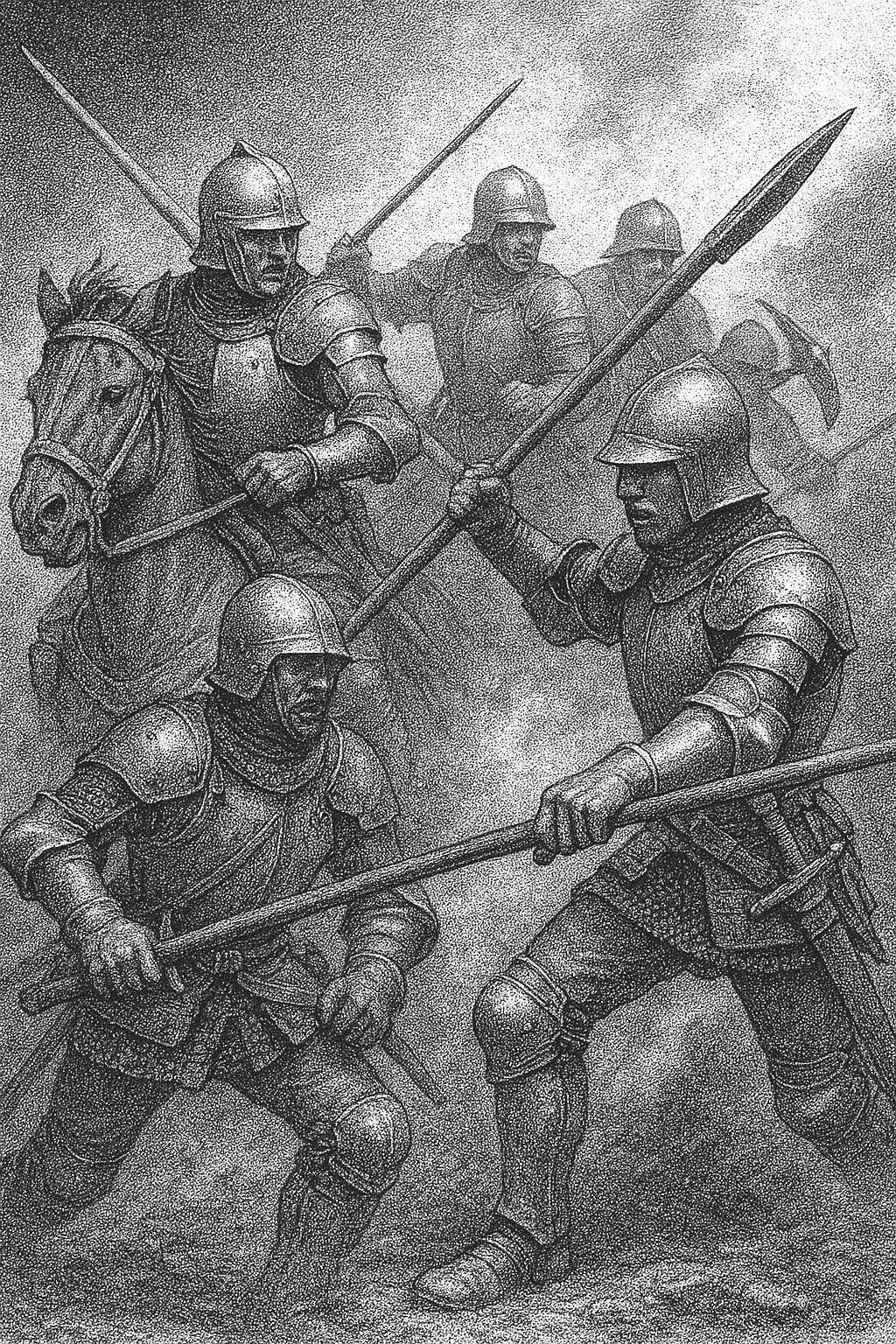
The Burgundian Ordonnance Companies marched like a machine built from pride and gunpowder, only to shatter spectacularly when the future came at them with Swiss pikes and winter steel.
Group Rank - 191
They advanced like a single starving organism made of steel, superstition, and the certainty that the world existed only to be taken.
Group Rank - 193
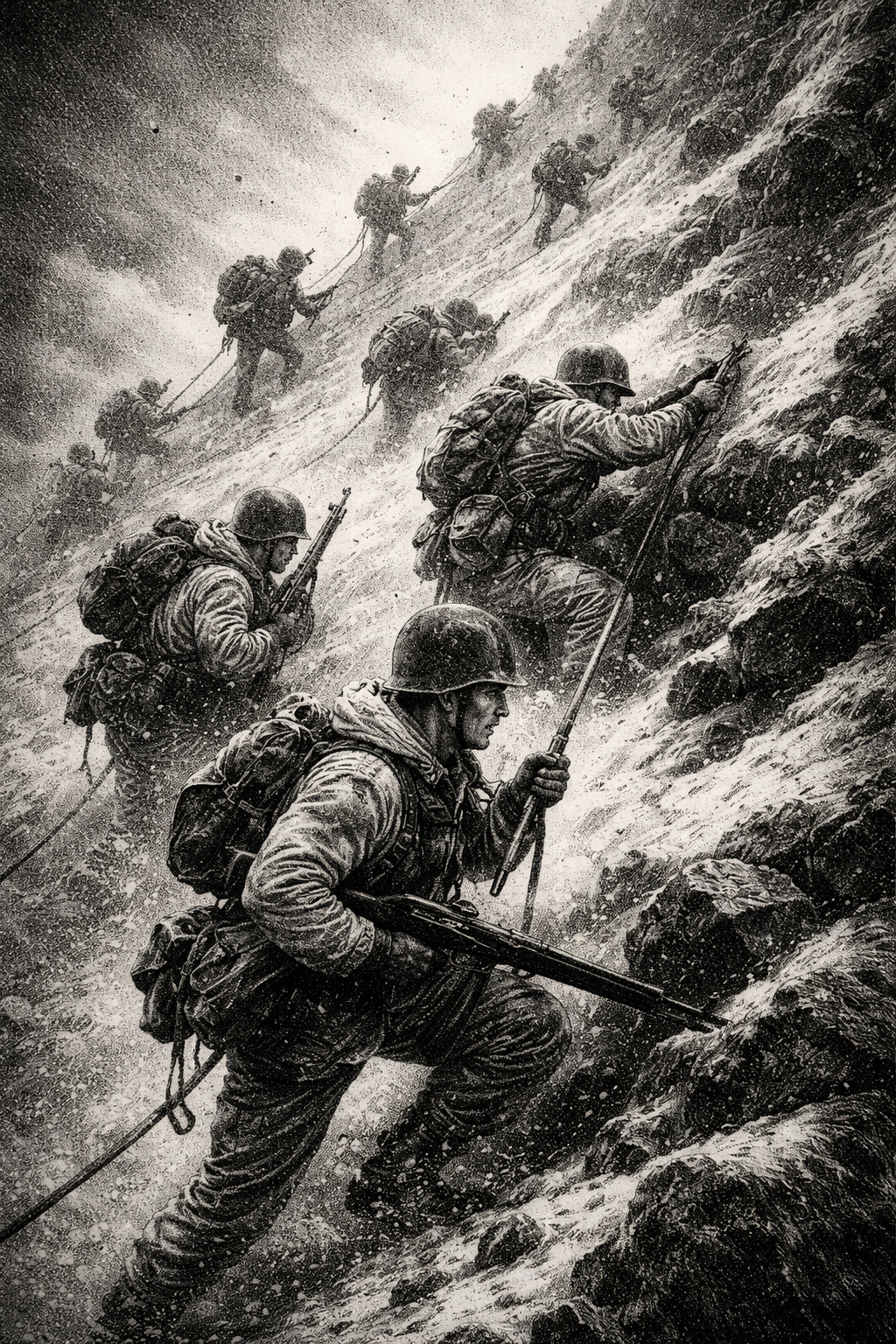
They moved as if the cold had carved secret truths into their bones, two brotherhoods built to appear where no one should exist and to leave before anyone realized they were there.
Group Rank - 194
In the end, they were the men who made the darkness blink first. Not knights, not villains—just professionals in a dirty century, paid to make silence possible again.
Group Rank - 200
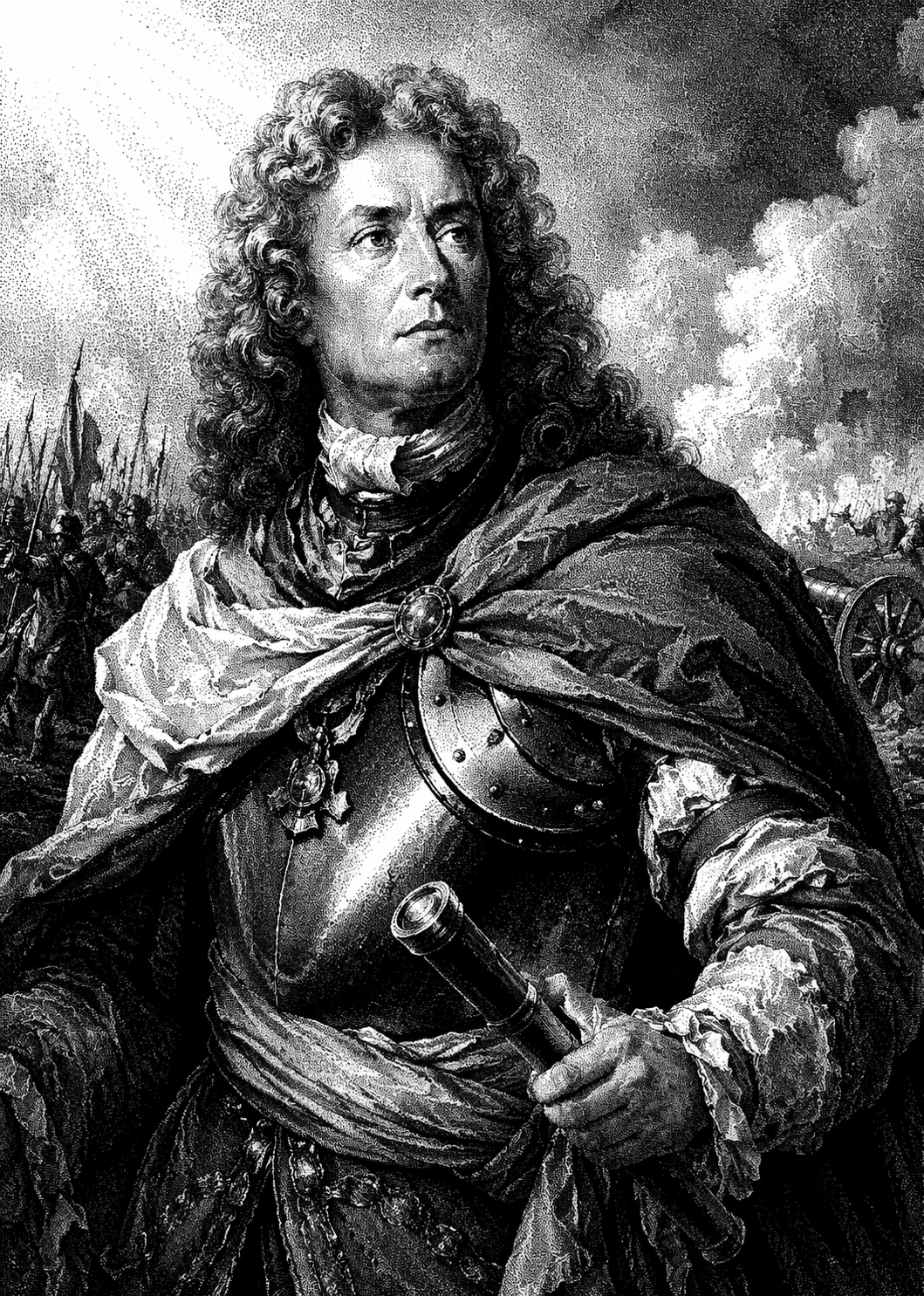
Charles XII of Sweden was a warrior-king who personally led his armies through the Great Northern War, turning early victories into legend through ferocious discipline and reckless courage. His refusal to compromise or retreat ultimately shattered Sweden’s empire, leaving behind a mythic figure admired for bravery and criticized for destroying everything he fought to protect.
Rank - 125