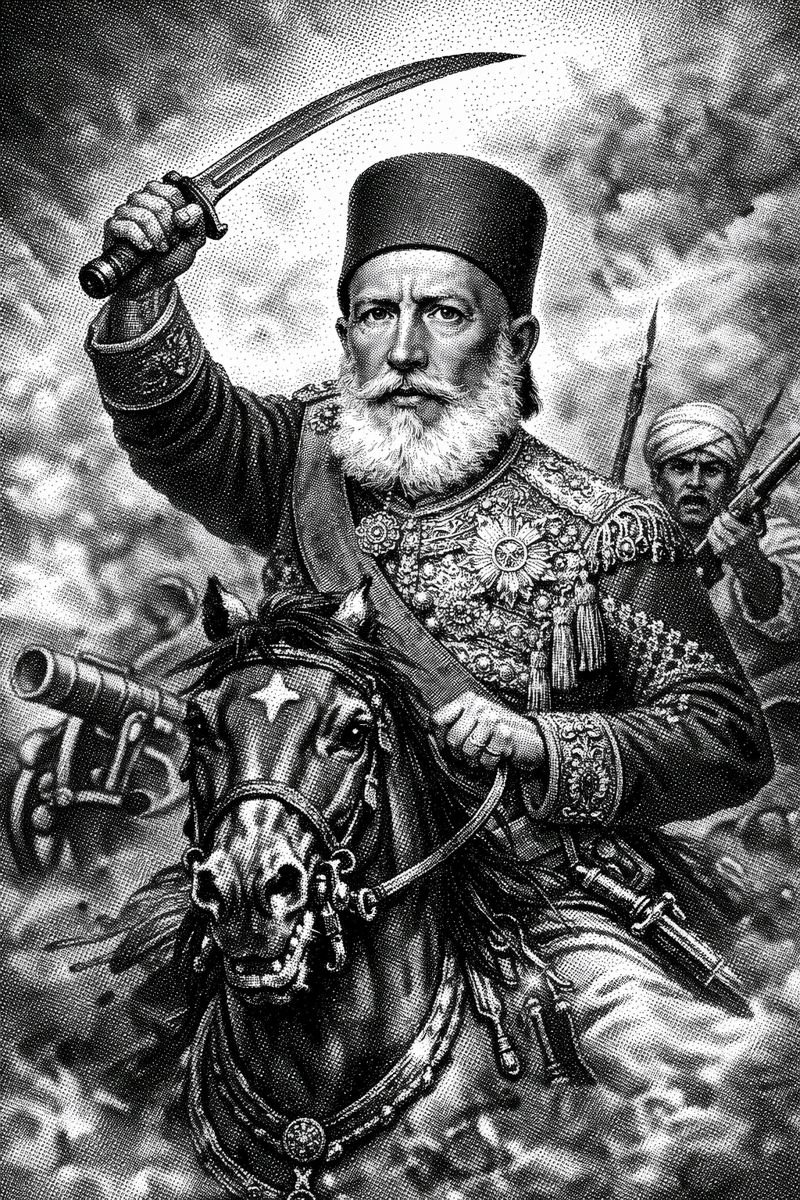
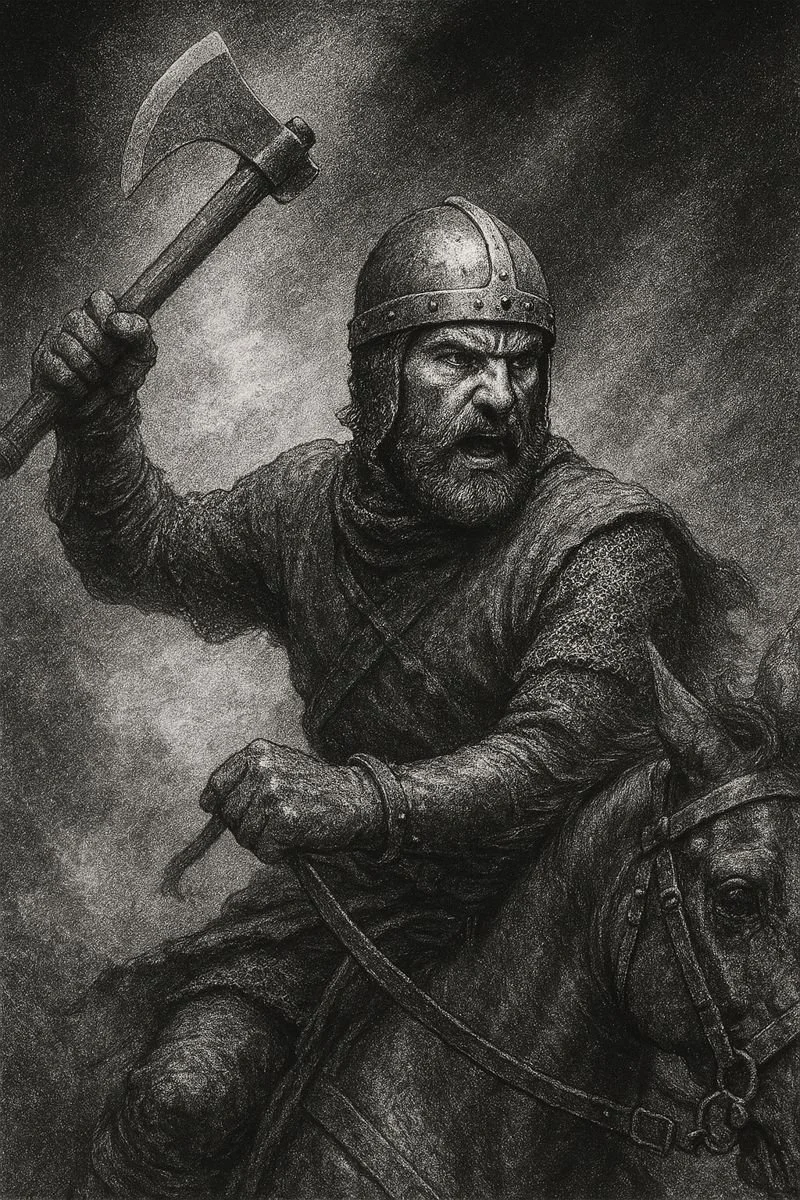
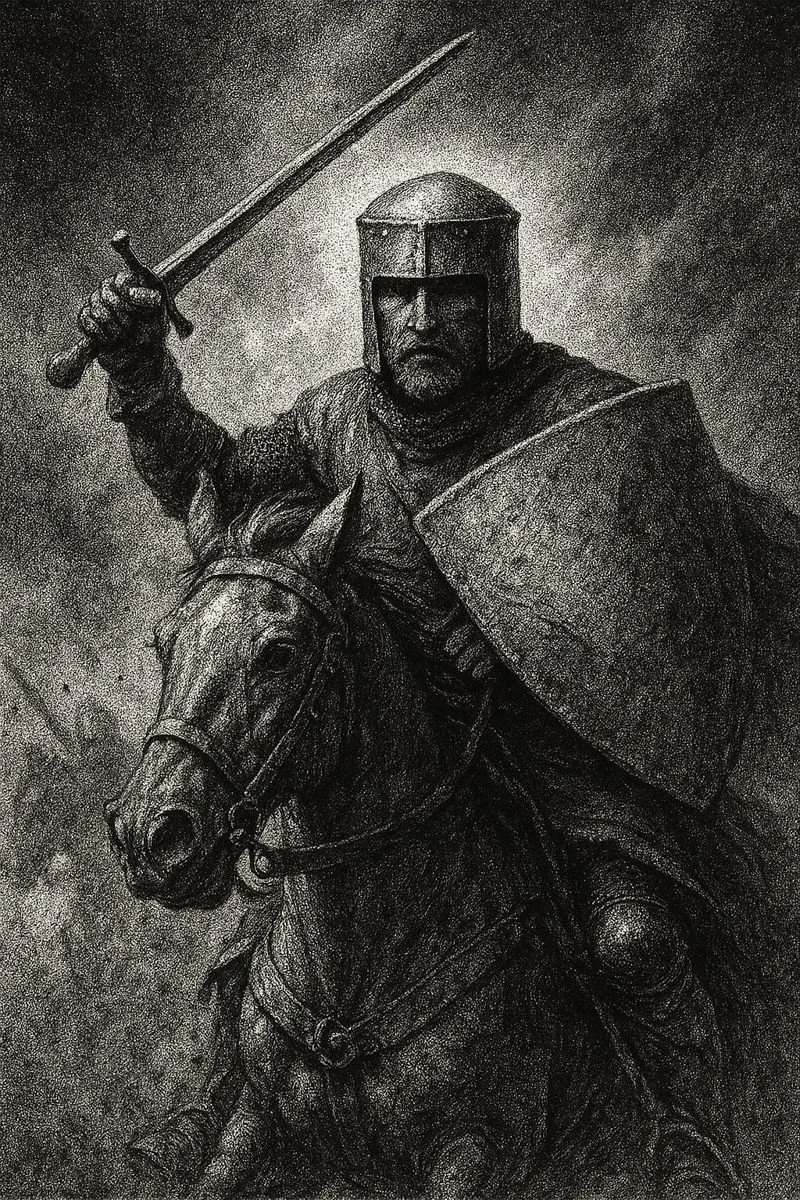
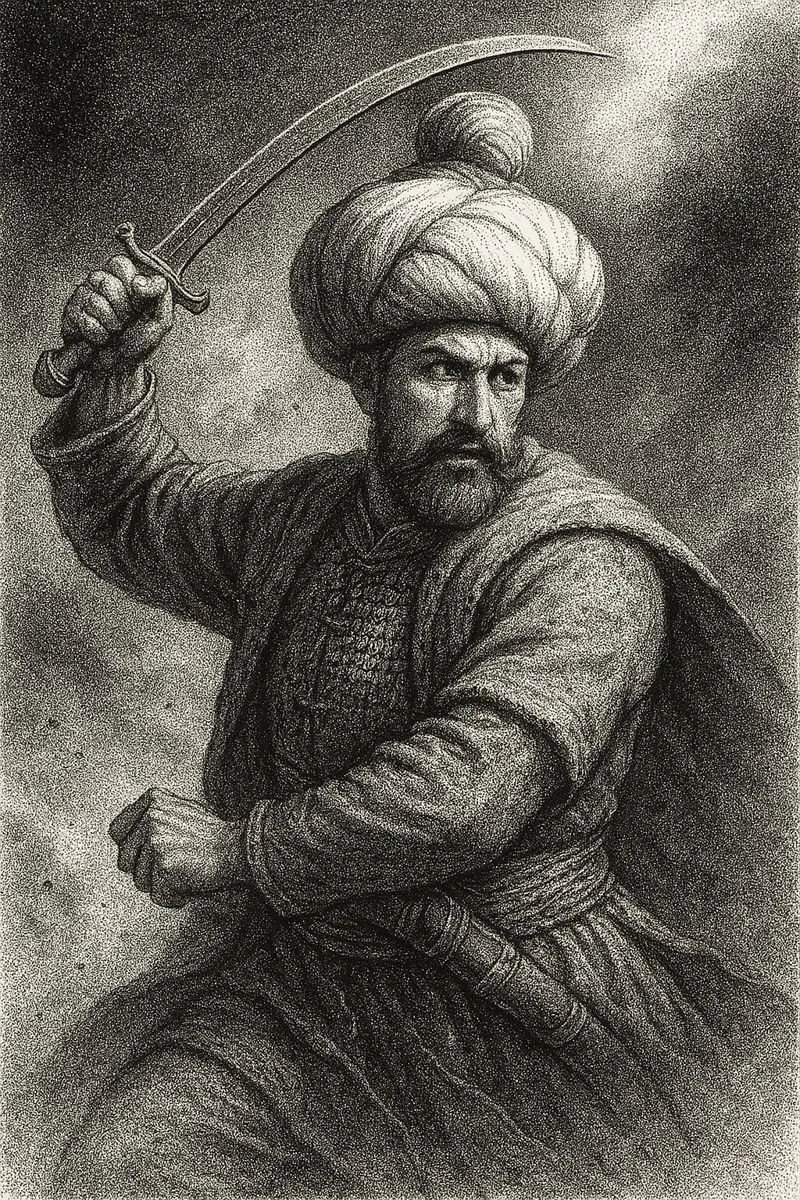
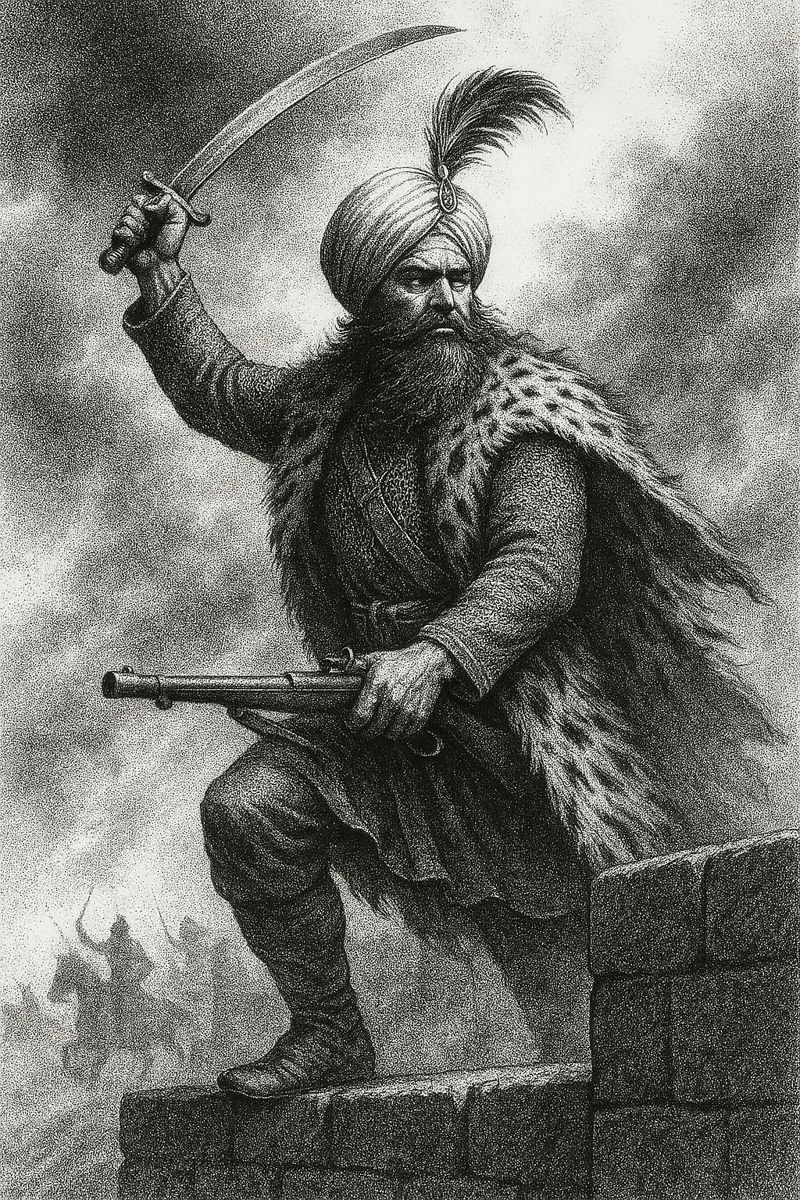
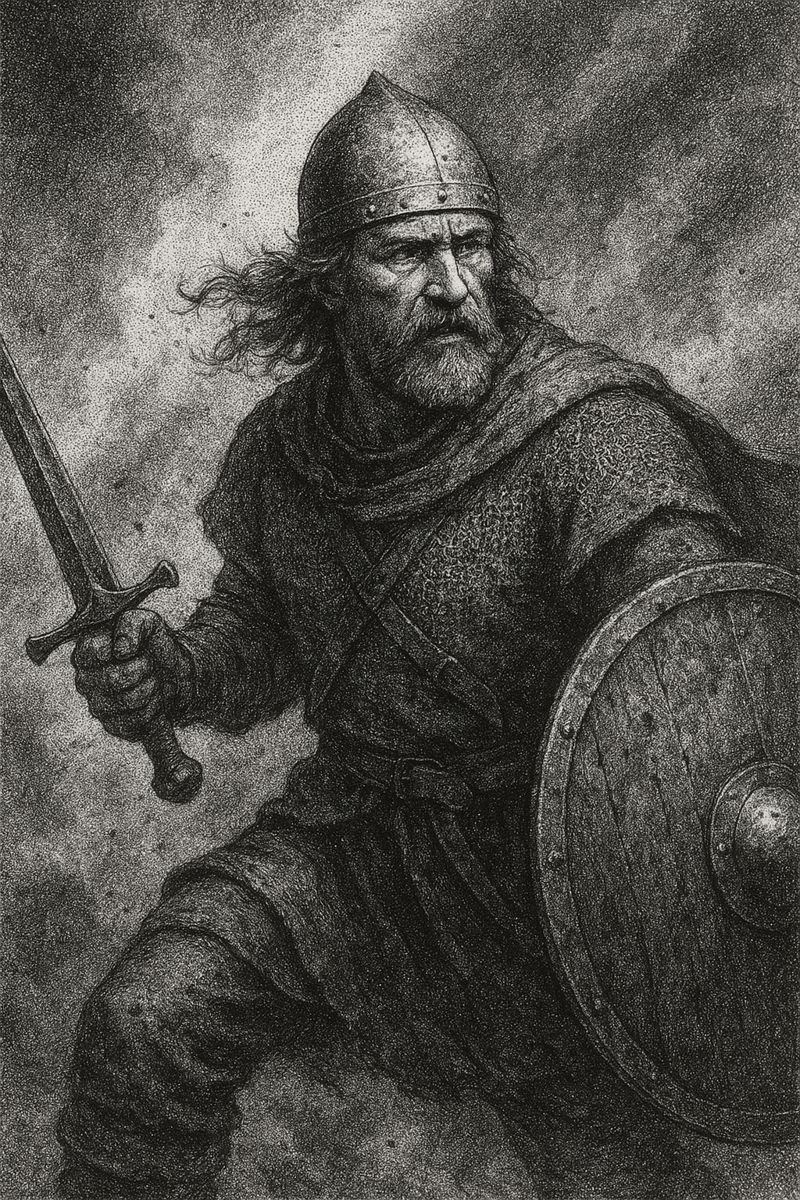
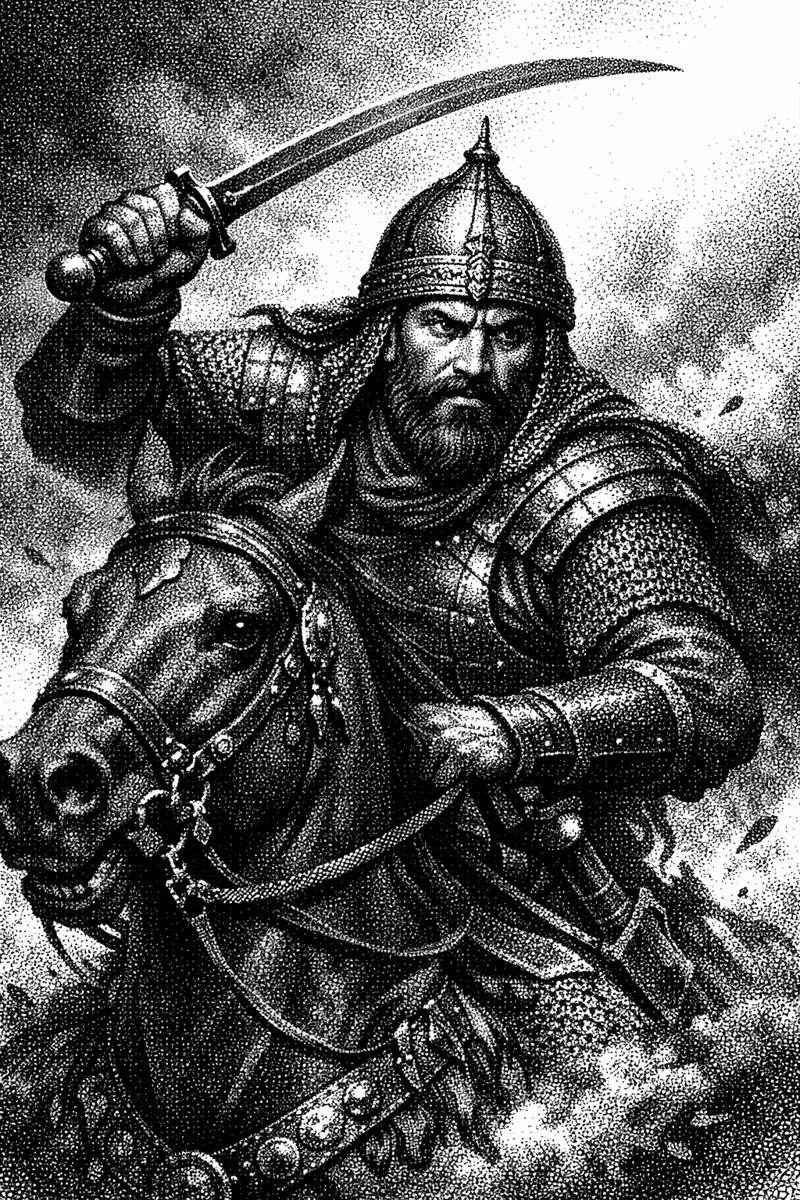
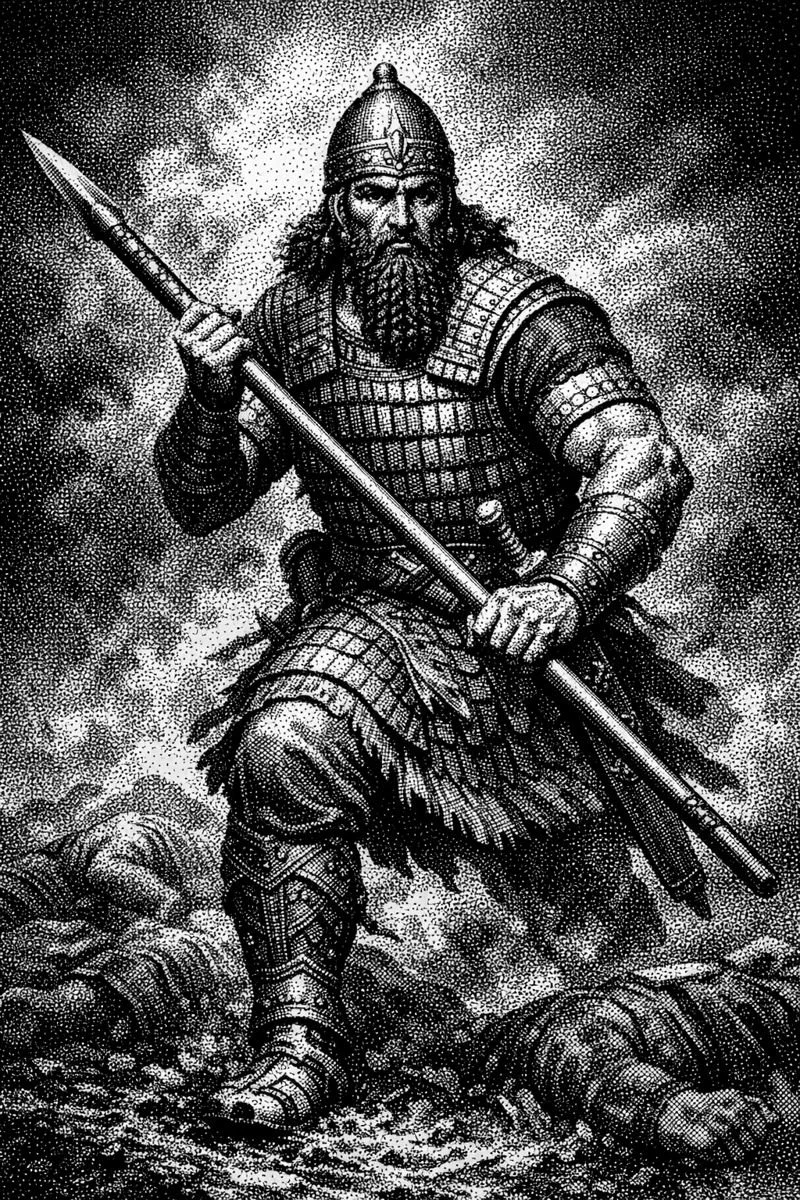
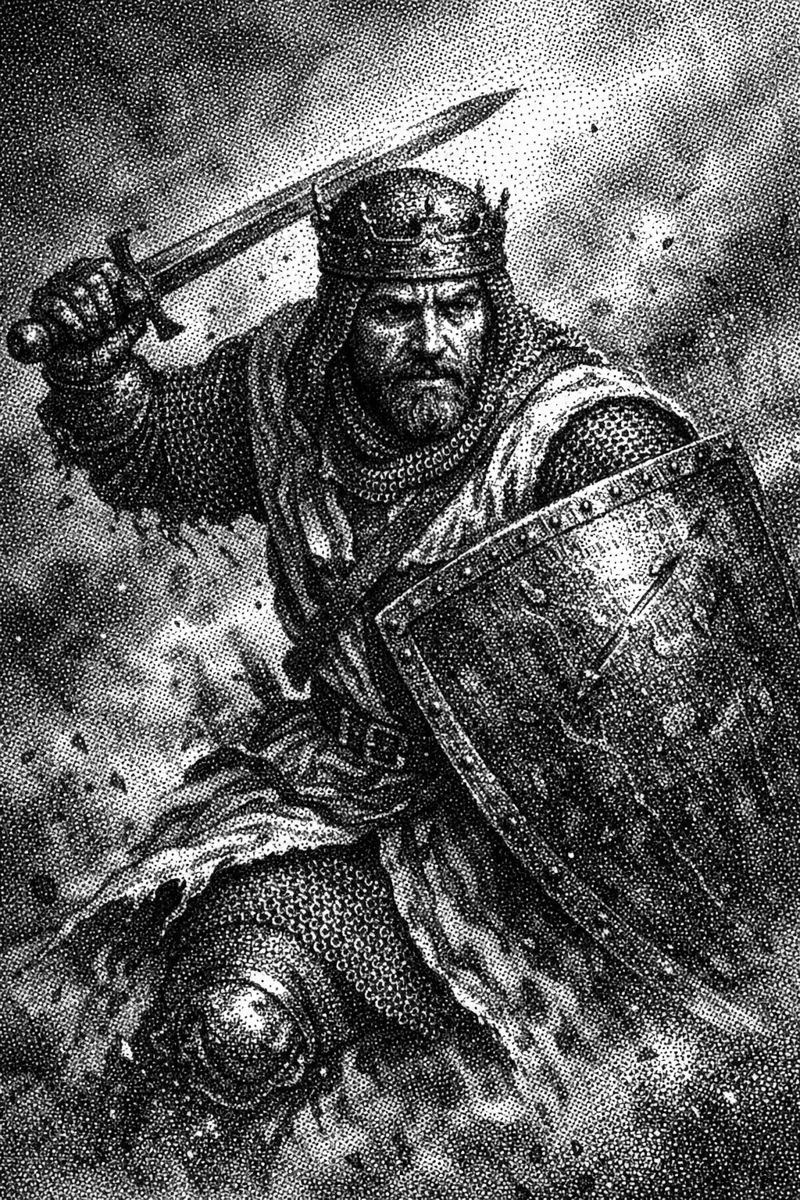
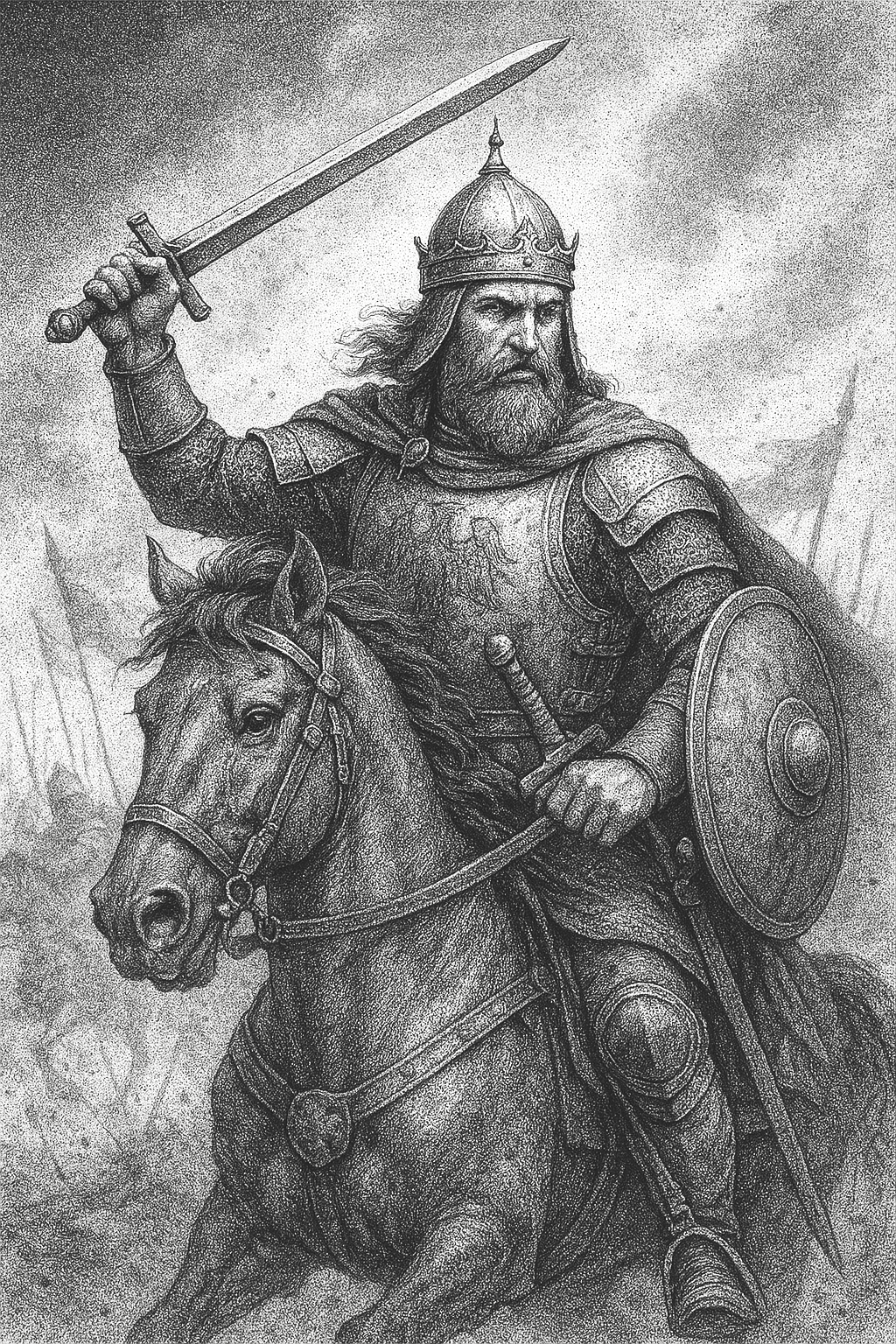
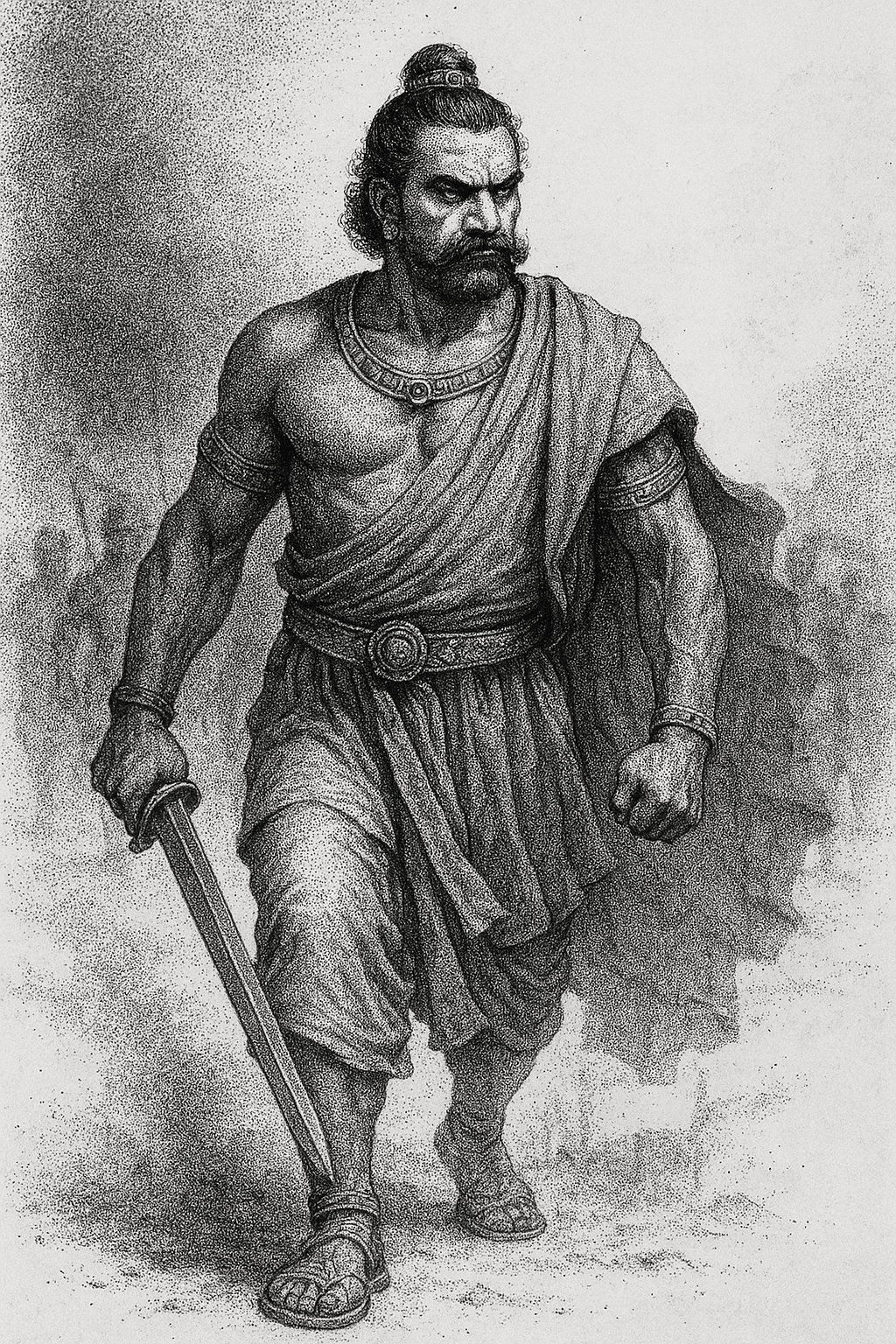
Ibrahim Pasha was an Ottoman-Egyptian general and son of Muhammad Ali, famed for his modernized army and ruthless efficiency. He played a decisive, brutal role in suppressing revolts and reshaping power in Greece, Syria, and the eastern Mediterranean during the early 19th century.
Rank - 129
The Scottish king who turned exile, defeat, and civil war into a long, grinding campaign for independence through patience, guerrilla warfare, and ruthless resolve. His victory at Bannockburn made him a national symbol of endurance, proving that stubborn survival can outlast empires built on force alone.
Rank - 130
She turned the savannah into her empire and built walls strong enough to outlast the men who doubted her.
Rank - 136
William Marshal (c.1147–1219) was an English knight and statesman who served four kings and became the most celebrated tournament fighter and battlefield commander of the High Middle Ages. Renowned for his unwavering loyalty and mastery of mounted combat, he helped preserve the English crown during civil war and was later mythologized as the living ideal of chivalry.
Rank - 137
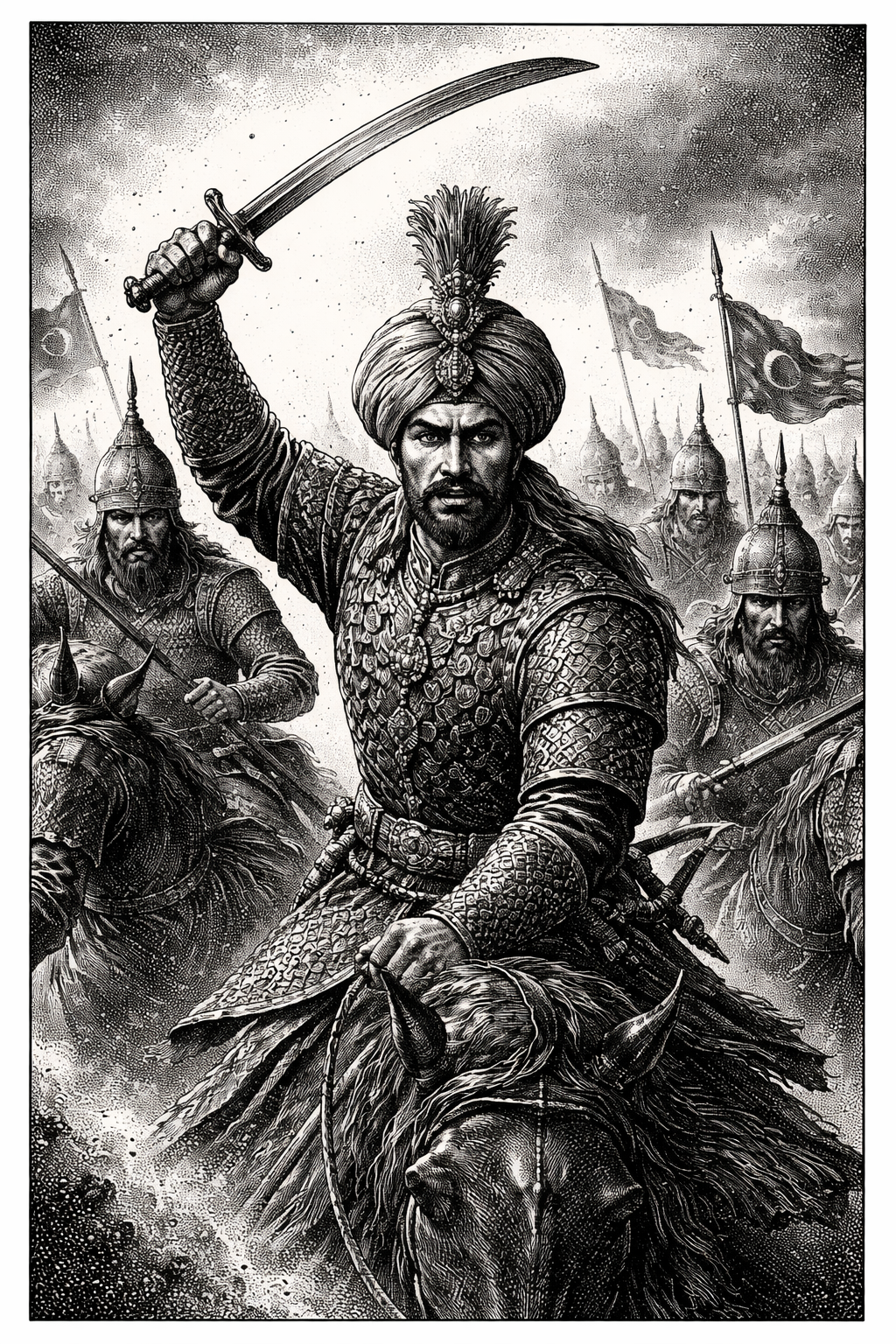
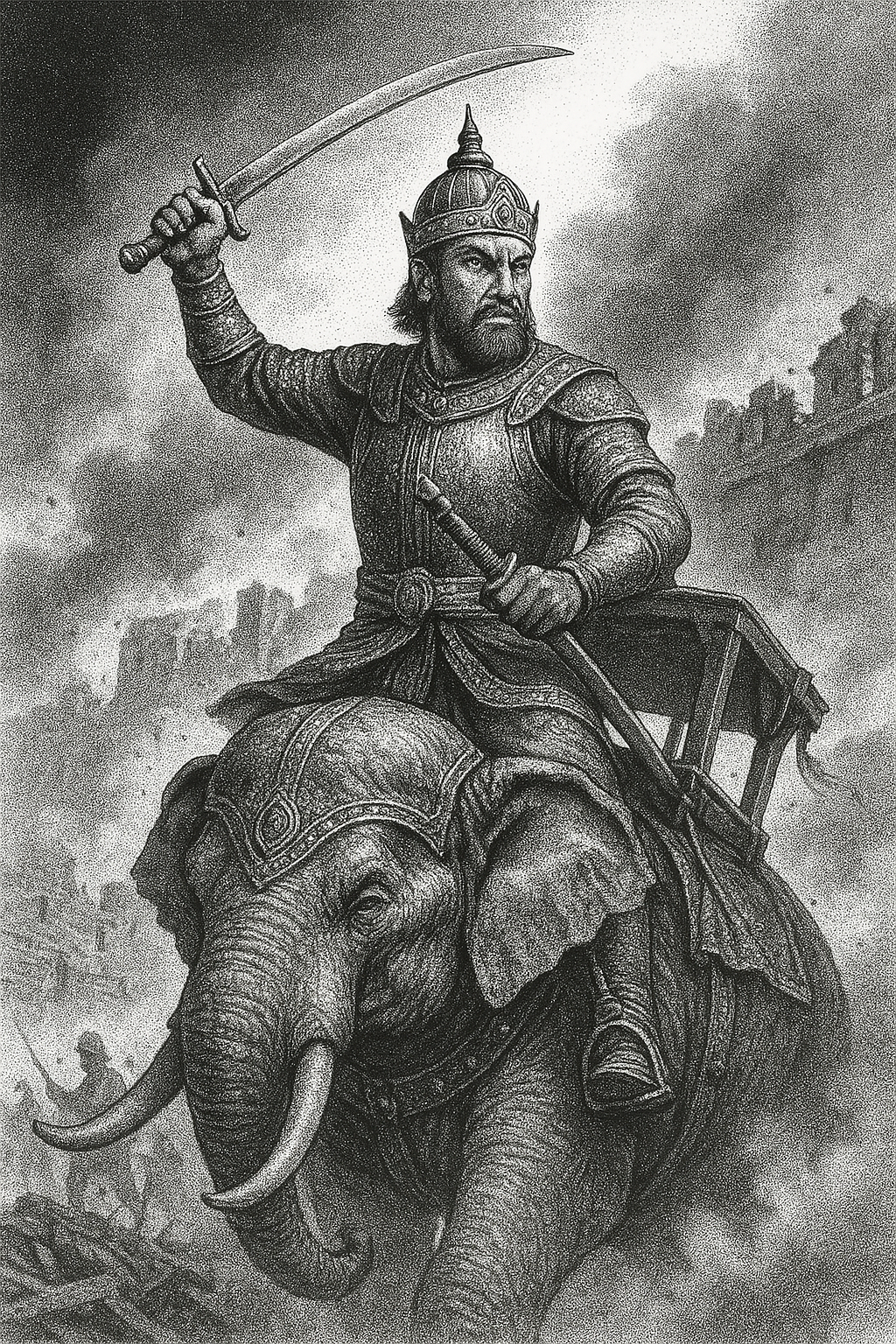
Mehmed II “the Conqueror” was the Ottoman sultan who captured Constantinople in 1453, ending the Byzantine Empire and reshaping the balance of power between East and West. A scholar-warrior with ruthless ambition, he fused gunpowder, centralized rule, and imperial vision to build the foundation of a world-spanning Ottoman state.
Rank - 140
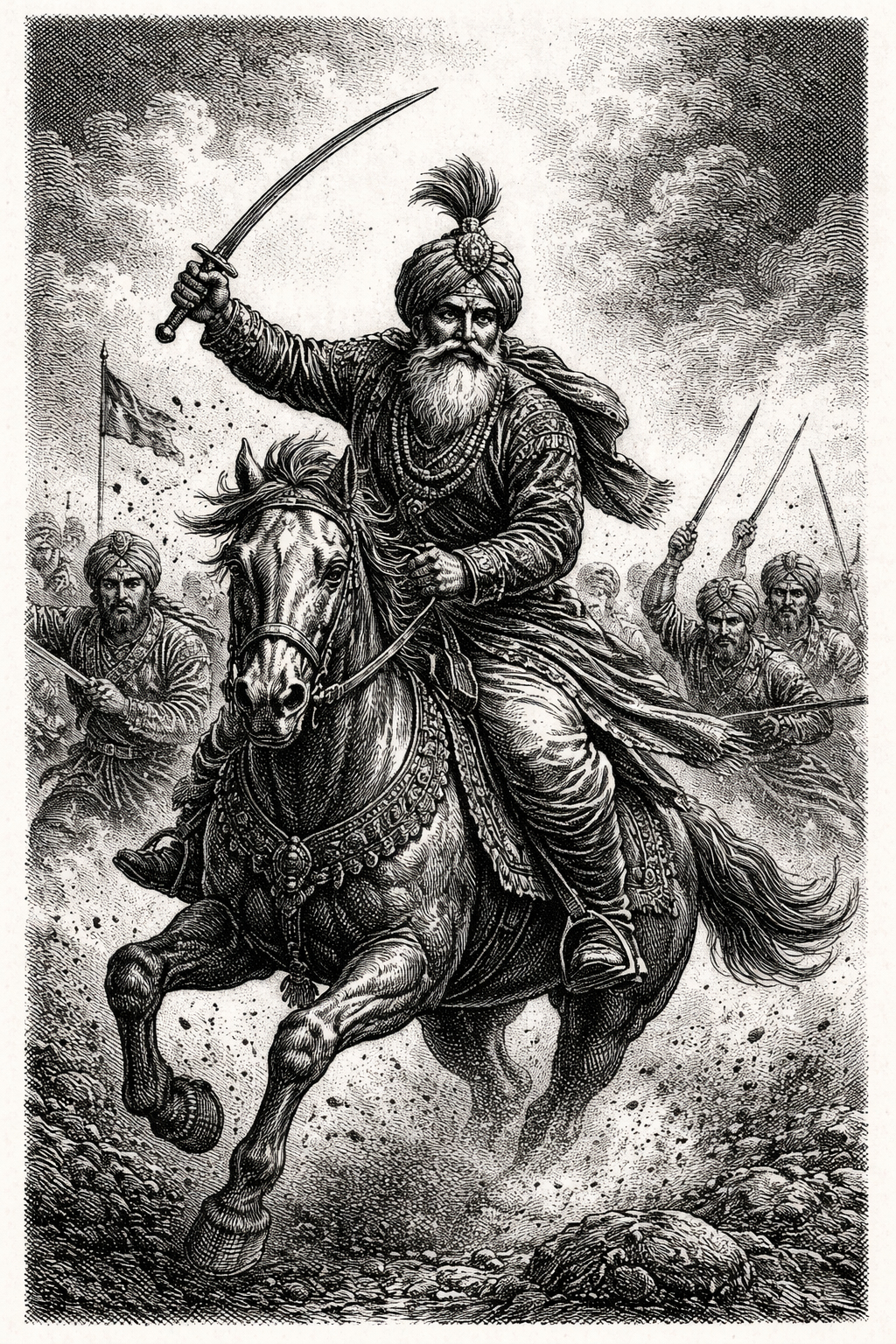
Hari Singh Nalwa was a leading general of the Sikh Empire who secured its northwest frontier and halted repeated Afghan incursions into Punjab. Serving under Maharaja Ranjit Singh, he became a symbol of Sikh military power and frontier rule, remembered for his campaigns from Kashmir to the Khyber Pass.
Rank - 143
John Hunyadi (c. 1407–1456) was a Hungarian military commander and crusader who repeatedly halted Ottoman expansion into Central Europe. His decisive defense of Belgrade in 1456 delayed Ottoman advances for decades and cemented his reputation as the Balkans’ last great shield.
Rank - 144
When the walls of Seringapatam fell, he didn’t flee—he fought until the tiger stripes faded from his own blood.
Rank - 146
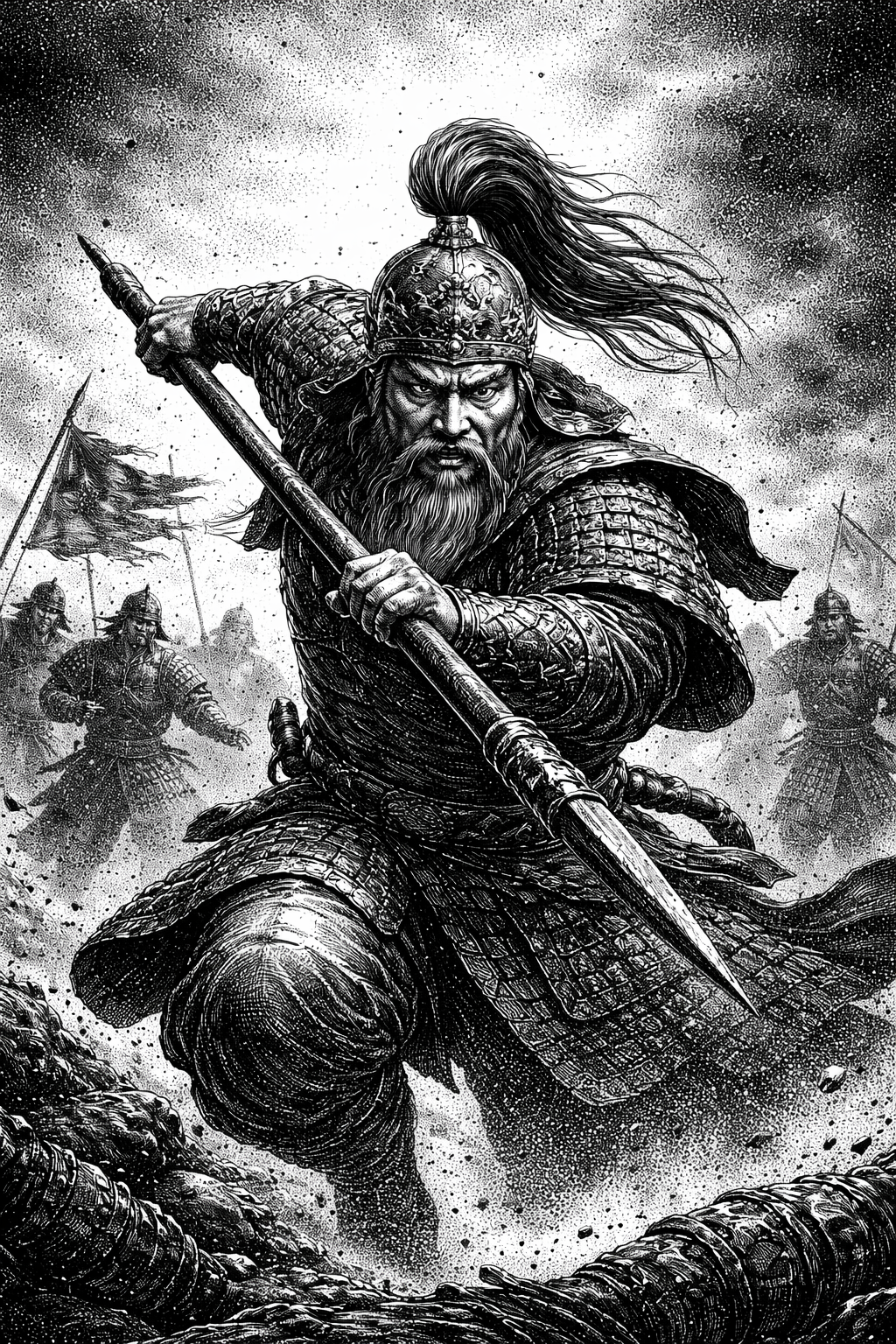
Mahmud of Ghazni (c. 971–1030) was a Turkic ruler and the first major sultan, renowned for his highly mobile cavalry campaigns that projected Ghaznavid power across Central Asia and deep into the Indian subcontinent. Both a fierce military raider and a calculated patron of Persian culture, he left a legacy shaped equally by conquest, wealth extraction, and enduring historical controversy.
Rank - 147
Tiglath-Pileser I was an Assyrian king of the 12th century BCE who expanded his empire through relentless military campaigns and the calculated use of terror as state policy. His meticulously recorded conquests turned violence into propaganda and set the template for later Assyrian imperial power.
Rank - 149
Baldwin I of Jerusalem was the first king of the Crusader Kingdom of Jerusalem, a hard-edged Frankish warlord who turned conquest into governance. He secured and expanded the kingdom through relentless warfare, political pragmatism, and a clear-eyed understanding that survival mattered more than sanctity.
Rank - 150
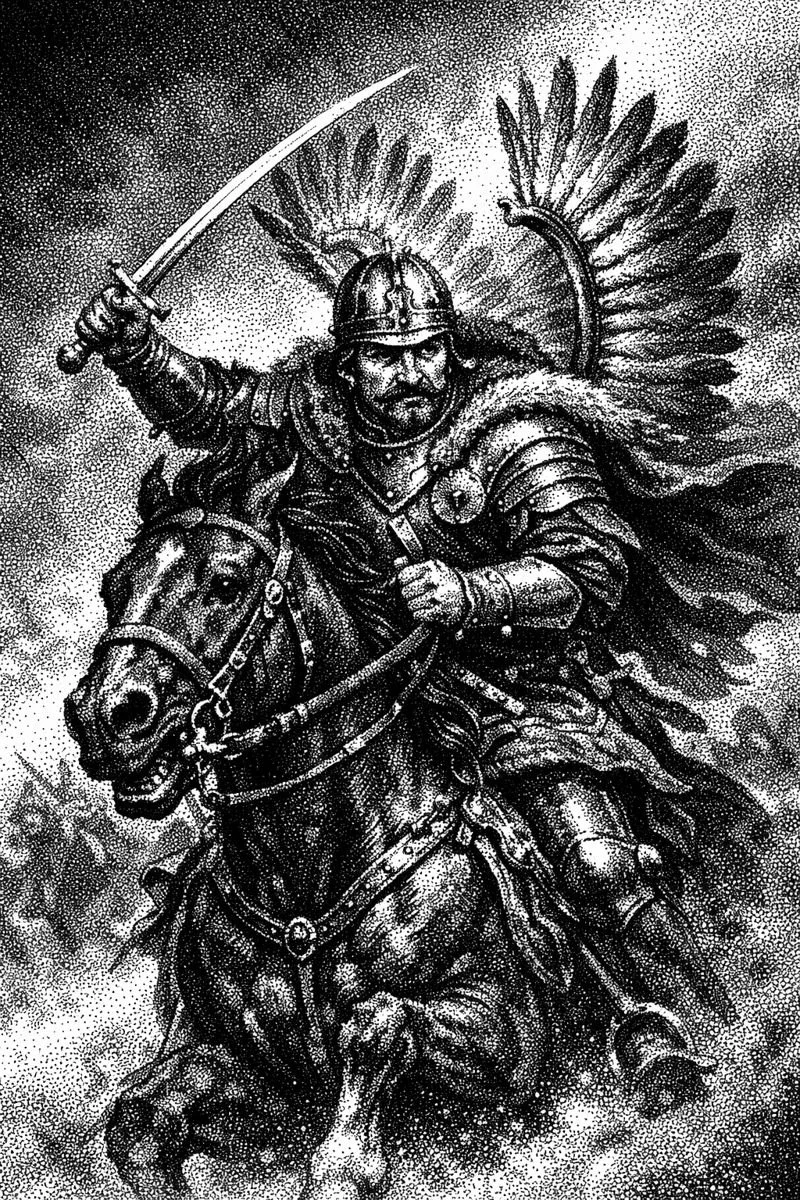
John III Sobieski was the Polish king who thundered downhill at Vienna and changed Europe’s fate in a single charge.
Rank - 152
Bayinnaung rose from minor nobility to command an empire that dominated Burma, Siam, Lan Na, and Laos.
Rank - 158
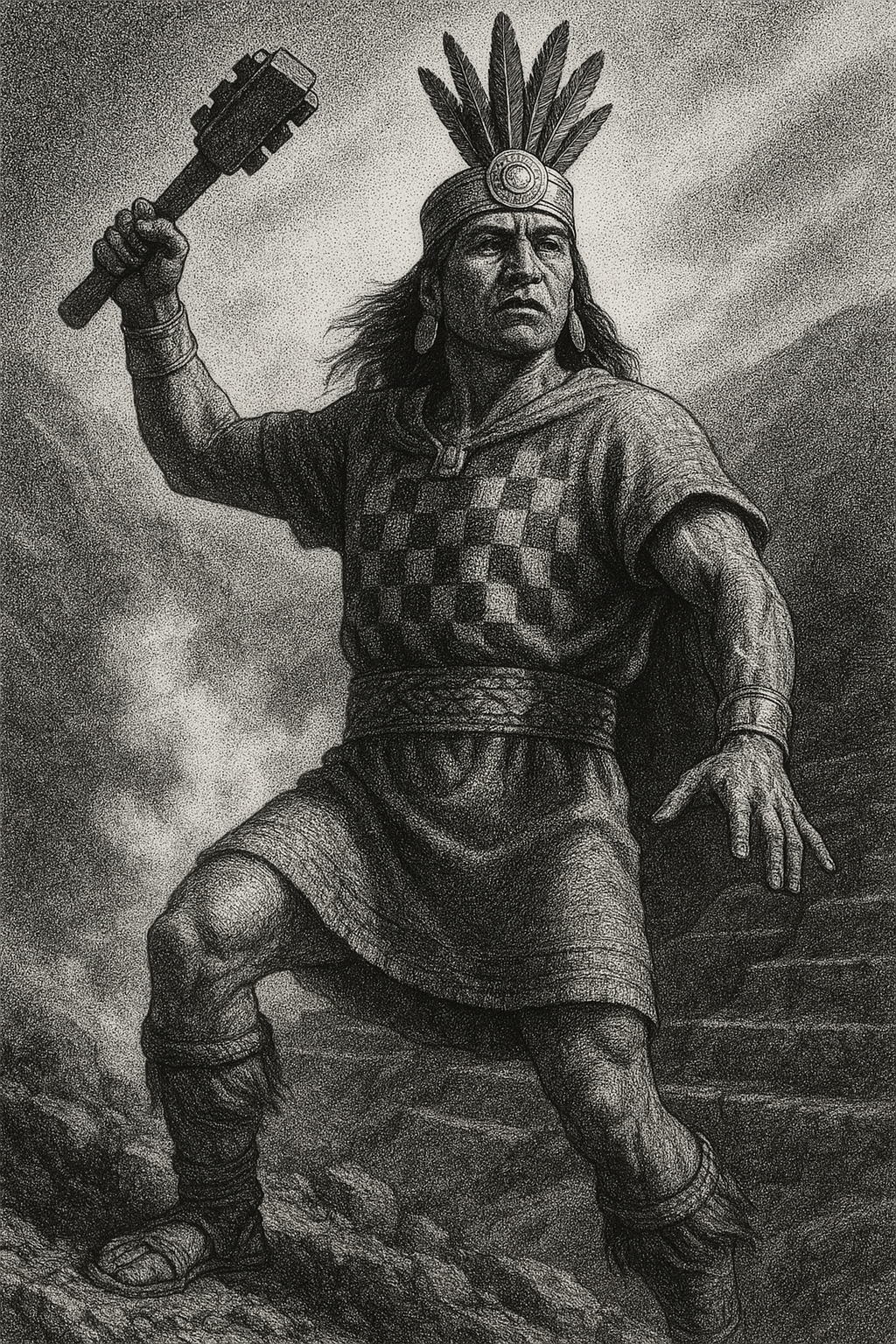
He rebuilt the Andes into an orderly machine and made the world climb with him.
Rank - 159
He conquered the Andes with mathematics, sunlight, and an unreasonable sense of direction.
Rank - 160
He rose from vengeance to empire, turning tribal blood feuds into the blueprint for a dynasty.
Rank - 161
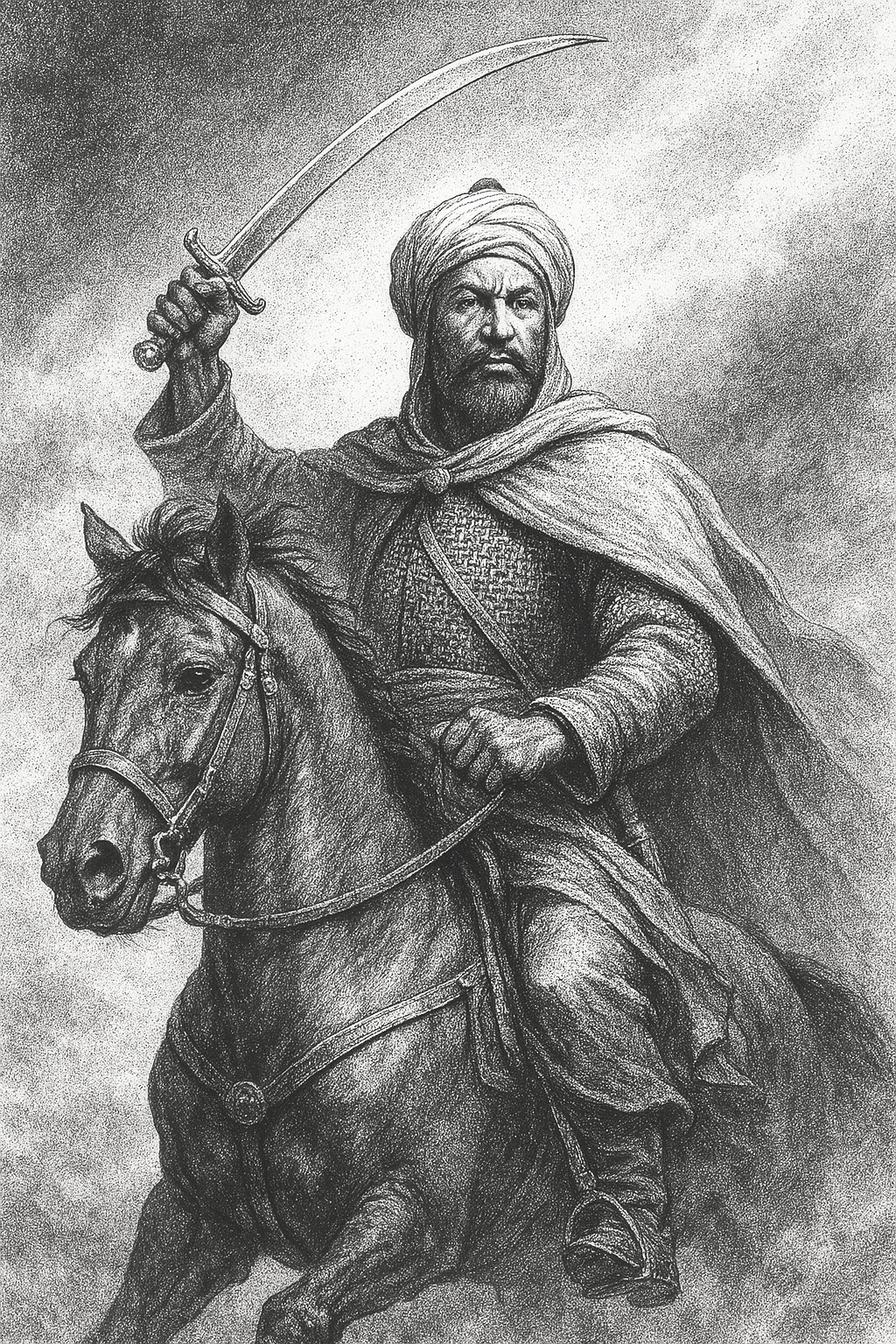
Moulay Ismail ruled Morocco like a furnace with a crown, forging unity through terror, the Black Guard, and a fifty-year rei gn where mercy was the only thing he never built.
Rank - 163
Stefan Dušan rode through the Balkan smoke like a man convinced the world was one good conquest away from making sense, leaving empires, enemies, and common sense trampled under his horse’s hooves.
Rank - 165
He built an empire by removing every man who thought birth alone made him safe, and the silence he left behind still sounds like power sharpening its teeth.
Rank - 166
Vlad III Țepeș turned a bleeding borderland into a kingdom defended by terror, crafting a legacy where strategy and brutality became the same blade.
Rank - 168
Piye rode into a broken Egypt like a storm given human shape—calm, relentless, and absolutely certain he’d been sent to clean up a mess only a Kushite king could tame.
Rank - 176
Sonni Ali was the ruthless 15th-century warlord-king of Songhai who carved an empire out of West Africa with cavalry, river fleets, and a famously uncompromising taste for conquest.
Rank - 177
Godfrey of Bouillon stormed Jerusalem with holy fire in his eyes and left it bathed in the kind of righteousness that smells like smoke and blood.
Rank - 184
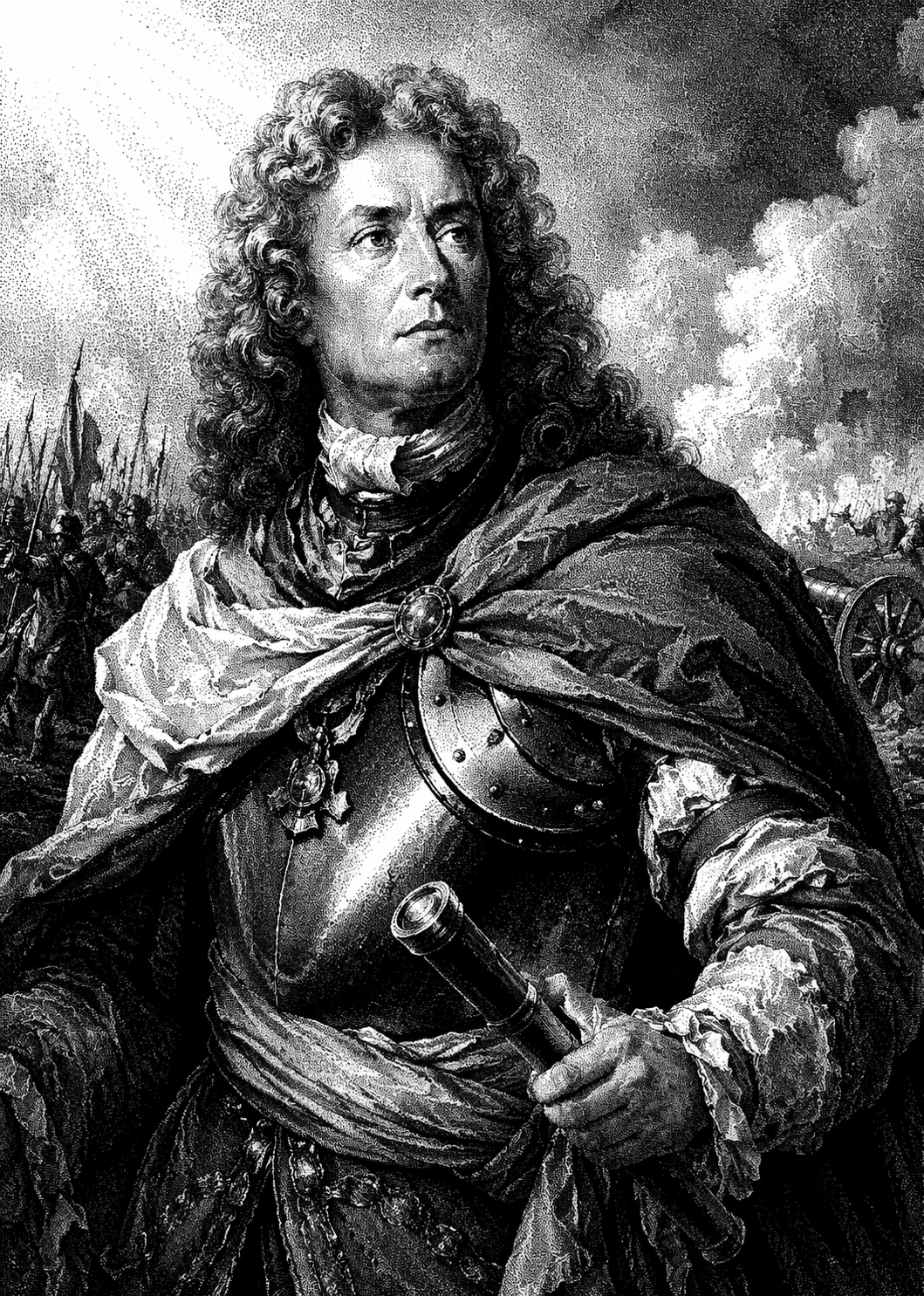
Bloated, brilliant, and half-dying, Maurice de Saxe turned Fontenoy into a masterpiece of smoke, steel, and spite—the last waltz of France’s hungover genius.
Rank - 188
Pyrrhus of Epirus won battles so costly they broke his empire, turning his name into the eternal warning that victory can be the most elegant form of defeat.
Rank - 191
Basil II, the grim accountant of empire, turned vengeance into policy and left the Balkans blind to remind the world that mercy was never in his ledger.
Rank - 192
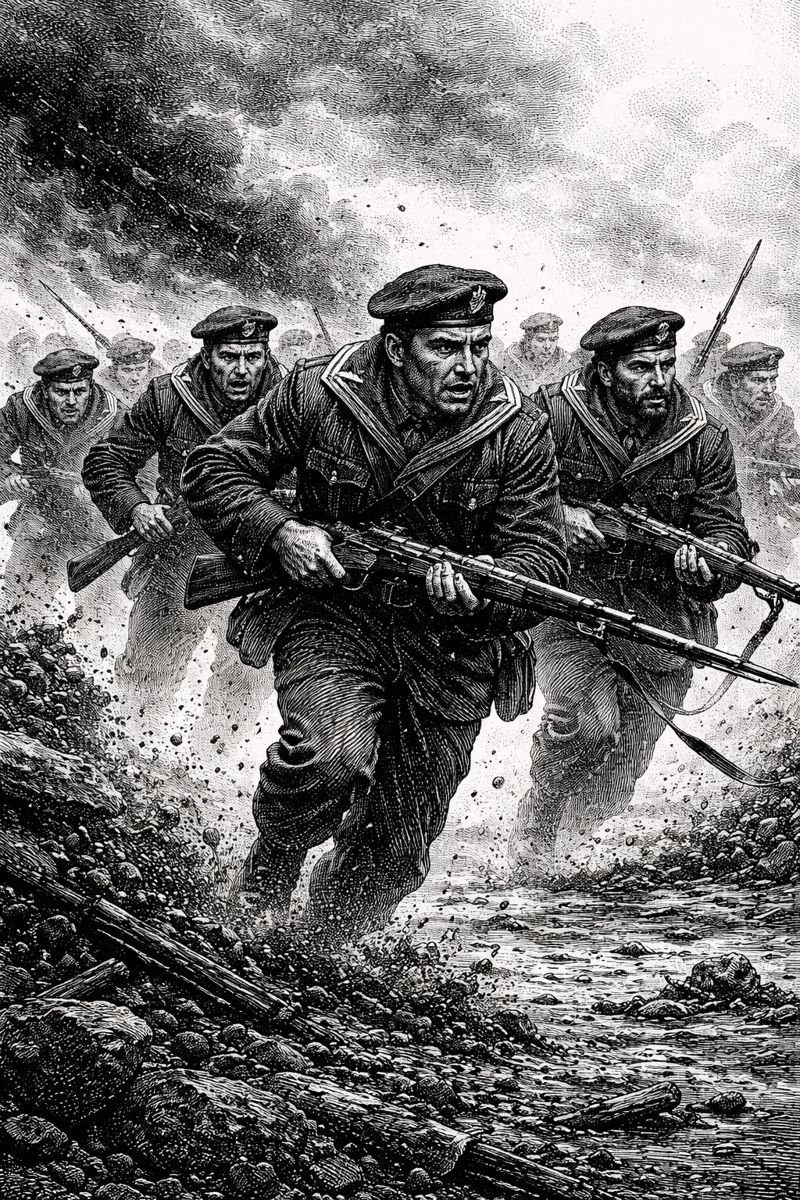
The French Fusiliers Marins are naval infantry trained to fight ashore with the discipline of sailors, the endurance of infantry, and a collective refusal to break once committed.
Group Rank - 181
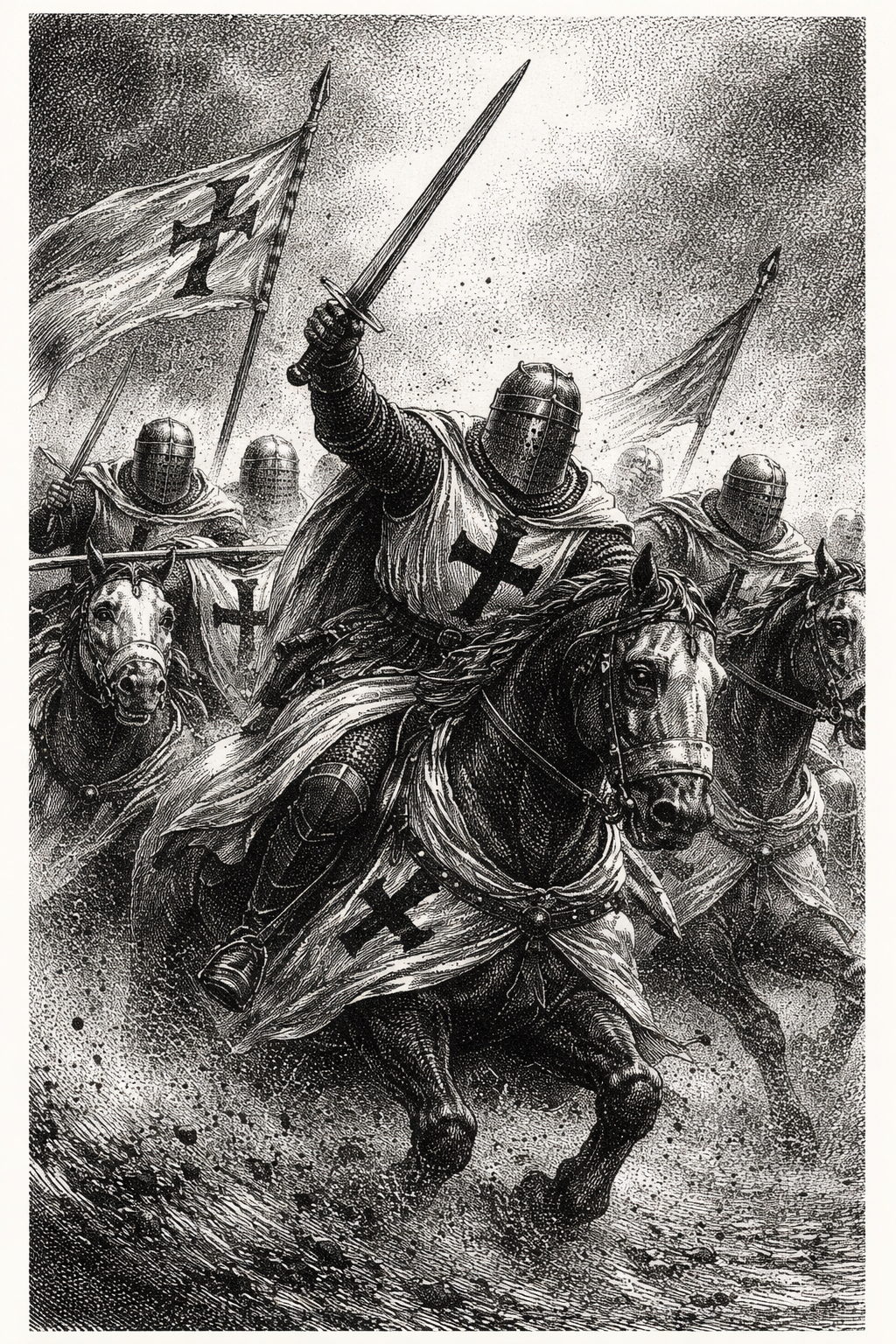
The Teutonic Knights were a medieval military order that fused monastic discipline with state-building warfare, conquering and ruling large parts of the Baltic through crusade, colonization, and fortified power.
Group Rank - 182
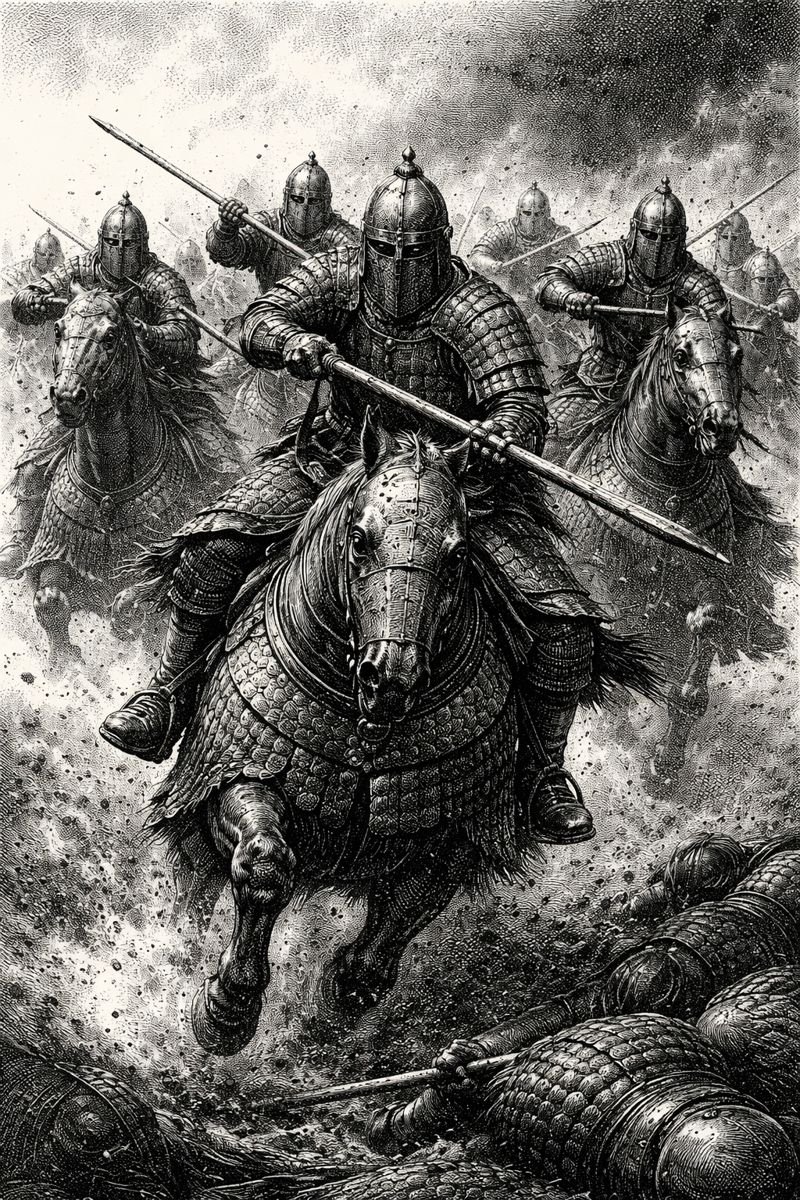
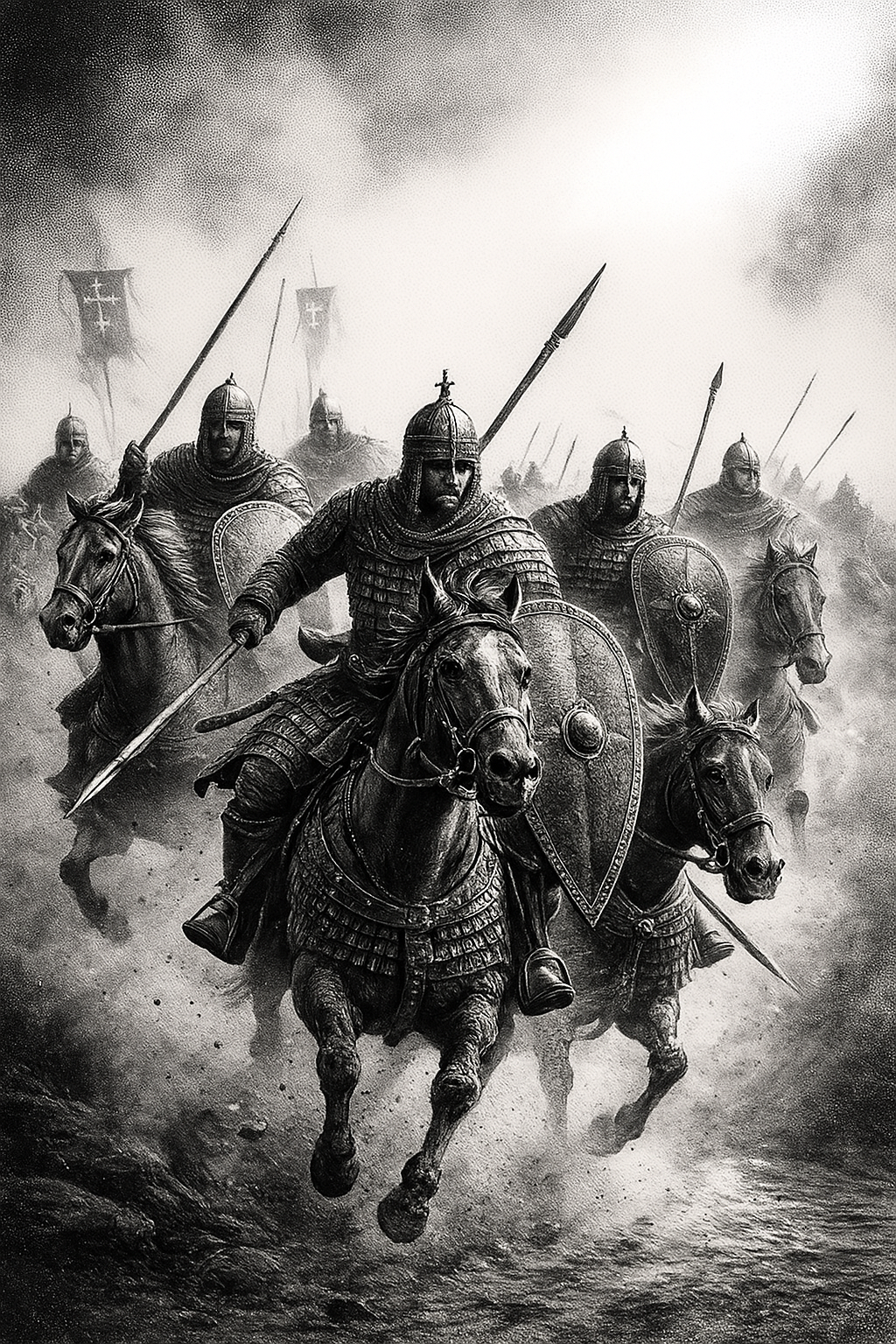
A disciplined wall of armored horsemen advances with relentless precision, embodying the Byzantine Empire’s doctrine of patience, weight, and inevitable force on the battlefield.
Group Rank - 184
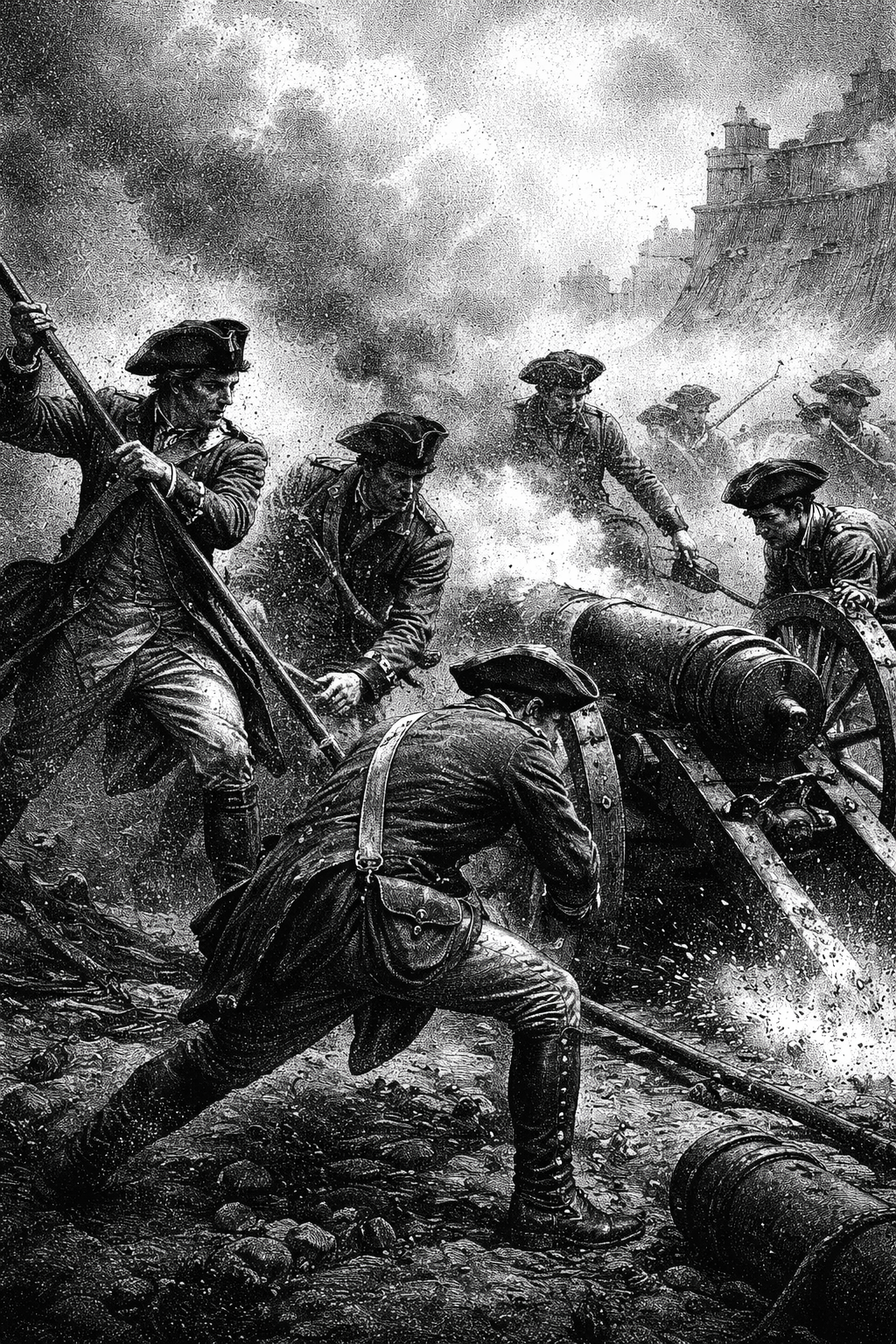
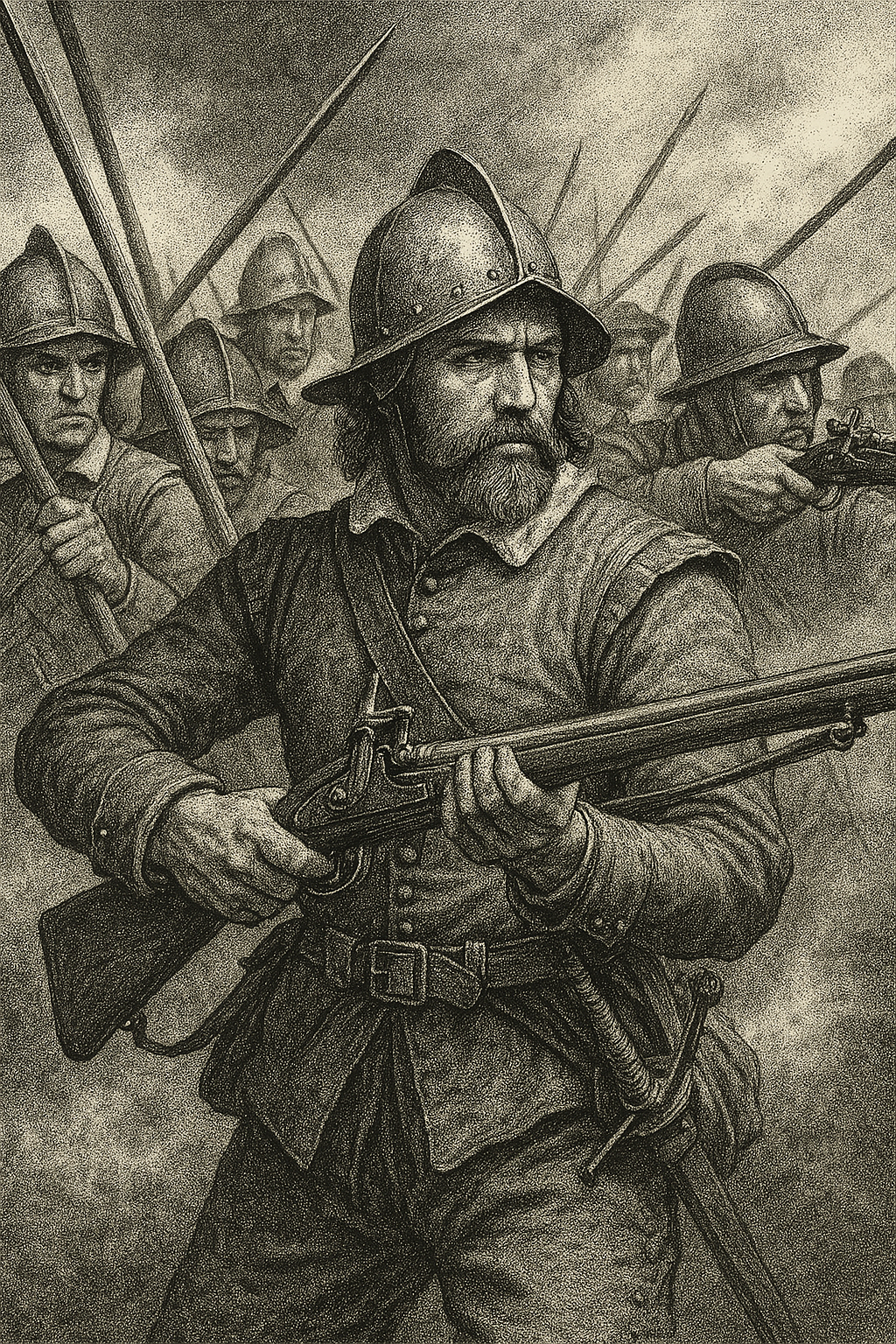
A brotherhood forged in revolt, the Dutch States Army turned geometry, discipline, and relentless volleys into the weapon that broke the old world’s battlefield logic.e.
Group Rank - 185
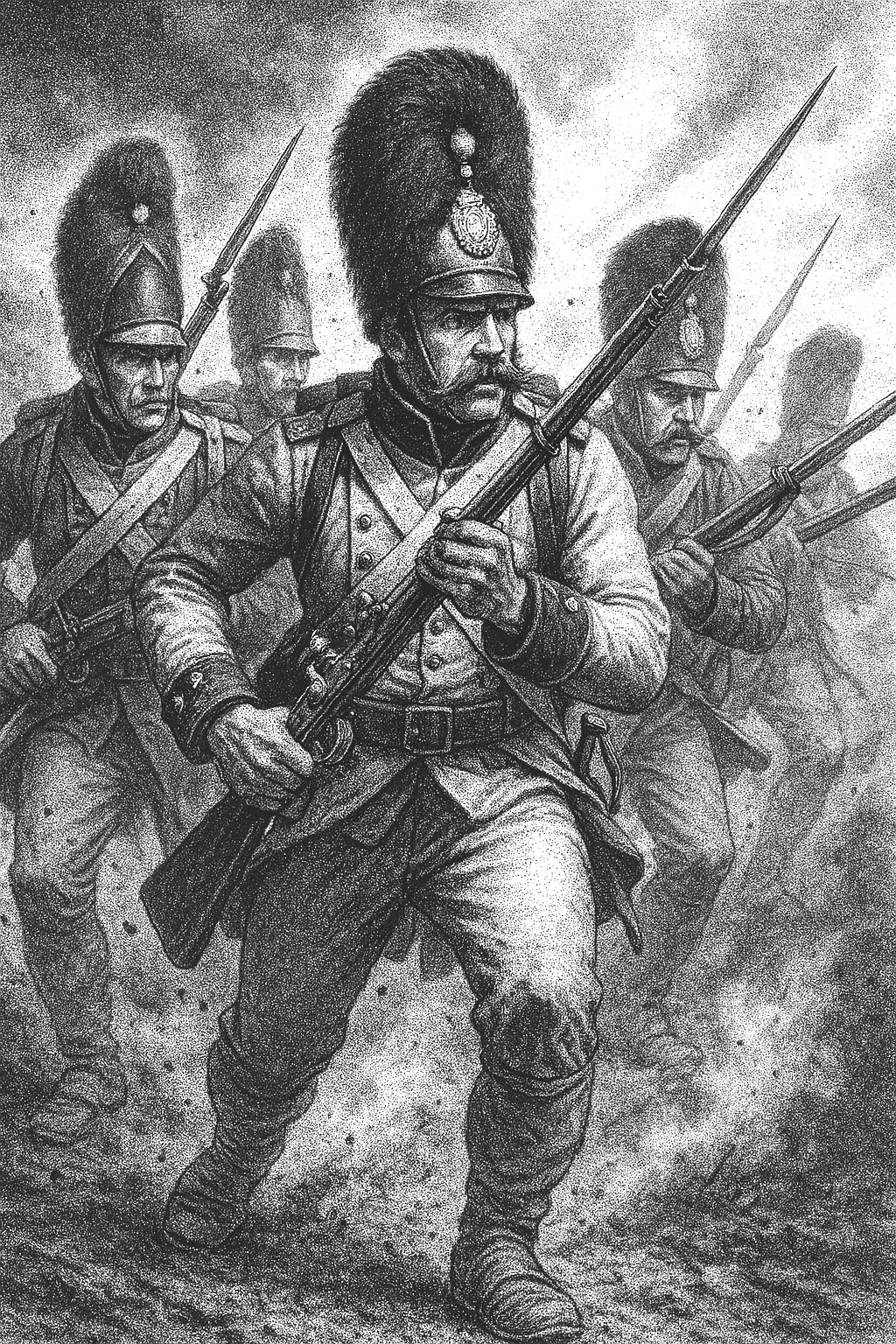
Russian Grenadiers advanced like a moving wall of frostbitten resolve, breaking armies through sheer inevitability long after the grenades themselves stopped mattering.
Group Rank - 187
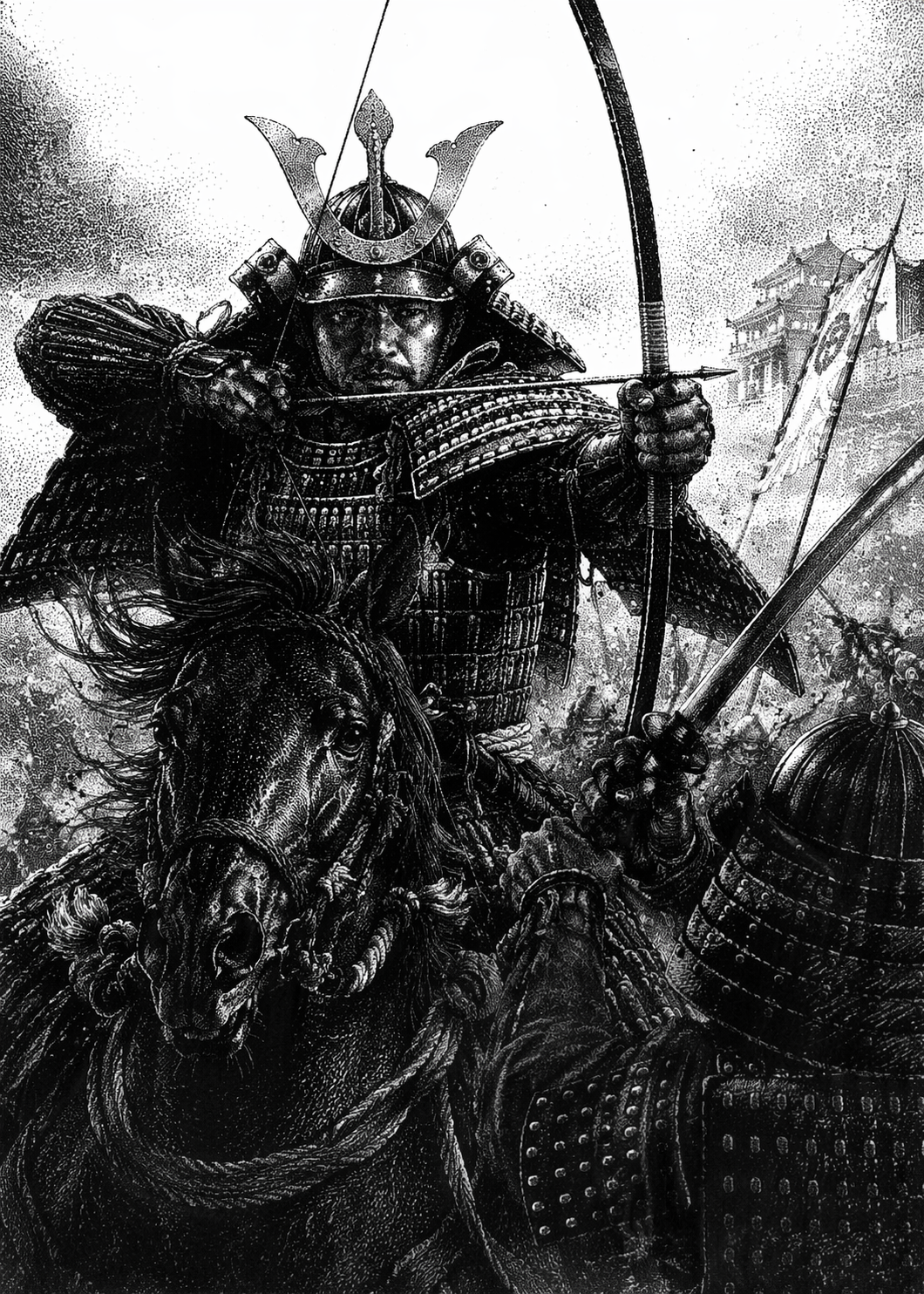
The Tagmata rode like a disciplined storm loosed from the palace gates, a brotherhood of armored precision that broke rebellions, crushed invasions, and outlived the emperors they served.
Group Rank - 188
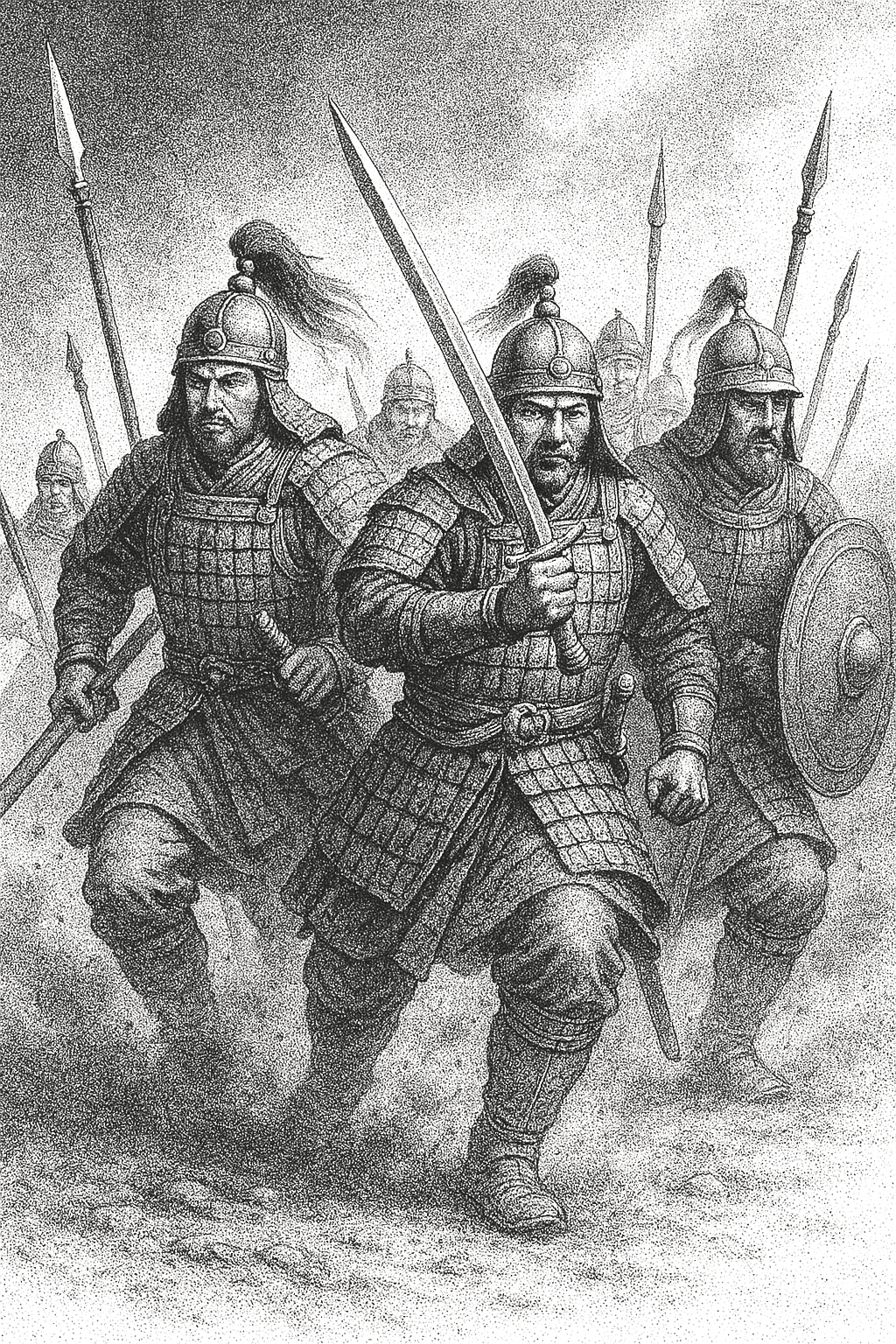
The Tang Imperial Guards lived and died as the empire’s steel conscience—glorious in its youth, decadent in its age, and always one heartbeat away from violence.
Group Rank - 189
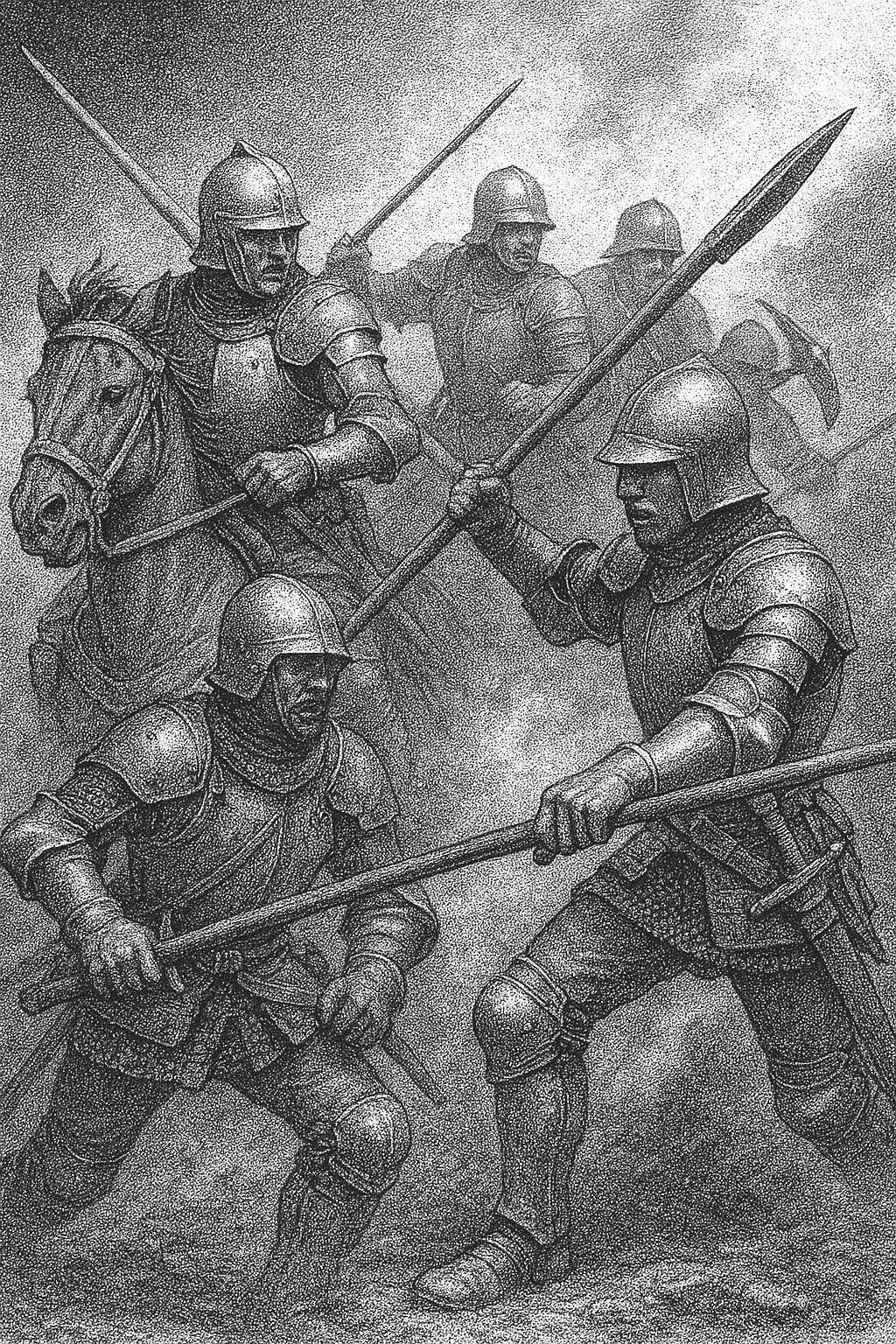
The Burgundian Ordonnance Companies marched like a machine built from pride and gunpowder, only to shatter spectacularly when the future came at them with Swiss pikes and winter steel.
Group Rank - 191
They advanced like a single starving organism made of steel, superstition, and the certainty that the world existed only to be taken.
Group Rank - 193
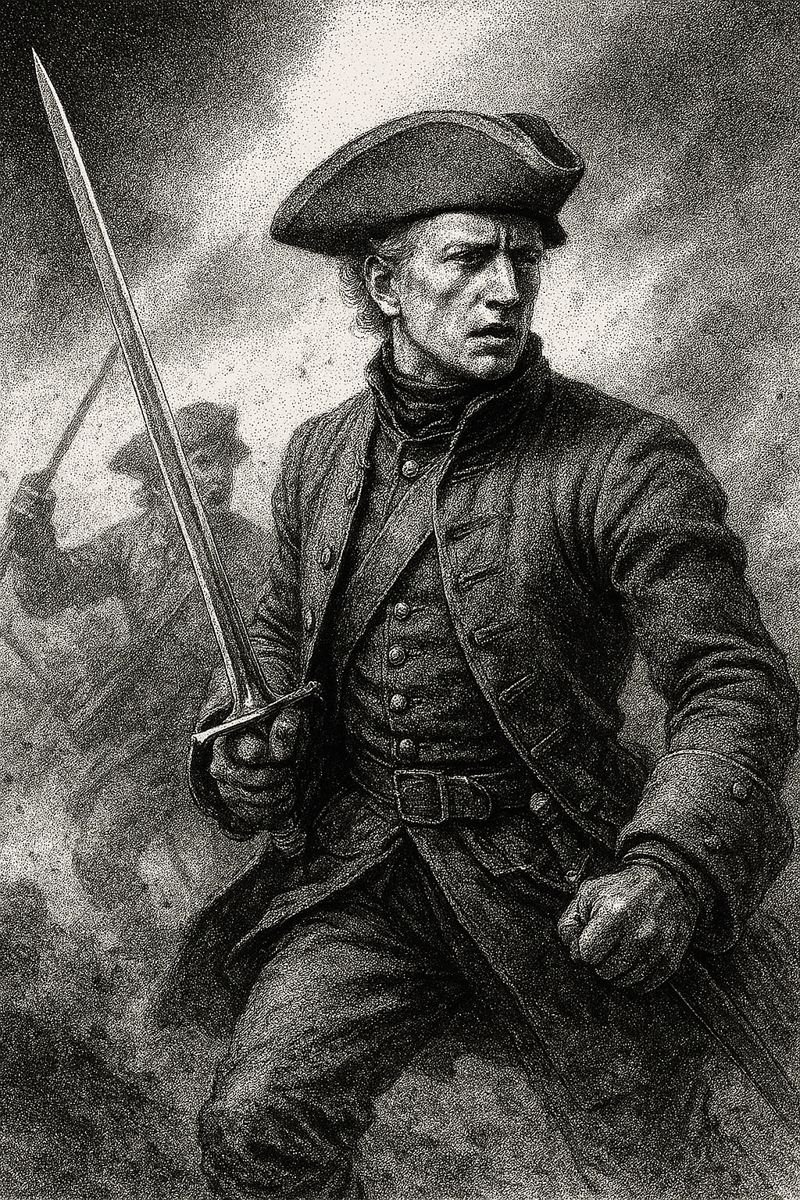
Charles XII of Sweden was a warrior-king who personally led his armies through the Great Northern War, turning early victories into legend through ferocious discipline and reckless courage. His refusal to compromise or retreat ultimately shattered Sweden’s empire, leaving behind a mythic figure admired for bravery and criticized for destroying everything he fought to protect.
Rank - 125