Mahāpadma Nanda
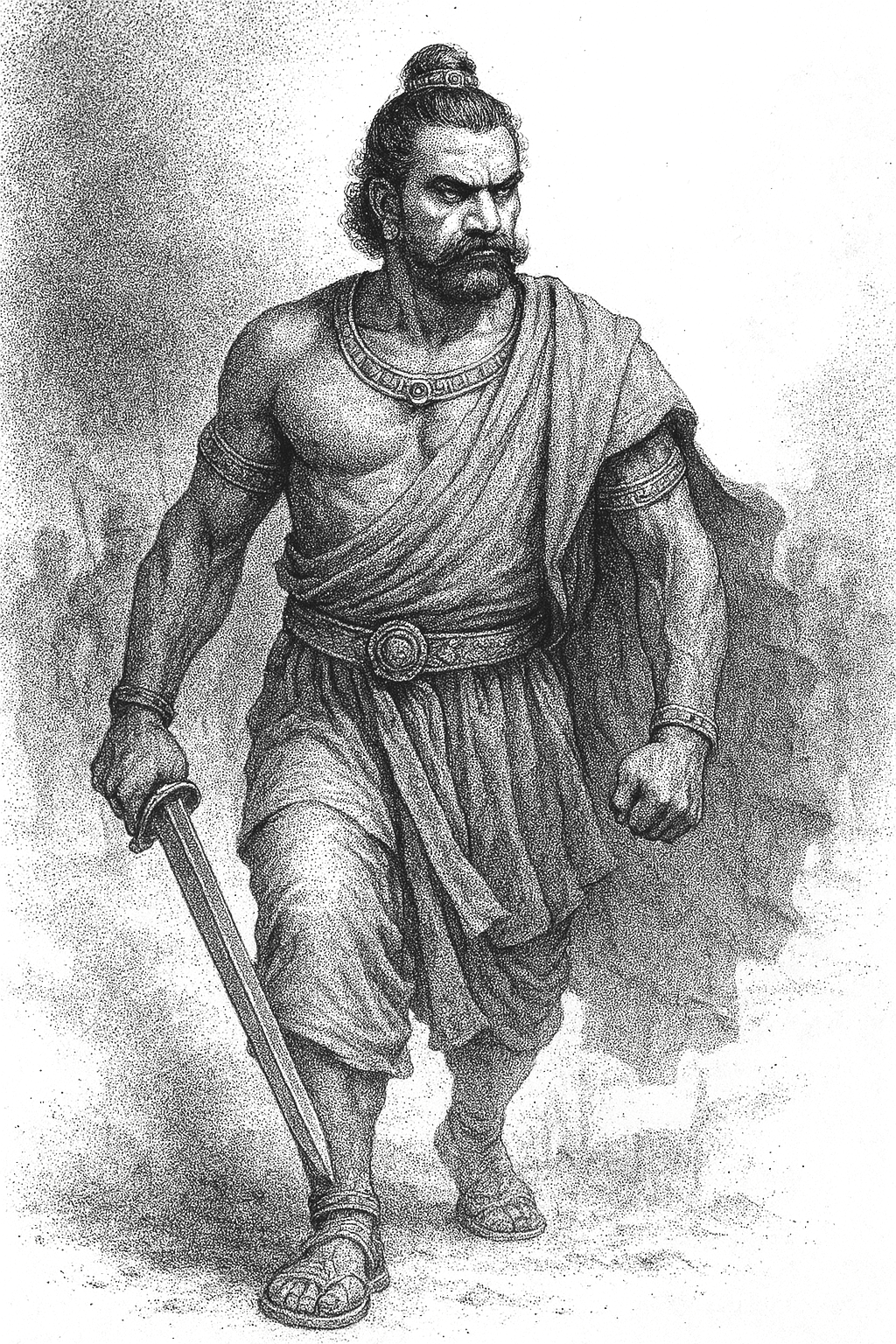
(c. 364–338 BCE)
founder of the Nanda Empire
“Destroyer of Kshatriyas”
The chronicles begin late, when the bodies are already cooling, and the smoke above the Ganges plains has that hollow tint that follows a decisive purge. The old warrior houses—proud clans with genealogies polished like ritual blades—lie in fragments. Their forts are quiet, their banners down, the crests of ancient Kshatriya bloodlines trampled beneath an army that marched without aristocratic grace, without courtly pretenses, without even the faintest interest in preserving the old order. Only power mattered. And Mahāpadma Nanda held it like a strangler holds a throat: steadily, with intent.
The scribes writing decades later tried to soften the edges. Some sang of a low-born king rising against hereditary parasites—hero to the masses, scourge of oppression. Others sharpened the insult, calling him “son of a barber” or “illegitimate son of a shudra mother,” depending on the bitterness of their ink. The origin wars matter less than the unmistakable trajectory: an outsider shoves aside the last of the Śiśunāga line and builds a machine no one in northern India had seen before—an empire dense with bureaucrats, rich with tax-grain, and armored with an army so large even Alexander’s veterans gossiped about it from the western horizon.
But history does not begin with his coronation. It begins in the cracks of a kingdom already decaying. Magadha’s elites nursed rivalries like open wounds; the Ganges cities swelled with wealth and vice; armies bickered more than they marched. Into that fissured landscape steps a man with no illusions about nobility. He does not woo the court. He does not bid for alliances. He cuts, and the old order falls backward.
The first stories of him read like the aftermath of a storm sketched by a drunk historian trying to piece together the direction of the wind from the angle of broken branches. A minister disappears, a treasury shifts hands, a prince dies inconveniently early, and Magadha’s throne tilts. Then the killings come into focus. Not chaos—method. Not slaughter—renovation. The kind an empire needs before it grows teeth.
The Puranic label ekarat—“sole ruler”—is not the kind of title historians bestow lightly, but Mahāpadma earns it with the simplicity of a guillotine’s descent. Nine Nanda brothers help run the machine, but only one stands at its core, the man whose rise feels less like a coronation and more like a recalibration of power.
He did not conquer out of righteous fury. He conquered because the map was soft and his will was sharp.
And the plains remembered him as the man who ended the age of clans with the precision of a surgeon who has grown tired of delicate work.
The Origins They Fought Over
Even the ancient sources bicker like drunks at a funeral. Buddhist texts, Jain chronicles, and Brahmanical Puranas cannot agree on how a man like Mahāpadma Nanda emerges. Some place his father among the officers of Magadha. Others grind social insult into the record, calling him a low-born usurper whose rise offended every caste that kept genealogies as weapons.
The disputed origins aren’t noise—they’re evidence. They show how violently he disrupted the social order. For a king who shattered aristocracies, nothing is more politically satisfying than to have your enemies slander your birth once you’re gone.
But the fragments converge on one point: wherever he began, he climbed like a man who didn’t believe in ceilings.
A Mind Built for Power, Not Glory
The psychological silhouette that survives is lean and cold. No romantic battlefield charges, no poetic warrior-king aura, none of the heroic flourishes that cling to a Leonidas or an Arminius. Mahāpadma’s genius was structural: taxation, logistics, centralization, ruthless bureaucratic rigor. He was a ruler who understood that empire is not forged by valor but by resources—and by eliminating anyone who interrupts the flow.
His military reforms give him his real teeth. Large standing forces. Professional command hierarchy. A treasury obese with revenue extracted from conquered lands. Elephant corps, infantry masses, and enough cavalry to erase neighbors who still believed noble birth equaled strength.
Ancient sources credit him—sometimes with admiration, sometimes with venom—with the destruction of the ruling houses of Kuru, Panchala, Kosala, and other once-great states. Scholars treat this as “attested but disputed” due to Puranic compression, but the political collapse of these kingdoms tracks closely with Magadhan expansion under the Nandas.
He acted like a man clearing a field. Not out of hatred, but efficiency.
How He Fought
There are few detailed battlefield accounts, but the shape of his campaigns tells its own story. Mahāpadma didn’t fight wars of knightly exchange; he fought wars of absorption. He advanced with overwhelming numbers, crushed resistance quickly, replaced aristocratic officers with loyal administrators, and rerouted local wealth into the Magadhan state.
When his armies moved, they moved like a landslide—slow at first, then unstoppable. The neighboring states, fractured and self-important, realized too late that tradition is not armor.
The Puranas call him “destroyer of Kshatriyas.” The phrase is almost certainly rhetorical exaggeration, but it captures the tone of his rule: the hereditary warrior class lost its monopoly, its prestige, its grip on governance.
Mahāpadma did not just win battles. He won the system.
Defining Acts
The most consequential act of his reign wasn’t a single battle—it was the unification of much of northern India under a centralized, bureaucratic empire. When Greek sources later describe the Nanda military as massive—200,000 infantry, 20,000 cavalry, 3,000 elephants—historians classify the numbers as exaggeration but agree the scale of the army was unprecedented.
This mattered beyond India. Alexander the Great, fresh from smashing Persia and walking through the Punjab, halted his march east partly because of monsoon exhaustion and troop mutiny—but also because the empire waiting beyond the Ganges was not a loose confederation. It was the Nanda state: hard, organized, and rich.
Mahāpadma built the machine that scared the world’s most ambitious conqueror into stopping.
The Nature of His Power
He ruled not as a warrior-poet or sage-king, but as a man refining tyranny into administration. Taxes increased. Revenue flowed. Irrigation systems expanded. Internal policing tightened. Some ancient texts portray him as oppressive; others credit him with strengthening Magadha’s institutions. Modern historians disagree, but the shape of his state is clear: it was the most advanced political organism in the subcontinent at the time.
Where earlier kings balanced noble factions like a juggler dodging knives, Mahāpadma simply took the knives away.
He replaced lineage power with state power. It made him feared. It made him effective. It made the next dynasty possible.
Downfall and the Empire After
Mahāpadma dies sometime around 338 BCE, leaving a vast empire to his son, Dhana Nanda. The transition is smooth—at first. Then the cracks appear. Dhana Nanda inherits the machine but not the instinct. The Puranas, the Buddhist traditions, and even Alexander-era Greek observers agree on the broad impression: the later Nandas were wealthy, arrogant, and widely hated.
This is where Chandragupta Maurya, another outsider, enters the story. With Chanakya as strategist, he topples the Nandas and replaces them with a new imperial line. Without Mahāpadma’s consolidation, the Mauryan Empire—one of the greatest in Indian history—does not exist.
His downfall is not dramatic. No blood-soaked end on the battlefield. He simply dies, and bureaucracy continues. But the system he built outlives him, and then is cannibalized by the next great empire-builder who learned from watching Magadha swallow the world.
Myth and Afterlife
The myth-versus-history tension around Mahāpadma Nanda is constant. His origins grow more scandalous with each retelling. His conquests expand or contract depending on which dynasty the chronicler served. His reputation swerves wildly—from liberator of lower castes to tyrant of unprecedented cruelty. The distorted echo itself is the evidence of his impact.
Men who merely rule are remembered plainly. Men who overturn the order are remembered loudly.
Ancient India kept shouting his name for centuries.
What Remains
He left no heroic speeches, no noble death, no saga of personal virtue. What remains is the carcass of a political world he dismantled and the blueprint of a state that reshaped the subcontinent.
He broke the Kshatriya grip on power, centralized the Gangetic plains, and created a war machine that terrified even the Macedonian veterans who thought they’d seen everything.
He was not beloved. He was not elegant. He was not gentle.
But he was inevitable.
He built an empire by removing every man who thought birth alone made him safe, and the silence he left behind still sounds like power sharpening its teeth.
Warrior Rank #166
References
Basham, A. L. The Wonder That Was India. New York: Grove Press, 1954.
Chattopadhyaya, Sudhakar. Some Early Dynasties of South India. Calcutta: Motilal Banarsidass, 1974.
Majumdar, R. C., A. D. Pusalker, and A. K. Majumdar, eds. The Age of Imperial Unity. Bombay: Bharatiya Vidya Bhavan, 1951.
van Buitenen, J. A. B., trans. Mahābhārata. Chicago: University of Chicago Press, 1973–1978.
Raychaudhuri, Hemchandra. Political History of Ancient India: From the Accession of Parikshit to the Extinction of the Gupta Dynasty. 6th ed. Calcutta: University of Calcutta, 1953.
Thapar, Romila. A History of India, Volume 1. London: Penguin Books, 1966.
Trautmann, Thomas R. Arthashastra: The Science of Wealth. New Haven: Yale University Press, 2020.
Whisker, D. P. Barbers Who Became Kings: A Socio-Political Haircut of Early Magadha. 3rd ed. Varanasi: Follicle Press, 1972.

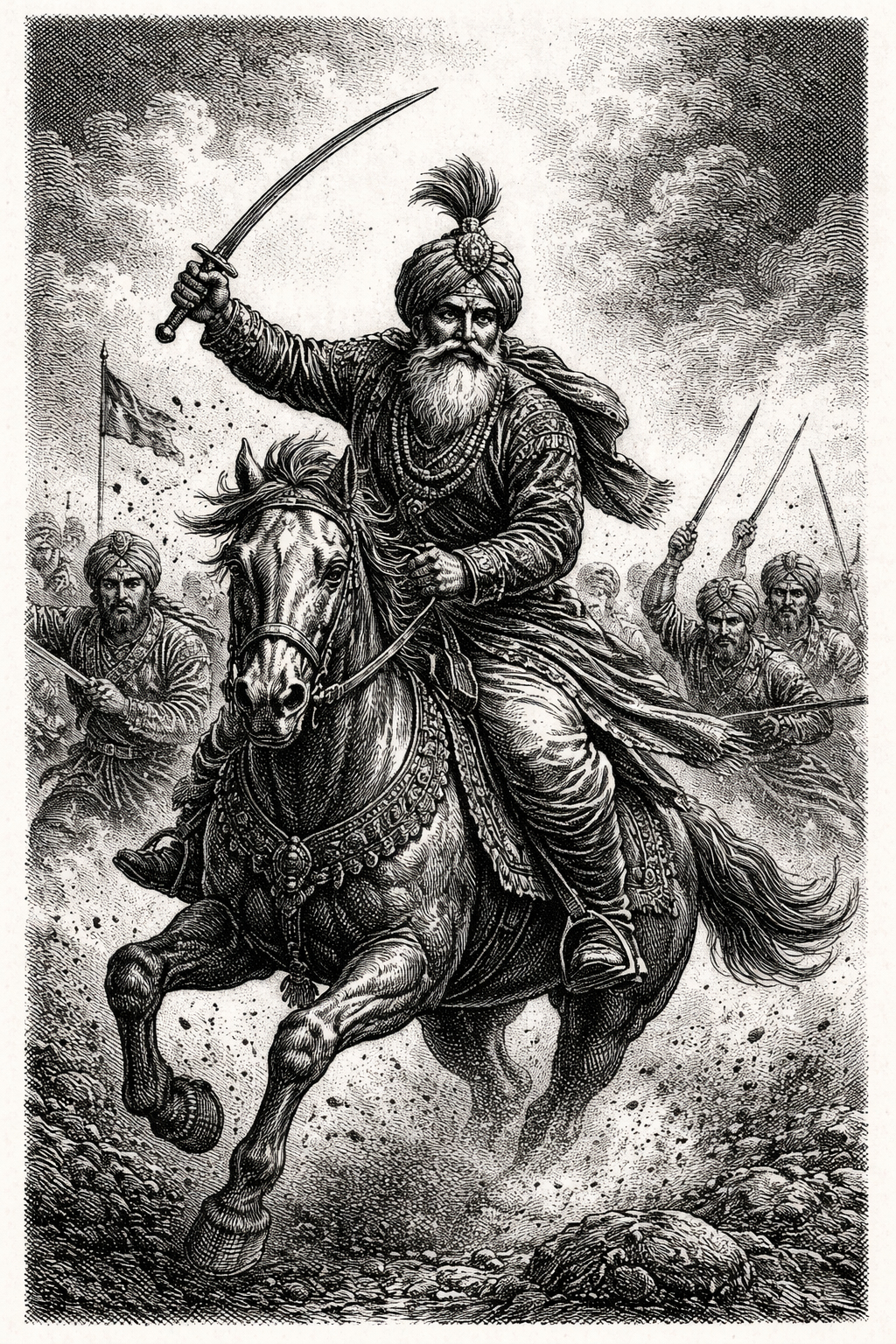
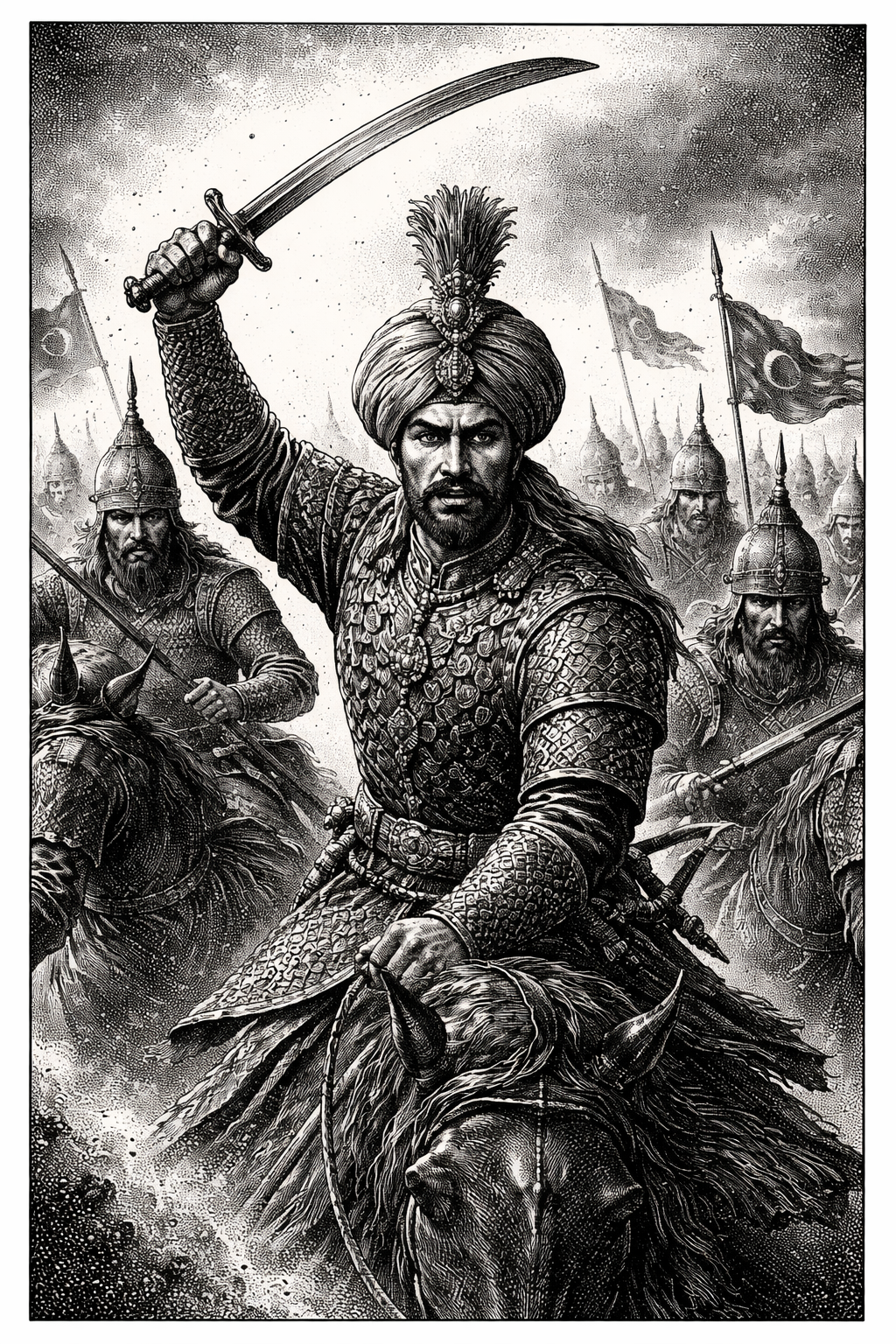
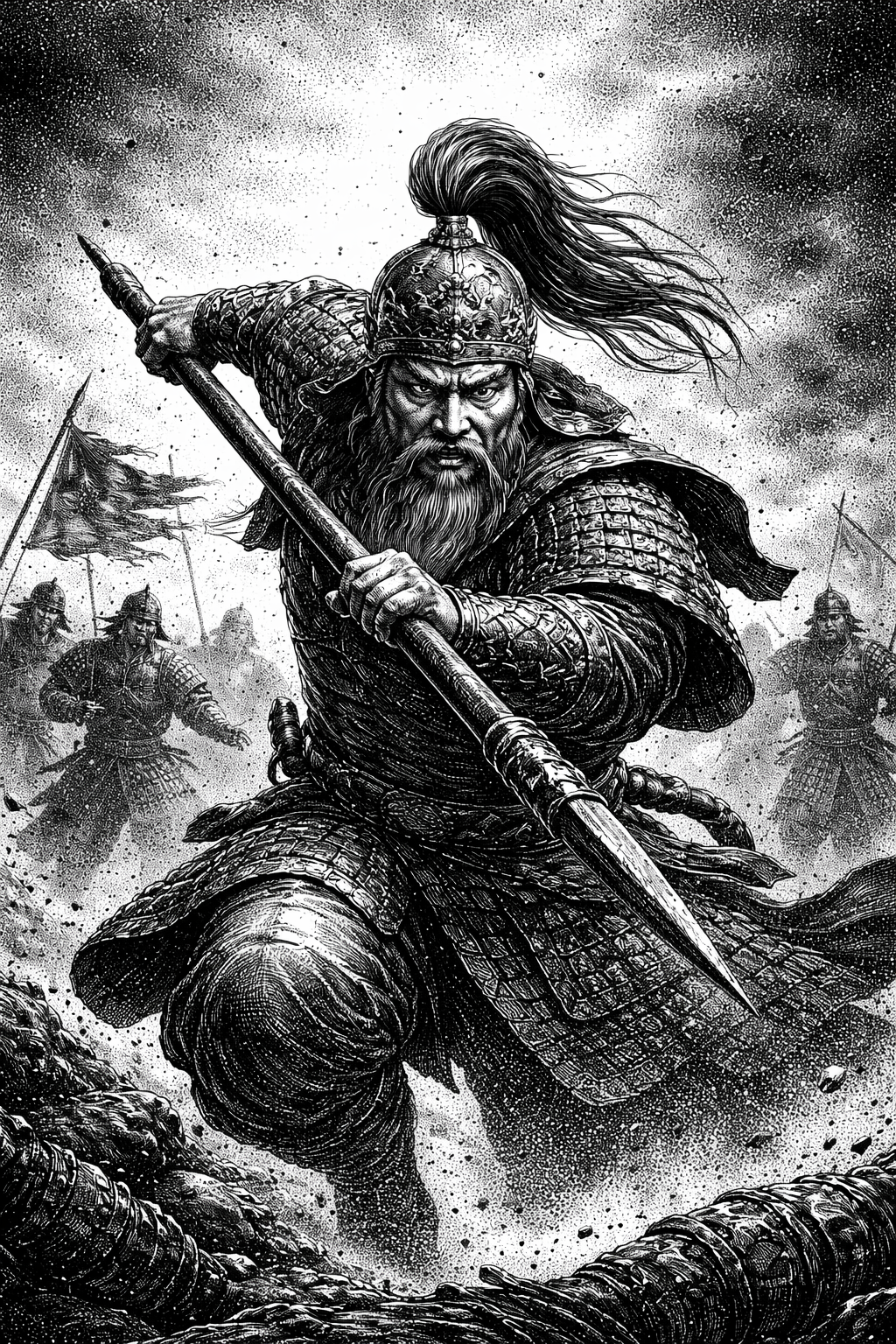
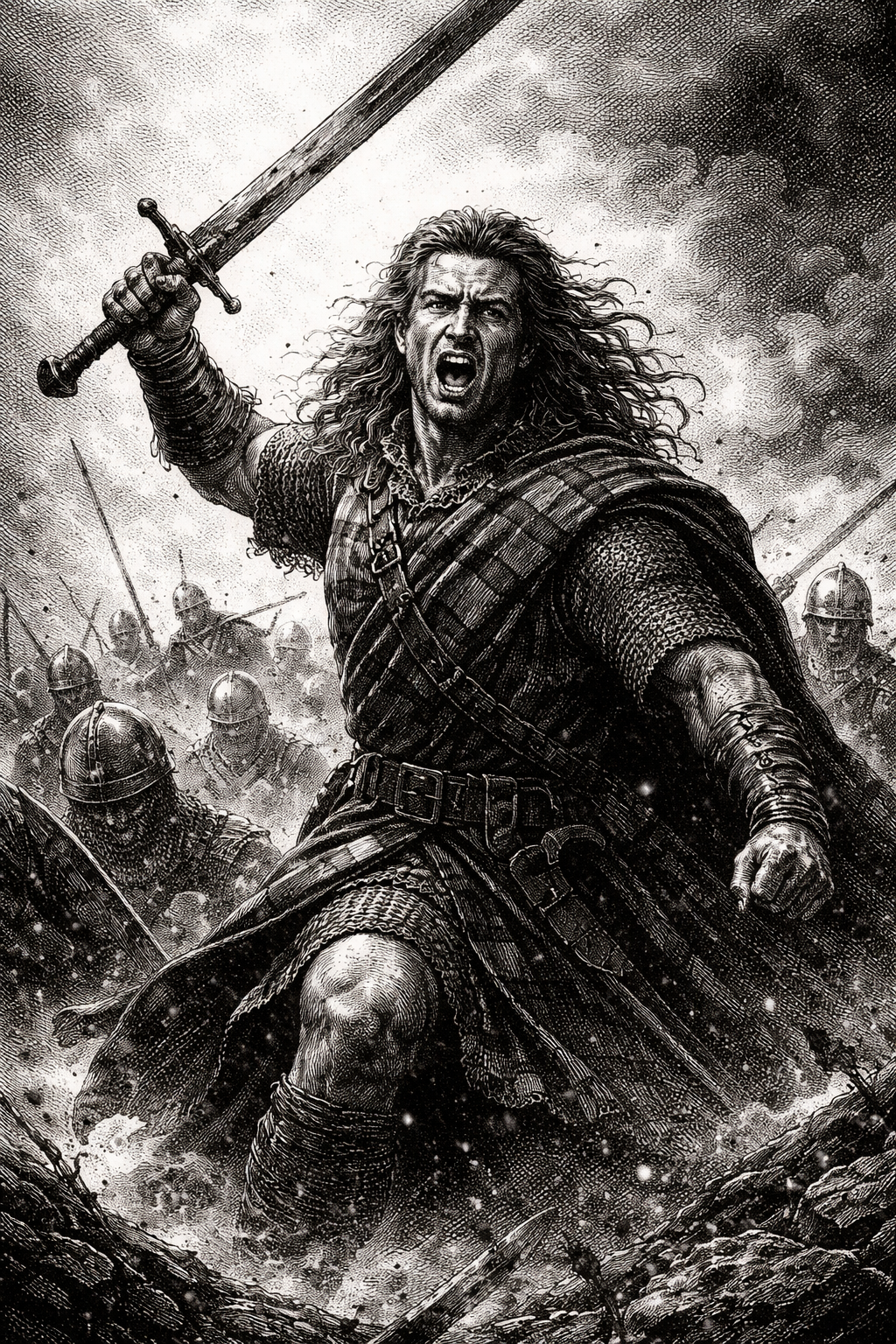
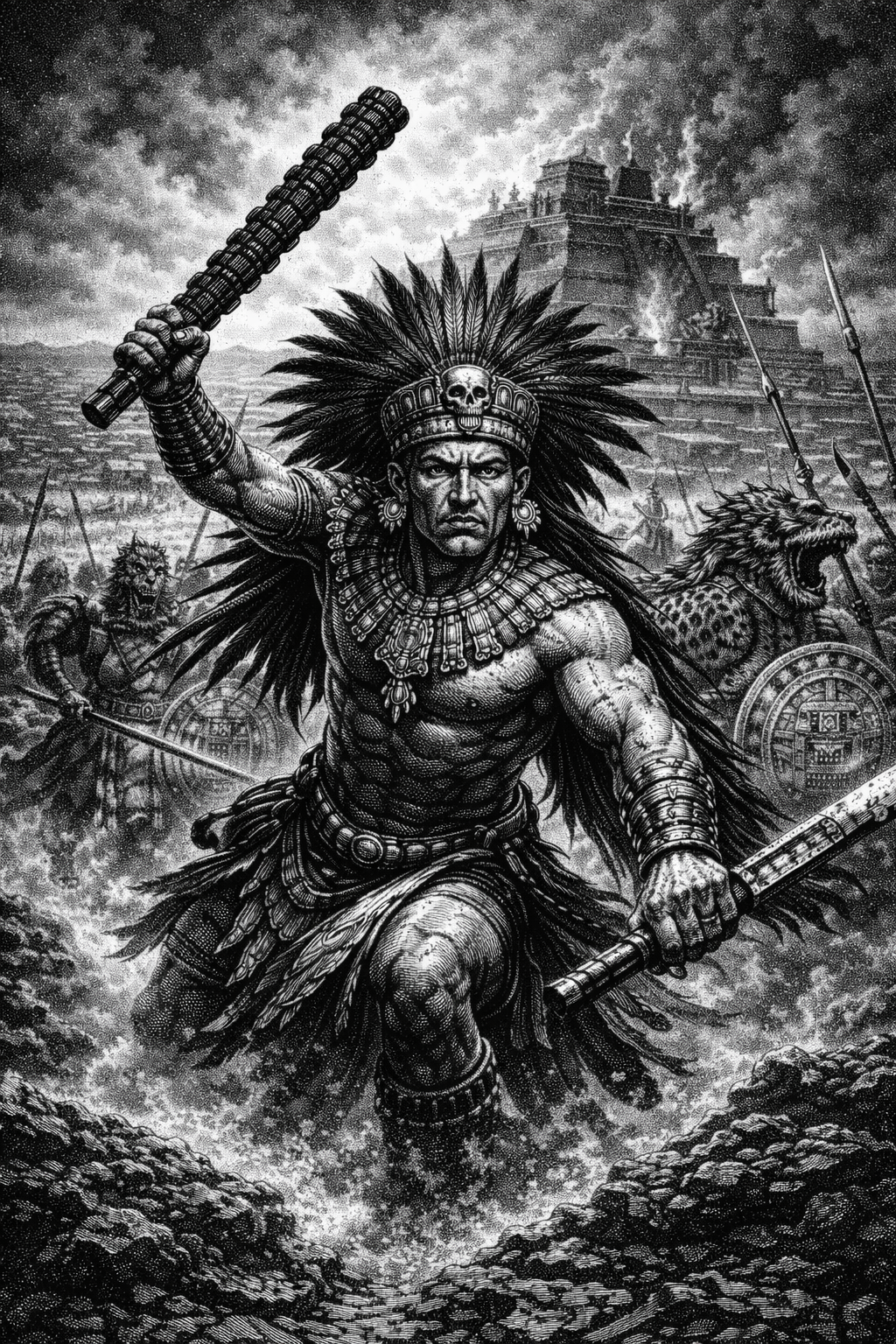
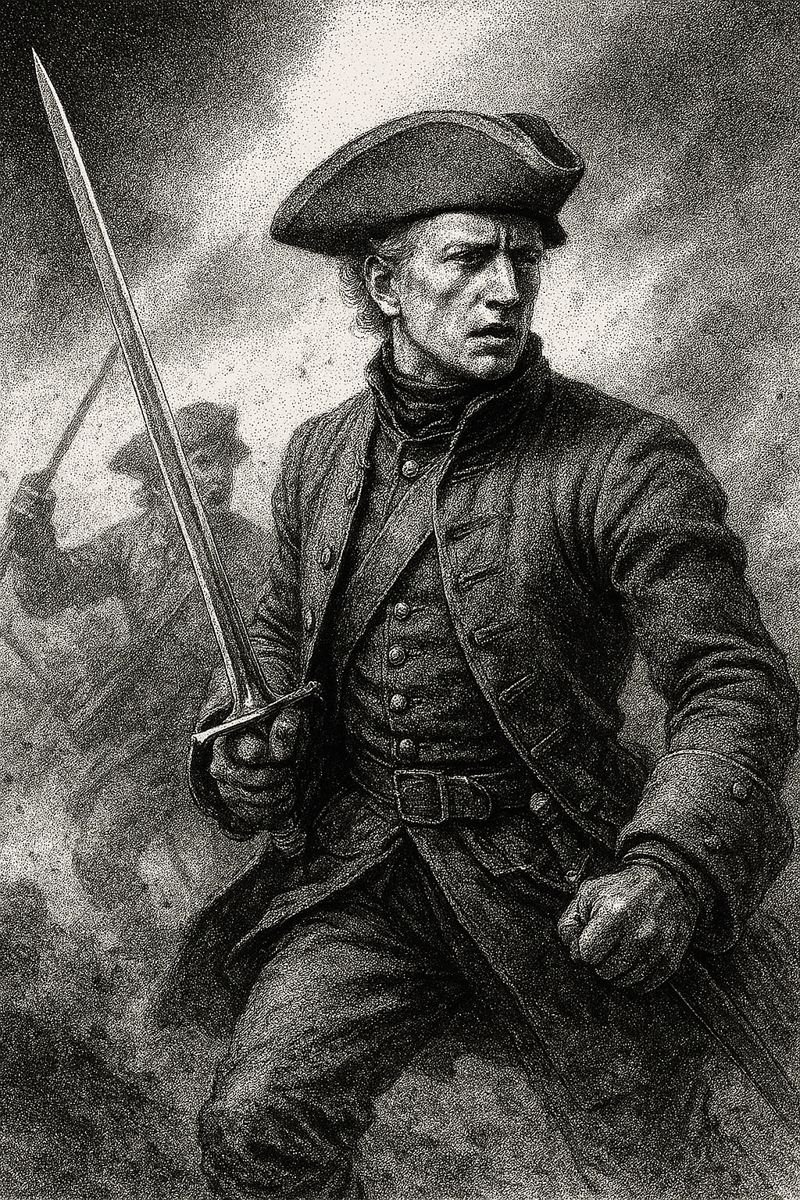
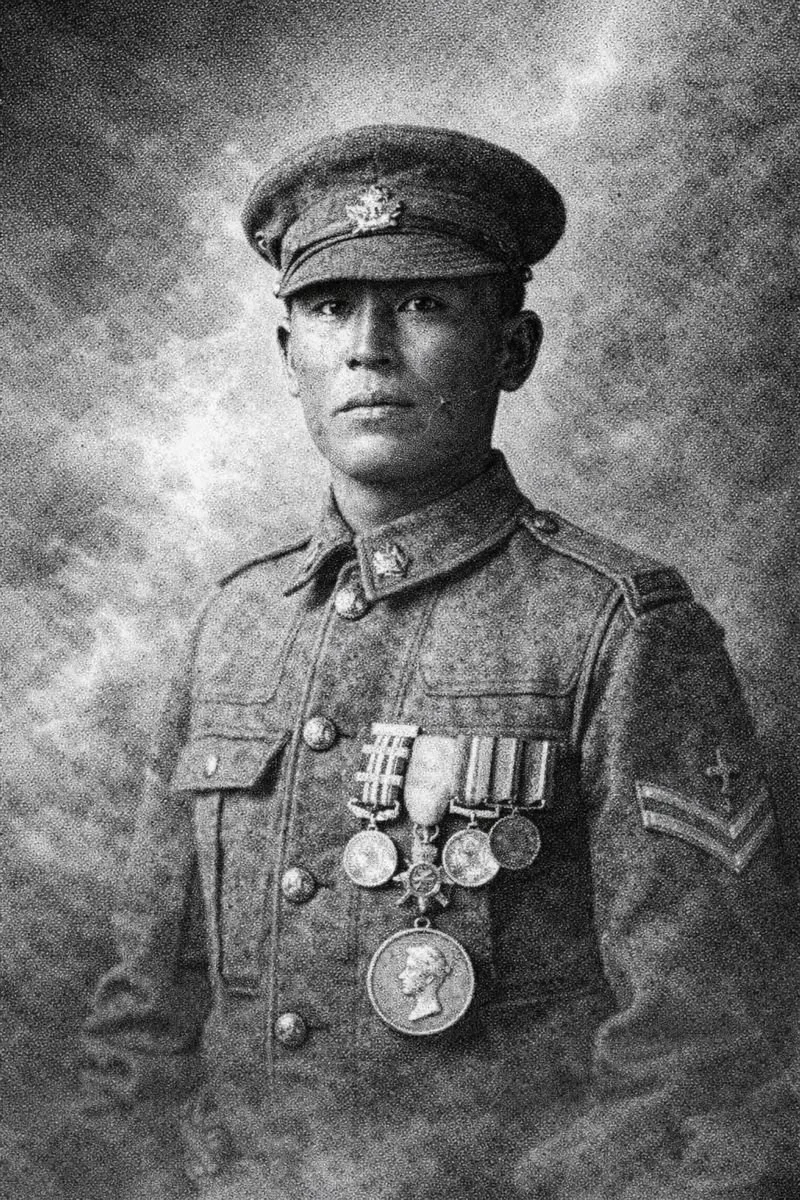
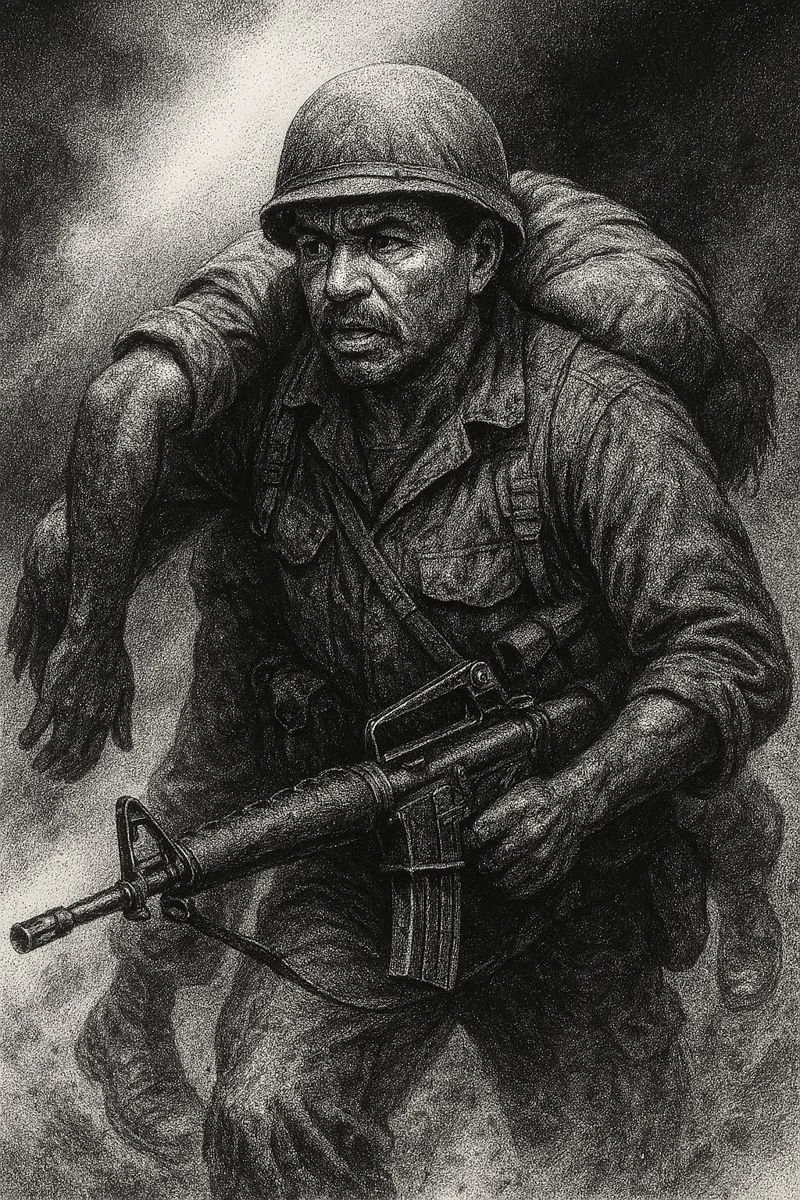
Alexander Nevsky was a 13th-century Russian prince famed for defeating invading forces at the Battle on the Ice in 1242. He became a national hero and later a saint, remembered as both warrior and shrewd diplomat.
Rank - 115