Icons
Cultural, Scientific, and Symbolic Animals Who Shaped History
Featured
Cultural, Scientific, and Symbolic Animals Who Shaped History
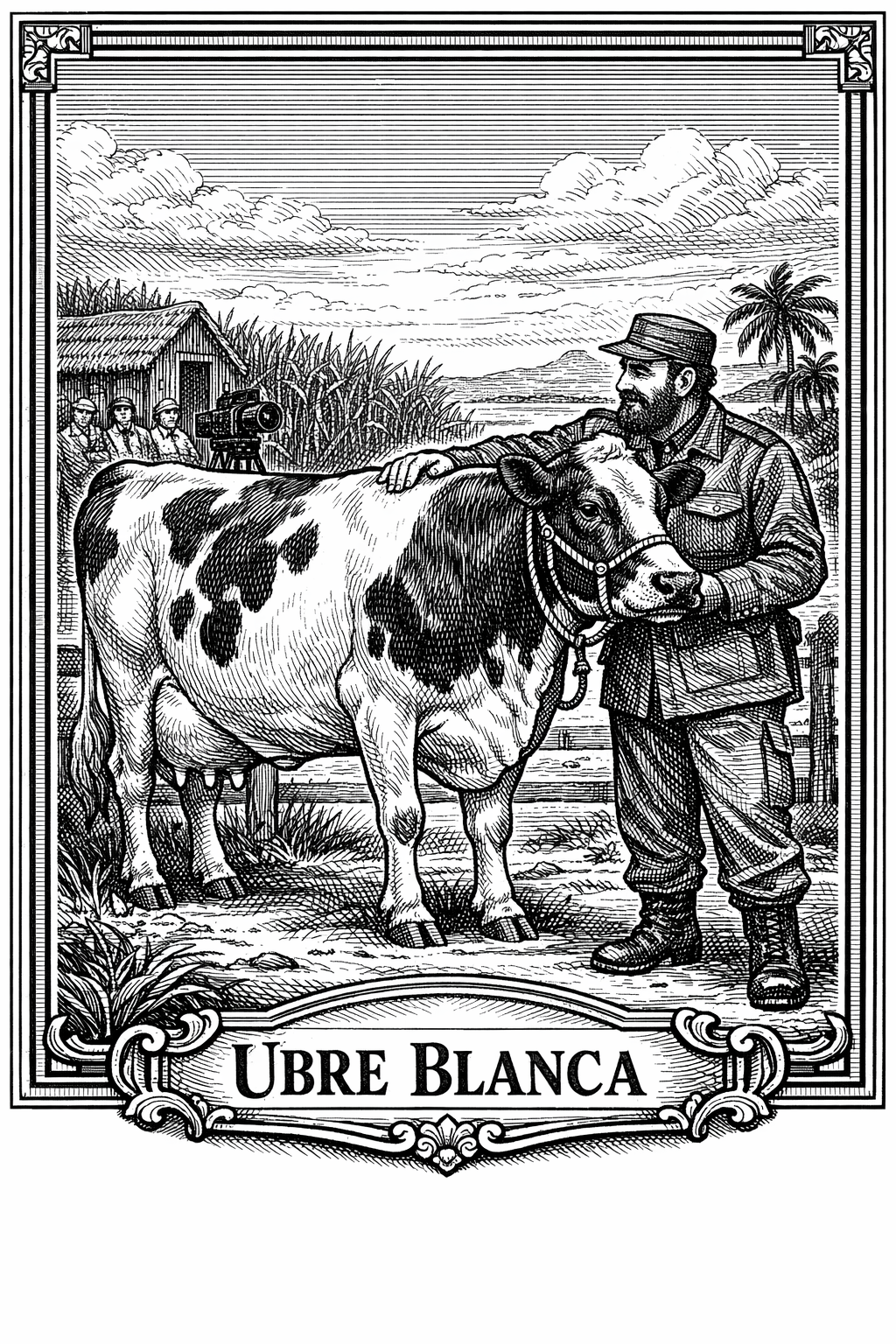
Ubre Blanca was Cuba’s most famous dairy cow, celebrated in the 1980s for producing extraordinary milk yields that the government hailed as proof of socialist agricultural science. After her death in 1985, she was preserved and memorialized as a national icon, though later cloning efforts failed to recreate her record-breaking output.
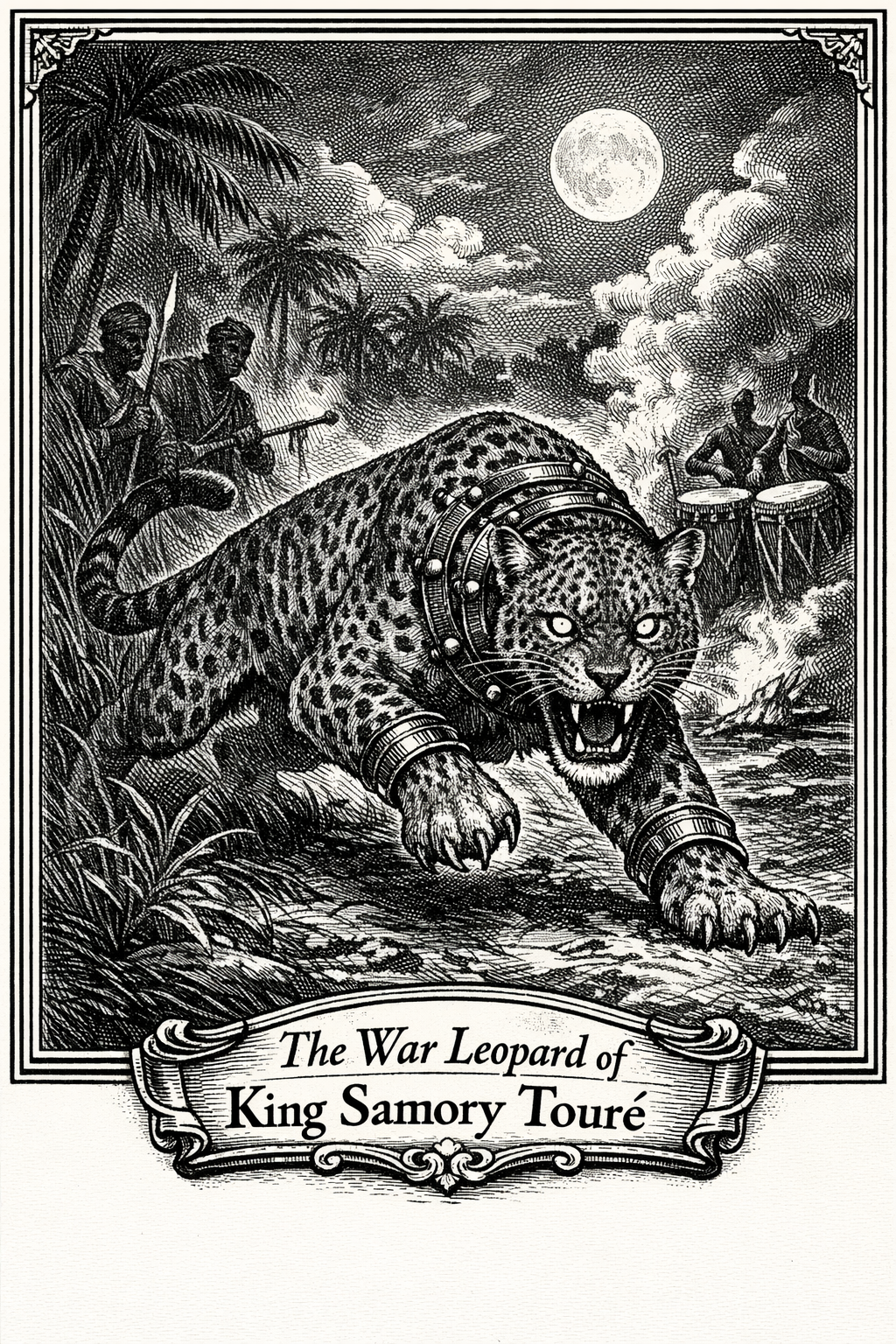
A leopard, collar-bound in bronze, was said to move ahead of Samory Touré’s scouts like a living omen, trained to spring at those who did not carry the scent of home. Whether beast or battlefield rumor, it prowled the edge between history and legend, remembered as justice with claws beneath the West African moon.
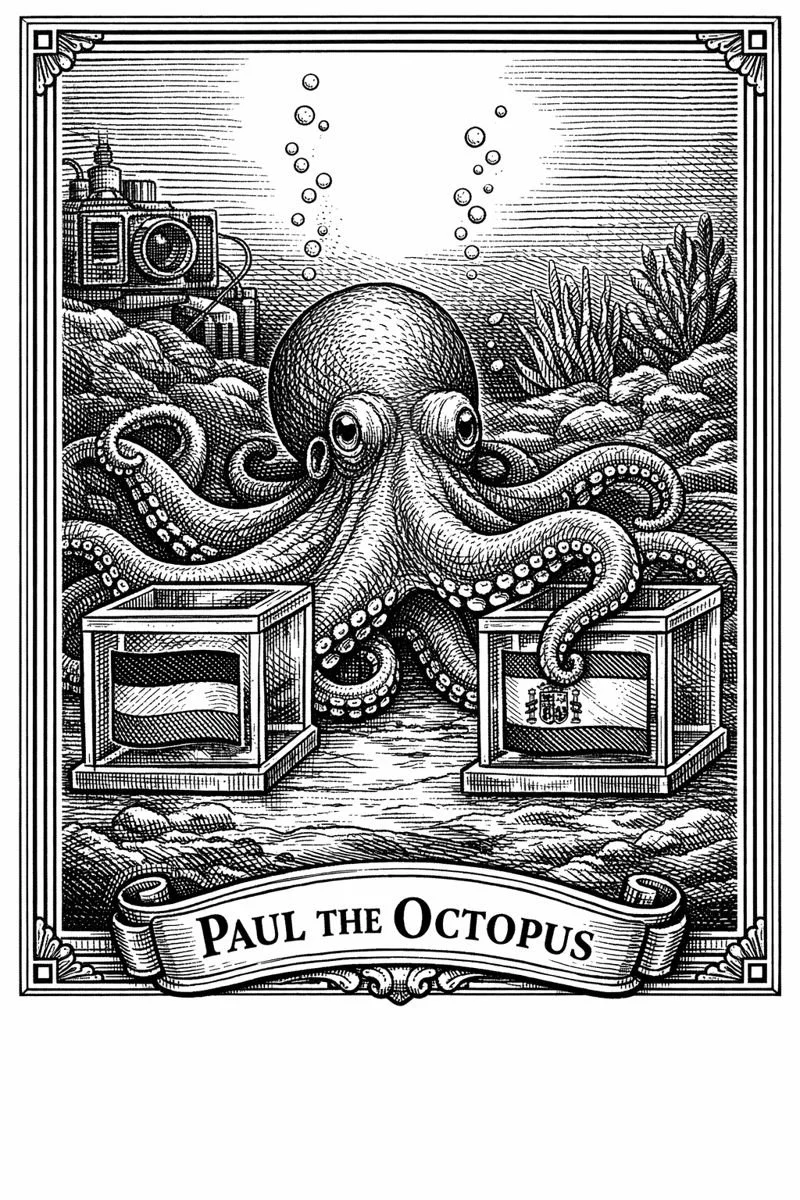
Paul the Octopus was a common octopus who rose to global fame during the 2010 FIFA World Cup after correctly predicting the outcomes of multiple matches, including the final. Though trained for a simple enrichment task, his uncanny accuracy turned him into a cultural phenomenon blending science, superstition, and media spectacle
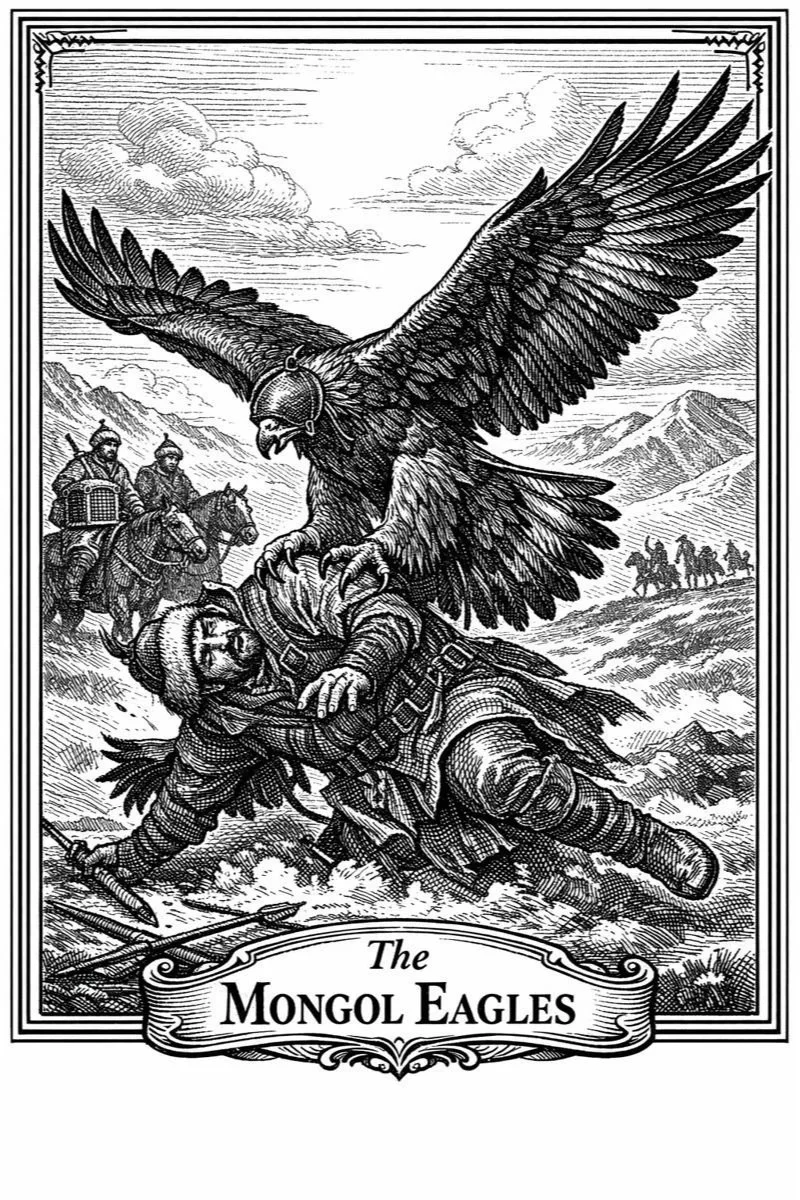
Golden eagles are among the largest and most powerful raptors in the world, capable of hunting prey as large as foxes, wolves, and deer fawns. For centuries on the Eurasian steppe, they were trained by nomadic cultures for hunting and warfare support, prized for their strength, vision, and fierce loyalty to a single handler.
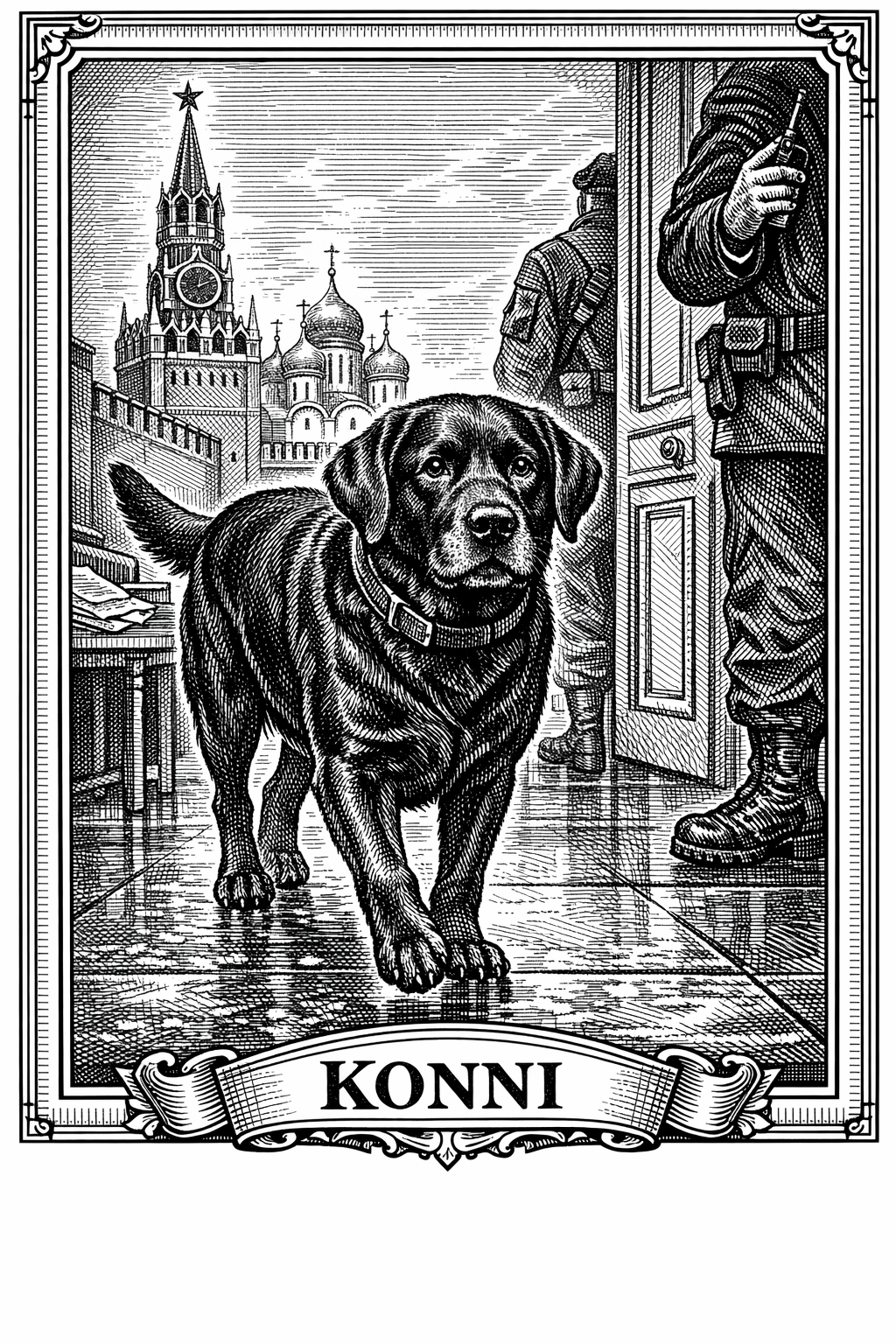
Konni was a black Labrador retriever gifted to Vladimir Putin who became an unofficial fixture of the Kremlin during his early presidency. More than a pet, she functioned as a symbol of controlled authority and loyalty, appearing in diplomatic settings and media moments that shaped her lasting public image.
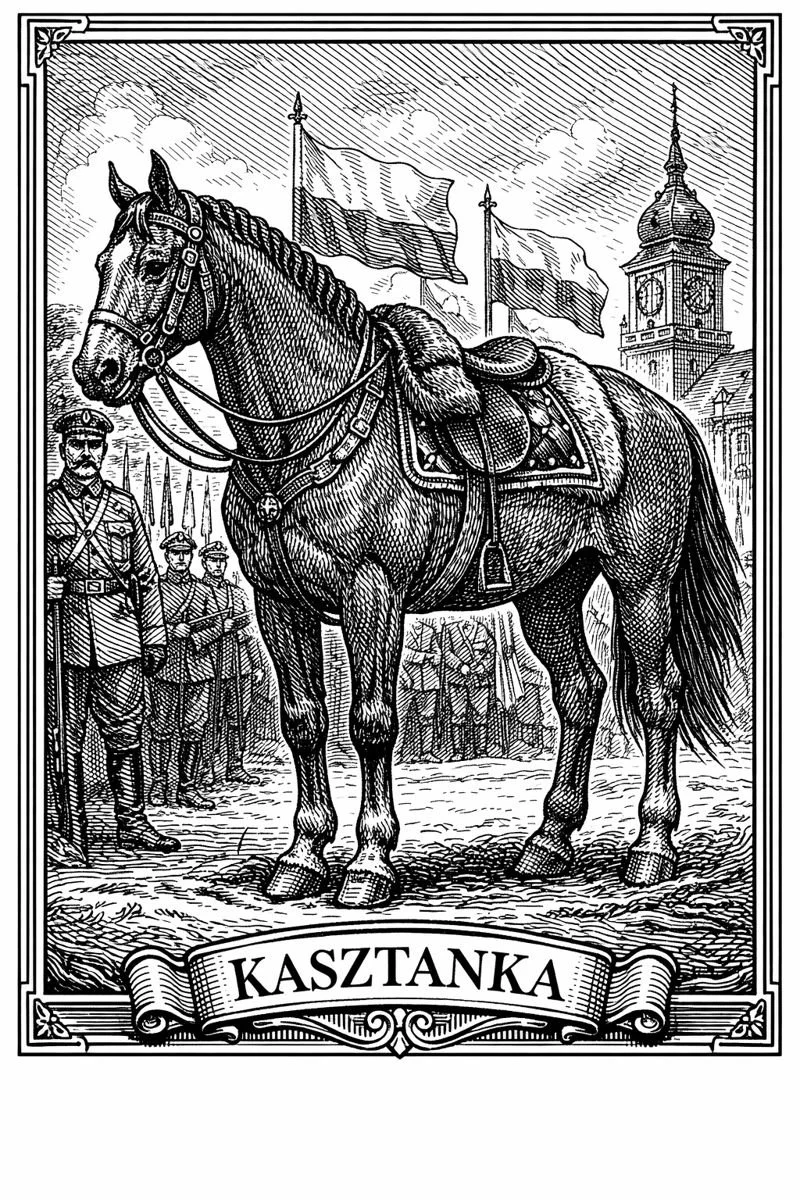
Kasztanka was the beloved mare of Marshal Józef Piłsudski and became a living symbol of the reborn Polish Republic through her presence at parades, speeches, and wartime moments. More than a mount, she embodied loyalty, endurance, and national pride, earning honors, songs, and a ceremonial burial after her death in 1926.
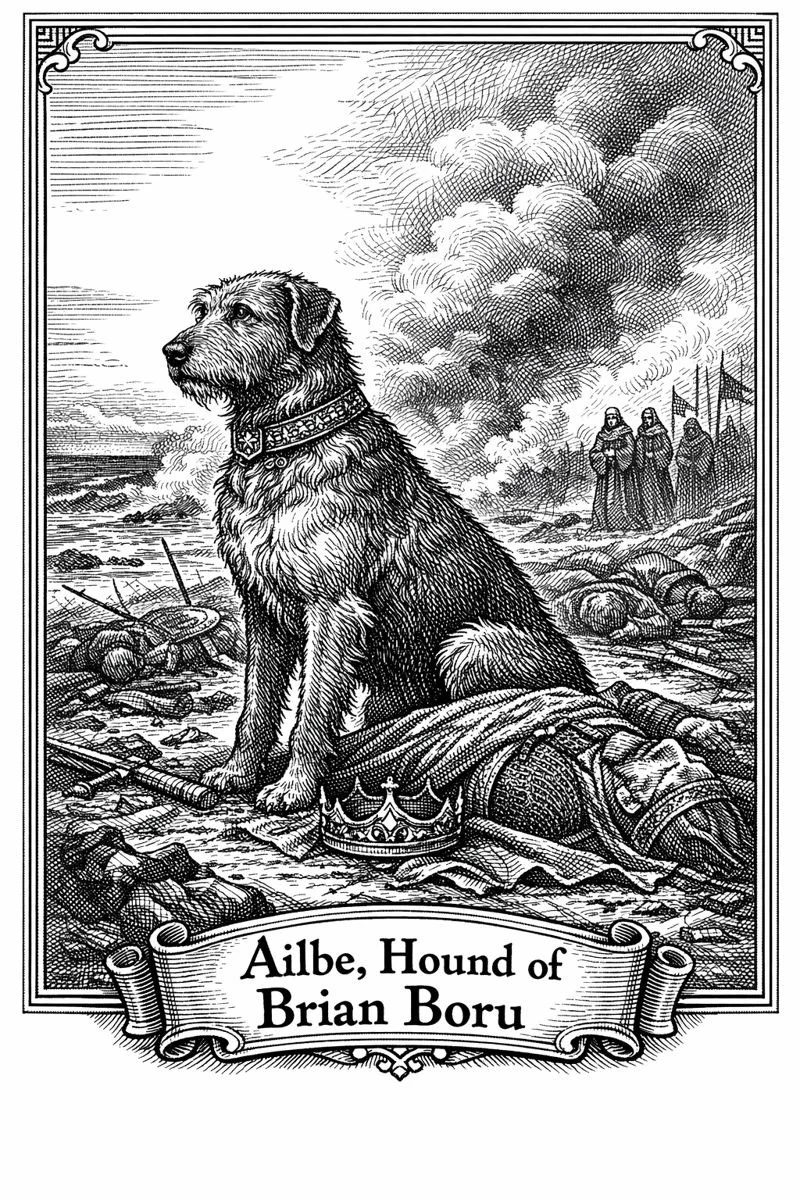
Irish wolfhounds were among the largest and most formidable dogs of medieval Europe, bred for hunting wolves, boar, and for service in war alongside Irish warriors. Renowned for their courage and loyalty, they were symbols of status and guardianship, often remaining fiercely devoted to their masters even unto death.
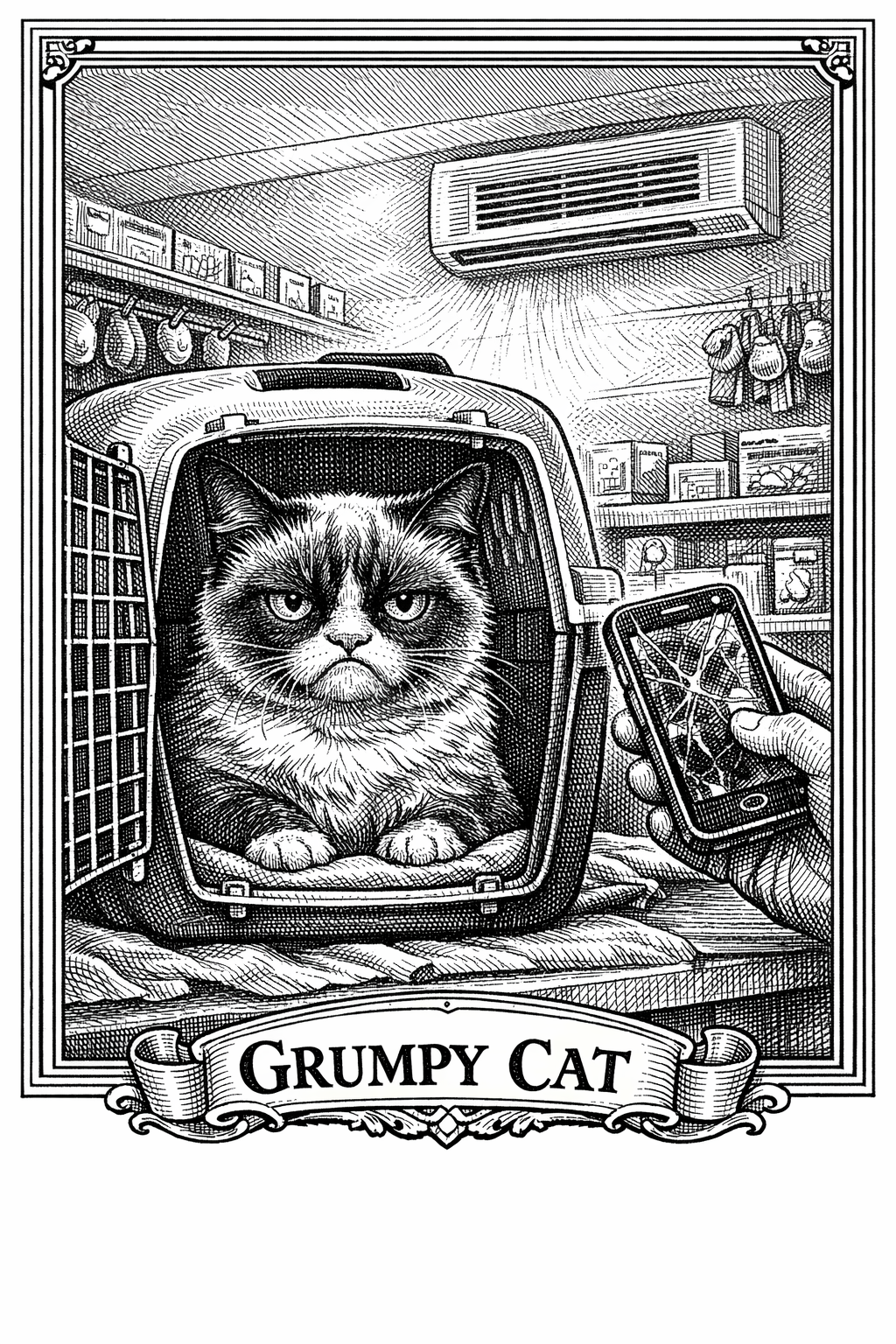
Grumpy Cat, born Tardar Sauce in 2012, became a global icon after photos of her naturally grumpy expression went viral online. Her unique appearance, caused by feline dwarfism, turned her into one of the most recognizable and profitable animals in internet history.
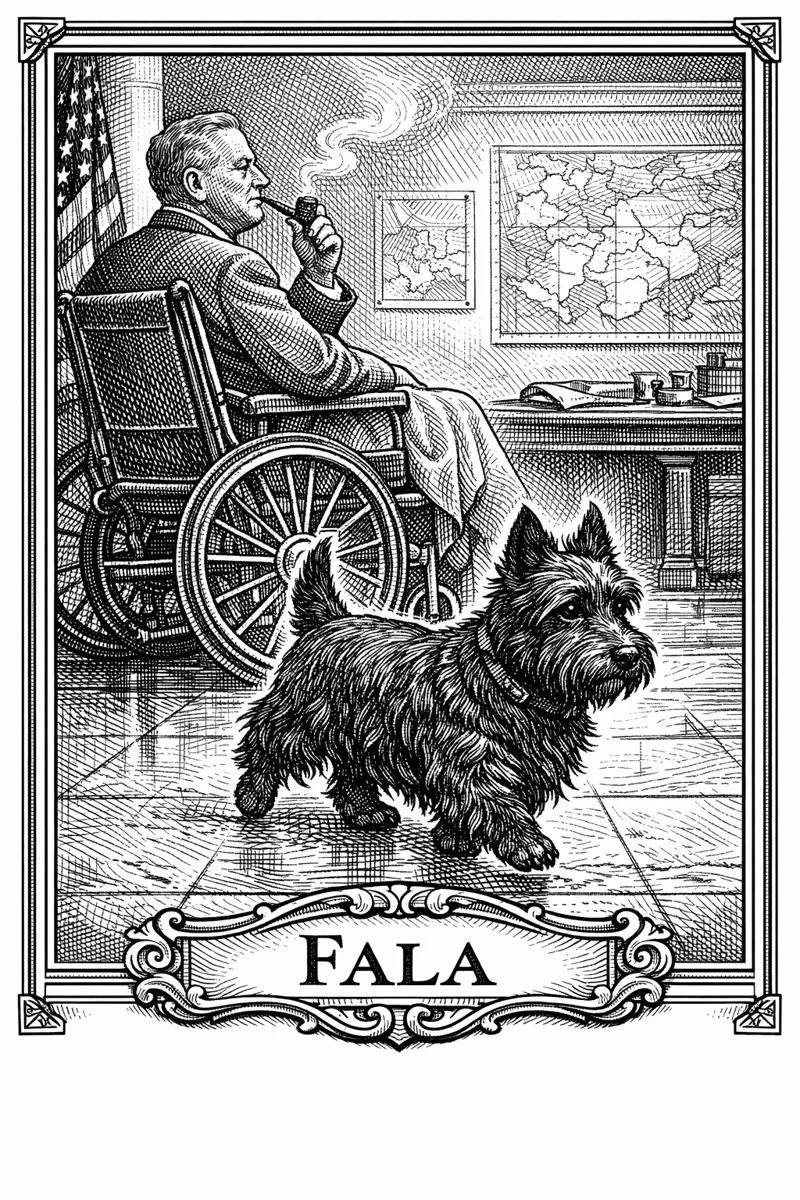
Fala was more than a presidential pet; he was a constant companion to Franklin D. Roosevelt, traveling on campaigns, attending meetings, and becoming a public symbol of loyalty during wartime America. His fame was so great that Roosevelt famously defended him in a speech against false rumors, turning a political attack into one of the most memorable moments of humor and affection of his presidency.
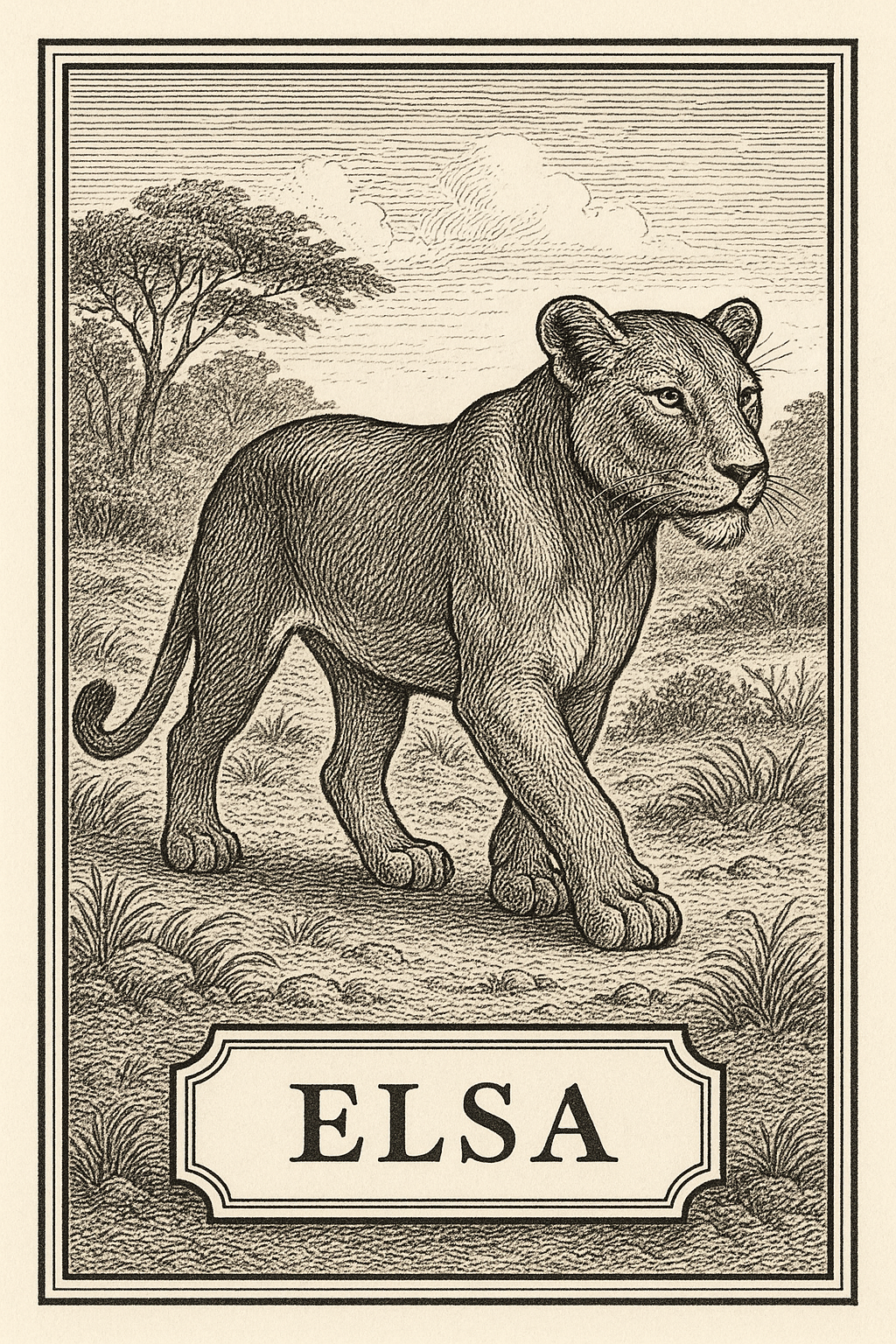
Elsa was a lioness raised by humans who was later taught to hunt, roam, and survive on her own in the wild. Her life became a defining symbol of rewilding, showing both the possibility and the cost of returning a captive animal to freedom.
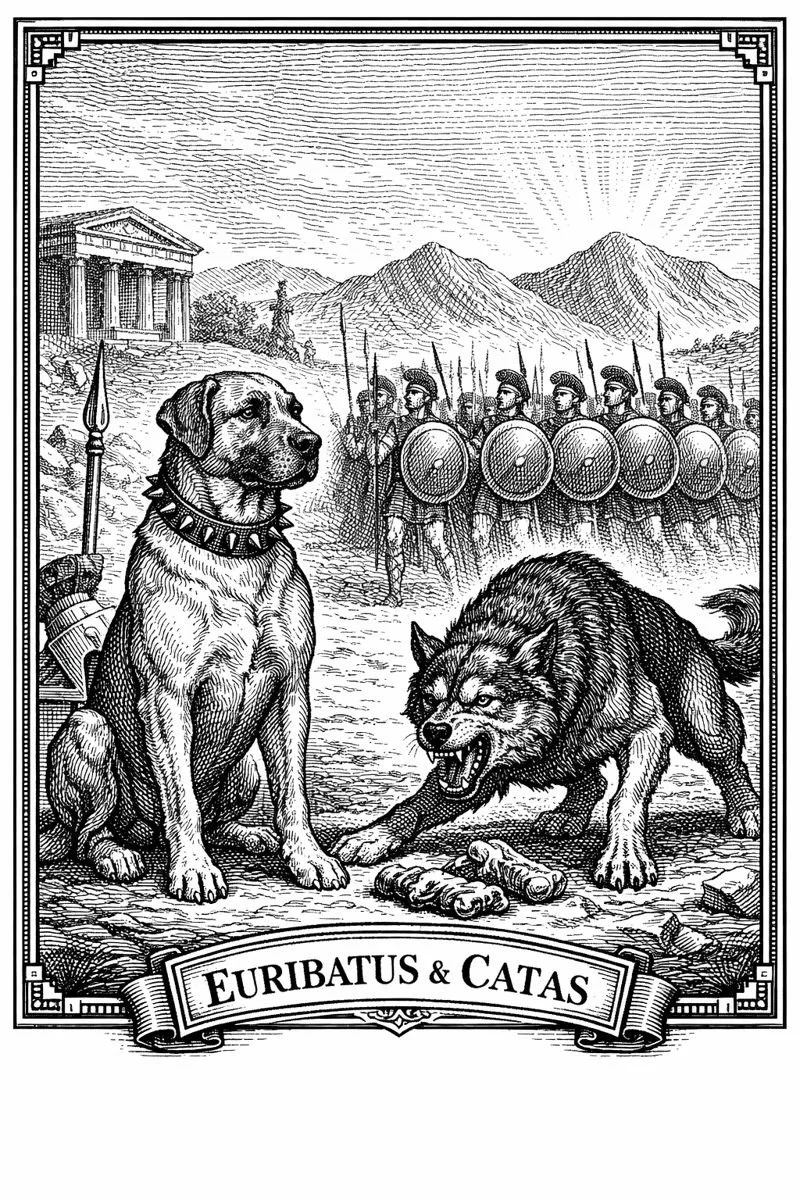
Euribatus and Catas were legendary Spartan dogs said to embody the balance between discipline and instinct, trained alongside warriors and sent into battle with the phalanx. Remembered less for ferocity than for loyalty, they followed Spartan orders to the end, vanishing with the men they served.
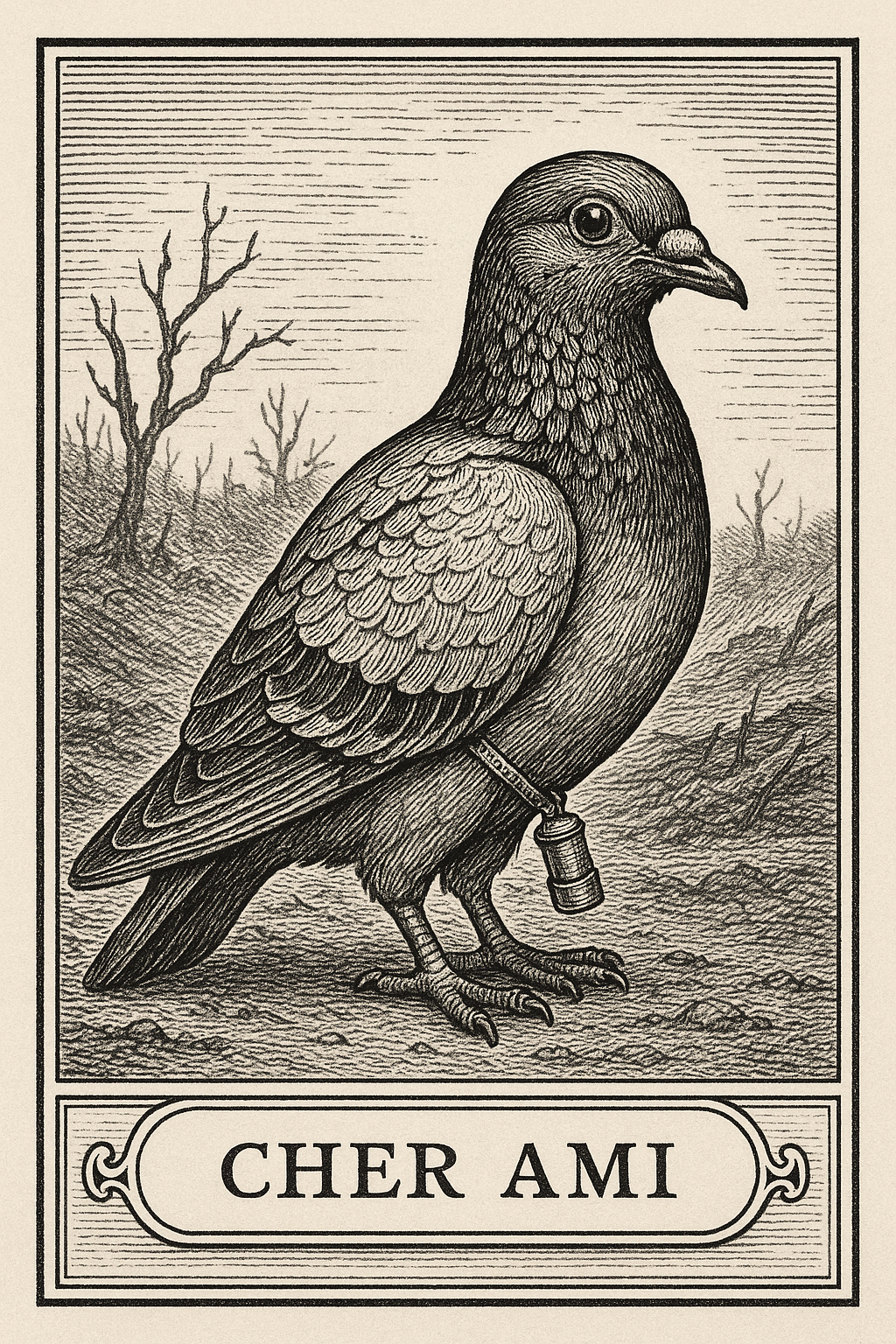
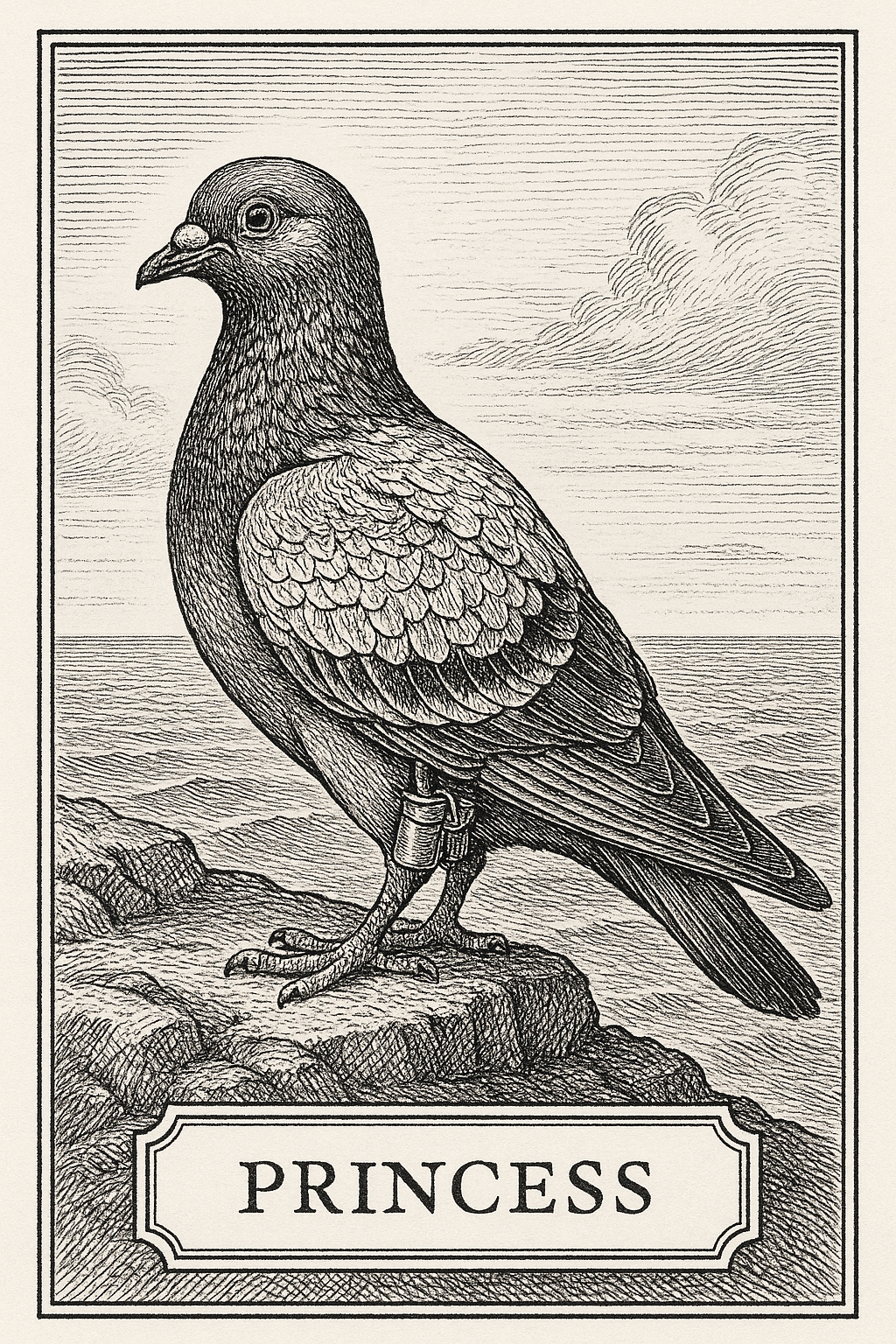
Cher Ami was a U.S. Army Signal Corps messenger pigeon who flew through machine-gun fire in 1918 to deliver coordinates that stopped friendly artillery and saved nearly 200 trapped soldiers. Gravely wounded and permanently grounded, she became one of the most decorated animals of World War I.
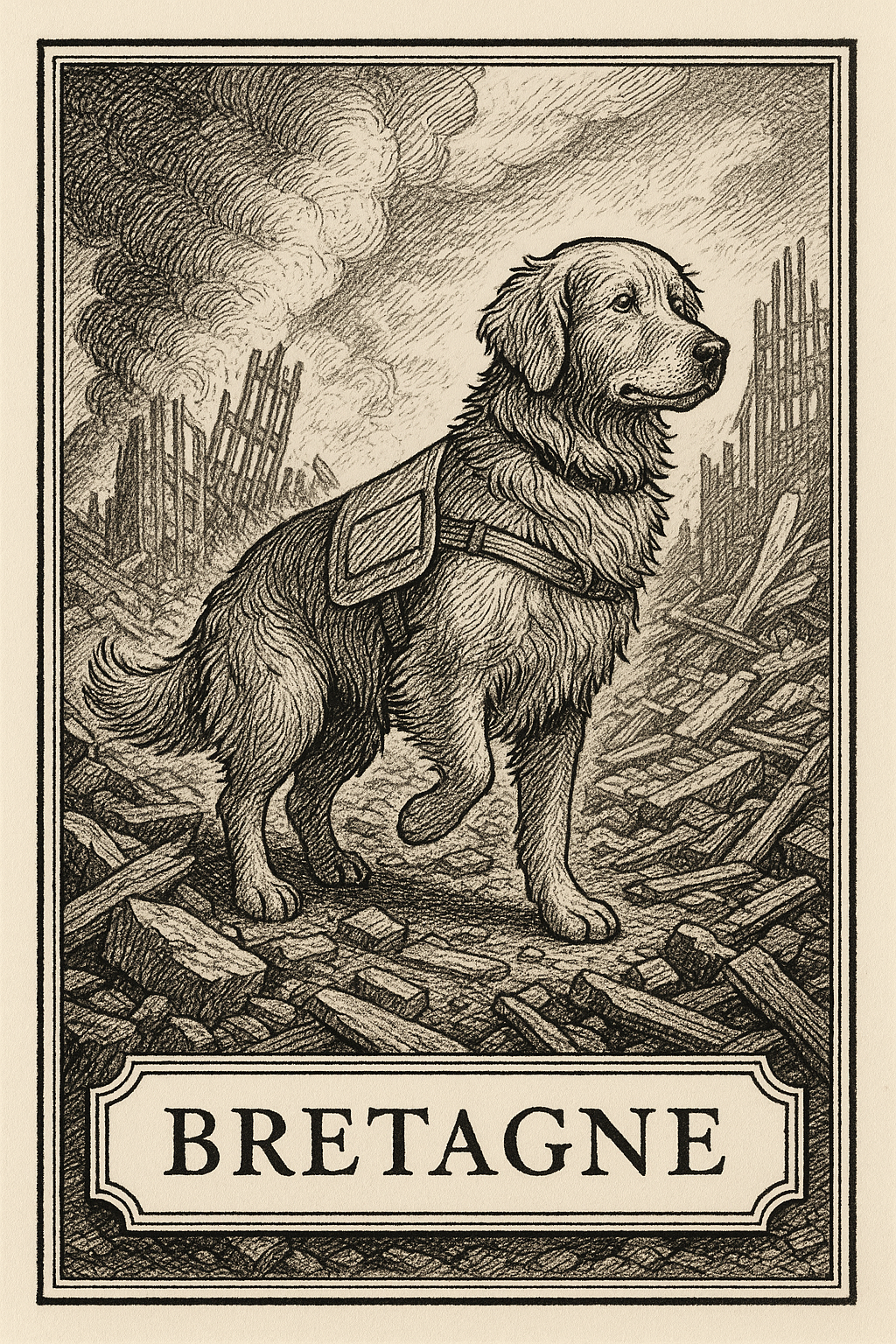
Bretagne was a search-and-rescue dog who worked the ruins of Ground Zero after September 11, 2001, then returned to disaster zones again and again when the world broke elsewhere. She did not save the day, but she stood in the wreckage long enough for others to keep going.
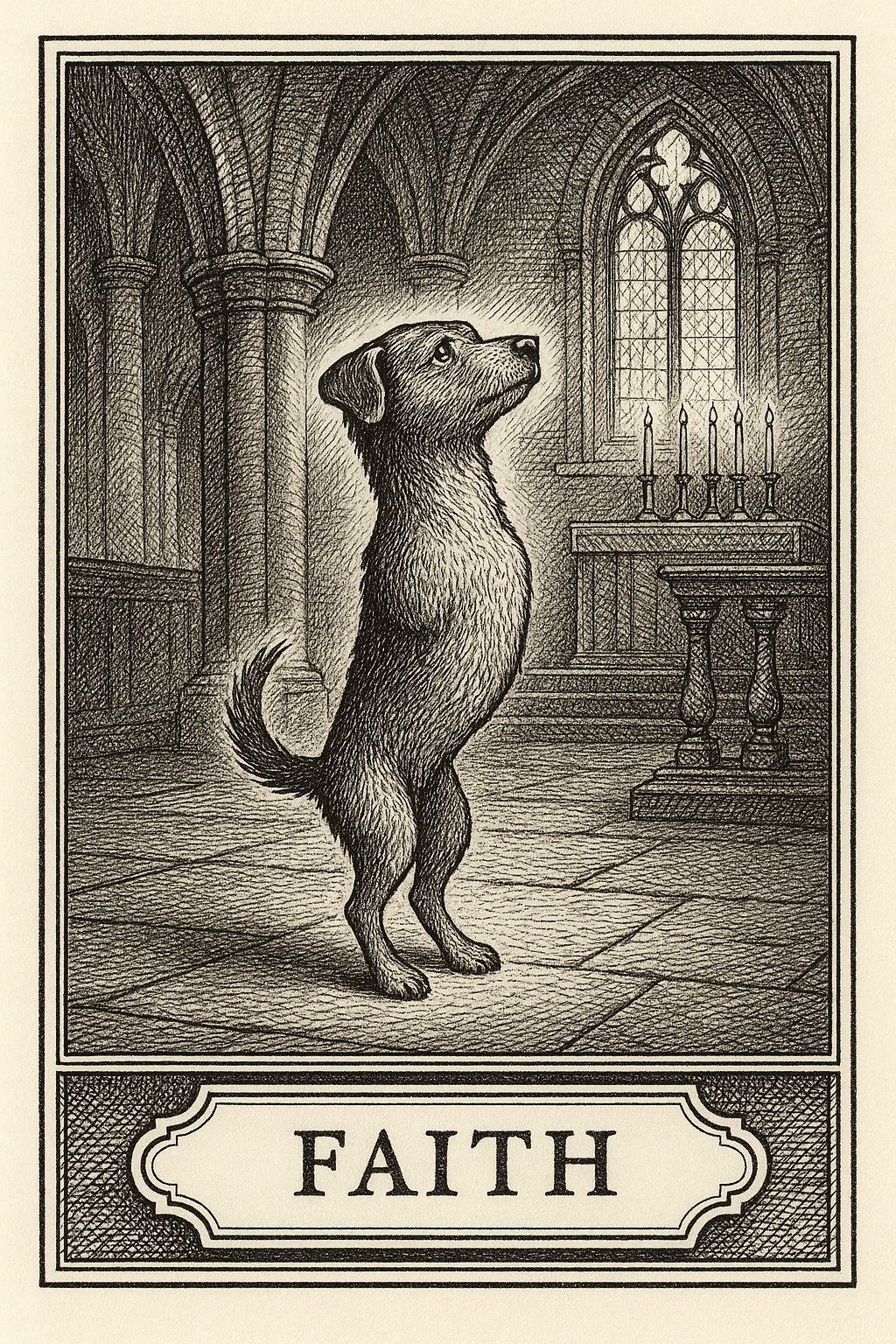
Faith was a two-legged terrier who stood upright through the Blitz, refusing to bow to gravity, bombs, or despair. In a city learning how to endure, she became a living posture of belief — proof that sometimes faith is not spoken, only held.
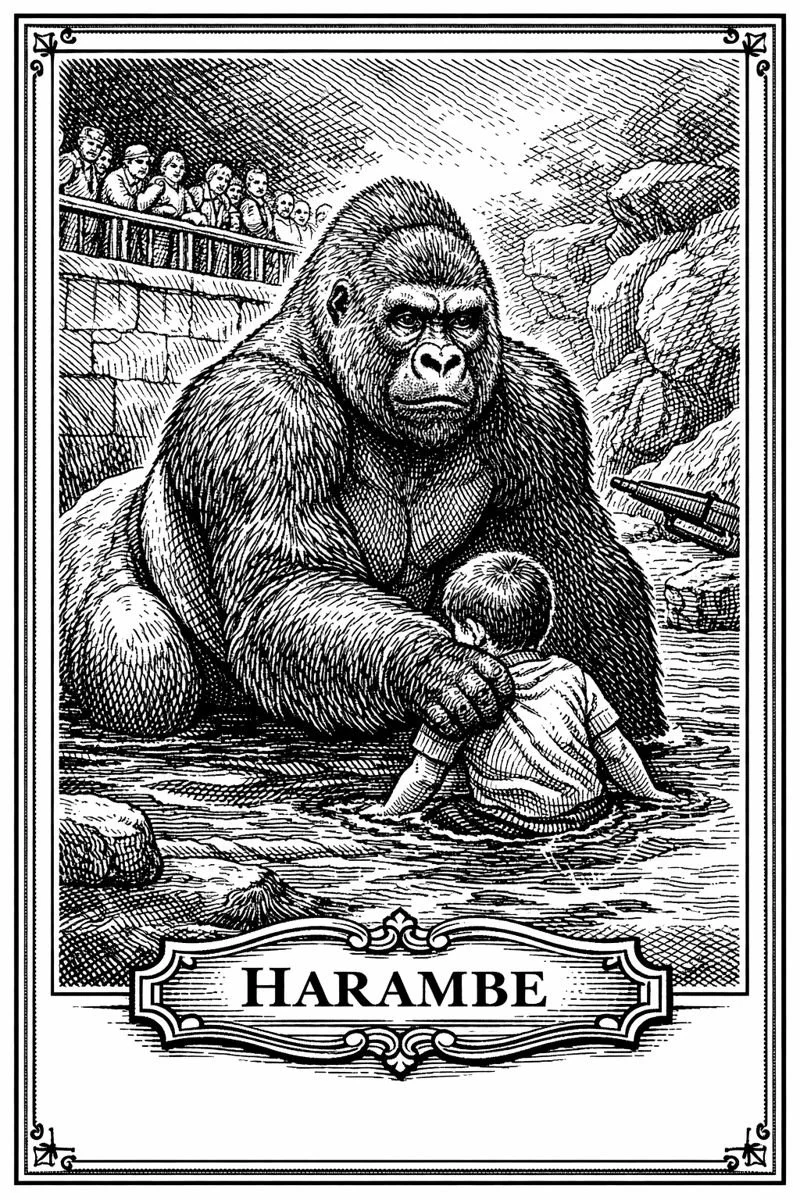
Harambe was a captive silverback gorilla whose death at the Cincinnati Zoo turned a brief moment of fear and confusion into a lasting symbol of modern spectacle, guilt, and misplaced grief.
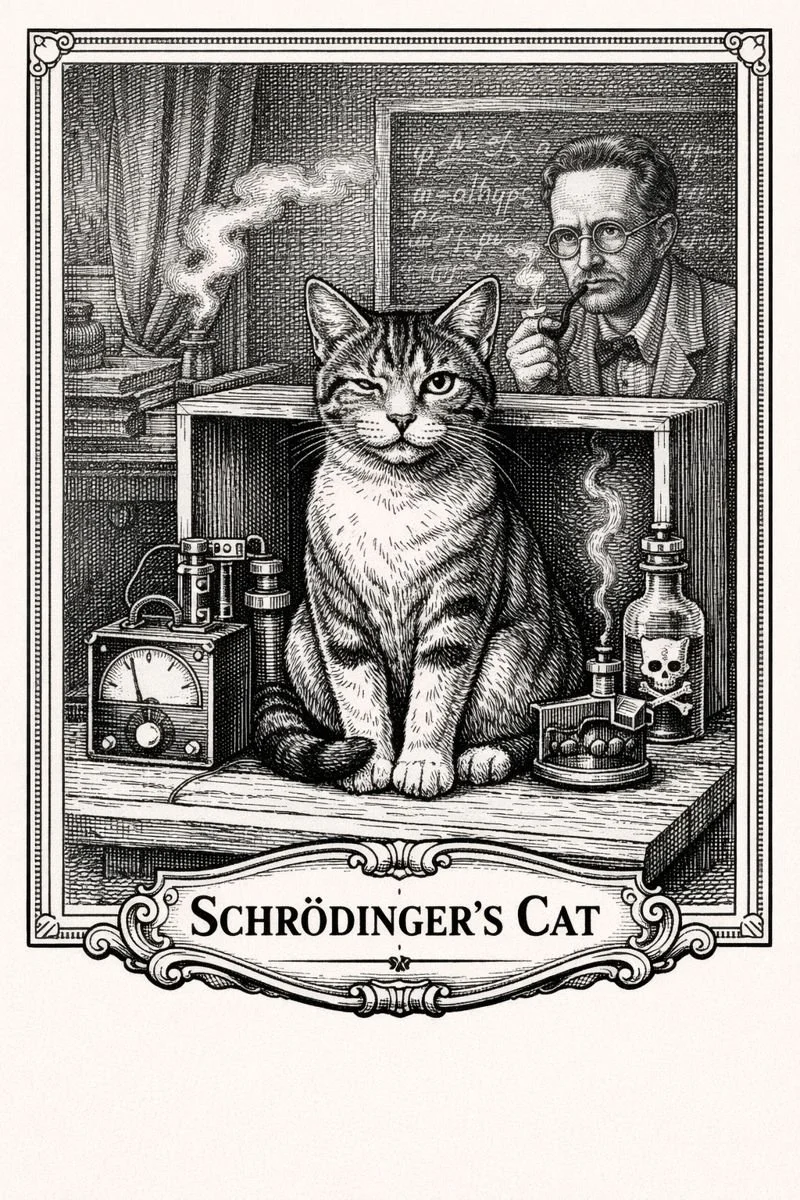
The cat sits calm and unknowing within the box, made a legend not by danger itself but by the human need to imagine what cannot be seen.
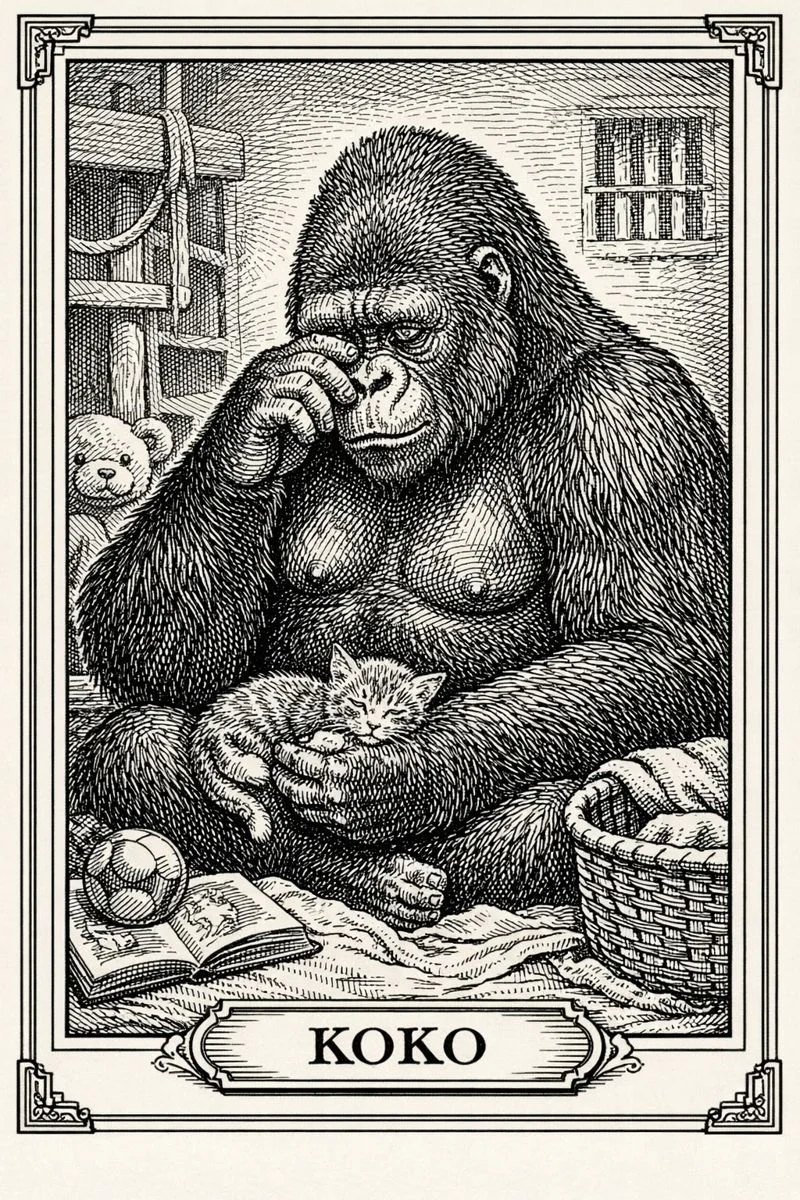
Koko was a western lowland gorilla who used sign language to share grief, joy, and thought so clearly that humans were forced to listen.
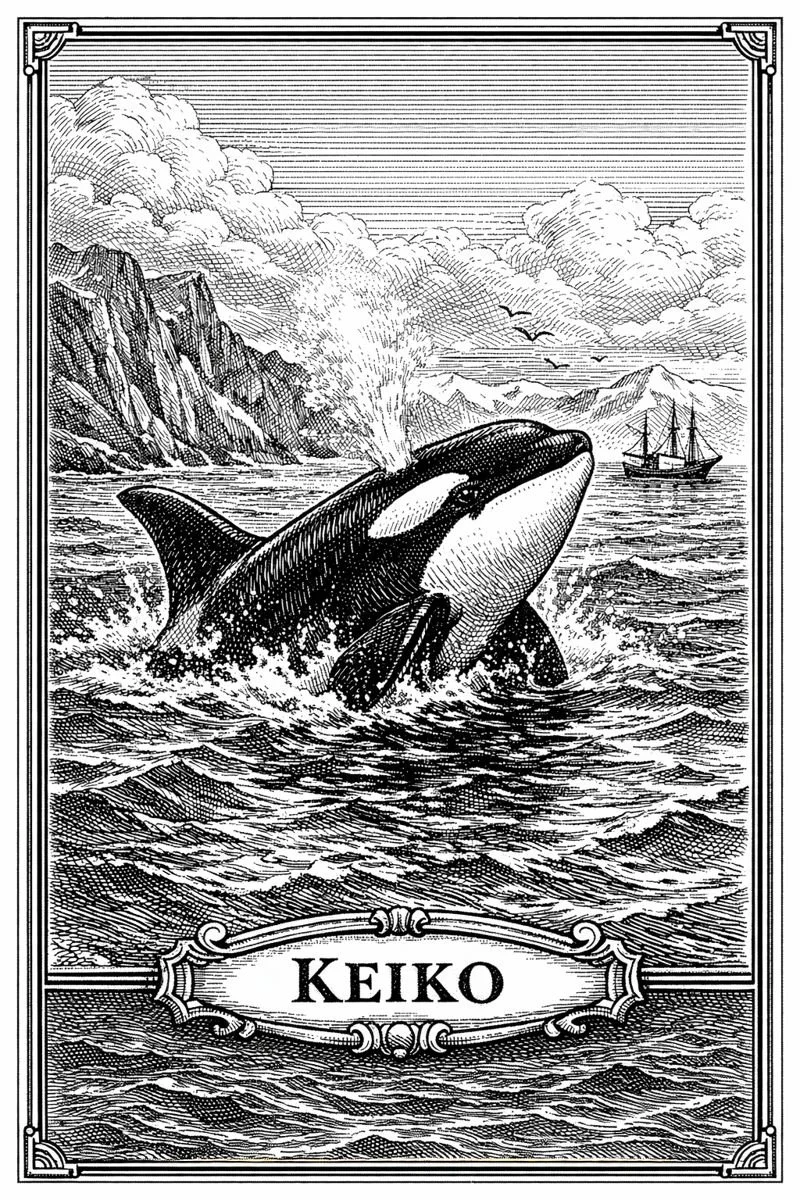
Keiko was a captive orca who was transported back to the North Atlantic and released to the open sea, where he swam freely but never fully returned to a wild life without humans.
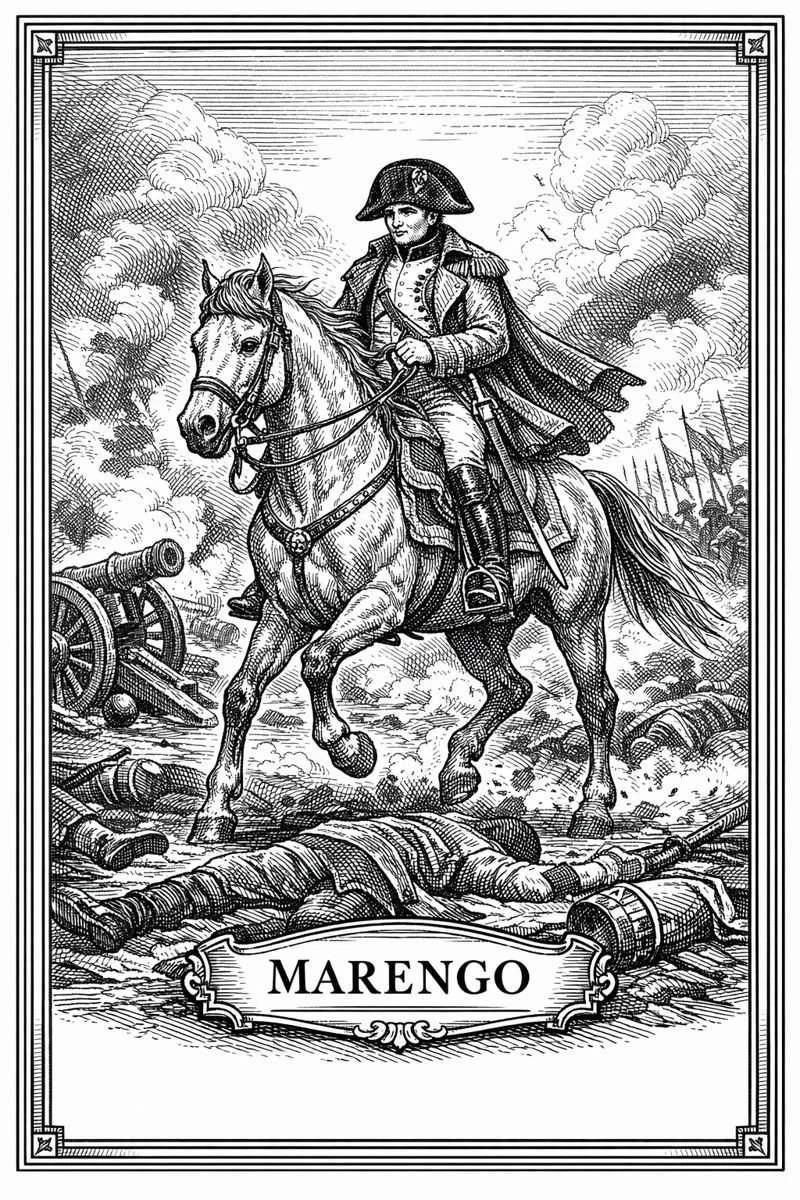
Marengo was the small gray Arabian who carried Napoleon through victory, retreat, and defeat, surviving the empire long after the man who rode him was gone.
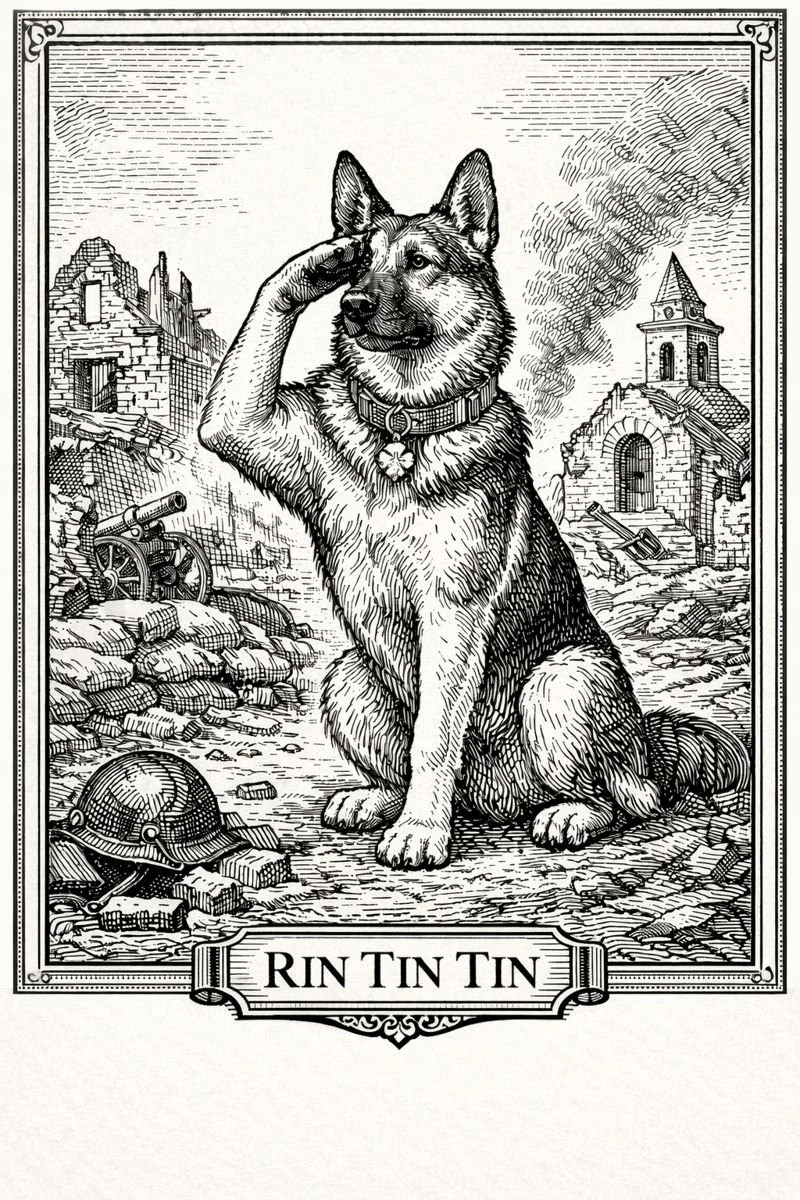
Rin Tin Tin was a war-rescued German Shepherd who rose from the ruins of World War I to become Hollywood’s most famous symbol of loyalty and courage.
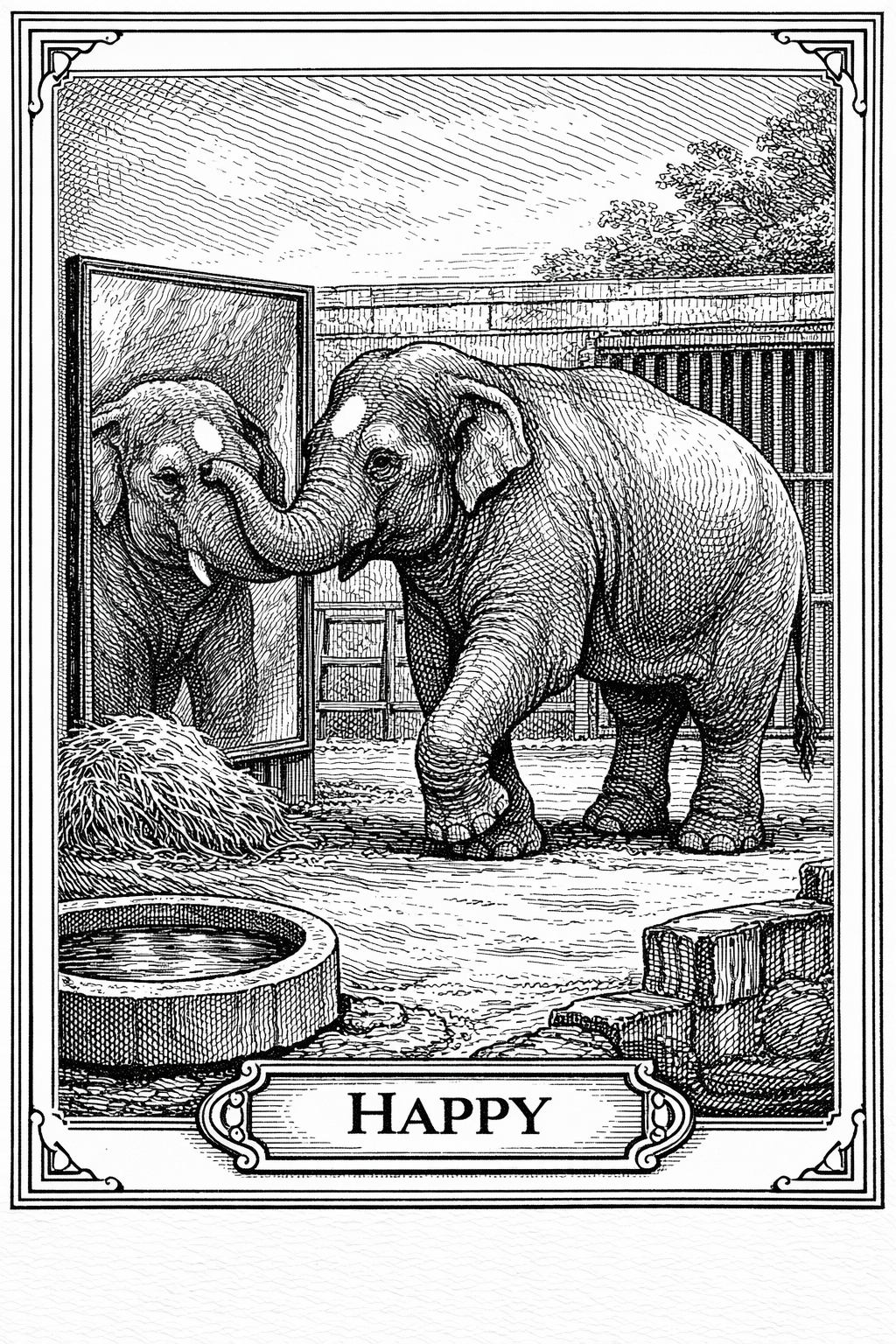
Happy, the Bronx Zoo elephant who recognized herself in a mirror, became a quiet symbol of the question modern law still cannot answer: when does awareness become a right?
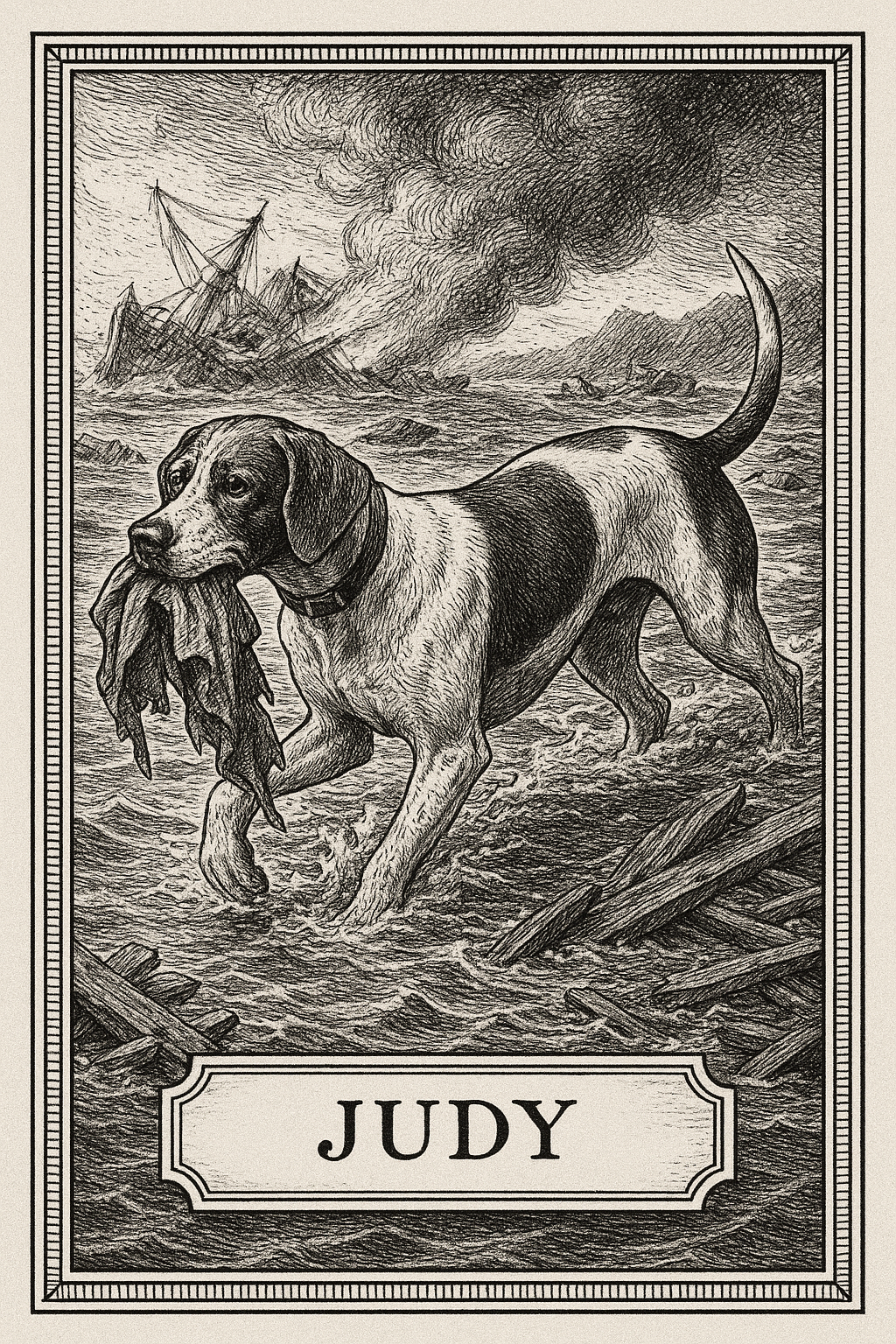
A shipwrecked pointer turned POW, Judy saved sailors, defied guards, survived two sinkings, and came home a decorated war hero — the only dog to earn the Dickin Medal for fighting Japan.
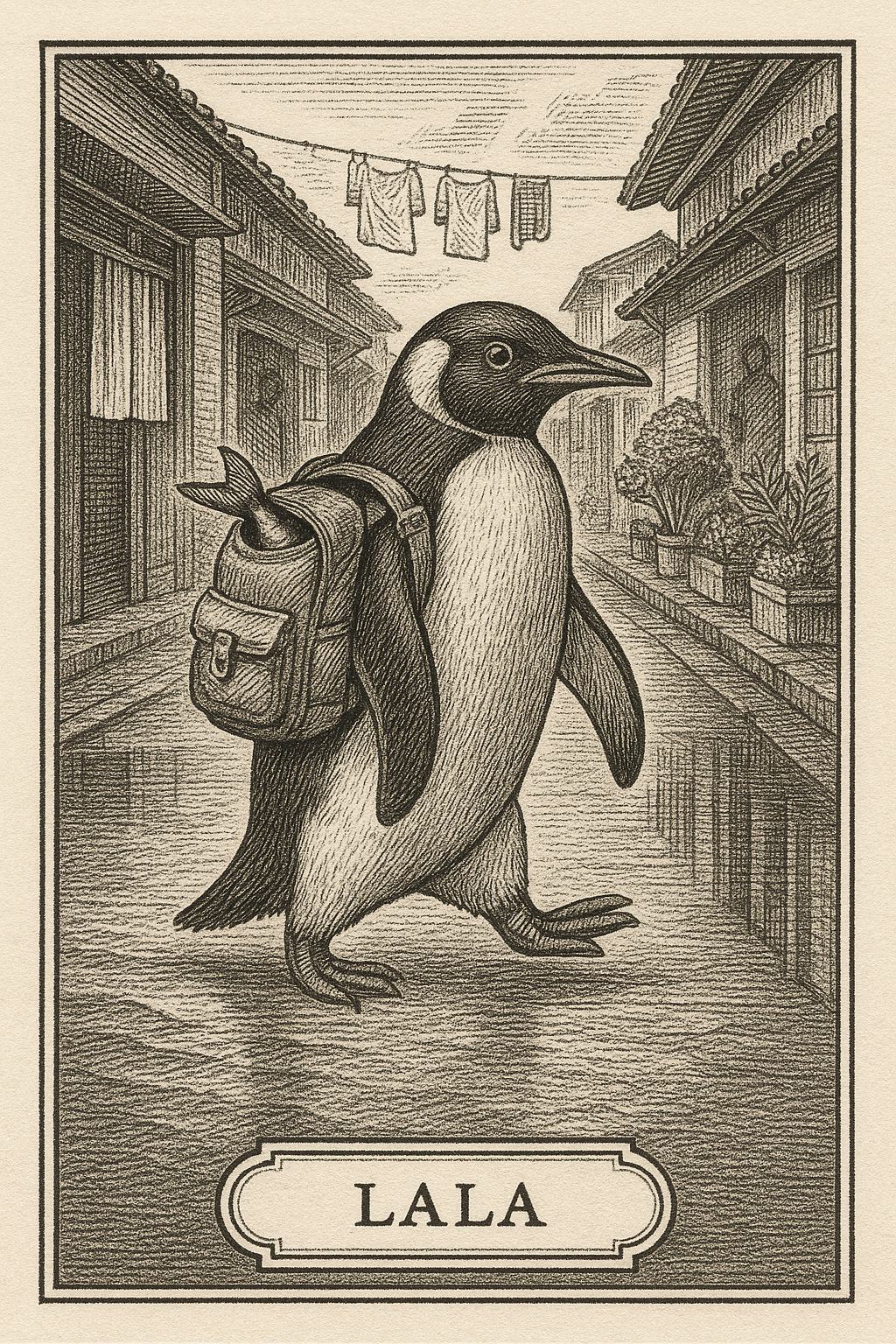
A king penguin named Lala strolls through a quiet Japanese street with his little backpack, faithfully completing his daily errand to the fish market.
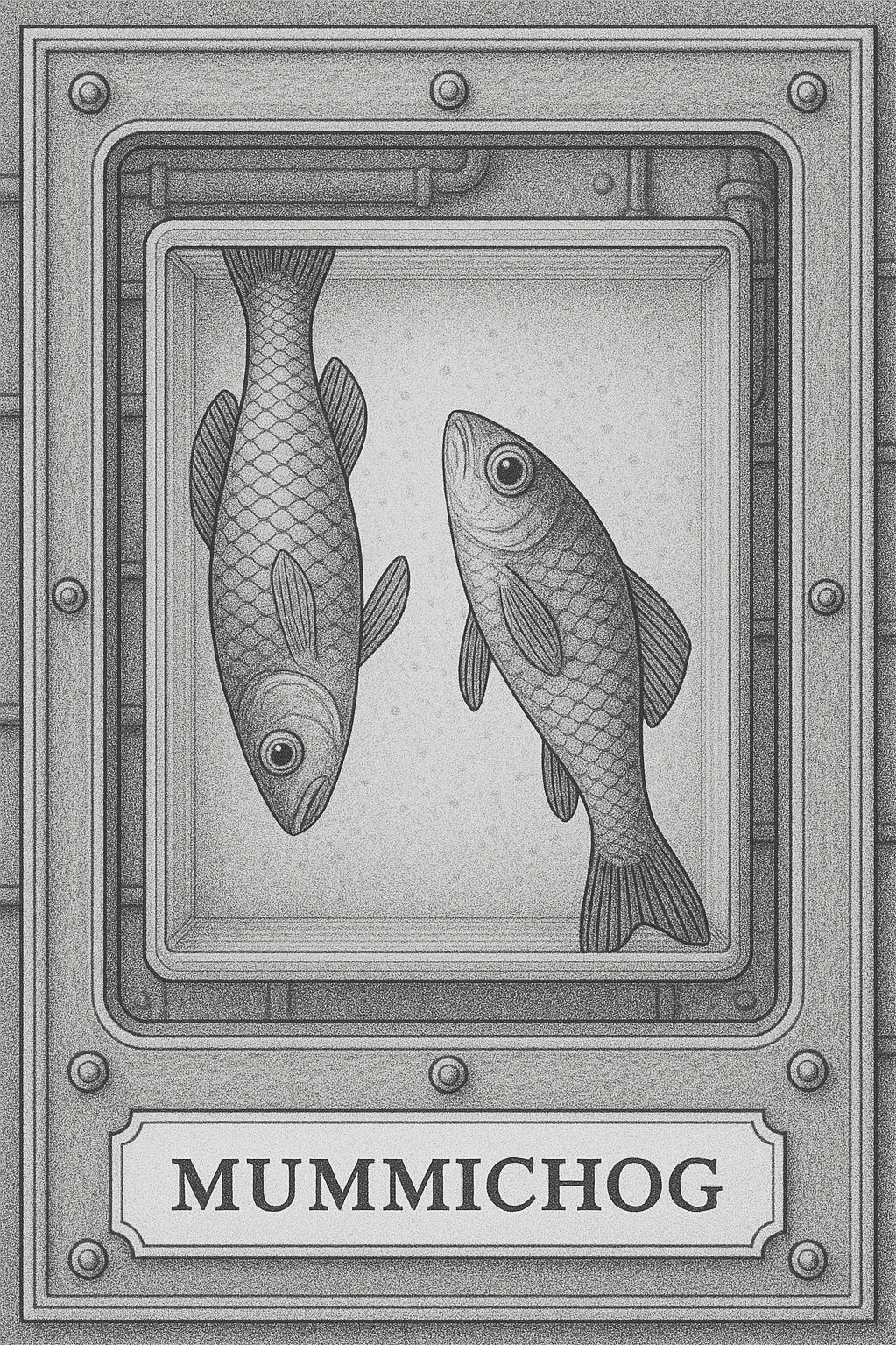
A tough little tidepool fish became one of NASA’s earliest space adaptors, learning to swim in zero gravity while its fry evolved even faster.
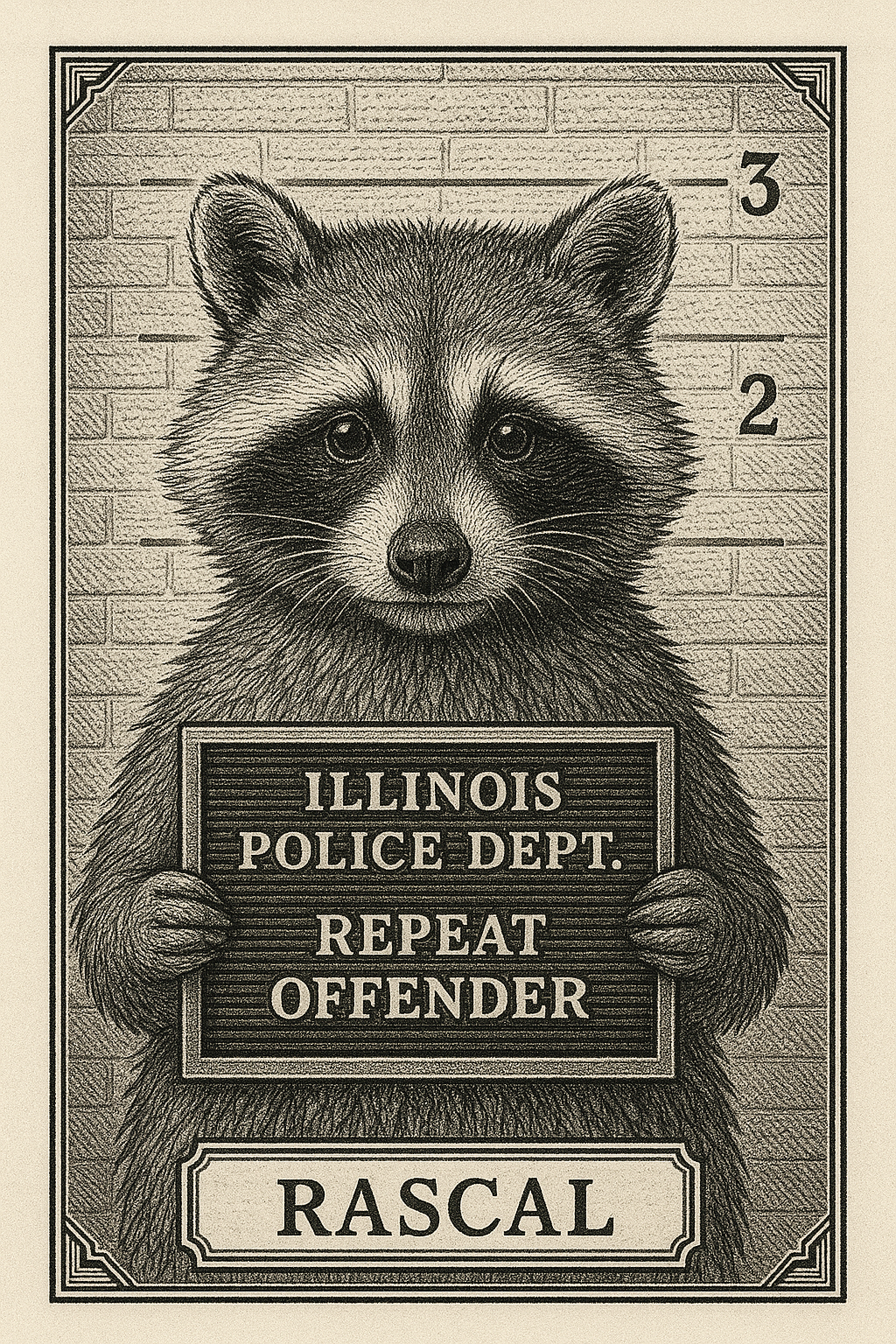
A clever raccoon repeatedly raided a small-town police station for doughnuts until officers finally caught him in a sugar-baited trap.
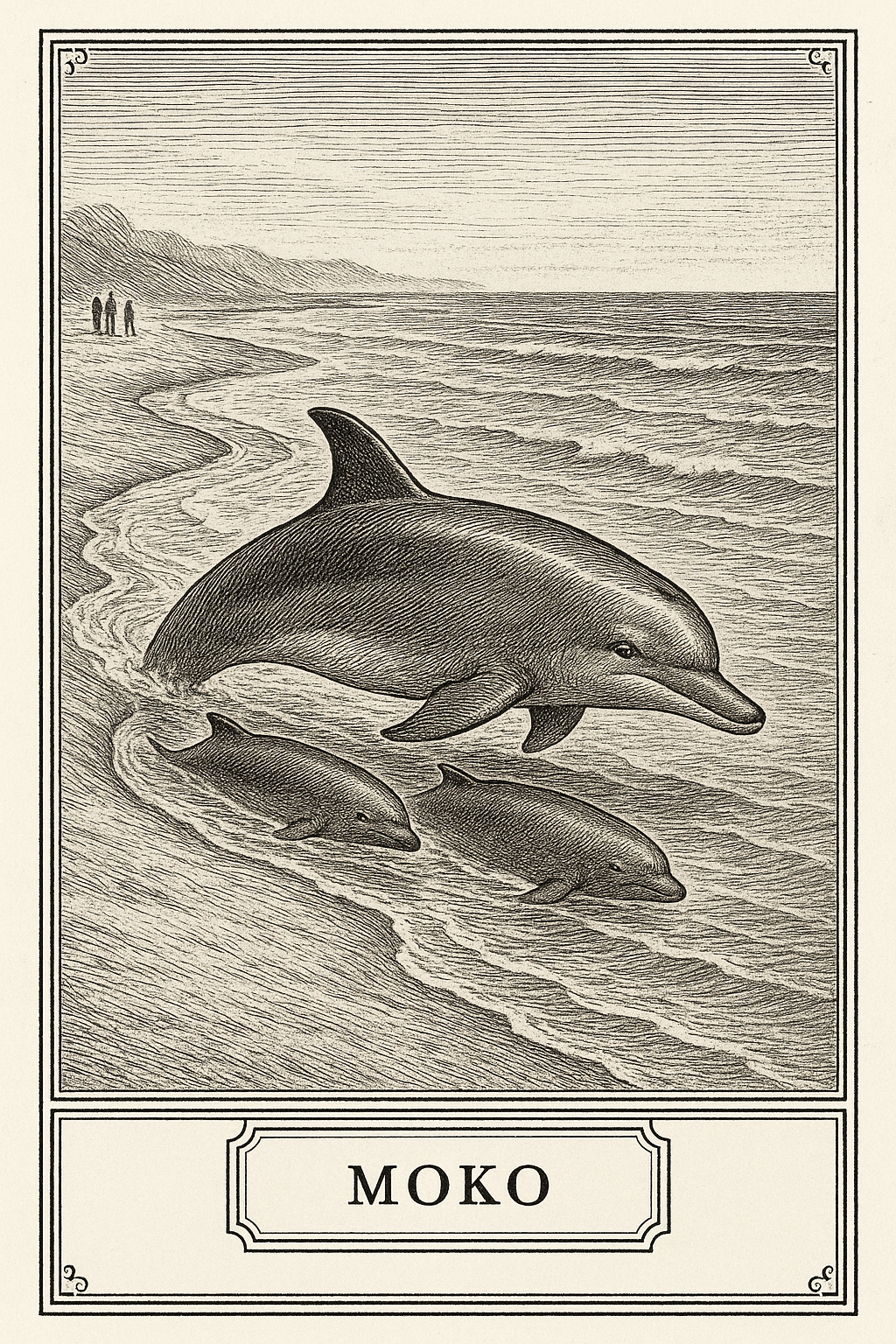
Moko cut through the cold Mahia surf, nudging the stranded whales into the narrow channel as the beach fell silent to watch him lead them home.
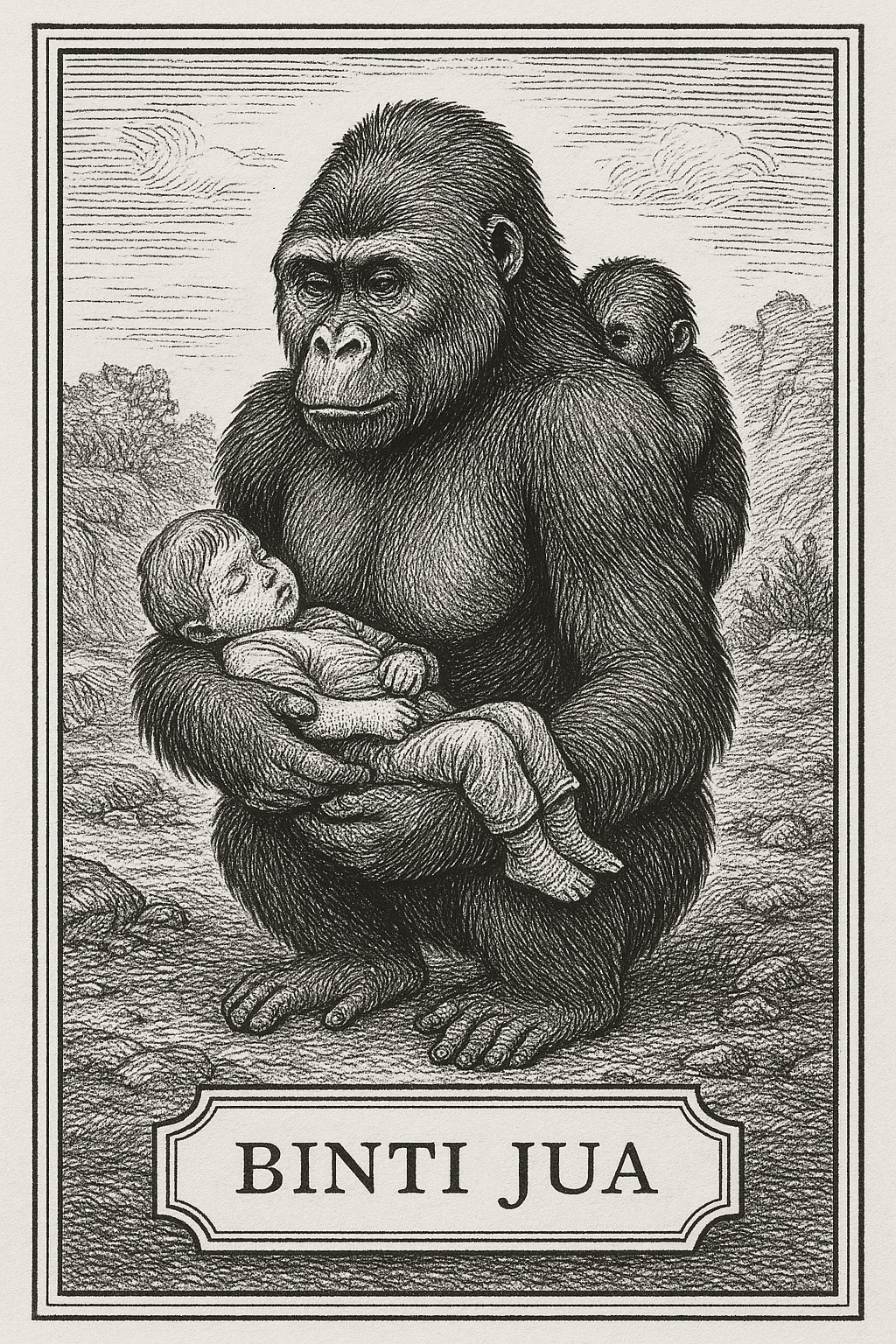
On a humid Illinois afternoon in 1996, Binti Jua quietly crossed a moat, lifted a fallen child into her arms, and carried him to safety with the tenderness she once had to be taught.
Magawa, an African giant pouched rat, detected over 100 landmines in Cambodia using his keen sense of smell and a scratch signal for TNT. Too light to trigger explosives, he safely cleared more than 225,000 square meters of dangerous ground. In 2020, he became the first rat awarded the PDSA Gold Medal for bravery.