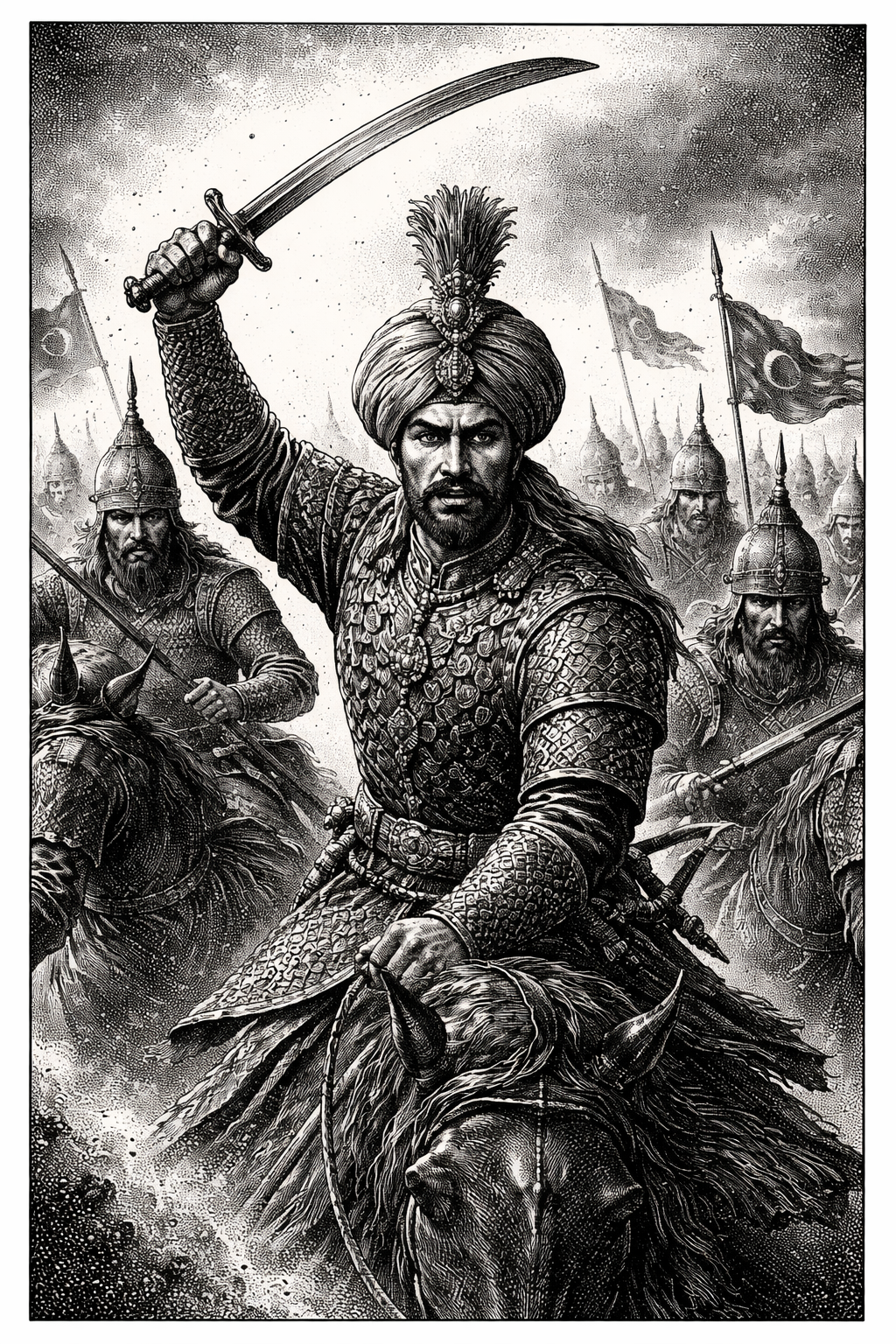
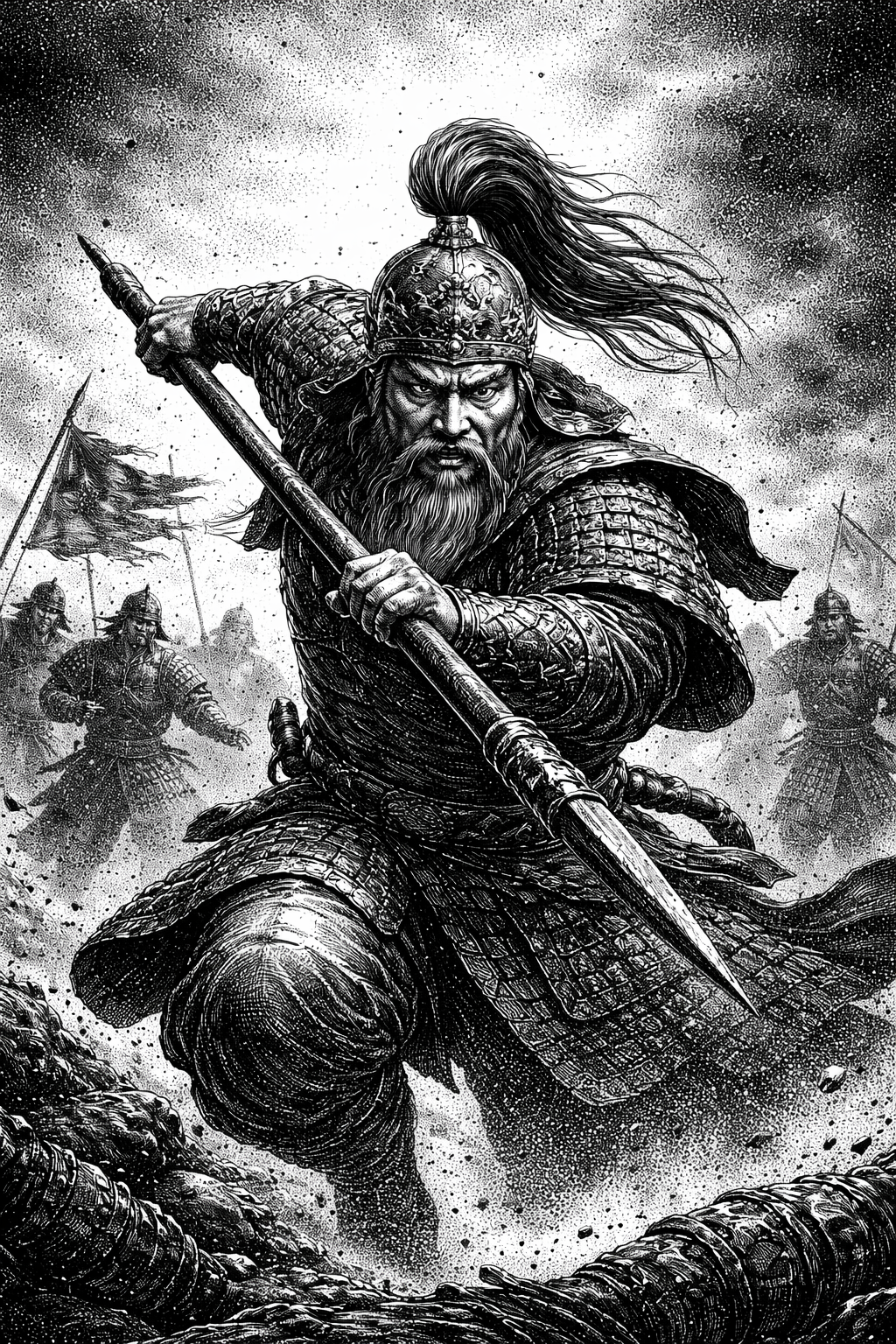
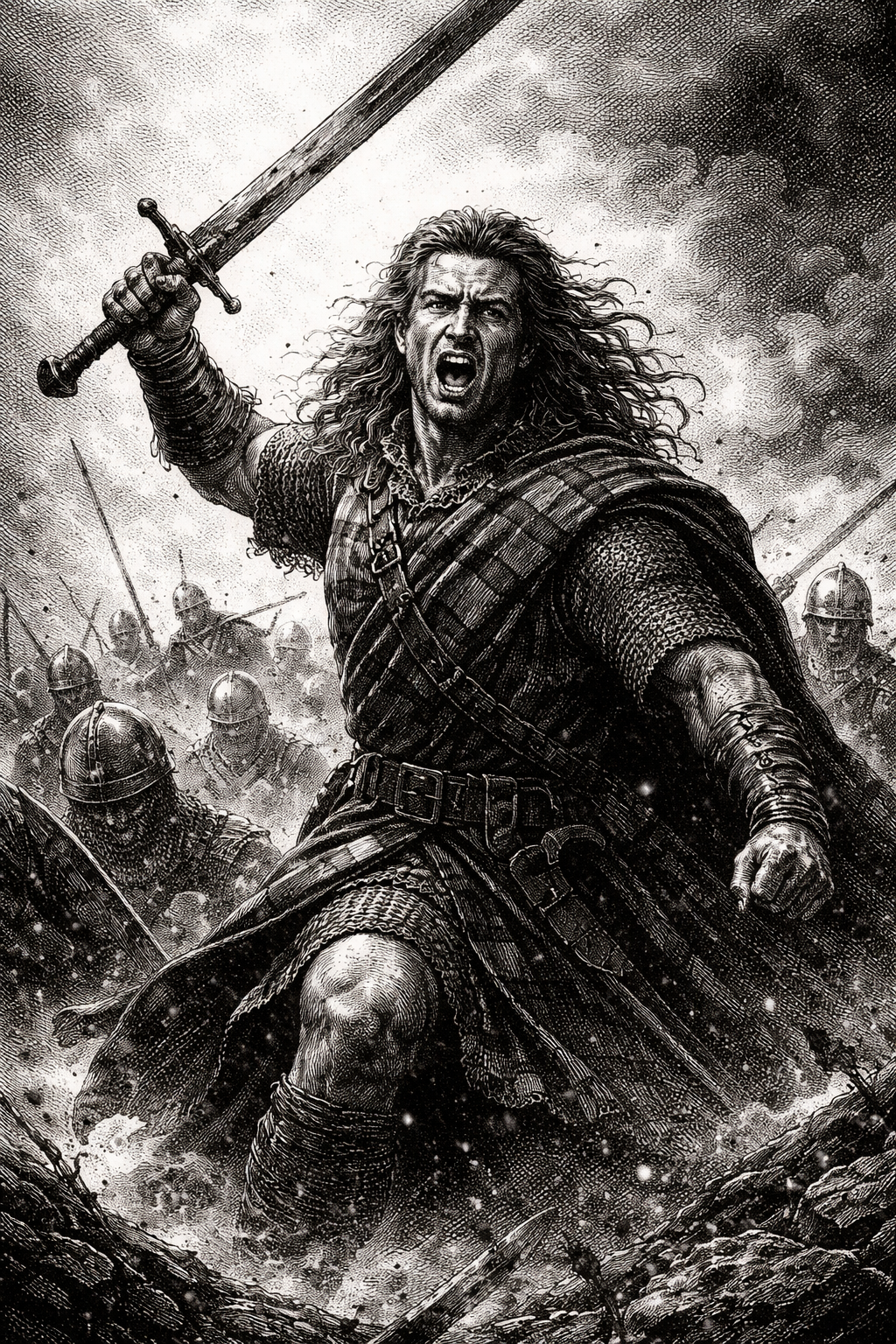
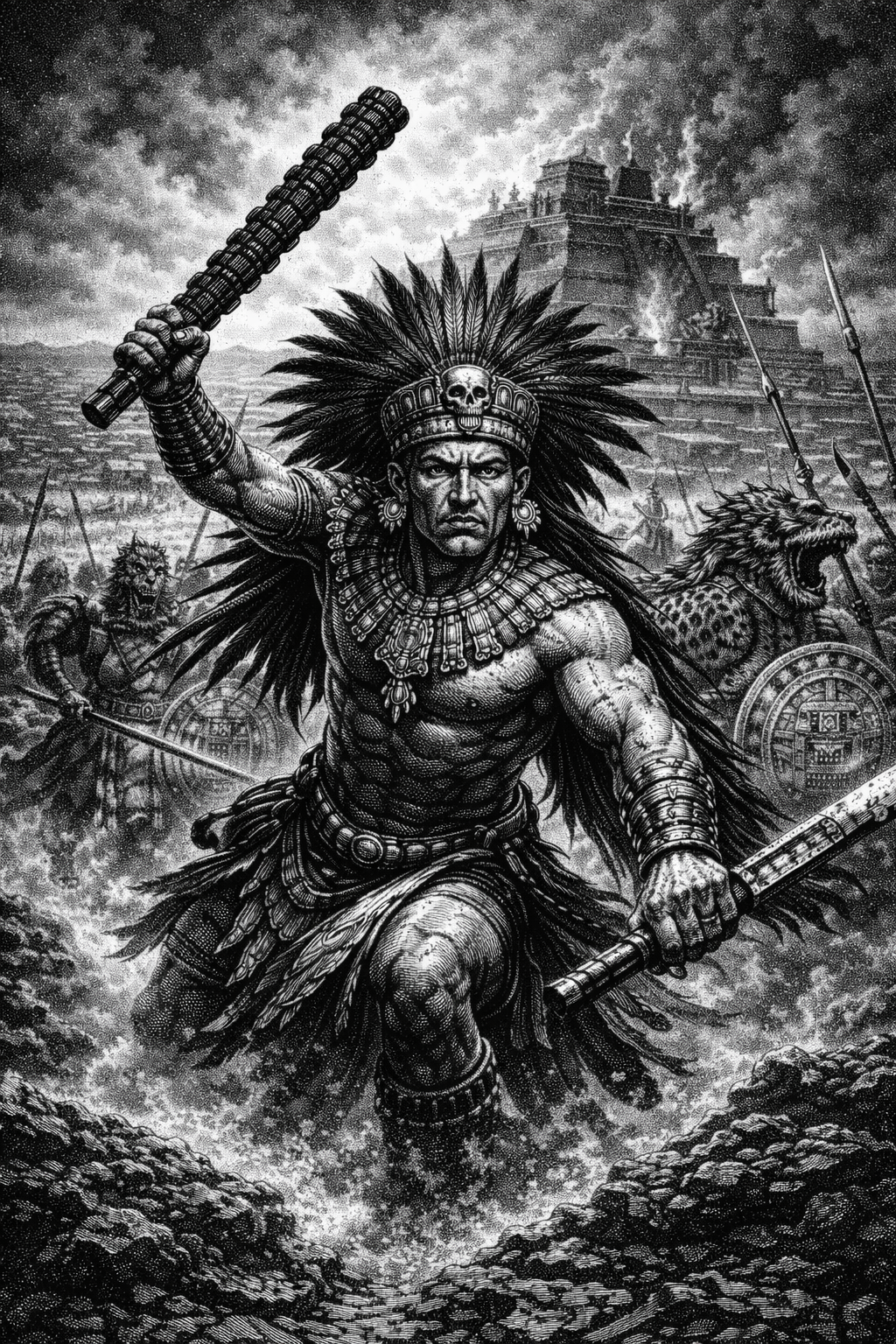
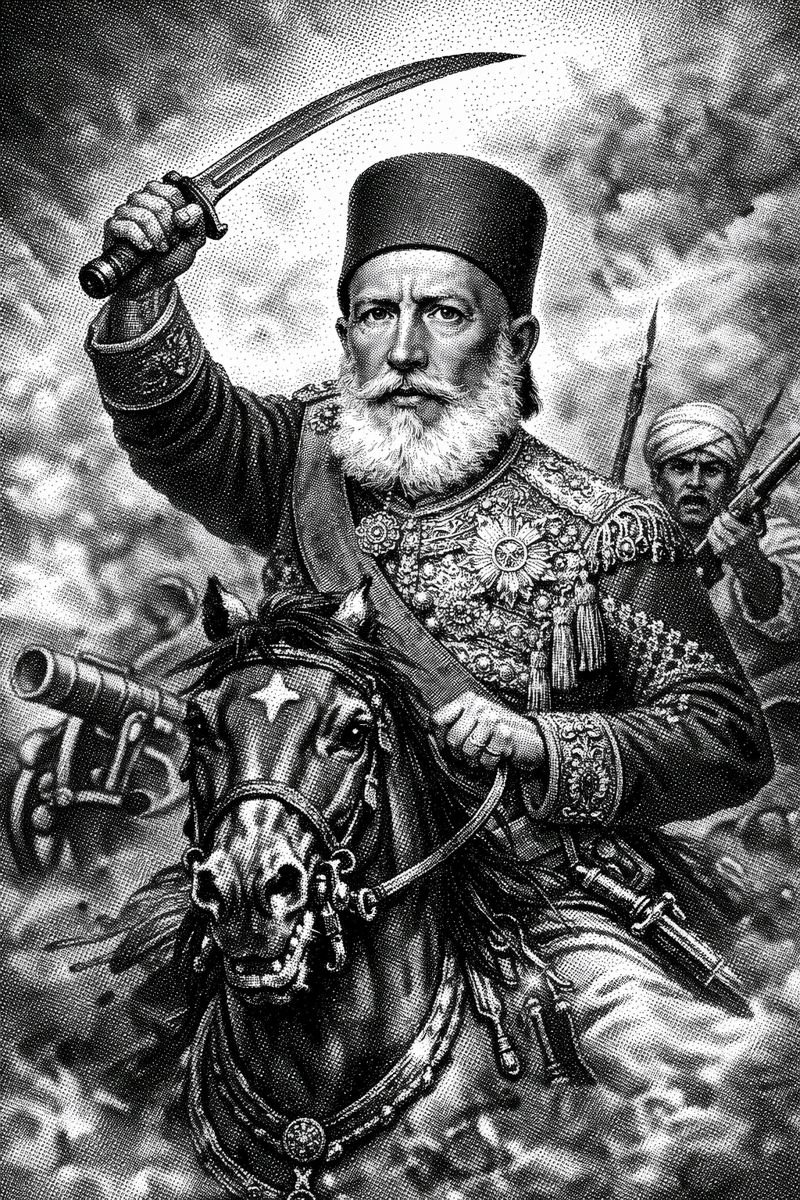
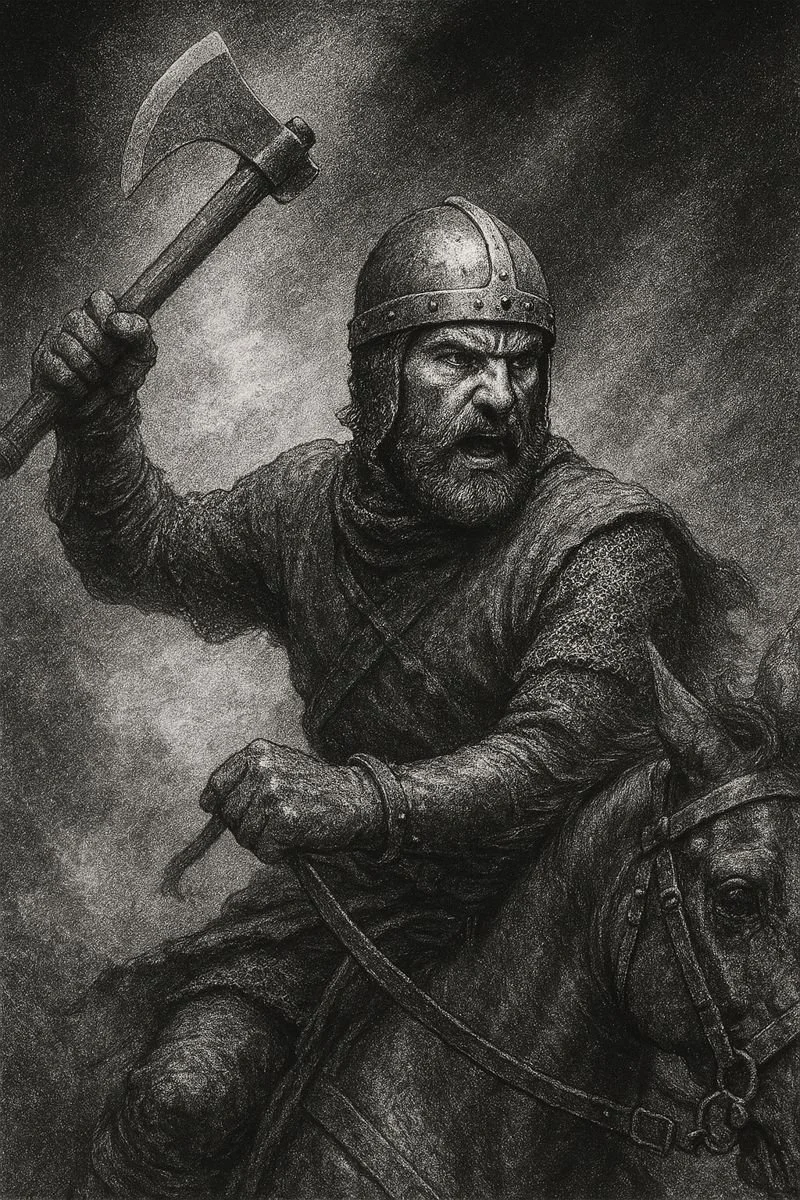
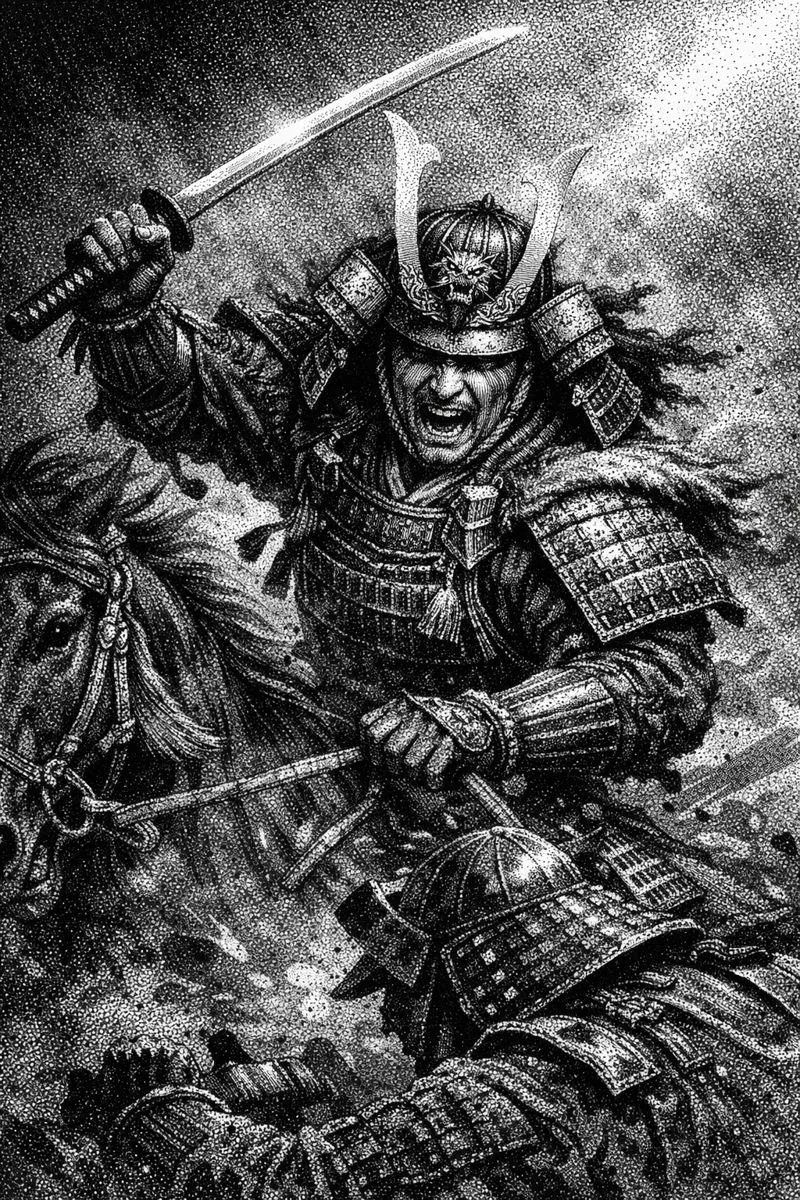
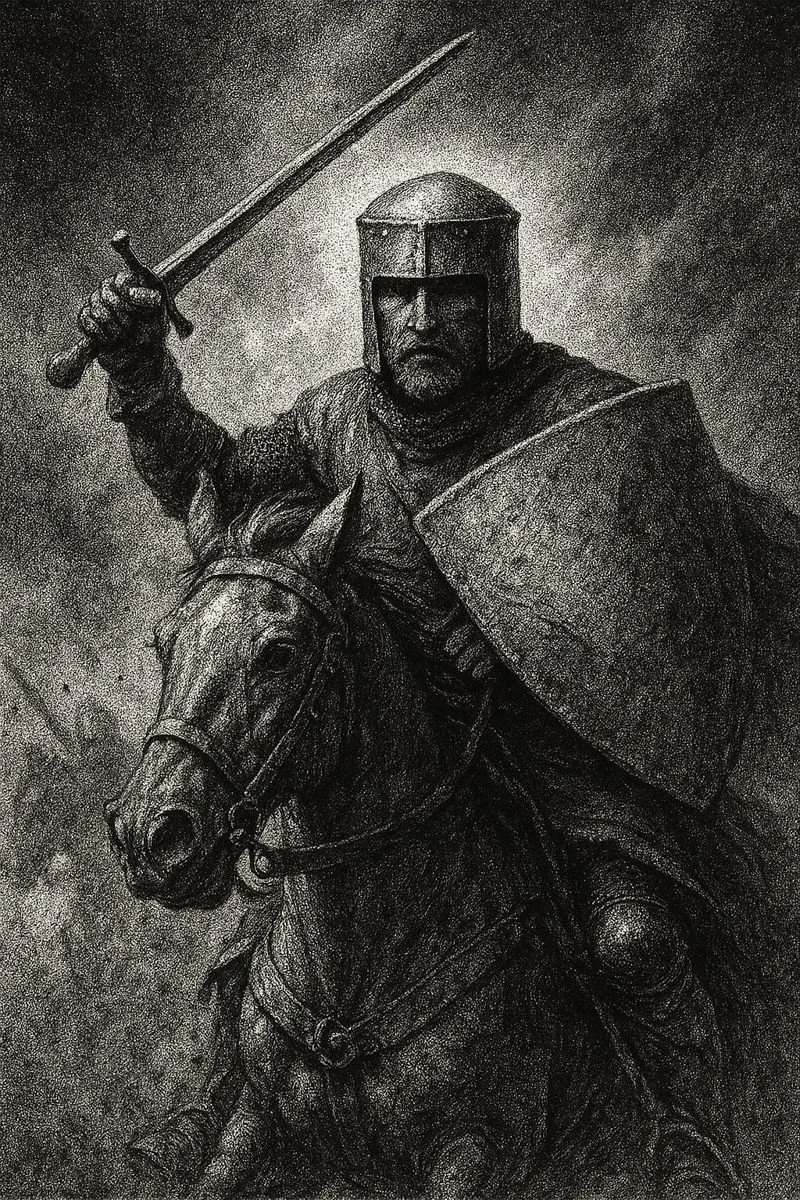
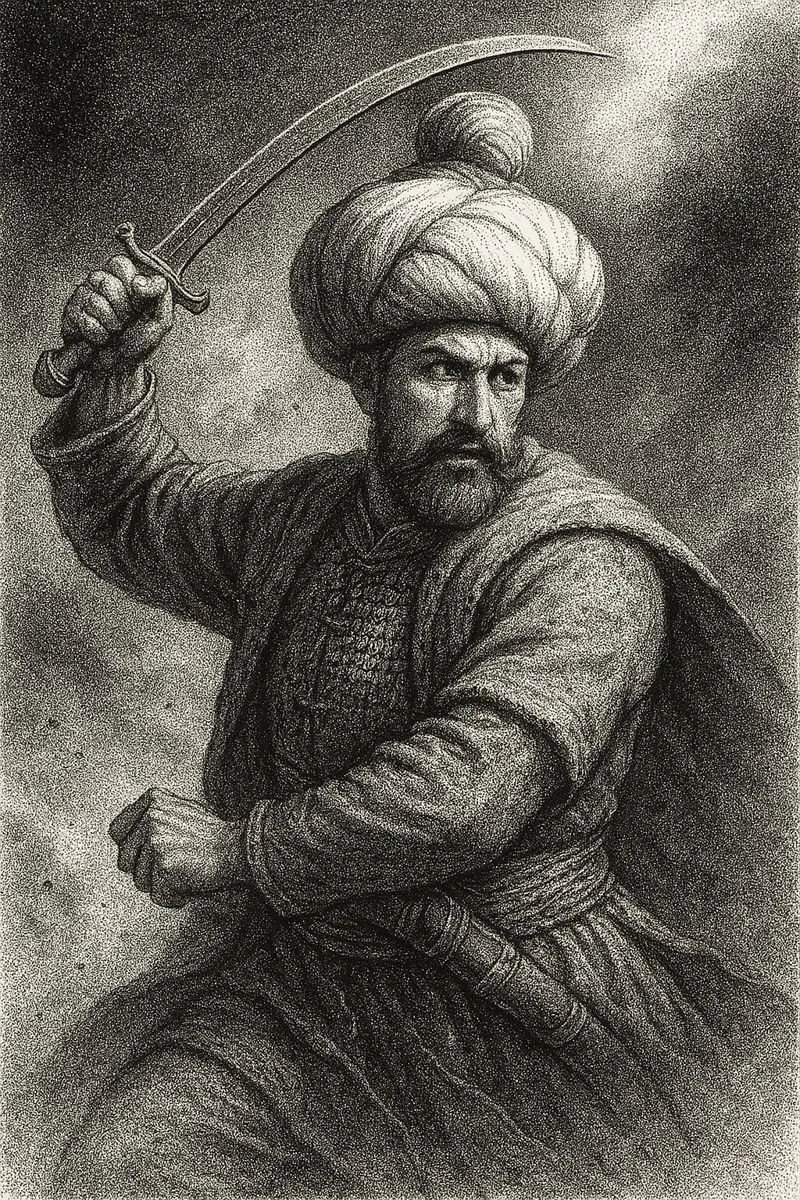
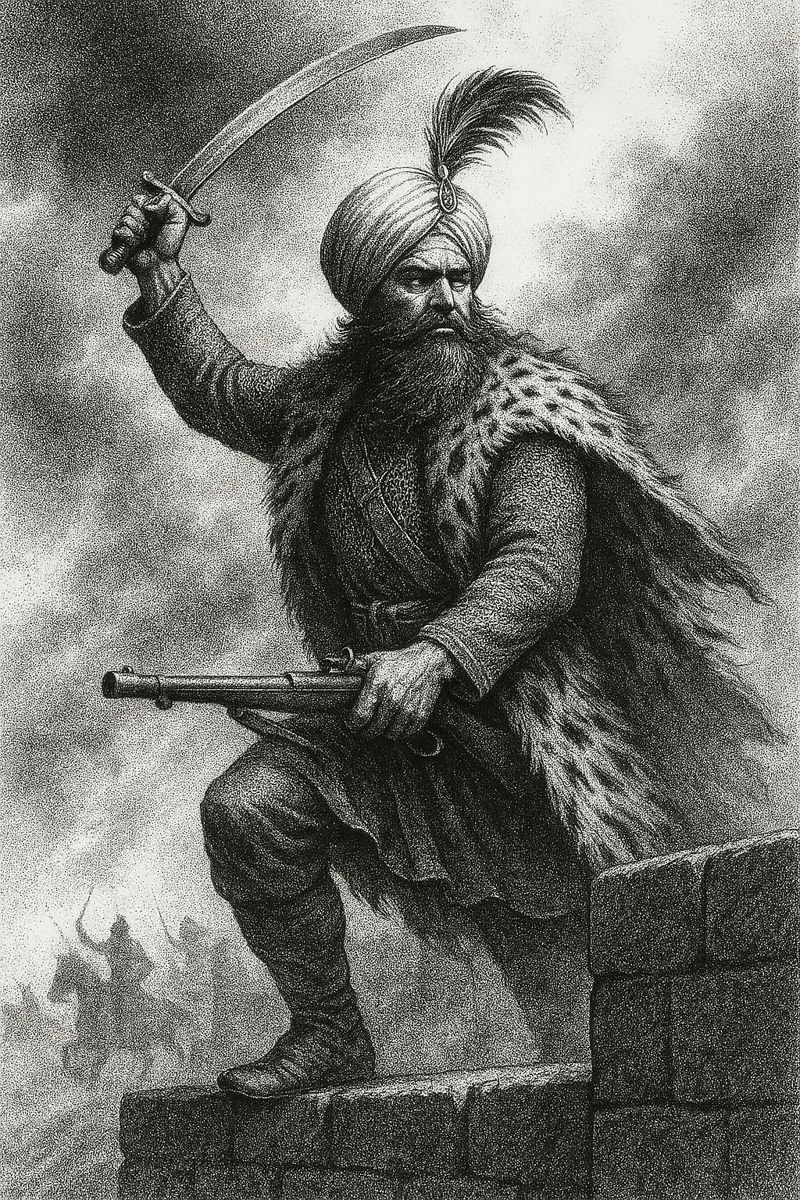
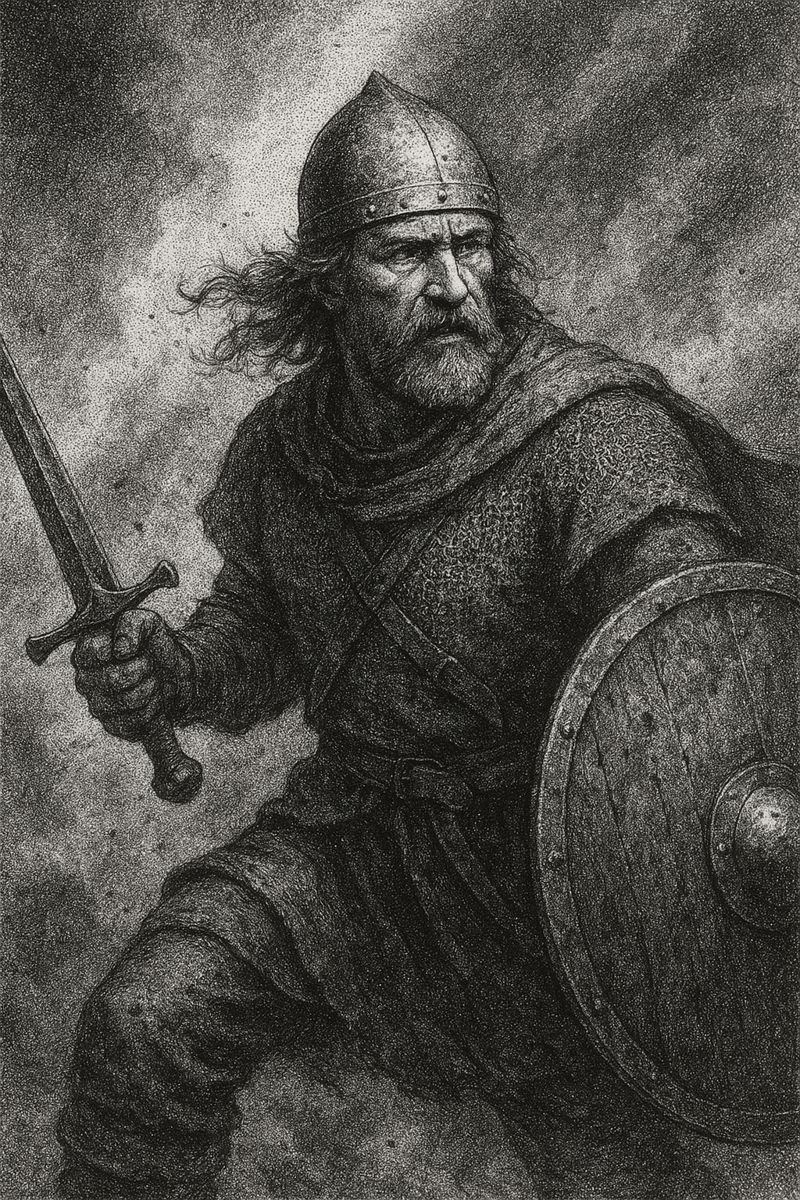
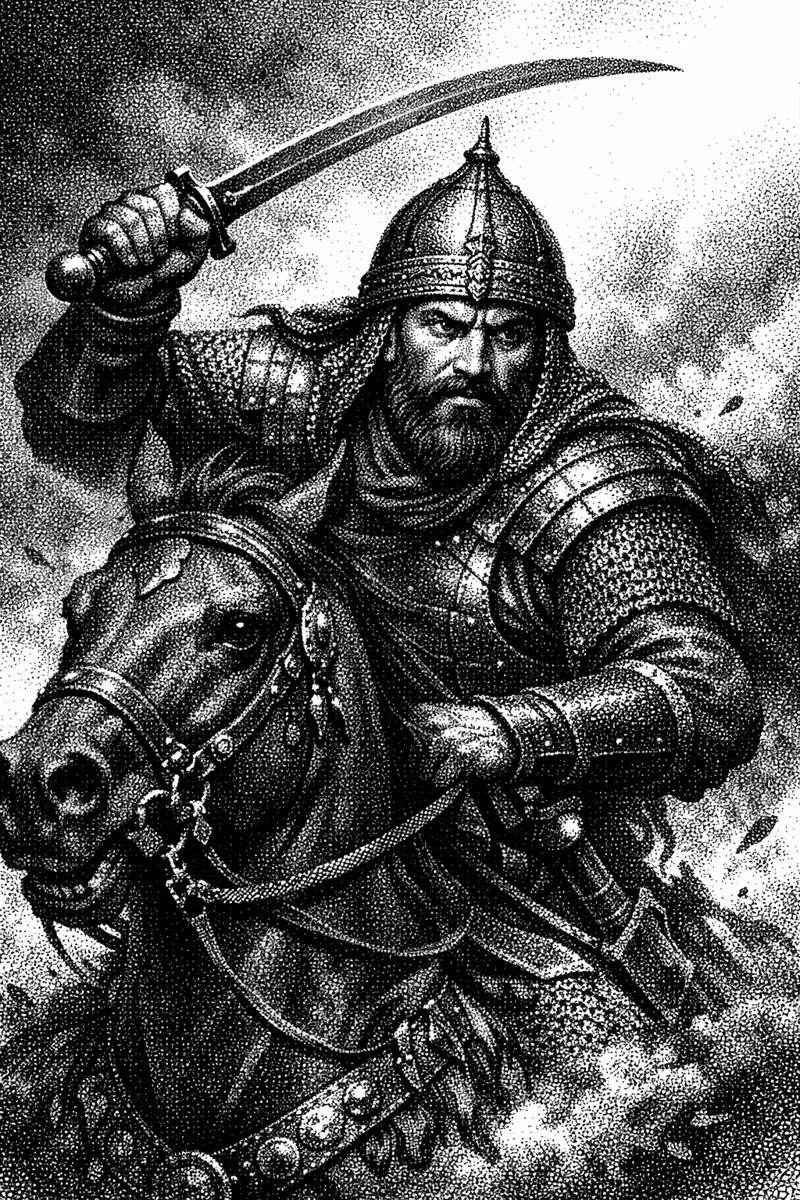
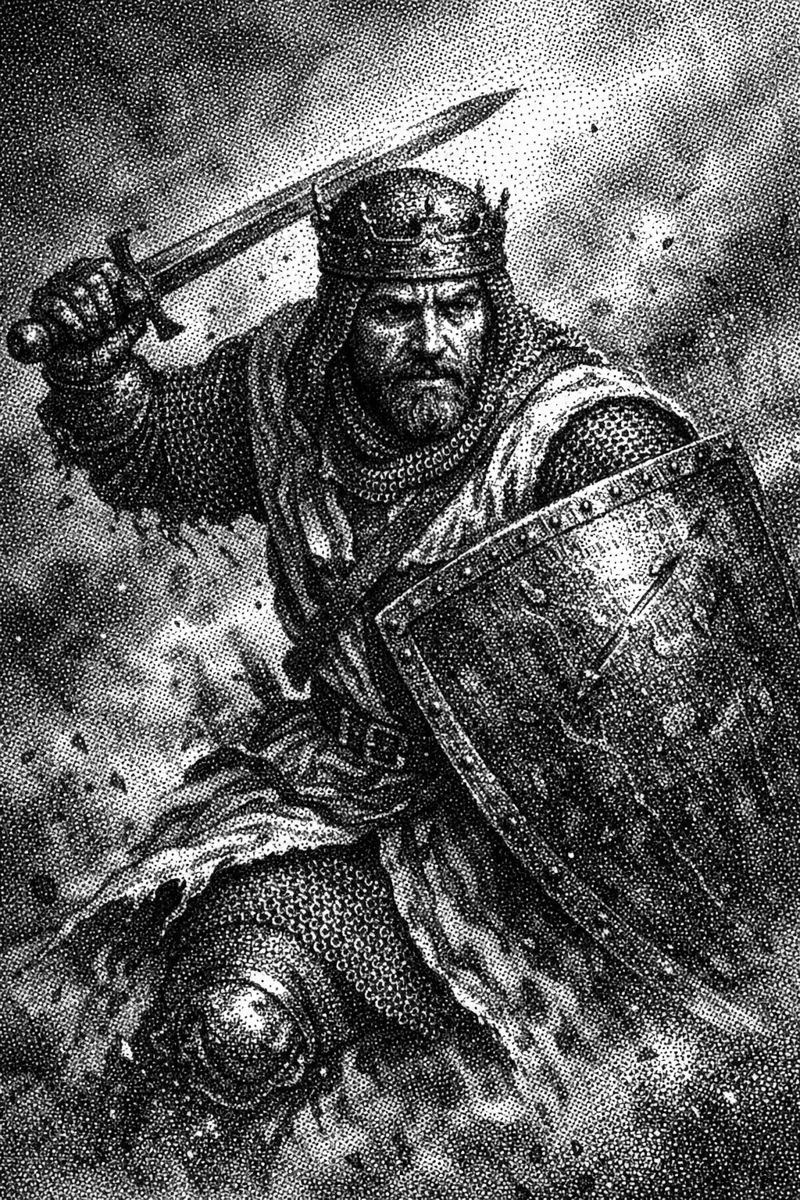
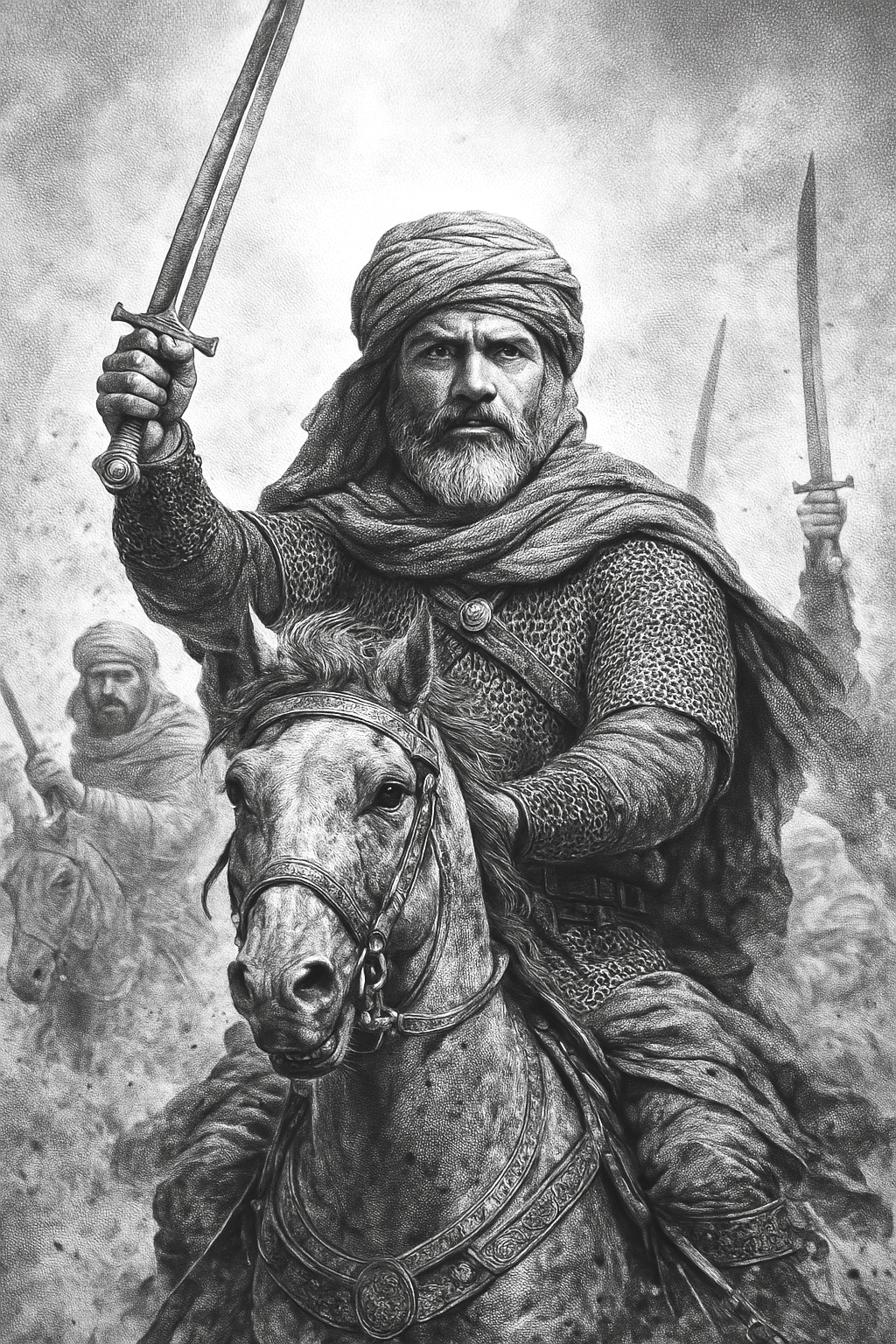
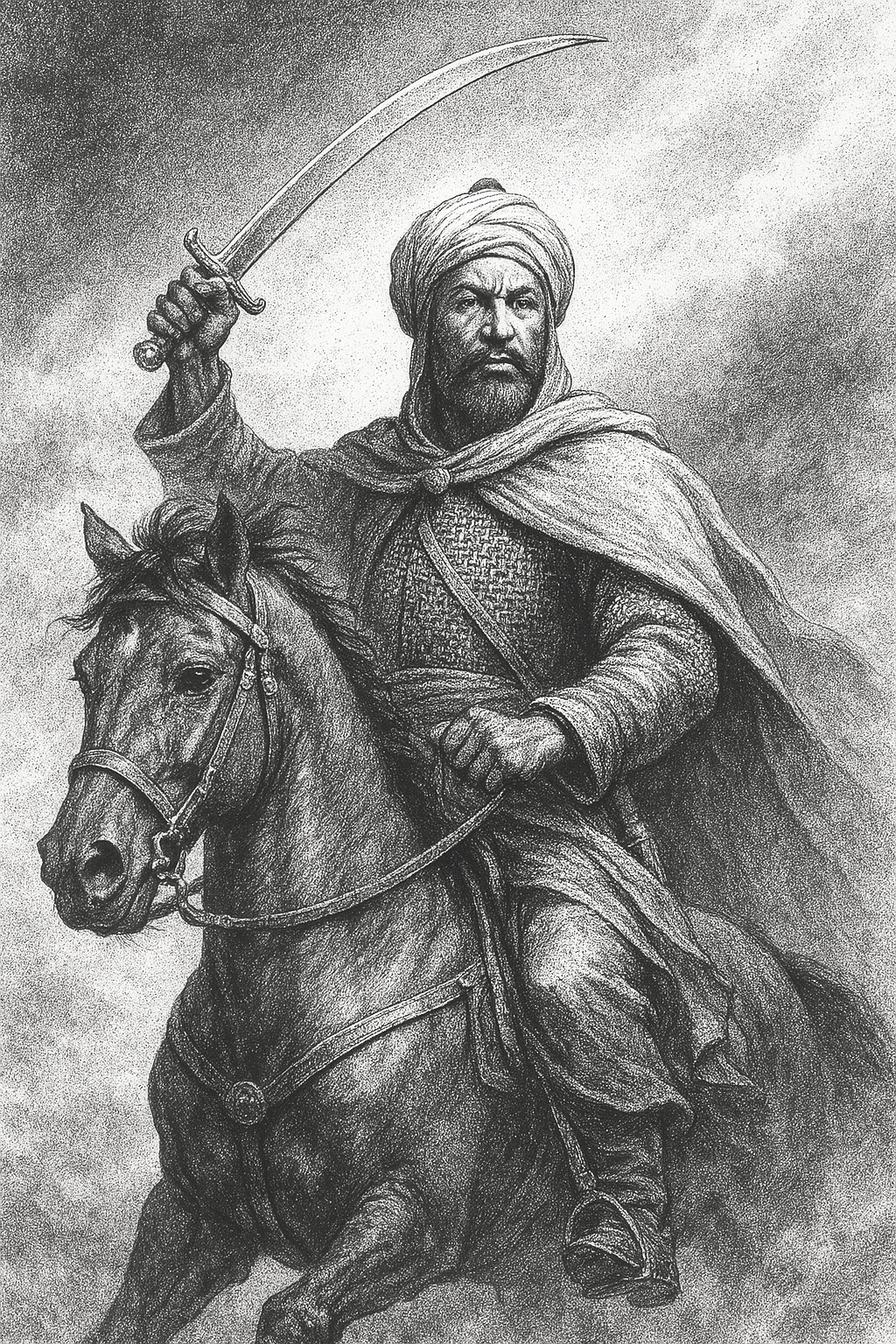
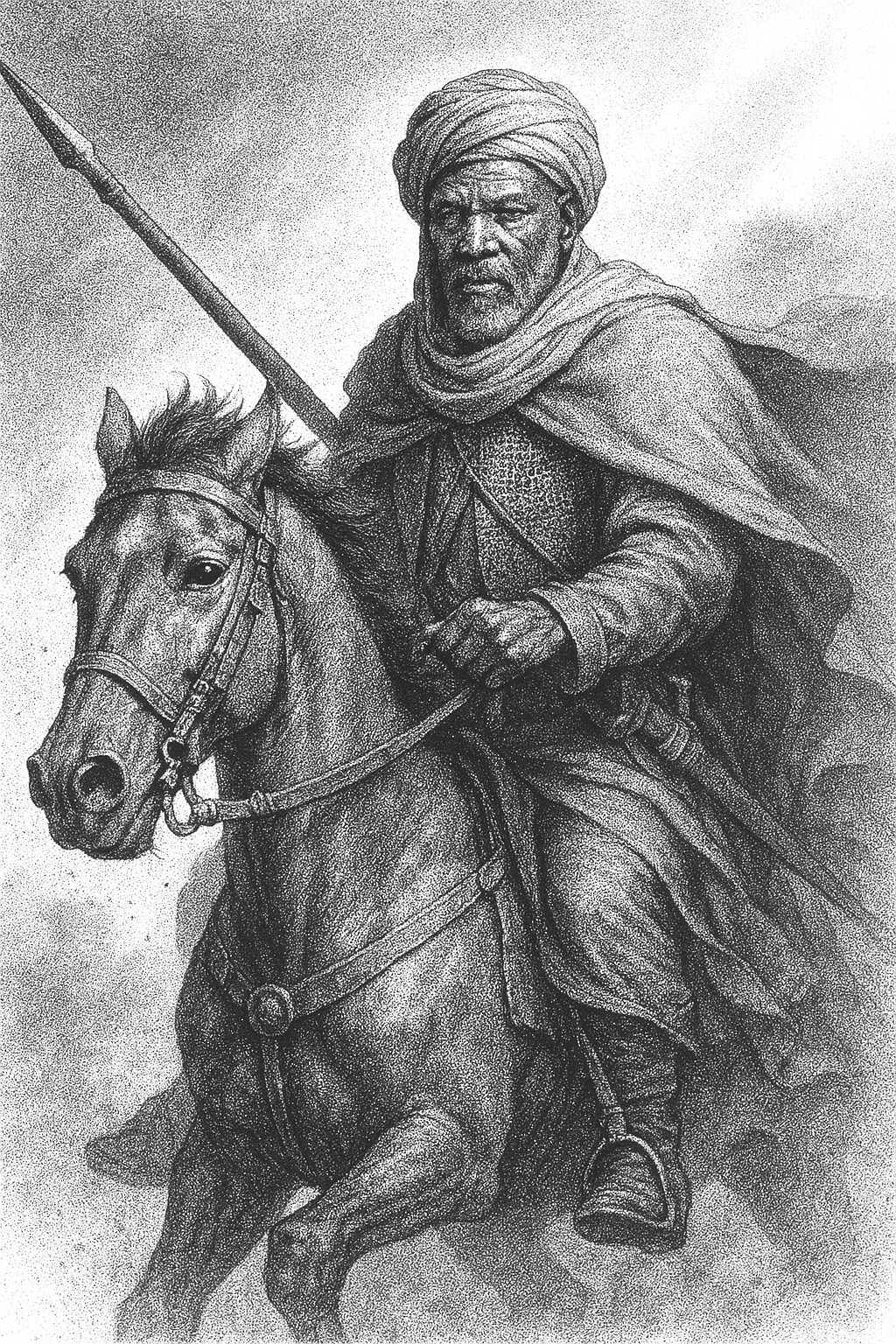
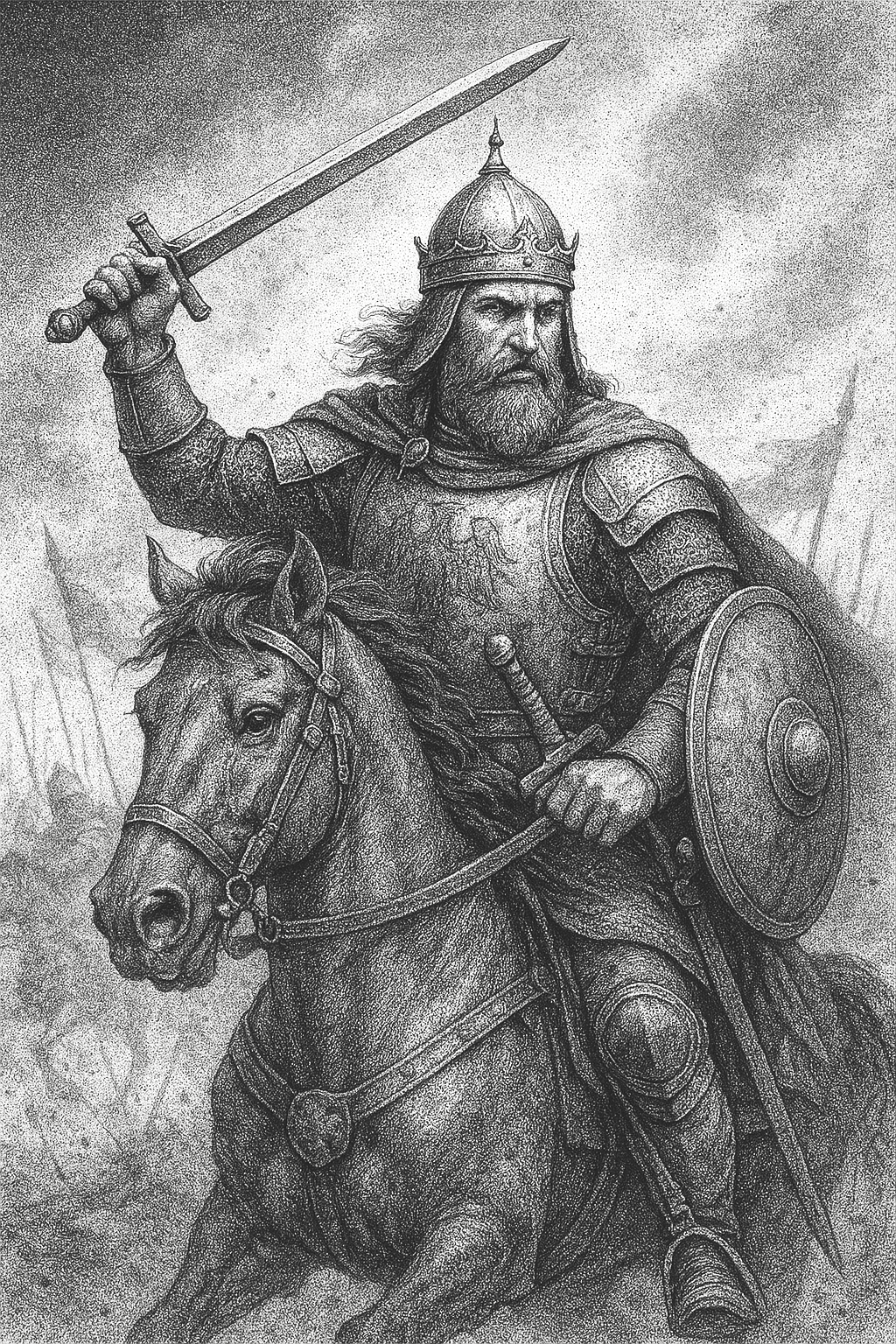
Baldwin I of Jerusalem was the first king of the Crusader Kingdom of Jerusalem, a hard-edged Frankish warlord who turned conquest into governance. He secured and expanded the kingdom through relentless warfare, political pragmatism, and a clear-eyed understanding that survival mattered more than sanctity.
Rank - 150
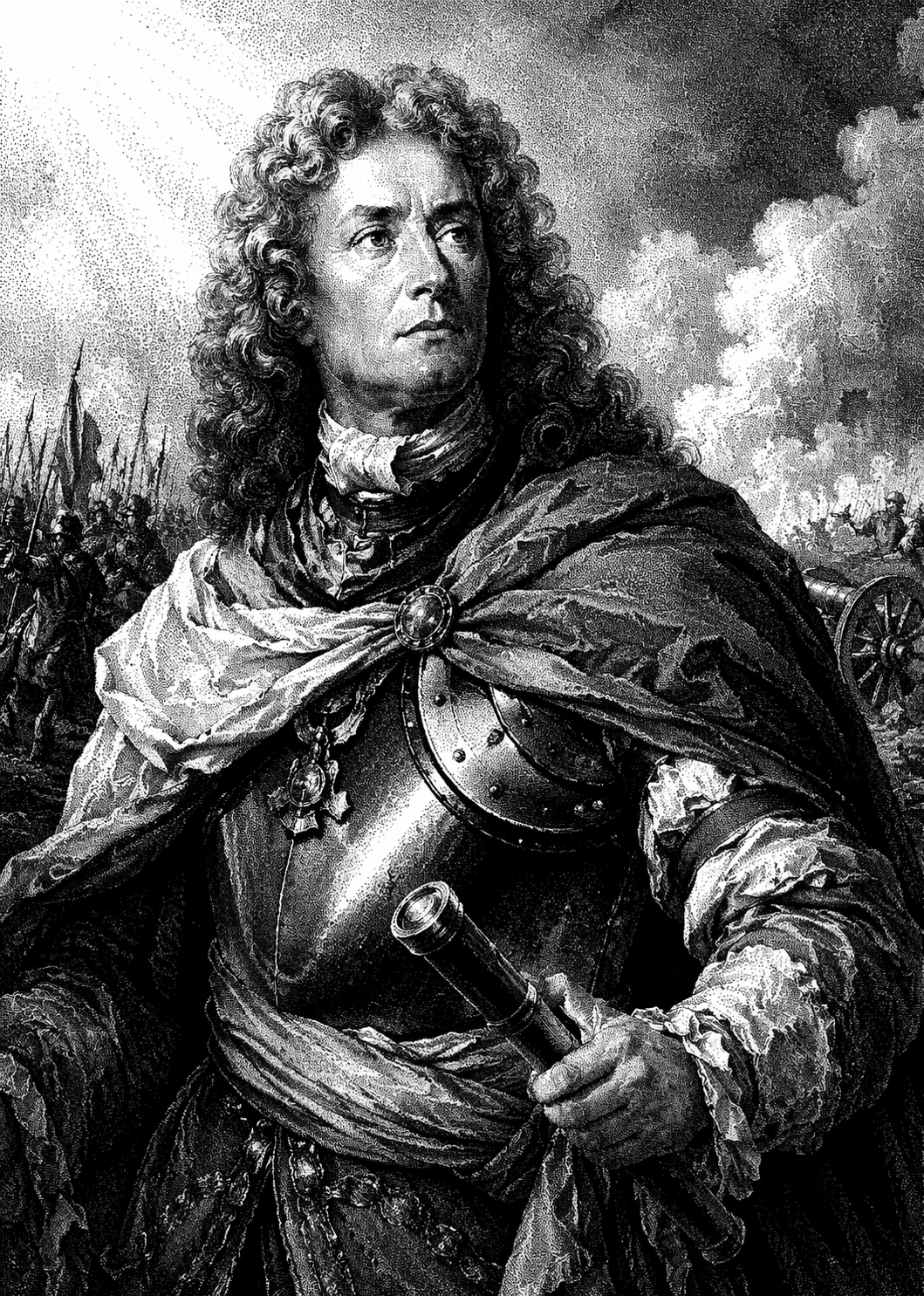
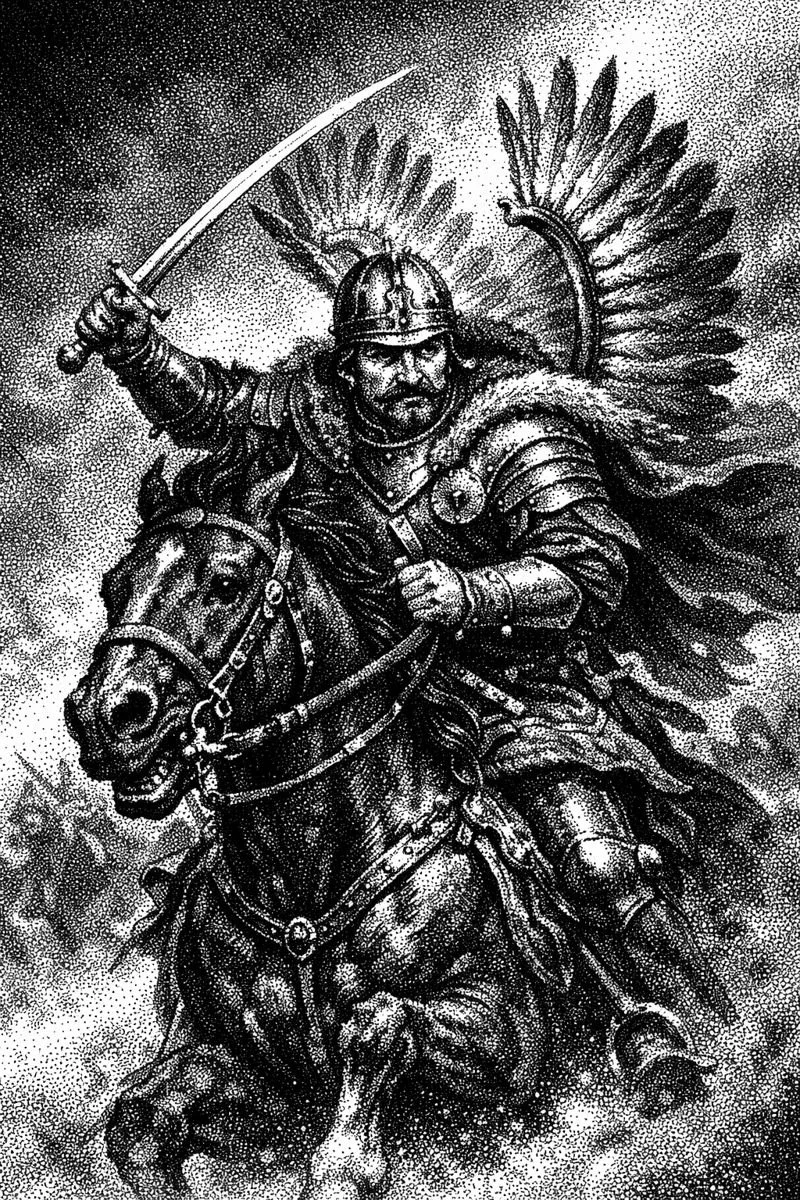
John III Sobieski was the Polish king who thundered downhill at Vienna and changed Europe’s fate in a single charge.
Rank - 152
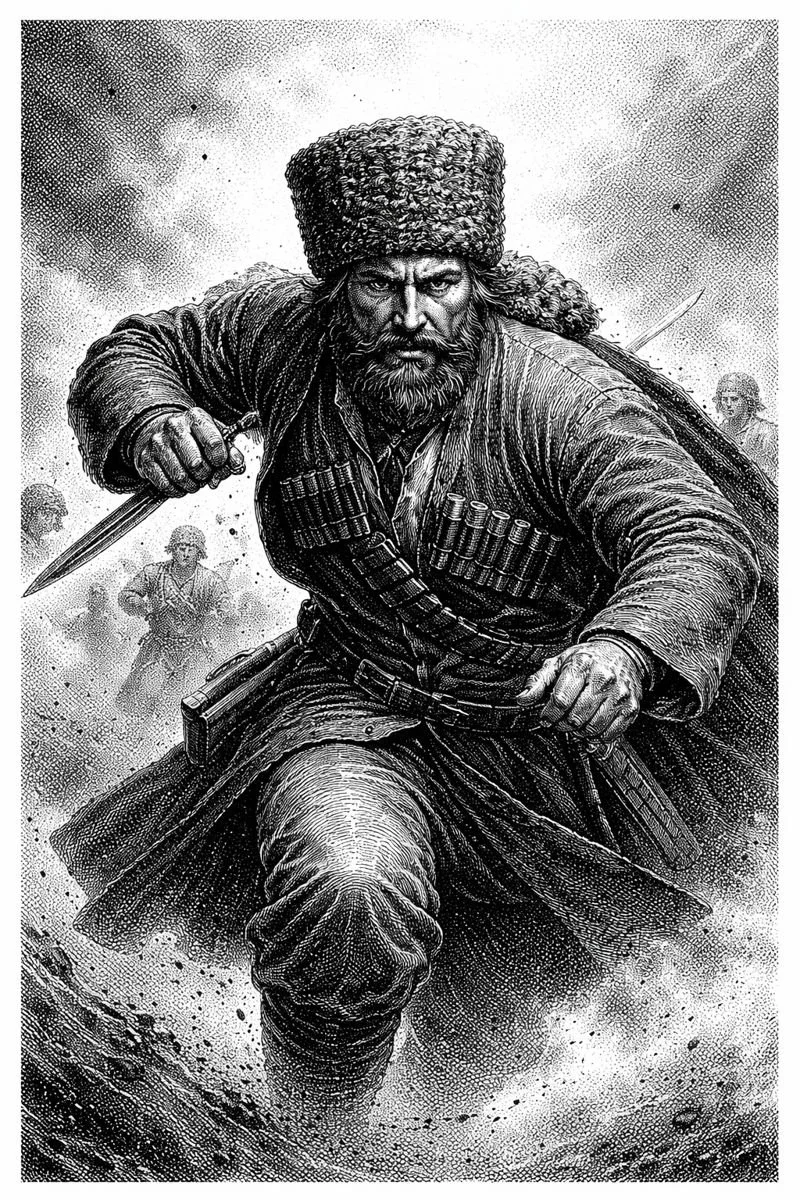
Mountain warlord, double-crossing survivor, and nightmare of the Russian Empire. He fought for faith, power, and family in that order—then died doing all three at once, proving the Caucasus never belonged to anyone who wanted it neatly.
Rank - 153
He conquered the Andes with mathematics, sunlight, and an unreasonable sense of direction.
Rank - 160
He rose from vengeance to empire, turning tribal blood feuds into the blueprint for a dynasty.
Rank - 161
Yūsuf ibn Tāshfīn carved an empire from the Sahara to al-Andalus with austere discipline, relentless cavalry, and a quiet ruthlessness that outlived every king who underestimated him.
Rank - 162
Moulay Ismail ruled Morocco like a furnace with a crown, forging unity through terror, the Black Guard, and a fifty-year rei gn where mercy was the only thing he never built.
Rank - 163
Askia Muhammad I rose from seasoned commander to empire-shaping monarch, forging the largest realm in West African history through ruthless discipline, political precision, and relentless conquest.
Rank - 164
Stefan Dušan rode through the Balkan smoke like a man convinced the world was one good conquest away from making sense, leaving empires, enemies, and common sense trampled under his horse’s hooves.
Rank - 165
Banda Singh Bahadur was a fearless Sikh revolutionary who rose from ascetic origins to lead a populist uprising that shattered Mughal power and redefined resistance in 18th-century India.
Rank - 170
Oliver Cromwell was a 17th-century English general and ruler who reshaped Britain through military victory, regicide, and authoritarian rule.
Rank - 174
Piye rode into a broken Egypt like a storm given human shape—calm, relentless, and absolutely certain he’d been sent to clean up a mess only a Kushite king could tame.
Rank - 176
Sonni Ali was the ruthless 15th-century warlord-king of Songhai who carved an empire out of West Africa with cavalry, river fleets, and a famously uncompromising taste for conquest.
Rank - 177
Che Guevara was an Argentine revolutionary and guerrilla commander who became both a symbol of global rebellion and a cautionary tale of how conviction can burn a man alive from the inside out.
Rank - 181
Blind, defiant, and tethered to his men by reins, John of Bohemia spurred his horse straight into the storm of arrows—because dying blind in battle still beat living to see chivalry die.
Rank - 182
Charles Martel was the bastard-turned-kingmaker who stopped an empire with a hammer and accidentally built one of his own.
Rank - 183
Godfrey of Bouillon stormed Jerusalem with holy fire in his eyes and left it bathed in the kind of righteousness that smells like smoke and blood.
Rank - 184
A teenage peasant turned holy warlord, Joan of Arc burned her way from battlefield glory to martyrdom and sainthood.
Rank - 186
Khalid ibn al-Walid, the undefeated “Sword of God,” carved an empire from the desert with speed, faith, and a blade that never once tasted defeat.
Rank - 189
Basil II, the grim accountant of empire, turned vengeance into policy and left the Balkans blind to remind the world that mercy was never in his ledger.
Rank - 192
Defiant to her final breath, Dihya united the Berber tribes and turned the desert itself into a weapon against the invading Caliphate.
Rank - 193
The bastard who burned his ships and an empire with them, Hernán Cortés turned ambition into apocalypse and called it salvation.
Rank - 200
Boudica, the fire-haired queen of the Iceni, rose from humiliation to torch Roman Britain in a rebellion that turned vengeance into legend.
Rank - 201
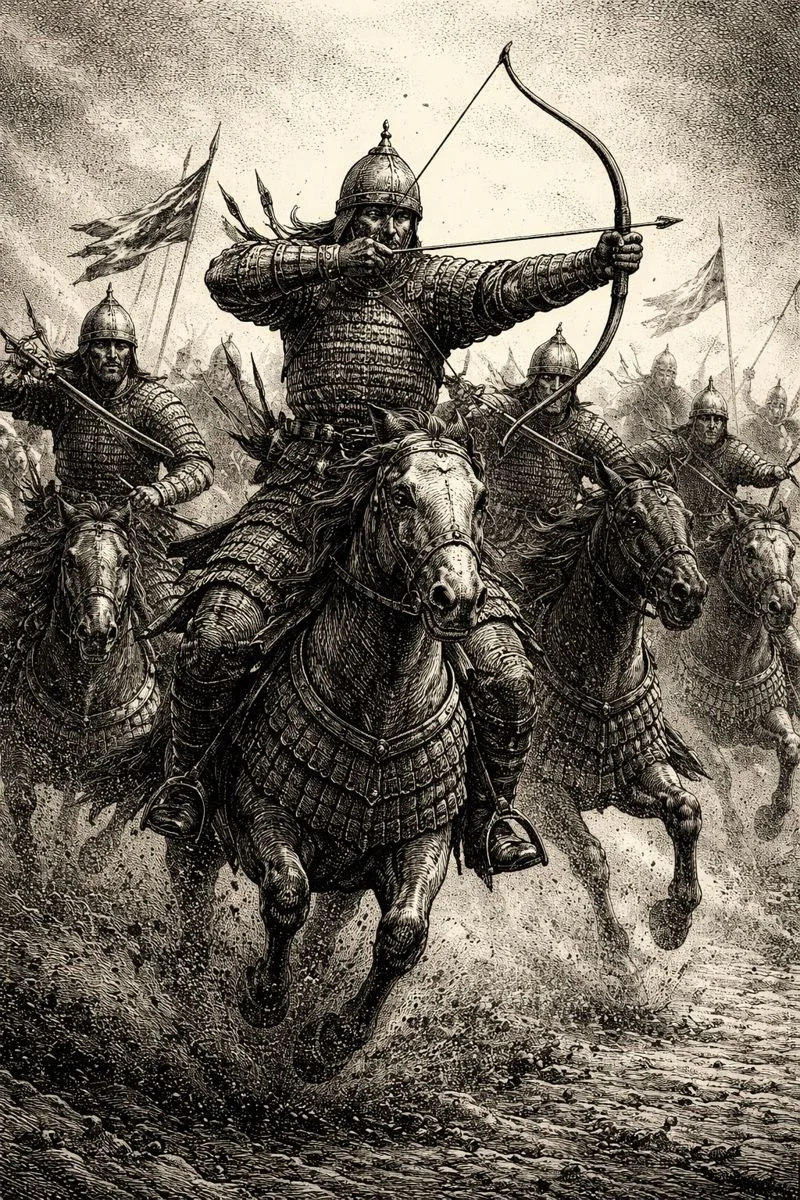
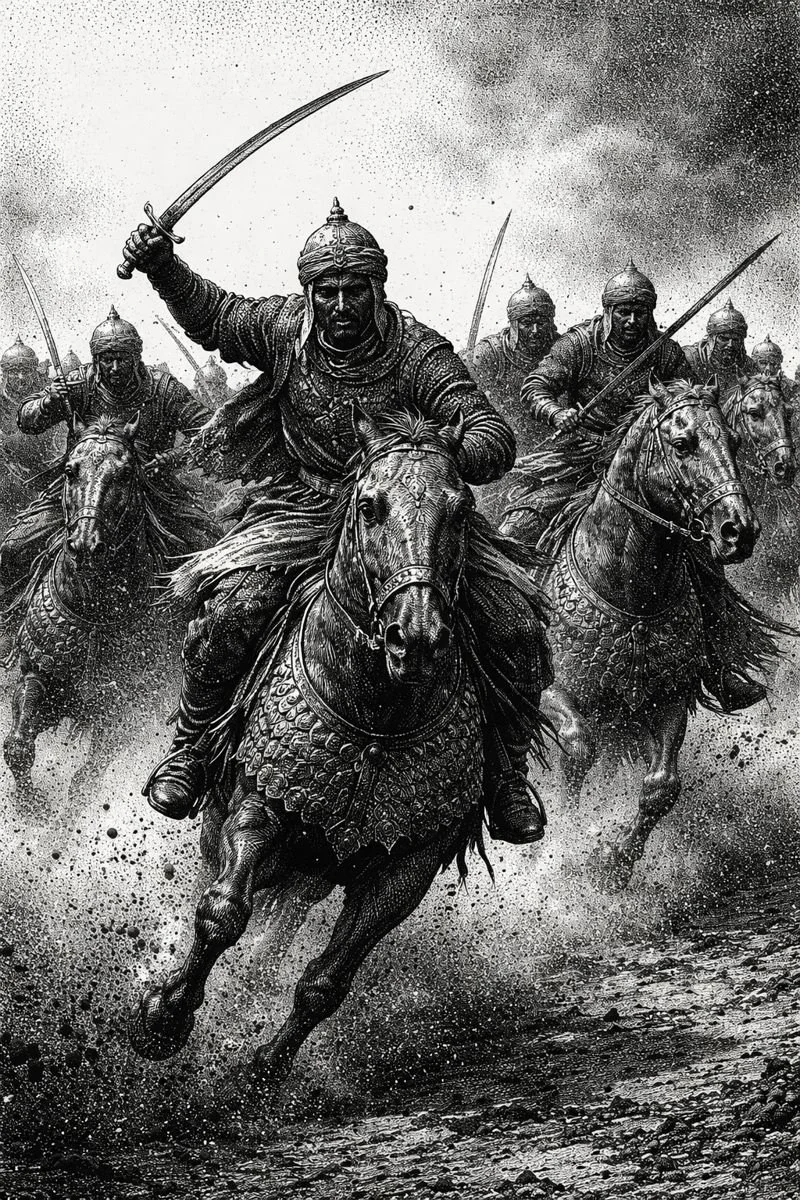
A professional cavalry brotherhood forged from enslaved youths, the Fatimid and Ayyubid Mamluk horsemen mastered discipline, mobility, and shock warfare to become the decisive military force of medieval Egypt and Syria.
Group Rank - 180
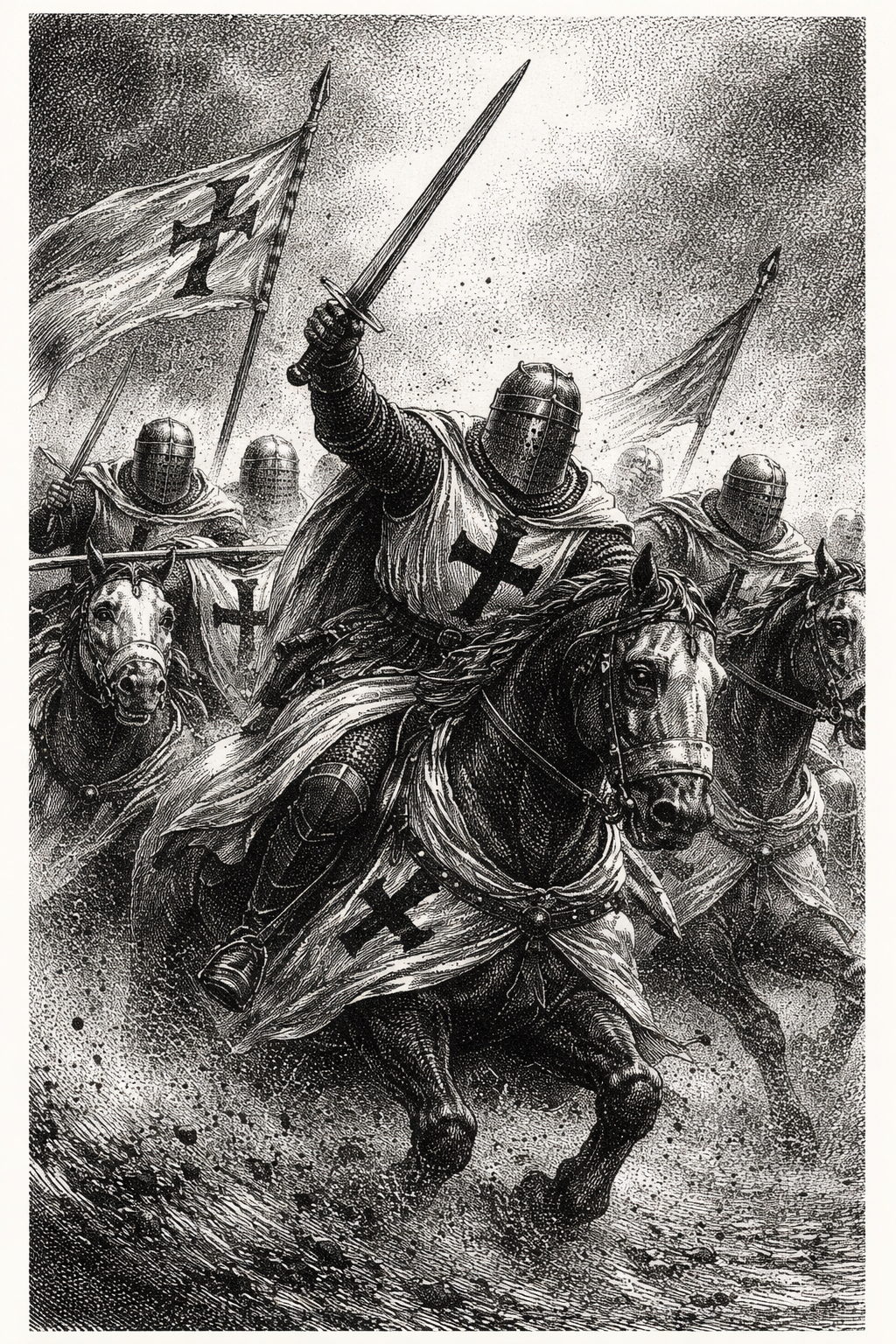
The Teutonic Knights were a medieval military order that fused monastic discipline with state-building warfare, conquering and ruling large parts of the Baltic through crusade, colonization, and fortified power.
Group Rank - 182
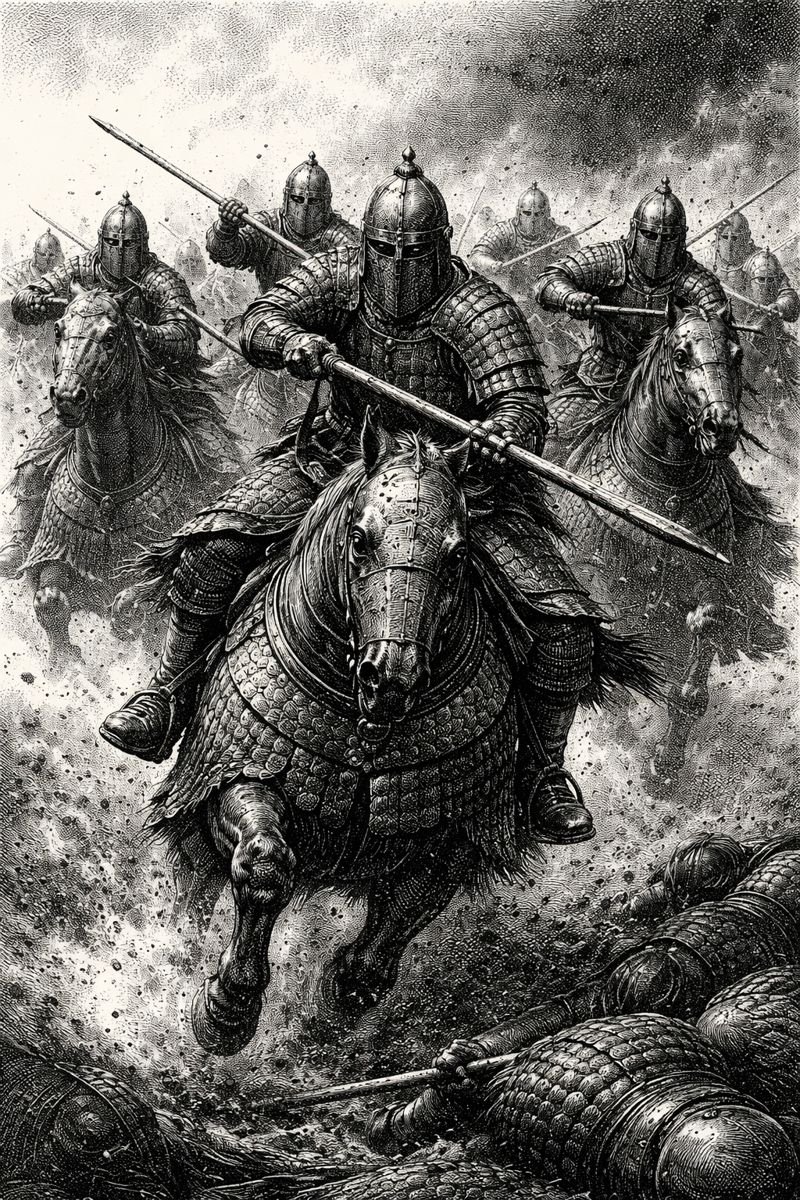
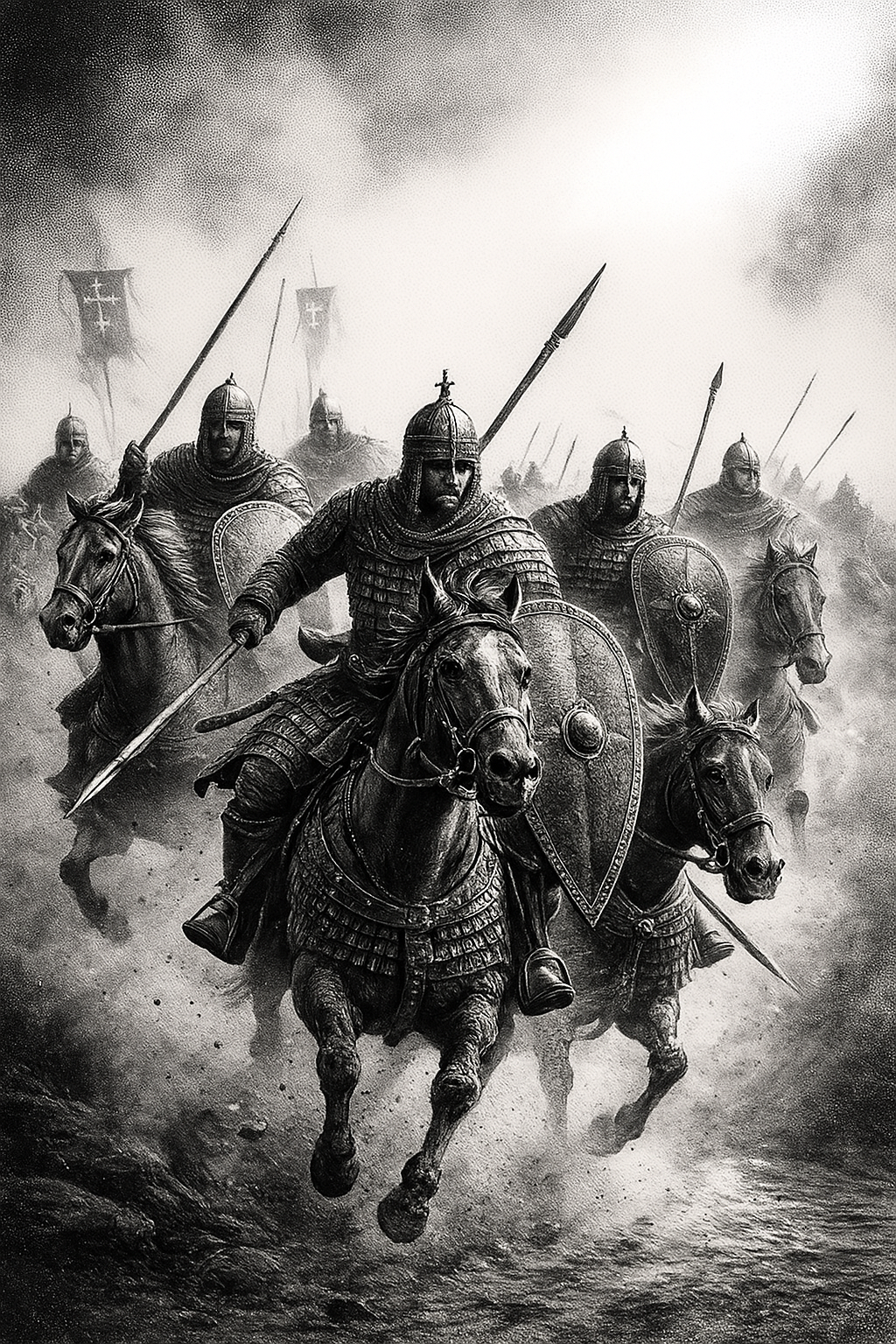
A disciplined wall of armored horsemen advances with relentless precision, embodying the Byzantine Empire’s doctrine of patience, weight, and inevitable force on the battlefield.
Group Rank - 184
The Tagmata rode like a disciplined storm loosed from the palace gates, a brotherhood of armored precision that broke rebellions, crushed invasions, and outlived the emperors they served.
Group Rank - 188
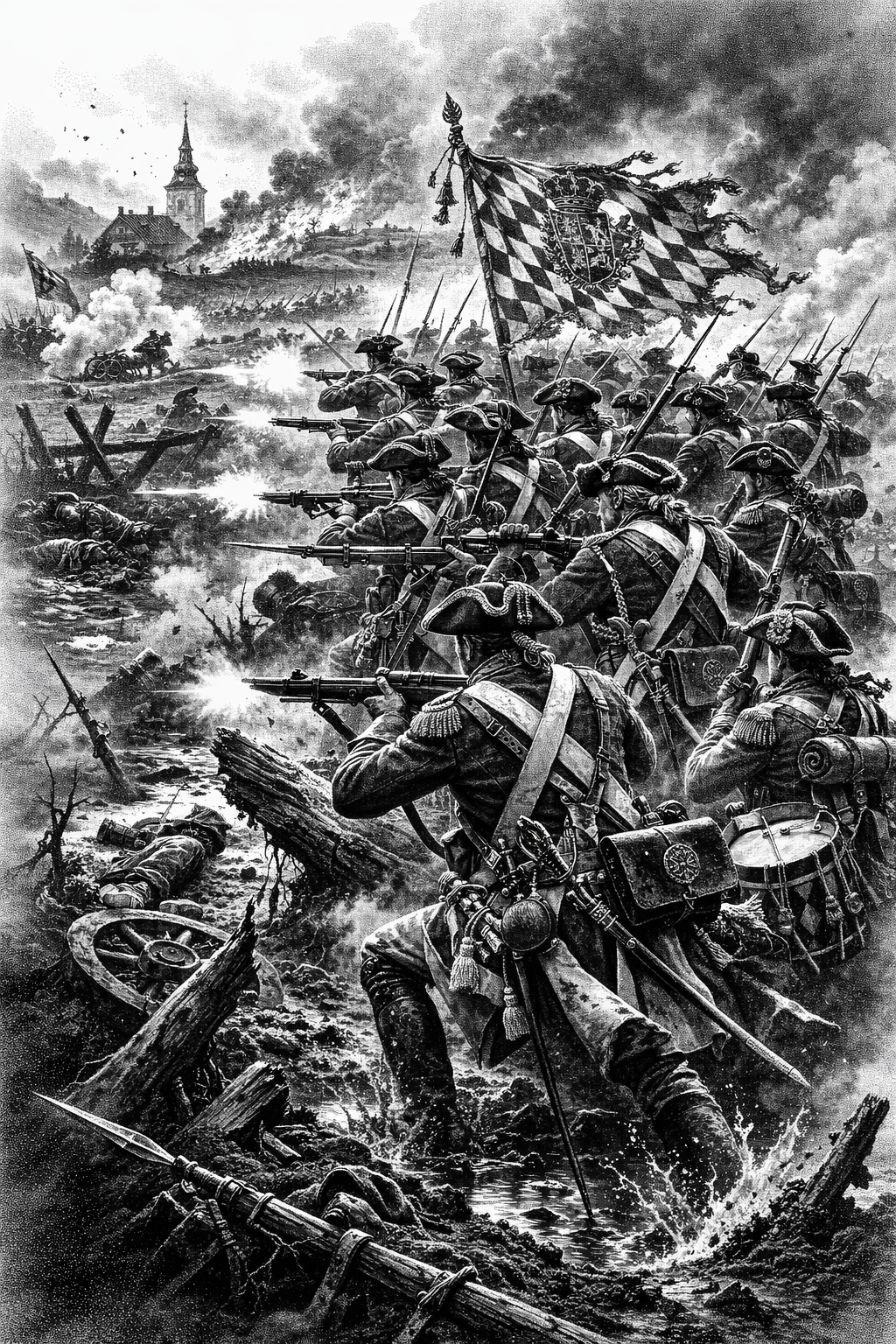
They advanced like a single starving organism made of steel, superstition, and the certainty that the world existed only to be taken.
Group Rank - 193
The Solomonic Knights fought for seven centuries with blades, faith, and terrifying resolve, carving Ethiopia’s destiny into the highlands one battlefield at a time.
Group Rank - 199
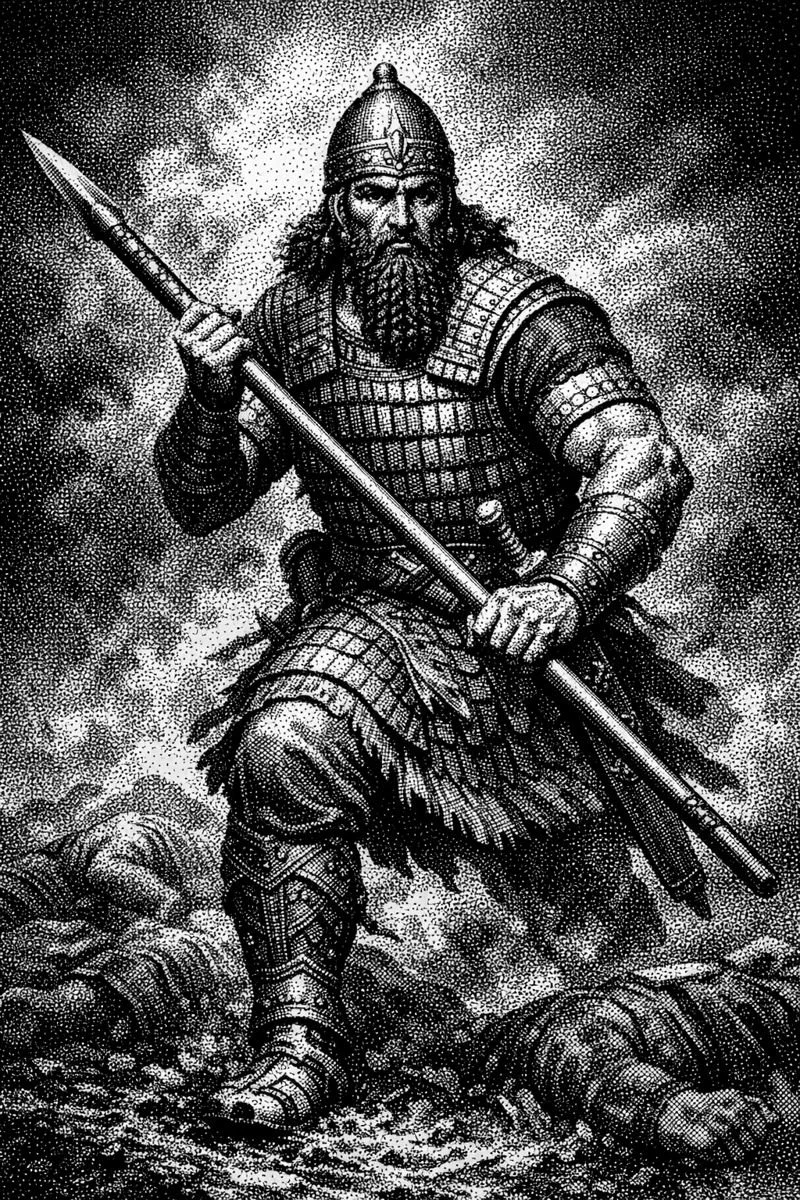
Tiglath-Pileser I was an Assyrian king of the 12th century BCE who expanded his empire through relentless military campaigns and the calculated use of terror as state policy. His meticulously recorded conquests turned violence into propaganda and set the template for later Assyrian imperial power.
Rank - 149