Alexander Nevsky
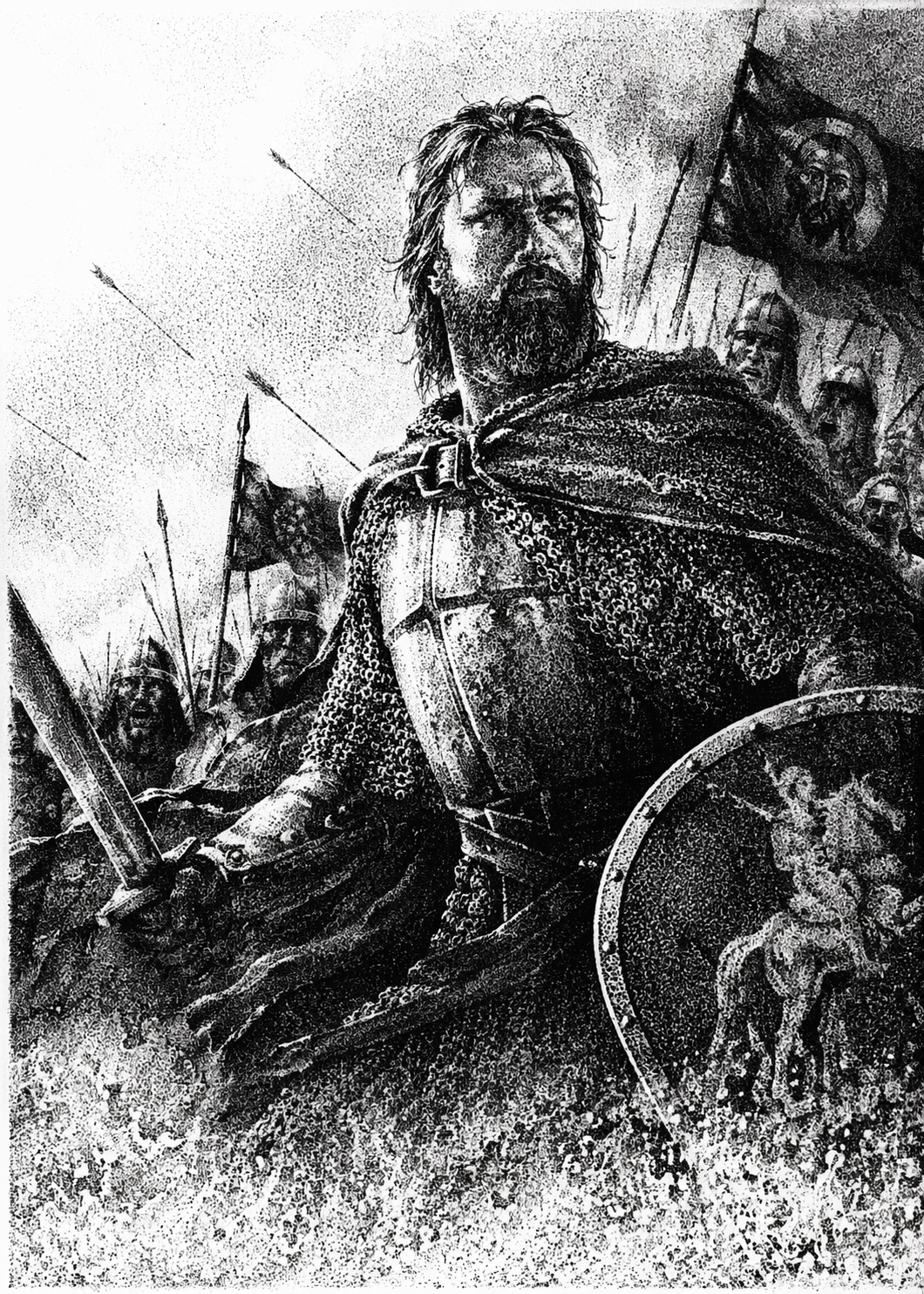
(c. 1221-1263)
Russian prince who crushed crusaders, balanced Mongols, became saint legend
“When the enemy arrives on ice, pray for spring.”
Old Russian saying, probably invented after the bodies thawed.Lake Peipus, April 1242. The world is white, hard, and eager to kill.
Men scream differently in winter. Sound travels farther over frozen water, so panic gets excellent acoustics. Horses slip like drunks on polished church floors. Steel rings. Spears splinter. A knight in forty pounds of sanctified metal topples sideways and vanishes beneath a pile of screaming Germans and disappointed theology. Snow turns pink, then red, then the sort of brown color history politely edits out.
At the center of this elegant catastrophe rode Alexander Nevsky, a prince with the face of an icon and the practical instincts of a knife salesman. Later generations would paint halos around him. At the moment, he was mostly mud, horse sweat, and calculation.
Across from him came the Teutonic Order, armored missionaries who believed salvation could be delivered point-first. They were disciplined, brave, heavily equipped, and catastrophically committed to the proposition that local people would enjoy being conquered for their own good. Medieval Europe produced many bad ideas, but “charge cavalry across uncertain ice into men who live here” deserves special mention.
Alexander knew something eternal: locals understand terrain; invaders understand brochures.
He had been born around 1221, son of Prince Yaroslav Vsevolodovich, into the delightful political ecosystem of Kievan Rus’ successor states, where cousins betrayed cousins, cities sulked, and everyone occasionally burned everyone else’s granaries. It was a world of princelings, tribute, and sharp objects. Young Alexander learned quickly that crowns are hats balanced on swords.
He first made his name in 1240 on the Neva River, where Swedish forces arrived hoping to improve the neighborhood through invasion. Alexander attacked hard and fast, won, and picked up the nickname “Nevsky.” Medieval branding was efficient. You win one battle by a river, congratulations, that is your name now. Better than Alexander Tax-Dispute-Son.
Then came the larger problem: eastward, the Mongols had smashed Rus’ principalities into tribute-paying obedience. Westward, Catholic crusading orders pushed into Baltic lands with mailed fists and pious paperwork. Most rulers confronted by two predators choose one badly. Alexander chose one coldly.
He understood the Mongols were terrifying but transactional. Pay tribute, kneel strategically, survive. The western crusaders were smaller in number but culturally absorbent. They wanted souls, laws, bishops, and permanent redesign. One empire wanted taxes. The other wanted renovation. Alexander preferred the cheaper landlord.
So while later romantics dreamed of holy resistance in every direction, Alexander practiced the nobler art of staying alive.
That brings us back to the ice.
The Teutonic knights and their allies advanced in wedge formation, the famous boar’s snout, designed to punch through infantry lines like a spear through wet linen. It often worked. Today it met Russian forces who yielded, bent, and then wrapped inward. Alexander’s flanks pressed. Arrows found seams. Horses lost footing. Men in expensive armor discovered that weight becomes philosophy when gravity joins the enemy.
The famous legend says the ice cracked beneath the crusaders and swallowed them whole. Reality is less theatrical but more convincing. Parts of the frozen lake were treacherous, movement chaotic, and retreat murderous. Many were cut down, captured, or drowned in the confusion. Not every myth needs to be literally true to be emotionally accurate. Enough men died cold and badly that memory did the rest.
The Battle on the Ice made Alexander immortal. It was not merely a victory. It was a message: Russia could bleed, bend, pay tribute, squabble internally, and still remain profoundly difficult to digest.
He followed triumph not with reckless empire-building, but with administration, diplomacy, and periodic humiliation before Mongol khans. This offended later patriots who prefer their heroes permanently roaring. But roaring gets cities burned. Alexander traveled repeatedly to the Mongol Empire power centers, negotiated terms, calmed rebellions, and kept Novgorod and other lands from becoming smoking examples.
This made him either wise statesman or collaborator, depending on whether the critic owned land currently on fire.
He became Grand Prince of Vladimir in 1252. He suppressed anti-Mongol uprisings when necessary, because dead peasants inspire poetry but not tax revenue. He maneuvered through impossible politics with the smile of a saint and the ethics of a locksmith. To govern frontier states between hammer and anvil, one must occasionally impersonate the hammer.
His death in 1263 came not on a battlefield but returning from another journey connected to Mongol diplomacy. He fell ill at Gorodets, took monastic vows near the end, and died as many formidable men do: in bed, surrounded by ceremony, while younger fools prepared to waste what he had preserved.
Then the afterlife machinery began.
The Russian Orthodox Church canonized him as a saint. Chroniclers polished edges, dimmed compromises, and brightened miracles. Princes need victories; churches need exemplars; nations need ancestors who seem to have always agreed with current policy.
Centuries later, Sergei Eisenstein resurrected him in the 1938 film Alexander Nevsky, where he became a Soviet proto-patriot smashing German invaders with operatic conviction. Convenient timing, considering Europe’s weather forecast. Sergei Prokofiev supplied thunderous music so audiences could feel history marching in steel boots. The medieval prince who once compromised with Mongols was repackaged as eternal anti-Western resistance. Every age tailors dead heroes like old uniforms.
Modern Russia still invokes him. Orders, medals, statues, speeches. The man survives because he is useful to opposite camps: pragmatists praise his realism, nationalists his victories, believers his sainthood, filmmakers his profile. He is history’s Swiss Army knife with a beard.
But strip away incense, soundtrack, and patriotic upholstery, and what remains is sharper.
Alexander Nevsky was not a cartoon knight in shining certainty. He was a frontier ruler trapped between monsters, choosing which teeth to feed so the rest of the body might live. He fought brilliantly when battle mattered and bowed when battle was suicide. That combination is rare because it requires courage and ego control, which seldom share a horse.
On Lake Peipus, men drowned in armor and doctrine. Alexander rode away into legend, which is merely another kind of armor, heavier and harder to remove.
And in politics, as on ice, the loudest man is usually the first to fall through.
Warrior rank #115
Sources
The Chronicle of Novgorod
Janet Martin, Medieval Russia 980–1584
John Fennell, The Crisis of Medieval Russia
Sergei Eisenstein, Alexander Nevsky (1938)
Anonymous monk, On the Surprising Buoyancy of Hubris
Tavern testimony from three men who definitely fought there, despite being born later

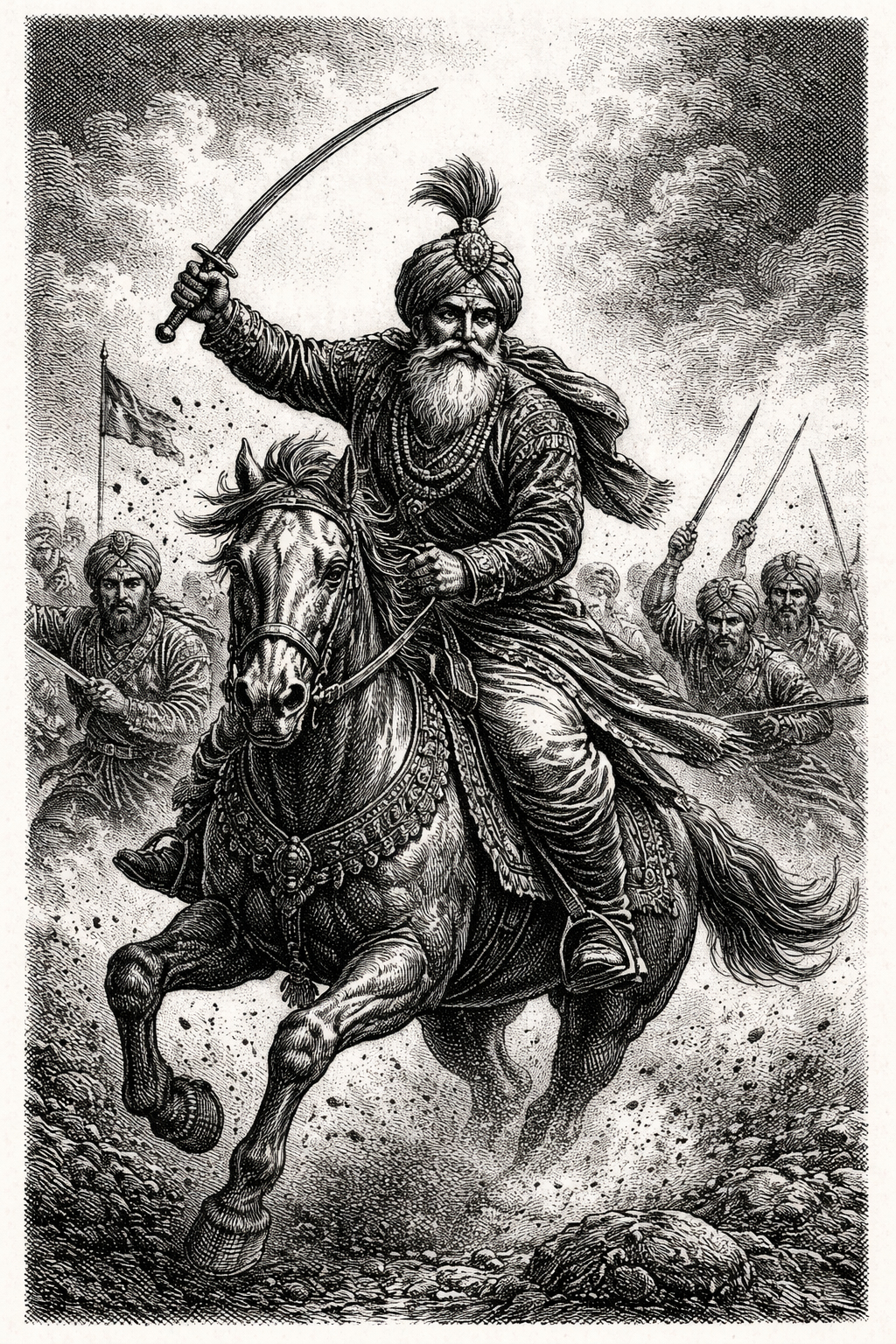
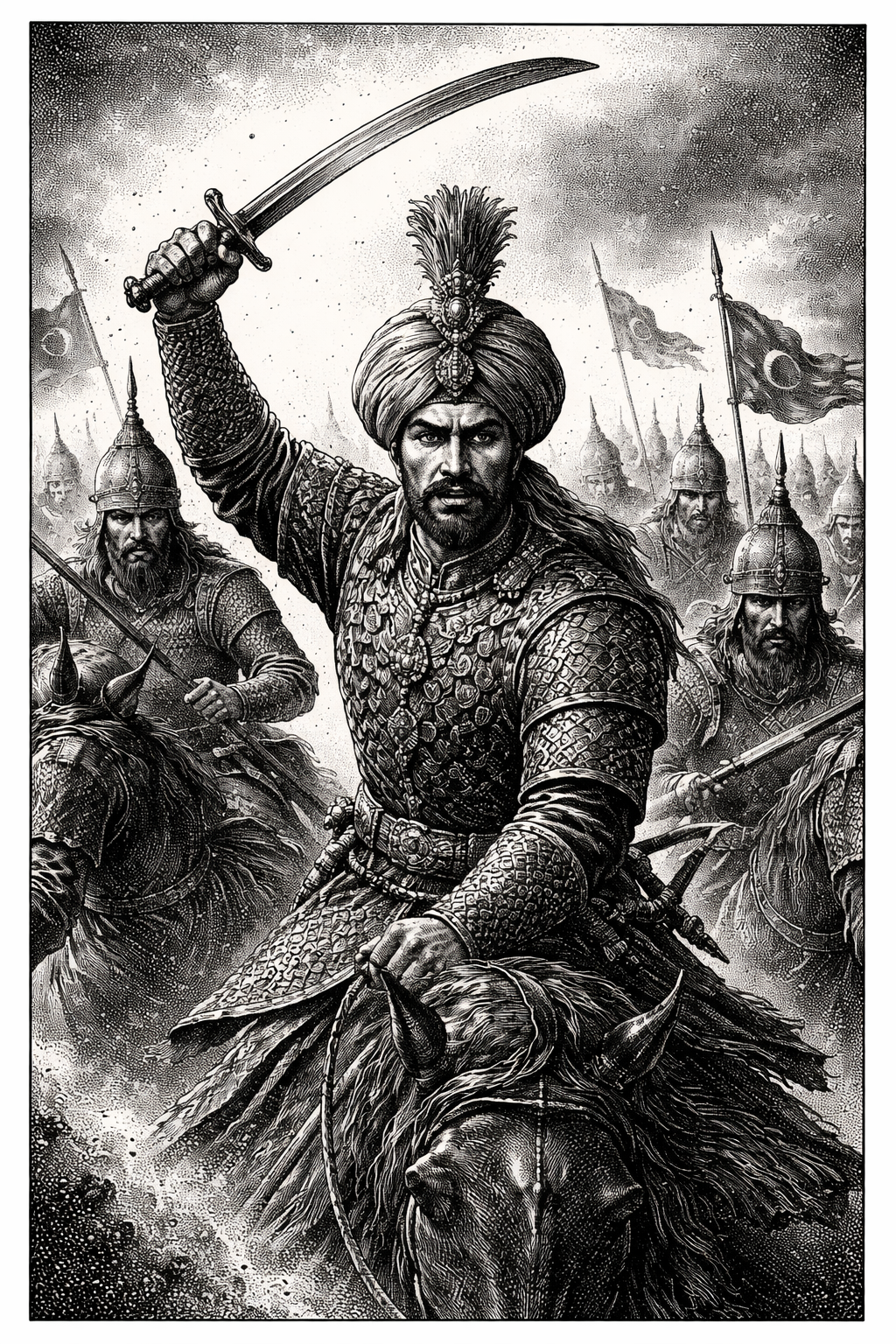
Alexander Nevsky was a 13th-century Russian prince famed for defeating invading forces at the Battle on the Ice in 1242. He became a national hero and later a saint, remembered as both warrior and shrewd diplomat.
Rank - 115