
History’s biggest Badasses

Jan Karol Chodkiewicz
At Khotyn, the dying Hetman turned his own last breaths into orders, leading from the edge of death until victory arrived without him.
Rank - 101
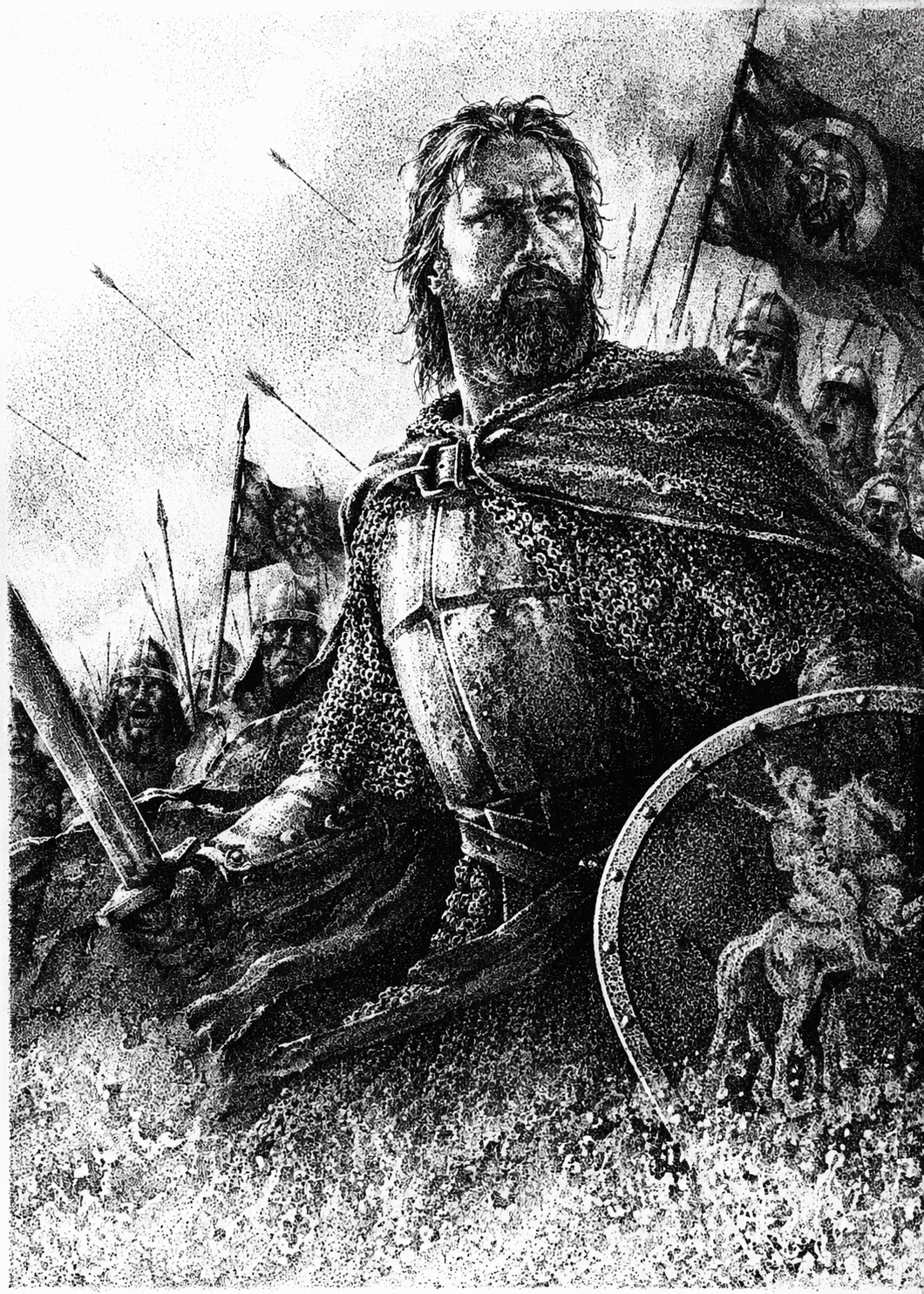
Alexander Nevsky
Alexander Nevsky was a 13th-century Russian prince famed for defeating invading forces at the Battle on the Ice in 1242. He became a national hero and later a saint, remembered as both warrior and shrewd diplomat.
Rank - 115
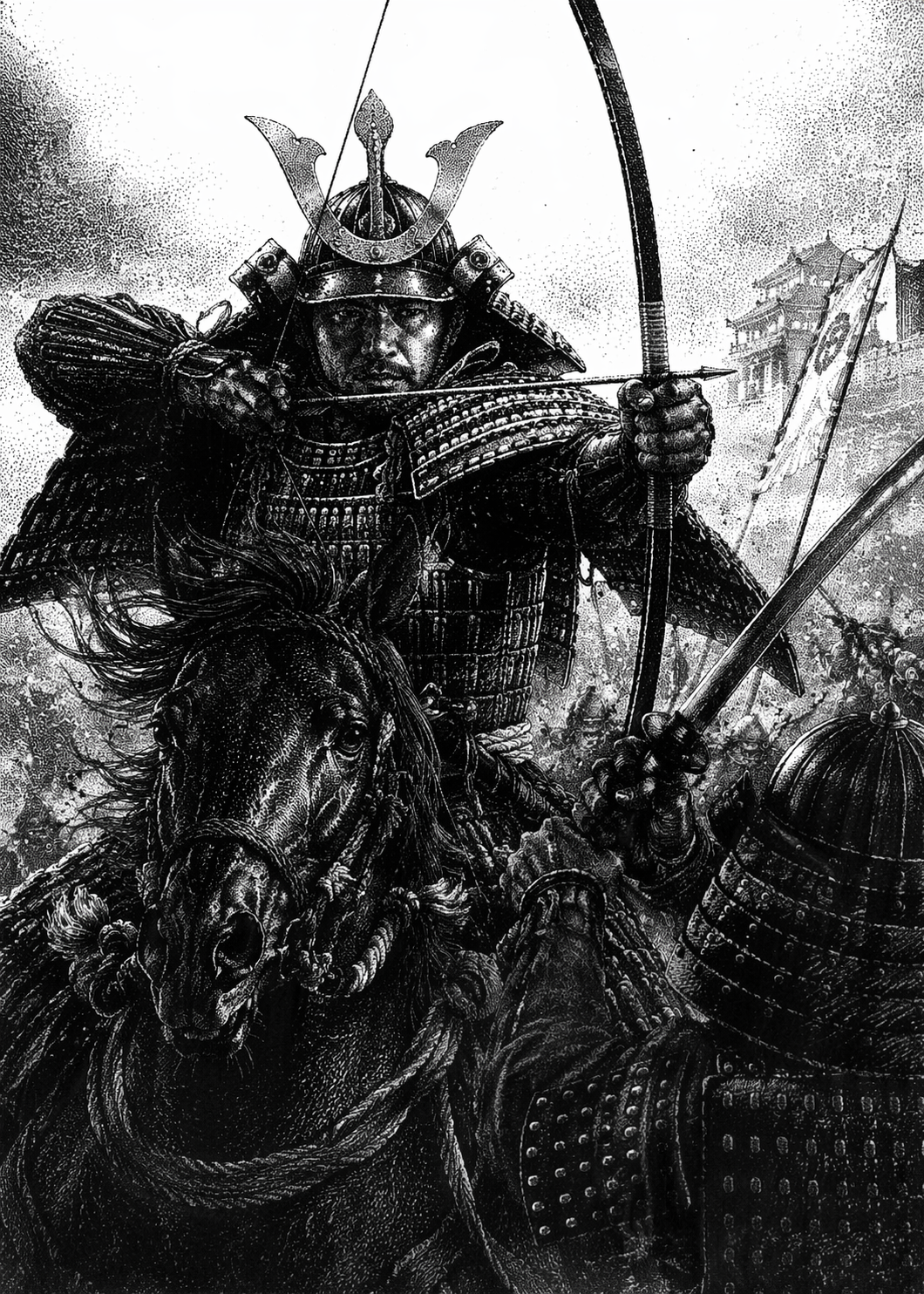
Minamoto no Yoshiie
Yoshiie rode through the northern wars like a man collecting storms, turning mud, arrows, and clan feuds into family prestige. Later ages called him noble; the dead likely used rougher language.
Rank - 116
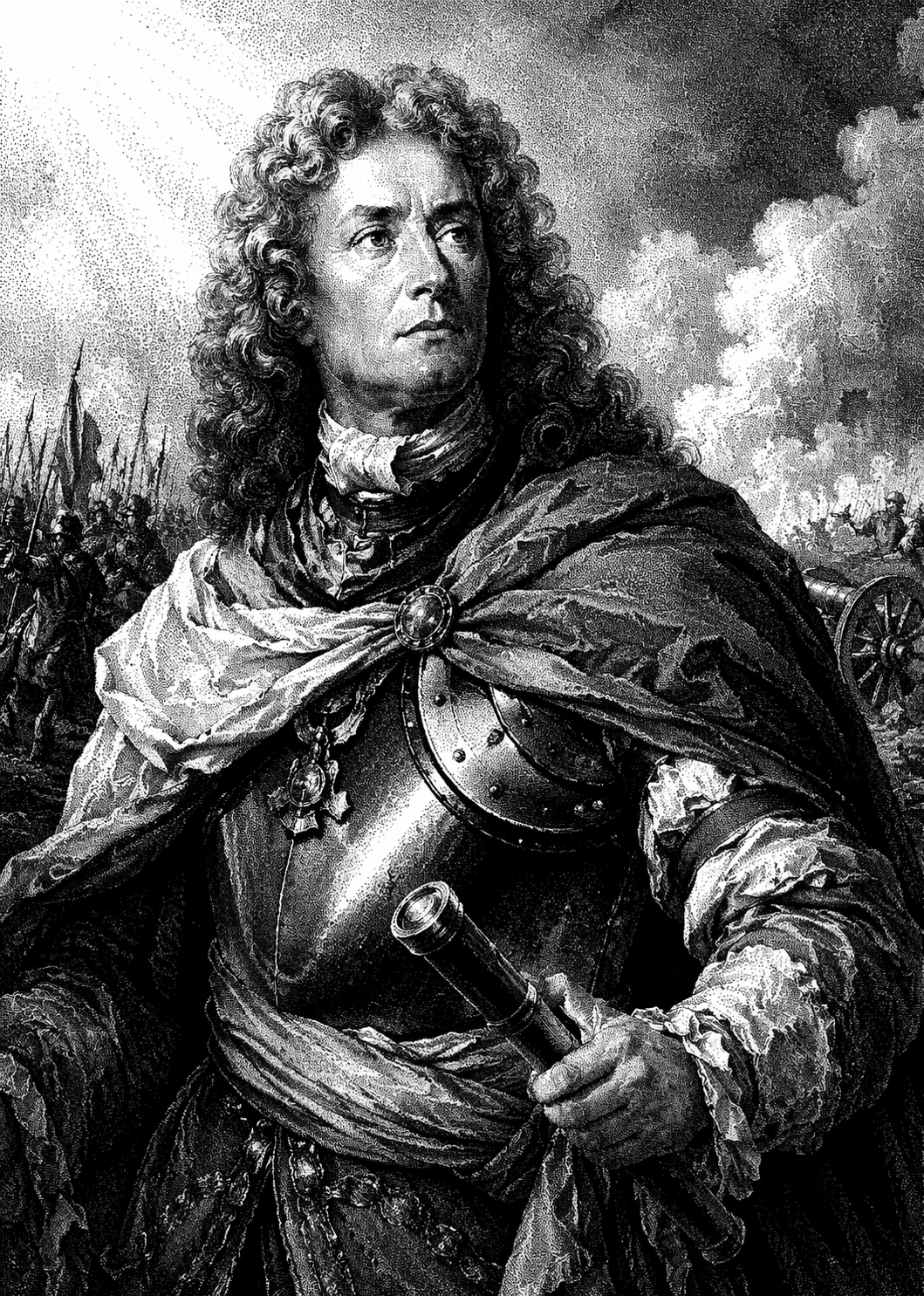
Gustavus Adolphus
The King of Sweden revolutionized European warfare with mobile artillery, disciplined infantry tactics, and aggressive battlefield coordination during the Thirty Years’ War. Called the Lion of the North, he died leading a cavalry charge at Lützen and became one of history’s most mythologized warrior-kings.
Rank - 117
Prince Eugene of Savoy
Prince Eugene of Savoy looked too slight for legend, then spent half a century humiliating empires. Rejected by France, he answered with cannon smoke, shattered armies, and victories that still smell faintly of gunpowder.
Rank - 118
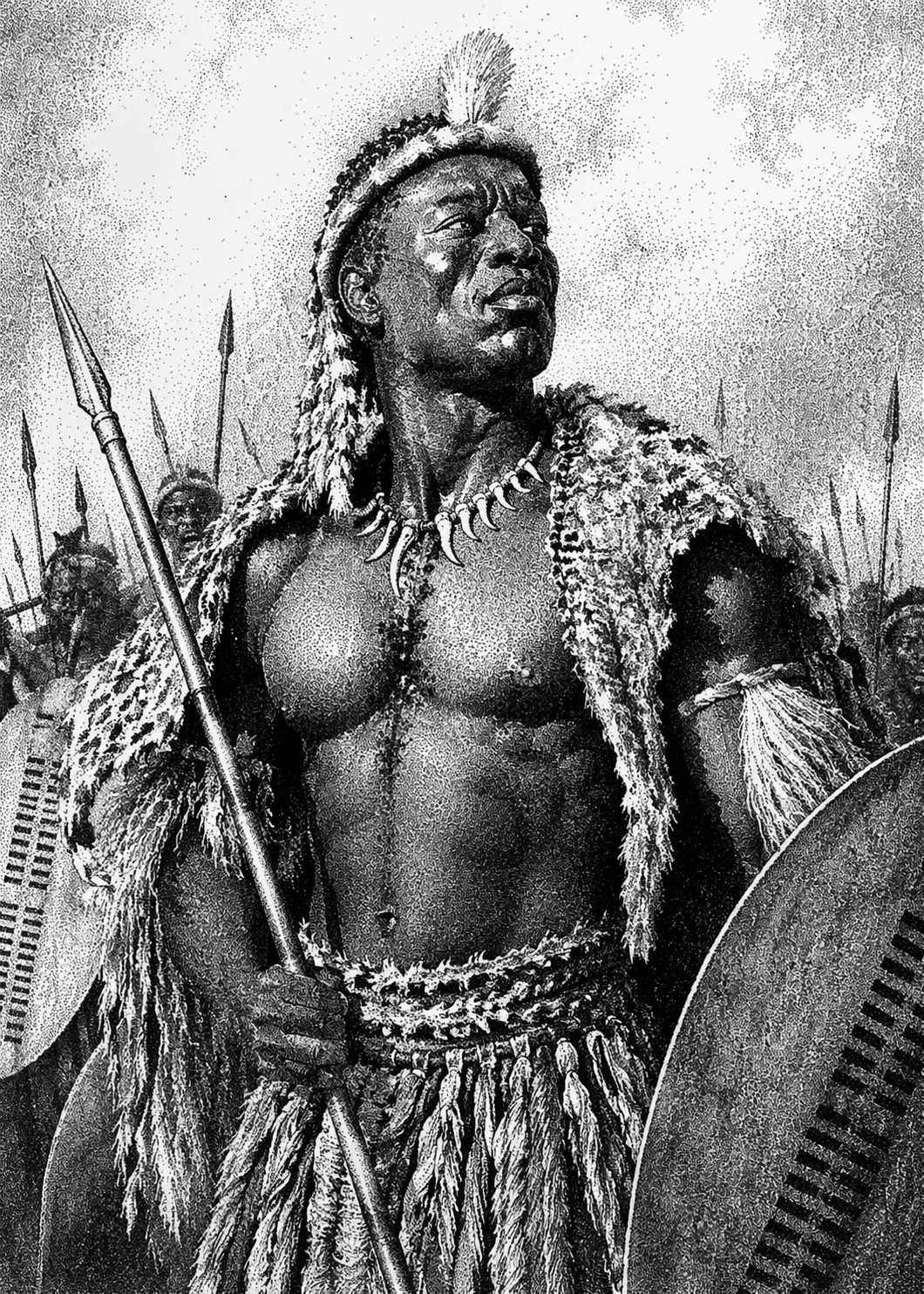
Shaka kaSenzangakhona
Shaka forged a small Zulu chiefdom into a feared kingdom through brutal discipline, military reform, and relentless conquest. He remade war itself, then was killed by his own brothers after teaching everyone nearby how power really works.
Rank - 119
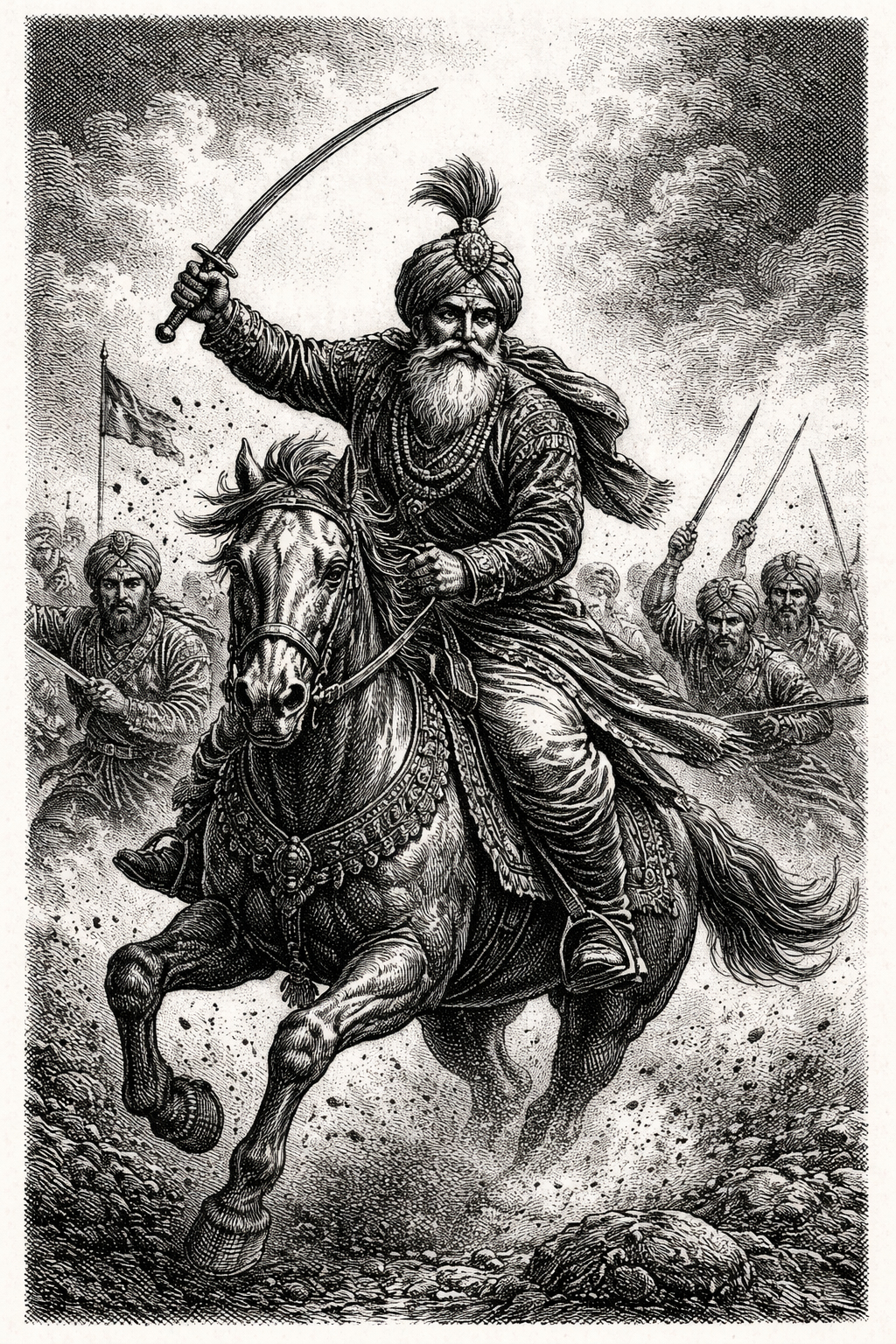
Ranjit Singh
Smoke rolled off Multan’s shattered walls as Ranjit Singh sat steady in the saddle, one eye narrowed against dust and destiny. He did not roar or rant. He simply watched the breach widen, watched his artillery argue theology with iron, watched history lean his way. The Lion of Punjab understood something louder men never did: you do not need two eyes to see an empire falling into your hands.
Rank - 120
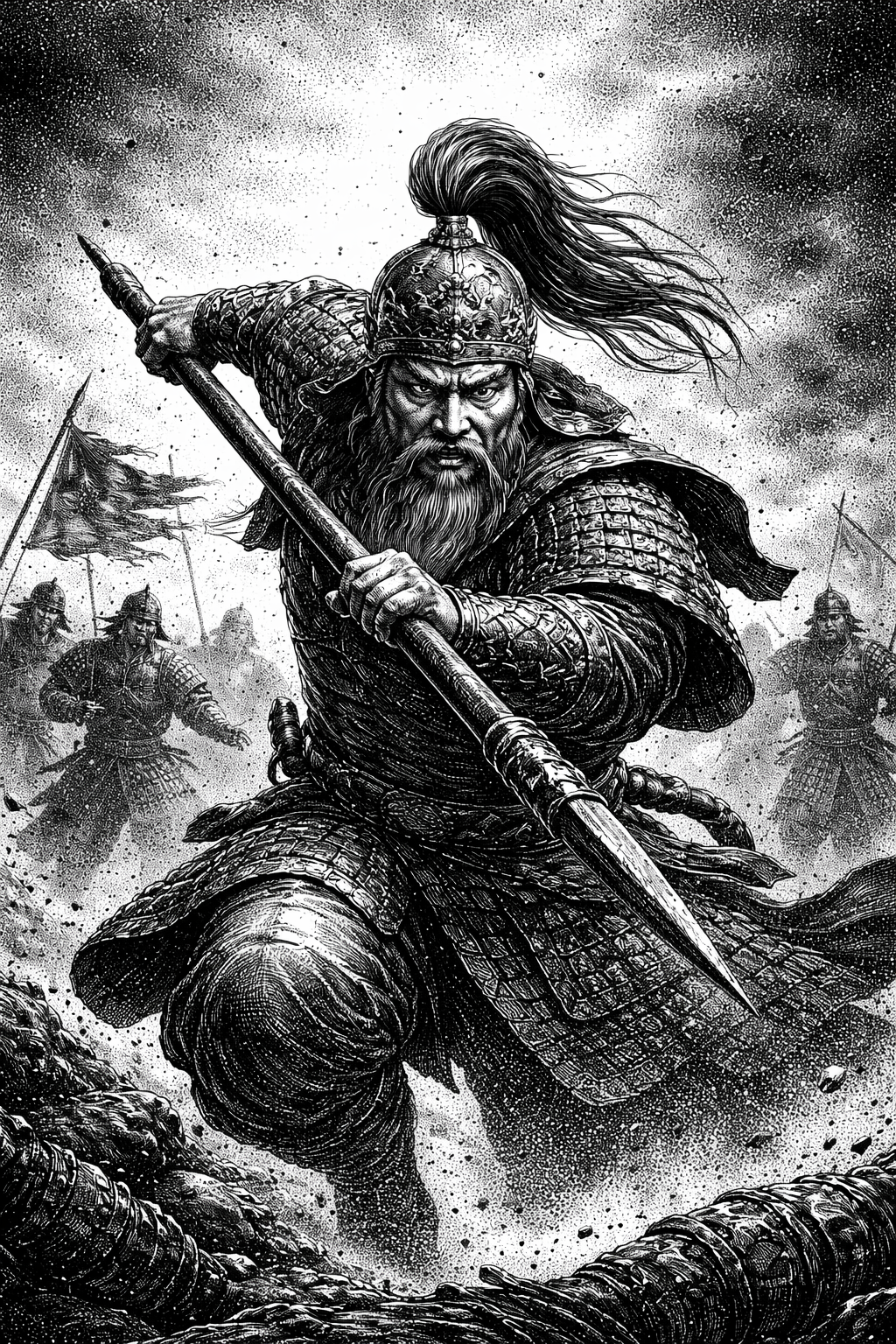
Zhu Yuanzhang
The monastery burned, and the boy who would be emperor learned that Heaven answers in smoke. He rose from famine with a spear in one hand and suspicion in the other. On the water at Lake Poyang, ships burned and rivals vanished beneath the ash-choked sky. He built a dynasty bright as fire—and ruled it like the fire never went out.
Rank - 122
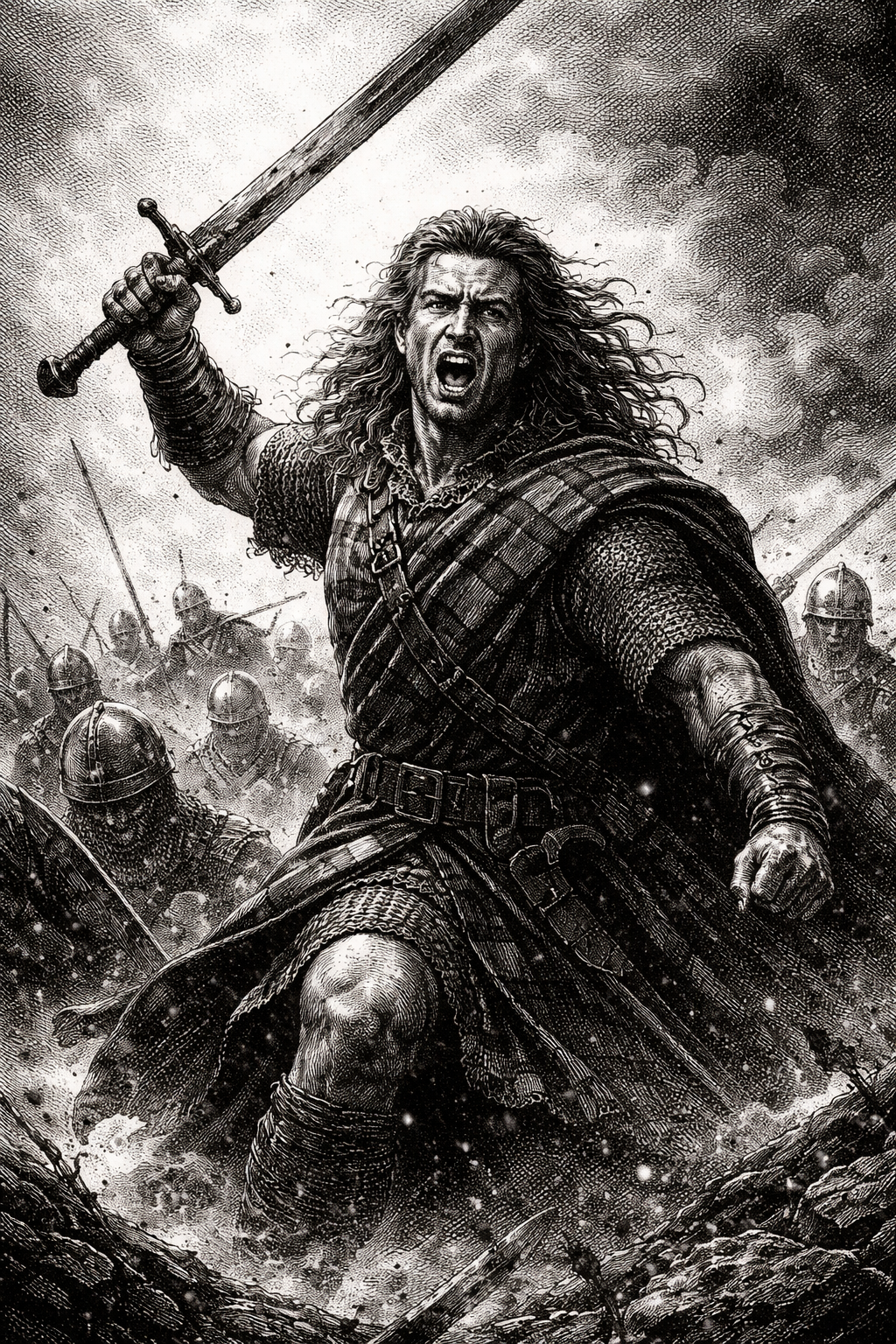
Wiliam Wallace
Scottish knight and Guardian of Scotland; led a populist revolt against Edward I, shattered an English army at Stirling Bridge through tactical choke-point slaughter, lost at Falkirk to longbow attrition, and was executed by hanging, drawing, and quartering—martyrdom later weaponized into nationalist legend and cinematic thunder.
Rank - 123
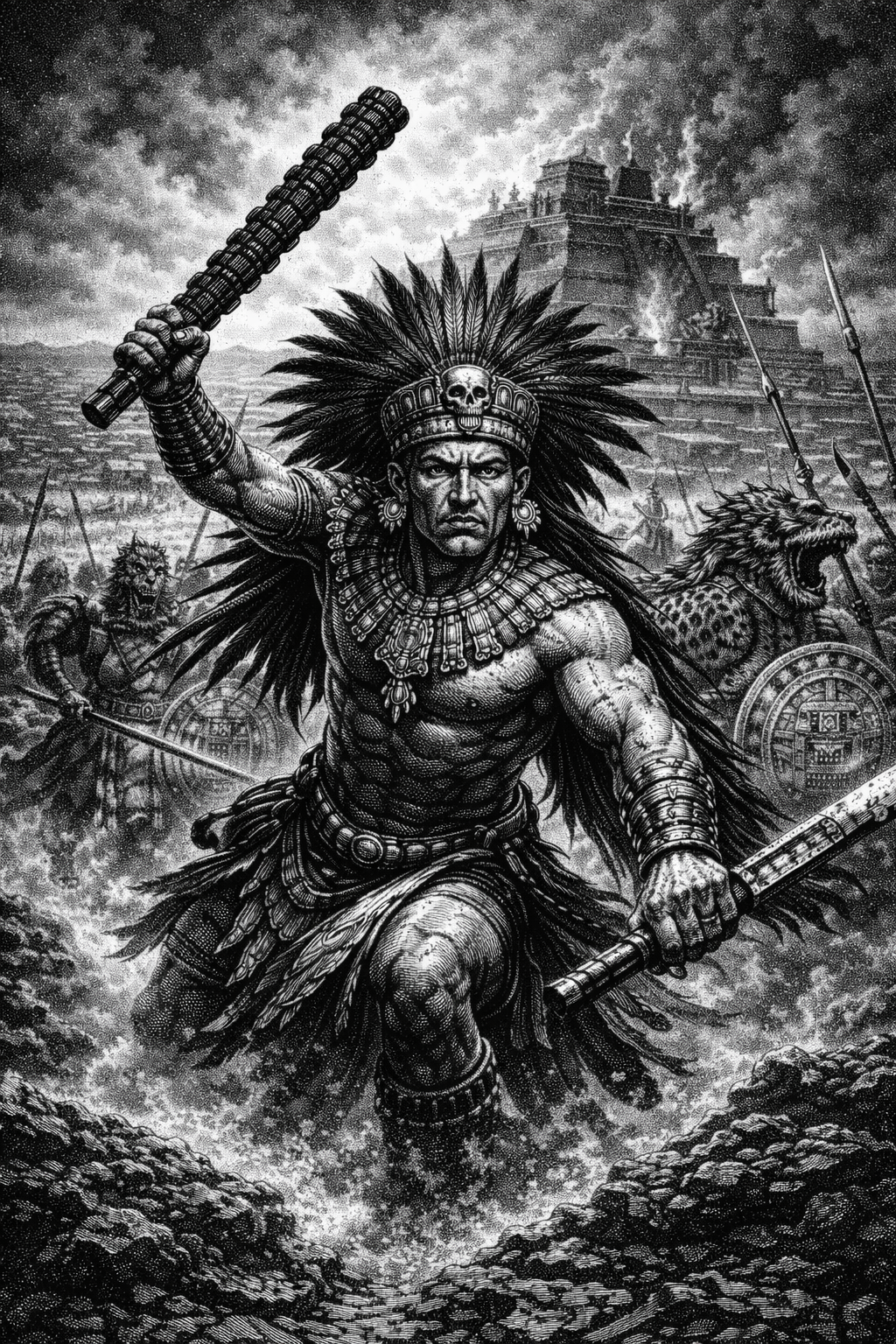
Tlacaelel
Tlacaelel was the power behind the Mexica throne, serving as cihuacoatl while reshaping religion, law, and history to fuel imperial expansion. He elevated Huitzilopochtli, recast conquest as sacred duty, and helped institutionalize ritual warfare, turning ideology into an engine of empire.
Rank - 124
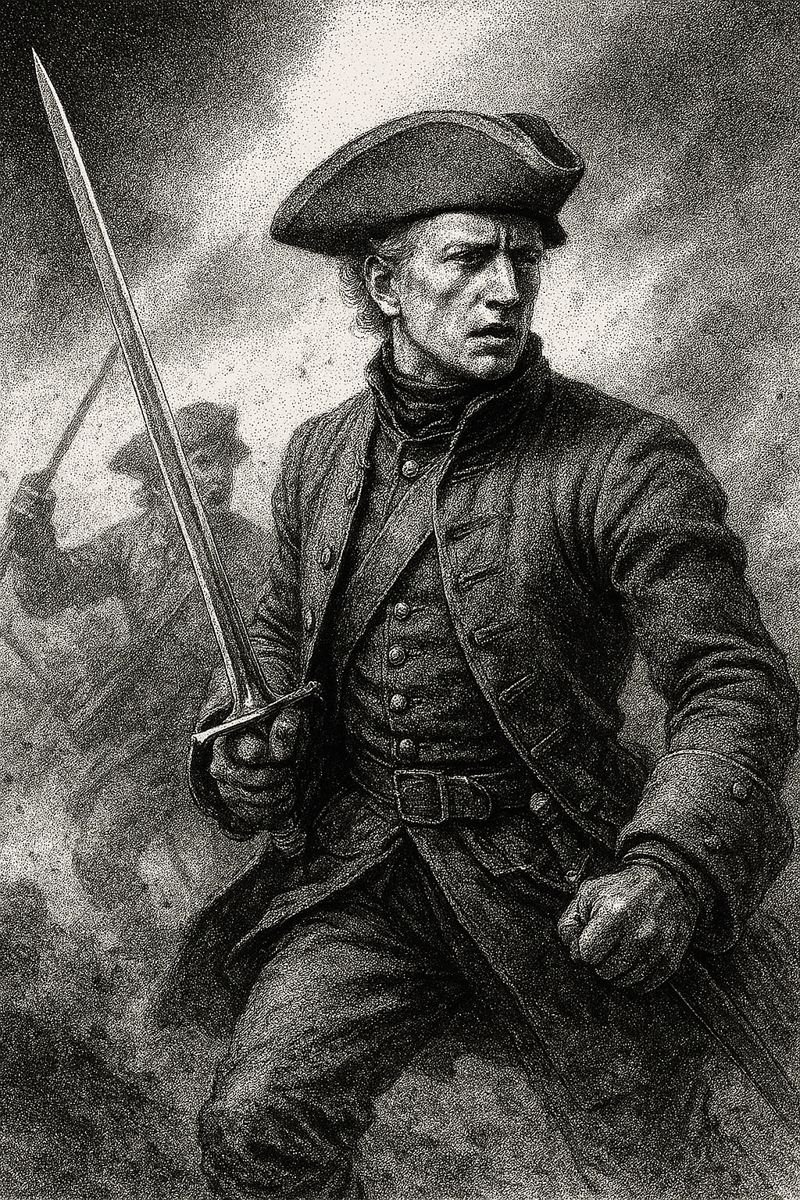
Charles XII of Sweden
Charles XII of Sweden was a warrior-king who personally led his armies through the Great Northern War, turning early victories into legend through ferocious discipline and reckless courage. His refusal to compromise or retreat ultimately shattered Sweden’s empire, leaving behind a mythic figure admired for bravery and criticized for destroying everything he fought to protect.
Rank - 125
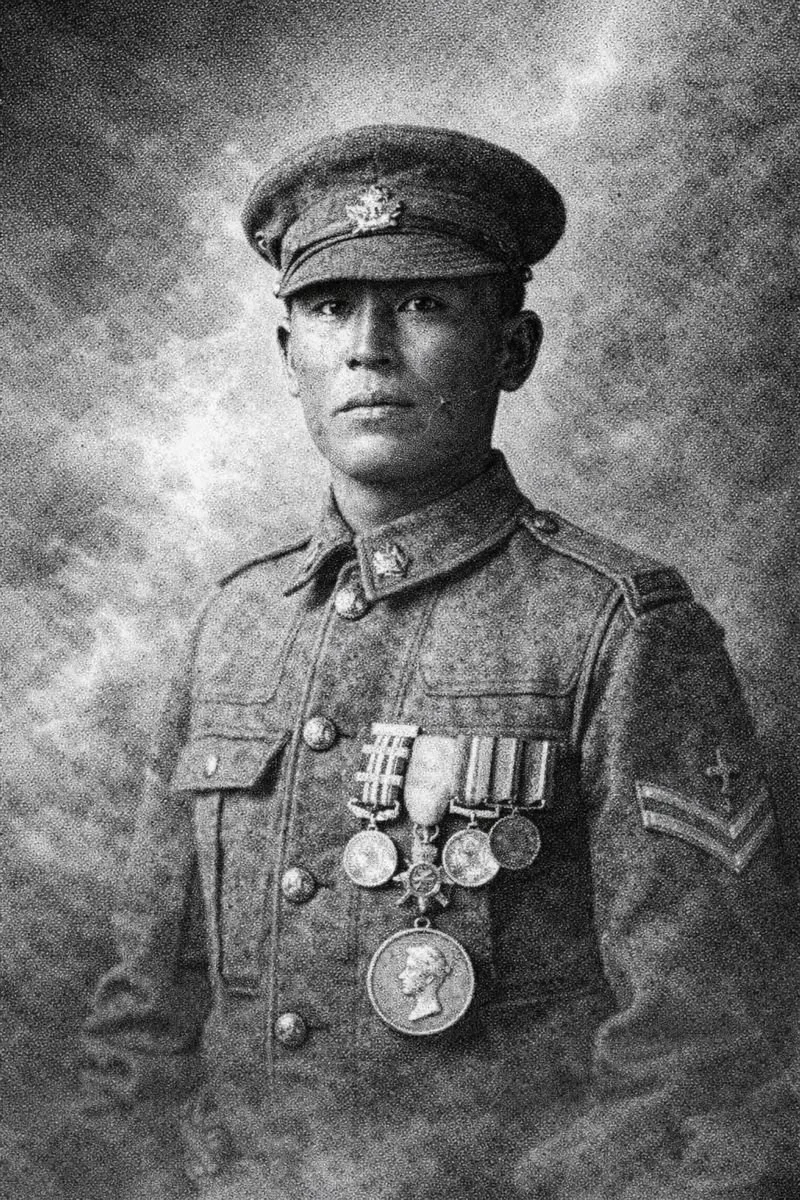
Francis Pegahmagabow
Francis Pegahmagabow was a quiet Ojibwe sniper who turned World War I’s chaos into a disciplined ledger of survival and fear. He came home decorated, unheard, and spent the rest of his life fighting a country that loved his kills more than his voice.
Rank - 126
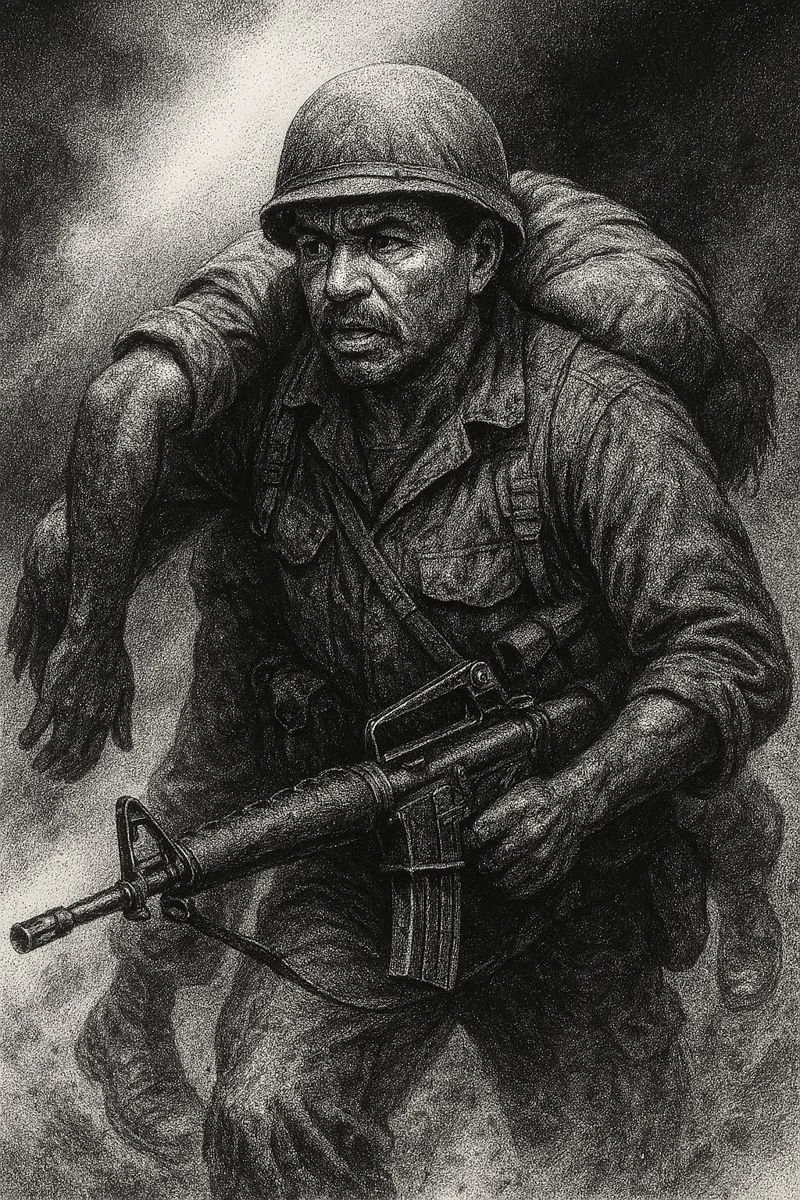
Roy Benavidez
Roy Benavidez was a U.S. Army Special Forces medic who, in May 1968, fought for six hours while grievously wounded to rescue surrounded comrades in Vietnam.
His actions redefined battlefield courage, turning sheer willpower and self-sacrifice into living legend.
Rank - 127
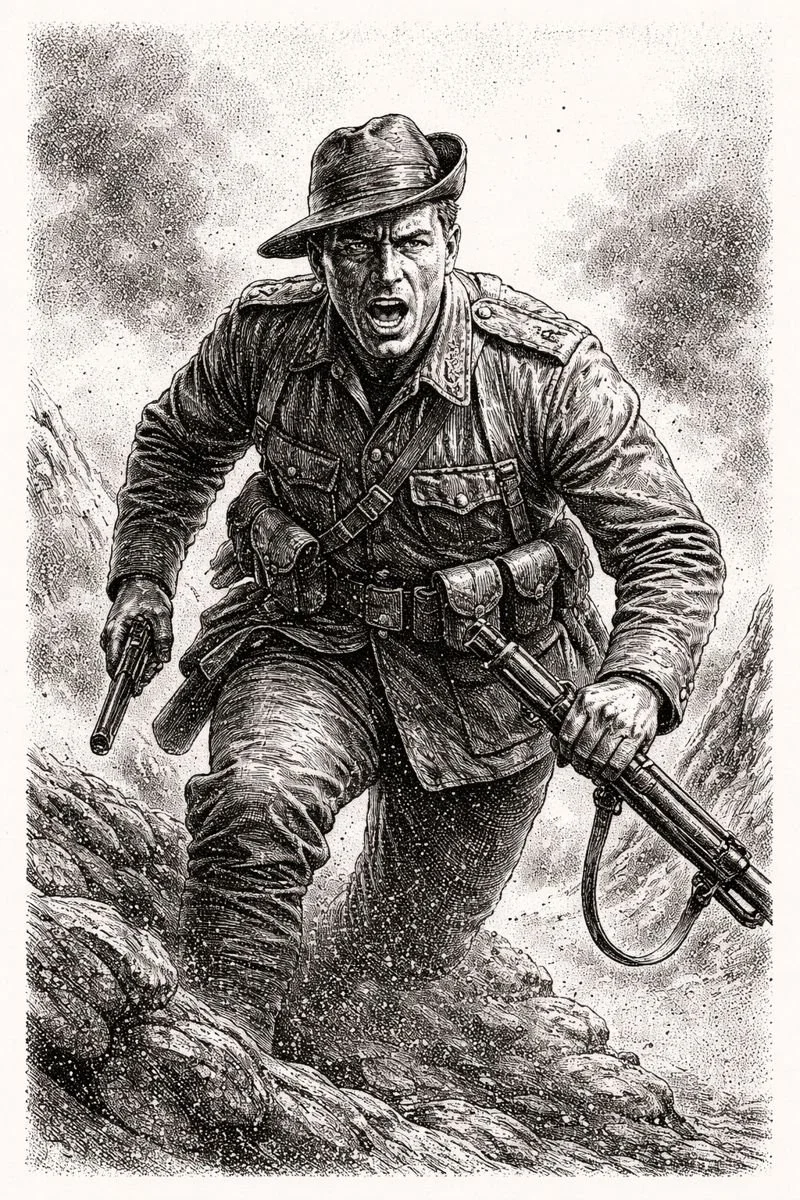
Albert Jacka
Albert Jacka was an Australian soldier and the first from his nation to receive the Victoria Cross in World War I for recapturing a trench at Gallipoli in 1915. He survived extraordinary frontline violence only to die young in peacetime, his legend growing larger as his body finally gave out.
Rank - 128
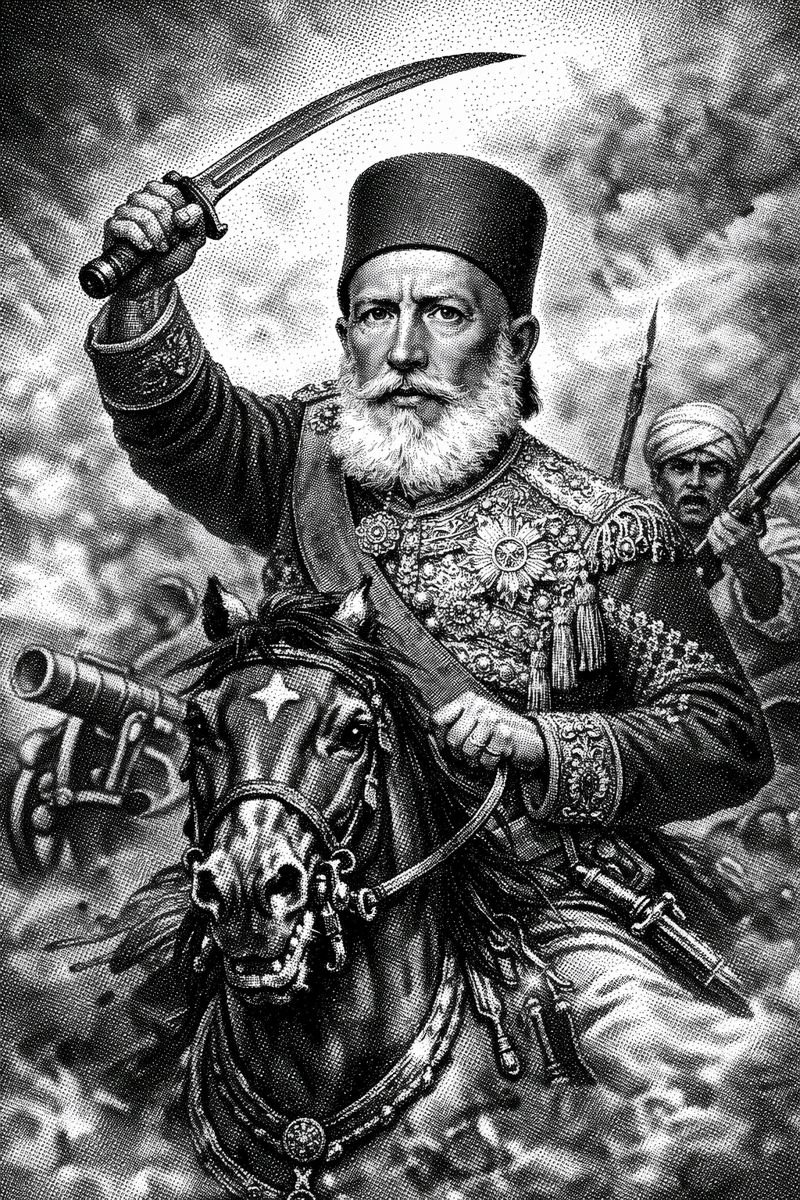
Ibrahim Pasha
Ibrahim Pasha was an Ottoman-Egyptian general and son of Muhammad Ali, famed for his modernized army and ruthless efficiency. He played a decisive, brutal role in suppressing revolts and reshaping power in Greece, Syria, and the eastern Mediterranean during the early 19th century.
Rank - 129
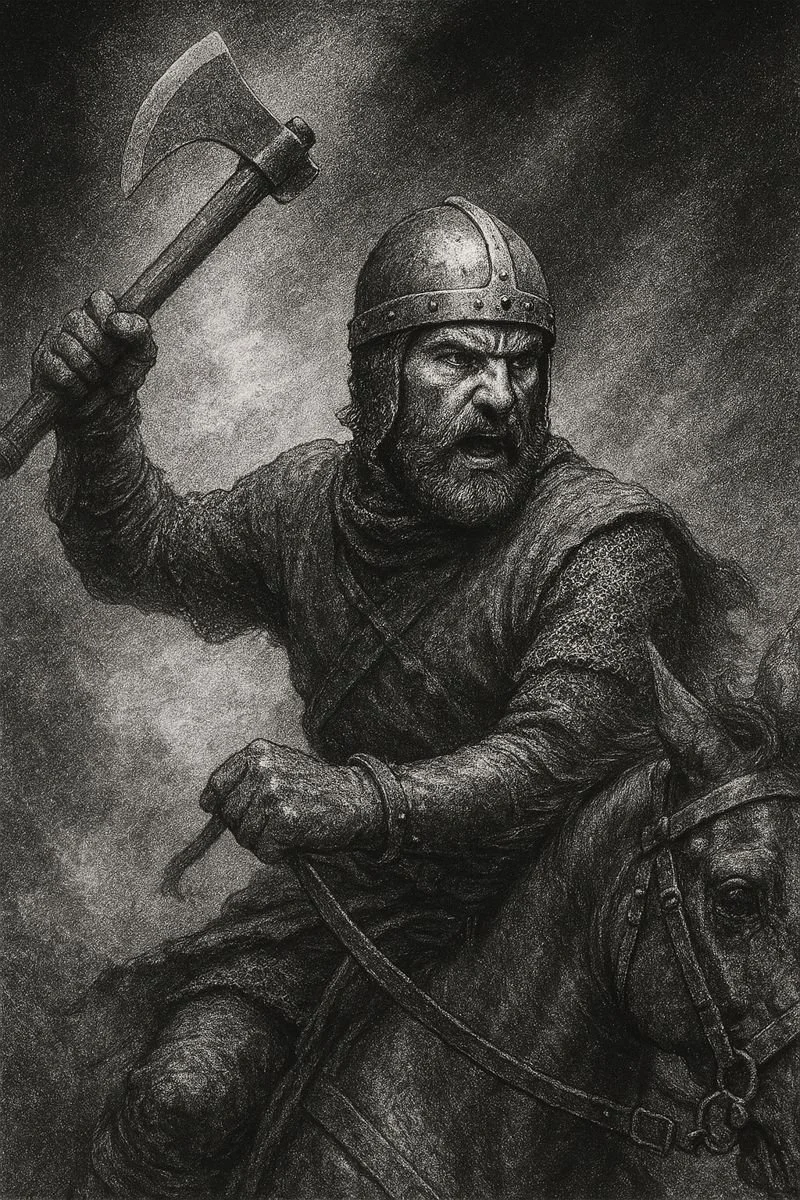
Robert the Bruce
The Scottish king who turned exile, defeat, and civil war into a long, grinding campaign for independence through patience, guerrilla warfare, and ruthless resolve. His victory at Bannockburn made him a national symbol of endurance, proving that stubborn survival can outlast empires built on force alone.
Rank - 130
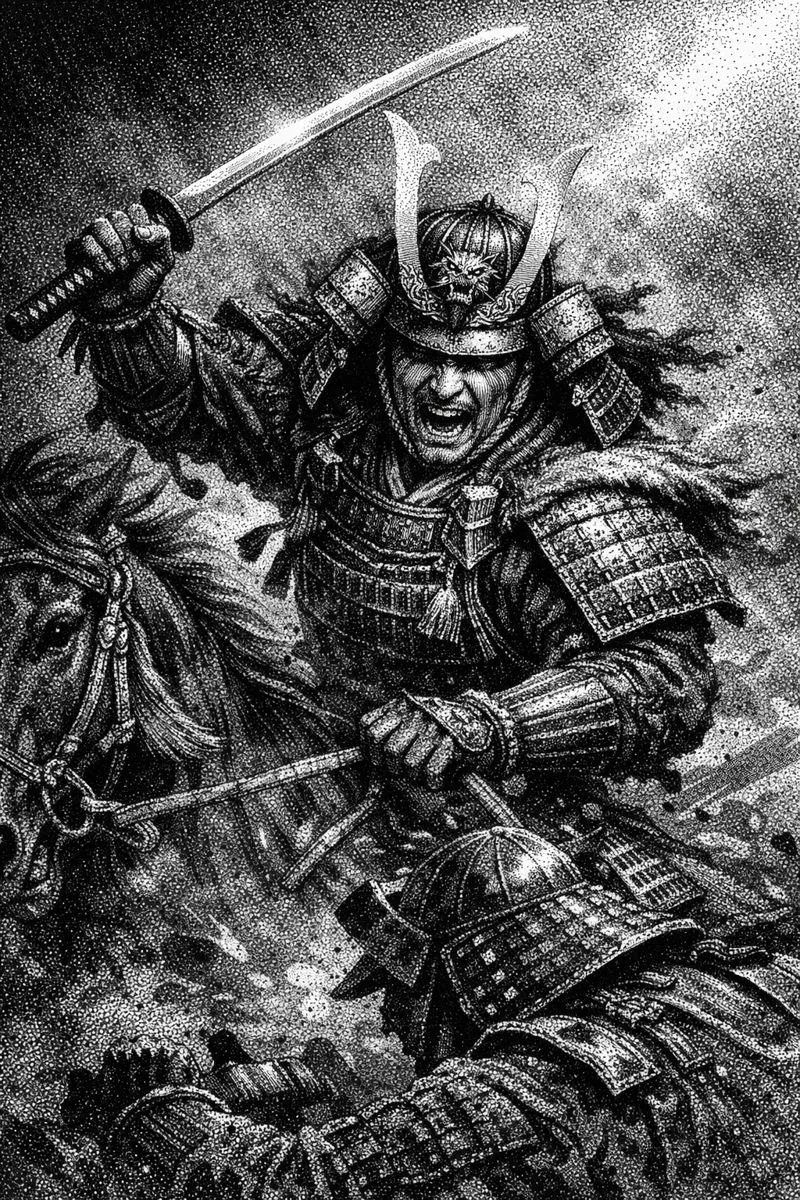
Kusunoki Masashige
A brilliant guerrilla commander who fought to restore imperial rule in medieval Japan. He became a legend by obeying a hopeless order and dying at Minatogawa, immortalized as the embodiment of samurai loyalty.
Rank - 133

Ragnar Lothbrok
The Viking who died in a snake pit but lived forever in fear, fire, and legend.
Rank - 134
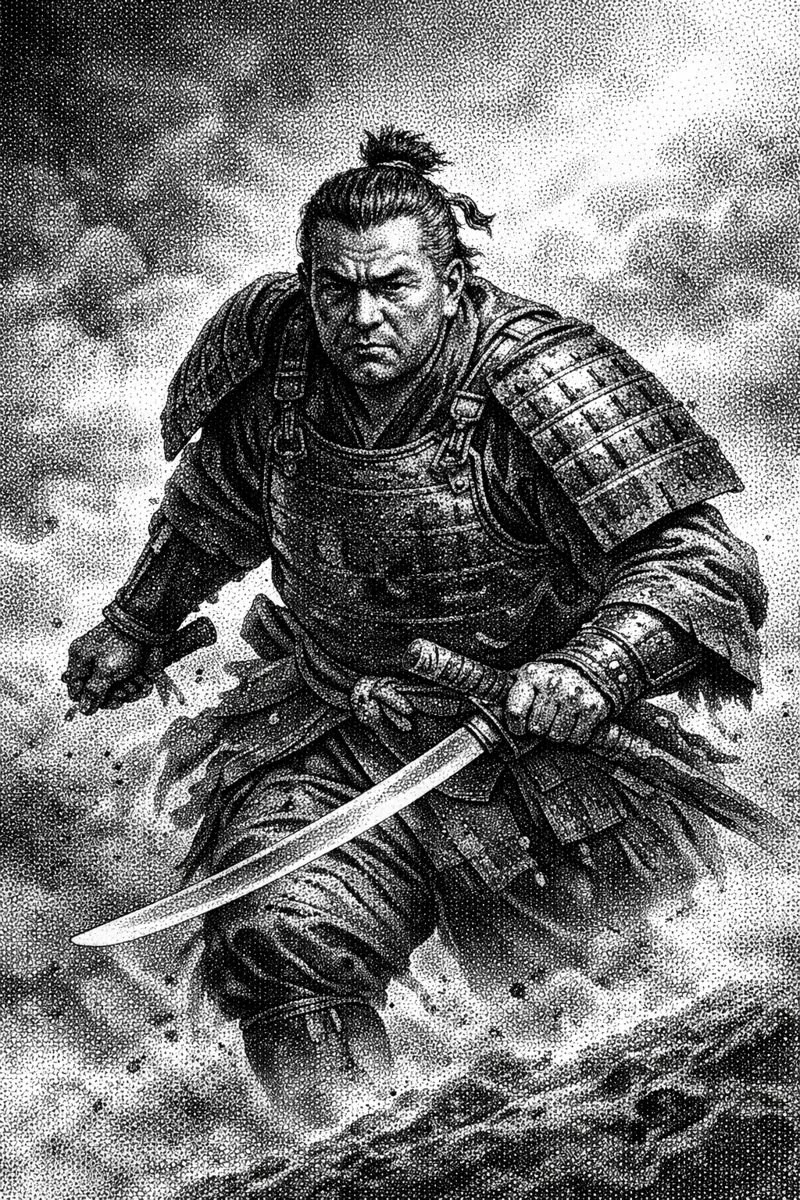
Saigō Takamori
Saigō Takamori helped forge modern Japan, then died trying to stop it, leading the last samurai into a hopeless stand against rifles, artillery, and the future itself. His defeat at Shiroyama ended feudal warfare and transformed a failed rebel into an immortal symbol of honor crushed by progress.
Rank - 135
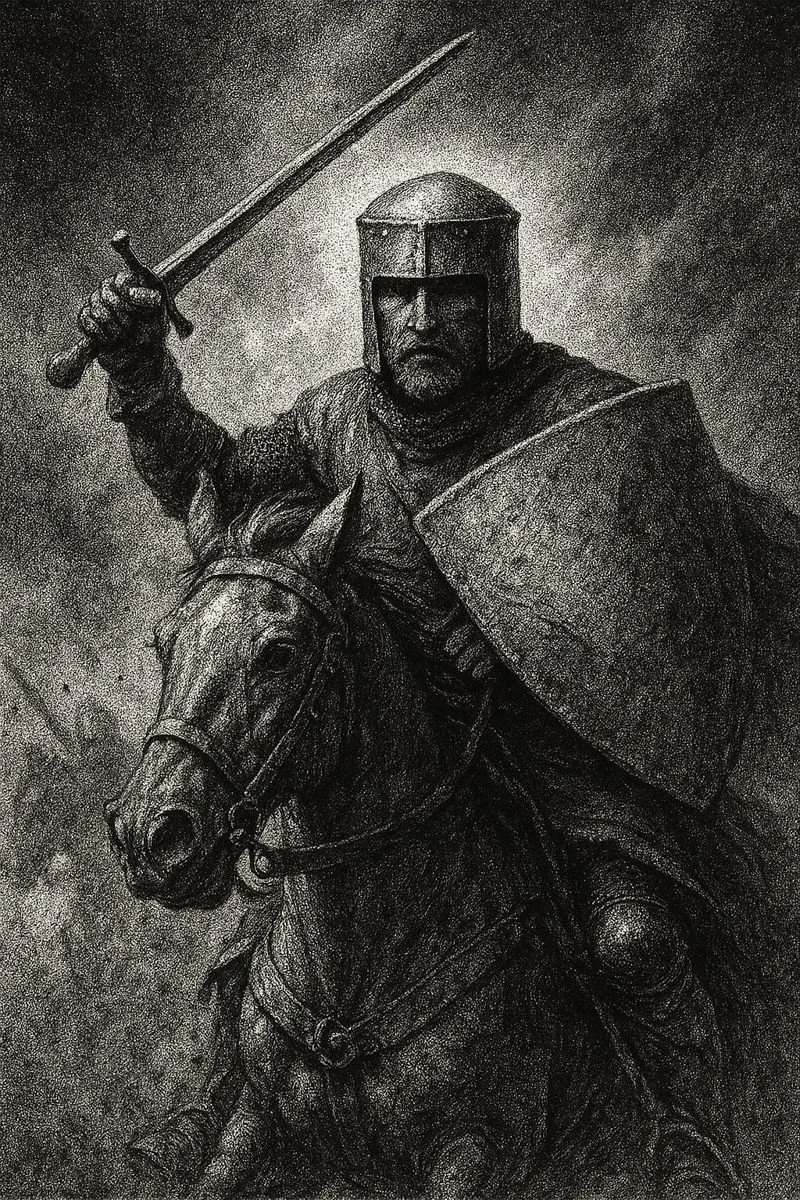
William Marshall
William Marshal (c.1147–1219) was an English knight and statesman who served four kings and became the most celebrated tournament fighter and battlefield commander of the High Middle Ages. Renowned for his unwavering loyalty and mastery of mounted combat, he helped preserve the English crown during civil war and was later mythologized as the living ideal of chivalry.
Rank - 137