Ibrahim Pasha
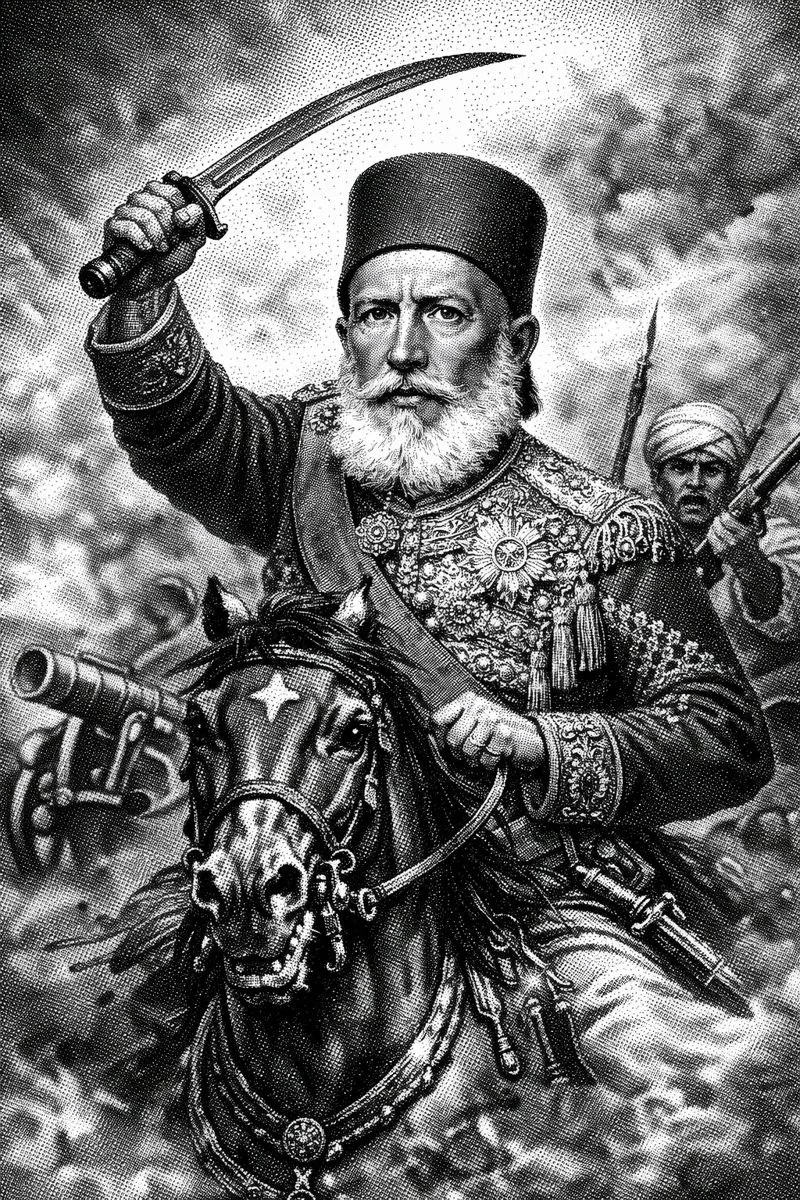
(1789-1848)
Ruthless modernizer, logistical genius, imperial enforcer, village-burner, terror strategist, disciplined, feared, efficient, unrepentant, consequential.
“Mercy is a luxury item. We are currently out of stock.”
attributed to Ibrahim Pasha, probably while the cannons were still warm
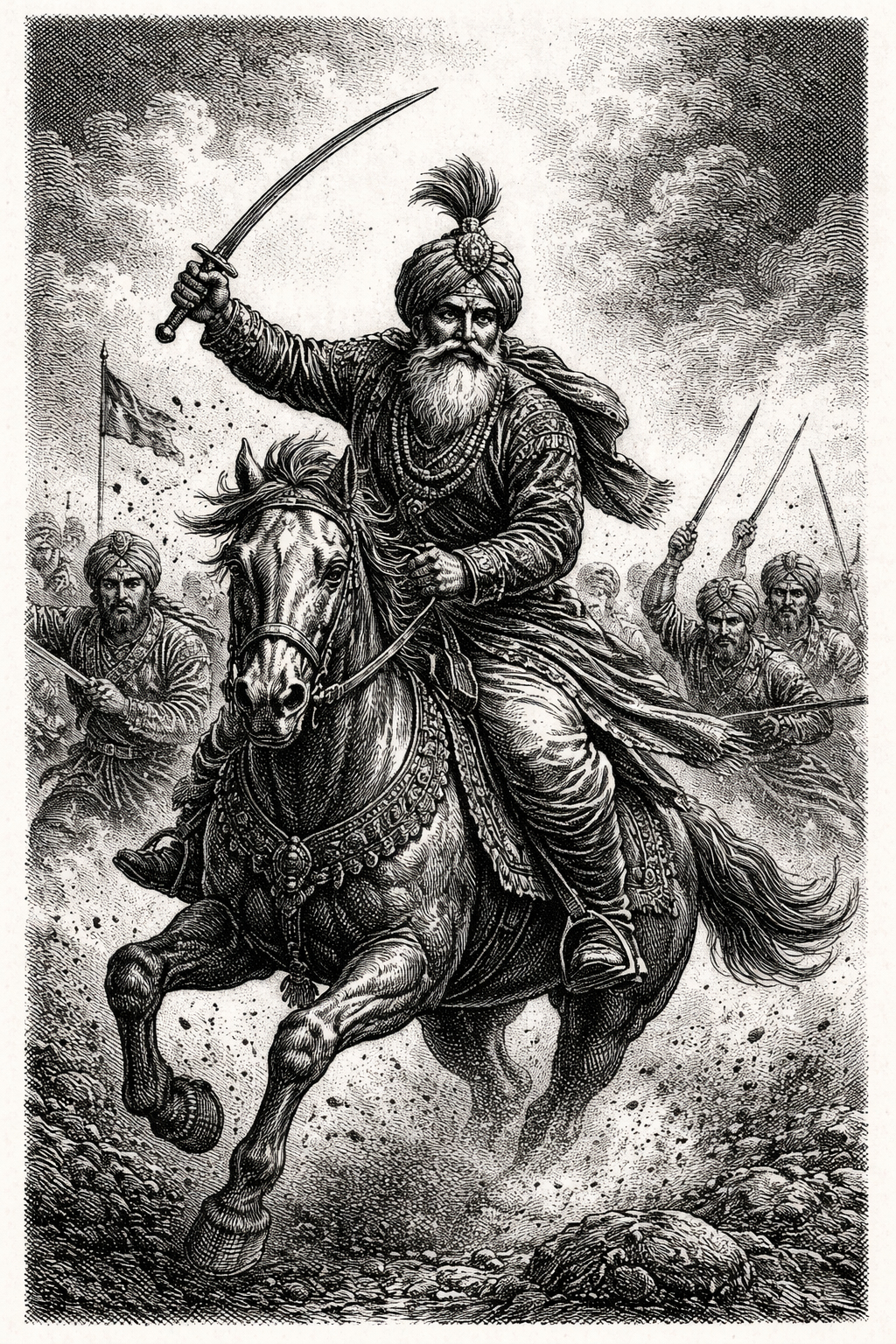
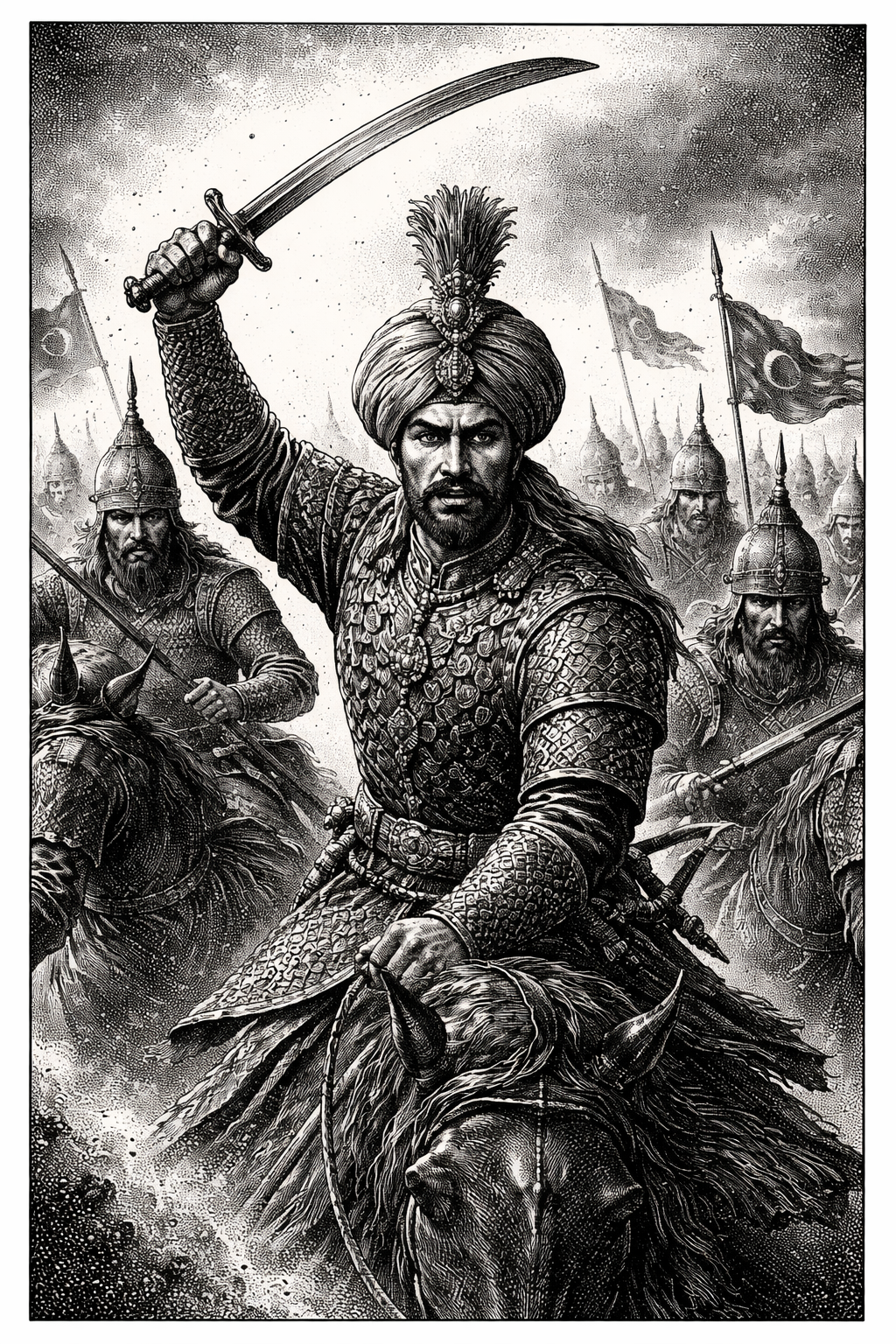
The smoke rolls in thick enough to chew, and the cannons are coughing like old men with bad habits. Somewhere in the Peloponnese, villages are burning for reasons that will later be footnoted as strategy. Ibrahim Pasha rides through it all with the bored expression of a man reorganizing a pantry. Men scream. Horses fall. History takes notes. Ibrahim does not blink.
He is the son of Muhammad Ali of Egypt, which means he grows up in a household where ambition is served at every meal and mercy is optional garnish. Born in 1789, the same year Europe decided to reinvent itself with guillotines, Ibrahim learned early that power respects only two things: logistics and fear. Preferably fear delivered on time.
His origin story is not romance but accounting. While other commanders chased glory, Ibrahim chased supply lines. He understood that an army marches on its stomach, and that the stomach is easily starved, burned, or terrorized into compliance. When the Greeks rose in revolt against Ottoman rule in 1821, Europe swooned. Poets wept. Philhellenes packed their bags. Ibrahim sharpened his knives.
Dropped into Greece in 1825 to clean up an imperial mess, he brought with him a modernized Egyptian army trained along European lines and a personal philosophy that could be summarized as: scorch first, negotiate never. Villages suspected of rebellion were erased. Populations were deported. Olive groves, the slow, patient savings accounts of Greek families, were hacked down like bad ideas. It was counterinsurgency as performance art, and the performance was brutal.
This is the act that makes Ibrahim immortal and infamous. Not a single duel or heroic last stand, but a sustained, methodical campaign of terror that horrified Europe and worked frighteningly well. For a moment, it looked like the Greek War of Independence would end not with liberty but with ash and chains. Byron had died for this? Awkward.
Then history did that thing where it flips the table. In 1827, the Great Powers decided that Ibrahim was bad for the neighborhood. At the Battle of Navarino, British, French, and Russian fleets turned the Ottoman-Egyptian navy into floating debris. It was one of the most decisive naval disasters of the century, a reminder that even the most ruthless butcher can be undone by geopolitics and poor timing.
Ibrahim survived the humiliation, because men like him always do. He pivoted. In the 1830s he invaded Syria for his father, beating Ottoman armies so thoroughly that Istanbul briefly panicked and Europe briefly reconsidered its life choices. Acre fell. Damascus followed. For a moment, Ibrahim Pasha looked like the sharp edge of a new Middle Eastern order.
And then the old pattern returned. European powers intervened again, this time to save the Ottomans from their own terrifying subcontractor. Ibrahim withdrew. His health collapsed. The man who had burned villages now burned with tuberculosis. He died in 1848, not on a battlefield but in bed, undone by lungs that refused to be conquered.
Afterward, myth went to work with greasy hands. In Greece, Ibrahim became a monster, a name whispered to frighten children into obedience. In Egypt, he was remembered as a modernizer, a general who nearly rewrote the map. Propaganda on both sides sanded him down into something usable. The truth sits uncomfortably between: a logistics genius, a terror artist, and a reminder that modern warfare did not invent brutality, it just made it more efficient.
Warrior Rank #129
Sources:
David Brewer, The Greek War of Independence
Khaled Fahmy, All the Pasha’s Men
Assorted European diplomatic correspondence, angrily underlined
He proved that history rewards winners, excuses monsters, and invoices everyone else.

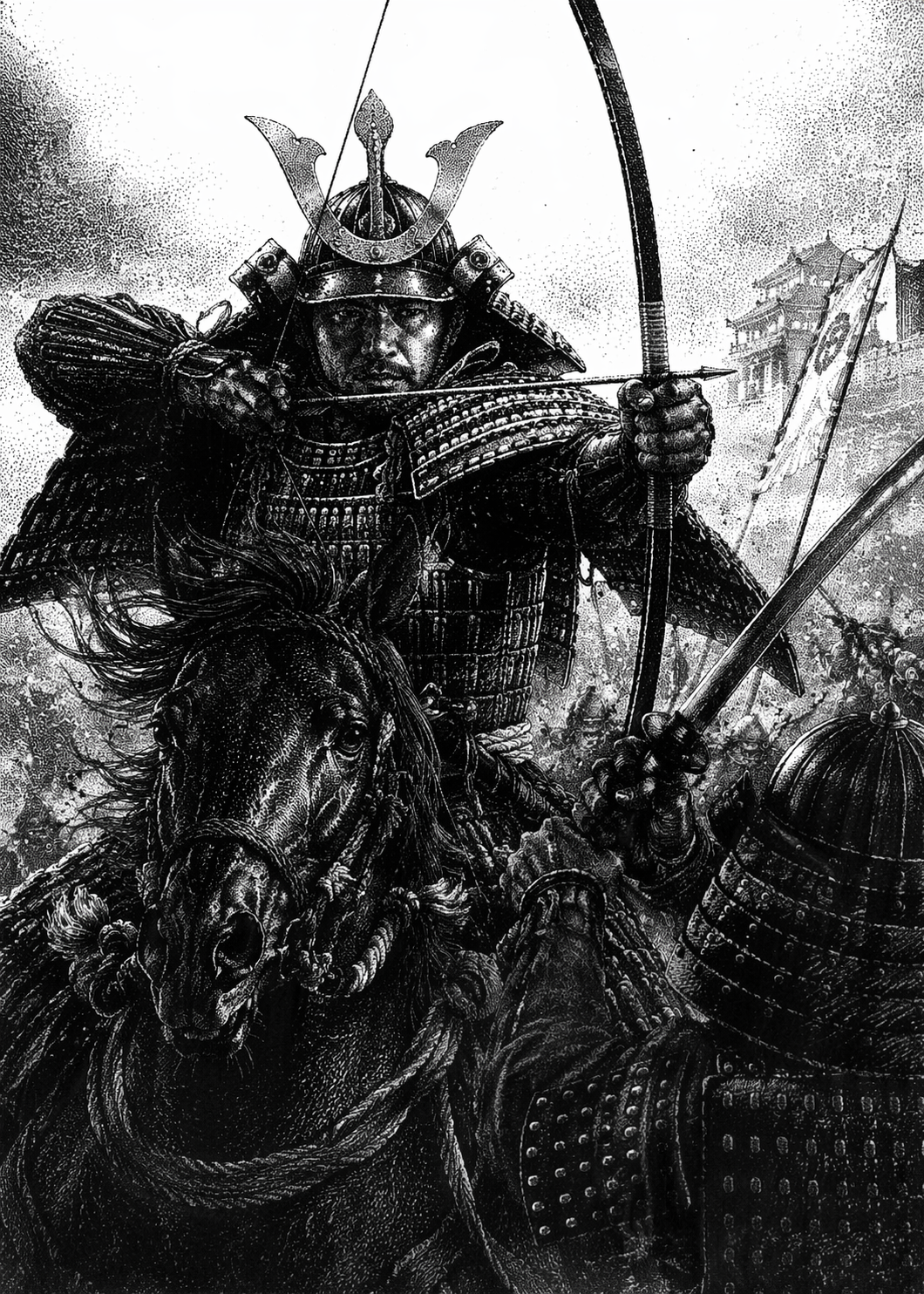
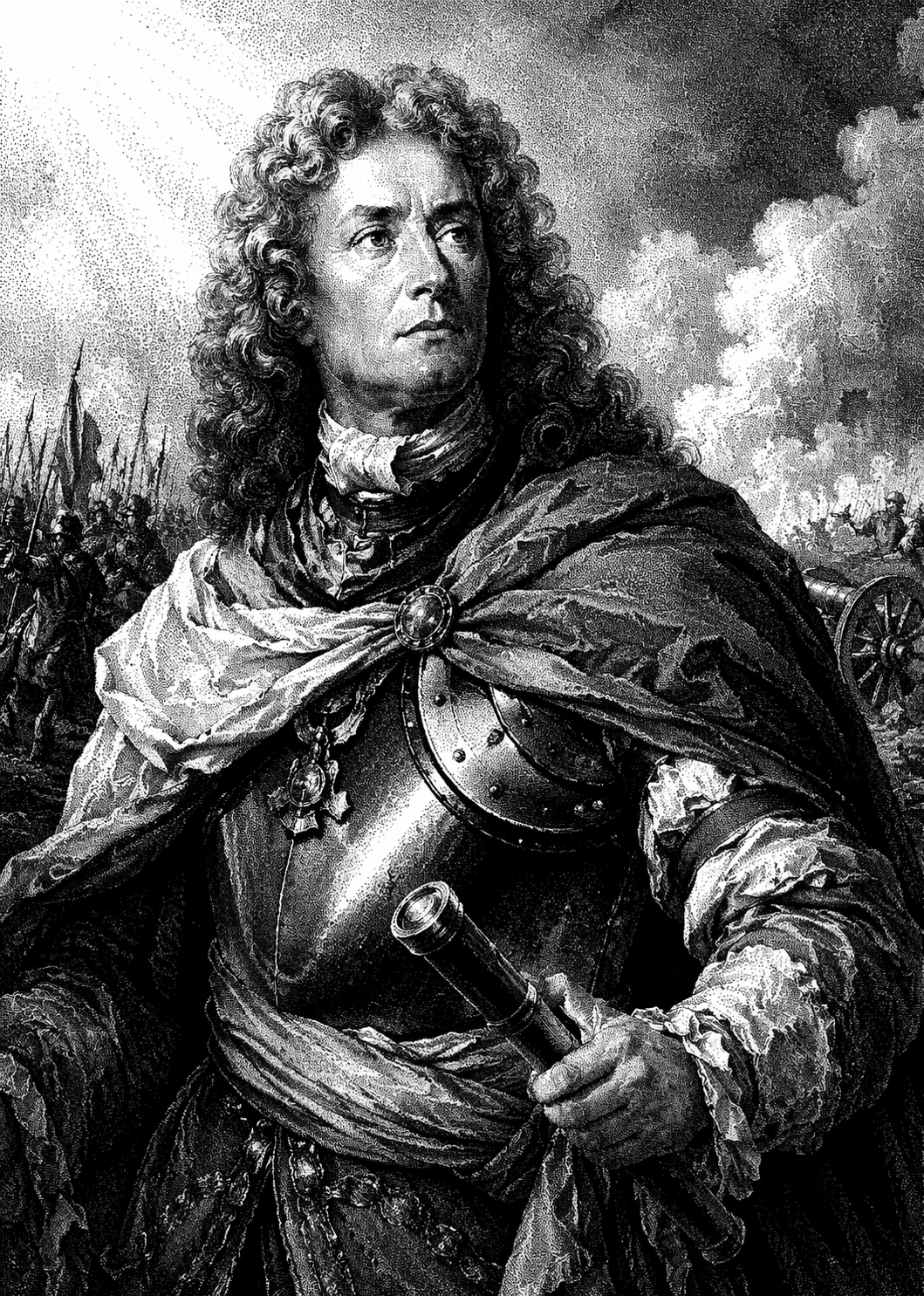
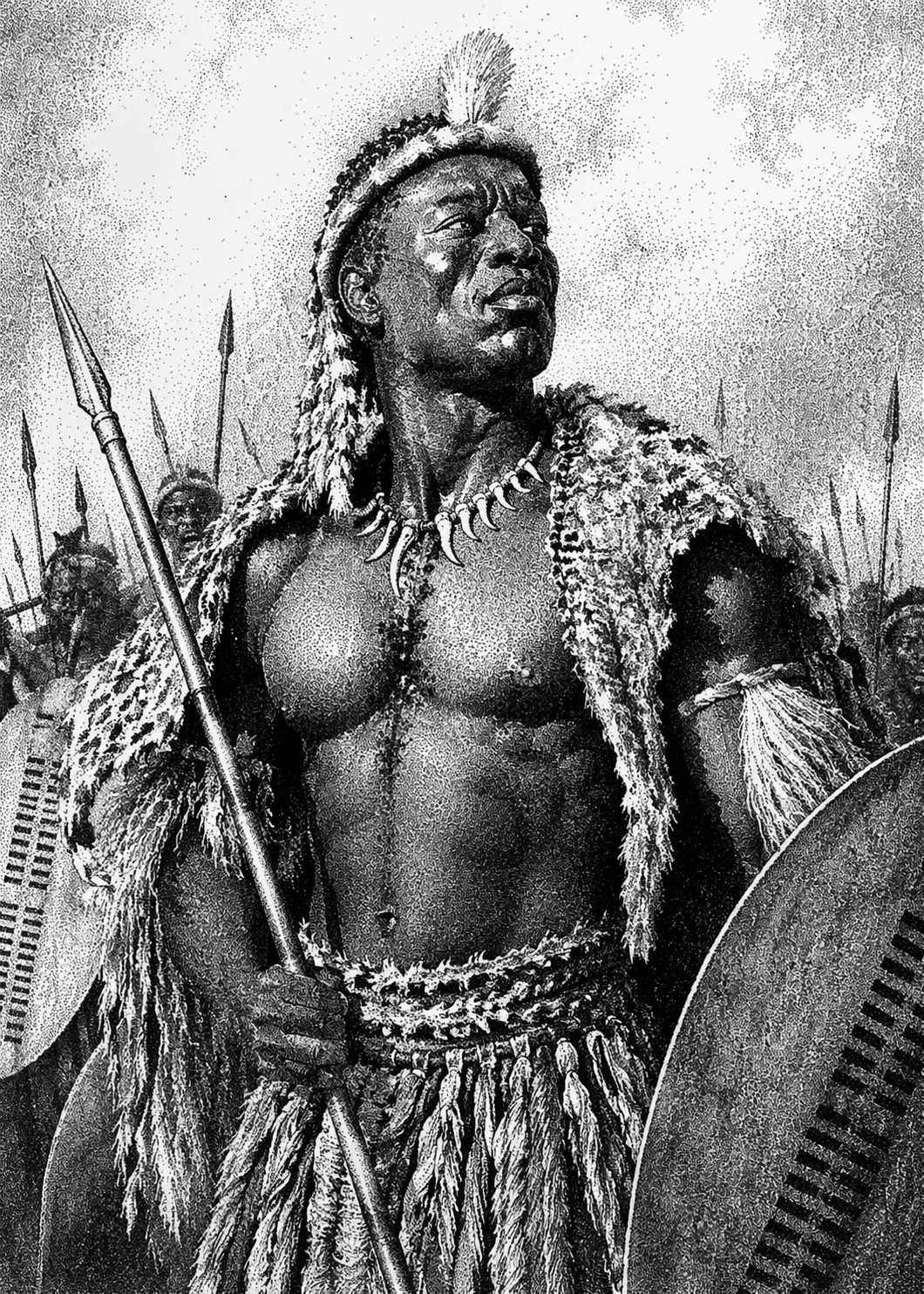
Alexander Nevsky was a 13th-century Russian prince famed for defeating invading forces at the Battle on the Ice in 1242. He became a national hero and later a saint, remembered as both warrior and shrewd diplomat.
Rank - 115