Minamoto no Yoshiie
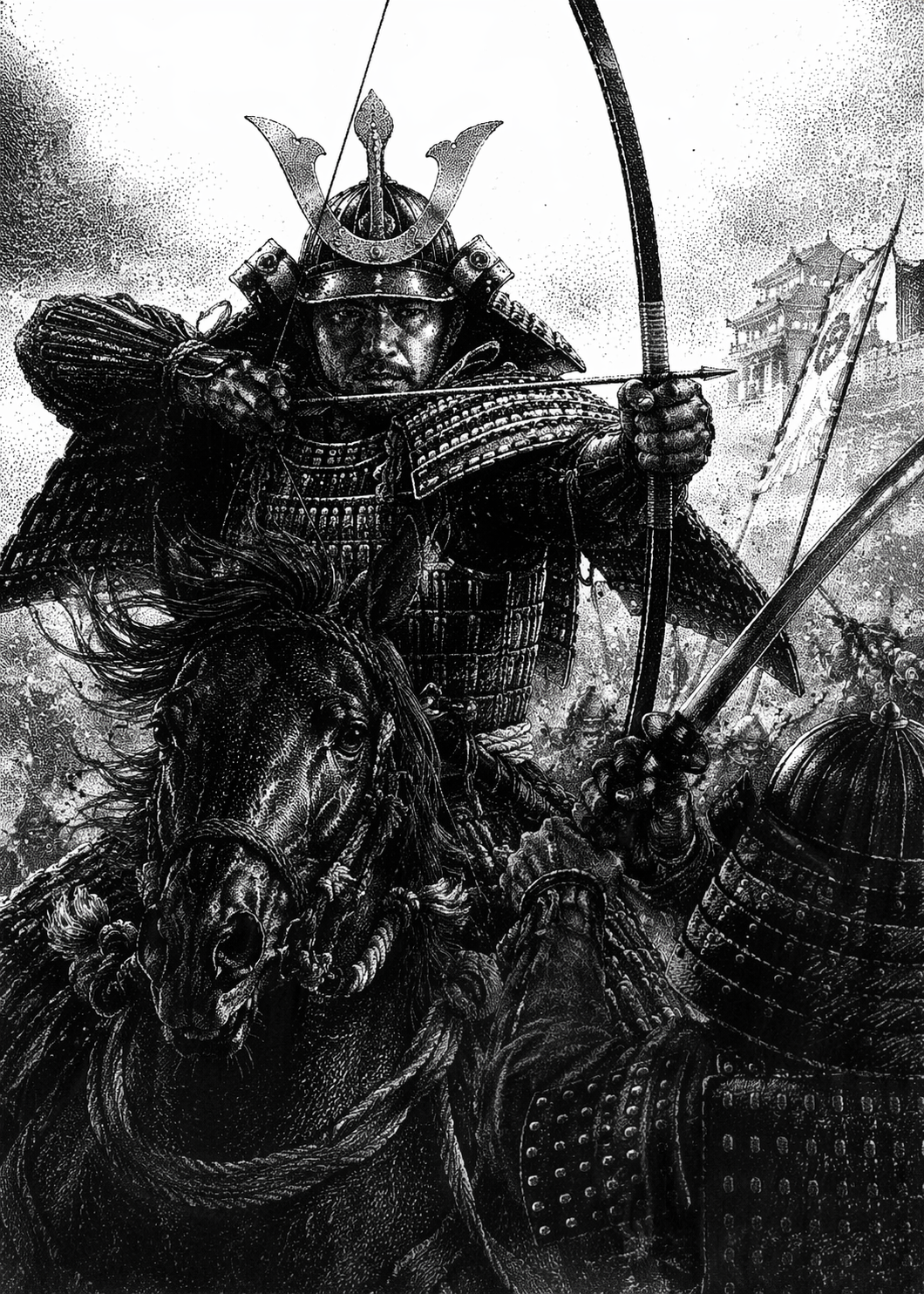
(1039–1106)
Archer lord forged samurai legend through brutal northern frontier wars
“A brave man dies once. A coward rehearses.”
attributed to no one reliable, which already makes it sound historicalThe arrows came first.
They always do in old Japanese war stories. Men love to remember banners, speeches, noble vows, moonlight on armor. But battle usually begins with someone far away trying to put wood through your throat. So let us be honest and begin there: a rain of shafts hissing over the marshland, horses screaming, retainers slipping in blood and mud, helmets ringing like temple bells kicked down stairs.
In the middle of it rode Minamoto no Yoshiie, who had the sort of face artists later improved and enemies later regretted seeing at all.
He was not yet a legend in that moment, only a dangerous nobleman with excellent posture and a family business in violence. The Heian court in Kyoto preferred poetry, perfume, and politics conducted through sleeves and whispers. But the provinces kept producing problems that could not be solved by calligraphy. For those, one required a Minamoto.
Yoshiie was the son of Minamoto no Yoriyoshi, a veteran who understood the timeless truth that fathers in warrior families are either absent, dead, or turning sons into tools. The boy learned mounted archery, command, clan prestige, and the useful social skill of surviving men who wanted him dead. He also learned that court rank and battlefield rank are cousins who hate each other.
His first great apprenticeship came in the Earlier Nine Years' War, where the Minamoto were sent north to deal with the Abe clan. “Deal with” is aristocratic language for years of burning fields, sieges, ambushes, starvation, and paperwork afterward. Yoshiie rode beside his father, gathering scars and a reputation. Chroniclers later painted him as a youth already touched by martial genius. Chroniclers also tend to mistake survival for destiny.
He became famous for more than killing. He had style, the most dangerous accessory in history. Stories say that during one campaign he noticed geese flying in sudden disorder and guessed hidden enemies were moving below. Perhaps true, perhaps embroidered nonsense, but it captures what people wanted him to be: a warrior who could read the world itself for signs of where to stab next.
Then came the war that made him immortal: the Later Three Years' War.
Northern Japan again. Mountains, cold mud, grudges older than some shrines. The Kiyohara clan had fallen into internal dispute, which is how many noble families celebrate prosperity. The court eventually sent Yoshiie to restore order. Restore order is another elegant phrase meaning create a larger mess with better branding.
He marched north and found not one enemy but a nest of them. Fortified stockades, shifting alliances, men who knew the terrain and hated outsiders. Campaigning there was slow misery: winter bites, supply failures, horses dying, retainers deserting, arrows everywhere. The kind of war that turns glorious armor into damp laundry.
Yet Yoshiie excelled in the theater of endurance. He inspired followers because he shared hardship and because success is persuasive. He cultivated the image of the ideal samurai before the full samurai myth had even finished loading. Loyal, fearless, cultured, merciless when required. A complete package.
At the siege of Kanezawa, the struggle reached its bloody crescendo. Defenders held out stubbornly behind fortifications while attackers paid for each plank and ditch in meat. Men drowned in moats, burned in towers, froze in camp, and died of wounds that smelled worse than philosophy. Yoshiie pressed the assault until the stronghold fell.
The enemy leader Kiyohara no Iehira was killed. Another rival, Fujiwara no Kiyohira, survived and later prospered, because history enjoys irony almost as much as accountants do. Yoshiie emerged as the great victor, though victory in civil wars usually means inheriting ruins and widows.
What made him shine brightest in legend, however, was not slaughter but etiquette performed at swordpoint.
One famous tale tells of an enemy fleeing across a riverbank, dropping part of a poem. Yoshiie supposedly completed the verse instead of shooting him immediately, recognizing refinement even in an opponent. This is the sort of anecdote later ages adore: cultured killers pausing between murders for literature. Whether literally true matters less than what it advertised. Here was the warrior as gentleman predator, a man who could quote lines while arranging funerals.
From such stories came the title Hachimantarō, “First Son of Hachiman,” associating him with divine war favor. Nothing says humility like becoming semi-sacred through public relations.
But legends polish what life corrodes.
Despite his prestige, Yoshiie’s campaigns strained finances and annoyed the court. Aristocrats in silk robes often become uneasy when provincial generals grow beloved, competent, and armed. He won glory, but glory does not automatically cash in Kyoto. Influence had to be negotiated, trimmed, envied, and sometimes denied.
He spent later years managing estates, alliances, and clan standing. Less arrows, more paperwork. Every hero eventually meets the true final boss: administration.
He died in 1106, not hacked apart on a flaming bridge, not laughing beneath a banner, not buried under enemies like a proper epic nuisance. He died around sixty-seven, likely of illness or age, which is the least cinematic ending imaginable for a man remembered in armor. No thunderbolt. No duel. Just the body closing shop while admirers prepared better versions of the story.
And better versions came.
Later samurai generations looked backward and saw in Yoshiie a prototype of themselves: loyal retainer, martial aesthete, righteous avenger, fearless commander. He became a moral ancestor for warrior culture that fully crystallized after his lifetime. Paintings idealized him. Tales exaggerated him. Genealogies clung to him like ivy on stone. Real men create messes; descendants create symbols.
Modern pop culture has used him the usual way history uses old killers: as a cool silhouette. Games, manga, dramatizations, and popular histories recast him as stern noble hero, strategic genius, or iron-jawed icon. They usually omit the mud, dysentery, screaming horses, political pettiness, and the smell of wet corpses. Civilization prefers highlight reels.
Still, something genuine remains beneath the lacquer.
He stood at the hinge between courtly Japan and warrior Japan, between elegant ceremony and hereditary steel. He was both poem and arrow, incense and blood, manners wrapped around menace. Men like Yoshiie helped build the road later samurai would march down, loudly and often into terrible decisions.
He became immortal because he could kill, command, endure, and look magnificent while doing all three.
Many men have done one of those things. History only crowns the monsters who manage all four.
Warrior rank #116
Sources
The Cambridge History of Japan, Vol. 2
Japan to 1600: A Social and Economic History
Heike Monogatari
The World Turned Upside Down: Medieval Japanese Society
Temple gossip, cavalry lies, and arrows recovered from people who no longer needed them.
He died in bed, which must have offended everyone who expected better entertainment.

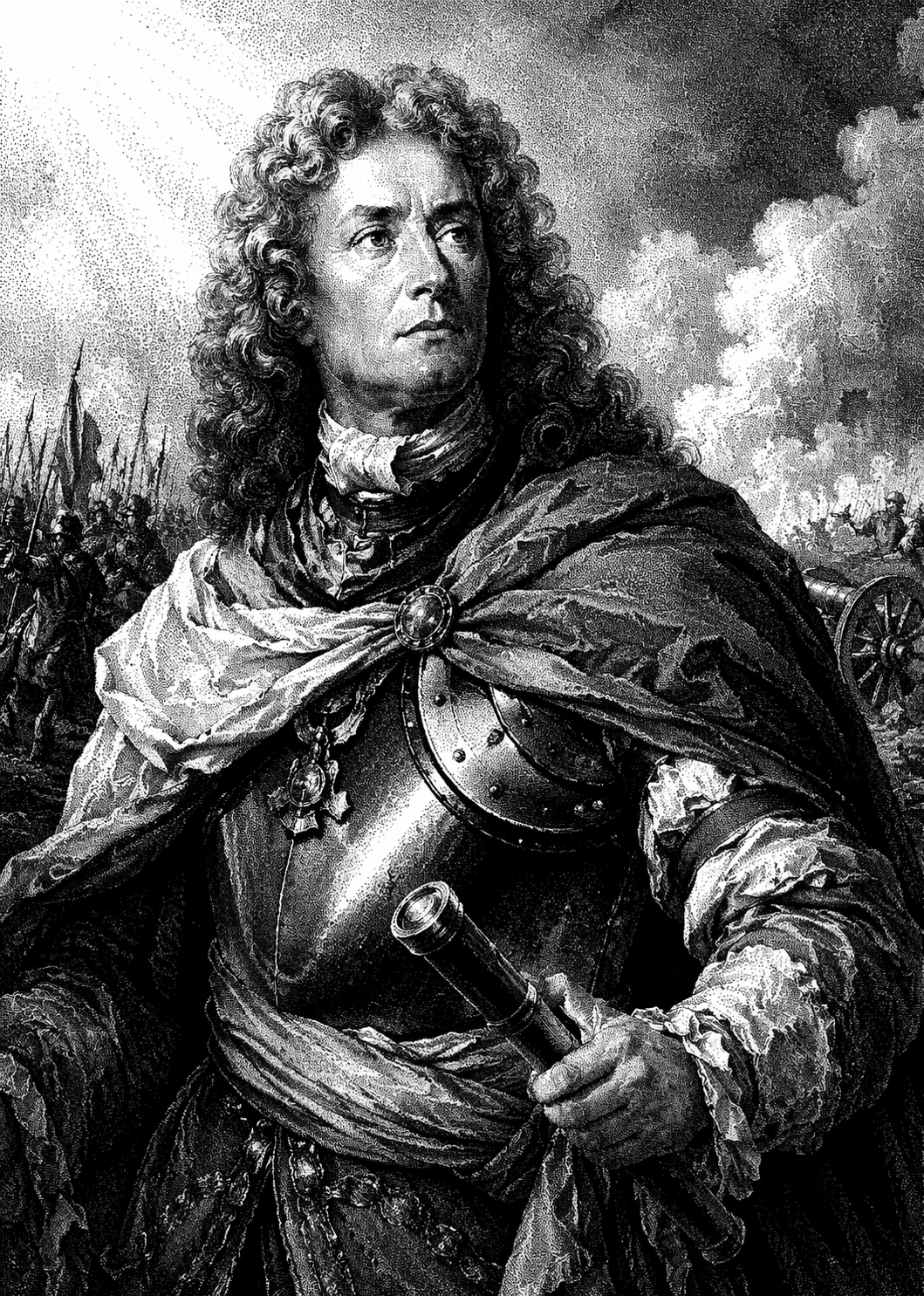
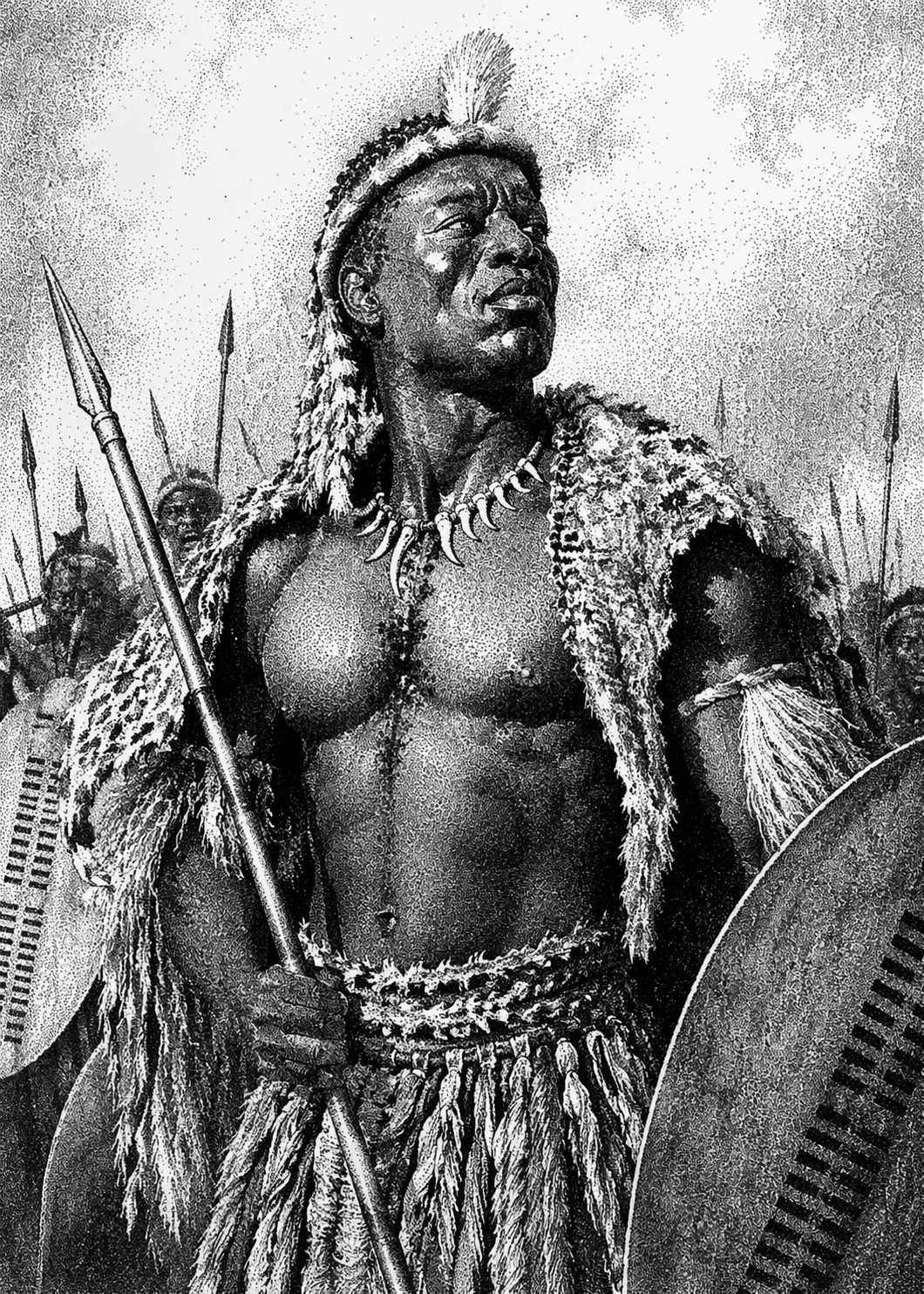
Alexander Nevsky was a 13th-century Russian prince famed for defeating invading forces at the Battle on the Ice in 1242. He became a national hero and later a saint, remembered as both warrior and shrewd diplomat.
Rank - 115