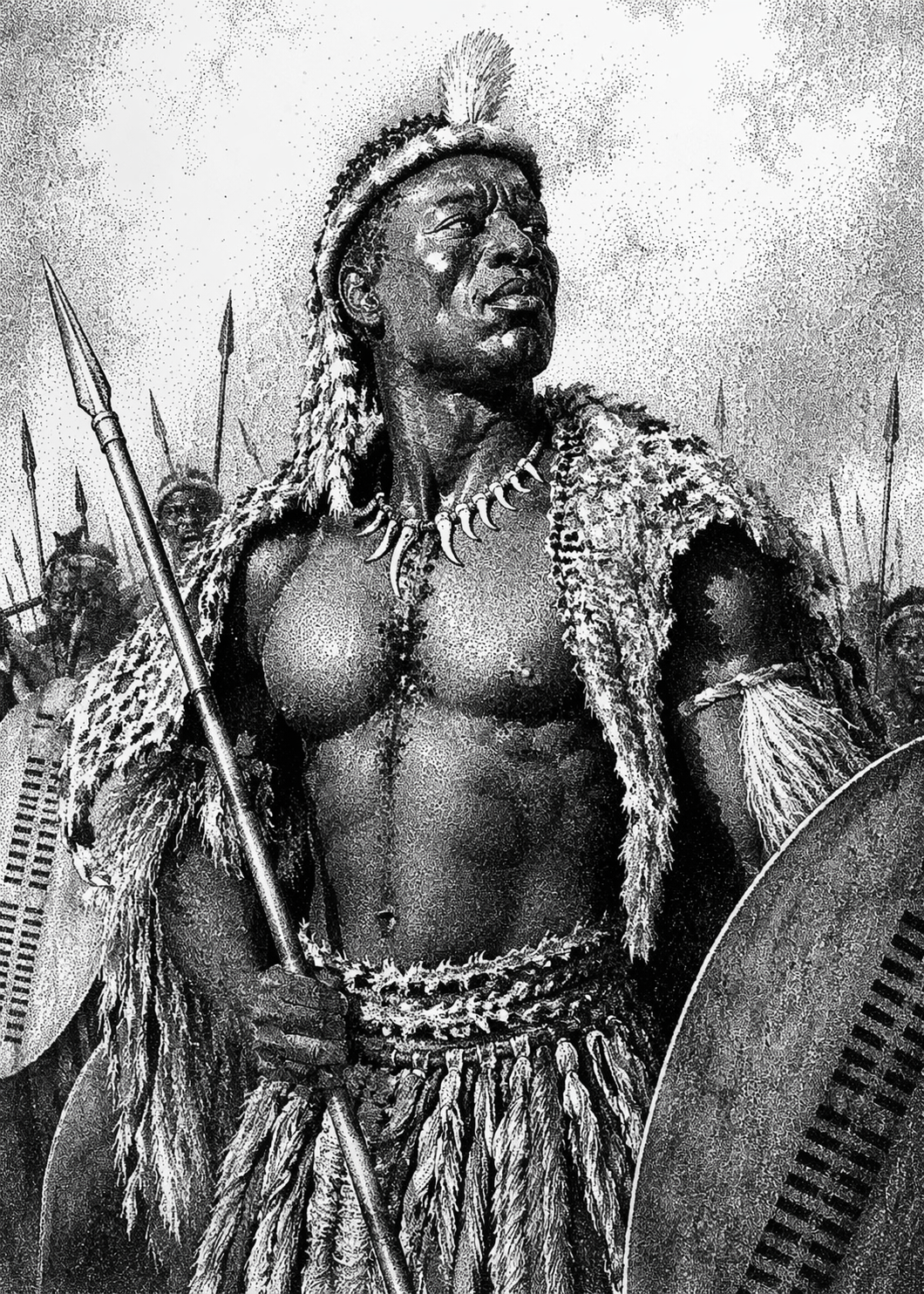
(1787-1828)
Storm-forged king who sharpened war and died by kin.
“A king who teaches men to kill with shorter spears should sleep lightly.”
- attributed here to the sort of survivor history usually buries first.
The smoke was already doing what smoke does best: making everyone look important right before they died. Men ran through the thornveld with shields up, legs pumping, eyes wide, and the old style of war still rattling around in their skulls like loose bones in a drum. Then Shaka’s line hit them. Not the polite, long-distance spear-throwing of men who hoped to survive and complain about it later. This was closer work. This was breath, spit, cartilage, and the intimate diplomacy of stabbing. The amabutho closed in with the short stabbing spear, the iklwa, and the battlefield folded inward like a trap. If older warfare had been an argument, Shaka turned it into a throat-punch. He is widely credited with reorganizing Zulu military practice, including tighter discipline, age-grade regiments, and the kind of tactics later remembered as the “horns of the bull,” though many details of his life were embellished by later retellings and hostile or admiring legend-makers.
Shaka kaSenzangakhona was not born wearing a crown and a thundercloud. He came into the world around 1787, the son of Senzangakhona, chief of the Zulu, and Nandi of the Langeni, and the circumstances of his birth were wrapped from the start in quarrel, insult, and questions of legitimacy. Tradition and later biographies alike describe a childhood touched by exile or marginalization, with Shaka and his mother pushed out of his father’s household and forced to grow up under harder skies than the boys bred for comfort. This is usually where later storytellers start oiling the machinery, because history adores a humiliated child who returns with a knife and administrative talent. Still, the broad outline is accepted: he grew up outside the center of power, learned war young, and carried the memory of contempt like a whetstone.
Before he became the name whispered across southeastern Africa, he served under Dingiswayo of the Mthethwa, and here the future butcher-king got his practical education. Not philosophy. Not ethics. Not one of those schoolroom subjects that keeps later generations from being trampled by men with conviction. He learned command, discipline, recruitment, movement, the uses of fear, and the value of getting to the enemy before the enemy had finished introducing himself. When Senzangakhona died around 1816, Shaka, backed by Mthethwa power, seized leadership of the relatively small Zulu chiefdom. From there he did what ambitious men always do when handed a minor office and a major grievance: he treated it as an administrative error. Under his rule, the Zulu polity expanded rapidly and became the dominant force in the region.
What made him immortal was not merely conquest. History is full of conquerors, that endless parade of men who discover that other people’s villages are excellent places to build a reputation. What made Shaka endure was system. He took fighting and made it institutional. He centralized power, reorganized men into regiments, drilled them hard, and favored shock over ceremony. He is often associated with replacing the lighter throwing spear in close combat with the shorter stabbing spear, and with tactics meant to pin an enemy frontally while flanking and enclosing them. Some of this may have been sharpened by later legend, but enough remains credible to say this: Shaka did not invent violence, he upgraded it. He made it faster, more disciplined, and less negotiable. Neighboring chiefdoms were defeated, absorbed, displaced, or shattered, and the upheavals of the wider Mfecane/Difaqane era became attached, fairly or unfairly, to his name like blood to a butcher’s cuff. Historians now stress that the region’s transformations had multiple causes, including broader political and environmental pressures, not one lone supervillain with excellent calves.
And yet myth prefers a single face. It is cleaner that way. Easier to carve into schoolbook granite. So Shaka became both military genius and ogre, founder and fiend, nation-builder and cautionary tale. Admirers saw a maker of order out of fracture, the architect of a kingdom strong enough to outlive him. Enemies and later colonial writers found it useful to depict him as a kind of African apocalypse in human form, because empire loves nothing more than calling its future victims or rivals “savages” after they display inconvenient competence. In modern memory he has been everything from heroic symbol to blood-drenched bogeyman, depending on who was writing, why they were writing, and how badly they needed a villain or a banner.
Then came the crack in the blade: Nandi died in 1827. Accounts agree that Shaka was devastated. They also agree that what followed was grim even by the standards of a man who had built a career on terror with scheduling. Sources describe extraordinary mourning measures, including harsh decrees and killings associated with his grief, though the scale and exact details are debated because Shaka’s life sits inside a swamp of exaggeration, oral tradition, political spin, and retrospective melodrama. What matters is that his rule appears to have grown harsher and more unstable in the aftermath. Kings can survive being feared. They rarely survive becoming exhausting.
So the end arrived in 1828 not with the grandeur he had spent years mass-producing for others, but with the old family method: treachery at close range. Shaka was assassinated by his half-brothers Dingane and Mhlangana, aided by Mbopa, at or near his royal homestead in what is now KwaDukuza. Not in a mountain of enemy dead, not beneath some operatic rain of spears, but by men who knew where he stood and when his guard thinned. The founder of a kingdom, killed at home. There is a lesson in that, and it is the same lesson history keeps teaching men who refuse to learn anything but command: after a while, the dead stop being your greatest problem. It’s the living, especially the relatives.
Afterward came the usual taxidermy of greatness. Praise poetry, political memory, colonial distortion, nationalist recovery, television spectacle, classroom simplification, the whole afterlife package. Shaka the reformer. Shaka the monster. Shaka the African Napoleon, which is one of those comparisons that tells you more about European habits than African history. His image has been claimed by Zulu nationalism, Pan-African pride, apartheid-era caricature, and pop culture hungry for a charismatic engine of steel and doom. The result is that the real man remains partly visible through the smoke, never entirely recoverable, half history and half weaponized storytelling. But even stripped of exaggeration, enough remains. A ruler from a small chiefdom forged a kingdom, transformed warfare, helped reshape a region in upheaval, and died the way many founders do: murdered by the very political world he had taught everyone else to survive.
He built a nation with a short spear and a long memory, then discovered both ends were sharp.
Warrior Rank #119
Sources
Encyclopaedia Britannica, “Shaka.”
South African History Online, “Shaka Zulu.”
Encyclopaedia of Genocide and Crimes Against Humanity / Encyclopedia.com, “Shaka Zulu.”
South African History Online, “The Mfecane: Understanding a Period of Transformation in Southern Africa.”
John Laband, Rope of Sand: The Rise and Fall of the Zulu Kingdom in the Nineteenth Century
One exhausted spear, one family grievance, and the timeless minutes of the Committee for Sudden Regicide.

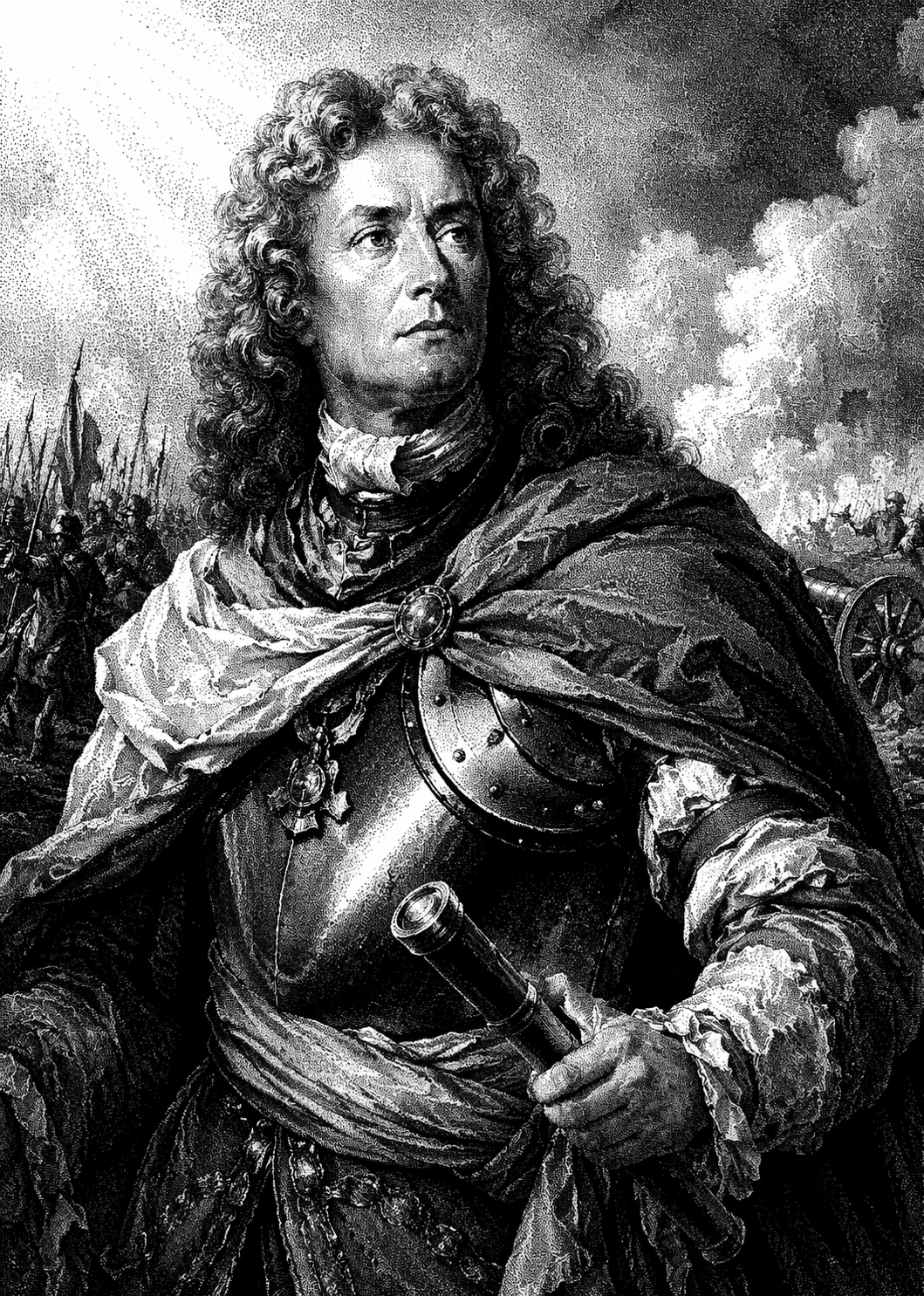
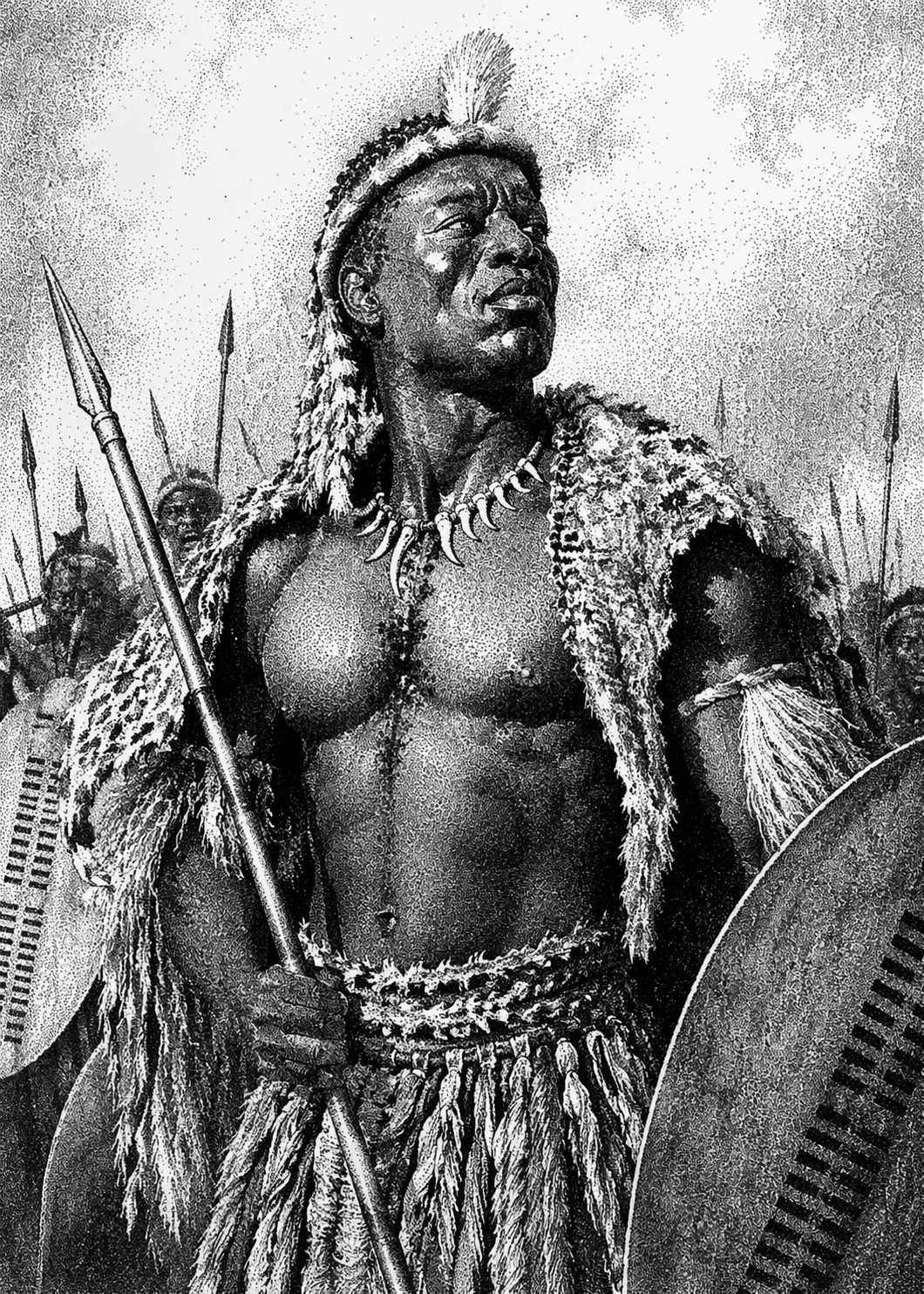
Alexander Nevsky was a 13th-century Russian prince famed for defeating invading forces at the Battle on the Ice in 1242. He became a national hero and later a saint, remembered as both warrior and shrewd diplomat.
Rank - 115