
oh, the inhumanity
A macabre encyclopedia of humanity’s most creative cruelties
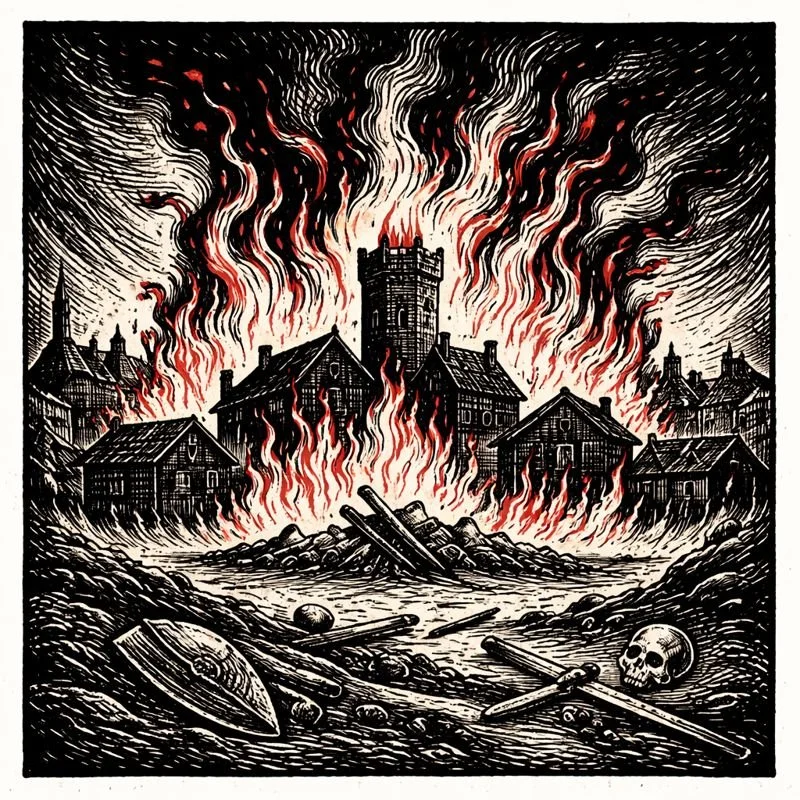
Burning Cities
Cities were not always burned in the heat of battle. Often, they were burned afterward, deliberately, methodically, as punctuation rather than violence. This entry explores how fire became a language of conquest, teaching obedience through spectacle and turning entire populations into witnesses long after the flames died down.
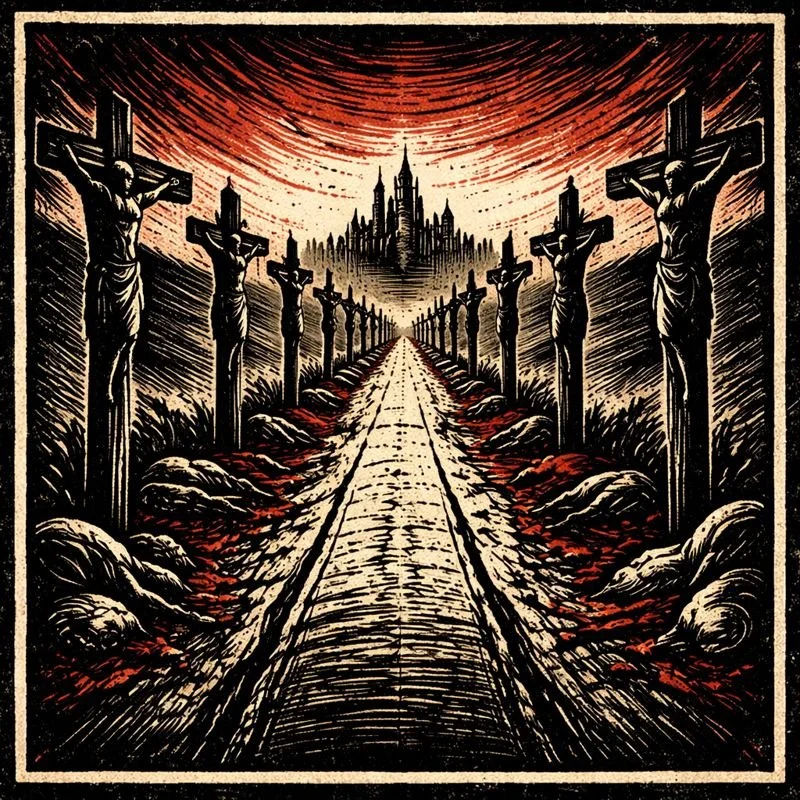
Crucifixtion
Crucifixion was not designed to kill quickly, but to instruct slowly, turning the human body into a prolonged public lesson in obedience. This article examines how empires used the cross to combine anatomy, law, and spectacle into one of history’s most efficient tools of terror. From anonymous roadside deaths to the execution of Jesus, crucifixion reveals how civilization teaches fear by making suffering visible.
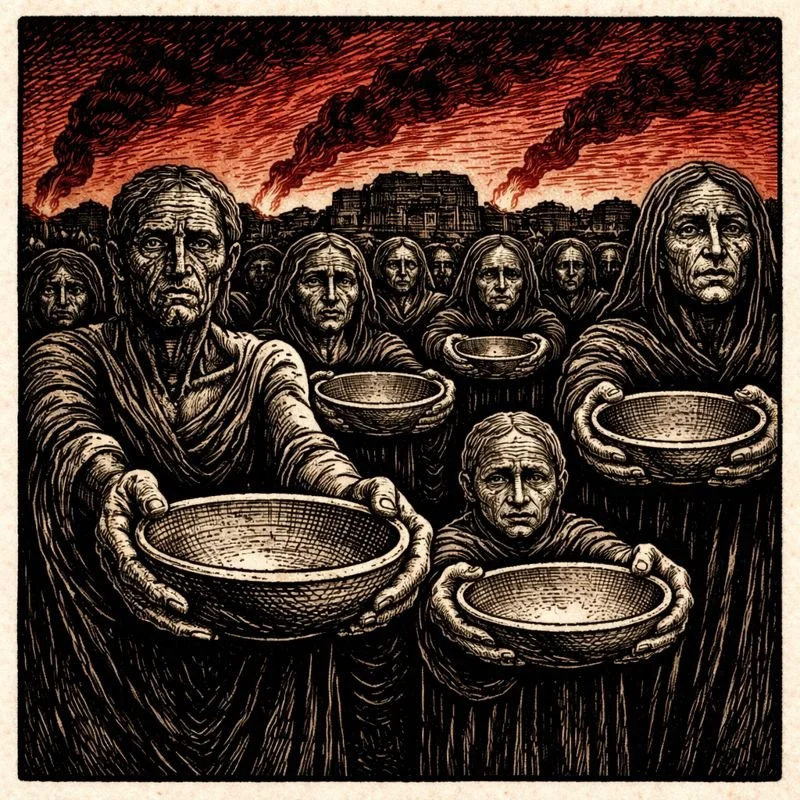
Starvation of Civilians
Starvation of civilians is a deliberate tool of power, tracing how hunger has been engineered through sieges, blockades, and policy to break populations without a single blade drawn. It explores the bodily, psychological, and moral toll of famine imposed by human design, revealing hunger as one of civilization’s most enduring weapons.
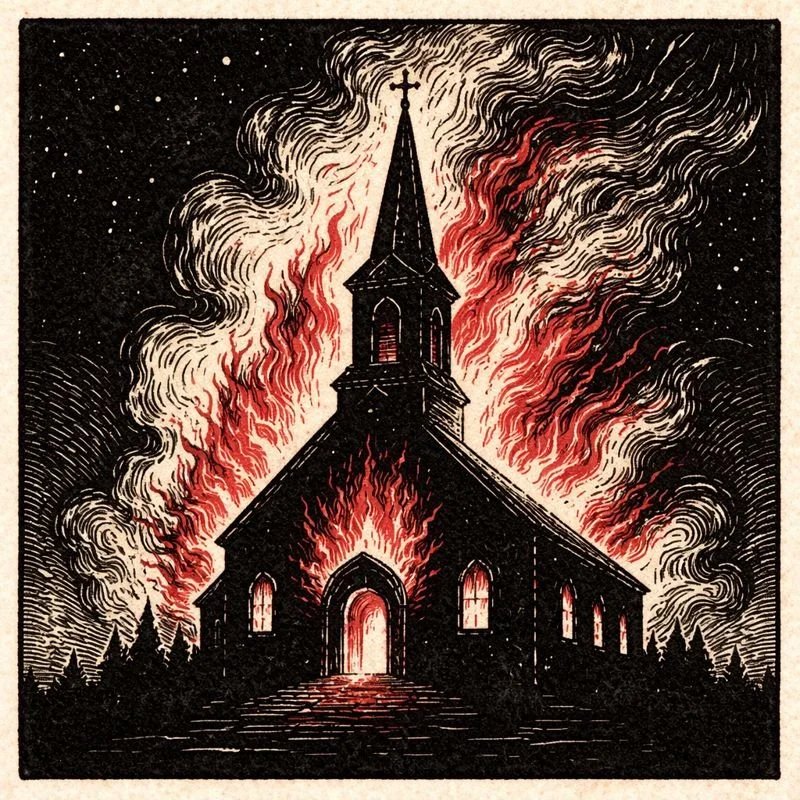
Civilians Burned in Sanctuary
The deliberate burning of civilians inside sacred spaces, where churches, temples, and sanctuaries were weaponized to turn refuge into execution. Across eras and empires, it reveals how fire was used not only to kill bodies, but to shatter the idea that any place could stand outside the reach of power.
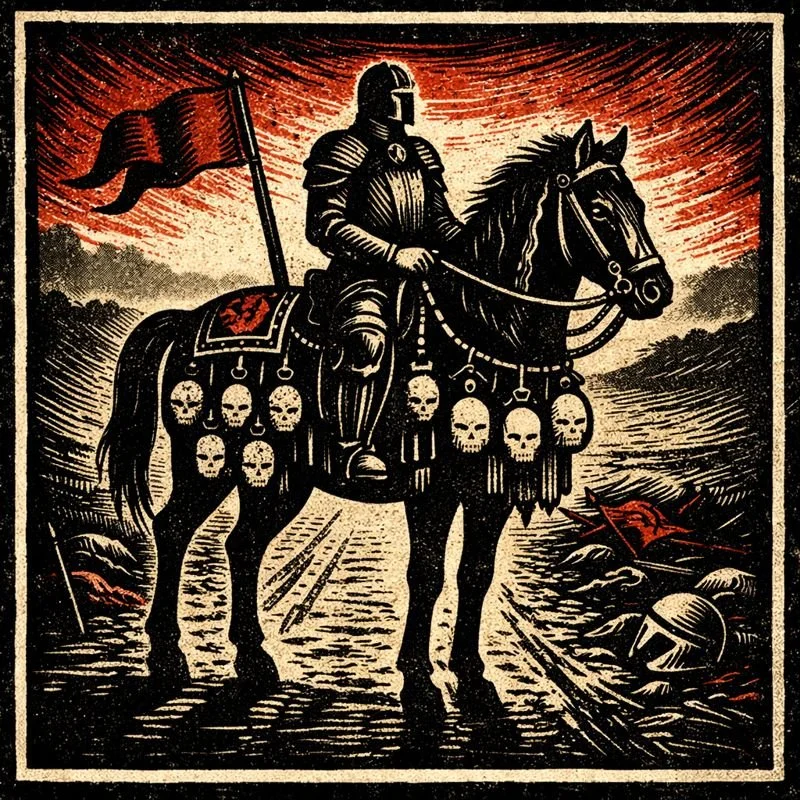
Corpse Desecration
Armies and rulers turned the bodies of their enemies into instruments of communication, transforming death into a public warning meant for the living. By tracing trophy display across cultures and centuries, it reveals how power learned to travel farther than soldiers by engraving fear directly onto the landscape.