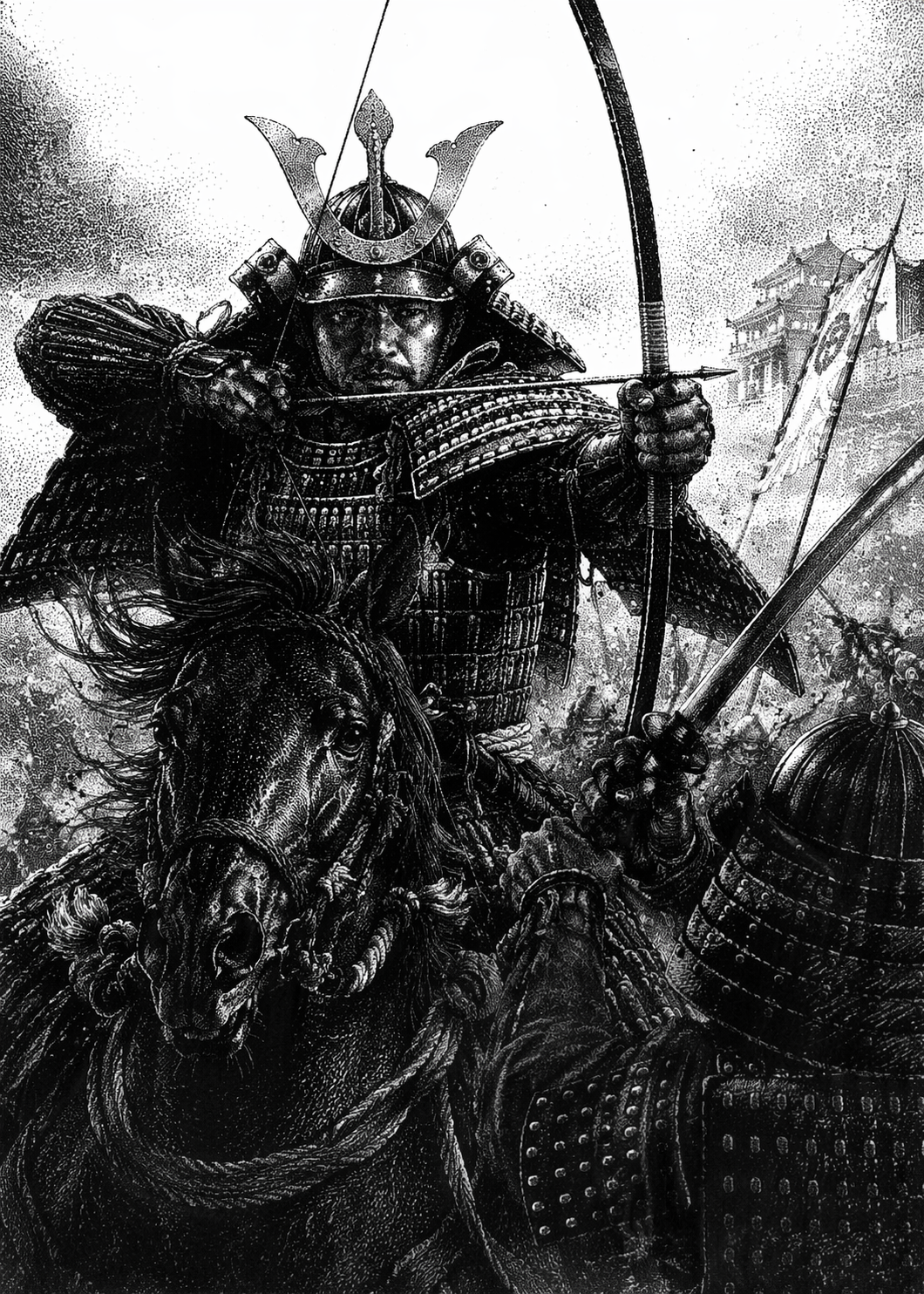
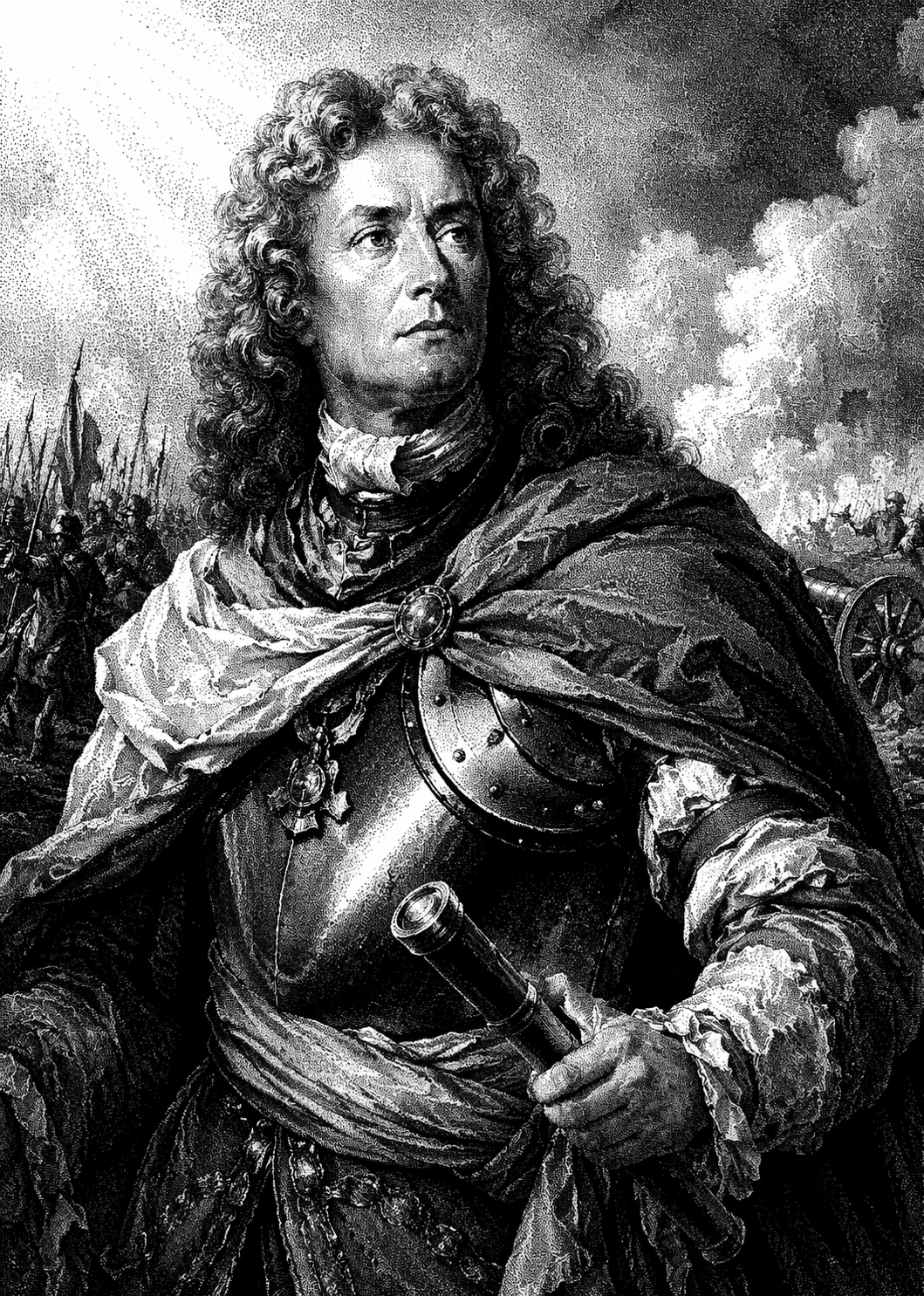
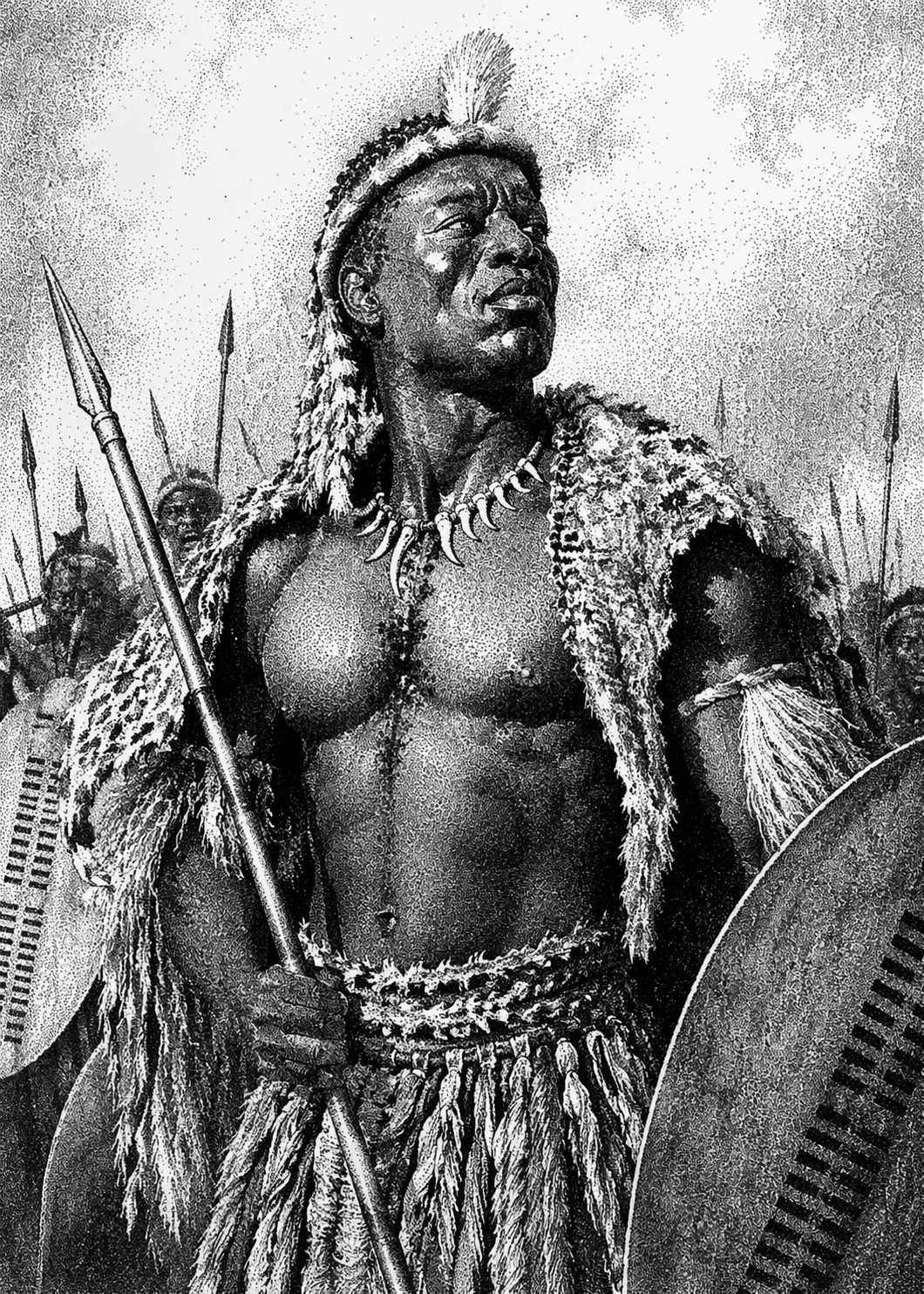
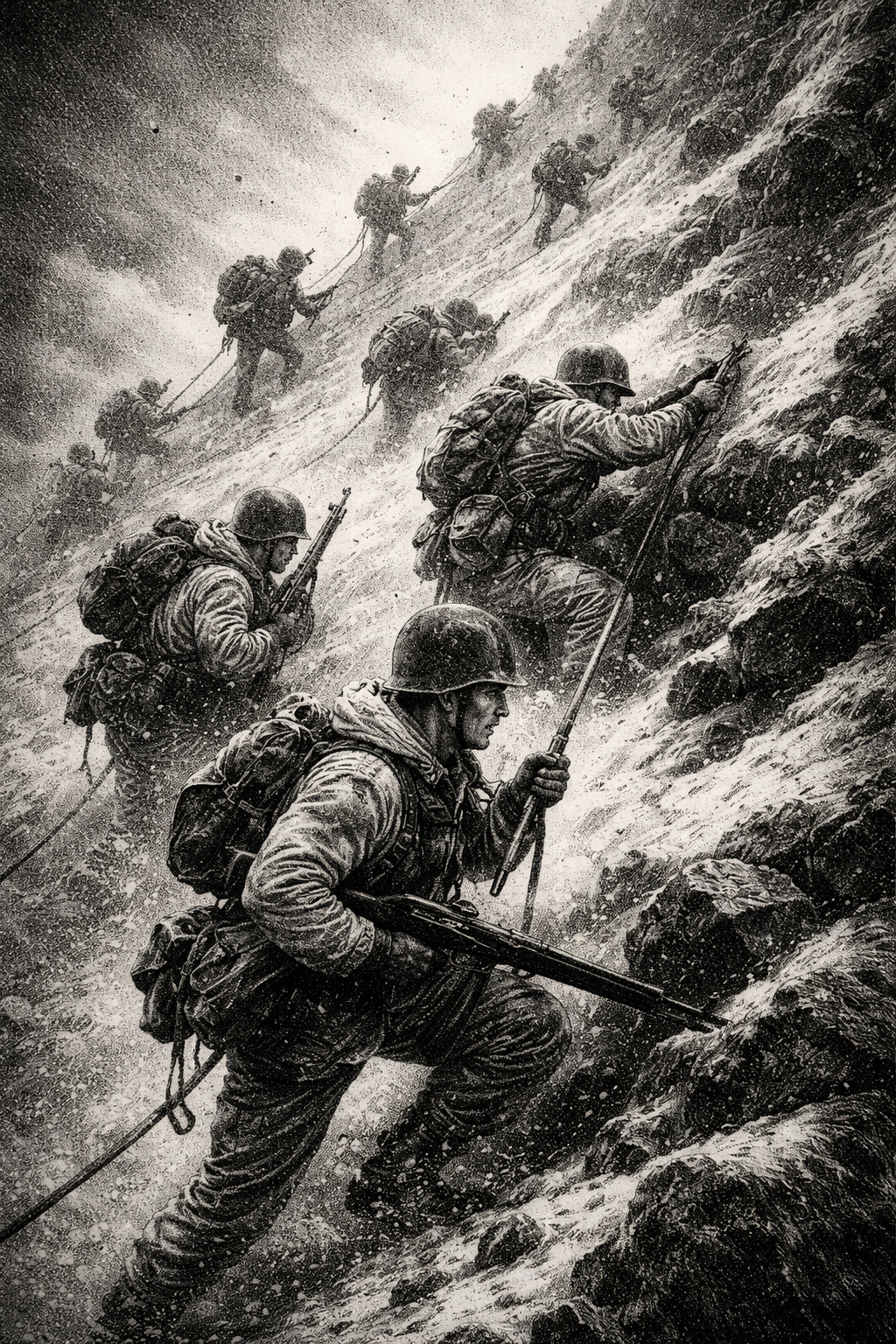
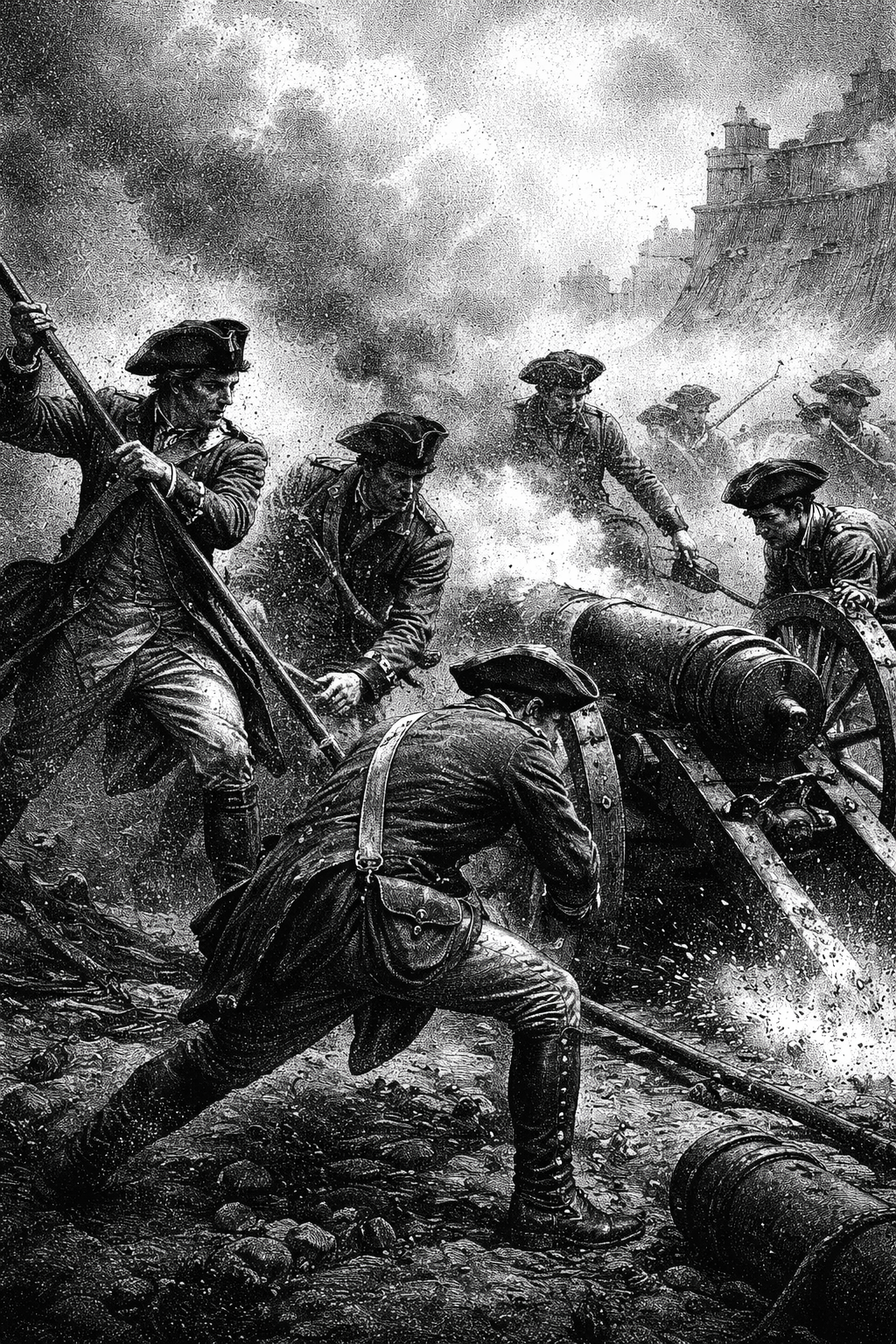
When the walls of Seringapatam fell, he didn’t flee—he fought until the tiger stripes faded from his own blood.
Rank - 146
Smedley D. Butler was a two-time Medal of Honor–winning U.S. Marine who spent decades fighting America’s overseas wars during the age of imperial expansion. After retiring, he became one of the nation’s fiercest critics of war profiteering, condemning the very system that had made him famous.
Rank - 148
Tiglath-Pileser I was an Assyrian king of the 12th century BCE who expanded his empire through relentless military campaigns and the calculated use of terror as state policy. His meticulously recorded conquests turned violence into propaganda and set the template for later Assyrian imperial power.
Rank - 149
Baldwin I of Jerusalem was the first king of the Crusader Kingdom of Jerusalem, a hard-edged Frankish warlord who turned conquest into governance. He secured and expanded the kingdom through relentless warfare, political pragmatism, and a clear-eyed understanding that survival mattered more than sanctity.
Rank - 150
Greek revolutionary commander of the War of Independence, famed for ruthless guerrilla tactics, obscene candor, and battlefield brilliance. A klepht turned national hero who fought the Ottoman Empire with ambushes, audacity, and a terminal disregard for authority.
Rank - 151
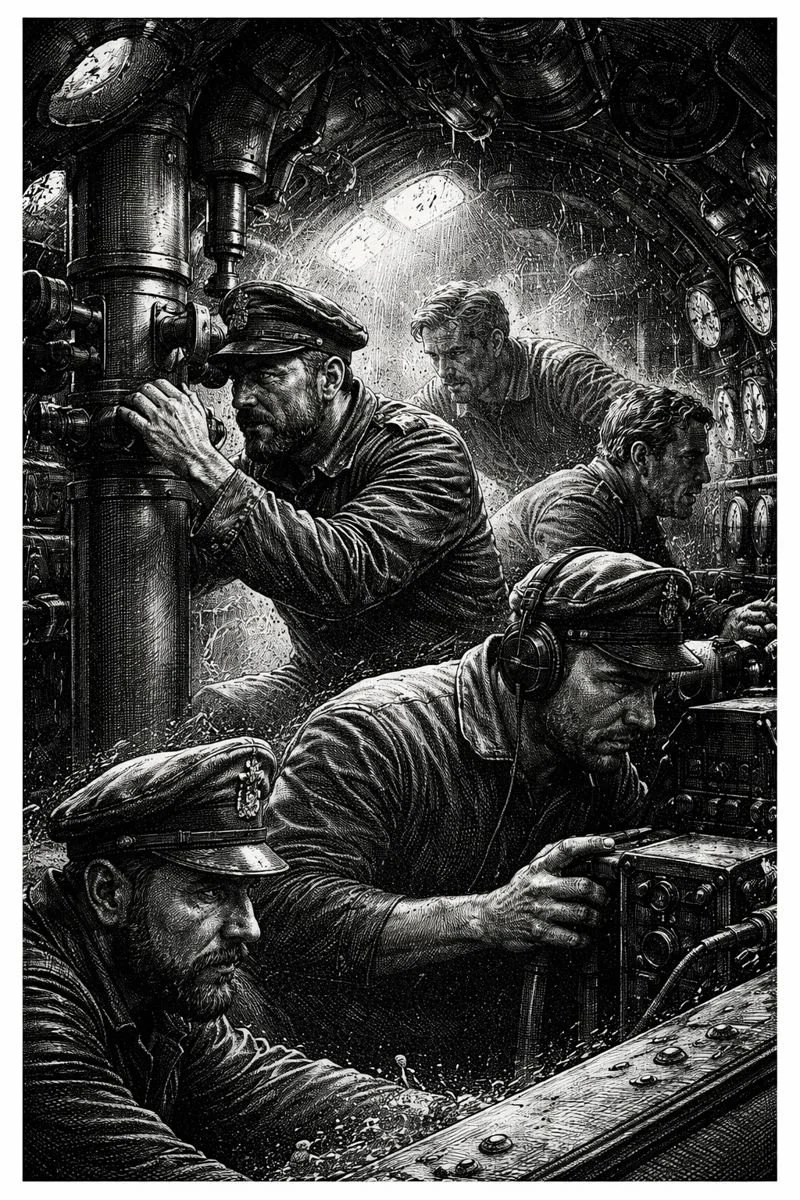
They were a brotherhood sealed inside steel, waging a silent war of endurance and arithmetic against the Atlantic until the ocean and industry finally broke them.
Group Rank - 179
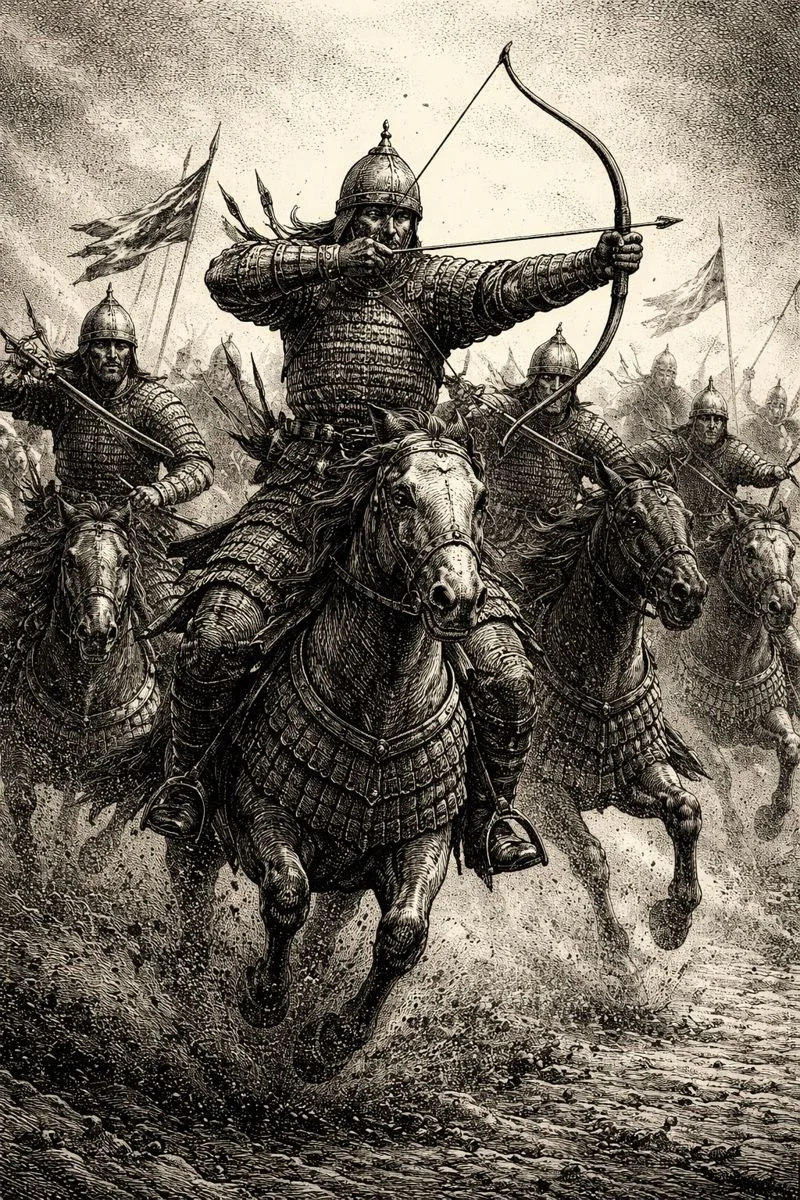
A professional cavalry brotherhood forged from enslaved youths, the Fatimid and Ayyubid Mamluk horsemen mastered discipline, mobility, and shock warfare to become the decisive military force of medieval Egypt and Syria.
Group Rank - 180
The French Fusiliers Marins are naval infantry trained to fight ashore with the discipline of sailors, the endurance of infantry, and a collective refusal to break once committed.
Group Rank - 181
The Teutonic Knights were a medieval military order that fused monastic discipline with state-building warfare, conquering and ruling large parts of the Baltic through crusade, colonization, and fortified power.
Group Rank - 182
The New Kingdom chariot corps turned speed into a weapon, using disciplined coordination and relentless mobility to carry Egyptian power far beyond the Nile.
Group Rank - 183
A disciplined wall of armored horsemen advances with relentless precision, embodying the Byzantine Empire’s doctrine of patience, weight, and inevitable force on the battlefield.
Group Rank - 184
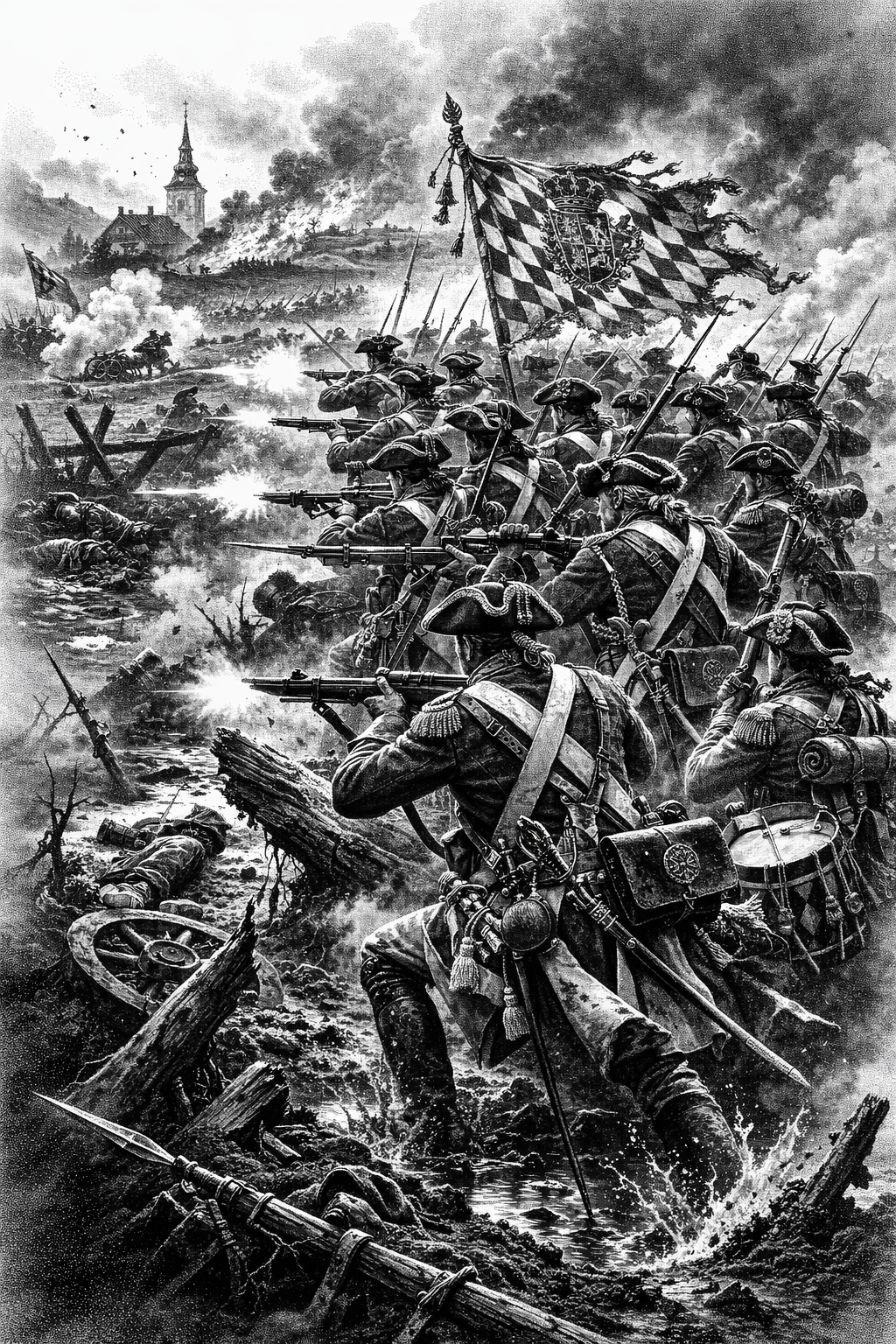
A brotherhood forged in revolt, the Dutch States Army turned geometry, discipline, and relentless volleys into the weapon that broke the old world’s battlefield logic.e.
Group Rank - 185
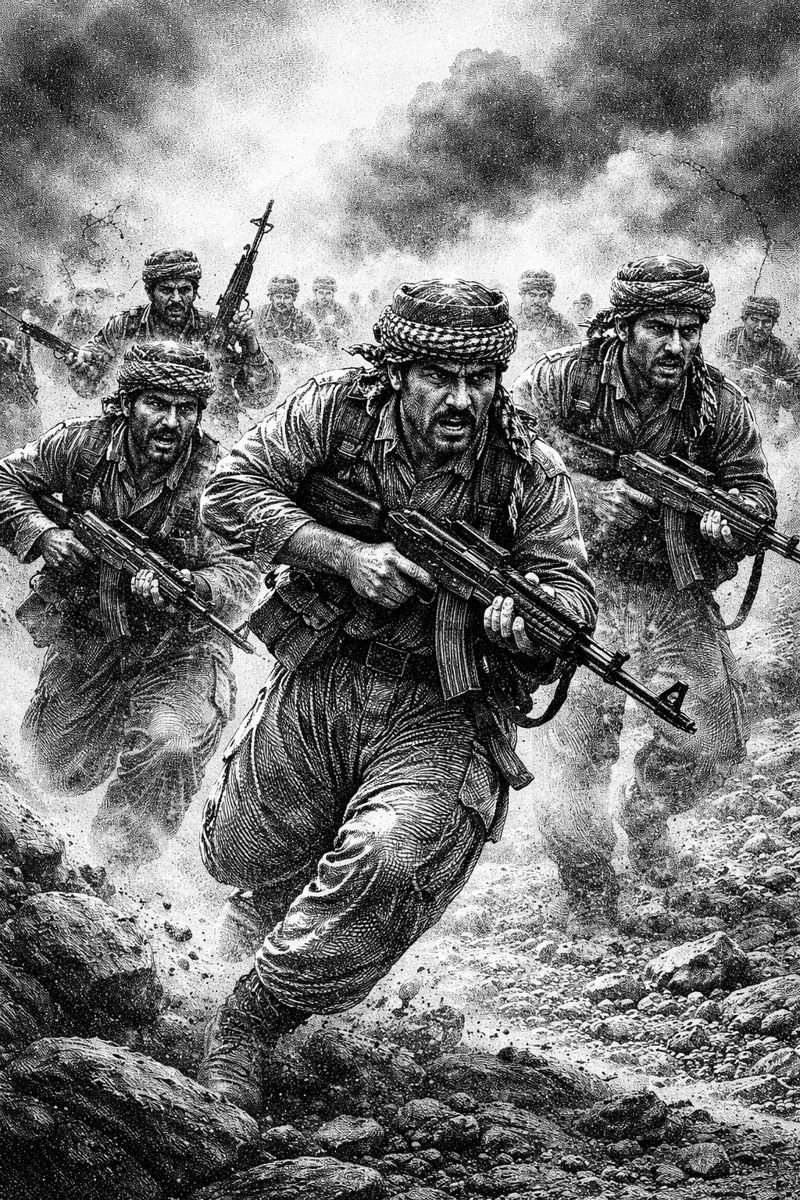
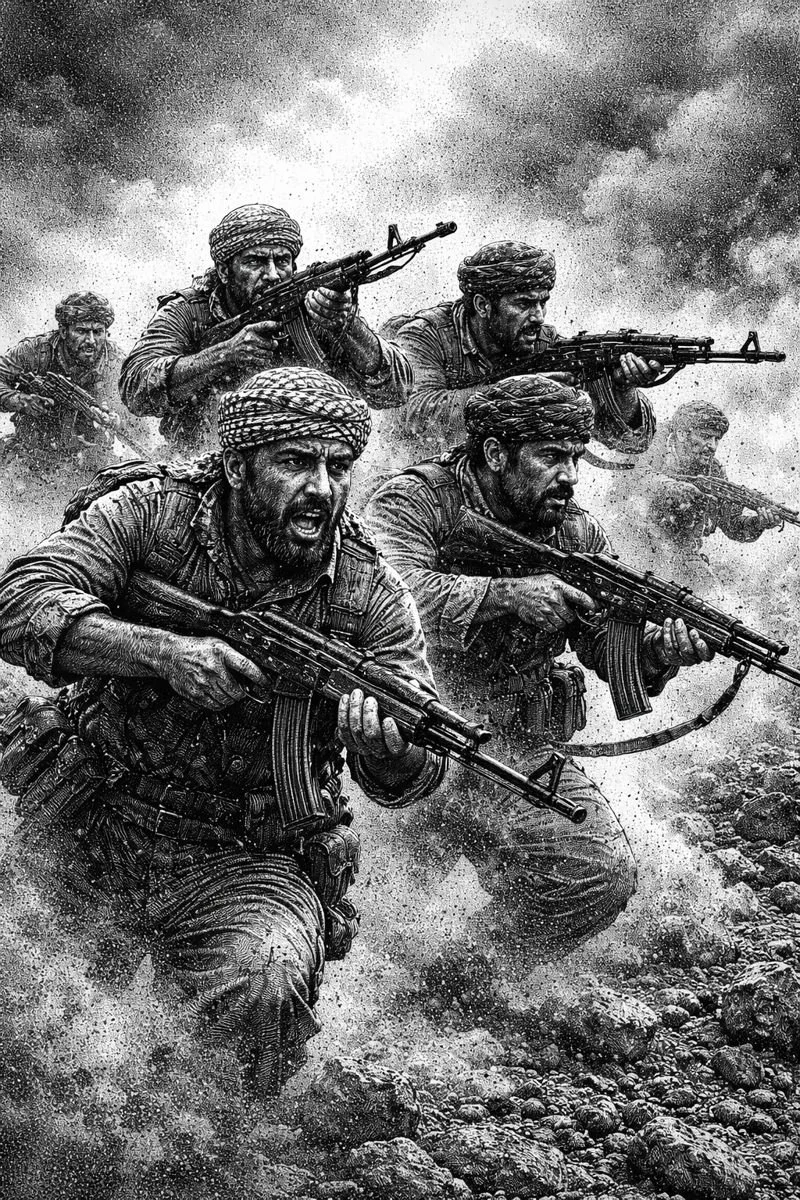
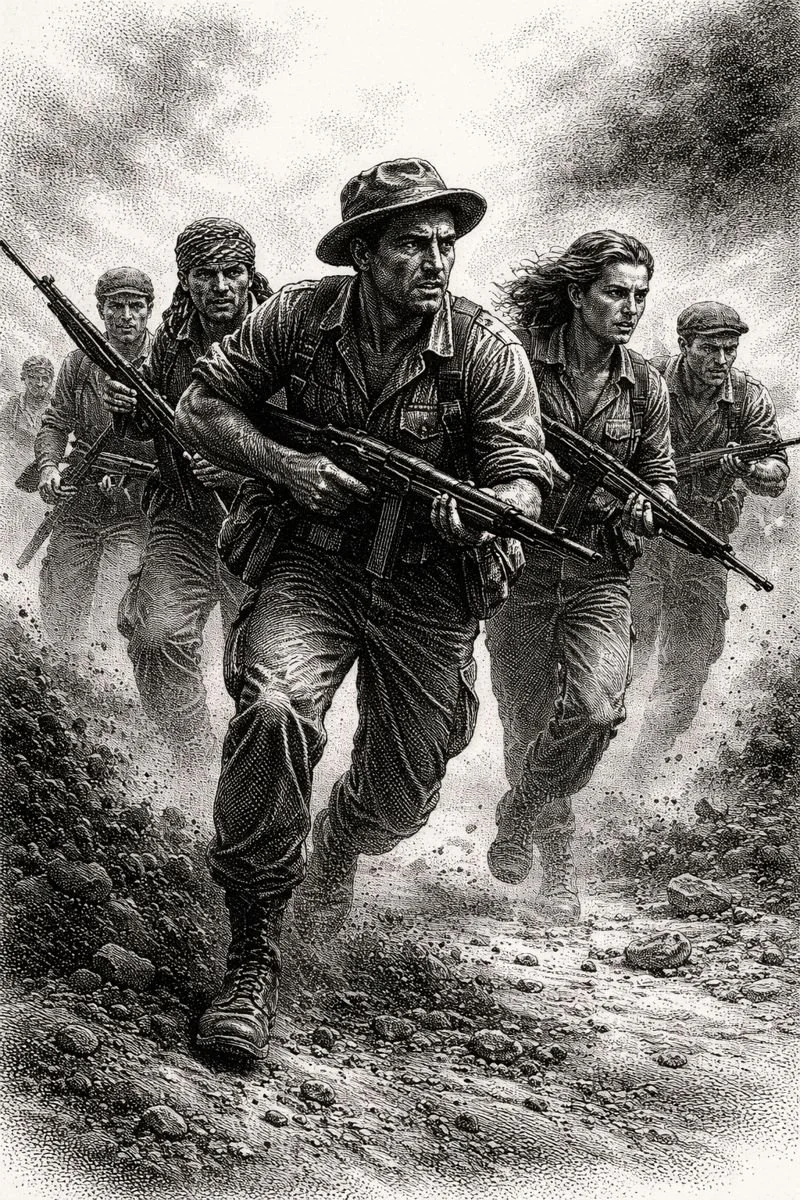
A brotherhood of Spanish Guerrilleros rises from the hills and hollows of Iberia to bleed an empire one ambush at a time.
Group Rank - 186
Russian Grenadiers advanced like a moving wall of frostbitten resolve, breaking armies through sheer inevitability long after the grenades themselves stopped mattering.
Group Rank - 187
What People Are Saying
“Finally, a ranking system I didn’t have to invent to still come in second place. The Warrior Index makes me want to conquer Mars just to qualify.”
— Elon Musk, probably re-tweeting himself at 3:47 a.m.
“The Warrior Index is a cathedral built from blood and delusion. I read it and felt the cold breath of extinction whispering encouragement. Beautiful.”
— Werner Herzog, during an interview no one asked for
“When I said ‘You get a car!’ what I meant was: you get a sword, you get a vendetta, you get generational trauma! The Warrior Index… truly speaks to me.”
— Oprah, probably regretting this endorsement immediately
“It’s like if history, testosterone, and poetry had a group chat — and every message was yelling at you to get up earlier. Ten out of ten flexes.”
— Dwayne Johnson, allegedly between workouts
“I find it inspiring that so many men throughout history died trying to look as composed as I do while frosting a cake. The Warrior Index is… deliciously violent.”
— Martha Stewart, in a tone that made her publicist nervous
“Frankly, I’m rated higher than Alexander the Great. Everybody says so. Alexander didn’t even have buildings with his name on them — sad!”
— Donald J. Trump, inventing a new entry called “Bone Spurs of Destiny”
“Reading the Warrior Index is like watching evolution lose its patience. So many apex predators… and not a single one learned manners.”
— Sir David Attenborough, whispering from the safety of a bunker
“The Warrior Index is the only Western list I actually respect. It understands one simple truth: you can’t cancel conquest.”
— Vladimir Putin, while shirtless and misunderstood
“Peace is my calling. But I have to admit, after reading the Warrior Index, I did Google ‘how to forge a battle-axe.’”
— The Dalai Lama, probably kidding (probably)
Mahmud of Ghazni (c. 971–1030) was a Turkic ruler and the first major sultan, renowned for his highly mobile cavalry campaigns that projected Ghaznavid power across Central Asia and deep into the Indian subcontinent. Both a fierce military raider and a calculated patron of Persian culture, he left a legacy shaped equally by conquest, wealth extraction, and enduring historical controversy.
Rank - 147