An Illustrated Encyclopedia of the Beasts Who Served and Suffered for Mankind
How We Chose Who Belongs in the Ark
Every story in this blog began with a question: what makes an animal worth remembering?
Not as a mascot, not as a metaphor, but as a participant — a being who stepped into the human world of work, war, or wonder and left a mark that stayed.
To answer that, we built a method. Each subject was examined not by affection or folklore, but by record. We used military logs, lab notes, witness statements, newspaper accounts, even scraps of film or photographs. Each was scored across seven quiet measures: sacrifice, agency, impact, dependence, symbolic weight, longevity, and, when needed, complicity — the measure of how much of their “choice” was really ours.
It was never mathematics so much as a moral geometry. Points helped us see patterns: who risked everything, who was used, who kept showing up, and who left behind something larger than themselves. The scale wasn’t there to judge them, but to remind us that heroism and harm often share the same leash.
From those patterns emerged four kinds of remembrance.
Legends, Champion, Saints, and the Honorables.
The borders between them blur. Some animals carry pieces of all four. What matters is not category, but continuity — a shared thread of loyalty, courage, or endurance strong enough to cross species.
Together they form a ledger of service and sacrifice: the Ark of Heroes and Martyrs.
A census of every creature who ever shouldered a human burden and, for one brief moment, became unforgettable. They need to be remembered by name.
.
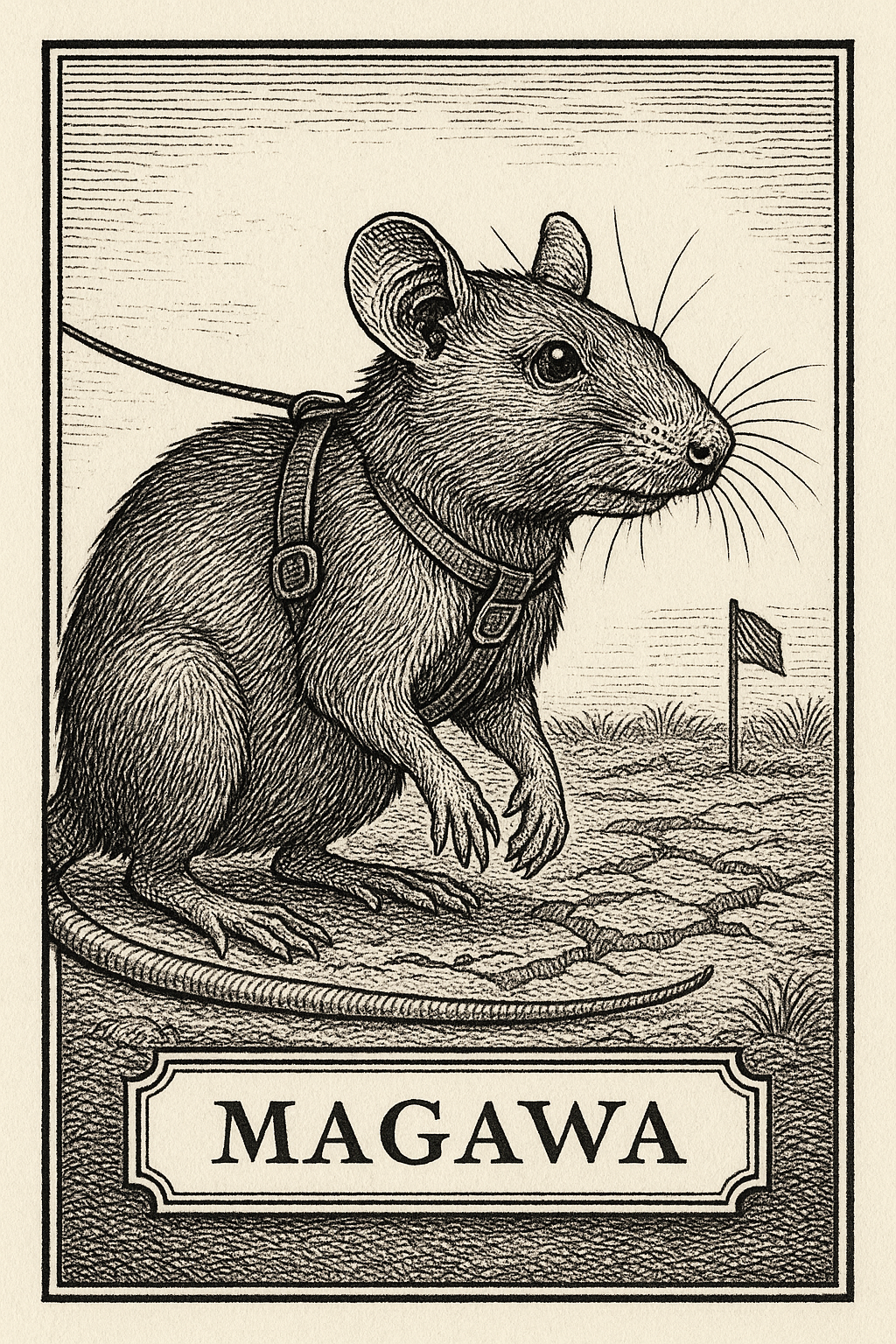
Magawa
Magawa, an African giant pouched rat, detected over 100 landmines in Cambodia using his keen sense of smell and a scratch signal for TNT. Too light to trigger explosives, he safely cleared more than 225,000 square meters of dangerous ground. In 2020, he became the first rat awarded the PDSA Gold Medal for bravery.
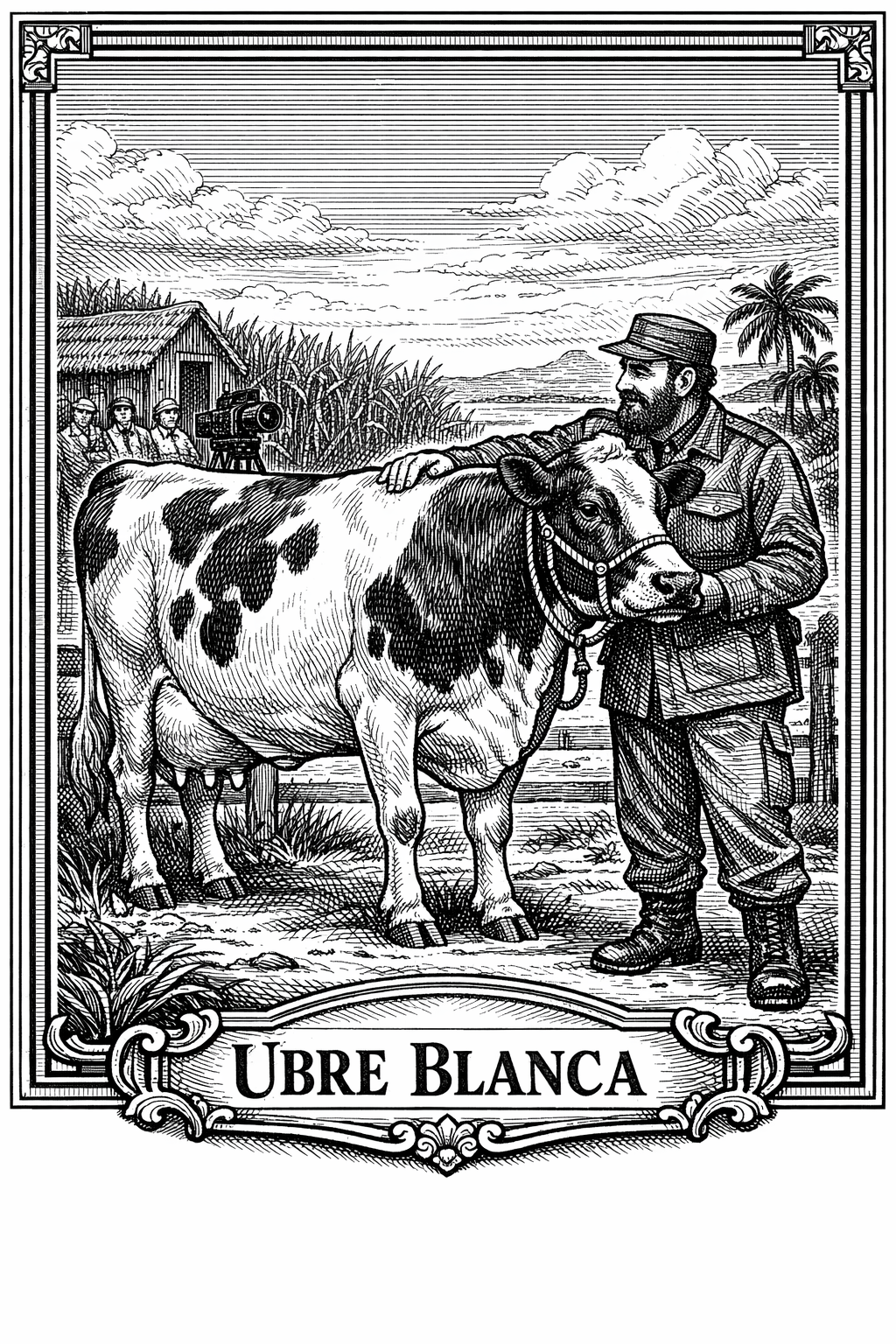
Ubre Blanca
Ubre Blanca was Cuba’s most famous dairy cow, celebrated in the 1980s for producing extraordinary milk yields that the government hailed as proof of socialist agricultural science. After her death in 1985, she was preserved and memorialized as a national icon, though later cloning efforts failed to recreate her record-breaking output.
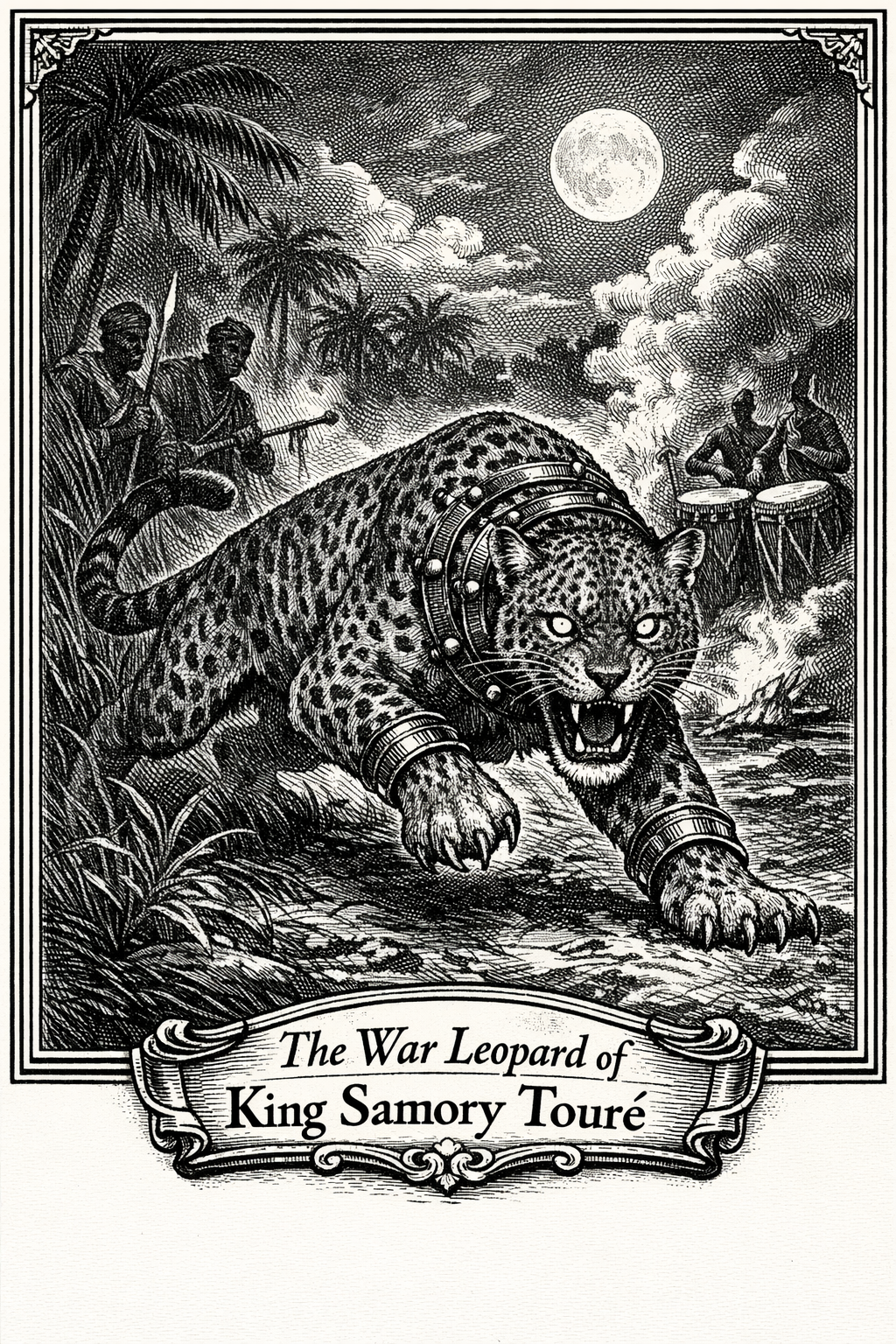
The War Leopard of King Samory Touré
A leopard, collar-bound in bronze, was said to move ahead of Samory Touré’s scouts like a living omen, trained to spring at those who did not carry the scent of home. Whether beast or battlefield rumor, it prowled the edge between history and legend, remembered as justice with claws beneath the West African moon.
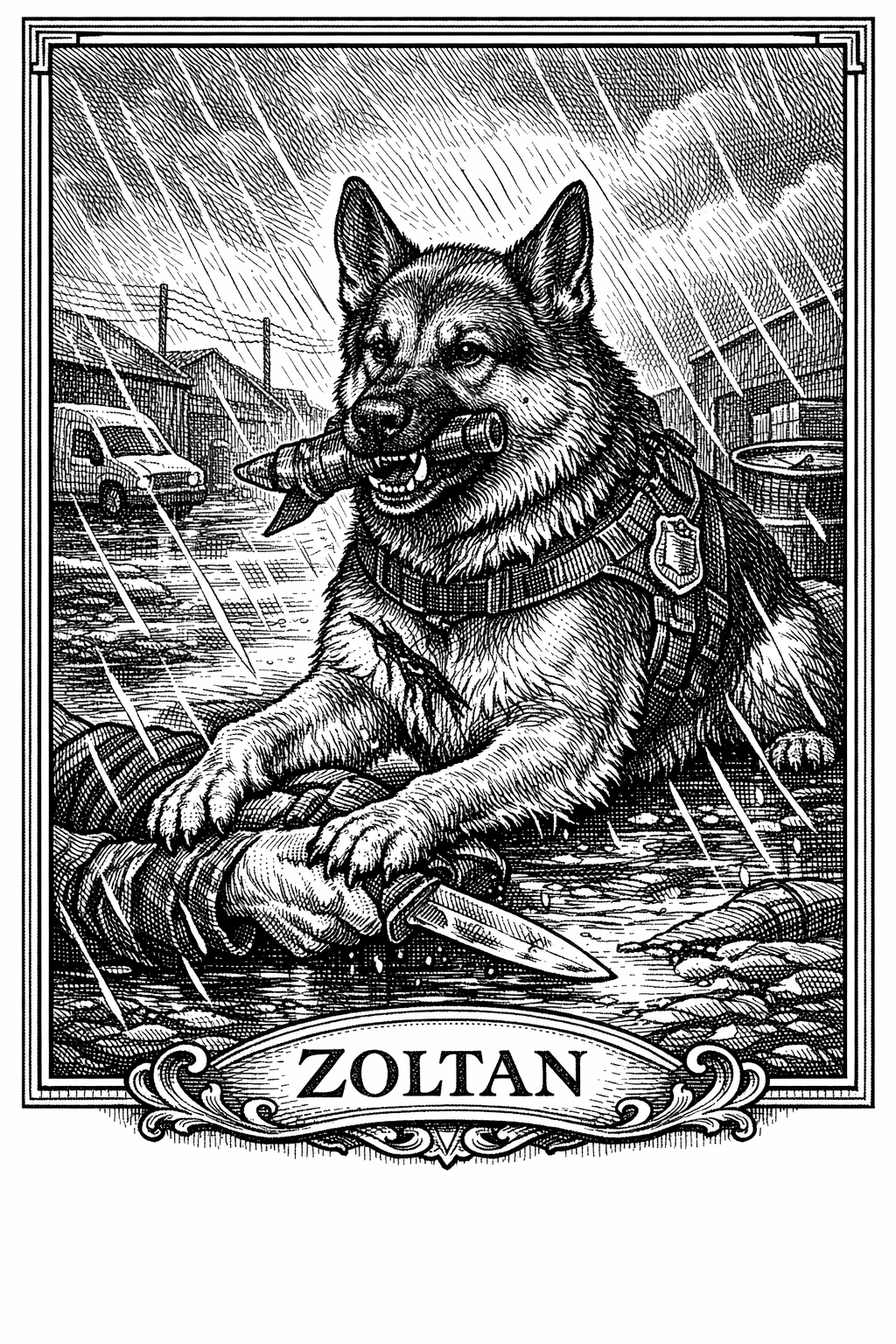
Zoltan
Zoltan was a police dog in the West Midlands who charged a knife-wielding suspect in 2006, taking a serious chest wound while holding the man until officers could make the arrest. For his courage under fire and refusal to release his grip, he was awarded the PDSA Gold Medal before quietly returning to duty.
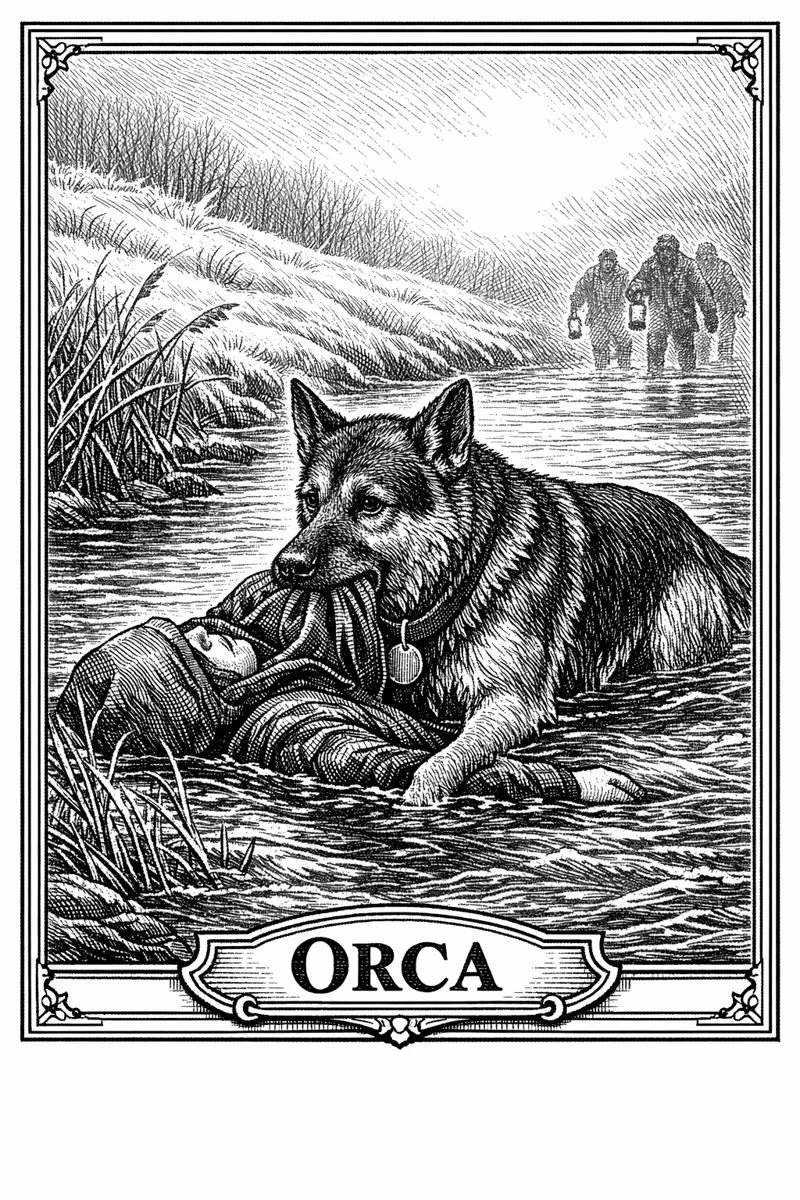
Orca
Orca was a devoted companion dog in Cardiff, Wales, whose instinct and strength saved his owner after she fell into a swollen river during a late frost in April 2006. He held her above the current until rescuers arrived, refusing to release her even as both were pulled under by the water’s weight.
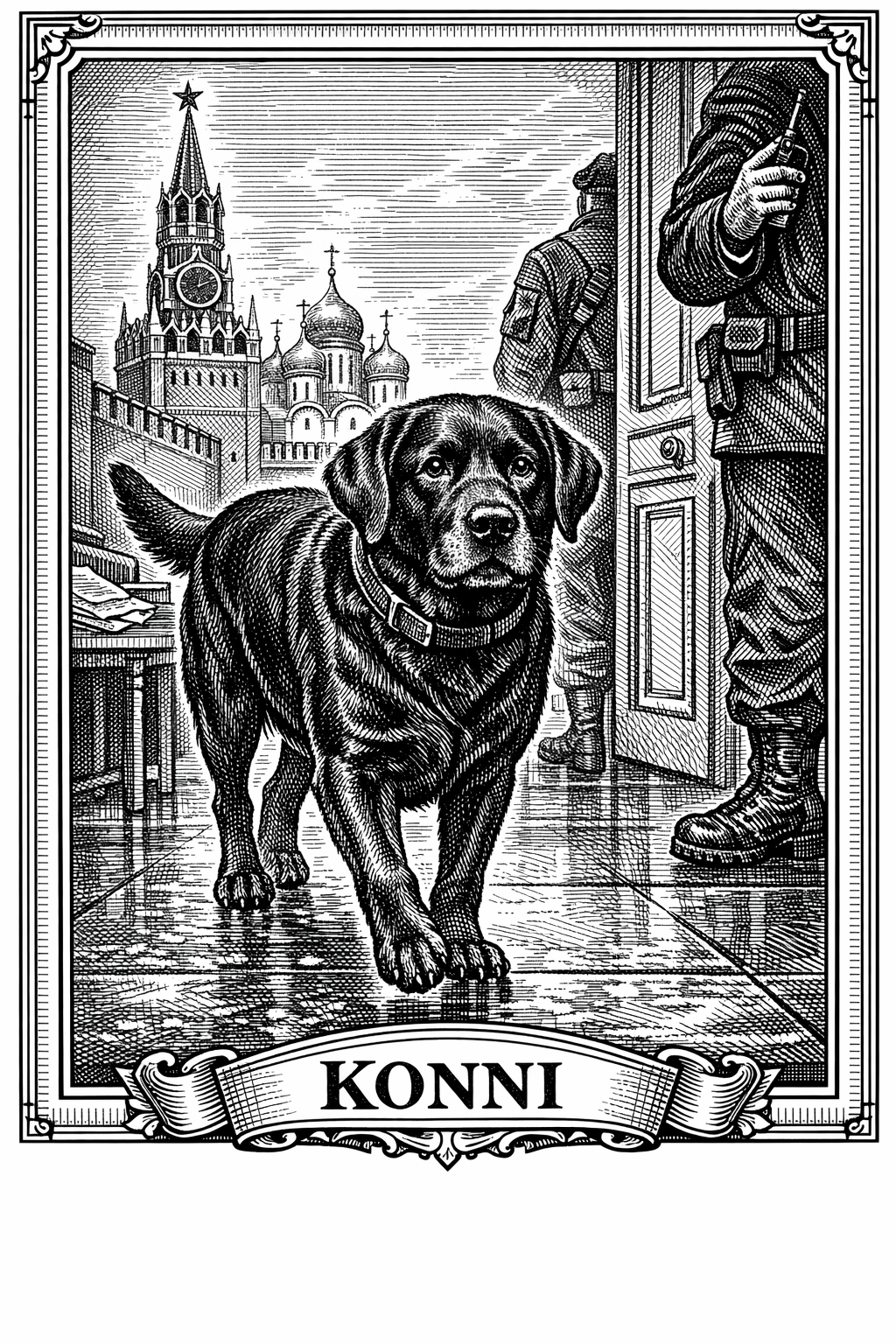
Konni
Konni was a black Labrador retriever gifted to Vladimir Putin who became an unofficial fixture of the Kremlin during his early presidency. More than a pet, she functioned as a symbol of controlled authority and loyalty, appearing in diplomatic settings and media moments that shaped her lasting public image.
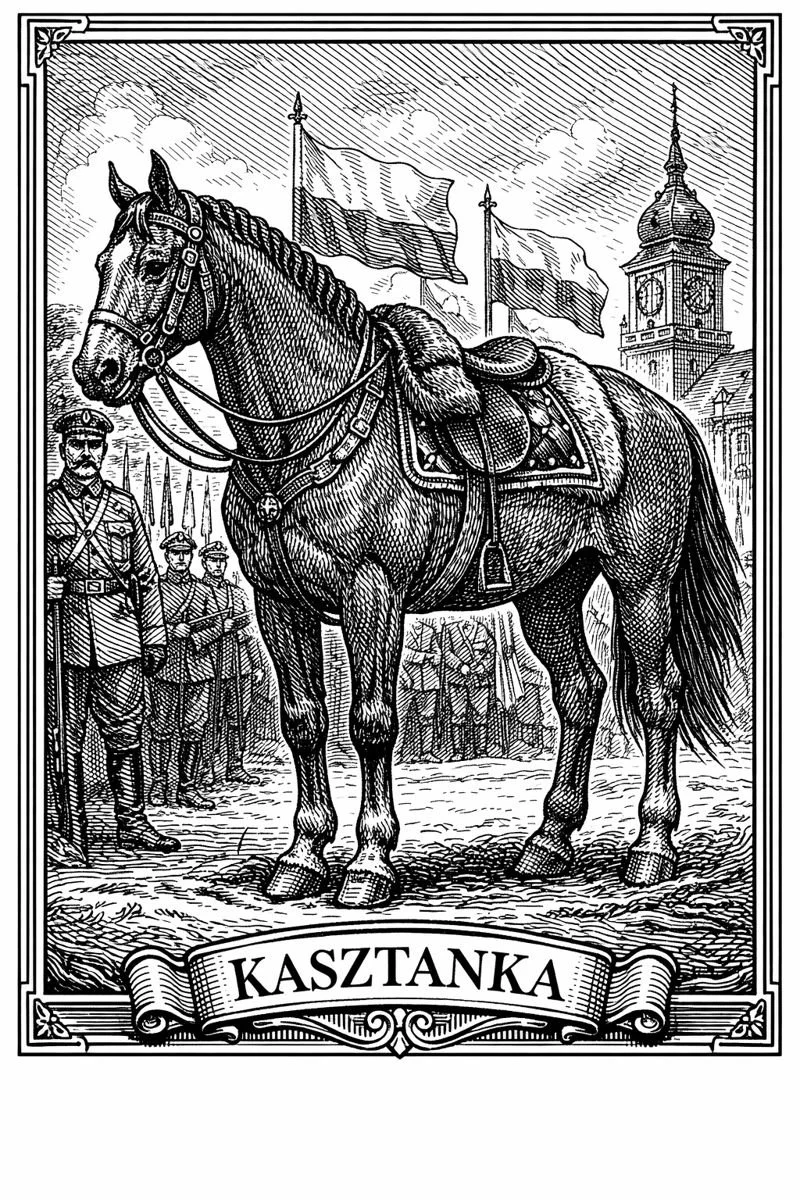
Kasztanka
Kasztanka was the beloved mare of Marshal Józef Piłsudski and became a living symbol of the reborn Polish Republic through her presence at parades, speeches, and wartime moments. More than a mount, she embodied loyalty, endurance, and national pride, earning honors, songs, and a ceremonial burial after her death in 1926.
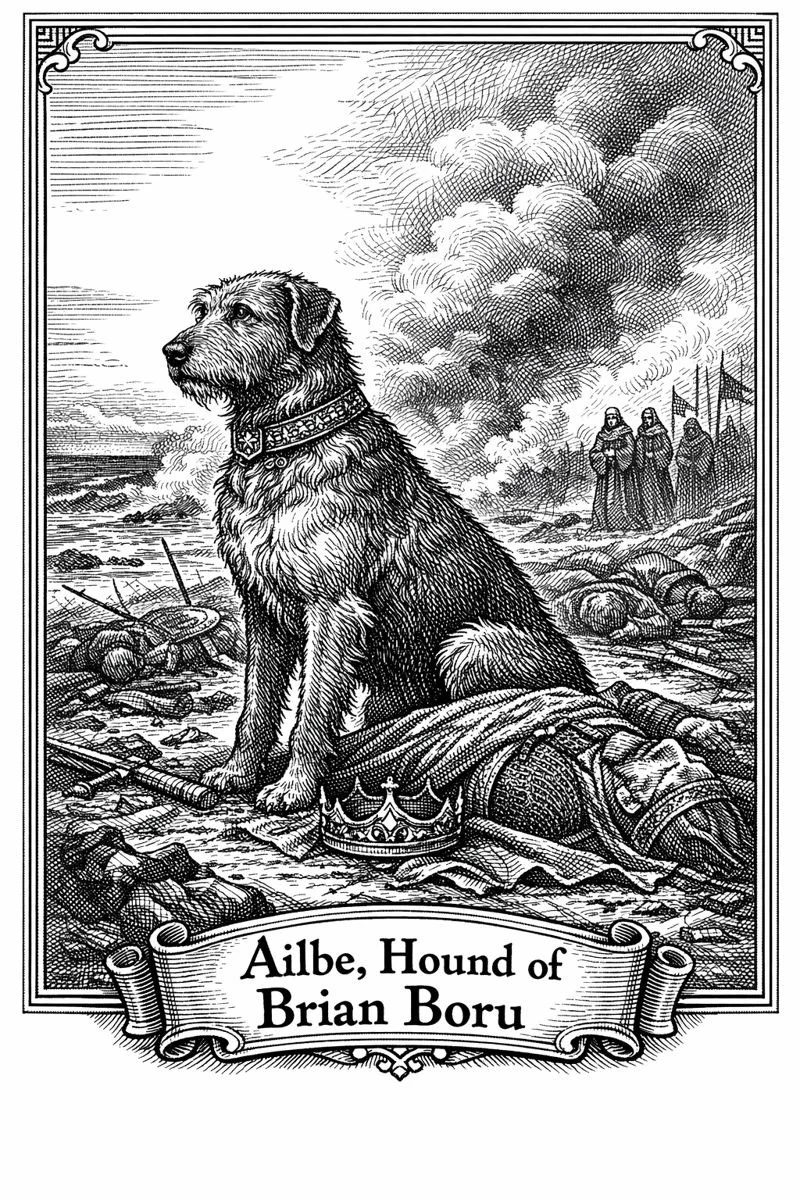
Ailbe, hound of Brian Boru
Irish wolfhounds were among the largest and most formidable dogs of medieval Europe, bred for hunting wolves, boar, and for service in war alongside Irish warriors. Renowned for their courage and loyalty, they were symbols of status and guardianship, often remaining fiercely devoted to their masters even unto death.
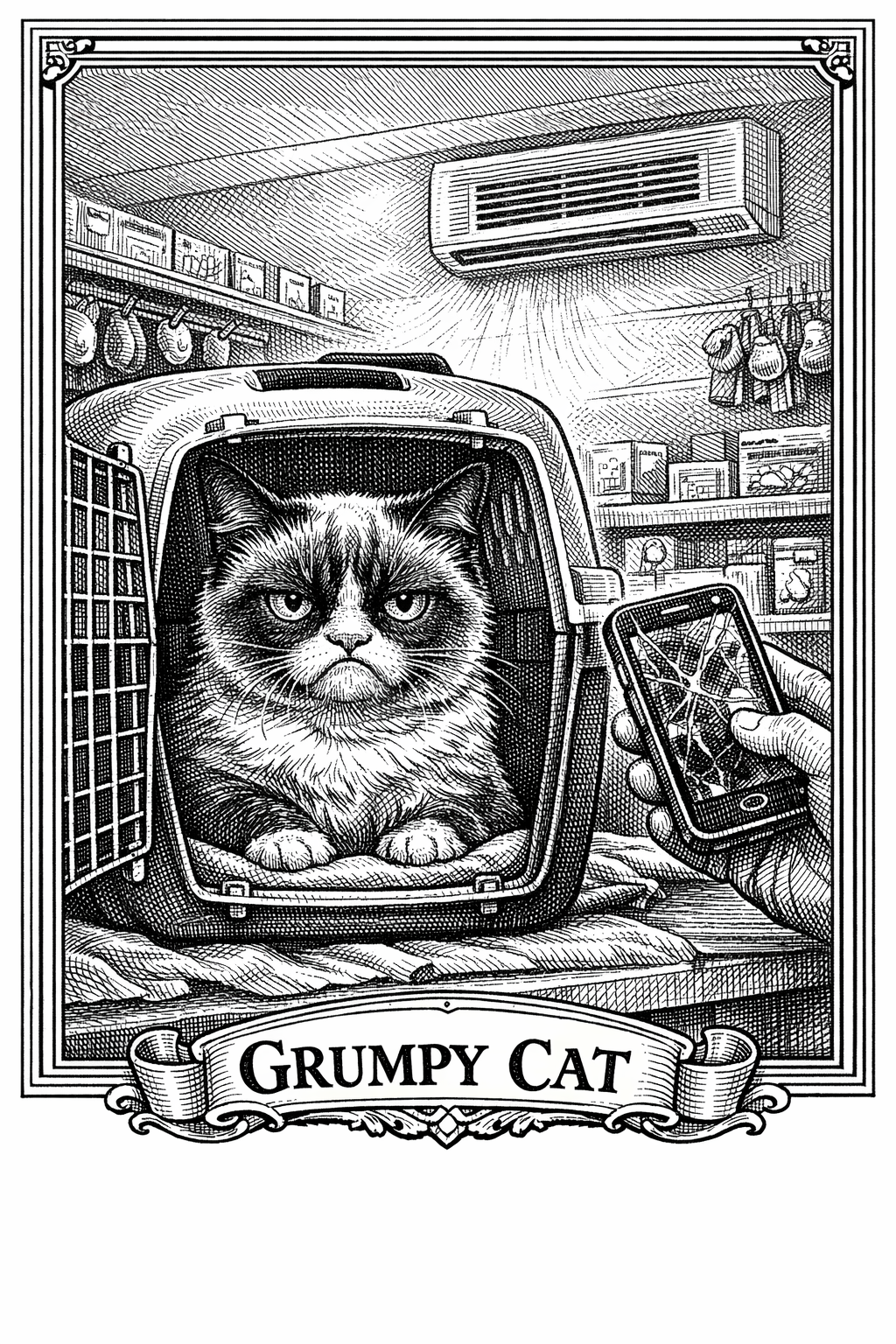
Grumpy Cat
Grumpy Cat, born Tardar Sauce in 2012, became a global icon after photos of her naturally grumpy expression went viral online. Her unique appearance, caused by feline dwarfism, turned her into one of the most recognizable and profitable animals in internet history.
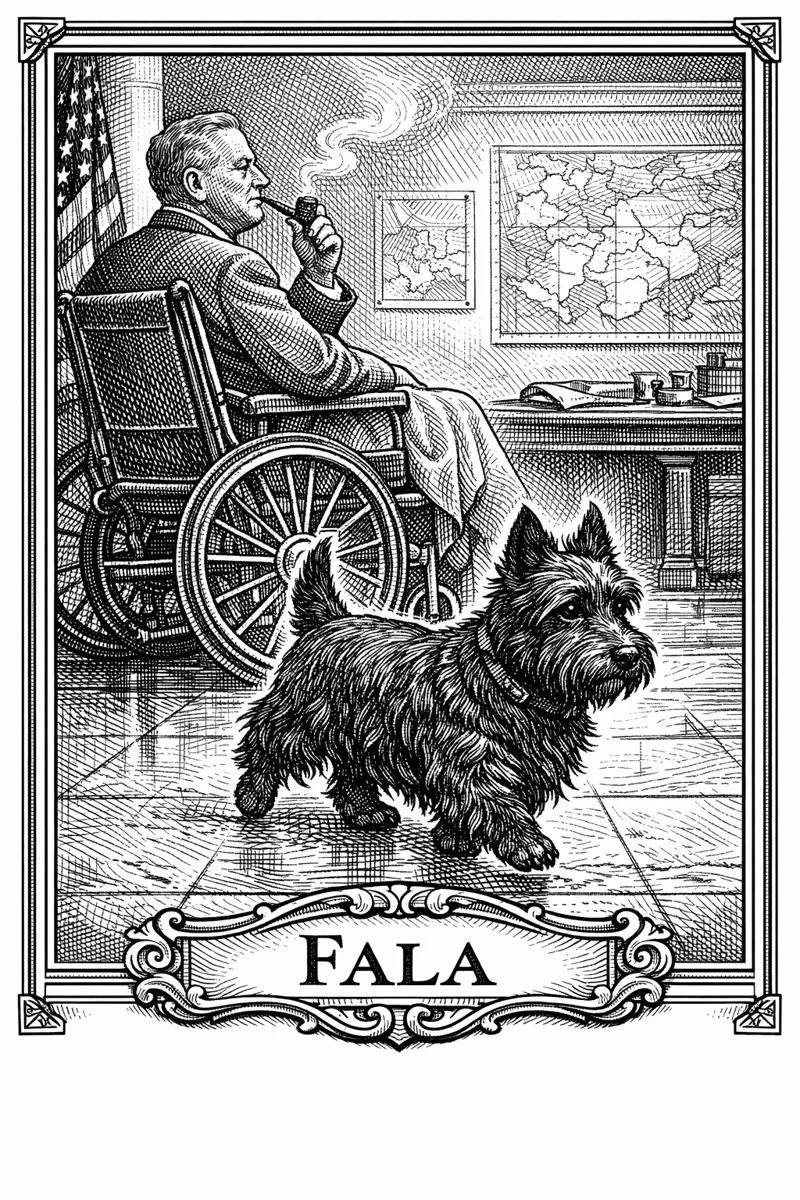
Fala
Fala was more than a presidential pet; he was a constant companion to Franklin D. Roosevelt, traveling on campaigns, attending meetings, and becoming a public symbol of loyalty during wartime America. His fame was so great that Roosevelt famously defended him in a speech against false rumors, turning a political attack into one of the most memorable moments of humor and affection of his presidency.
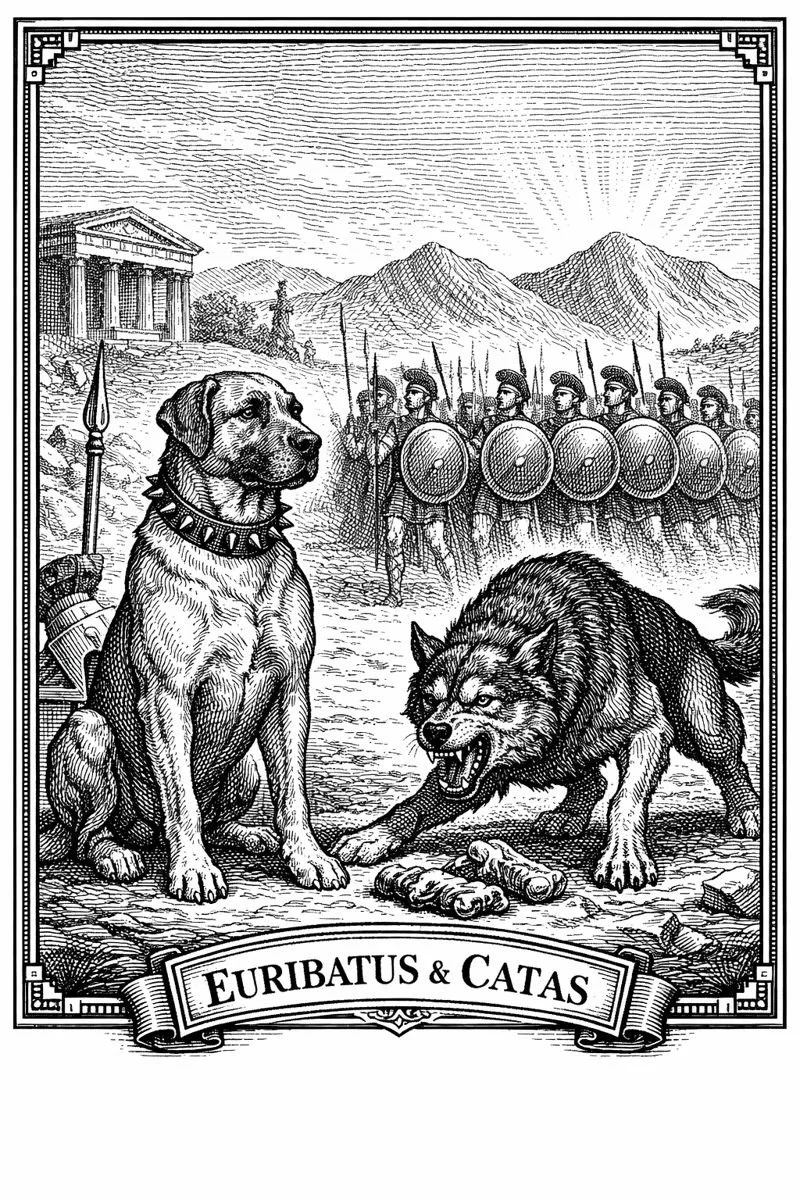
Euribatus and Catas
Euribatus and Catas were legendary Spartan dogs said to embody the balance between discipline and instinct, trained alongside warriors and sent into battle with the phalanx. Remembered less for ferocity than for loyalty, they followed Spartan orders to the end, vanishing with the men they served.
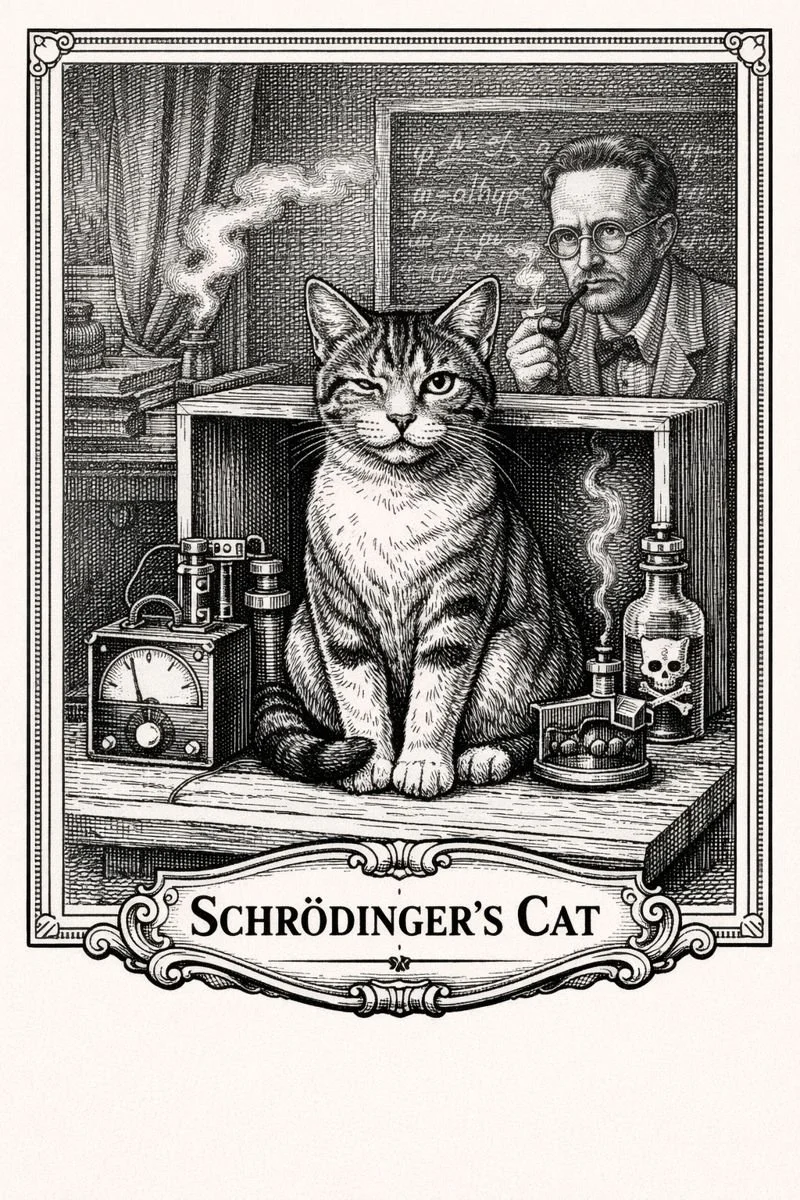
Schrödinger’s Cat
The cat sits calm and unknowing within the box, made a legend not by danger itself but by the human need to imagine what cannot be seen.
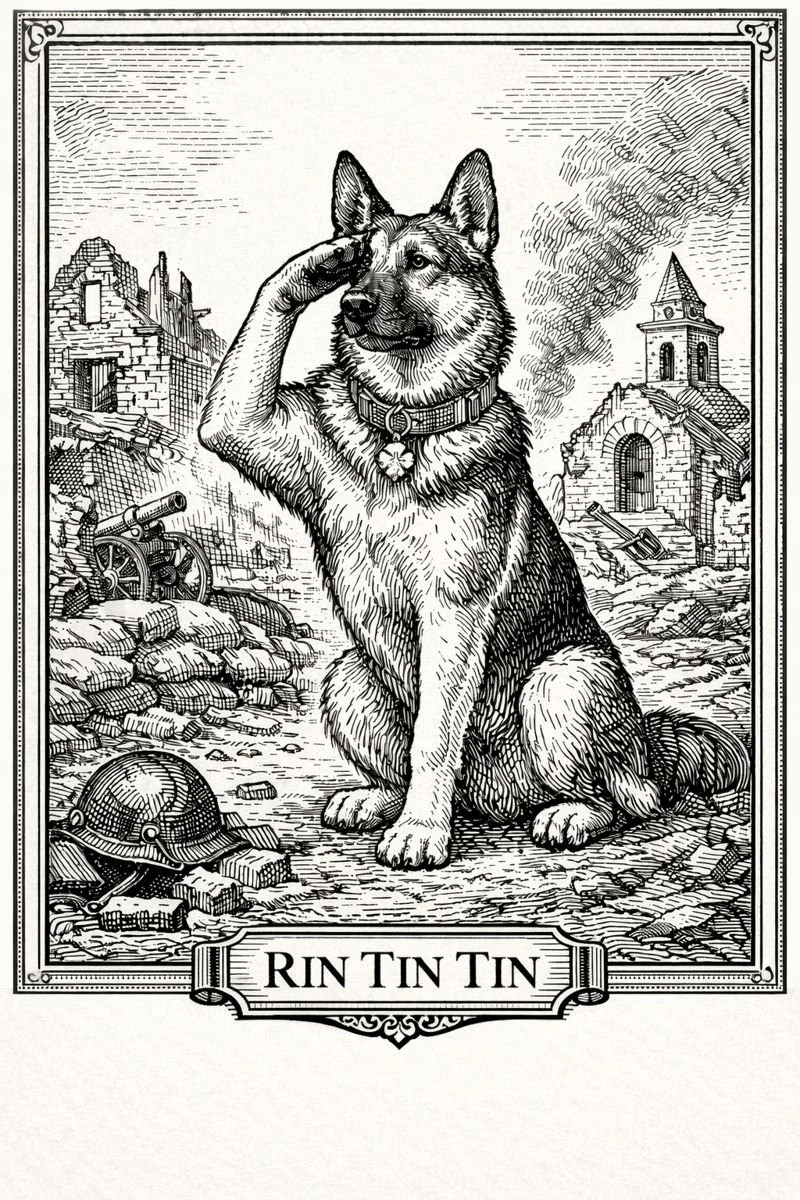
Rin Tin Tin
Rin Tin Tin was a war-rescued German Shepherd who rose from the ruins of World War I to become Hollywood’s most famous symbol of loyalty and courage.
Magawa, an African giant pouched rat, detected over 100 landmines in Cambodia using his keen sense of smell and a scratch signal for TNT. Too light to trigger explosives, he safely cleared more than 225,000 square meters of dangerous ground. In 2020, he became the first rat awarded the PDSA Gold Medal for bravery.