
History’s biggest Badasses
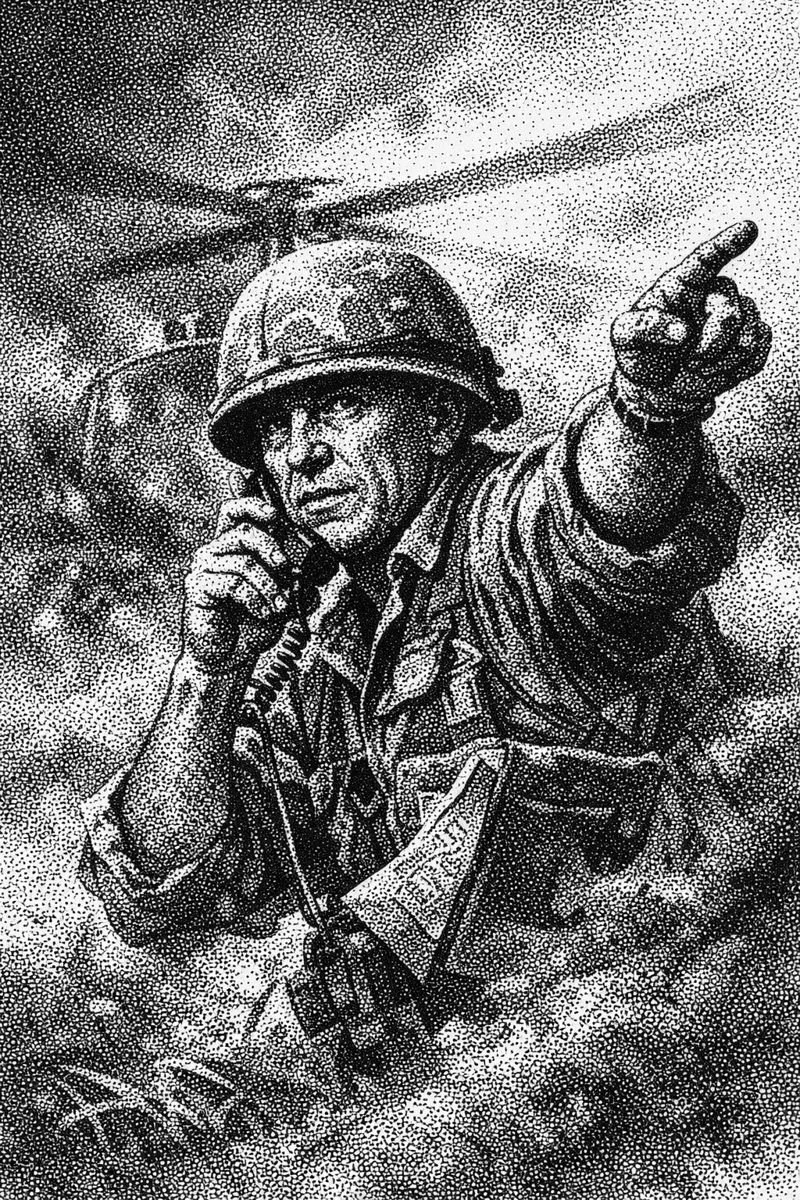
Harold G. “Hal” Moore
U.S. Army officer whose calm, uncompromising leadership at the Battle of Ia Drang defined modern airmobile warfare and the brutal reality of command under fire.
Rank - 139
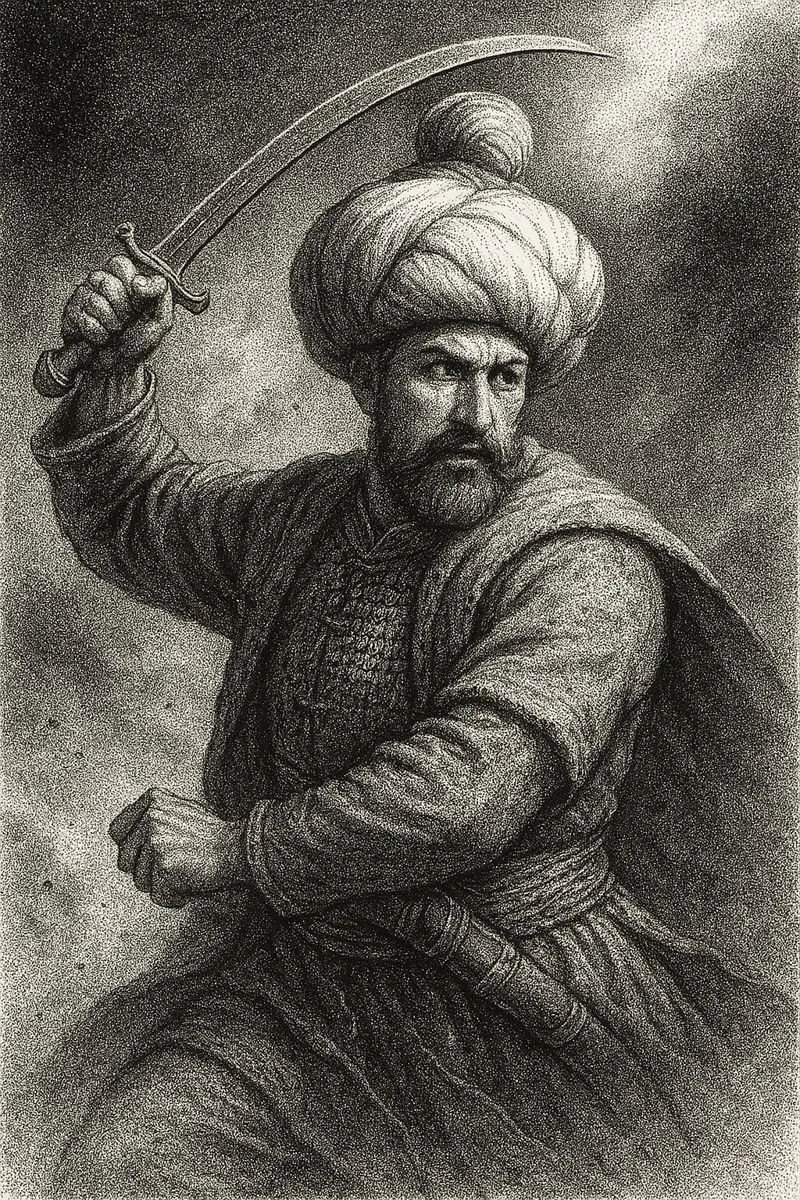
Mehmed II “The Conqueror”
Mehmed II “the Conqueror” was the Ottoman sultan who captured Constantinople in 1453, ending the Byzantine Empire and reshaping the balance of power between East and West. A scholar-warrior with ruthless ambition, he fused gunpowder, centralized rule, and imperial vision to build the foundation of a world-spanning Ottoman state.
Rank - 140
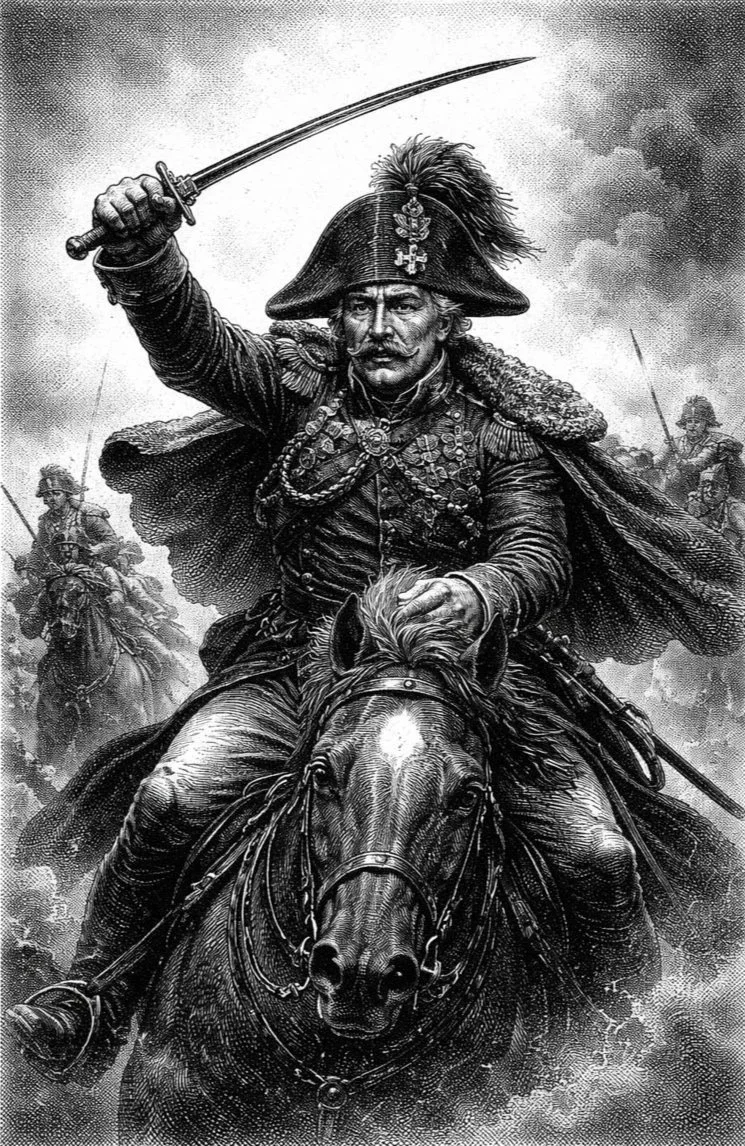
Gebhard Leberecht von Blucher
Gebhard Leberecht von Blücher was a Prussian field marshal whose relentless aggression helped defeat Napoleon at Waterloo in 1815. Famous for charging forward regardless of age or losses, he became a symbol of stubborn resistance and national revenge.
Rank - 141

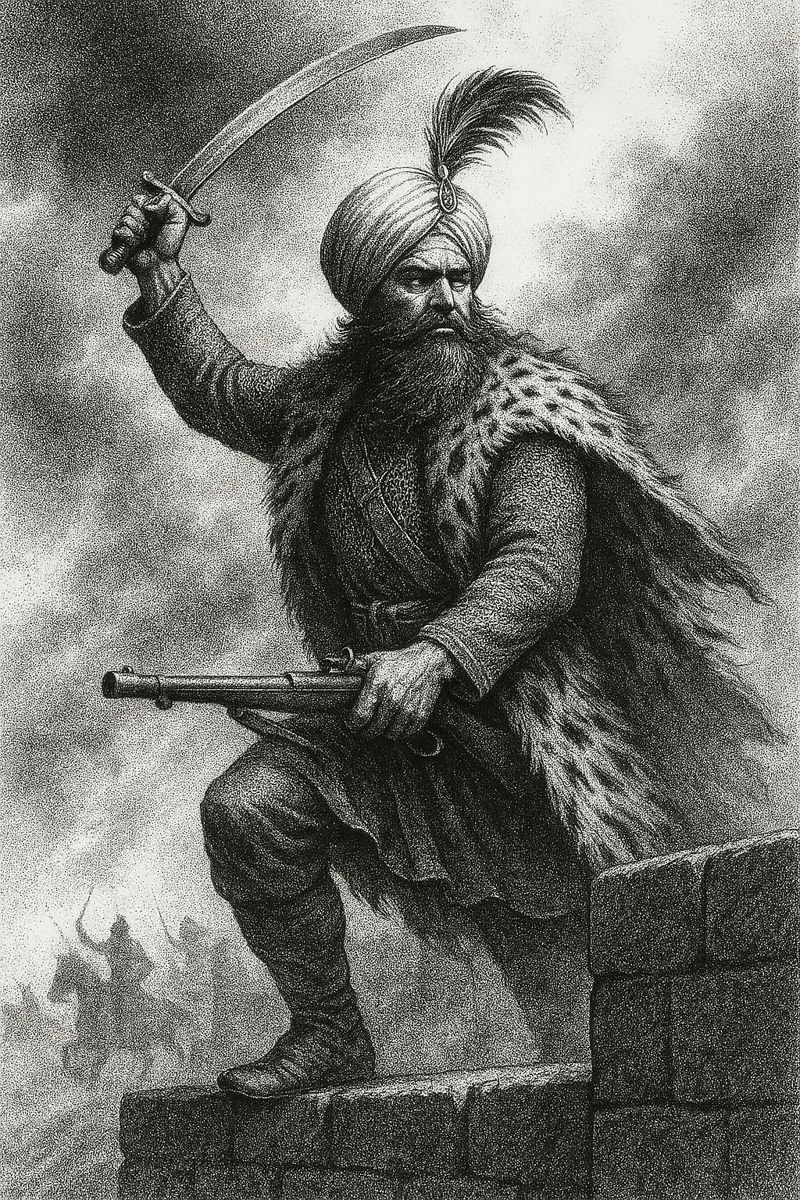
Hari Singh Nalwa
Hari Singh Nalwa was a leading general of the Sikh Empire who secured its northwest frontier and halted repeated Afghan incursions into Punjab. Serving under Maharaja Ranjit Singh, he became a symbol of Sikh military power and frontier rule, remembered for his campaigns from Kashmir to the Khyber Pass.
Rank - 143
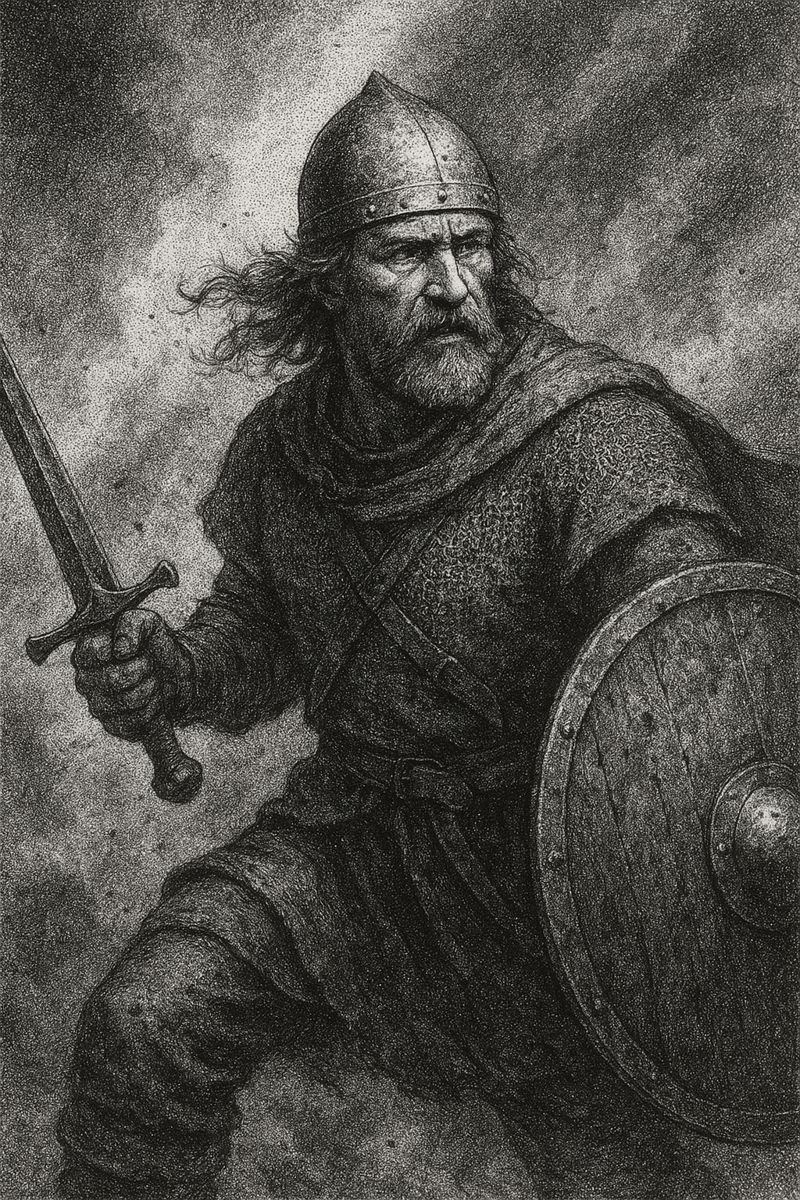
John Hunyadi
John Hunyadi (c. 1407–1456) was a Hungarian military commander and crusader who repeatedly halted Ottoman expansion into Central Europe. His decisive defense of Belgrade in 1456 delayed Ottoman advances for decades and cemented his reputation as the Balkans’ last great shield.
Rank - 144
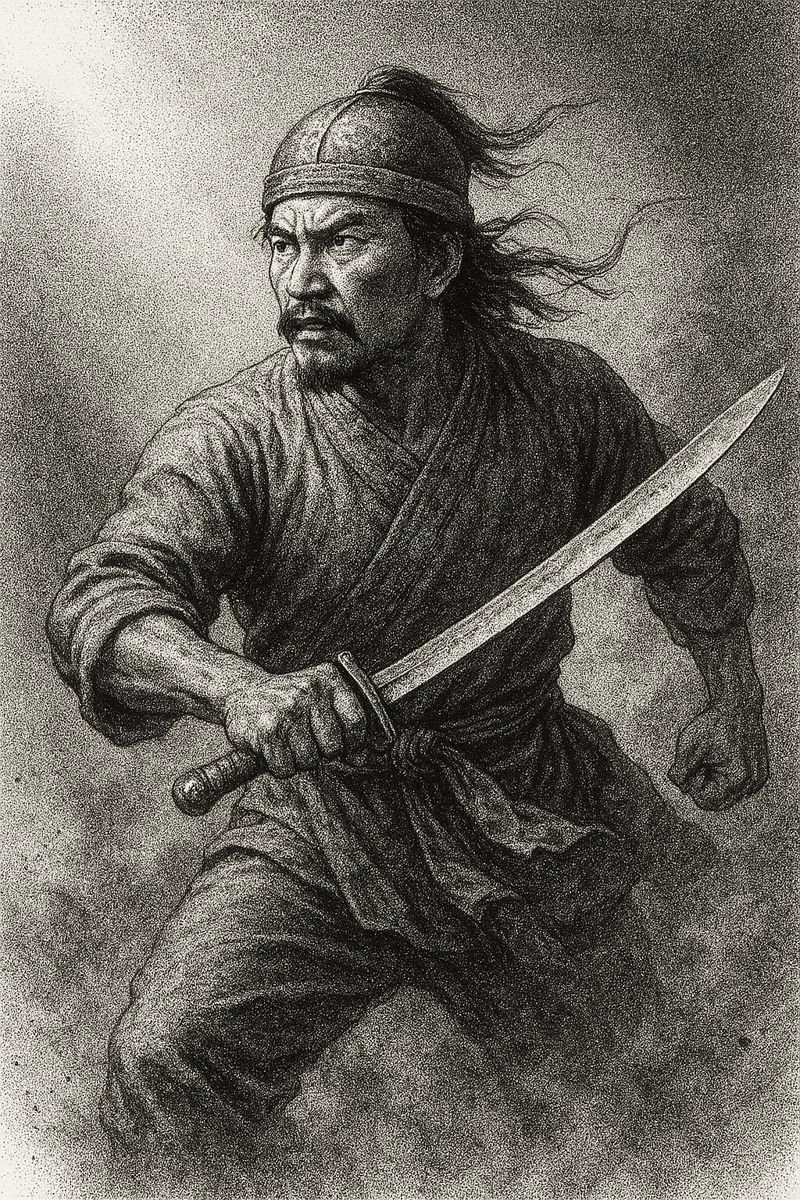
Lê Lợi
Lê Lợi (1385–1433) was a Vietnamese patriot-king who led the Lam Sơn uprising and successfully expelled Ming Chinese rule from Vietnam in the early 15th century. He founded the Later Lê dynasty, securing Vietnamese independence and shaping the nation’s political identity for centuries.
Rank - 145

Tipu Sultan
When the walls of Seringapatam fell, he didn’t flee—he fought until the tiger stripes faded from his own blood.
Rank - 146
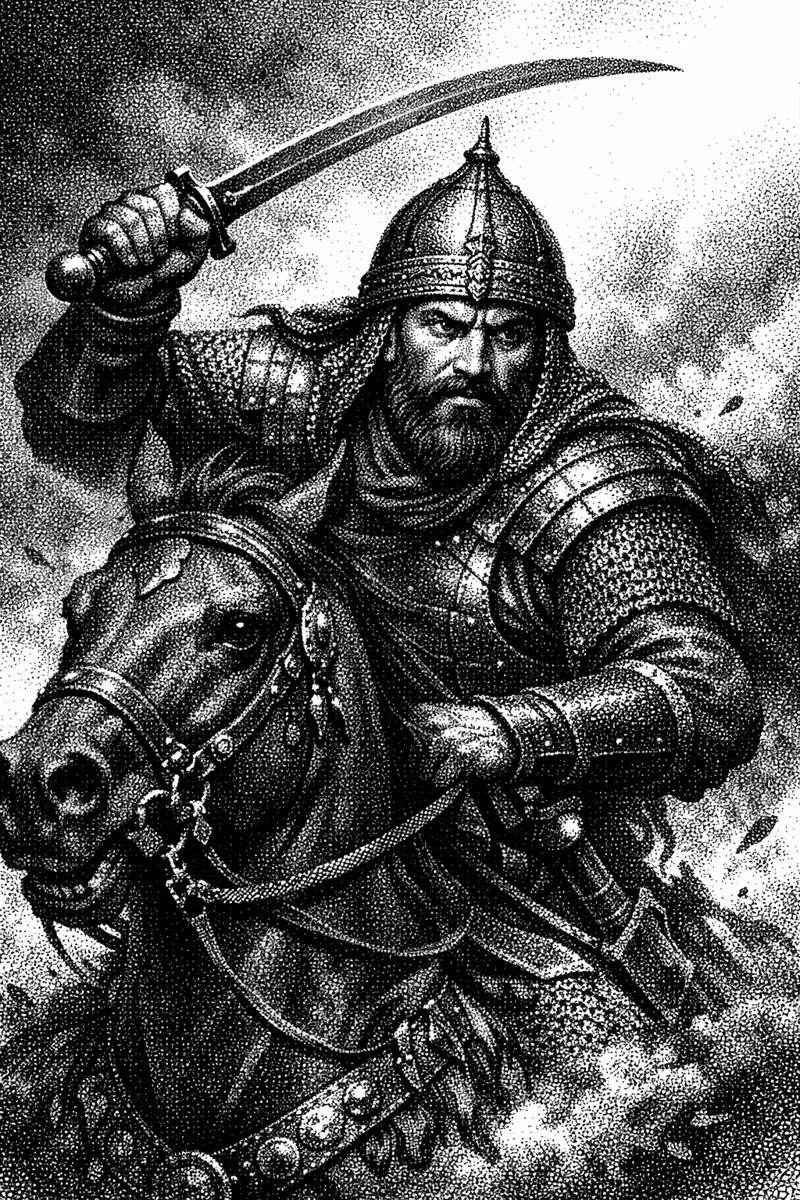
Mahmud of Ghazni
Mahmud of Ghazni (c. 971–1030) was a Turkic ruler and the first major sultan, renowned for his highly mobile cavalry campaigns that projected Ghaznavid power across Central Asia and deep into the Indian subcontinent. Both a fierce military raider and a calculated patron of Persian culture, he left a legacy shaped equally by conquest, wealth extraction, and enduring historical controversy.
Rank - 147
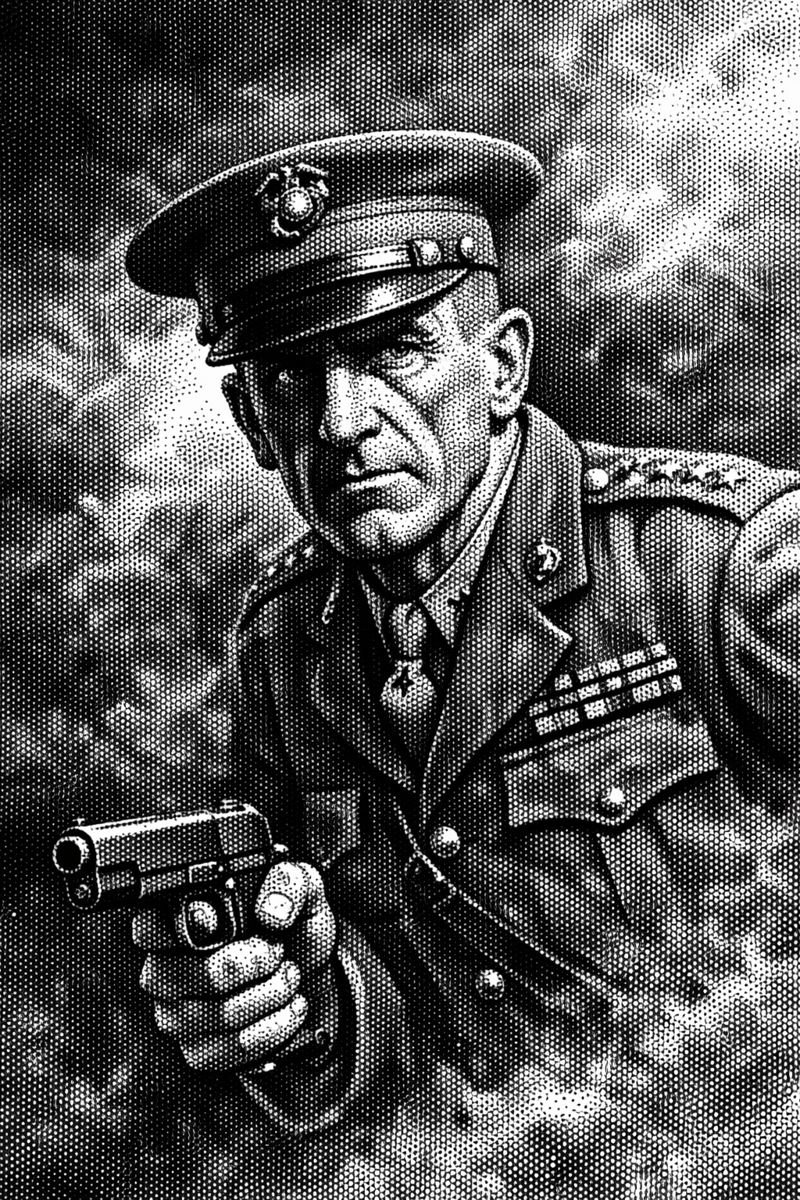
Smedley D. Butler
Smedley D. Butler was a two-time Medal of Honor–winning U.S. Marine who spent decades fighting America’s overseas wars during the age of imperial expansion. After retiring, he became one of the nation’s fiercest critics of war profiteering, condemning the very system that had made him famous.
Rank - 148
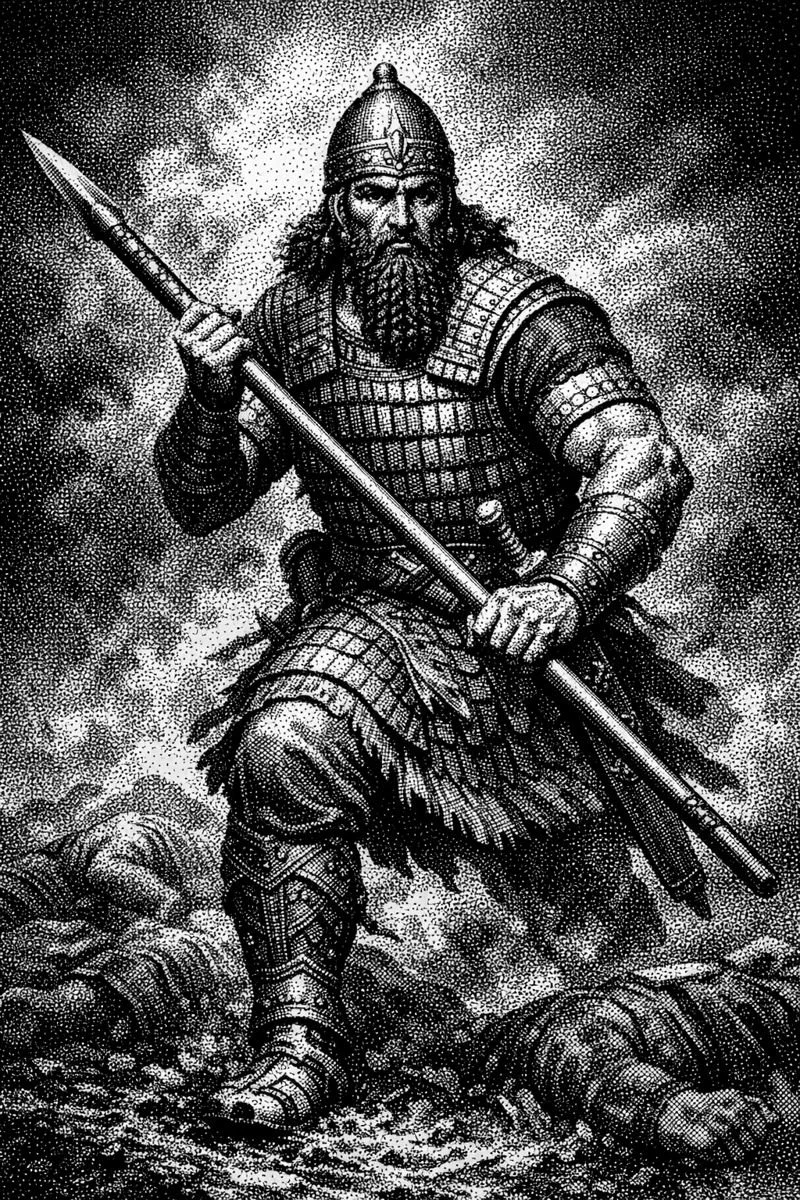
Tiglath-Pileser I
Tiglath-Pileser I was an Assyrian king of the 12th century BCE who expanded his empire through relentless military campaigns and the calculated use of terror as state policy. His meticulously recorded conquests turned violence into propaganda and set the template for later Assyrian imperial power.
Rank - 149
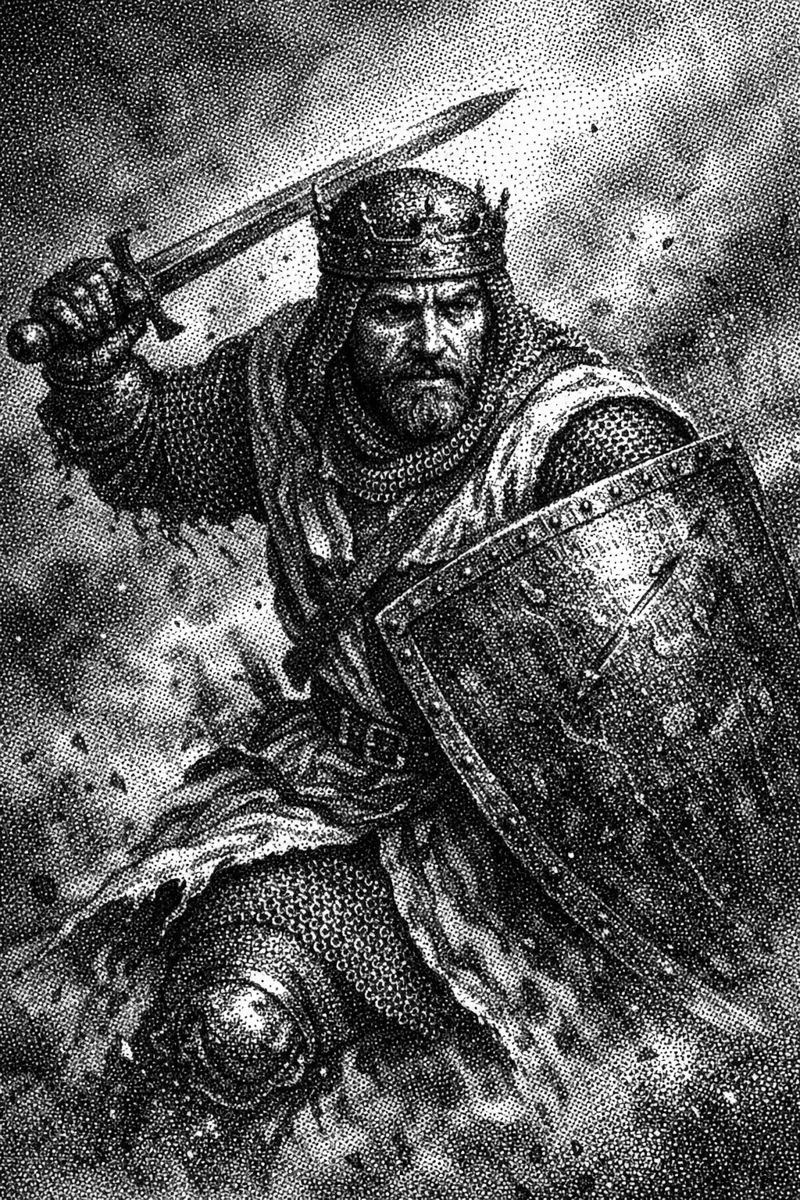
Baldwin I of Jerusalem
Baldwin I of Jerusalem was the first king of the Crusader Kingdom of Jerusalem, a hard-edged Frankish warlord who turned conquest into governance. He secured and expanded the kingdom through relentless warfare, political pragmatism, and a clear-eyed understanding that survival mattered more than sanctity.
Rank - 150
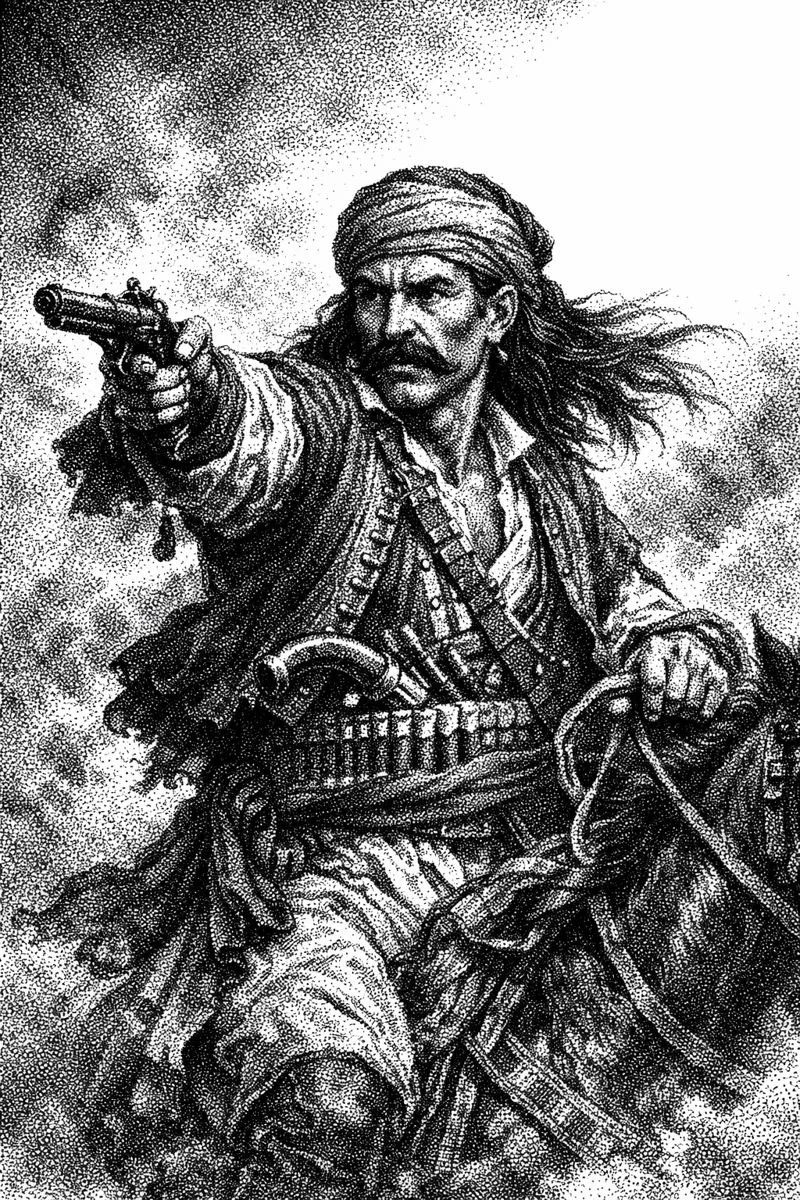
Georgios Karaiskakis
Greek revolutionary commander of the War of Independence, famed for ruthless guerrilla tactics, obscene candor, and battlefield brilliance. A klepht turned national hero who fought the Ottoman Empire with ambushes, audacity, and a terminal disregard for authority.
Rank - 151
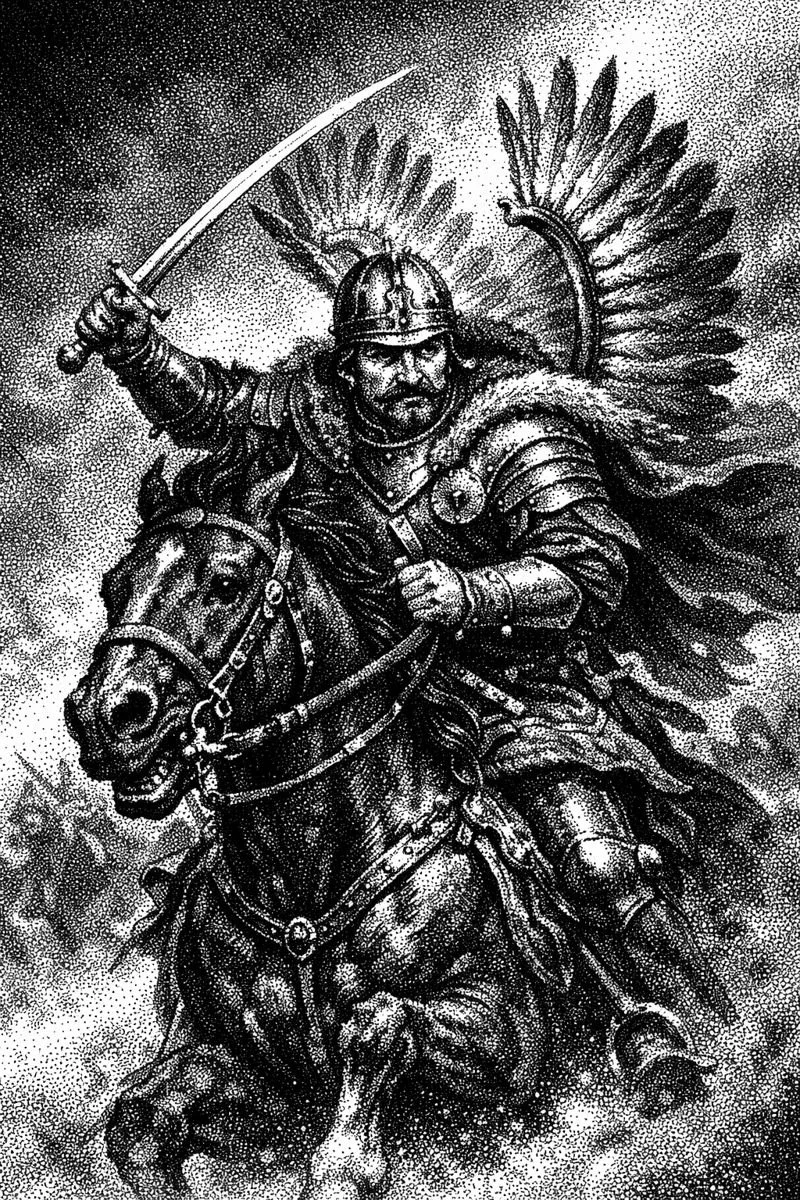
John III Sobieski
John III Sobieski was the Polish king who thundered downhill at Vienna and changed Europe’s fate in a single charge.
Rank - 152
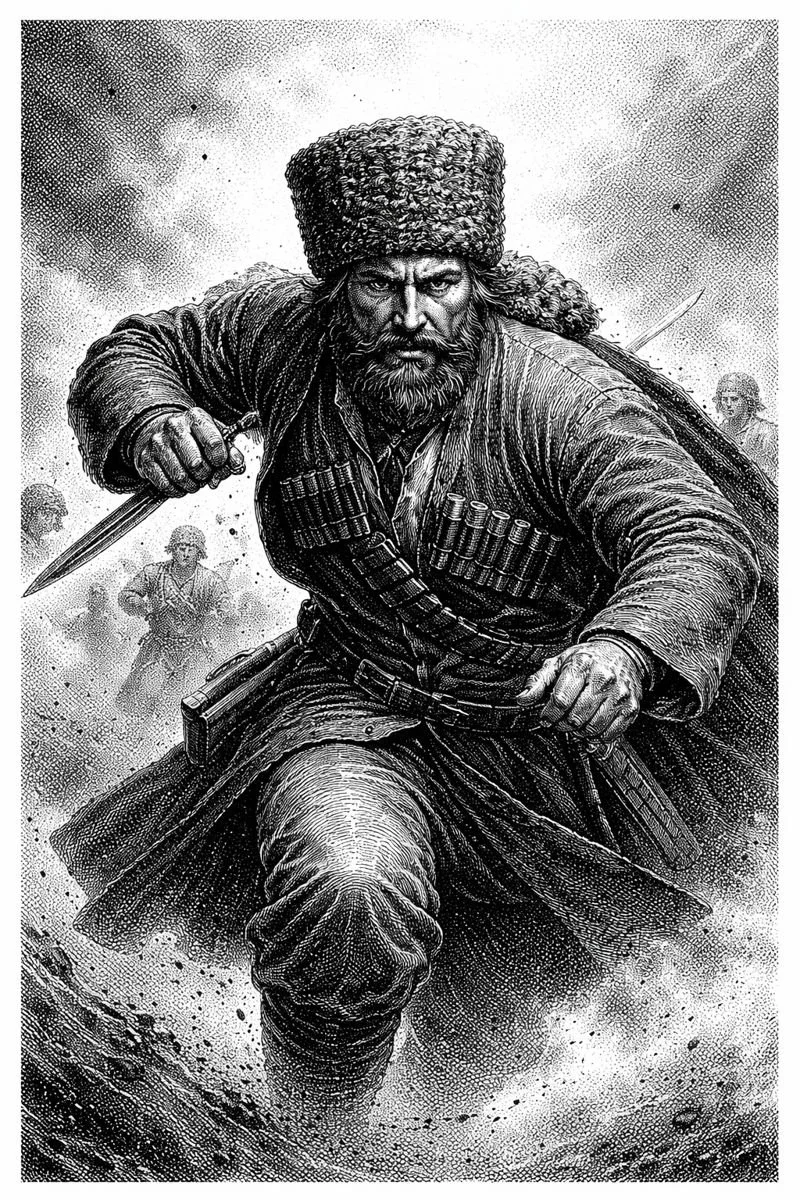
Haji Murad
Mountain warlord, double-crossing survivor, and nightmare of the Russian Empire. He fought for faith, power, and family in that order—then died doing all three at once, proving the Caucasus never belonged to anyone who wanted it neatly.
Rank - 153
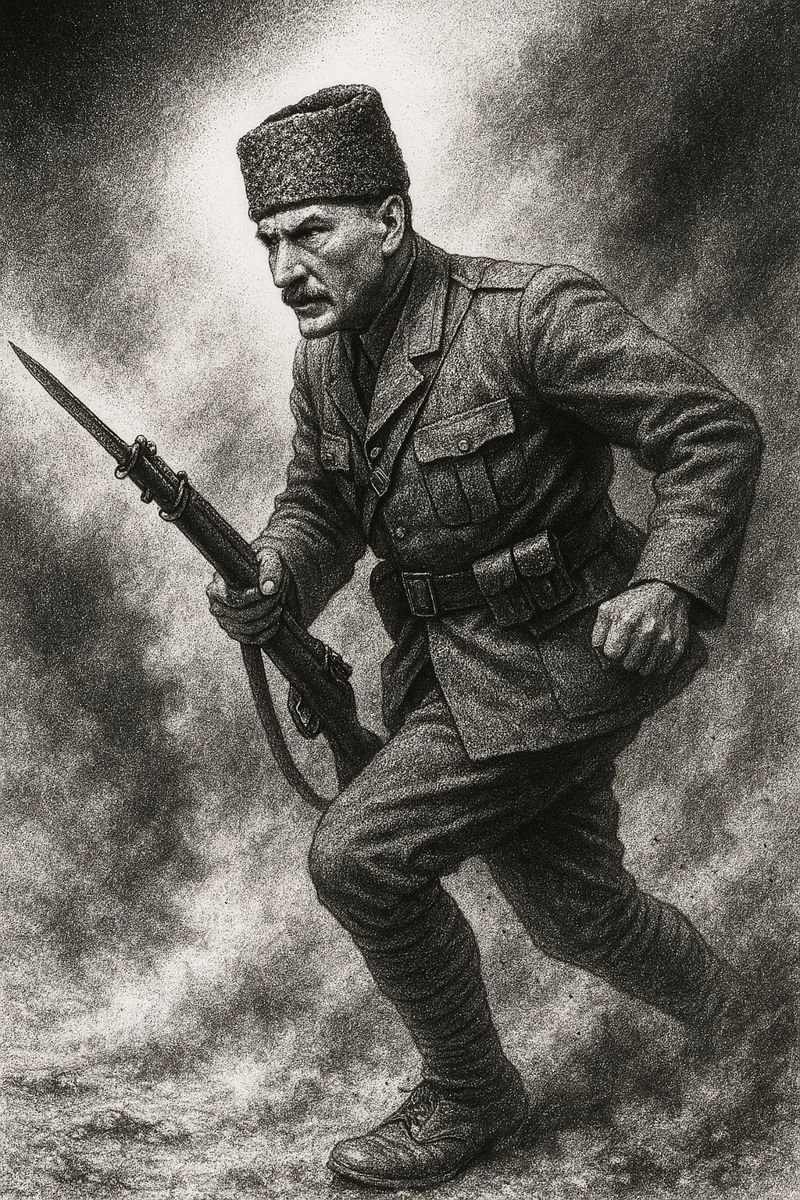
Mustafa Kemal Atatürk
Mustafa Kemal Atatürk was the soldier-statesman who crushed an invasion at Gallipoli and then dismantled a collapsing empire to build a fiercely secular modern Turkey.
Rank - 154
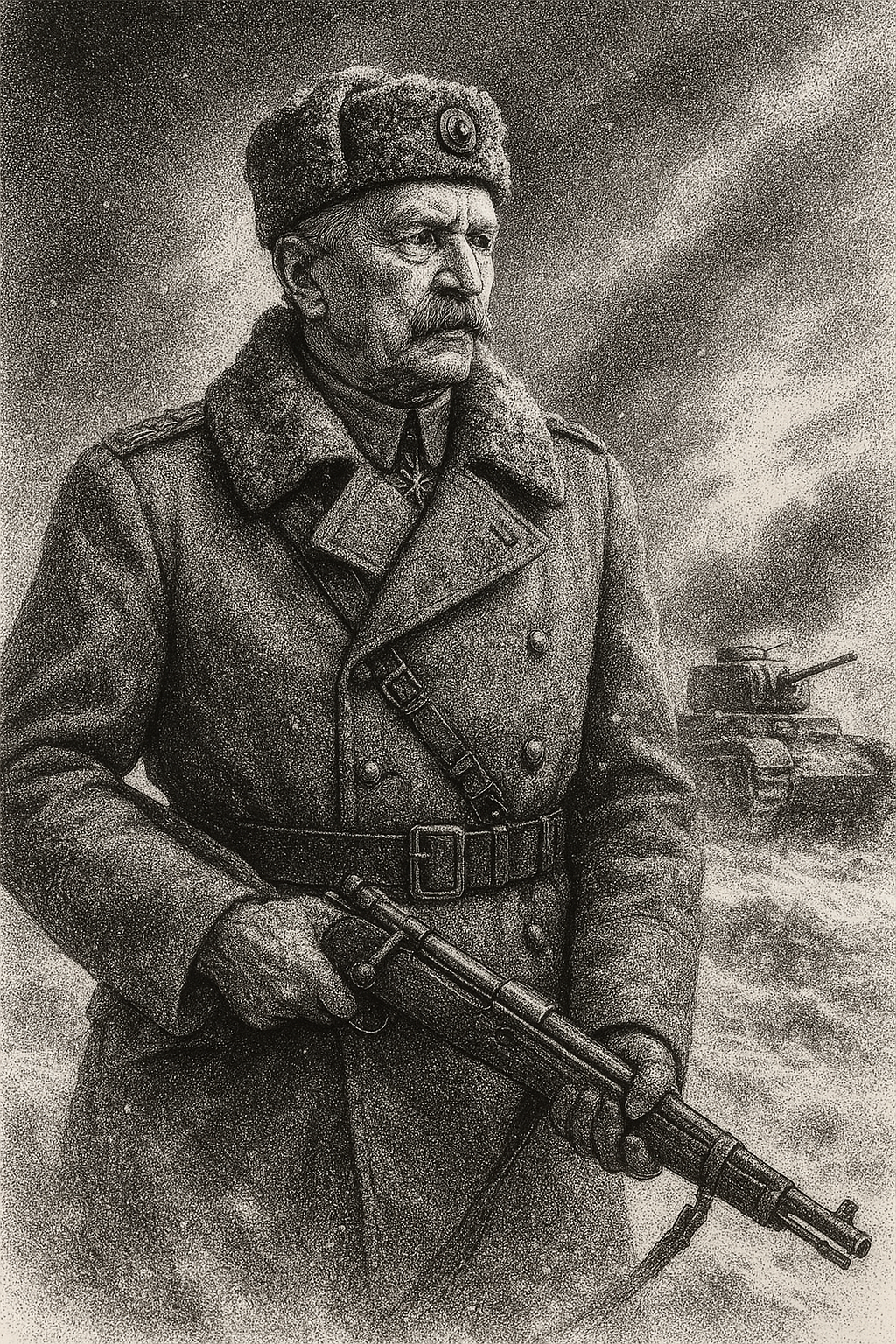
Carl Gustaf Emil Mannerheim
Finnish marshal who led the defense of Finland during the Winter War and preserved the nation’s independence against overwhelming Soviet force.
Rank - 155
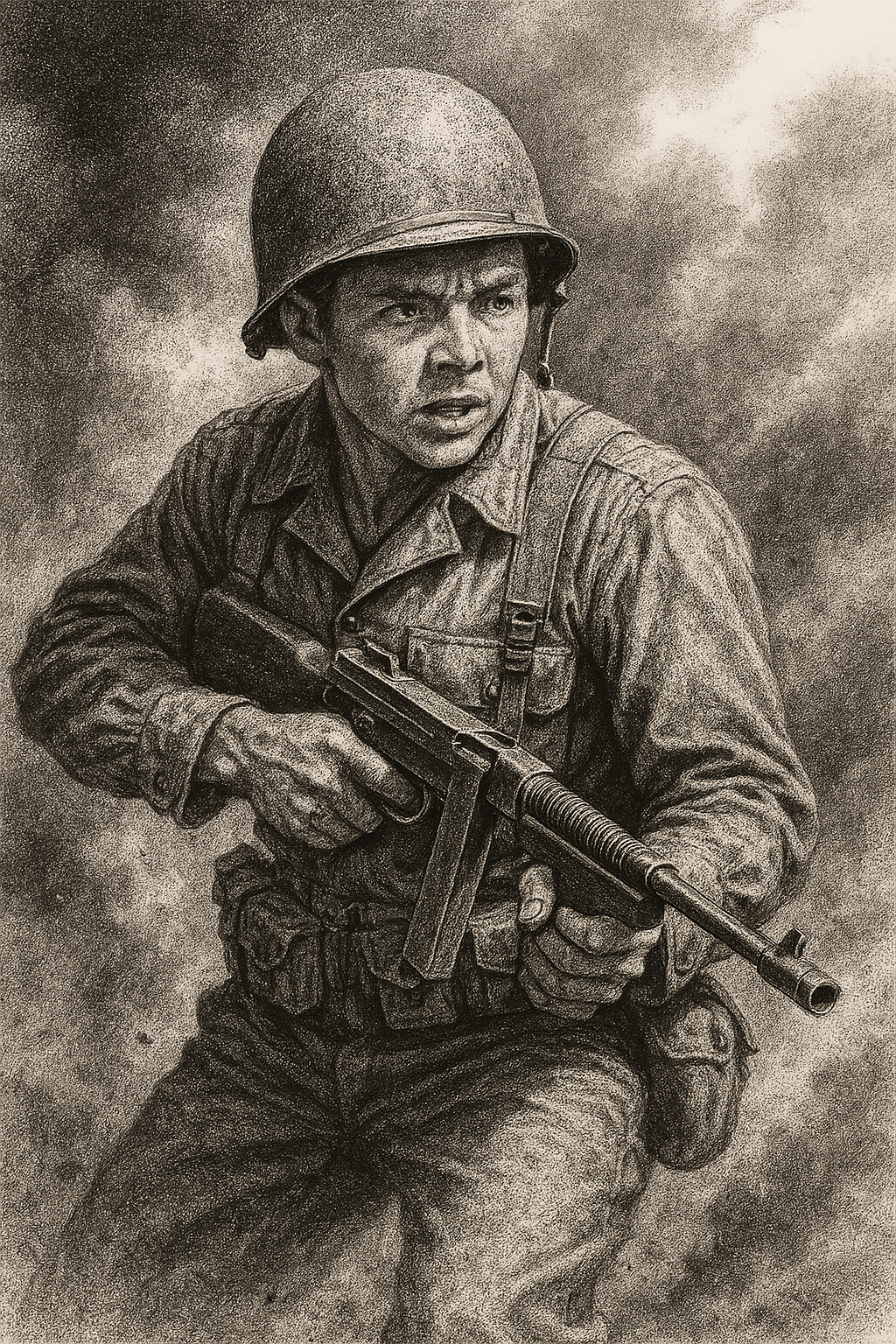
Audie Murphy
At Holtzwihr, Audie Murphy climbed a burning tank destroyer and dared an armored battalion to try and take it back.
Rank - 156
Bayinnaung
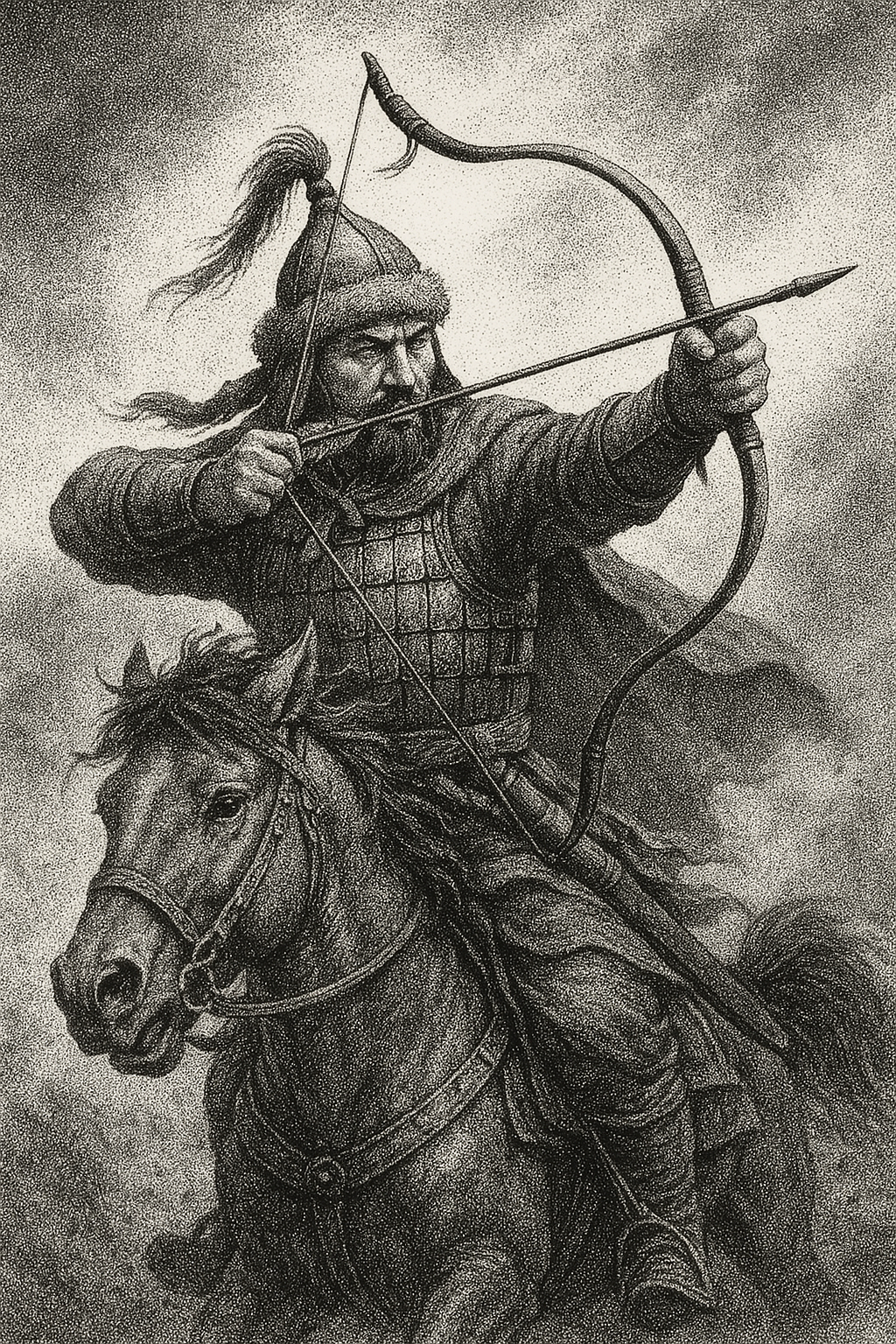
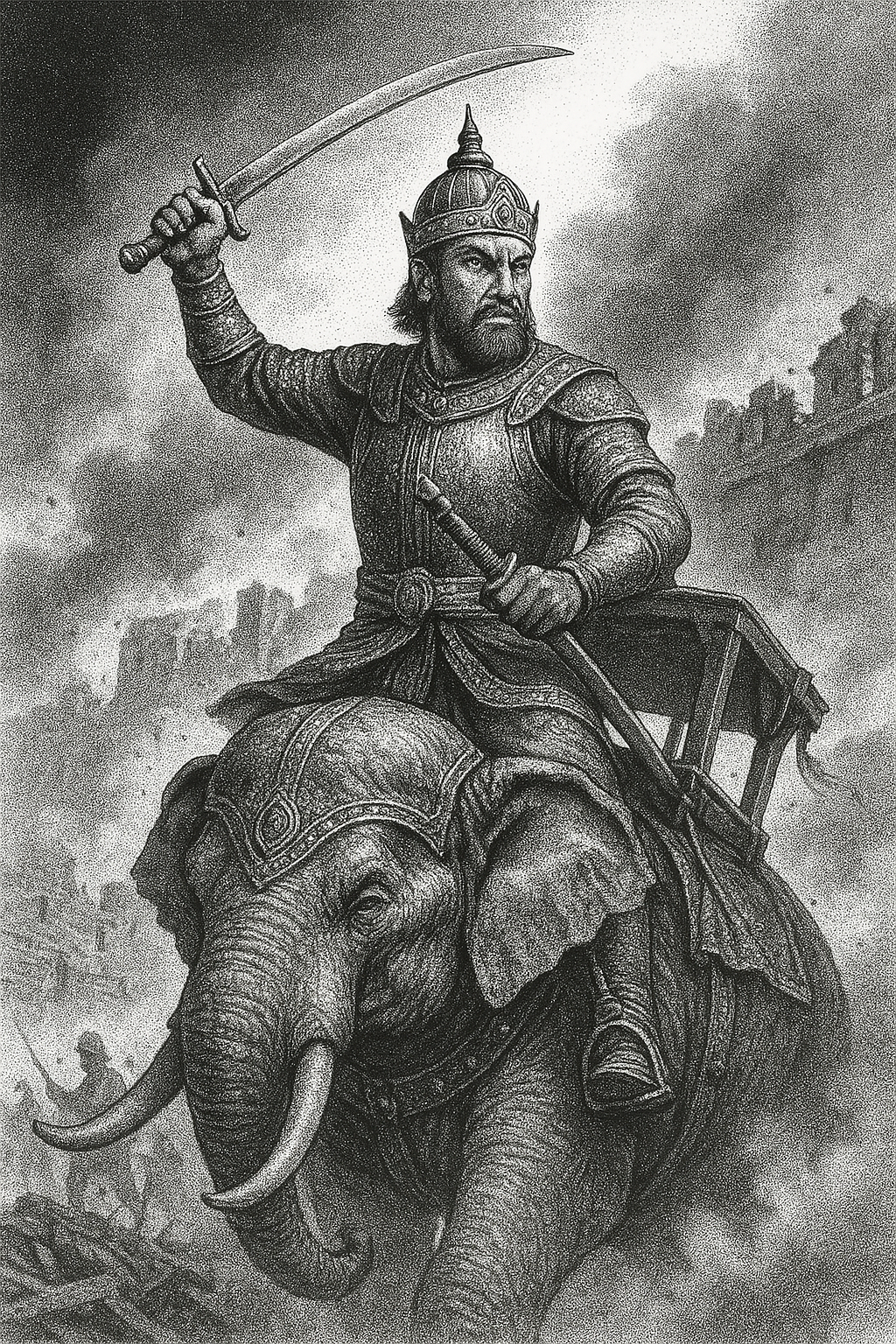
Bayinnaung rose from minor nobility to command an empire that dominated Burma, Siam, Lan Na, and Laos.
Rank - 158